Best Time to Visit Serengeti 2026-2027
Best Time to Visit Serengeti 2026-2027 depends less on finding one perfect month and more on matching your safari dates with the wildlife experience you want to see.
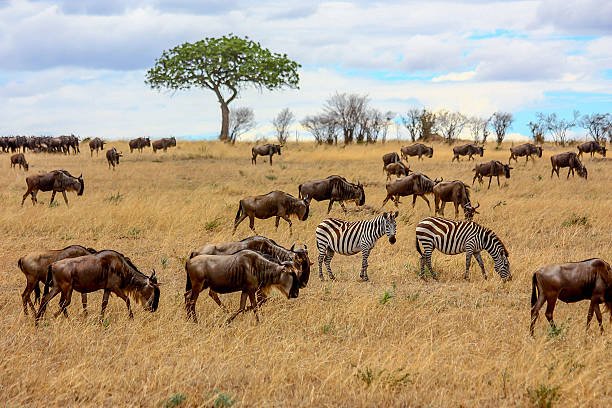
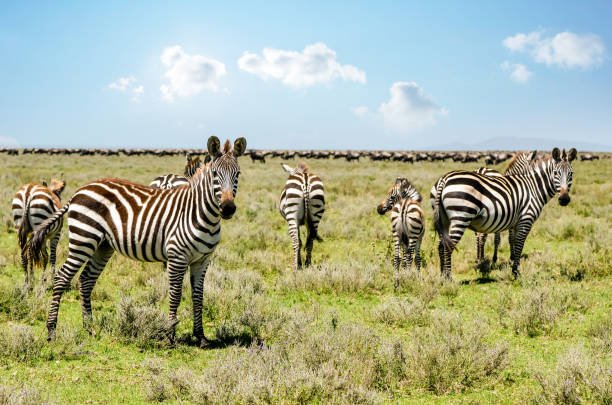
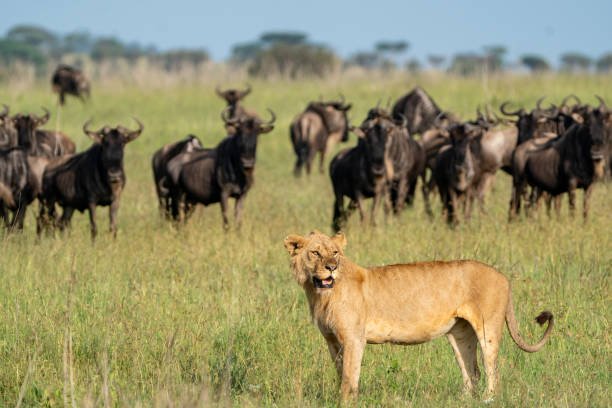
Serengeti is a year round wildlife destination. Lions, elephants, giraffes, cheetahs, leopards, buffalo, hyenas and many other resident animals remain within the ecosystem throughout the year, while the enormous wildebeest and zebra herds of the Great Migration move through different regions seasonally.
For travellers interested in generally drier safari conditions, June through October is often highly attractive. Travellers interested in wildebeest calving commonly focus on the southern Serengeti and Ndutu region around the early months of the year, while those interested in northern migration activity often plan for the middle to later part of the dry season.
However, wildlife movement is natural, rainfall changes from year to year and no migration event can be guaranteed on a particular day.
Best Time to Visit Serengeti at a Glance
- Year round wildlife: Serengeti can be visited throughout the year
- Popular dry season: Approximately June to October
- Calving focus: Southern Serengeti and Ndutu during the early part of the year
- Northern migration focus: Usually more relevant during the middle to later dry season
- Year round base: Central Serengeti
- Photography: Excellent throughout the year with different seasonal conditions
- Fewer crowds: Often possible outside the busiest safari periods
What Is the Best Month to Visit Serengeti?
There is no single best month for every traveller.
The best month depends on whether your priority is the Great Migration, predator activity, calving, drier weather, photography, fewer safari vehicles or lower seasonal accommodation demand.
A traveller visiting in February for calving season can have an excellent safari, while another traveller visiting in August for northern migration activity can have a completely different but equally memorable experience.
For general wildlife viewing without a specific migration objective, central Serengeti can provide rewarding safari opportunities across much of the year.
Choose Your Serengeti Season by Experience
- Calving and newborn animals: southern Serengeti and Ndutu
- Predator activity: possible throughout the year
- Drier safari conditions: generally June to October
- Mara River region: northern Serengeti during suitable migration periods
- Green landscapes: wetter months
- General wildlife: central Serengeti throughout the year
- Photography: every season offers different advantages
Best Time for Serengeti Great Migration
The Great Migration is a continuous wildlife movement rather than a single event taking place during one month.
Wildebeest and zebra move through the wider Serengeti ecosystem in response to rainfall, grazing and natural conditions.
This means the best time depends on which stage of the migration you want to experience.
Southern Serengeti is associated with calving, western and central areas can become important during transitional periods, and northern Serengeti becomes a major focus during periods when herds move toward the Mara River region.
Best Time for Serengeti Calving Season
The southern Serengeti and Ndutu region are especially important during the early part of the year when large migration herds use the nutrient rich short grass plains.
This period is known for the arrival of many wildebeest calves and can also attract predators taking advantage of the concentration of prey.
Travellers interested specifically in newborn animals, herd behavior and predator interactions commonly focus their safari planning on this seasonal window.
Best Time for Mara River Crossings
Northern Serengeti becomes an important safari region when migration herds move toward the Mara River area.
Many travellers plan northern Serengeti safaris during the middle and later parts of the dry season in hopes of seeing migration activity near the river.
However, river crossings cannot be scheduled. Herds can wait near the water, cross unexpectedly, move to another location or cross more than once.
Travellers specifically interested in crossings should consider several nights in northern Serengeti rather than expecting one short game drive to guarantee the experience.
Best Time for Wildlife Viewing in Serengeti
Wildlife viewing is possible throughout the year because Serengeti has large populations of resident animals in addition to the migratory herds.
Drier periods can make wildlife easier to locate around available water and shorter vegetation can sometimes improve visibility.
During greener months, visitors can experience dramatic landscapes, birdlife, young animals and changing weather conditions that produce excellent photography.
Serengeti Dry Season
The drier months are among the most popular times for Serengeti safaris.
Road conditions are generally easier, vegetation may be less dense in some areas and wildlife can concentrate around permanent water sources.
This period also attracts strong visitor demand, meaning popular lodges and camps can fill earlier.
Travellers planning a dry season safari should therefore confirm accommodation well in advance when possible.
Serengeti Green Season
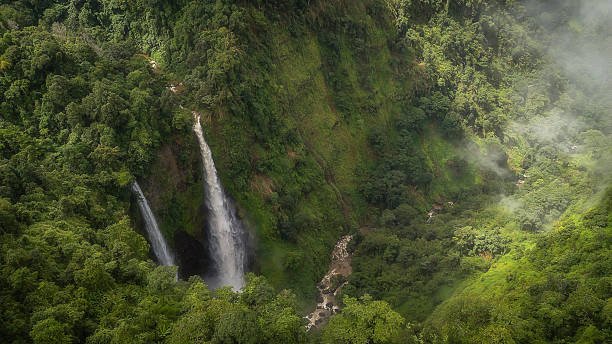
Rainfall transforms sections of Serengeti into green landscapes that can look dramatically different from the dry season.
This period can provide excellent photography, fresh vegetation, active birdlife and fewer vehicles in some areas.
Rain does not necessarily mean continuous rainfall throughout every safari day, but roads and game drive conditions can become more challenging after heavy showers.
Travellers should choose accommodation and routes according to seasonal accessibility.
Best Time to Visit Central Serengeti
Central Serengeti is one of the most reliable regions for year round safari travel.
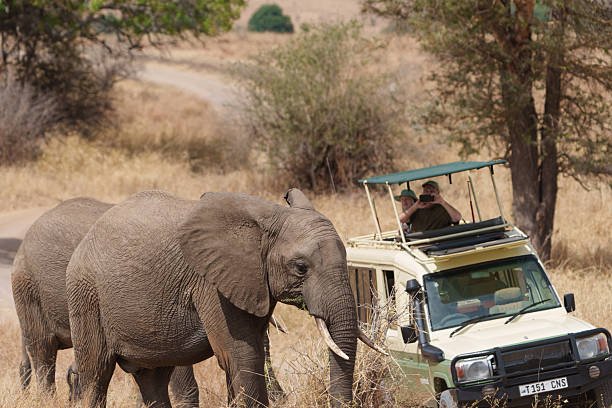
The Seronera area and surrounding habitats support resident wildlife including lions, leopards, cheetahs, elephants, giraffes and many herbivore species.
Migration herds may also pass through central areas during parts of the year, but travellers do not need to depend completely on migration activity for a rewarding safari.
Best Time to Visit Southern Serengeti
Southern Serengeti is especially attractive during the period when migration herds use the short grass plains.
The Ndutu region and surrounding southern ecosystem can become one of the most important wildlife areas during the calving season.
Outside the strongest seasonal migration period, travellers may choose other Serengeti regions depending on wildlife distribution.
Best Time to Visit Northern Serengeti
Northern Serengeti is particularly popular during periods when migration herds move toward the Tanzania and Kenya border region.
The area offers beautiful landscapes and wildlife beyond the migration as well, but many travellers choose it specifically because of seasonal wildebeest movement and the Mara River.
Because it is farther from Arusha, visitors should consider longer road itineraries or domestic flights when planning northern Serengeti trips.
Best Time to Visit Western Serengeti
The western Serengeti becomes particularly interesting during periods when migration herds move through the western corridor.
The region includes riverine habitats and landscapes that differ from the central plains.
Travellers focusing on western Serengeti should plan according to expected seasonal migration movement rather than assuming the herds remain there throughout the year.
Serengeti in January
January can be an excellent time for travellers focusing on southern Serengeti and Ndutu.
Migration herds can be concentrated across the southern plains depending on rainfall patterns, and the landscape can be greener than during the dry season.
Travellers interested in the developing calving period should consider accommodation positioned close to the southern ecosystem.
Serengeti in February
February is strongly associated with the calving season in the southern Serengeti and Ndutu ecosystem.
Large herds and newborn wildebeest can create impressive wildlife viewing, while predators may also be active around concentrations of prey.
This can be one of the strongest periods for travellers interested in animal behavior and wildlife photography.
Serengeti in March
March can continue to provide good wildlife opportunities across the southern ecosystem as seasonal conditions begin changing.
Young animals remain present and migration movement can gradually shift according to rainfall and grazing.
The exact herd location varies each year, so itineraries should remain flexible where possible.
Serengeti in April
April is usually associated with wetter conditions in northern Tanzania.
Landscapes can become intensely green, skies can be dramatic and there may be fewer safari vehicles in some locations.
Heavy rain can affect roads and some seasonal accommodation arrangements, so travellers should select routes carefully.
Serengeti in May
May can remain green as seasonal rainfall continues to influence vegetation and migration movement.
Large herds can begin shifting through different areas of the ecosystem depending on rainfall patterns.
This can be attractive for travellers who enjoy dramatic landscapes and are comfortable with variable weather.
Serengeti in June
June often marks the beginning of increasingly dry conditions across parts of the ecosystem.
Wildlife movement can become especially interesting as migration herds continue through the western and central regions depending on seasonal conditions.
Safari demand can also begin increasing as the popular dry season develops.
Serengeti in July
July is a popular safari month because conditions are generally drier and migration herds may be moving toward northern sections of the ecosystem.
Central and northern Serengeti can become increasingly important depending on herd movement.
Travellers should book well positioned accommodation early because demand can be high.
Serengeti in August
August is one of the most popular months for northern Serengeti safaris.
Travellers often visit in hopes of seeing migration activity near the Mara River while also enjoying general predator and plains wildlife viewing.
River crossings remain unpredictable, so several nights in the region can provide a better safari strategy than a quick visit.
Serengeti in September
September can continue to provide excellent northern Serengeti wildlife opportunities during suitable migration conditions.
Dry landscapes, predators and herd movement can make this an attractive period for photographers and wildlife enthusiasts.
Popular accommodation can still experience strong demand.
Serengeti in October
October can remain relatively dry while seasonal changes begin approaching.
Migration herds may still use northern parts of the ecosystem before gradually shifting according to rainfall patterns.
Central Serengeti continues to offer resident wildlife even when large migration herds are elsewhere.
Serengeti in November
November can bring short seasonal rains that begin refreshing dry landscapes.
Migration herds can respond to new grazing conditions and begin shifting southward through the ecosystem.
This period can offer attractive photography with green vegetation and dramatic skies.
Serengeti in December
December can provide excellent wildlife viewing as parts of the ecosystem become greener and migration herds continue moving toward southern areas when seasonal conditions are suitable.
Holiday travel can increase accommodation demand toward the end of the month.
Travellers planning Christmas or New Year safaris should organize preferred accommodation well in advance.
Serengeti Month by Month Summary
- January: southern plains and developing calving season
- February: strong calving season focus
- March: southern migration wildlife and changing conditions
- April: greener landscapes and wetter safari conditions
- May: green season and shifting migration movement
- June: increasing dry conditions and migration transitions
- July: dry season and increasing northern migration focus
- August: popular northern Serengeti and Mara River period
- September: northern migration and dry season wildlife
- October: late dry season and changing herd movement
- November: short rains and greener landscapes
- December: southward migration movement and holiday safaris
Best Time for Serengeti Photography Safari
Serengeti photography is rewarding throughout the year because each season offers different visual conditions.
Dry months can provide dusty landscapes, concentrated wildlife and open views, while wetter months can produce green backgrounds, dramatic skies and reflections.
Calving season can be excellent for wildlife behavior, while northern migration periods can provide dramatic herd scenes.
Photographers should therefore select the season according to the subjects and atmosphere they want rather than assuming one period is always best.
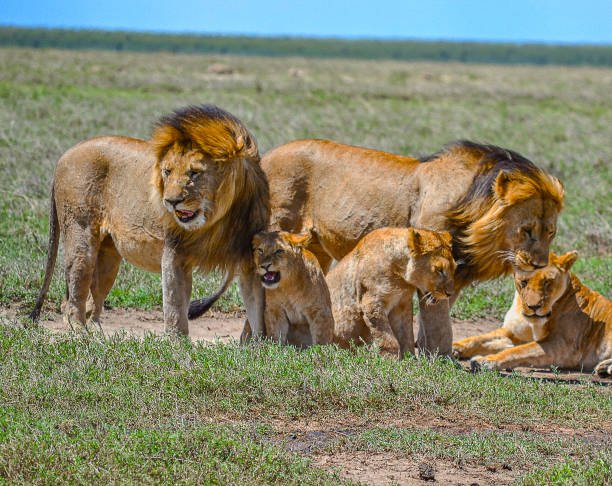
Best Time to See Lions in Serengeti
Lions are resident in Serengeti and can be seen throughout the year.
Their movements depend on prey availability, territory and environmental conditions rather than the tourism calendar.
Early morning and late afternoon game drives can be especially useful because temperatures are cooler and predators may be more active.
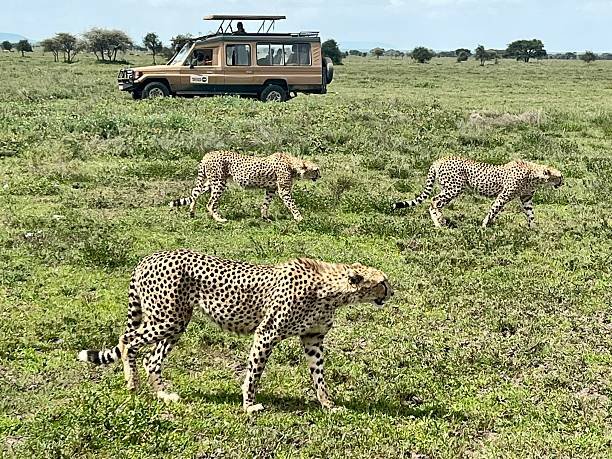
Best Time to See Cheetahs
Cheetahs can also be encountered throughout the year, particularly in suitable open habitats.
The southern and central Serengeti plains can provide excellent opportunities depending on prey distribution and seasonal conditions.
Wildlife remains unpredictable, and sightings cannot be guaranteed during any particular month.
Best Time to See Leopards
Leopards are resident animals and are possible throughout the year.
They are often more difficult to locate than lions because of their solitary behavior and ability to remain concealed.
Experienced guides search suitable woodland and riverine habitats where leopard activity may be detected.
Best Time for Birdwatching in Serengeti
Serengeti supports a rich diversity of birdlife throughout the year.
Greener months can be particularly attractive to birdwatchers because seasonal conditions influence feeding, breeding and migrant species activity.
Travellers interested primarily in birds should consider combining Serengeti with other northern Tanzania habitats for greater diversity.
Best Time for Fewer Crowds in Serengeti
The busiest wildlife periods naturally attract more safari vehicles, especially around famous migration locations.
Travellers who prioritize quieter experiences can consider less demanded months or stay in less concentrated areas of the park.
A private safari also provides more flexibility to leave busy sightings and search quieter wildlife locations with the guide.
Cheapest Time to Visit Serengeti
Safari prices can vary according to accommodation season, demand and travel dates.
Some lodges and camps may offer better value outside the busiest periods, although park related costs and operational expenses still form a major part of the safari price.
The lowest accommodation rate is not always the best safari value if the property is located far from the wildlife region you want to explore.
Best Time for a Serengeti Honeymoon
Honeymooners can visit Serengeti throughout the year depending on their preferred combination of wildlife, weather and privacy.
The dry season provides popular wildlife conditions, while greener periods can offer beautiful landscapes and fewer vehicles in selected areas.
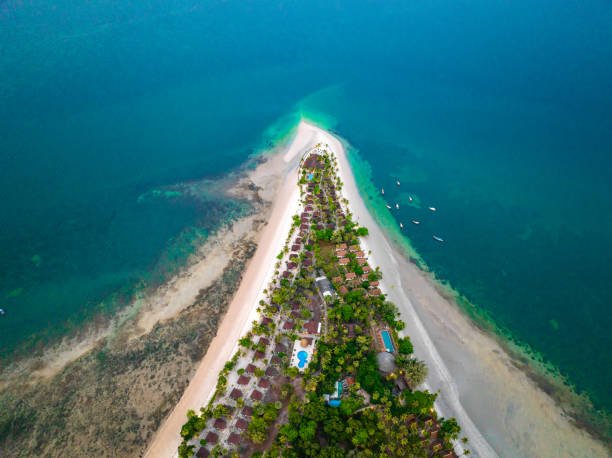
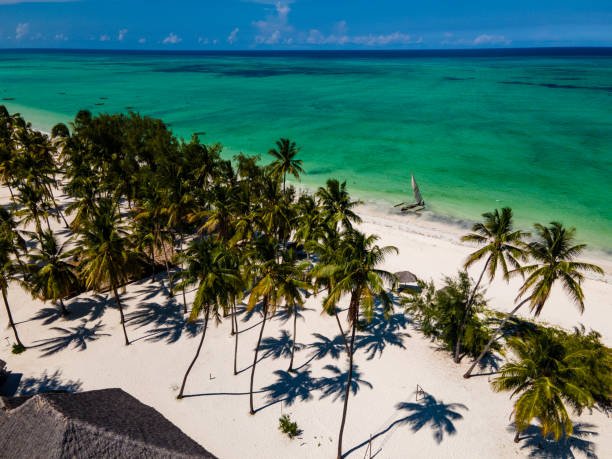
A Serengeti honeymoon can also be combined with Zanzibar so couples enjoy safari first and then relax on the Indian Ocean coast.
Best Time for a Family Serengeti Safari
Families often prefer generally drier months because road conditions can be easier and outdoor safari logistics more predictable.
However, school holidays can overlap with popular travel periods and increase accommodation demand.
Families with flexible schedules can also consider greener months and select lodges with suitable family facilities.
Best Time for a Private Serengeti Safari
A private safari works during every season because the itinerary can be customized according to wildlife movement and current conditions.
This is particularly useful during migration periods because the guide can focus the game drive on the traveller's preferred species or wildlife events.
Private safaris are also useful for photographers and families who want more control over daily timing.
Best Time for a Serengeti Safari from Zanzibar
A Serengeti safari can be combined with Zanzibar throughout the year using domestic flights.
The strongest travel period depends on both the Serengeti wildlife experience and the traveller's preferred beach conditions.
Travellers should plan the safari region first when migration is a major priority, then coordinate the Zanzibar portion around the complete Tanzania itinerary.
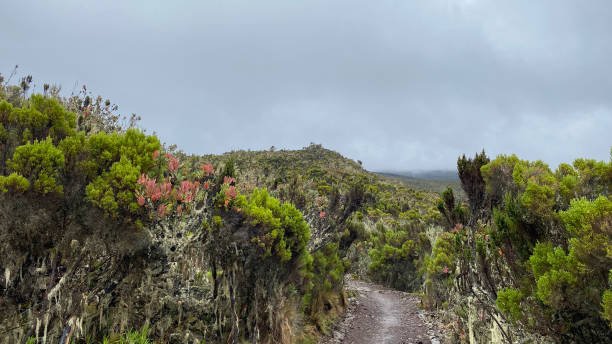
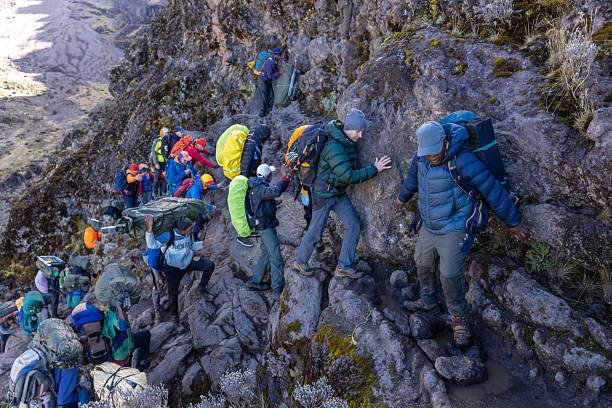
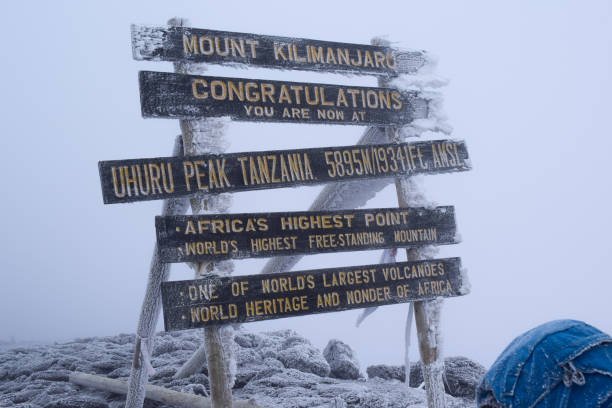
Best Time for Serengeti After Kilimanjaro
Kilimanjaro and Serengeti can be combined during many periods of the year.
Travellers should consider both mountain conditions and Serengeti wildlife priorities when selecting the final dates.
After finishing the climb in Moshi, visitors can travel toward Arusha and continue into Serengeti, Ngorongoro and other northern parks.
How Many Days Do You Need in Serengeti?
Two days can provide a short introduction, but three to four days inside the Serengeti region gives travellers significantly more flexibility.
A five to seven day northern circuit safari can combine Serengeti with Ngorongoro and Tarangire while maintaining a comfortable pace.
Migration focused travellers visiting remote northern or southern regions may benefit from additional nights near the wildlife area they are targeting.
Choosing Your Serengeti Safari Duration
- 2 days: short introduction or fly in extension
- 3 to 4 days: strong Serengeti focused safari
- 5 to 7 days: Serengeti plus Ngorongoro and Tarangire
- 7+ days: migration, photography or multiple Serengeti regions
Best Time to Combine Serengeti and Ngorongoro
Serengeti and Ngorongoro can be combined throughout the year.
The best dates therefore depend mainly on the Serengeti experience the traveller wants, because Ngorongoro supports wildlife across seasons.
This combination is especially practical for travellers with four to seven safari days.
Best Time to Combine Serengeti and Tarangire
Tarangire and Serengeti provide contrasting landscapes and can be included within the same northern Tanzania itinerary.
Seasonal conditions influence wildlife concentrations in Tarangire as well as migration movement in Serengeti.
A well planned itinerary considers both parks rather than selecting dates based only on one destination.
Does Rain Ruin a Serengeti Safari?
Rain does not automatically ruin a Serengeti safari.
Showers can produce beautiful light, greener landscapes and active wildlife, although heavy rain can make some roads more challenging.
Travellers visiting during wetter periods should use appropriate safari vehicles and select accommodation that works well with seasonal access conditions.
When Should I Avoid Serengeti?
There is no month when every traveller should automatically avoid Serengeti.
Instead, certain periods may be less suitable for a specific goal. A traveller wanting Mara River migration activity should not choose southern Serengeti simply because accommodation is cheaper, while someone wanting calving season should not focus the itinerary entirely on northern Serengeti.
The key is matching location and season correctly.
How to Choose the Best Serengeti Travel Dates
Start by deciding which wildlife experience matters most to you.
If the Great Migration is the priority, select the Serengeti region according to expected seasonal herd movement. If general wildlife is the priority, central Serengeti provides greater flexibility across different months.
Then consider accommodation budget, safari duration, Zanzibar or Kilimanjaro extensions and whether you prefer private or group travel.
The final itinerary should place you in the right region rather than simply choosing a famous month and staying in the wrong part of Serengeti.
Frequently Asked Questions About the Best Time to Visit Serengeti
What is the best time to visit Serengeti?
Serengeti can be visited throughout the year. The best period depends on whether you want general wildlife, calving season, migration herds, northern Serengeti or drier safari conditions.
What is the best month for Serengeti?
There is no single best month. February can be attractive for calving, while July to September can be attractive for northern migration focused safaris, depending on natural herd movement.
When is the Serengeti dry season?
Generally, June through October is associated with drier conditions, although weather patterns can vary from year to year.
When is calving season in Serengeti?
Calving is strongly associated with the southern Serengeti and Ndutu plains during the early months of the year, with February commonly a major focus.
When can I see Mara River crossings?
Northern Serengeti becomes important during suitable migration periods in the dry season, but crossings are unpredictable and cannot be guaranteed on a particular date.
Can I visit Serengeti in the rainy season?
Yes. The rainy season can provide green scenery, dramatic photography and rewarding wildlife, although some roads can become more challenging after heavy rainfall.
Is Serengeti good in January?
Yes. January can be particularly attractive for southern Serengeti and Ndutu as migration herds use the southern plains.
Is February a good time for Serengeti?
Yes. February is especially popular for calving season wildlife in the southern Serengeti and Ndutu ecosystem.
Is August a good time to visit Serengeti?
Yes. August is popular for dry season wildlife and northern Serengeti migration focused itineraries.
Can I see lions throughout the year?
Yes. Lions are resident within Serengeti and can be encountered throughout the year, although individual sightings can never be guaranteed.
What is the best time for photography?
Photography is excellent throughout the year. Dry months offer open landscapes while greener months provide dramatic skies, vegetation and different wildlife behavior.
When is Serengeti less crowded?
Visitor numbers can be lower outside the most popular dry season and migration periods, although conditions vary by region and accommodation location.
Is central Serengeti good all year?
Yes. Central Serengeti is known for strong resident wildlife and is one of the most flexible regions for year round safari planning.
How long should I stay in Serengeti?
Three to four days works well for many visitors, while migration focused or photography safaris may benefit from additional nights.
Can I combine Serengeti with Ngorongoro year round?
Yes. Serengeti and Ngorongoro can be combined throughout the year in northern Tanzania safari itineraries.
How do I choose the Best Time to Visit Serengeti 2026-2027?
Choose your dates according to your main wildlife priority, then select the Serengeti region, accommodation and safari duration that best match that season. This is more effective than choosing a month first and using the same itinerary throughout the year.
Choose Your Best Time to Visit Serengeti 2026-2027
Match your travel dates with the right Serengeti region for wildlife, Great Migration movement, calving season, photography and safari conditions, then build your itinerary around the experience you most want to see.
Plan Your Serengeti Safari Dates

 Zanzibar Holiday