Cultural Tours Tanzania 2026-2027
Cultural Tours Tanzania 2026-2027 are travel experiences designed to help visitors understand the people, traditions, livelihoods, languages, food and everyday life of Tanzania alongside the country's better-known wildlife and landscapes.
Tanzania is home to many different ethnic and cultural communities, and there is no single experience that represents the entire country.
A well-designed cultural itinerary can therefore include several different communities and environments, from pastoral landscapes and farming villages to hunter-gatherer areas, highland settlements, markets and coastal communities.
The strongest cultural tours focus on interaction and learning rather than simply arriving, taking photographs and leaving.
Cultural Tours Tanzania at a Glance
- Popular communities: Maasai, Hadzabe, Datoga, Chagga and Iraqw
- Popular areas: Lake Eyasi, Ngorongoro, Kilimanjaro foothills, Mto wa Mbu and northern highlands
- Main activities: Village walks, hunting and gathering, crafts, coffee, food, markets and storytelling
- Best style: Small private or community-guided tours
- Can combine with: Safari, Kilimanjaro and Zanzibar
- Photography: With permission and local guidance
What Are Cultural Tours in Tanzania?
Cultural tours are guided experiences that focus on local communities and the ways people live, work and maintain cultural traditions.
They may include walking through villages, learning about farming and livestock, observing traditional crafts, joining cooking experiences, listening to stories, visiting local markets or taking part in activities organized by community hosts.
Some experiences are short half-day visits, while others can be built into multi-day itineraries.
The quality of the experience depends heavily on the guide and the relationship between the tour organizer and the community being visited.
Why Add Cultural Experiences to a Tanzania Safari?
A wildlife safari shows only one part of Tanzania.
Cultural tours add a human dimension and help travellers understand how communities live within the same landscapes they are visiting for wildlife.
They can also create direct economic benefits through community fees, local guiding, crafts, food and other locally provided services.
For many travellers, the conversations and personal interactions become some of the most memorable parts of the journey.
Maasai Cultural Tours
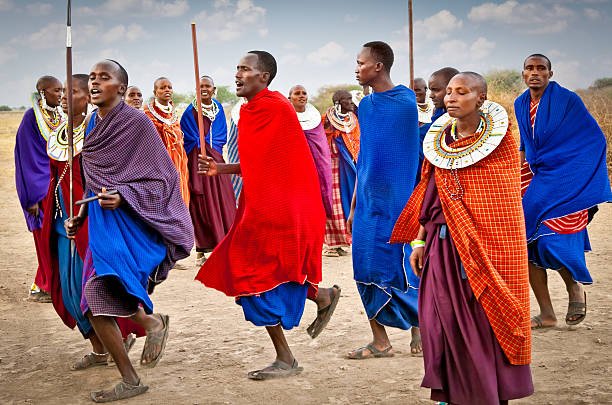
Maasai cultural experiences are among the most widely available in northern Tanzania.
Depending on the location, visitors may learn about pastoral life, cattle, traditional homes, beadwork, clothing, community organization and local customs.
A responsible Maasai visit should go beyond a brief staged performance and provide time for discussion and explanation.
Photography expectations should be clarified with the local guide before taking close portraits.
Possible Maasai Cultural Activities
- Guided village visit
- Explanation of traditional homes
- Pastoral and cattle traditions
- Beadwork and crafts
- Songs and dances where appropriate
- Community history
- Environmental portrait photography with permission
Hadzabe Cultural Tours at Lake Eyasi
Lake Eyasi provides one of Tanzania's most distinctive cultural experiences.
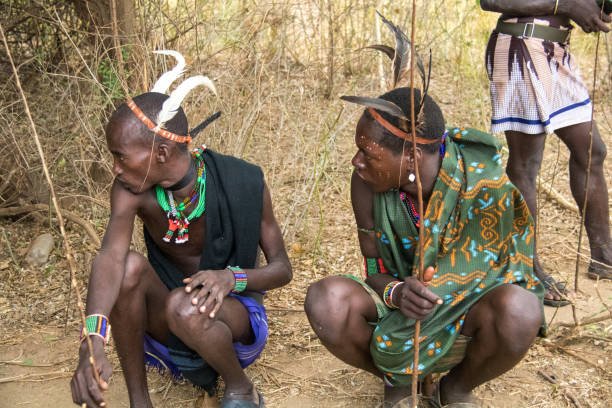
The Hadzabe are widely known for hunting and gathering traditions and detailed knowledge of the surrounding bush environment.
A cultural visit can include an early-morning walk with hunters, gathering activities, archery, fire-making, wild-food interpretation and discussions about language and daily life.
Visitors should understand that hunting can be a real subsistence activity rather than a performance created for tourists.
Hadzabe Hunting and Gathering Experience
An early-morning bush walk can allow visitors to observe how hunters read tracks and move through dry woodland.
Gathering activities can provide equally important insight into wild fruits, berries, roots, tubers and honey.
Travellers uncomfortable with witnessing an animal being killed should tell their guide before the activity begins.
It is possible to enjoy a meaningful Hadzabe cultural experience without joining a full hunt.
Datoga Cultural Tours
Datoga communities are often visited in combination with the Hadzabe around Lake Eyasi.
The experience can include pastoral traditions, clothing, jewellery, household life and metalworking.
Datoga blacksmith demonstrations are particularly interesting because visitors can watch how metal is heated and shaped into practical tools or decorative items.
Hadzabe and Datoga Combined Tour
A combined Hadzabe and Datoga experience works well because the two communities have very different traditional livelihoods.
The morning may begin with Hadzabe hunting or gathering before continuing to a Datoga community later in the day.
This creates a more varied cultural experience than visiting only one community.
Chagga Cultural Tours Around Kilimanjaro
The slopes and foothills of Mount Kilimanjaro provide opportunities to learn about Chagga culture.
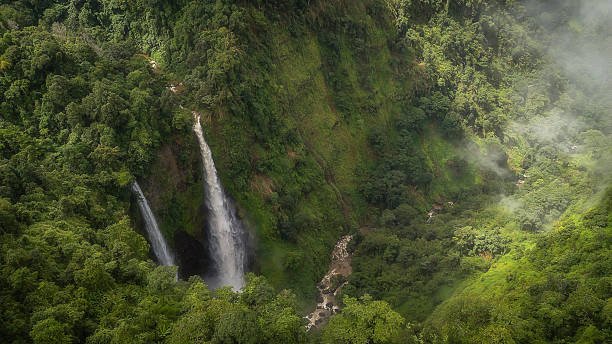
Activities can include village walks, coffee cultivation, banana farms, traditional food, local history and visits to waterfalls or rural landscapes.
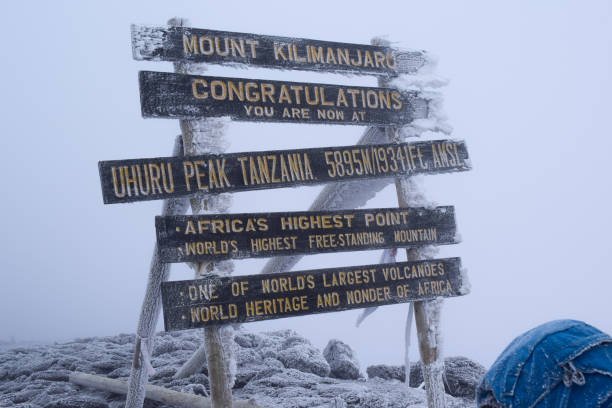
This makes Chagga cultural tours particularly convenient for travellers staying in Moshi or preparing for a Kilimanjaro climb.
Chagga Cultural Tour Ideas
- Coffee farm visit
- Coffee roasting and preparation
- Banana and small-scale farming
- Traditional food
- Village walking
- Local history
- Waterfall visit
- Kilimanjaro landscape photography
Chagga Coffee Tours
Coffee tours are among the easiest cultural activities to combine with a stay in Moshi.
Travellers can learn how coffee is grown, harvested, processed, roasted and prepared.
A community guide can also explain how coffee farming fits within household agriculture and local livelihoods.
The experience is particularly enjoyable for travellers who want a relaxed cultural day after climbing Mount Kilimanjaro.
Iraqw Cultural Experiences
Iraqw communities are associated with parts of Tanzania's northern highlands, particularly around the Karatu and Mbulu areas.
Cultural experiences may focus on agriculture, household traditions, language, food and the history of settlement within the highlands.
An Iraqw visit can provide an interesting addition for travellers already staying around Karatu between Ngorongoro and Lake Manyara.
Mto wa Mbu Cultural Tour
Mto wa Mbu offers a different type of cultural experience because it is a diverse town rather than a visit centred on one ethnic community.
Guided walks can include farms, local food production, markets, workshops and neighbourhoods.
This makes the area useful for travellers interested in contemporary everyday Tanzania alongside traditional cultural experiences.
Mto wa Mbu Market Experience
Markets provide opportunities to learn about local produce, trade, spices, food and daily commerce.
A guide can help explain unfamiliar ingredients and facilitate conversations with vendors.
Visitors should still ask before taking close photographs of traders or customers.
Traditional Food Experiences
Food is one of the most accessible ways to understand local culture.
Depending on the destination, travellers may learn about staple foods, cooking techniques, crops, spices and how meals are shared.
Some community tours can include cooking demonstrations or locally prepared lunches.
Dietary requirements should be discussed in advance rather than assumed.
Cultural Activities Beyond Village Visits
- Traditional cooking
- Coffee preparation
- Local market visits
- Blacksmithing
- Beadwork
- Farming
- Storytelling
- Guided cultural walks
- Traditional music where appropriate
Cultural Photography Tours
Tanzania can be highly rewarding for cultural photography, but photography should never become more important than the people being photographed.
A local guide should explain whether photography has been agreed upon and when individual permission is required.
Environmental portraits, traditional crafts, landscapes and daily activities can create strong images without forcing people into artificial poses.
Photography Etiquette
Do not assume that payment for a cultural visit gives unlimited permission to photograph everyone.
Ask before taking close portraits and respect anyone who declines.
Children, private homes, religious activities and personal moments require particular sensitivity.
Spending time talking before photographing often produces better and more natural images.
Can You Take Cultural Tours from Arusha?
Yes. Arusha is a practical starting point for many northern Tanzania cultural experiences.
Maasai visits, Mto wa Mbu, Lake Eyasi and highland cultural tours can all be incorporated into itineraries beginning from Arusha.
Lake Eyasi is better planned with an overnight stay if travellers want an early Hadzabe experience.
Cultural Tours from Moshi
Moshi is particularly suitable for Chagga coffee, village and waterfall tours.
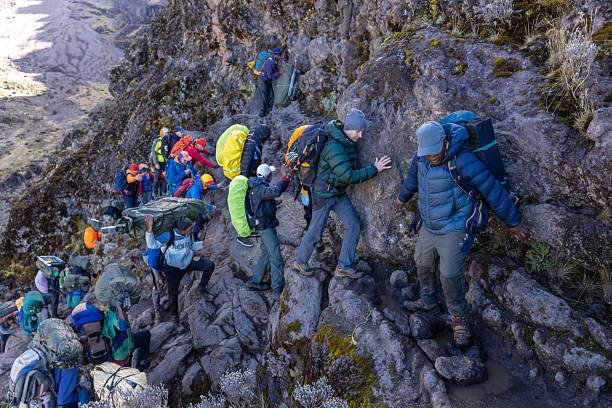
Travellers can also begin longer cultural and safari programs from Moshi after finishing Mount Kilimanjaro.
Private transport makes it possible to continue from Moshi toward Tarangire, Lake Eyasi, Ngorongoro and Serengeti.
Cultural Tours After Kilimanjaro
A cultural tour can be an excellent extension after a demanding mountain climb.
Short Chagga experiences require relatively little travel, while longer trips can combine Lake Eyasi with a wildlife safari.
Travellers can therefore choose between a relaxed one-day experience and a full multi-day extension.
Combining Cultural Tours with Serengeti
Yes. Serengeti can be combined naturally with cultural experiences around Ngorongoro and Lake Eyasi.
For example, a safari can visit Tarangire, continue to Hadzabe and Datoga communities at Lake Eyasi, then travel through Ngorongoro toward Serengeti.
This provides a strong balance between wildlife and culture without requiring a separate trip.
Combining Cultural Tours with Ngorongoro
Ngorongoro works especially well with Lake Eyasi, Maasai and highland cultural experiences.
Karatu can serve as a practical overnight base between wildlife and community activities.
This allows travellers to explore culture without adding excessive driving.
Combining Cultural Tours with Tarangire
Tarangire can be combined with Mto wa Mbu, Maasai experiences and Lake Eyasi.
The route works particularly well for multi-day northern circuit safaris beginning from Arusha.
Can You Combine Cultural Tours with Zanzibar?
Yes. Cultural travel can be included before or after a Zanzibar extension.
A broader Tanzania itinerary can combine wildlife, mainland communities and coastal experiences for a more complete view of the country.
Example 3 Day Tanzania Cultural Tour
- Day 1: Arusha → Mto wa Mbu cultural tour → Karatu
- Day 2: Karatu → Lake Eyasi → Datoga cultural experience
- Day 3: Early Hadzabe visit → Return to Karatu or continue safari
Example 5 Day Tanzania Culture and Safari Tour
- Day 1: Arusha → Tarangire National Park
- Day 2: Tarangire → Lake Eyasi → Datoga visit
- Day 3: Hadzabe cultural experience → Karatu
- Day 4: Ngorongoro Crater safari
- Day 5: Maasai or Mto wa Mbu cultural visit → Arusha
Example 7 Day Cultural and Wildlife Safari
A seven-day itinerary can combine several cultural experiences with a more complete wildlife safari.
One possible route includes Tarangire, Lake Eyasi, Hadzabe, Datoga, Ngorongoro, Serengeti and a final community experience.
The longer duration allows enough time for both cultural interaction and wildlife viewing without turning every day into a long road transfer.
Private Cultural Tours Tanzania
A private cultural tour gives travellers more control over timing and activities.
You can spend longer with one community, focus on photography, request a food experience or avoid activities that do not interest you.
This flexibility is particularly useful for families, photographers and travellers with specific cultural interests.
Cultural Tours for Families
Families can enjoy village walks, food, coffee, crafts and interactive activities.
For Hadzabe experiences, parents should consider whether children are comfortable with real hunting.
Shorter archery, fire-making and gathering activities may be more suitable for younger travellers.
Cultural Tours for Seniors
Many cultural experiences can be adapted around mobility requirements.
Shorter village walks and vehicle-supported visits can replace longer bush walks.
Explain mobility needs before booking so the operator can choose suitable activities and accommodation.
Best Time for Cultural Tours Tanzania
Cultural travel can be arranged throughout the year.
Dry months can make rural roads and bush walking easier, while greener months provide attractive landscapes and agricultural activity.
The best season therefore depends on which cultural experiences are being combined with your safari or mountain itinerary.
How Much Do Cultural Tours in Tanzania Cost?
Prices vary considerably because cultural tours range from short local visits to private multi-day programs with vehicles, hotels and safari activities.
The total may include local guide fees, community contributions, transport, accommodation, meals and additional activities.
Travellers should ask for a complete written quotation showing exactly what is included.
What Can Affect Cultural Tour Cost?
- Tour duration
- Starting location
- Private vehicle
- Community fees
- Local guides and translators
- Accommodation
- Meals
- Number of communities visited
- Safari park additions
Responsible Cultural Tourism
Responsible cultural tourism should provide a respectful experience for both travellers and host communities.
Visits should be organized with local participation rather than treating communities as places that tourists can enter without permission.
Community fees, guiding and locally purchased products can help ensure that economic benefits remain in the area.
Respectful Photography
Always follow local guidance before photographing people.
Close portraits should be taken only when appropriate permission has been given.
Avoid photographing private moments or entering homes simply to create a picture.
Photography should support cultural learning rather than dominate the interaction.
Should You Give Gifts?
Ask the local guide before distributing money, sweets, clothes or other gifts directly.
Unplanned gifts can create misunderstandings or inequality within a community.
If you want to make an additional contribution, ask how it can be done through an agreed community structure.
Buying Local Crafts
Purchasing locally produced crafts can be a direct way to support artisans.
Beadwork, jewellery, carvings and other items can also become meaningful souvenirs when you understand who made them and how they are produced.
Buy because you value the work rather than treating the purchase as payment for unrestricted photography.
What to Wear on a Cultural Tour
Comfortable and respectful clothing works best.
Lightweight long trousers and shirts are useful in rural areas and provide protection from sun, dust and vegetation.
Closed shoes are recommended for Hadzabe bush walks and other activities involving uneven ground.
Cultural Tour Packing List
- Comfortable walking shoes
- Lightweight clothing
- Long trousers
- Sun hat
- Sunscreen
- Drinking water
- Camera or smartphone
- Small daypack
- Respectful attitude and curiosity
Common Mistake: Trying to Visit Too Many Communities
Visiting several communities in one day may sound efficient but can result in superficial experiences.
It is usually better to spend several meaningful hours in one or two places than rush through multiple stops only for photographs.
Common Mistake: Expecting Every Activity to Be Staged
Authentic cultural life changes from day to day.
Hunters may not make a successful kill, farmers may be working in another area and specific ceremonies may not be taking place.
A good cultural tour responds to what is genuinely happening rather than forcing every community to perform the same activity for every visitor.
Common Mistake: Treating People as Photo Subjects
A camera should not replace conversation.
Introduce yourself through the guide, listen and learn before concentrating heavily on photographs.
People are participants in the experience, not props for travel content.
Final Cultural Tours Tanzania Checklist 2026-2027
Before Booking
- Choose communities that genuinely interest you
- Use experienced local guides
- Ask how community fees are handled
- Allow enough time for interaction
- Ask before taking close photographs
- Dress appropriately
- Do not distribute random gifts
- Keep group sizes manageable
- Combine culture with safari logically
- Treat cultural experiences as learning rather than entertainment
Frequently Asked Questions About Cultural Tours Tanzania
What are the best cultural tours in Tanzania?
Popular options include Maasai cultural visits, Hadzabe and Datoga tours at Lake Eyasi, Chagga coffee and village tours, Iraqw experiences and multi-cultural visits around Mto wa Mbu.
Can I visit the Hadzabe?
Yes. Hadzabe cultural visits are commonly arranged around Lake Eyasi and can include hunting, gathering, archery, fire-making and cultural discussions.
Can I visit Maasai communities?
Yes. Maasai cultural experiences are available in several northern Tanzania locations and can focus on pastoral life, homes, crafts and community traditions.
Where can I experience Chagga culture?
Chagga cultural tours are particularly accessible around Moshi and the foothills of Mount Kilimanjaro, where coffee, farming, village and waterfall experiences can be arranged.
Can I combine cultural tours with safari?
Yes. Lake Eyasi, Ngorongoro, Mto wa Mbu and Maasai cultural experiences fit naturally into northern Tanzania safari itineraries.
Can I combine cultural tours with Kilimanjaro?
Yes. Chagga tours are easy to arrange around Moshi, while longer cultural safari extensions can begin after completing a Kilimanjaro climb.
Are cultural tours suitable for families?
Yes. Food, crafts, village walks and coffee experiences work particularly well for families, while real hunting experiences should be considered carefully for younger children.
Can I take photographs?
Usually yes when photography is appropriate, but permission and local guidance should always be respected, especially for close portraits and private activities.
Should I give money directly to people?
Ask your guide about the agreed community contribution system before giving cash directly, as organized payments can be fairer and clearer for everyone involved.
Can I buy local crafts?
Yes. Purchasing locally made crafts can support artisans and provides meaningful souvenirs when the items are genuinely produced in the community.
How long should a cultural tour be?
Experiences can range from several hours to several days. Allowing more time usually produces deeper interaction than trying to visit many communities in one day.
Is cultural tourism in Tanzania ethical?
It can be when communities participate willingly, local people benefit financially, photography is respectful and the experience is based on genuine interaction rather than exploitation.
What should I wear?
Wear comfortable, respectful clothing suitable for walking, sun and dust. Closed shoes are especially useful for bush and rural activities.
How should I plan Cultural Tours Tanzania in 2026-2027?
Choose communities according to your genuine interests, use experienced local guides, allow enough time for meaningful interaction, confirm community fees and photography expectations and combine cultural experiences with safari or Kilimanjaro in a route that avoids unnecessary driving.
Plan Your Tanzania Cultural Tour 2026-2027
Experience Tanzania through meaningful encounters with Maasai, Hadzabe, Datoga, Chagga, Iraqw and other communities while combining local food, crafts, village walks, traditional knowledge and respectful photography with your safari or Kilimanjaro itinerary.
Plan Your Tanzania Cultural Tour

 Serengeti Safari