Machame Route Difficulty 2026-2027
Machame Route Difficulty 2026-2027 is shaped mainly by altitude, trekking duration, steep terrain, summit night and the climber's ability to acclimatize.
Machame is one of Mount Kilimanjaro's most popular routes because it offers excellent scenery and a strong trekking experience, but it is not an easy climb.
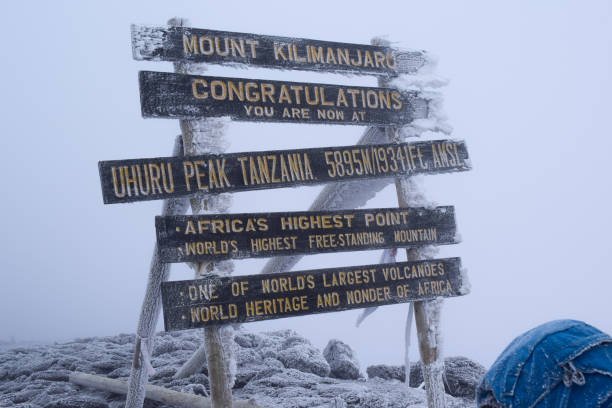
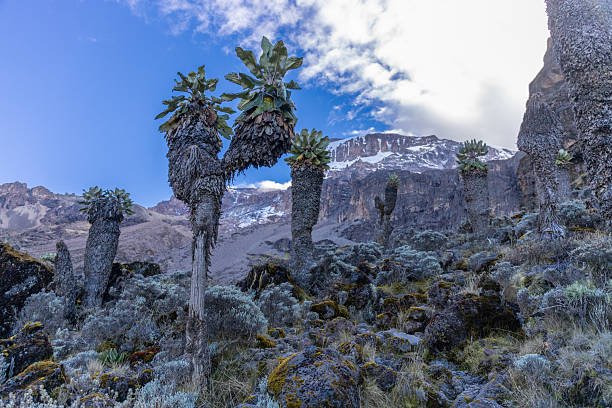
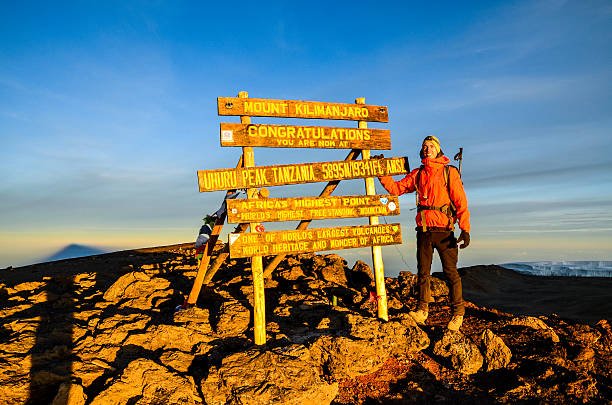
The route passes through rainforest, moorland, Shira Plateau, Lava Tower, Barranco, Karanga and Barafu before climbers attempt Uhuru Peak at 5,895 metres.
Most of the route is trekking rather than technical climbing, but the physical and altitude challenges are serious and should be respected.
Machame Route Difficulty at a Glance
- Overall difficulty: Moderate to challenging high altitude trek
- Technical climbing: Normally not required
- Highest point: Uhuru Peak, 5,895 metres
- Main challenge: Altitude and summit night
- Famous steep section: Barranco Wall
- Important acclimatization point: Lava Tower
- More demanding version: 6 Day Machame
- Better acclimatization option: 7 Day Machame
How Difficult Is the Machame Route?
Machame is challenging but achievable for many properly prepared trekkers.
The route does not usually require ropes, ice axes or technical mountaineering skills.
However, climbers must be ready for long walking days, uneven ground, steep sections and high altitude.
The difficulty increases as the route progresses because the body has less oxygen available at higher elevations.
What Makes Machame Difficult?
Main Machame Difficulty Factors
- High altitude
- Several consecutive trekking days
- Steep ascent sections
- Barranco Wall scrambling
- Long summit night
- Cold temperatures
- Fatigue
- Long descent after summit
- Changing mountain weather
Is Machame a Technical Climb?
No. Standard Machame is considered a trekking route rather than a technical climbing route.
There are sections where climbers may use their hands for balance, particularly on Barranco Wall, but technical climbing equipment is not normally required.
Most of the route involves hiking on established mountain trails.
Altitude Is the Biggest Challenge
Altitude is generally more difficult than the terrain itself.
As climbers move toward 5,895 metres, atmospheric pressure decreases and less oxygen is available with each breath.
This can make even moderate walking feel much harder.
Proper acclimatization is therefore one of the most important factors in completing Machame safely.
6 Day Machame Difficulty
The six day Machame itinerary is more demanding because it compresses the route into fewer mountain days.
In particular, the section from Barranco toward Barafu is normally completed without a separate overnight stay at Karanga.
This creates a longer trekking day and less recovery time before summit night.
For fit travellers with limited time, six days can work, but it is less forgiving from an acclimatization perspective.
7 Day Machame Difficulty
The seven day version is generally easier from an altitude management perspective.
The additional day allows climbers to sleep at Karanga before continuing to Barafu.
This gives the body more time to acclimatize and provides additional recovery before summit night.
For many first time high altitude trekkers, seven days is the stronger choice.
6 Day vs 7 Day Machame Difficulty
- 6 Day Machame: More compressed and more physically demanding
- 7 Day Machame: Better acclimatization and recovery time
- Best for limited time: 6 Day Machame
- Best for first time high altitude climbers: 7 Day Machame
Day 1 Difficulty: Machame Gate to Machame Camp
The first day begins in rainforest conditions.
The trail is not normally the hardest section of the route, but rain and mud can make footing more difficult.
The climb also introduces trekkers to continuous uphill walking and the mountain routine.
Waterproof boots and trekking poles can be useful when the trail is wet.
Day 2 Difficulty: Machame Camp to Shira
The second day is generally steeper than the first.
Climbers leave the rainforest and enter more open moorland terrain.
Elevation gain becomes more noticeable, and the body begins responding more strongly to altitude.
A slow pace is important even if climbers still feel physically strong.
Day 3 Difficulty: Shira to Lava Tower and Barranco
This is an important and demanding acclimatization day.
The route climbs toward Lava Tower at approximately 4,600 metres before descending to Barranco.
Many climbers begin feeling the effects of altitude more clearly during this section.
The day can feel long, but the climb high, sleep low profile is valuable preparation for later stages.
Lava Tower Difficulty
Lava Tower is physically manageable for many trekkers, but the altitude can make it feel demanding.
Walking speed often slows considerably as climbers approach the higher point.
Headache, reduced appetite or fatigue can appear, so climbers should communicate symptoms honestly to guides.
Barranco Wall Difficulty
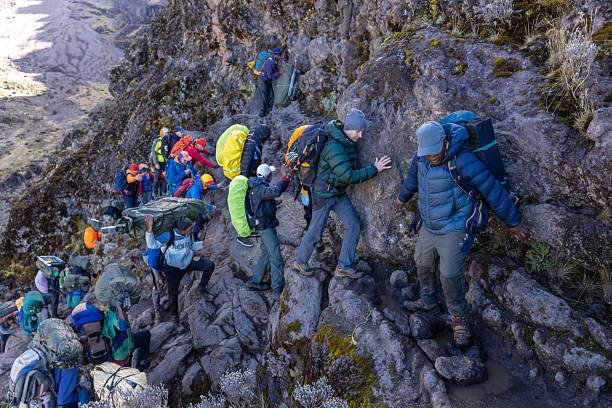
Barranco Wall is one of the most famous parts of Machame and often looks harder than it actually is.
The route climbs steeply and includes some scrambling.
Climbers use their hands for balance in places, but technical climbing skills are normally not required.
Guides lead the group carefully through the established route.
Why Barranco Wall Feels Difficult
- Steep appearance
- Use of hands for balance
- Narrow sections
- High altitude
- Uneven rock steps
- Mental intimidation before starting
Is Barranco Wall Dangerous?
It requires concentration and careful movement, but professional guides manage the section routinely.
Climbers should not rush or attempt to overtake others in exposed areas.
Following guide instructions and moving steadily is more important than speed.
Karanga Difficulty
On seven day Machame, Karanga provides an important overnight stop.
The terrain between Barranco and Karanga includes rolling ascents and descents that can feel tiring after Barranco Wall.
However, the additional night provides valuable recovery before Barafu.
Barafu Camp Difficulty
Barafu is located at high altitude and is the main base before summit night.
Even a relatively short walk toward Barafu can feel demanding because climbers are now moving with much less available oxygen.
After arriving, the priority is to eat, hydrate, organize summit equipment and rest.
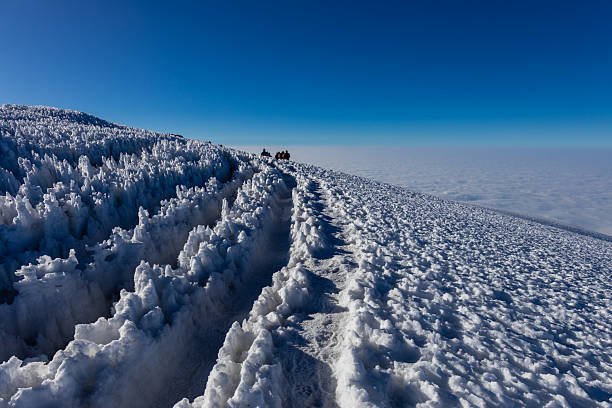
Summit Night Difficulty
Summit night is the hardest part of the Machame Route for most climbers.
The group begins walking during the night from Barafu and ascends through cold, dark and high altitude conditions.
The climb toward Stella Point is slow and physically demanding.
After reaching the crater rim, climbers still continue toward Uhuru Peak before beginning the long descent.
Why Summit Night Is So Hard
- Very high altitude
- Reduced oxygen availability
- Cold temperatures
- Nighttime ascent
- Limited sleep before departure
- Long walking duration
- Mental fatigue
- Long descent after the summit
How Long Is Summit Day?
Summit day is significantly longer than an ordinary trekking day.
Climbers spend several hours ascending from Barafu toward the summit before descending back to camp and later continuing lower.
The exact time depends on walking pace, weather and individual condition.
The Descent Can Be Difficult Too
Climbers sometimes focus so heavily on reaching Uhuru Peak that they underestimate the descent.
Legs are already tired, and descending loose terrain can place pressure on the knees.
Trekking poles can be particularly helpful during this stage.
Machame Difficulty for Beginners
Beginners can climb Machame if they train properly and choose the right itinerary.
The seven day version is generally preferable for first time high altitude trekkers because it provides more acclimatization time.
Previous mountain climbing experience is helpful but not essential.
Machame Difficulty for Fit People
Good physical fitness makes the walking easier but does not eliminate altitude risk.
Strong athletes can still experience headaches, nausea or other altitude symptoms.
Fit climbers should avoid walking too quickly simply because they feel strong at lower camps.
Machame Difficulty for Older Climbers
Healthy and well prepared older climbers can complete Machame successfully.
Age alone is not the main factor.
Fitness, medical history, acclimatization and route duration are more important.
Seven day Machame may be particularly attractive because of the additional recovery time.
How Fit Do You Need to Be?
You should be comfortable walking for several hours and repeating that effort on consecutive days.
Elite athletic ability is not required.
Good trekking endurance, leg strength and cardiovascular fitness are more useful than speed.
Training for Machame Route
Useful Training Before Machame
- Regular hiking
- Long walking days
- Hill training
- Stair climbing
- Cardiovascular exercise
- Leg strength training
- Walking with a daypack
- Back to back hiking days
- Training in your actual trekking boots
Does Running Help?
Running can improve cardiovascular fitness, but hiking is more specific preparation for Machame.
The route requires slow walking over uneven ground rather than fast movement.
A combination of hiking, cardio and strength work is more useful than relying on running alone.
Walking Slowly Makes Machame Easier
A slow pace helps conserve energy and reduces unnecessary strain.
It also supports a more gradual altitude progression.
Machame should never be treated as a race.
Climbers who arrive at camp exhausted every day may find the later stages more difficult.
Hydration and Machame Difficulty
Maintaining hydration supports trekking performance and general wellbeing.
Climbers should drink regularly throughout the day.
However, hydration alone cannot prevent altitude sickness.
It should be combined with slow ascent, nutrition, rest and health monitoring.
Food and Energy
Eating properly helps maintain energy throughout the route.
Mountain meals can include porridge, eggs, pancakes, fruit, soup, rice, pasta, potatoes and vegetables.
Appetite can decrease at altitude, so climbers should make an effort to continue eating where possible.
Sleeping Difficulty on Machame
Some climbers find sleeping more difficult at higher altitude.
Cold temperatures, unfamiliar tent conditions and altitude can all influence sleep quality.
A suitable cold weather sleeping bag and dry thermal clothing can improve comfort.
Weather and Machame Difficulty
Weather can make the route significantly harder.
Rain can create muddy lower trails, while cold wind can increase difficulty on the upper mountain.
Climbers should carry proper waterproof and warm clothing regardless of the expected season.
Conditions to Prepare For
- Rainforest rain
- Mud
- Strong sun
- Cold nights
- Strong winds
- Possible snow or ice near the summit
- Rapid temperature changes
Boots and Footwear
Comfortable waterproof trekking boots are important because Machame includes mud, rocks and long descents.
Boots should be broken in before arriving in Tanzania.
Poorly fitted footwear can make an already challenging route unnecessarily difficult.
Do Trekking Poles Help?
Yes. Trekking poles can improve stability and reduce pressure on the knees during descents.
They are useful after summit night when legs are tired and the descent becomes long.
What to Carry in Your Daypack
Porters carry the main duffel bag, but climbers carry their own personal daypack.
Daypack Essentials
- Drinking water
- Waterproof jacket
- Warm layer
- Snacks
- Sunglasses
- Sunscreen
- Gloves when needed
- Personal medication
- Headlamp when required
Daily Health Monitoring
Professional guides monitor climbers throughout the route.
Health checks can include discussions about headache, appetite, breathing, energy and sleep together with pulse oximeter readings.
Oxygen saturation numbers should be considered alongside symptoms rather than interpreted alone.
Emergency Oxygen
Emergency oxygen can be carried as part of the mountain safety equipment.
It should not be used as a routine way to continue climbing when serious altitude symptoms develop.
If a climber is no longer safe to continue, descent may be required.
Machame Route Success and Difficulty
The seven day itinerary generally offers stronger acclimatization potential than six days.
No operator should guarantee that every climber will reach Uhuru Peak because altitude response varies.
Choosing enough days, training properly and climbing slowly can improve the overall summit opportunity.
Machame vs Lemosho Difficulty
Machame and Lemosho share parts of the southern circuit and both include Lava Tower, Barranco and Barafu.
Lemosho normally provides a longer western approach and can be completed over eight days.
This gives Lemosho an advantage for climbers prioritizing acclimatization.
Machame can be better for travellers with fewer days available.
Machame vs Marangu Difficulty
Marangu is more direct and uses hut accommodation, while Machame uses tents and includes more varied terrain.
Machame can feel physically harder because of sections such as Barranco Wall, but longer Machame itineraries can provide stronger acclimatization opportunities than very short Marangu schedules.
Can an Average Person Climb Machame?
Many active travellers can climb Machame with proper preparation.
You do not need to be an athlete, but you should be able to walk for several hours and recover enough to repeat the effort the next day.
Choosing seven days can make the route more manageable for many first time climbers.
How to Make Machame Easier
Practical Ways to Reduce Difficulty
- Choose 7 days instead of 6 when possible
- Train consistently before the trek
- Walk slowly
- Maintain hydration
- Eat regularly
- Use well fitted trekking boots
- Carry proper warm clothing
- Use trekking poles
- Report altitude symptoms honestly
- Follow guide instructions
Who Should Choose Machame?
Machame is a strong choice for travellers who want a scenic and varied trekking route.
It suits fit beginners, experienced hikers, solo travellers, couples and private groups.
Travellers who are particularly concerned about altitude should consider seven day Machame or a longer Lemosho itinerary.
Booking Machame Route 2026-2027
When booking, provide your preferred travel dates, number of climbers and whether you want six or seven days.
It is also useful to share your hiking experience and whether this will be your first high altitude trek.
The route can then be arranged as a private or group departure together with hotel nights, airport transfers and optional safari or Zanzibar extensions.
Frequently Asked Questions About Machame Route Difficulty
How difficult is the Machame Route?
Machame is a moderate to challenging high altitude trek with steep sections, several consecutive walking days and a demanding summit night.
Is Machame technically difficult?
No. Standard Machame normally does not require technical mountaineering skills or climbing equipment.
Is Barranco Wall difficult?
Barranco Wall is steep and includes scrambling, but most prepared trekkers can complete it with professional guide support.
Which is harder, 6 Day or 7 Day Machame?
Six day Machame is generally harder because the itinerary is more compressed and provides less acclimatization and recovery time.
Is seven day Machame easier?
It is generally more manageable because the additional day provides extra time for acclimatization and recovery before summit night.
Can beginners climb Machame?
Yes. Properly prepared beginners can climb Machame, with seven days generally preferable for first time high altitude trekkers.
What is the hardest part of Machame?
Summit night is normally the hardest section because of high altitude, cold temperatures, darkness and the long walking duration.
Is Lava Tower difficult?
The walking itself is manageable for many climbers, but the altitude around Lava Tower can make the section feel demanding.
How fit do I need to be?
You should be comfortable walking for several hours on consecutive days and have reasonable cardiovascular fitness and leg endurance.
Do I need previous climbing experience?
No technical experience is normally required, although previous hiking experience is useful.
Does altitude make Machame difficult?
Yes. Altitude is one of the main reasons the route becomes difficult as climbers approach the summit.
Does walking slowly help?
Yes. A slow pace conserves energy and supports more gradual altitude adaptation.
Do trekking poles help?
Yes. Trekking poles can improve stability and reduce strain on the knees during long descents.
Is Machame harder than Lemosho?
Shorter Machame itineraries can feel harder from an acclimatization perspective, while longer Lemosho itineraries provide more time for gradual altitude adaptation.
Is Machame harder than Marangu?
Machame has more varied and sometimes steeper terrain, while Marangu is more direct. Overall difficulty still depends heavily on itinerary length and acclimatization.
Is emergency oxygen carried?
Professional Kilimanjaro packages can include emergency oxygen and pulse oximeter monitoring as part of the mountain safety system.
Can an average person climb Machame?
Yes. Many active travellers can climb Machame with proper training, enough trekking days and professional mountain support.
How do I book Machame Route 2026-2027?
Provide your preferred climbing date, number of travellers and whether you want six or seven days. A private or group climb can then be coordinated with hotel accommodation, airport transfers and optional safari or Zanzibar extensions.
Prepare for Machame Route Difficulty 2026-2027
Choose the right Machame itinerary, train for consecutive hiking days, climb slowly and use professional mountain support to manage Barranco Wall, high altitude and the final summit attempt to Uhuru Peak.
Plan Your Machame Climb

 Serengeti Safari