6 Day Kilimanjaro Climb and Chagga Heritage Tour
The 6 Day Kilimanjaro Climb and Chagga Heritage Tour combines cultural exploration around Mount Kilimanjaro with a five day Marangu Route climb.
The journey begins with a locally guided Chagga heritage experience in the Kilimanjaro foothills before moving onto the mountain itself.
Day 1 may include village walking, farming, community history and selected coffee or food activities according to the participating hosts and confirmed program.
Days 2 to 6 follow the Marangu Route, one of Kilimanjaro's established trekking routes and the main route using mountain huts instead of tents for overnight accommodation.
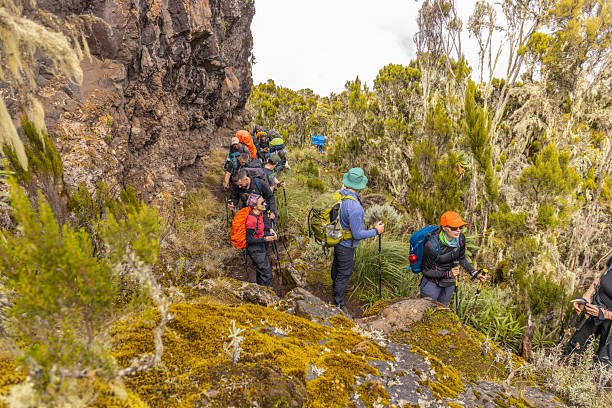
The trek progresses through rainforest, heath and moorland, alpine desert and the high altitude summit zone before returning through the Marangu Gate.
The highest point is Uhuru Peak at 5,895 metres above sea level.
This is a compressed five day Marangu climb, meaning there is no separate acclimatization day at Horombo Hut.
Travellers should understand that altitude affects people differently and that reaching the summit can never be guaranteed.
Weather, physical condition, acclimatization, pace and individual response to altitude all influence the trek.
6 Day Kilimanjaro Climb and Chagga Heritage Tour at a Glance
- Duration: 6 days
- Day 1: Chagga heritage and village experience
- Day 2: Marangu Gate to Mandara Hut
- Day 3: Mandara Hut to Horombo Hut
- Day 4: Horombo Hut to Kibo Hut
- Day 5: Kibo Hut to Uhuru Peak attempt, then descend to Horombo Hut
- Day 6: Horombo Hut to Marangu Gate and final transfer
- Climbing Route: Marangu Route
- Highest Point: Uhuru Peak, 5,895 m
- Mountain Accommodation: Huts
6 Day Kilimanjaro Climb and Chagga Heritage Tour Itinerary
DAY
01
CHAGGA HERITAGE
Chagga Village, Farming and Cultural Experience
Begin from Moshi or another agreed location in the Kilimanjaro region and travel toward the selected Chagga community.
Meet the local cultural guide and participating hosts before beginning the heritage program.
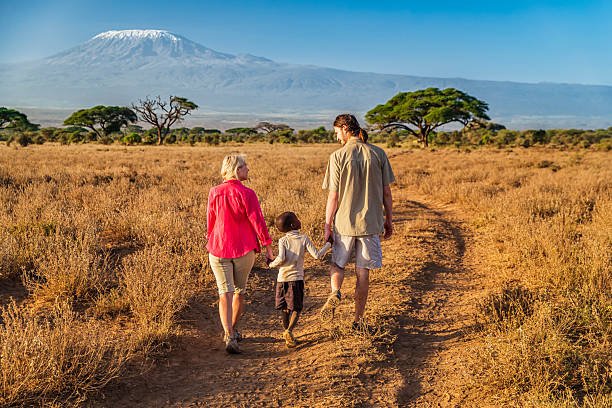
A guided village walk may pass cultivated fields, rural roads, farms and community areas.
Hosts may discuss agriculture, family livelihoods, local history and the relationship between Chagga communities and the slopes of Mount Kilimanjaro.
Coffee cultivation may be included where the participating farm grows coffee.
Ripe coffee cherries are seasonal and should not be expected throughout the year.
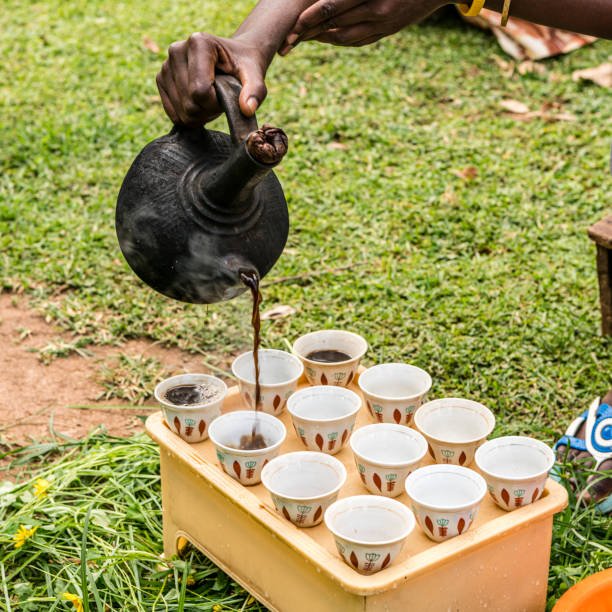
Roasting, grinding and tasting may also be included where specifically confirmed.
A local food or cooking activity may form part of the cultural day according to the final program.
Any visit to private homes, farms, caves or other heritage sites should only take place where access has been arranged.
After completing the cultural activities, return to the confirmed accommodation, review mountain equipment and prepare for the Kilimanjaro climb.
Possible Day 1 Highlights
- Locally guided Chagga village walk
- Kilimanjaro foothill landscapes
- Farming and local livelihood interpretation
- Coffee culture where confirmed
- Local food experience where included
- Community history and heritage
- Final preparation for the climb
DAY
02
MARANGU ROUTE
Marangu Gate to Mandara Hut
After breakfast, travel toward Marangu Gate according to the confirmed transfer arrangement.
Complete registration and required park procedures before beginning the trek with the mountain crew.
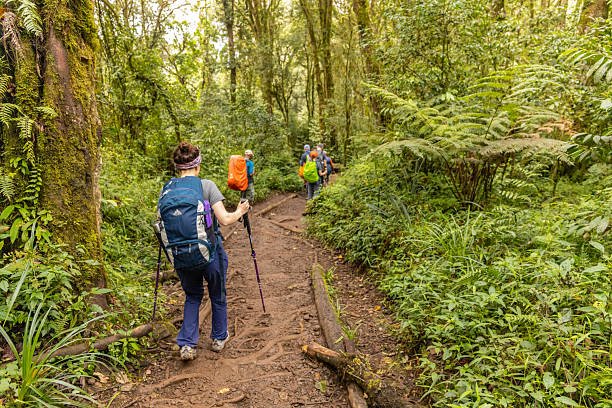
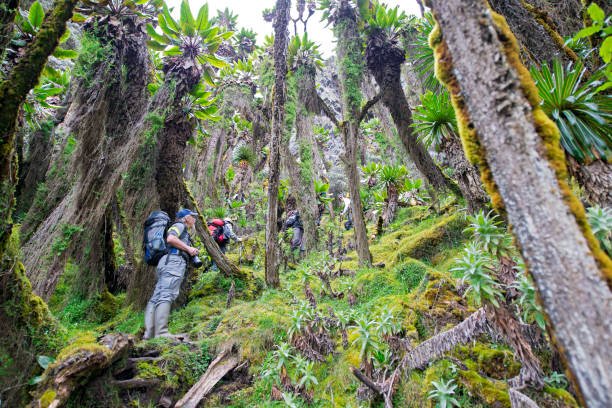
The trail enters the lower mountain forest zone, where the environment can be humid and shaded.
The route climbs steadily toward Mandara Hut.
Rain is possible in the forest zone, so waterproof clothing should remain accessible in the daypack.
Your guide manages the pace to support energy conservation and acclimatization.
The principle of walking slowly becomes important from the first mountain day.
Arrive at Mandara Hut and settle into the mountain accommodation.
Meals, health monitoring and evening briefing are provided according to the confirmed trekking package.
Day 2 Focus
- Marangu Gate registration
- Rainforest trekking
- Steady controlled pace
- First mountain hut overnight
- Guide health checks according to the program
DAY
03
HEATH AND MOORLAND
Mandara Hut to Horombo Hut
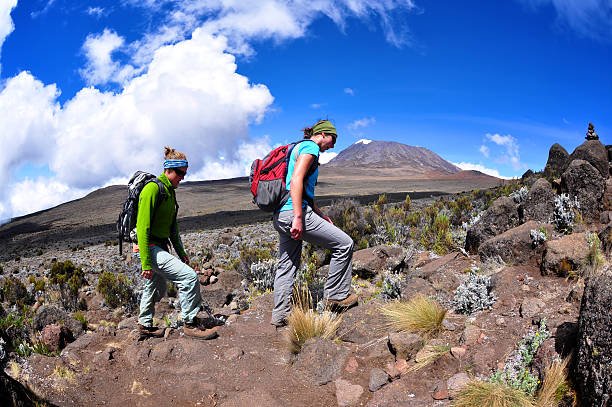
Continue upward from Mandara Hut as the vegetation gradually changes from rainforest toward heath and moorland.
The landscape becomes more open, offering broader mountain views when cloud conditions allow.
The trail continues gradually upward toward Horombo Hut.
As elevation increases, breathing may feel more demanding and the importance of maintaining a slow pace becomes greater.
Drink regularly and follow the guide's instructions regarding pace, clothing and hydration.
The guide may ask about headache, nausea, appetite, sleep or other symptoms to assess how each trekker is responding to altitude.
Arrive at Horombo Hut and rest for the evening.
This compressed five day Marangu schedule does not include a separate acclimatization day at Horombo.
That makes pacing, hydration and honest health reporting especially important.
Compressed Marangu Schedule
The five day Marangu climb is shorter than the six day version because it does not include a separate acclimatization day at Horombo Hut. Summit success is never guaranteed, and individual response to altitude should guide all safety decisions.
DAY
04
ALPINE DESERT
Horombo Hut to Kibo Hut
Leave Horombo Hut and continue toward the high altitude alpine environment.
Vegetation becomes increasingly sparse as the trail moves toward Kibo Hut.
The landscape can feel dry, exposed and dramatically different from the forest zone below.
Kibo becomes more prominent ahead as the route approaches the final base for the summit attempt.
The day's objective is to reach Kibo Hut while conserving as much energy as possible.
Walk slowly and avoid unnecessary exertion.
Once at Kibo Hut, prepare summit clothing, headlamp, water, snacks, gloves and other essential equipment before resting.
The guide will provide the summit briefing and review the expected departure time.
Because the summit attempt normally begins late at night or around midnight, rest is important even if sleeping at altitude is difficult.
Summit Preparation at Kibo
- Prepare layered summit clothing
- Check headlamp and spare batteries
- Prepare insulated water containers
- Keep energy snacks accessible
- Review summit pace with the guide
- Report any altitude symptoms honestly
DAY
05
SUMMIT DAY
Kibo Hut to Uhuru Peak Attempt and Descend to Horombo Hut
The summit attempt normally begins late at night or around midnight according to conditions and the guide's plan.
Climbers leave Kibo Hut wearing full summit layers and using headlamps.
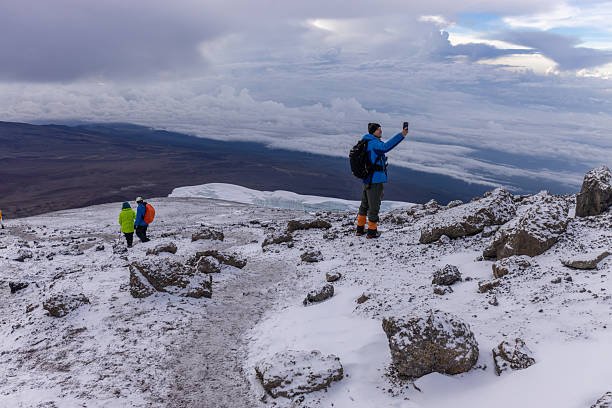
The trail climbs steadily through the cold high altitude environment toward Gilman's Point on the crater rim.
This section can be physically and mentally demanding because of the steep terrain, cold conditions and low oxygen availability.
The guide manages the pace carefully and may adjust the speed according to the condition of the climber.
Reaching Gilman's Point is a significant milestone on the Marangu Route.
Those who are physically able and cleared by the guide may continue along the crater rim toward Uhuru Peak at 5,895 metres.
Sunrise views may be possible depending on timing and weather conditions.
Snow, ice, wind, cloud and temperature can vary significantly.
Reaching Uhuru Peak is never guaranteed and safety always takes priority over the summit.
After the highest safe point is reached, descend back toward Kibo Hut for a short rest before continuing lower to Horombo Hut.
The complete summit and descent day is long and demanding, making hydration, food and controlled pacing important throughout.
Summit Safety Comes First
Uhuru Peak is the objective, but the guide may recommend slowing down, stopping the ascent or descending if altitude symptoms, exhaustion, weather or another safety concern makes continuation inappropriate.
DAY
06
DESCENT
Horombo Hut to Marangu Gate
After breakfast, begin the final descent from Horombo Hut.
The trail returns through the moorland and forest zones toward Marangu Gate.
Although descending is easier on the lungs, the long downhill walk can place additional pressure on knees and leg muscles.
Trekking poles may be useful for some climbers.
Continue through Mandara area and eventually reach Marangu Gate.
Complete the final park procedures and meet the transfer vehicle according to the confirmed program.
Continue to Moshi, Arusha or another agreed destination.
The final transfer, hotel night and airport arrangements should be confirmed in the quotation.
Day 6 Highlights
- Final mountain descent
- Return through moorland and rainforest
- Marangu Gate completion
- Final transfer to agreed destination
Why Choose the 6 Day Kilimanjaro Climb and Chagga Heritage Tour?
This itinerary combines two experiences that are closely connected to the Kilimanjaro region.
The first day provides cultural context by introducing travellers to Chagga community life, farming and heritage.
The following five days then explore Mount Kilimanjaro itself through the Marangu Route.
This combination can be especially appealing to travellers who want to understand more about the people and landscapes around the mountain rather than focusing only on the summit trek.
Main Tour Highlights
- Chagga heritage experience
- Kilimanjaro foothill village walk
- Coffee and farming culture where confirmed
- Five day Marangu Route climb
- Mountain hut accommodation
- Rainforest, moorland and alpine desert landscapes
- Gilman's Point summit milestone
- Uhuru Peak attempt at 5,895 m
Chagga Heritage in the Kilimanjaro Foothills
Chagga communities have long lived and farmed on the slopes and foothills of Mount Kilimanjaro.
A locally guided cultural experience can provide useful context before beginning the climb.
The precise experience should reflect the participating hosts and community rather than presenting all Chagga people as following the same lifestyle or traditions.
Chagga Village Walking
A guided village walk may pass rural roads, cultivated plots, farms and community areas.
The exact route depends on the selected village, weather and participant ability.
The walk should remain comfortable because the mountain trek begins the following day.
Farming and Local Livelihoods
Agriculture may form an important part of the heritage experience.
Hosts may discuss crops grown in the area and how farming contributes to family livelihoods.
The exact crops visible depend on altitude, rainfall and season.
Coffee Heritage
Coffee may be part of the cultural day where the participating farm grows it.
Hosts may explain cultivation, plant care and the role of coffee within household farming.
Harvesting depends on season.
Ripe cherries should therefore not be guaranteed throughout the year.
Coffee Roasting, Grinding and Tasting
Some Chagga cultural programs may include selected bean to cup activities.
Roasting, grinding and tasting should only be considered included where specifically confirmed.
The exact method depends on the participating host.
Heritage Activities Depend on the Confirmed Program
Coffee, cooking, private home visits, cave visits and other cultural activities should only be considered included where access and participation have been specifically arranged.
Local Food Experience
A local food or cooking activity may be included according to the confirmed Chagga heritage program.
Hosts may discuss ingredients, agriculture and food preparation methods.
Specific dishes should not be promised unless arranged in advance.
Food allergies and dietary needs should be communicated before travel.
Respectful Cultural Tourism
Community visits should be organized through participating hosts and suitable local guides.
Visitors should respect personal boundaries, homes, farms and working spaces.
Photography should be handled respectfully and permission requested where appropriate.
The goal is cultural exchange and learning rather than treating community members as attractions.
Why Use the Marangu Route?
The Marangu Route is distinctive because it uses mountain huts rather than camping tents for overnight accommodation.
This can appeal to travellers who prefer a hut based trekking experience.
The route also descends through the same Marangu side of the mountain.
It still reaches high altitude and should not be considered easy simply because huts are used.
Five Day Marangu versus Six Day Marangu
The five day Marangu schedule is more compressed.
It moves from Horombo Hut to Kibo Hut without a separate acclimatization day.
The six day Marangu version normally adds an acclimatization day around Horombo before continuing higher.
More time may help some climbers acclimatize better, but no itinerary can guarantee summit success.
This combined six day culture and climbing package uses the shorter five day mountain schedule so that one full day remains for the Chagga heritage experience.
Kilimanjaro Altitude
Mount Kilimanjaro rises to 5,895 metres at Uhuru Peak.
Altitude becomes increasingly important as climbers move higher.
The body needs time to adjust to lower oxygen availability.
Even physically fit people can experience altitude symptoms.
Altitude Symptoms
Possible altitude related symptoms can include headache, nausea, reduced appetite, unusual fatigue or sleep disturbance.
Symptoms should be reported honestly to the guide.
Ignoring symptoms can create unnecessary risk.
The guide may recommend slowing down, resting or descending depending on the situation.
Daily Health Monitoring
Health monitoring may be carried out according to the confirmed trekking program.
Guides may ask about symptoms, appetite, hydration, sleep and general condition.
Equipment such as a pulse oximeter may be used as one part of the overall assessment where included.
Clinical judgment and symptoms remain important when evaluating altitude response.
Walking Pace
A slow, steady pace is one of the most important habits on Kilimanjaro.
Moving too quickly can waste energy and make the climb more difficult.
Your guide will normally encourage a controlled pace suited to the terrain and altitude.
Hydration
Regular hydration is important throughout the climb.
The exact amount each person needs varies according to conditions and individual requirements.
Water intake should be balanced with normal eating and guide advice rather than forcing excessive fluid intake.
Mountain Meals
Meals are normally planned to provide energy for trekking according to the confirmed package.
Appetite can decrease at higher altitude.
Dietary preferences and allergies should be communicated before the climb so that arrangements can be discussed.
Marangu Hut Accommodation
The Marangu Route uses hut accommodation at the main overnight locations.
This differs from routes such as Machame or Lemosho, which normally use tents.
Sleeping arrangements should be confirmed according to the mountain program and current park procedures.
Climbers should still carry a suitable sleeping bag.
Rainforest Zone
The lower Marangu Route passes through rainforest.
Conditions can be humid, muddy or rainy.
Waterproof clothing and suitable footwear are important.
The trail then gradually moves into more open vegetation as elevation increases.
Moorland Zone
Above the rainforest, vegetation becomes lower and the mountain landscape opens.
When cloud conditions allow, climbers may have wider views of the surrounding terrain.
Temperatures can change quickly between sun, cloud and wind.
Alpine Desert
The route toward Kibo Hut enters a much drier and more exposed high altitude environment.
Vegetation becomes sparse.
Sun exposure during the day and cold temperatures later can both be significant.
Kibo Hut and Summit Preparation
Kibo Hut is the final overnight point before the summit attempt.
Climbers normally arrive, eat, prepare equipment and rest before a late night departure.
Summit gear should be organized in advance so that little preparation is required in the dark.
Summit Night
Summit night is typically the hardest section of the trek.
The climb begins in darkness and cold conditions.
The pace is deliberately slow because of altitude and the steep terrain.
The exact departure time depends on guide planning, weather, group pace and conditions.
Gilman's Point
Gilman's Point is located on the crater rim and is a major summit milestone on the Marangu Route.
Reaching it requires substantial effort after climbing through the night.
Those who are physically able may continue toward Uhuru Peak according to guide assessment and conditions.
Uhuru Peak at 5,895 Metres
Uhuru Peak is the highest point on Mount Kilimanjaro.
Reaching it is the objective of the climb, but safety remains more important than the summit.
Altitude symptoms, exhaustion or weather may require a climber to stop or turn around.
Summit Success Cannot Be Guaranteed
Physical preparation, acclimatization, weather, altitude response and pacing all influence the climb. Turning around when safety requires it is part of responsible mountain guiding.
Summit Sunrise
Many Marangu summit attempts are timed to reach the crater rim around sunrise.
Sunrise views may be spectacular when conditions are clear.
Cloud, wind or changing timing can affect visibility.
A sunrise view should therefore not be guaranteed.
Cold Weather on Summit Night
Summit night can be extremely cold.
Wind can make conditions feel colder.
Layering is important so clothing can be adjusted as temperatures and exertion change.
Warm gloves, insulated layers, suitable socks and head protection are important parts of summit clothing.
Kilimanjaro Gear
Essential gear includes suitable trekking boots, waterproof clothing, warm layers, a sleeping bag, daypack, headlamp and summit clothing.
The exact packing list should be reviewed before travel.
Rental equipment may be available according to the confirmed operator arrangements.
Daypack
The daypack should carry items needed while walking.
These may include water, rain gear, warm layer, sunscreen, snacks, personal medication and camera.
Keeping the daypack organized makes it easier to react quickly to changing weather.
Duffel Bag and Porter Weight
Personal mountain luggage carried by porters should remain within the confirmed weight allowance.
Travellers should pack carefully and leave unnecessary luggage in hotel storage where available.
The exact limit should be checked before the trek.
Guide and Mountain Crew
A Kilimanjaro climb requires an organized mountain crew according to group size and park requirements.
This may include guides, assistant guides, cooks and porters.
The exact crew composition depends on the number of climbers and confirmed trekking arrangements.
Emergency Planning
Mountain safety planning should include communication procedures and a response plan for illness or injury.
Emergency oxygen, first aid equipment or other safety resources may be carried according to the confirmed program.
Serious altitude problems generally require descent.
Travel Insurance
Travellers should arrange suitable travel insurance for high altitude trekking.
The policy should be checked carefully for altitude limits, medical treatment and evacuation coverage.
Insurance details should be available during the trip.
Who Is This Tour Suitable For?
The package may suit active travellers who want both a cultural experience and a high altitude trek.
Participants should prepare physically for consecutive trekking days and a demanding summit attempt.
Anyone with relevant medical concerns should seek appropriate professional medical advice before undertaking a high altitude climb.
Solo Travellers
Solo travellers can request the package.
The cultural day may be arranged privately while the mountain climb may be private or group joining according to availability.
Couples and Friends
Couples and small groups can arrange the itinerary privately.
Private arrangements may provide more flexibility during the cultural day and in overall travel logistics.
Mountain safety decisions remain based on individual health and conditions rather than group preference.
Before the Climb
Travellers should arrive with enough time to complete a gear check and briefing before the mountain section.
The Chagga heritage day should remain enjoyable and not overly strenuous.
Hydration and rest are important before beginning the trek.
Best Time for the 6 Day Kilimanjaro Climb and Chagga Heritage Tour
The tour can be arranged during different periods of the year.
Mountain conditions vary with rainfall, temperature, cloud, wind and season.
Chagga farming and coffee activities also change through the agricultural cycle.
Travellers particularly interested in ripe coffee harvesting should confirm seasonal expectations before booking.
What to Bring for the Cultural Day
- Comfortable walking shoes
- Light outdoor clothing
- Sun protection
- Small day bag
- Reusable water bottle where practical
- Camera or smartphone
What to Bring for Kilimanjaro
- Broken in trekking boots
- Warm base and insulation layers
- Waterproof jacket and trousers
- Warm summit jacket
- Warm hat and sun hat
- Warm gloves
- Trekking socks
- Sleeping bag suitable for mountain conditions
- Daypack
- Headlamp and spare batteries
- Water bottles or hydration system
- Sunglasses
- Sun protection
- Personal medication
- Trekking poles if preferred
What Is Normally Included?
- Chagga heritage experience according to the confirmed program
- Local cultural guide
- Village walking where confirmed
- Coffee or local food activities where specifically included
- Agreed transfers
- Kilimanjaro park arrangements according to the confirmed package
- Professional mountain guides
- Required mountain crew according to group size
- Marangu hut accommodation
- Mountain meals according to the confirmed package
- Drinking water arrangements according to the trekking program
- Applicable mountain rescue related fees where included in the confirmed package
Possible Exclusions
- International flights
- Tanzania visa
- Travel insurance
- Pre or post tour hotel nights unless specified
- Airport transfers unless specified
- Sleeping bag rental unless included
- Personal trekking equipment
- Optional cultural activities outside the confirmed program
- Personal expenses
- Tips
6 Day Kilimanjaro Climb and Chagga Heritage Tour Price
The exact price depends on the number of travellers, private or group joining mountain arrangements, cultural activities, transfers, park related charges, crew requirements and accommodation.
Equipment rental, pre and post trek hotels, airport transfers and additional cultural activities may also affect the final amount.
The final quotation should clearly confirm all mountain fees, rescue related arrangements, guides, crew, meals, hut accommodation, cultural activities, transfers, inclusions and exclusions.
What Affects the Package Cost?
- Number of climbers
- Private or group joining climb
- Selected Chagga activities
- Mountain park related charges
- Mountain crew requirements
- Transfers
- Pre and post climb accommodation
- Equipment rental
- Airport transfers where required
How to Plan Your 6 Day Kilimanjaro Climb and Chagga Heritage Tour
Culture and Kilimanjaro Booking Checklist
- Confirm preferred travel dates
- Confirm the number of climbers
- Confirm Day 1 Chagga heritage activities
- Confirm the five day Marangu Route schedule
- Review the mountain packing list
- Confirm sleeping bag and equipment arrangements
- Confirm pre and post trek accommodation
- Confirm airport and road transfers
- Arrange suitable travel insurance
- Declare dietary needs and allergies
- Review altitude and mountain safety information
Frequently Asked Questions
What is the 6 Day Kilimanjaro Climb and Chagga Heritage Tour?
It is a six day itinerary combining one day of Chagga cultural exploration with a five day Marangu Route Kilimanjaro climb.
Which Kilimanjaro route is used?
This itinerary uses the five day Marangu Route so that one additional day can be dedicated to the Chagga heritage experience.
Does Marangu use tents?
No. The Marangu Route uses mountain huts for the main overnight stops rather than standard camping tents.
Does the five day Marangu route include an acclimatization day?
No. The compressed five day Marangu schedule does not include the separate Horombo acclimatization day found in the six day Marangu itinerary.
What happens on the Chagga heritage day?
The day may include village walking, farming interpretation, local history and selected coffee or food activities according to the confirmed host program.
Does the Chagga tour include coffee?
Coffee activities may be included where the participating farm grows coffee and the activity forms part of the confirmed program.
Can we pick coffee cherries?
Coffee harvesting depends on season, so ripe cherry picking cannot be guaranteed throughout the year.
What is the highest point on the trek?
Uhuru Peak is the highest point at 5,895 metres above sea level.
Is reaching Uhuru Peak guaranteed?
No. Summit success depends on acclimatization, altitude response, weather, physical condition, pace and safety considerations.
When does summit night begin?
The summit attempt normally begins late at night or around midnight from Kibo Hut, although the guide may adjust timing according to conditions and group pace.
Do we pass Gilman's Point?
Yes. The standard Marangu summit route reaches Gilman's Point on the crater rim before climbers who are able continue toward Uhuru Peak.
Is altitude sickness possible?
Yes. Any climber can experience altitude symptoms. Symptoms should be reported immediately to the guide so appropriate decisions can be made.
Can the guide ask us to descend?
Yes. The guide may recommend or require descent if altitude symptoms, exhaustion, weather or another safety concern makes continuing unsafe.
Is Marangu an easy Kilimanjaro route?
Marangu has established trails and hut accommodation, but it still reaches 5,895 metres and includes a demanding summit night. It should not be treated as an easy trek.
Can solo travellers join?
Yes. Solo travellers can request the package, with the cultural day and mountain climb arranged privately or through a compatible group according to availability.
Can the climb be private?
Yes. A private Marangu climb may be arranged according to the final quotation and availability.
Are meals included?
Mountain meals and cultural meals should only be considered included where specifically stated in the confirmed package.
Can trekking equipment be rented?
Rental equipment may be available according to the confirmed operator arrangements. Required items and sizes should be checked before the trek.
Is travel insurance recommended?
Travellers should arrange suitable insurance that covers high altitude trekking, medical treatment and evacuation according to the policy terms.
Can this be extended to a longer Kilimanjaro itinerary?
Yes. Travellers wanting more mountain time may request a longer Marangu schedule or another Kilimanjaro route, but this changes the total duration and price.
How do I book the 6 Day Kilimanjaro Climb and Chagga Heritage Tour?
Provide your preferred dates, number of climbers, cultural interests, equipment needs and accommodation requirements. The final package can then confirm the Chagga heritage day, Marangu Route climb, park arrangements, guides, crew, meals, transfers, inclusions, exclusions and price.