Ngorongoro Crater Safari with Lake Manyara
A Ngorongoro Crater Safari with Lake Manyara combines two distinctive northern Tanzania wildlife environments within one practical safari itinerary.
Lake Manyara National Park provides lush groundwater forest, Rift Valley scenery, lake habitats, floodplains and woodland, while Ngorongoro Crater provides a dramatic volcanic landscape with grassland, wetlands, forest and concentrated wildlife.
The combination is ideal for travellers who want varied scenery and wildlife without travelling as far as the more distant parts of Serengeti.
Your safari can begin from Moshi, Arusha or another confirmed northern Tanzania location and can be arranged using a private safari vehicle or a suitable group joining departure.
Two days provides a practical minimum, while three or four days allows a slower pace and the possibility of adding another wildlife or cultural experience.
Safari at a Glance
- Destinations: Lake Manyara National Park and Ngorongoro Crater.
- Starting points: Moshi or Arusha.
- Recommended duration: 2 days or more.
- Safari style: Private or suitable group joining.
- Lake Manyara highlights: Forest, lake, elephants, baboons, birdlife and Rift Valley scenery.
- Ngorongoro highlights: Crater scenery, lions, black rhino opportunities, buffalo, wildebeest, zebra and hippos.
- Accommodation: Camping, tented camp or lodge.
- Transport: Safari adapted 4x4 vehicle.
Why Combine Lake Manyara and Ngorongoro Crater?
Lake Manyara and Ngorongoro work particularly well together because their landscapes are completely different.
Lake Manyara sits beneath the Great Rift Valley escarpment and contains dense forest, floodplains, lake shore environments, acacia woodland and wetlands.
Ngorongoro takes travellers from cool highlands down into a vast volcanic caldera where open grasslands, forest and wetlands support a wide variety of wildlife.
The relatively compact route means travellers can experience both destinations without spending several additional days reaching distant wildlife regions.
Highlights of This Safari
- Great Rift Valley scenery
- Lake Manyara groundwater forest
- Elephant viewing opportunities
- Baboons and blue monkeys
- Seasonal flamingos and waterbirds
- Tree climbing lion opportunities
- Ngorongoro Crater panorama
- Black rhino opportunities
- Lions, buffalo, wildebeest and zebra
- Excellent photography landscapes
Lake Manyara National Park Safari
Lake Manyara National Park provides a surprisingly varied wildlife environment within a relatively compact area.
The entrance passes through lush groundwater forest where troops of baboons and monkeys may be encountered before the landscape opens toward floodplains, woodland and the alkaline lake.
The dramatic Great Rift Valley escarpment forms a scenic background throughout much of the park.
A Lake Manyara game drive is therefore about much more than one particular species. The changing habitat itself is one of the main attractions.
Lake Manyara Groundwater Forest
The groundwater forest creates one of the most distinctive entrances of any northern Tanzania safari park.
Tall trees and thick vegetation create habitat for primates, birds and other wildlife.
Baboons are commonly associated with the park, while blue monkeys and bushbuck may also be encountered within suitable forest areas.
Elephants in Lake Manyara
Elephants are an important part of the Lake Manyara wildlife experience.
They may be encountered in woodland, forest edges, open areas or along safari roads depending on their natural movement.
The contrast between elephants, dense vegetation and the Rift Valley escarpment can create excellent photographic opportunities.
Tree Climbing Lions
Lake Manyara is famous for its association with tree climbing lions.
However, travellers should understand that seeing a lion in a tree is never guaranteed.
Lions can spend substantial time on the ground and may be hidden within vegetation or located far from the day's game drive route.
A rewarding Lake Manyara safari should therefore focus on the entire ecosystem rather than treating tree climbing behaviour as a guaranteed attraction.
Flamingos at Lake Manyara
Flamingos can use the alkaline lake when environmental and feeding conditions are suitable.
Their numbers and exact location change naturally.
Travellers should therefore avoid expecting a permanent pink shoreline on every visit.
Even when large flamingo concentrations are absent, the lake can support many other waterbirds.
Birdwatching at Lake Manyara
Lake Manyara is especially attractive for birdwatchers because forest, wetlands, open plains and lake environments occur within the same park.
Waterbirds, raptors, woodland birds and seasonal migrants can all contribute to the experience.
Binoculars are highly recommended for travellers interested in birdlife.
Wildlife in Lake Manyara
- African elephants
- Lions
- Buffalo
- Giraffes
- Zebra
- Wildebeest
- Hippos
- Baboons
- Blue monkeys
- Bushbuck
- Warthogs
- Numerous bird species
Hippos at Lake Manyara
Hippos use suitable water environments within Lake Manyara National Park.
Depending on conditions and the day's route, travellers may observe them in or around wetland areas.
A guide will use approved viewing locations and maintain appropriate distance.
Baboons and Monkeys
Lake Manyara is particularly well known for primate viewing.
Large baboon troops may be encountered near roads and forest areas, while blue monkeys use the denser vegetation.
Travellers should never feed primates or encourage them to approach vehicles for food.
Great Rift Valley Scenery
The Rift Valley escarpment gives Lake Manyara a dramatic landscape setting.
The steep wall rises beyond forest, plains and lake habitats, creating excellent wide landscape photography.
This geological scenery contrasts strongly with the enclosed volcanic environment of Ngorongoro Crater.
Ngorongoro Crater Safari
After Lake Manyara, the journey continues toward the Ngorongoro highlands.
As the road climbs, the landscape becomes cooler and greener before reaching the crater rim.
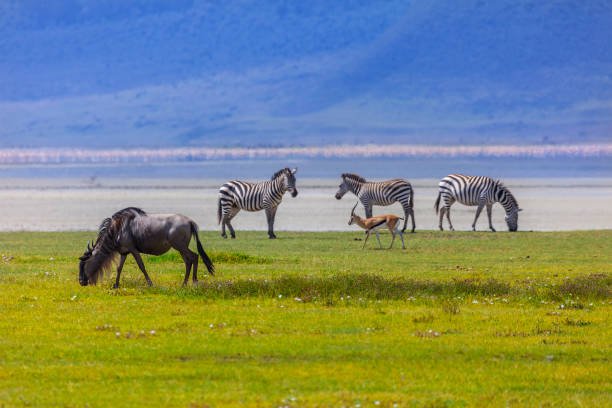
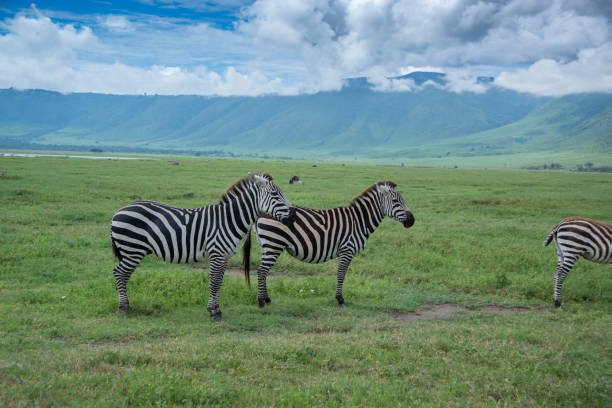
The descent into Ngorongoro Crater reveals a vast natural amphitheatre where grasslands, wetlands, forest and lake environments support large numbers of animals.
Ngorongoro Crater Wildlife
- Lions
- Black rhinoceros
- Elephants
- Buffalo
- Wildebeest
- Zebra
- Hippos
- Spotted hyenas
- Jackals
- Eland
- Gazelles
- Warthogs
- Numerous bird species
Big Five Opportunities in Ngorongoro
Ngorongoro is associated with the Big Five: lion, leopard, elephant, buffalo and black rhino.
Seeing all five within one game drive is never guaranteed.
Leopards can be especially elusive, while black rhino may remain far from safari roads.
The crater should therefore be experienced as a complete wildlife ecosystem rather than only as a Big Five checklist.
Black Rhino in Ngorongoro
The opportunity to see black rhino is one of the reasons many travellers include Ngorongoro in their northern Tanzania safari.
Your driver guide searches suitable areas according to wildlife conditions.
Binoculars are particularly useful because rhino may be visible only at considerable distance.
Lions in Ngorongoro Crater
Lions are important predators within the crater ecosystem.
They may be encountered resting in grasslands, moving between wildlife concentrations or remaining close to grazing animals.
Individual sightings and hunting activity remain natural and cannot be guaranteed.
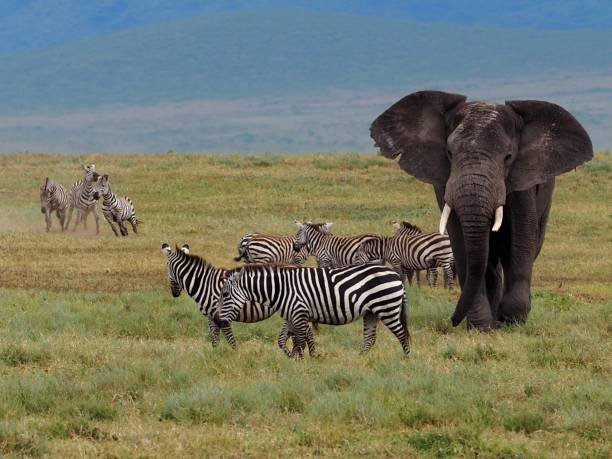
Elephants in Ngorongoro
Elephants may be encountered within the crater and wider conservation area.
The habitat and structure of the wildlife population differ from Lake Manyara, giving travellers another opportunity to observe elephants within a completely different landscape.
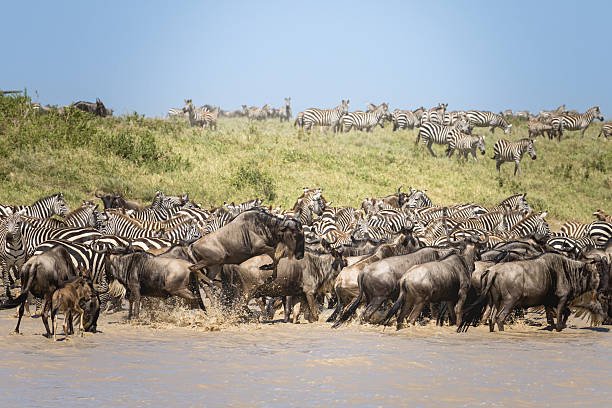
Wildebeest, Zebra and Buffalo
Large herbivores form a major part of the crater wildlife community.
Wildebeest, zebra and buffalo may be observed across open grasslands and around suitable water and grazing areas.
These prey populations also support the crater's predator community.
Spotted Hyenas
Spotted hyenas are important predators and scavengers within Ngorongoro.
They may be seen travelling across grassland, resting or interacting with other animals.
Watching their behaviour can provide a deeper understanding of the crater ecosystem.
Hippos in Ngorongoro
Wetlands and pools on the crater floor support hippos.
Depending on the route, travellers may observe them resting in water or using surrounding areas.
The combination of Lake Manyara and Ngorongoro therefore provides two different wetland wildlife environments within the same safari.
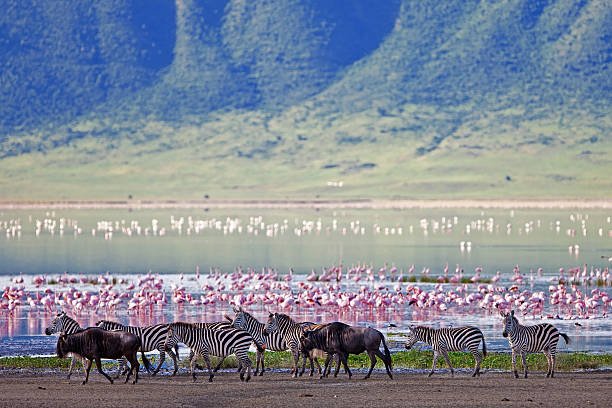
Lake Magadi and Birdlife
Lake Magadi forms part of the Ngorongoro Crater landscape and can support waterbirds according to seasonal conditions.
Flamingos may also be present when conditions are suitable.
As with Lake Manyara, flamingo numbers can vary considerably and should not be guaranteed.
Are Giraffes Found on the Crater Floor?
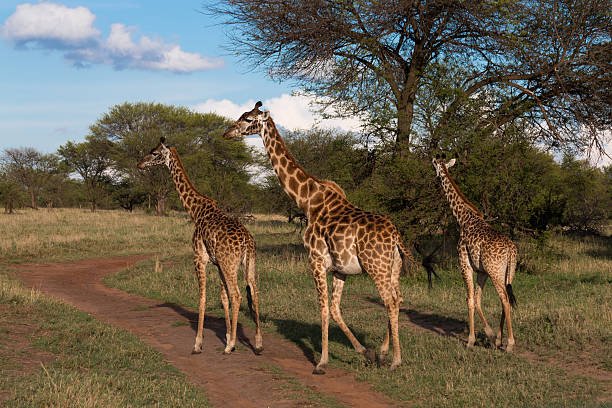
Giraffes occur within the wider Ngorongoro Conservation Area but are generally associated with habitats outside the main crater floor.
Lake Manyara can therefore provide a useful opportunity to search for giraffes before travelling to Ngorongoro.
Lake Manyara vs Ngorongoro Crater
The two destinations provide complementary rather than identical safari experiences.
Lake Manyara and Ngorongoro Comparison
Lake Manyara: Groundwater forest, Rift Valley escarpment, elephants, primates, lake habitats, birdlife and tree climbing lion opportunities.
Ngorongoro: Volcanic crater scenery, lions, buffalo, wildebeest, zebra, hippos, hyenas and black rhino opportunities.
Combined: Forest, lake, wetlands, Rift Valley scenery and crater wildlife within one compact northern Tanzania safari.
2 Day Ngorongoro Crater Safari with Lake Manyara
A two day itinerary is the most direct and practical way to experience both destinations.
Sample 2 Day Itinerary
Day 1: Moshi or Arusha to Lake Manyara National Park
Meet your professional driver guide and travel toward Lake Manyara. Enter the park for a wildlife game drive through groundwater forest, floodplains and lake environments. Search for elephants, giraffes, buffalo, zebra, wildebeest, baboons, monkeys, hippos, lions and birdlife. Enjoy a picnic lunch according to the confirmed arrangement before continuing toward your overnight accommodation near Manyara, Karatu or another suitable location.
Day 2: Ngorongoro Crater and Return
After breakfast, continue toward Ngorongoro and descend into the crater for a wildlife game drive. Search for lions, black rhino, buffalo, elephants, wildebeest, zebra, hippos, hyenas and other wildlife. Enjoy a picnic lunch according to the itinerary before ascending from the crater and returning toward Arusha or Moshi.
3 Day Lake Manyara and Ngorongoro Safari
A three day safari provides a more relaxed pace and creates room for another wildlife, cultural or scenic experience.
Sample 3 Day Itinerary
Day 1: Lake Manyara National Park
Travel from Moshi or Arusha and enjoy an extended Lake Manyara wildlife game drive before continuing to your selected accommodation.
Day 2: Karatu or Additional Experience
Depending on the confirmed package, spend additional time around the Rift Valley, enjoy a cultural activity, visit another nearby attraction or simply use a more relaxed route toward Ngorongoro.
Day 3: Ngorongoro Crater
Descend into Ngorongoro Crater for a wildlife game drive and picnic lunch before returning toward Arusha or Moshi.
4 Day Ngorongoro Lake Manyara Safari
A four day itinerary allows the safari to include Tarangire National Park, an additional Lake Manyara activity or a cultural experience around Mto wa Mbu and Karatu.
This works well for travellers who prefer shorter driving days and more time to experience each area.
Private Ngorongoro and Lake Manyara Safari
A private safari provides your travelling party with its own safari adapted 4x4 and professional driver guide.
This provides greater flexibility for photography, wildlife stops, departure times and the general pace of each day.
Private safaris work especially well for couples, families, friends and photographers.
Group Joining Safari
A group joining safari allows travellers to share the vehicle and guide with other guests and can reduce the per person cost.
The departure date, available seats, accommodation style and exact route should be confirmed before booking.
Group itineraries generally provide less flexibility than private safaris because game drive decisions must suit the entire vehicle.
Safari from Moshi
The safari can begin from your confirmed accommodation in Moshi.
An early departure provides more useful game drive time at Lake Manyara on the first day.
Moshi is especially convenient for travellers combining the safari with Mount Kilimanjaro.
Safari from Arusha
Arusha is another convenient starting point for Lake Manyara and Ngorongoro.
Its location provides efficient road access into the northern Tanzania safari circuit.
Your pickup time depends on the first destination and confirmed itinerary.
Safari from Kilimanjaro Airport
Airport pickup can be arranged from Kilimanjaro International Airport according to your flight arrival time.
Morning arrivals can provide more flexibility to continue toward the safari region.
Afternoon or evening arrivals are usually better followed by an overnight stay before beginning the wildlife itinerary the next morning.
Safari After Kilimanjaro
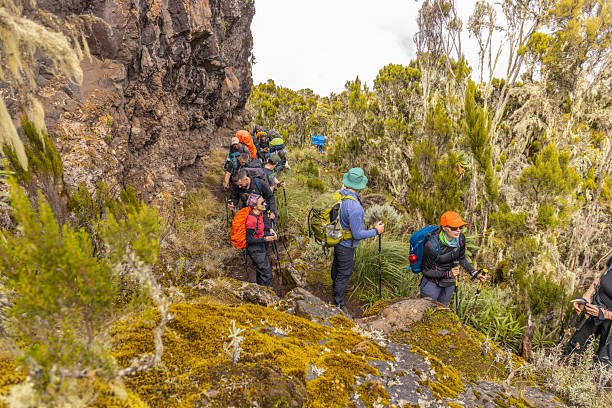
Lake Manyara and Ngorongoro provide an excellent wildlife extension after climbing Mount Kilimanjaro.
After descending the mountain, travellers can recover in Moshi before starting their safari.
Mountain equipment that is not needed during safari can often remain at an agreed luggage storage location.
Safari Before Kilimanjaro
The combination can also be completed before a Kilimanjaro trek.
Travellers should preserve enough time after returning from safari for mountain briefing, equipment checks and proper rest.
Lake Manyara Ngorongoro and Zanzibar
Zanzibar can be added after the safari for travellers wanting a wildlife and beach combination.
Domestic flights and airport transfers can be arranged according to the final safari route and flight schedule.
Camping Safari
Camping offers a more adventurous and budget conscious way to experience the northern safari circuit.
The package should clearly describe tents, sleeping equipment, campsite arrangements and meals.
Ngorongoro highland nights can feel cool, so warm clothing and suitable sleeping equipment are important.
Lodge Safari
A lodge safari provides comfortable accommodation between game drive days.
Properties around Lake Manyara, Karatu and the wider Ngorongoro highlands can provide convenient access to both destinations.
The final lodge should be chosen according to budget, location and current availability.
Tented Camp Safari
Tented camps provide an immersive safari atmosphere with additional comfort compared with basic camping.
Depending on the property, accommodation can include beds, private bathrooms and dining facilities.
Mid Range Safari
A mid range package can combine comfortable accommodation with professionally guided game drives and suitable 4x4 transportation.
The exact property should be selected from available options for the requested travel dates.
Luxury Safari
A luxury itinerary can use premium lodges or tented camps together with a private safari vehicle.
Accommodation quality is only one part of the experience. Location, guiding quality and sufficient wildlife viewing time remain equally important.
Family Safari
The Lake Manyara and Ngorongoro combination works particularly well for families because the itinerary can remain relatively compact.
A private vehicle allows parents to adjust stops and daily pacing around their children.
Children's ages should be supplied before booking so accommodation and safari arrangements can be planned correctly.
Couples Safari
Couples can choose private transportation and lodge accommodation for a comfortable and flexible safari.
The route works well as part of a honeymoon itinerary or a longer Tanzania trip continuing to Serengeti or Zanzibar.
Solo Traveller Safari
Solo travellers can request a private safari or join a suitable scheduled departure.
A private vehicle provides maximum flexibility, while group joining can reduce shared transportation costs when a suitable departure is available.
Photography Safari
Lake Manyara and Ngorongoro provide very different photographic environments.
Lake Manyara offers forest, primates, elephants, Rift Valley scenery, wetlands and birds, while Ngorongoro adds open crater grasslands, predators and dramatic volcanic scenery.
Photography Highlights
- Elephants against Rift Valley scenery
- Baboons and monkeys in forest habitat
- Lake and wetland landscapes
- Seasonal flamingos and waterbirds
- Ngorongoro Crater panorama
- Lions and hyenas
- Black rhino at appropriate viewing distance
- Wildebeest and zebra herds
- Wetland wildlife and hippos
Best Time for Lake Manyara and Ngorongoro
Both destinations can be visited throughout the year.
Dry season travel can provide more open conditions, while wetter periods can produce greener landscapes and dramatic photography.
Ngorongoro supports substantial resident wildlife throughout the year, while Lake Manyara's lake levels, vegetation and bird concentrations can change with seasonal conditions.
Dry Season Safari
Drier months can provide comfortable wildlife viewing and more open vegetation in some areas.
Lake Manyara can still retain dense forest habitat, while Ngorongoro's highland mornings can feel cold.
Travellers should bring a warm layer even when visiting during the dry season.
Green Season Safari
Green season travel can provide lush forest, fresh grass and dramatic cloud formations.
Birdwatching can be particularly rewarding.
Rain does not automatically stop game drives, although heavier rainfall can influence road conditions and wildlife distribution.
Responsible Wildlife Viewing
Visitors should follow their driver's instructions and all protected area regulations.
Wildlife should never be pressured or surrounded for photographs.
Animals should not be fed, and vehicles should remain on approved game drive routes.
Responsible Safari Principles
- Do not feed wildlife.
- Keep a respectful distance from animals.
- Follow approved game drive routes.
- Never pressure animals for photographs.
- Follow your professional guide's instructions.
- Respect bird nesting and feeding areas.
- Allow wildlife behaviour to remain natural.
Safari Vehicle
The safari normally uses a suitable 4x4 vehicle adapted for wildlife viewing.
A pop up roof provides excellent visibility when the vehicle is correctly positioned.
- Safari adapted 4x4 vehicle
- Pop up viewing roof
- Passenger windows
- Safari luggage storage
- Professional driver guide
- Seating according to vehicle configuration
Professional Safari Driver Guide
Your professional guide manages road travel, game drive routes and wildlife interpretation.
The guide explains animal behaviour and helps travellers understand the ecological differences between Lake Manyara and Ngorongoro.
Good route planning is particularly valuable on a short safari because it protects useful wildlife viewing time.
Meals During the Safari
Meal arrangements depend on the selected package.
Picnic lunches are practical during game drives because they reduce unnecessary travel back to accommodation.
Vegetarian or other dietary requirements should be provided in advance so suitable arrangements can be confirmed.
What to Pack
- Comfortable safari clothing
- Warm fleece or light jacket
- Light rain protection
- Comfortable trousers
- Sun hat
- Sunglasses
- Sunscreen
- Comfortable closed footwear
- Camera equipment
- Binoculars
- Spare batteries
- Power bank
- Personal medication
- Small day bag
Typical Safari Inclusions
Your Package Can Include
- Pickup from the confirmed Moshi or Arusha location
- Safari adapted 4x4 vehicle
- Professional safari driver guide
- Lake Manyara National Park game drive
- Ngorongoro Crater game drive
- Accommodation according to package
- Meals according to itinerary
- Drinking water according to the confirmed arrangement
- Applicable protected area charges when stated
- Road transportation included in the confirmed itinerary
Typical Safari Exclusions
- International flights
- Domestic flights unless stated
- Visa expenses unless stated
- Travel insurance
- Personal expenses
- Alcoholic and selected additional drinks unless stated
- Optional activities outside the confirmed itinerary
- Additional accommodation not listed in the package
- Driver guide gratuities unless specifically included
Frequently Asked Questions About Ngorongoro Crater Safari with Lake Manyara
Can Lake Manyara and Ngorongoro be visited together?
Yes. The destinations combine very well within a compact northern Tanzania road safari.
How many days do I need?
Two days is a practical minimum, while three or four days allows a slower itinerary and additional activities.
Can I visit both destinations in one day?
Trying to complete meaningful game drives in both destinations within one day would be very rushed. Two days provides a much better safari experience.
Which destination should I visit first?
Lake Manyara is commonly visited first on road itineraries from Moshi or Arusha, followed by an overnight and Ngorongoro Crater the next day.
Can the safari start from Moshi?
Yes. Pickup can be arranged from a confirmed Moshi hotel.
Can the safari start from Arusha?
Yes. Arusha is another convenient starting point for the itinerary.
Can you pick us up from Kilimanjaro Airport?
Airport pickup can be arranged according to your arrival time and confirmed safari schedule.
Can we see tree climbing lions at Lake Manyara?
Lake Manyara is famous for tree climbing lions, but seeing this behaviour is never guaranteed.
Can we see flamingos?
Flamingos can be present when lake and feeding conditions are suitable, but their numbers vary seasonally.
Are there elephants in Lake Manyara?
Yes. Elephants are an important part of the park's wildlife and may be encountered during game drives.
Are there baboons in Lake Manyara?
Yes. Baboons are commonly associated with Lake Manyara's forest and surrounding habitats.
Can we see hippos at Lake Manyara?
Hippos occur in suitable water and wetland habitats and may be observed during the safari.
Can we see giraffes in Lake Manyara?
Yes. Giraffes occur within suitable Lake Manyara habitats and may be encountered during game drives.
Can we see the Big Five in Ngorongoro?
Ngorongoro is associated with all members of the Big Five, but seeing all five during one game drive cannot be guaranteed.
Can we see black rhino?
Black rhino occur within the Ngorongoro ecosystem, but sightings depend on their location and visibility.
Can we see lions in Ngorongoro?
Yes. Lions occur within the crater ecosystem, although individual sightings remain natural.
Are giraffes found on the crater floor?
Giraffes occur in the wider Ngorongoro Conservation Area but are generally associated with habitats outside the main crater floor.
Are there hippos in Ngorongoro?
Yes. Hippos occur within suitable wetland and water habitats on the crater floor.
Is this safari good for birdwatching?
Yes. Lake Manyara is particularly attractive for birdlife, while Ngorongoro adds additional wetland, grassland and highland species.
Is this safari good for photography?
Yes. Rift Valley scenery, forest wildlife, lake habitats and the Ngorongoro Crater landscape provide excellent photographic variety.
Can families join?
Yes. Private family itineraries can be adjusted around children's ages, room requirements and preferred game drive duration.
Can solo travellers join?
Yes. Solo travellers can arrange a private safari or request a suitable group joining departure.
Can we choose camping?
Yes. Camping options can be arranged according to the confirmed safari package and approved campsites.
Can we stay in lodges?
Yes. Lodge accommodation can be selected according to location, comfort preference, budget and availability.
Are tented camps available?
Yes. Tented camps can provide comfortable accommodation with a safari atmosphere between game drives.
Is lunch included?
Picnic lunches can be included according to the confirmed package.
Are park and crater fees included?
They can be included. Check the confirmed quotation for exactly which protected area charges are covered.
What is the best time for this safari?
Both destinations can be visited throughout the year, with different seasons providing different vegetation, weather, birdlife and photography conditions.
Does rain stop the safari?
Not automatically. Game drives continue according to weather, road and protected area conditions.
Can Tarangire be added?
Yes. Tarangire can be added to create a three park safari with elephants, baobab landscapes, Lake Manyara and Ngorongoro Crater.
Can Serengeti be added?
Yes. Serengeti can be added when more safari days are available, creating a broader northern Tanzania wildlife itinerary.
Can we do this safari after Kilimanjaro?
Yes. Lake Manyara and Ngorongoro provide a practical wildlife extension after a Kilimanjaro climb.
Can Zanzibar be added afterwards?
Yes. Zanzibar can be added using suitable domestic flights and airport transfers according to the complete itinerary.
How do I book a Ngorongoro Crater Safari with Lake Manyara?
Provide your travel dates, number of travellers, pickup location, preferred safari duration and accommodation style. The itinerary can then be arranged as a private or suitable group joining safari including Lake Manyara and Ngorongoro Crater.
Plan Your Ngorongoro Crater Safari with Lake Manyara
Combine Lake Manyara's Rift Valley scenery, forest, elephants, primates and birdlife with the remarkable wildlife and volcanic landscapes of Ngorongoro Crater on a professionally guided northern Tanzania safari.
Plan Your Lake Manyara and Ngorongoro Safari

 Ngorongoro Safari