6 Day Kilimanjaro Climbing Tour
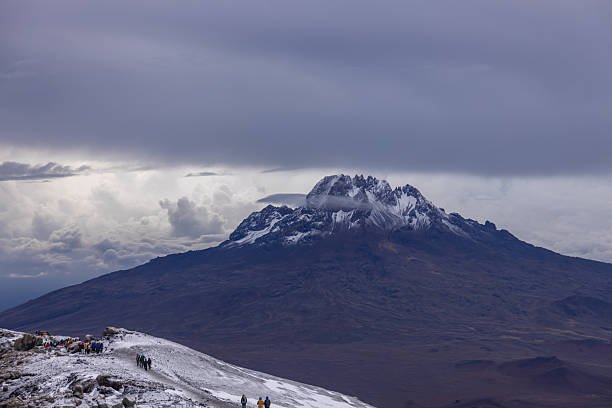
The 6 Day Kilimanjaro Climbing Tour is a complete Mount Kilimanjaro summit journey using the Machame Route, combining six mountain days with tent accommodation, professional mountain support and a progressively changing trail from tropical rainforest to the extreme altitude environment surrounding Uhuru Peak.
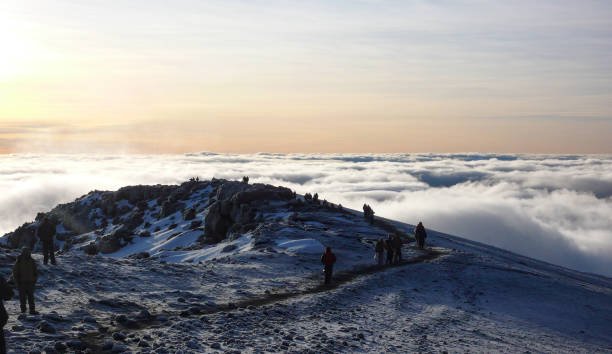
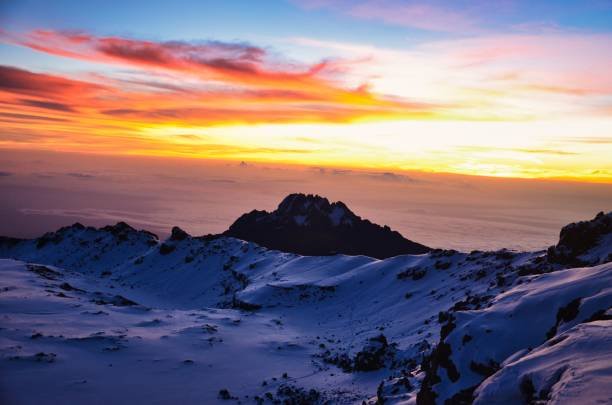
This climbing tour begins at Machame Gate and continues through Machame Camp, Shira, Lava Tower, Barranco, Karanga and Barafu. The summit attempt starts during the night from Barafu and climbs toward Stella Point before potentially continuing to Uhuru Peak at 5,895 metres. The expedition then descends through Mweka Camp and finishes at Mweka Gate.
The six day format provides more than a direct journey upward. Climbers experience significant changes in altitude and terrain, including the important Day 3 climb toward Lava Tower followed by descent to Barranco. This gives the route a varied profile before the higher Barafu and summit stages.
The common six day itinerary also combines Barranco, Karanga and Barafu within Day 4. This makes the pre summit stage more compressed than a longer Machame itinerary that may use Karanga as a separate overnight camp.
The result is a complete but demanding climbing tour that rewards preparation, conservative pacing, good equipment, honest communication with the guide and realistic expectations about altitude.
6 Day Kilimanjaro Climbing Tour at a Glance
- Destination: Mount Kilimanjaro, Tanzania
- Route: Machame Route
- Duration: 6 mountain days
- Mountain nights: 5
- Accommodation: Tented mountain camps
- Night 1: Machame Camp
- Night 2: Shira Camp
- Night 3: Barranco Camp
- Night 4: Barafu Camp
- Night 5: Mweka Camp
- Acclimatization feature: Lava Tower high point followed by lower Barranco night
- Major climbing feature: Barranco Wall
- Summit base: Barafu Camp
- Crater rim objective: Stella Point
- Highest objective: Uhuru Peak, 5,895 m
- Descent route: Mweka Route
- Summit guarantee: No
Why Choose a 6 Day Kilimanjaro Climbing Tour?
The six day Machame itinerary offers a complete Kilimanjaro summit experience while remaining shorter than common seven or eight day alternatives.
It combines varied scenery, camp based mountain life, a useful high altitude excursion toward Lava Tower and the classic southern approach toward Barafu and Stella Point.
Main Tour Highlights
- Machame rainforest
- Shira Plateau
- Lava Tower
- Barranco Valley
- Barranco Wall
- Karanga Valley
- Barafu summit camp
- Stella Point crater rim approach
- Possible Uhuru Peak summit
- Mweka descent
- Five nights of mountain camping
- Professional guide and crew support
What Is Included in the Climbing Experience?
The experience is much broader than the final summit attempt. Each day introduces a different part of Kilimanjaro and a different physical challenge.
The climber moves from humid lower mountain conditions into open plateau terrain, climbs high toward Lava Tower, descends into Barranco, crosses the Barranco Wall, travels through Karanga and reaches the barren summit base at Barafu.
Complete 6 Day Kilimanjaro Climbing Tour Itinerary
Six Day Machame Route Plan
Day 1: Machame Gate → rainforest → Machame Camp.
Day 2: Machame Camp → heath and moorland → Shira Camp.
Day 3: Shira → Lava Tower → Barranco Camp.
Day 4: Barranco Wall → Karanga Valley → Barafu Camp.
Day 5: Barafu → Stella Point → possible Uhuru Peak → Barafu → Mweka Camp.
Day 6: Mweka Camp → rainforest → Mweka Gate.
Day 1 – Machame Gate to Machame Camp
The climbing tour begins at Machame Gate after the required entry procedures, guide and crew organization and final luggage preparation.
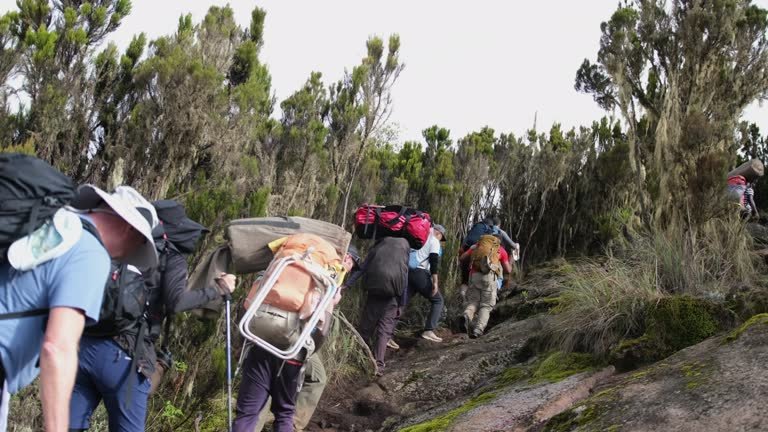
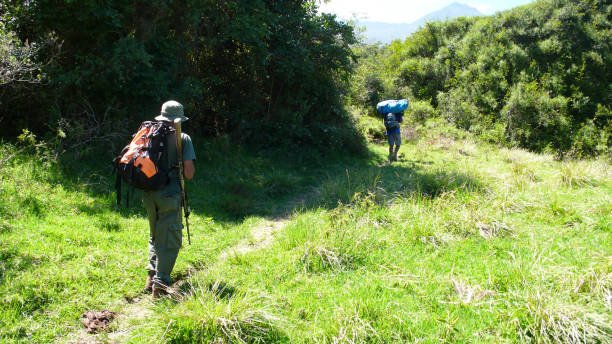
The trail enters dense montane rainforest and climbs steadily toward Machame Camp around 3,000 metres.
Day 1 Objective
Establish a slow sustainable pace, learn the rhythm of the mountain team and reach Machame Camp without unnecessarily exhausting yourself on the first day.
Rainforest Environment
Machame's lower forest can be humid, muddy and slippery. Tree roots and uneven natural surfaces require careful foot placement.
Rain Protection
A waterproof jacket and trousers should remain accessible in the daypack rather than buried inside porter luggage.
Why You Should Start Slowly
The lower mountain can make strong climbers feel capable of walking quickly. Kilimanjaro rewards energy conservation more than early speed.
Possible Wildlife
Birds and other wildlife may occasionally be encountered in the forest, but particular sightings cannot be guaranteed.
Arrival at Machame Camp
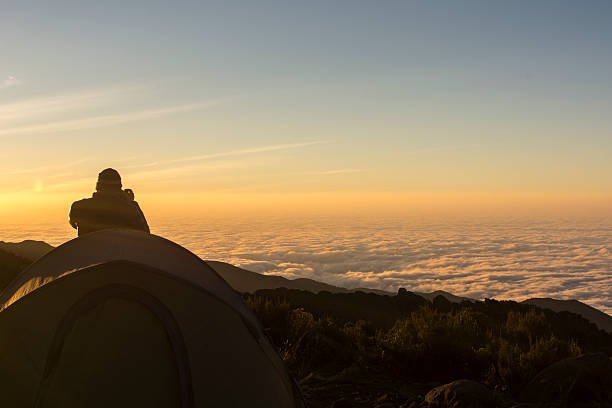
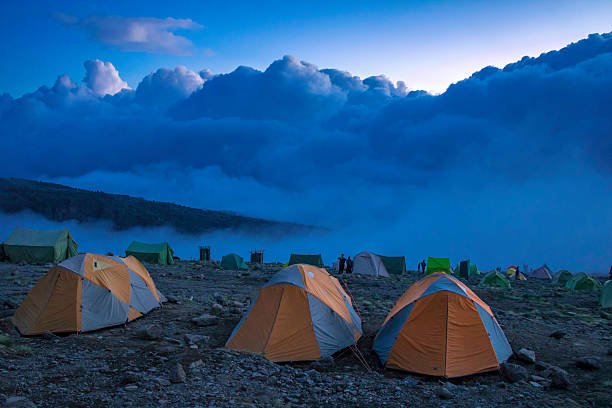
Machame Camp provides the first introduction to the tent based expedition routine.
Climbers change into dry clothing, settle into their sleeping arrangement, eat, hydrate and prepare for Day 2.
Night 1 – Machame Camp
First Night Routine
Change Into Dry Clothing
Avoid remaining in damp rainforest trekking clothes.
Organize the Tent
Keep warm clothing, headlamp and morning equipment easy to find.
Eat
Replace energy after the first mountain stage.
Hydrate Appropriately
Follow the mountain team's hydration guidance.
Check Feet
Address developing hot spots before they become serious blisters.
Rest
Five mountain days still remain.
Day 2 – Machame Camp to Shira Camp
Day 2 leaves the dense rainforest and climbs into heath and moorland before reaching the Shira Plateau.
The landscape becomes increasingly open, rocky and exposed as the mountain environment changes.
Day 2 Objective
Continue gaining altitude gradually while preserving energy and adjusting to the cooler, more exposed environment of the Shira Plateau.
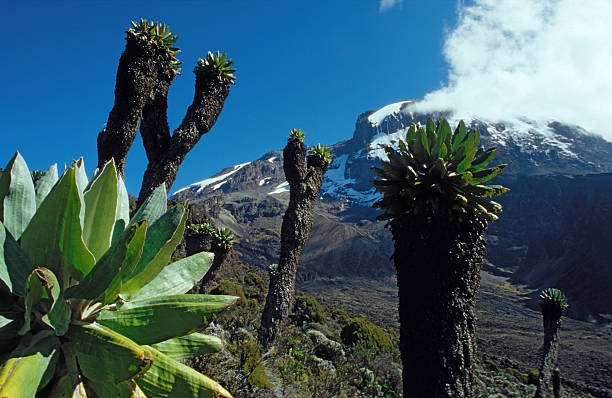
Heath and Moorland
As the forest disappears, climbers gain a wider view of the surrounding volcanic landscape.
Shira Plateau
The Shira Plateau is one of the defining landscapes of Kilimanjaro and provides a dramatic contrast with the rainforest experienced only one day earlier.
Possible Kibo Views
Clear conditions can provide impressive views of the upper mountain, but cloud can obscure Kibo completely.
Sun Exposure
The open landscape increases exposure to sun even when the air feels cool. Sunglasses and sun protection remain important.
Night 2 – Shira Camp
- Eat according to the mountain meal plan
- Hydrate appropriately
- Wear warm evening layers
- Check boots and feet
- Prepare waterproof clothing
- Report altitude concerns
- Prepare for Lava Tower
- Rest
Day 3 – Shira to Lava Tower to Barranco Camp
Day 3 introduces one of the most important altitude patterns of the Machame Route.
Climbers ascend from Shira toward Lava Tower at approximately 4,600 metres before descending to Barranco Camp around 3,900 metres.
Day 3 Objective
Experience a significantly higher daytime elevation at a controlled pace and then descend to a lower sleeping altitude at Barranco.
Climbing Toward Lava Tower
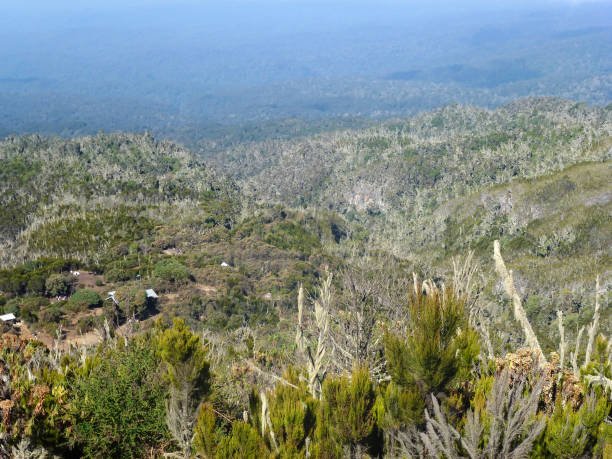
The trail enters increasingly barren volcanic terrain as the group climbs higher.
Normal walking can begin to feel much more demanding because of the increasing elevation.
What Is Lava Tower?
Lava Tower is a prominent volcanic formation and major altitude landmark on the southern Kilimanjaro circuit.
Why Lava Tower Matters
The important feature is the altitude profile. Climbers reach a high point during the day before returning to a lower elevation for the night.
This does not guarantee acclimatization, but it creates valuable altitude variation within the itinerary.
Altitude Symptoms Must Be Communicated
Tell Your Guide About Concerning Changes
- Worsening headache
- Persistent nausea
- Vomiting
- Dizziness
- Unusual weakness
- Poor coordination
- Confusion
- Unusual breathing difficulty
- Any rapidly worsening condition
Does Good Fitness Prevent Altitude Problems?
No. Physical conditioning can make hiking more manageable, but even a very fit climber can struggle with altitude.
Lava Tower to Barranco Camp
After the high point, the route descends into the Barranco Valley.
Dropping elevation can feel relieving, but Day 3 remains a substantial mountain stage.
Arrival at Barranco Camp
Barranco Camp lies beneath one of Kilimanjaro's most recognizable features, the Barranco Wall.
Clear weather can create dramatic mountain views, but visibility remains unpredictable.
Night 3 – Barranco Camp
Barranco Evening Priorities
Recover From Lava Tower
Eat, hydrate and rest after the high altitude excursion.
Discuss Your Condition
The guide needs accurate information before the route continues higher.
Prepare for the Barranco Wall
Organize gloves, layers and your daypack before morning.
Protect Your Sleep
Day 4 is an important pre summit stage.
Day 4 – Barranco Camp to Barafu Camp
The six day climbing tour compresses several major route features into Day 4.
Climbers cross the Barranco Wall, descend and ascend through the Karanga landscape and then continue to Barafu Camp rather than sleeping at Karanga.
Day 4 Objective
Complete the southern circuit progression to Barafu without exhausting the body before the summit attempt that begins during the coming night.
Climbing the Barranco Wall
The Barranco Wall rises dramatically above camp and can appear intimidating from below.
The standard line combines steep hiking and scrambling, with hands sometimes used for balance.
Is the Barranco Wall Technical Mountaineering?
The normal Machame line is generally completed as a trekking and scrambling section rather than a technical rope climbing route.
What Makes the Barranco Wall Challenging?
- Steep natural terrain
- Need for careful foot placement
- Occasional use of hands for balance
- Other climbing groups on the route
- High altitude
- Changing weather
Should You Race on the Barranco Wall?
No. Follow the guide, maintain safe spacing and focus on controlled movement.
Barranco Wall to Karanga Valley
After reaching the upper part of the wall, the route continues through a series of high ridges and valleys.
There are both downhill and uphill sections before reaching the Karanga area.
Does the 6 Day Tour Sleep at Karanga?
Not in the standard six day structure described here.
Karanga is crossed during Day 4 before the group continues toward Barafu.