7 Day Kilimanjaro Trek Culture and Wildlife Package
The 7 Day Kilimanjaro Trek Culture and Wildlife Package combines a seven day Machame Route climb of Mount Kilimanjaro with cultural experiences around the mountain and a northern Tanzania wildlife safari.
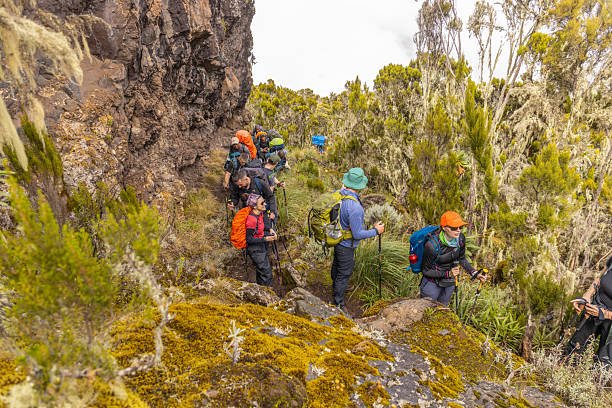
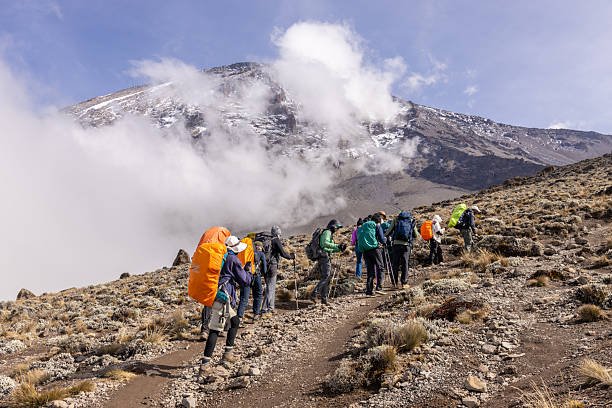
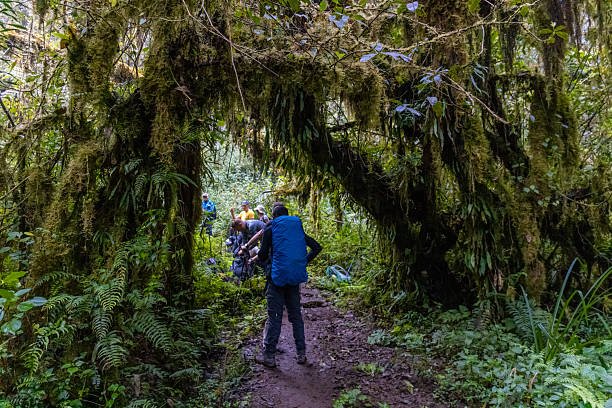
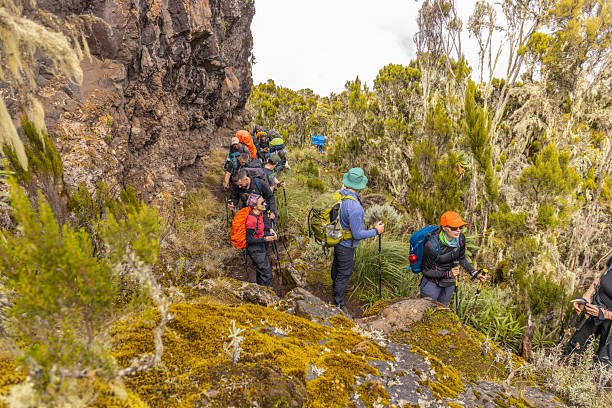
The Kilimanjaro section travels through rainforest, heath and moorland, alpine desert and the high summit zone before descending through the Mweka Route.
The standard seven day Machame itinerary includes Machame Camp, Shira Camp, Lava Tower, Barranco Camp, Barranco Wall, Karanga Camp, Barafu Camp, Stella Point, Uhuru Peak and Mweka Camp.
The cultural element can include a participating Chagga village where travellers may learn about coffee farming, banana cultivation, household gardens, local food, heritage and contemporary community life.
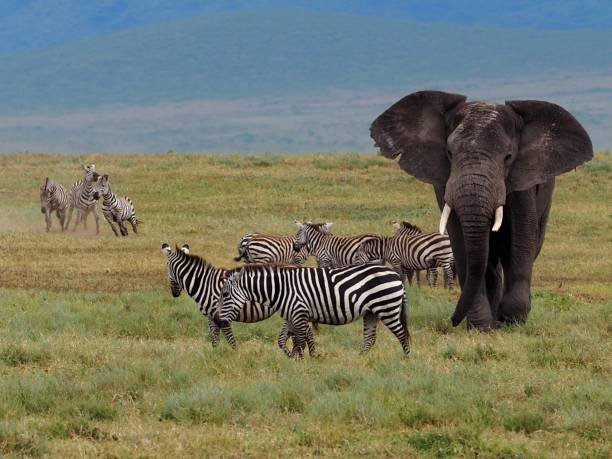
The wildlife extension can include Tarangire National Park for elephants, baobabs and varied wildlife, followed by Ngorongoro Crater for lions, buffalo, wildebeest, zebras, hippos, hyenas and possible black rhino.
The seven days refer specifically to the Kilimanjaro trek. Cultural and wildlife activities are normally added before or after the mountain so that the seven day acclimatization schedule is not shortened.
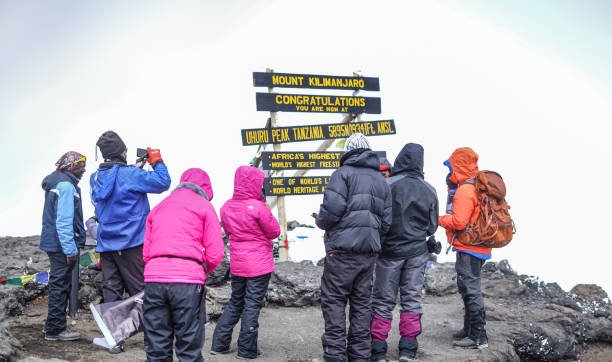
Uhuru Peak stands at 5,895 metres above sea level. Altitude affects every climber differently, and successful summiting cannot be guaranteed.
Wildlife also remains free roaming. Individual animals, all five Big Five species, predator activity and black rhino sightings cannot be guaranteed.
The 7 Day Kilimanjaro Trek Culture and Wildlife Package is suited to travellers who want to combine mountain trekking, local culture and wildlife within one broader Tanzania journey.
7 Day Kilimanjaro Trek Culture and Wildlife Package at a Glance
- Mountain route: Seven day Machame Route.
- Highest point: Uhuru Peak at 5,895 metres.
- Mountain accommodation: Camping.
- Cultural focus: Chagga village, coffee farming, bananas and local food.
- Wildlife extension: Tarangire and Ngorongoro or another agreed northern circuit combination.
- Safari vehicle: Guided 4×4 vehicle with viewing roof.
- Possible wildlife: Elephants, lions, buffalo, giraffes, zebras, wildebeest, hyenas, hippos and possible black rhino.
- Important: Summit success and wildlife sightings cannot be guaranteed.
Why Choose the 7 Day Kilimanjaro Trek Culture and Wildlife Package?
The 7 Day Kilimanjaro Trek Culture and Wildlife Package brings together three contrasting parts of northern Tanzania.
The first is the challenge of Mount Kilimanjaro, including rainforest, volcanic landscapes, high altitude terrain and an attempt on Uhuru Peak.
The second is a cultural experience among participating communities around the lower slopes, where travellers can learn about farming, food and present day village life.
The third is a wildlife safari through landscapes such as Tarangire and Ngorongoro.
The combination is suitable for travellers who want more than a stand alone mountain climb and would like to understand both the natural and cultural landscapes of northern Tanzania.
Main Experience Highlights
- Seven day Machame Route
- Machame rainforest
- Shira Plateau
- Lava Tower acclimatization
- Barranco Wall
- Separate Karanga Camp overnight
- Barafu summit camp
- Stella Point
- Uhuru Peak summit attempt
- Chagga village experience
- Coffee and banana farming
- Local food and community heritage
- Tarangire elephants and baobabs
- Ngorongoro Crater wildlife
- Possible black rhino opportunity
7 Day Kilimanjaro Trek Culture and Wildlife Package Mountain Itinerary
DAY
01
MACHAME GATE TO MACHAME CAMP
Rainforest Trek and First Mountain Camp
After breakfast, travel from Moshi toward Machame Gate and complete the required mountain entry procedures.
Meet the trekking crew, organise luggage and begin walking through the montane rainforest.
- Starting altitude: Approximately 1,800 metres.
- Sleeping altitude: Approximately 2,835 metres.
- Distance: Approximately 11 km.
- Walking time: Approximately 5 to 7 hours.
- Habitat: Montane rainforest.
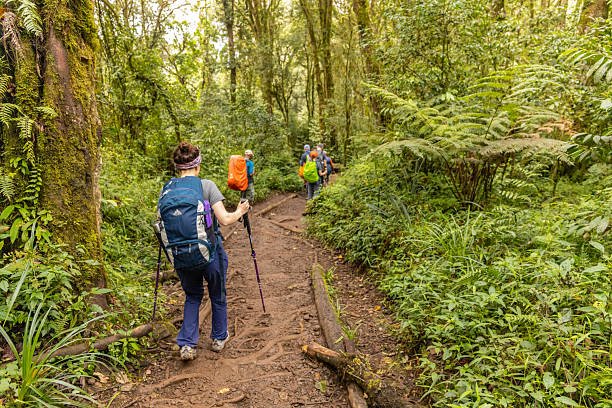
Machame Rainforest
The lower mountain is humid and green, and the trail can become wet or muddy after rain.
Walking slowly from the first day helps establish a sustainable pace.
Machame Camp
Arrive at Machame Camp, settle into your tent and rest before dinner.
Accommodation
Camping at Machame Camp, approximately 2,835 metres.
Meals
Lunch and dinner according to the confirmed package.
DAY
02
MACHAME CAMP TO SHIRA CAMP
Heath, Moorland and Shira Plateau
Leave the rainforest and continue upward toward the Shira Plateau.
- Starting altitude: Approximately 2,835 metres.
- Sleeping altitude: Approximately 3,850 metres.
- Distance: Approximately 5 km.
- Walking time: Approximately 4 to 6 hours.
Changing Vegetation
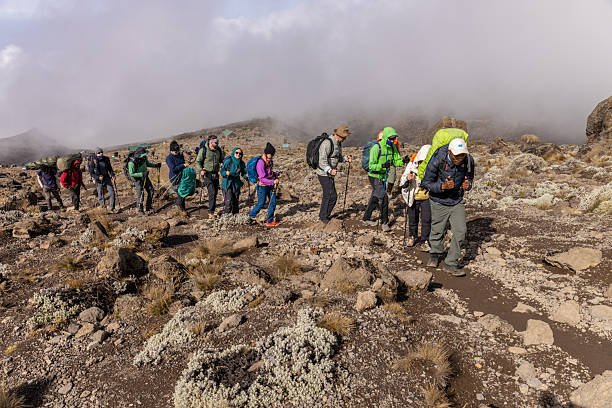
Vegetation becomes shorter and the environment increasingly open as elevation increases.
Shira Plateau
Clear conditions may provide broad views across the plateau and toward higher parts of Kilimanjaro.
Cloud and mist can limit mountain views at any time.
Altitude Awareness
The increase in sleeping altitude makes hydration, steady pacing and honest symptom reporting important.
Accommodation
Camping at Shira Camp, approximately 3,850 metres.
Meals
Breakfast, lunch and dinner.
DAY
03
SHIRA TO LAVA TOWER TO BARRANCO
High Altitude Acclimatization Day
Day 3 climbs toward Lava Tower at approximately 4,600 metres before descending to Barranco Camp at approximately 3,900 metres.
- Starting altitude: Approximately 3,850 metres.
- High point: Approximately 4,600 metres.
- Sleeping altitude: Approximately 3,900 metres.
- Distance: Approximately 10 km.
- Walking time: Approximately 6 to 8 hours.
Lava Tower
The route reaches a significantly higher elevation around Lava Tower before descending.
Some climbers may notice stronger altitude effects at this elevation.
Climb High and Sleep Lower
Reaching higher altitude during the day and sleeping lower at Barranco can support acclimatization.
Individual responses remain unpredictable.
Barranco Camp
Finish the day beneath the Barranco Wall at approximately 3,900 metres.
Accommodation
Camping at Barranco Camp.
Meals
Breakfast, lunch and dinner.
DAY
04
BARRANCO TO KARANGA
Barranco Wall and Karanga Valley
Begin Day 4 by climbing the Barranco Wall before continuing through high altitude terrain toward Karanga Camp.
- Starting altitude: Approximately 3,900 metres.
- Sleeping altitude: Approximately 4,035 metres.
- Distance: Approximately 5 km.
- Walking time: Approximately 4 to 5 hours.
Barranco Wall
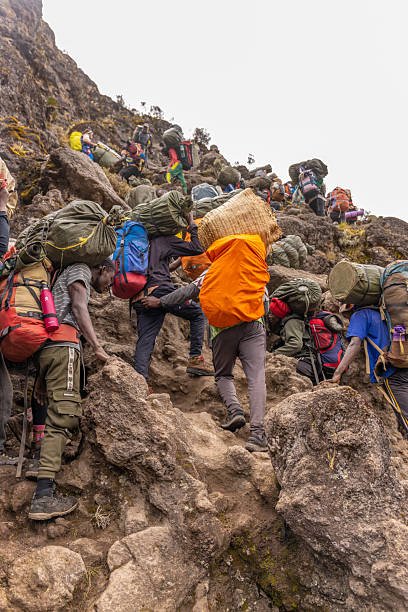
The Barranco Wall involves steep trekking and scrambling, with hands used for balance at several points.
It is generally completed without technical climbing equipment on the standard route.
Karanga Camp
Continue toward Karanga Camp for a separate overnight.
This additional night is an important feature of the seven day Machame itinerary.
Accommodation
Camping at Karanga Camp, approximately 4,035 metres.
Meals
Breakfast, lunch and dinner.
DAY
05
KARANGA TO BARAFU
High Alpine Trek to Summit Camp
Leave Karanga after breakfast and climb toward Barafu Camp.
- Starting altitude: Approximately 4,035 metres.
- Sleeping altitude: Approximately 4,673 metres.
- Distance: Approximately 4 km.
- Walking time: Approximately 3 to 4 hours.
Barafu Camp
Barafu is the standard summit base for the Machame Route.
The camp is exposed and may be cold and windy.
Summit Preparation
Prepare warm clothing, headlamp, gloves, water, snacks and other summit essentials before resting.
Accommodation
Camping at Barafu Camp, approximately 4,673 metres.
Meals
Breakfast, lunch and early dinner.
DAY
06
BARAFU TO UHURU PEAK TO MWEKA
Summit Attempt and Long Descent
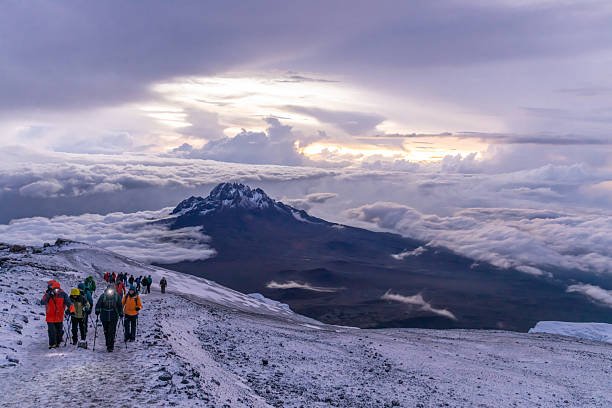
Summit day is usually the most physically demanding part of the 7 Day Kilimanjaro Trek Culture and Wildlife Package.
The ascent commonly begins late at night or around midnight, although exact departure time depends on guide planning and climber condition.
- Starting altitude: Approximately 4,673 metres.
- Stella Point: Approximately 5,756 metres.
- Uhuru Peak: 5,895 metres.
- Sleeping altitude: Approximately 3,100 metres.
- Total trekking time: Approximately 12 to 16 hours for many climbers.
Night Ascent
Climb slowly through cold and darkness toward the crater rim.
Stella Point
Reach Stella Point at approximately 5,756 metres.
Only climbers who remain in suitable condition should continue toward Uhuru Peak.
Uhuru Peak
Continue toward Uhuru Peak at 5,895 metres when the guide considers it safe.
Time at the summit is generally limited because of altitude and the long descent ahead.
Summit Success Cannot Be Guaranteed
Altitude affects everyone differently.
The seven day itinerary provides more time than six day Machame, but no route can guarantee successful acclimatization.
Descent to Mweka
Descend through Barafu and continue toward Mweka Camp for overnight.
Accommodation
Camping at Mweka Camp, approximately 3,100 metres.
Meals
Meals according to the summit day schedule.
DAY
07
MWEKA CAMP TO MWEKA GATE
Final Forest Descent and Return to Moshi
After breakfast, descend through the forest toward Mweka Gate.
- Starting altitude: Approximately 3,100 metres.
- Walking time: Approximately 3 to 4 hours.
- Terrain: Forest trail.
- Destination: Mweka Gate followed by Moshi transfer.
Final Descent
The lower trail may be wet or slippery after rainfall.
Mweka Gate
Complete final mountain procedures before meeting the transfer vehicle.
Return to Moshi
Return to Moshi for a shower, food and proper recovery before beginning the cultural and wildlife extension.
Accommodation
Moshi hotel or another confirmed property.
Meals
Breakfast and additional meals according to the confirmed package.
Transfer
Mweka Gate to Moshi.
Sample Culture and Wildlife Extension After Kilimanjaro
The cultural and wildlife portion can be customised according to available time.
A three day extension works well for travellers wanting one cultural day and two different wildlife areas without placing unnecessary pressure on the seven day mountain itinerary.
EXT
01
CHAGGA CULTURAL EXPERIENCE
Village Walk, Coffee, Bananas and Local Food
After a suitable recovery period, travel to a participating Chagga village on the lower slopes of Mount Kilimanjaro.
Possible areas include Uru, Marangu or another agreed community.
Possible Cultural Activities
- Guided village walk
- Coffee farm visit
- Coffee cultivation explanation
- Seasonal coffee harvesting
- Coffee roasting and grinding
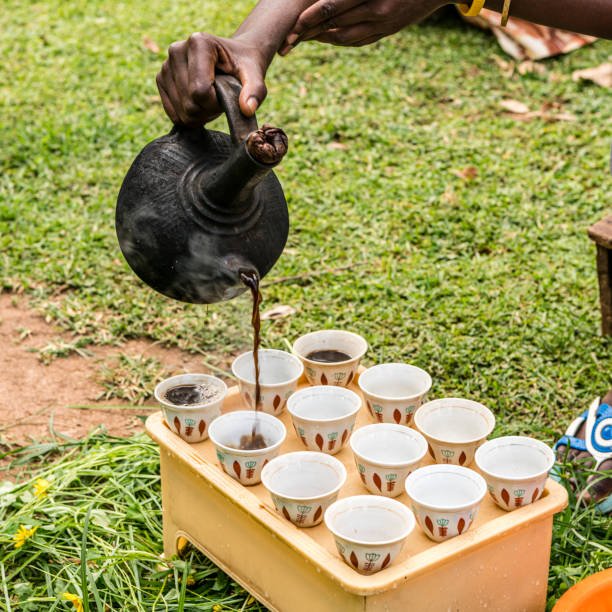
- Coffee brewing and tasting
- Banana cultivation
- Household gardens
- Local history and heritage
- Contemporary village life
- Local lunch
Coffee Farming
Learn how coffee is grown and maintained around the fertile lower slopes of Mount Kilimanjaro.
Seasonal Coffee Activities
Coffee harvesting depends on the agricultural season, and ripe cherries cannot be guaranteed throughout the year.
Banana Farms
Banana cultivation can be an important part of mixed farming systems around Kilimanjaro.
Local Food
A locally prepared meal can be included according to the confirmed cultural program.
Contemporary Chagga Life
The experience should reflect both heritage and present day community life rather than suggesting that culture is unchanged from the past.
Accommodation
Moshi, Arusha, Mto wa Mbu, Karatu or another confirmed property depending on the next safari day.
Meals
Local lunch and other meals according to the confirmed program.
EXT
02
TARANGIRE NATIONAL PARK
Elephants, Baobabs and Wildlife Safari
Travel to Tarangire National Park for a guided 4×4 wildlife game drive.
Tarangire is known for its baobab landscapes and strong opportunities to observe African elephants.
Wildlife Travellers May See
- African elephants
- African buffalo
- Giraffes
- Zebras
- Wildebeest
- Impala and other antelope
- Warthogs
- Baboons
- Lions
- Possible leopard
- Varied birdlife
Elephants
Tarangire provides strong opportunities to observe elephants, although exact herd sizes and locations change naturally.
Baobab Trees
Large baobab trees create some of the park's most distinctive landscapes.
Lions
Lions may be encountered during the game drive, but sightings cannot be guaranteed.
Leopards
Leopards occur within the ecosystem but are secretive and generally difficult to locate.
A leopard sighting should be considered possible rather than expected.
Accommodation
Karatu, Mto wa Mbu or another confirmed safari property.
Meals
Meals according to the confirmed safari package.
EXT
03
NGORONGORO CRATER
Crater Wildlife and Possible Black Rhino
After breakfast, travel toward Ngorongoro and descend into the crater for a wildlife game drive.
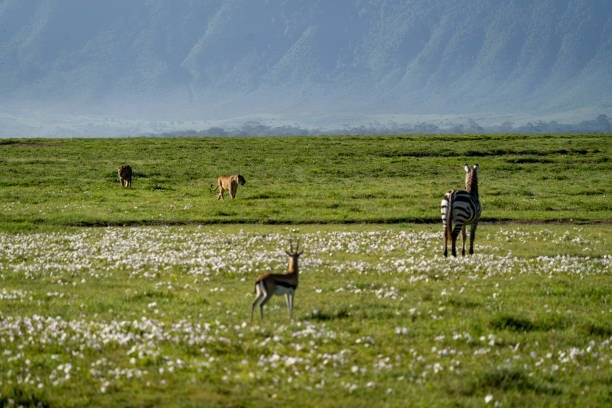
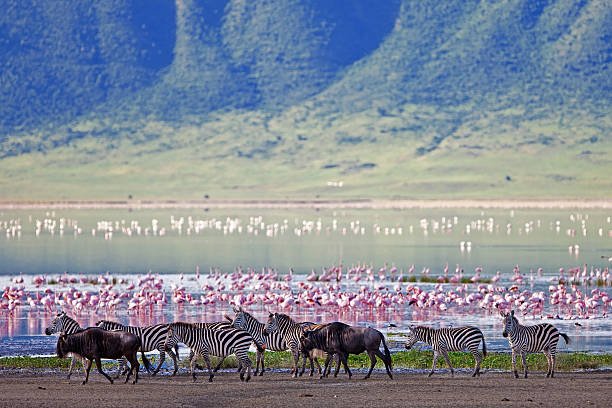
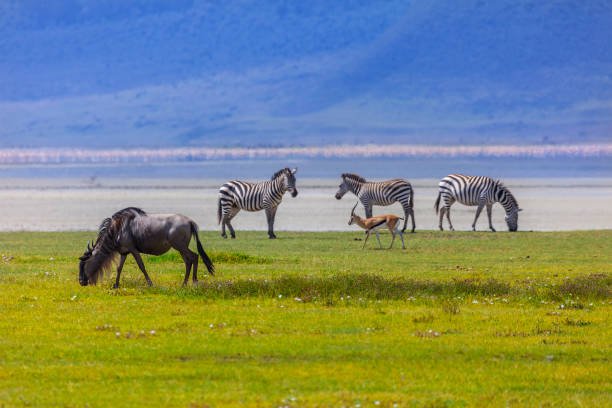
The crater floor includes grasslands, wetlands, freshwater areas and woodland supporting varied wildlife.
Wildlife Travellers May See
- Wildebeest
- Zebras
- African buffalo
- Lions
- Spotted hyenas
- Hippos
- Elephants
- Gazelles
- Warthogs
- Possible black rhino
- Varied birdlife
Black Rhino Opportunities
Ngorongoro can provide opportunities to observe black rhino.
Rhinos may remain far from authorised safari roads, so sightings can be distant and cannot be guaranteed.
Lions and Hyenas
Lions and spotted hyenas may be encountered, although predator activity remains unpredictable.
Return After the Safari
After the game drive, ascend from the crater and continue toward Arusha, Moshi or another agreed location.
Final Destination
Moshi, Arusha or another agreed location.
Meals
Breakfast and picnic lunch according to the confirmed package.
Seven Day Machame Route
The mountain section of the 7 Day Kilimanjaro Trek Culture and Wildlife Package follows the seven day Machame Route.
The route approaches Mount Kilimanjaro from the southwest before traversing the southern side toward Barafu.
It is a camping route rather than a hut accommodation route.
Seven Day Machame Versus Six Day Machame
The seven day Machame itinerary separates Barranco to Karanga and Karanga to Barafu into two different days.
The six day itinerary normally combines these sections into one longer day.
The seven day version therefore provides a separate Karanga overnight and additional time before summit night.
This can support acclimatization for some climbers, but it cannot guarantee successful acclimatization or summit success.
Lava Tower and Acclimatization
The route reaches approximately 4,600 metres around Lava Tower before descending to Barranco at approximately 3,900 metres.
This climb high and sleep lower pattern can support altitude adaptation.
Climbers should still report any symptoms honestly to their guide team.
Barranco Wall
The seven day Machame Route includes the Barranco Wall.
The wall is steep and includes scrambling sections but is generally not technical climbing.
Guides assist climbers through steeper and narrower sections.
Karanga Camp
The seven day itinerary sleeps at Karanga Camp before moving to Barafu.
This provides a separate overnight at approximately 4,035 metres before the group climbs higher to the summit base.
Kilimanjaro Summit Night
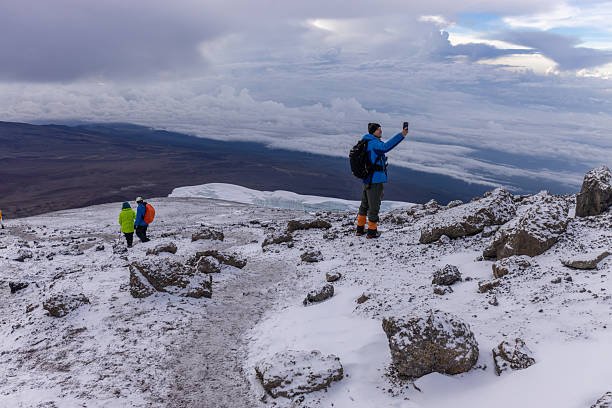
Summit Night Expectations
- Late night or around midnight departure
- Headlamp trekking
- Cold temperatures
- Possible wind or snow
- Steep high altitude ascent
- Stella Point at approximately 5,756 metres
- Uhuru Peak at 5,895 metres for climbers who can safely continue
- Long descent toward Mweka Camp
Altitude and Health Monitoring
Altitude is one of the main challenges on Mount Kilimanjaro.
Physical fitness is useful but does not determine exactly how a person will respond to high elevation.
Guides may monitor headache, nausea, appetite, sleep, dizziness, energy and breathing during the climb.
Safety decisions can include slowing the pace, resting, reassessing the climber or beginning descent.
Responsible Chagga Cultural Experience
The cultural component should take place with participating community members and respect everyday family and farming routines.
Community Visit Guidelines
- Follow the local cultural guide.
- Ask permission before photographing people.
- Respect private homes and working farms.
- Do not pick coffee, bananas or other crops without permission.
- Do not handle farm tools unless invited.
- Respect normal household routines.
- Treat farming as a livelihood rather than a staged attraction.
- Recognise both heritage and contemporary village life.
Wildlife Expectations in Tarangire
Tarangire is particularly associated with elephants and baobab landscapes.
Travellers may also see giraffes, zebras, wildebeest, buffalo, antelope, warthogs, baboons, lions and varied birdlife.
Leopard is possible but generally difficult to locate.
Wildlife Expectations in Ngorongoro
Ngorongoro Crater supports wildebeest, zebras, buffalo, lions, spotted hyenas, hippos, elephants, gazelles and other wildlife.
Black rhino may be observed but can remain distant and cannot be guaranteed.
Leopard is generally difficult to locate in a short crater visit.
Can You See the Big Five?
The wider safari route offers opportunities for lion, leopard, African elephant, African buffalo and black rhino.
Tarangire provides opportunities for elephant, buffalo, lion and possible leopard.
Ngorongoro can provide opportunities for lion, buffalo, elephant and possible black rhino.
Leopard is usually difficult to locate and rhino may remain distant.
Seeing all five Big Five species cannot be guaranteed.
Big Five Expectations
- Elephant: Strong opportunities in Tarangire and possible in Ngorongoro.
- Buffalo: May be seen in both Tarangire and Ngorongoro.
- Lion: May be encountered in both safari areas.
- Leopard: Possible but secretive and difficult to locate.
- Black rhino: Possible in Ngorongoro, sometimes at considerable distance.
Add Serengeti National Park
Travellers with additional time can extend the wildlife safari to Serengeti National Park.
There may be opportunities to observe lions, cheetahs, wildebeest, zebras, giraffes, buffalo, elephants, spotted hyenas and possible leopards.
The Serengeti is also part of the wider Great Migration ecosystem.
Migration herd locations depend on rainfall, grazing and water availability.
River crossings, calving events and predator hunts cannot be scheduled or guaranteed.
Add Lake Manyara
Lake Manyara can be added for forest habitats, primates, elephants, buffalo, hippos and birdlife.
Tree climbing lion behaviour and large flamingo concentrations are unpredictable and cannot be guaranteed.
Private Package
The complete 7 Day Kilimanjaro Trek Culture and Wildlife Package can be arranged privately.
A private itinerary provides a dedicated mountain crew and can continue with a private cultural experience and private safari vehicle.
Group Joining Option
Travellers may join a scheduled seven day Machame departure when suitable spaces are available.
The culture and safari extension can then be arranged privately or matched with compatible travellers where available.
Solo Travellers
Solo travellers can join a compatible Kilimanjaro departure or arrange the journey privately.
Group joining safari arrangements may also be possible depending on matching routes and dates.
Couples
Couples can arrange the Kilimanjaro trek, cultural day and wildlife safari privately.
Families
Family climbing arrangements depend on traveller ages, applicable mountain requirements and individual readiness for high altitude.
The cultural and safari portions can usually be adapted according to age and activity level.
Mountain Camping
The Machame Route uses tented mountain camps.
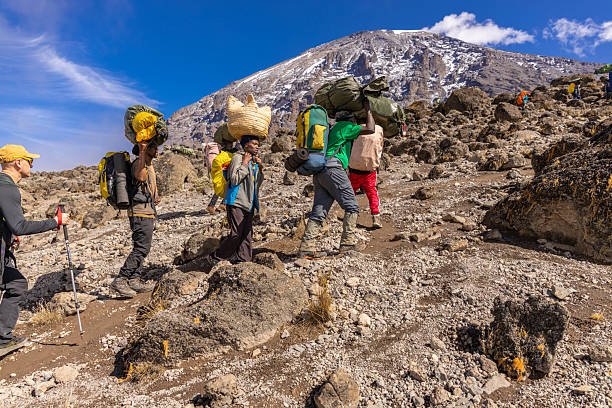
Trekkers sleep in tents while the mountain crew manages camp logistics, food and approved equipment.
Safari Camping or Lodge Accommodation
The wildlife extension can be organised with camping, mid range lodge or other suitable accommodation according to the traveller's preference and availability.
Accommodation category affects comfort and cost but does not guarantee better wildlife sightings.
Professional Safari Guide and Vehicle
The wildlife extension normally uses a professional safari guide and a 4×4 safari vehicle with a pop up viewing roof.
Typical Safari Vehicle Features
- 4×4 capability
- Pop up viewing roof
- Passenger seating
- Wildlife viewing windows
- Luggage space
- Drinking water storage
Best Time for the 7 Day Kilimanjaro Trek Culture and Wildlife Package
The 7 Day Kilimanjaro Trek Culture and Wildlife Package can be arranged during different periods of the year.
Mountain weather can change rapidly, village farming activities vary seasonally and wildlife distribution changes according to rainfall, vegetation and water availability.
Seasonal Considerations
- Rain can make mountain and village trails muddy.
- Summit temperatures can be extremely cold.
- Mountain visibility depends on cloud conditions.
- Coffee harvesting is seasonal.
- Farm activities vary throughout the year.
- Tarangire wildlife distribution changes naturally.
- Ngorongoro wildlife remains free roaming.
- Black rhino sightings cannot be guaranteed.
What to Pack for Kilimanjaro
- Waterproof hiking boots
- Daypack
- Waterproof jacket and trousers
- Insulated jacket
- Thermal base layers
- Warm fleece or mid layer
- Warm gloves
- Warm hat
- Sun hat
- Trekking socks
- Headlamp and spare batteries
- Sunglasses
- Sunscreen
- Water bottles or hydration system
- Trekking poles
- Suitable sleeping bag
- Personal medication
What to Bring for the Culture and Wildlife Extension
- Comfortable walking shoes
- Light clothing
- Warm layer for cool mornings and Ngorongoro highlands
- Sun hat
- Sunscreen
- Sunglasses
- Camera or phone
- Binoculars
- Small day bag
- Personal medication
Typical 7 Day Kilimanjaro Trek Culture and Wildlife Package Inclusions
- Seven day Machame Route trekking arrangements
- Professional mountain guide team
- Cook and porter crew
- Mountain camping accommodation
- Mountain meals according to the itinerary
- Drinking water arrangements during the climb
- Moshi to Machame Gate transfer
- Mweka Gate return transfer
- Local cultural guide for the confirmed village program
- Coffee or farming experience where included
- Local cultural meal where included
- Professional safari guide
- 4×4 safari vehicle
- Tarangire and Ngorongoro arrangements when included in the confirmed safari
- Safari meals and accommodation specifically stated in the package
Typical Exclusions
- International flights
- Tanzania visa
- Travel insurance
- Personal trekking equipment unless stated
- Sleeping bag unless included
- Hotel accommodation unless stated
- Airport transfers unless stated
- Serengeti extension unless included
- Lake Manyara unless included
- Zanzibar extension unless included
- Alcoholic beverages
- Personal expenses
- Tips
What Affects the 7 Day Kilimanjaro Trek Culture and Wildlife Package Price?
The price of the 7 Day Kilimanjaro Trek Culture and Wildlife Package depends on the number of travellers, private or group arrangements, equipment requirements, cultural program, safari duration and accommodation category.
Main Price Factors
- Number of climbers
- Private or group joining Kilimanjaro trek
- Seven day mountain logistics
- Mountain crew requirements
- Hotel nights
- Airport transfers
- Equipment rental
- Private toilet option where requested
- Selected cultural village
- Coffee and local food activities
- Number of safari days
- Private or group joining safari
- Safari accommodation category
- Tarangire, Ngorongoro, Serengeti or Lake Manyara combination
- Final drop off location
Important Information About the 7 Day Kilimanjaro Trek Culture and Wildlife Package
The 7 Day Kilimanjaro Trek Culture and Wildlife Package uses the seven day Machame Route as its standard mountain itinerary.
The seven days refer to the mountain trekking schedule.
The cultural and wildlife extensions are normally arranged before or after the seven trekking days.
The Machame Route uses camping accommodation.
The itinerary includes Shira Plateau, Lava Tower, Barranco Camp, Barranco Wall, Karanga Camp, Barafu Camp, Stella Point and the Uhuru Peak summit attempt.
The seven day version includes a separate overnight at Karanga Camp.
Barafu is the standard summit base.
Uhuru Peak is 5,895 metres above sea level.
Altitude affects every climber differently.
Excellent fitness does not guarantee successful acclimatization.
Summit success cannot be guaranteed.
Guide health and safety decisions take priority over reaching the summit.
Mountain weather can change rapidly.
Cold, wind, rain, snow and strong sunlight are all possible.
Summit night is normally the longest and most demanding mountain stage.
The exact summit departure time depends on guide planning and mountain conditions.
The cultural experience should take place with participating community members.
Coffee harvesting is seasonal.
Ripe coffee cherries cannot be guaranteed throughout the year.
Village activities vary according to normal community routines and farming seasons.
Mount Kilimanjaro views from villages depend on cloud conditions.
Photography of identifiable community members requires permission.
Visitors should not enter private homes or pick crops without permission.
Wildlife remains free roaming.
Tarangire provides strong elephant viewing opportunities but does not guarantee elephant sightings on a particular game drive.
Lions may be encountered in Tarangire and Ngorongoro but cannot be guaranteed.
Leopards are generally difficult to locate.
Ngorongoro may provide opportunities to observe black rhino, but sightings can be distant and cannot be guaranteed.
Seeing all five Big Five species cannot be guaranteed.
Predator hunts and kills cannot be guaranteed.
If Serengeti is added, migration herd locations depend on rainfall, grazing and water availability.
River crossings and individual calving events cannot be guaranteed.
The complete package can be arranged privately.
Group joining Kilimanjaro and safari arrangements may be available on selected dates.
Zanzibar can be added after the mountain and safari.
Before booking, provide your preferred dates, number and ages of travellers, arrival and departure flights, trekking experience, private or group joining preference, equipment requirements, dietary needs and preferred culture and wildlife extension.
Why Book the 7 Day Kilimanjaro Trek Culture and Wildlife Package?
The 7 Day Kilimanjaro Trek Culture and Wildlife Package combines the challenge of climbing Mount Kilimanjaro with local cultural learning and wildlife viewing.
The seven day Machame Route provides rainforest, Shira Plateau, Lava Tower, Barranco Wall, a separate Karanga overnight, Barafu summit camp and an attempt on Uhuru Peak.
The cultural experience introduces Chagga village life, coffee, bananas, farming, food and community heritage around the lower slopes.
The wildlife extension can then explore Tarangire's elephant and baobab landscapes and Ngorongoro Crater's diverse wildlife.
Serengeti, Lake Manyara, Lake Eyasi and Zanzibar can also be added to create a longer Tanzania itinerary.
Frequently Asked Questions
What is the 7 Day Kilimanjaro Trek Culture and Wildlife Package?
It combines a seven day Machame Route climb with additional cultural and northern Tanzania wildlife experiences.
Which Kilimanjaro route is used?
The standard mountain itinerary uses the seven day Machame Route.
Are culture and safari included within the seven trekking days?
No. The seven days refer to the Kilimanjaro trek. Cultural and safari experiences are normally added before or after the mountain.
How many extra days are recommended?
Three additional days work well for one cultural day, Tarangire and Ngorongoro, although shorter or longer extensions can be arranged.
Can the cultural experience happen before Kilimanjaro?
Yes. It can be arranged before the trek when the arrival schedule allows enough time for cultural activities, equipment checks and rest.
Can culture and safari be done after Kilimanjaro?
Yes. This is a practical option because it keeps the seven day acclimatization schedule intact and allows the safari to follow the climb.
Do we visit a Chagga village?
A participating Chagga village around Mount Kilimanjaro can form the core cultural experience.
Can we visit a coffee farm?
Yes. Coffee cultivation and preparation can be included according to the selected village and farm program.
Can we harvest coffee?
Coffee harvesting is seasonal, so ripe cherries cannot be guaranteed on every travel date.
Do we visit banana farms?
Banana cultivation can be included in many Kilimanjaro village programs.
Does seven day Machame include Barranco Wall?
Yes. The Barranco Wall is climbed on Day 4 before continuing toward Karanga Camp.
Do we sleep at Karanga Camp?
Yes. The seven day Machame itinerary includes an overnight at Karanga before Barafu.
Where do we sleep before the summit?
The standard route uses Barafu Camp at approximately 4,673 metres as the summit base.
How high is Uhuru Peak?
Uhuru Peak stands at 5,895 metres above sea level.
Is summit success guaranteed?
No. Altitude, health, weather and individual acclimatization affect every climb differently.
How long is summit day?
For many climbers, the summit ascent and descent toward Mweka can total approximately 12 to 16 hours.
Is Machame a camping route?
Yes. Trekkers sleep in tents at designated mountain camps.
Can trekking equipment be rented?
Many trekking items can be rented in Moshi according to availability and the pre trek equipment check.
What happens if I experience altitude symptoms?
Tell your guide immediately. The guide may slow the pace, monitor your condition or organise descent when required for safety.
Which safari park is best for a short extension?
Tarangire and Ngorongoro combine well for a short extension because they provide contrasting habitats and wildlife without requiring the longer road journey of a compact Serengeti itinerary.
What wildlife may we see in Tarangire?
Travellers may see elephants, buffalo, giraffes, zebras, wildebeest, antelope, lions, warthogs, baboons and varied birdlife.
Are elephants guaranteed?
No. Tarangire provides strong elephant viewing opportunities, but all wildlife remains free roaming.
What wildlife may we see in Ngorongoro?
Travellers may see wildebeest, zebras, buffalo, lions, hyenas, hippos, elephants, gazelles, warthogs and possible black rhino.
Can we see black rhino?
Black rhino may be observed in Ngorongoro, but sightings cannot be guaranteed and animals may remain distant.
Can we see the Big Five?
The safari route provides opportunities for lion, leopard, elephant, buffalo and black rhino, but seeing all five cannot be guaranteed.
Can Serengeti be added?
Yes. Serengeti can be added when travellers have additional safari time.
Can we see the Great Migration?
Migration herds may be encountered during a suitable Serengeti extension, but their exact location depends on rainfall, grazing and water availability.
Are river crossings guaranteed?
No. River crossings are natural events and cannot be scheduled or guaranteed.
Can Lake Manyara be added?
Yes. Lake Manyara can be included for forest habitats, primates, elephants, hippos and birdlife.
Can the trip be private?
Yes. The Kilimanjaro climb, cultural experience and safari can all be arranged privately.
Can I join a group?
Group joining may be possible for the Kilimanjaro climb and safari when compatible confirmed departures match your dates.
Can solo travellers book?
Yes. Solo travellers can join suitable group departures or arrange the journey privately.
Can couples book privately?
Yes. Couples can arrange a private trek, private cultural experience and dedicated safari vehicle.
Can vegetarian or vegan meals be arranged?
Vegetarian and vegan requirements can usually be planned when communicated before the trip.
Can airport transfers and Moshi hotel nights be included?
Yes. Airport transfers and hotel nights can be included according to your arrival and departure schedule.
Can Zanzibar be added?
Yes. Zanzibar can be added after the mountain and safari with suitable flights, accommodation and transfers.
How do I book the 7 Day Kilimanjaro Trek Culture and Wildlife Package?
Provide your preferred dates, number and ages of travellers, flight details, climbing experience, private or group joining preference, equipment requirements, dietary needs and the number of culture and wildlife extension days you would like.
Request Your 7 Day Kilimanjaro Trek Culture and Wildlife Package
Climb Mount Kilimanjaro on the seven day Machame Route, experience Chagga village culture and coffee farming, then continue to Tarangire and Ngorongoro for elephants, lions, buffalo and possible black rhino.
Book Your Kilimanjaro Culture and Wildlife Package