Ngorongoro Crater Safari Best Time
The Ngorongoro Crater Safari Best Time depends on whether your priorities are classic wildlife viewing, green landscapes, photography, birdwatching, fewer crowds or combining the crater with other Tanzania safari destinations.
Unlike wildlife experiences that depend heavily on a seasonal migration, Ngorongoro Crater supports substantial resident wildlife throughout the year.
This means there is no short period when the crater suddenly becomes the only good time to visit.
Lions, buffalo, wildebeest, zebra, hippos, hyenas and many other animals can be encountered throughout the year, while black rhino and other individual species remain naturally unpredictable.
The major seasonal differences involve rainfall, vegetation colour, visibility, road conditions, birdlife, temperature, photography and visitor demand.
Ngorongoro Best Time at a Glance
- June to October: Generally drier conditions, open landscapes and classic safari viewing.
- January and February: Often a useful drier interval with green landscapes around the wider conservation area.
- March to May: Main wetter period with greener scenery and potentially heavier rainfall.
- October to November: Seasonal rains can return and refresh vegetation.
- Wildlife: Good throughout the year.
- Birdwatching: Particularly interesting during wetter months.
- Photography: Excellent year round, with different seasonal colours.
Is There One Best Time to Visit Ngorongoro Crater?
No single month is best for every traveller.
A visitor seeking dry grasslands and generally predictable road conditions may prefer the main dry season.
A photographer interested in vivid green scenery, dramatic clouds and migratory birds may prefer wetter months.
A traveller combining Ngorongoro with the southern Serengeti calving season may find January, February or March particularly practical.
The best time therefore depends on your complete Tanzania itinerary rather than one universal recommendation.
Choose Your Ngorongoro Season Based On
- General wildlife viewing
- Black rhino opportunities
- Predator viewing
- Green or golden landscapes
- Birdwatching
- Photography style
- Rain tolerance
- Visitor levels
- Serengeti migration plans
- Kilimanjaro or Zanzibar combinations
Ngorongoro Crater in January
January can provide an excellent combination of green scenery and strong wildlife viewing.
The wider northern Tanzania landscape can remain fresh from seasonal rains while many crater animals continue using their normal habitats.
January also works particularly well for travellers combining Ngorongoro with southern Serengeti and Ndutu during the wildebeest calving season.
Morning temperatures around the crater rim can still be cool, so warm clothing remains important.
Ngorongoro Crater in February
February is another attractive month for combining Ngorongoro with southern Serengeti wildlife.
The crater itself continues to provide resident wildlife while nearby seasonal ecosystems can be active with migration and calving activity.
The landscape can retain strong green colour, creating excellent backgrounds for photography.
Individual wildlife sightings remain unpredictable even during highly productive periods.
Ngorongoro Crater in March
March can mark the transition toward the main wetter period.
Vegetation becomes increasingly green and cloud formations can create dramatic photography.
Rain showers may occur more frequently, making waterproof clothing useful.
Wildlife viewing remains possible because the crater's animals do not simply disappear when the rains begin.
Ngorongoro Crater in April
April is generally among the wetter months in the wider northern Tanzania region.
The crater and surrounding highlands can be lush and green, while clouds, mist and rain create a very different atmosphere from the dry season.
Travellers comfortable with changing weather can still enjoy rewarding wildlife viewing.
Road and visibility conditions can vary during heavier rainfall, so flexible expectations are important.
Ngorongoro Crater in May
May can remain green while rainfall begins changing as the region approaches the drier part of the year.
Wildlife remains present and the landscape can be highly photogenic.
Travellers who value green scenery and are comfortable carrying rain protection can enjoy a different atmosphere from the peak dry season.
Ngorongoro Crater in June
June begins a broadly drier period and can be an excellent month for a crater safari.
Vegetation may still retain some green colour from previous rains while game drive conditions become progressively drier.
June also combines well with Serengeti itineraries as migration activity moves through different parts of the wider ecosystem.
Ngorongoro Crater in July
July is a popular dry season safari month.
Conditions are generally drier, and open grassland can provide good wildlife visibility.
The crater rim can feel surprisingly cold during early morning hours, particularly when wind and cloud are present.
Warm layers are strongly recommended even when lower northern Tanzania feels warm.
Ngorongoro Crater in August
August is another popular dry season period for Ngorongoro.
It combines particularly well with northern Serengeti migration safaris for travellers interested in the wider northern Tanzania circuit.
The crater can receive significant visitor interest during this period, especially at major wildlife sightings.
A professional guide can balance well known wildlife areas with other productive parts of the crater.
Ngorongoro Crater in September
September generally continues the dry season pattern.
Vegetation may appear more golden or brown than during the wet months.
Wildlife remains an important attraction, while clear visibility and contrasting crater landscapes can provide excellent photography.
Ngorongoro Crater in October
October can represent a transition as seasonal weather begins changing.
Some days may remain dry while developing rains can gradually refresh surrounding vegetation.
This transitional character can provide attractive photographic conditions.
Travellers should pack for both sunshine and possible rain.
Ngorongoro Crater in November
November can bring seasonal rainfall and increasingly green landscapes.
Birdlife becomes particularly interesting as wetland environments and seasonal movements influence species distribution.
Short rain showers do not automatically prevent game drives.
A flexible itinerary and waterproof outer layer are useful.
Ngorongoro Crater in December
December can combine green scenery with excellent resident wildlife viewing.
The month also works well for travellers beginning a broader holiday safari through Ngorongoro and Serengeti.
Weather conditions can vary, so travellers should prepare for sunshine, cool highland mornings and possible rain.
Month by Month Ngorongoro Safari Guide
January: Green landscapes and excellent combination with southern Serengeti.
February: Strong wildlife period and useful for calving season combinations.
March: Increasing rain, green scenery and dramatic skies.
April: Wetter conditions, lush vegetation and rewarding year round wildlife.
May: Green landscapes transitioning toward drier conditions.
June: Developing dry season with strong wildlife viewing.
July: Dry season game drives and cool crater rim mornings.
August: Popular dry season wildlife period.
September: Dry landscapes and good general visibility.
October: Seasonal transition with changing landscape colours.
November: Returning green vegetation and strong birdwatching interest.
December: Green scenery, resident wildlife and holiday safari opportunities.
Best Time for Wildlife Viewing
Ngorongoro provides excellent wildlife viewing throughout the year because a substantial wildlife population uses the crater and surrounding conservation area continuously.
Dry season vegetation can sometimes make wildlife easier to see across open areas, while green season provides fresh grass and attractive landscapes.
The difference is therefore often about viewing conditions rather than whether wildlife exists in the crater.
Best Time to See Black Rhino
Black rhino occur within the Ngorongoro ecosystem throughout the year.
There is no month that guarantees a rhino sighting.
Visibility depends on the animal's location, vegetation, distance from the road and daily conditions.
Binoculars and a zoom lens are particularly useful because rhino may remain far from safari vehicles.
Best Time to See Lions
Lions live within the Ngorongoro ecosystem throughout the year.
They may be seen resting in grassland, travelling across the crater floor or remaining close to grazing wildlife.
Cooler morning conditions can provide interesting predator activity, but no particular month guarantees lions or hunting behaviour.
Best Time for the Big Five
Ngorongoro is associated with lion, leopard, elephant, buffalo and black rhino.
However, the presence of these species within the wider conservation area does not mean all five will be seen during every game drive.
Leopard can be particularly elusive, while rhino may be distant.
The crater is rewarding throughout the year regardless of whether every Big Five species appears during one visit.
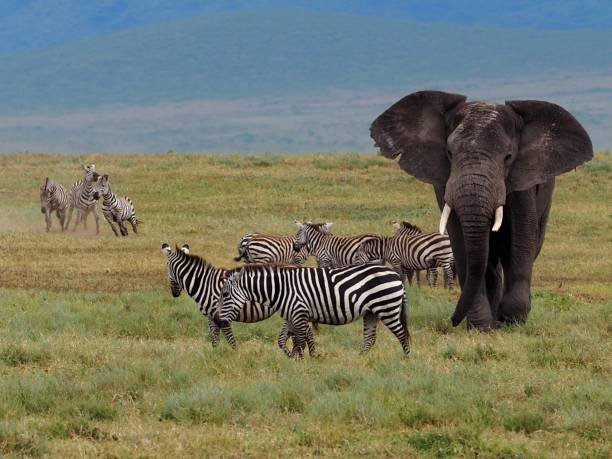
Best Time for Elephants
Elephants may be encountered in the crater and wider conservation area throughout the year.
Lerai Forest and other suitable habitats can provide important feeding and refuge areas.
The exact location of individual elephants varies naturally from day to day.
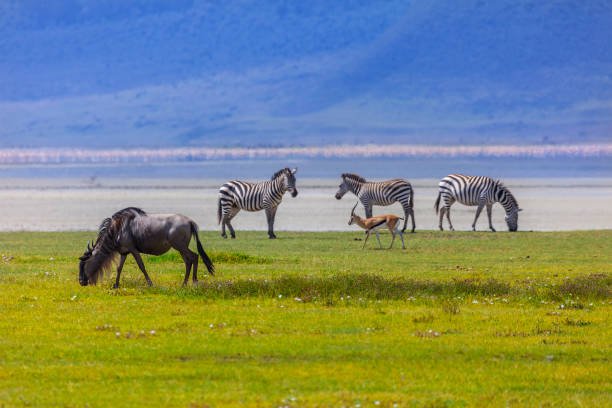
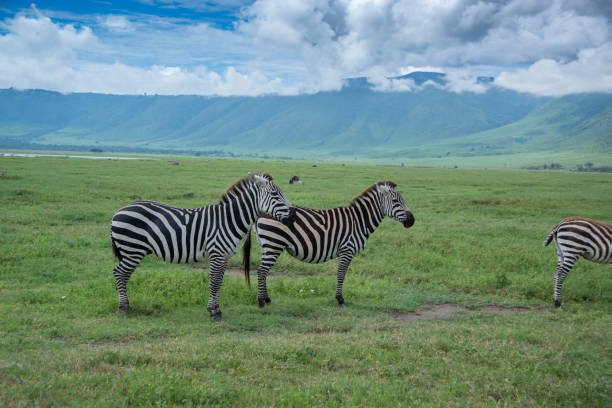
Best Time for Wildebeest and Zebra
Resident wildebeest and zebra form an important part of the crater wildlife community.
They can be observed during different seasons across suitable grazing habitats.
Travellers combining Ngorongoro with Serengeti should remember that the enormous Great Migration herds are a separate wider ecosystem phenomenon and should not be confused with resident crater wildlife.
Best Time for Hippos
Hippos use suitable permanent water and wetland habitats within the crater.
They may be encountered throughout the year, although individual viewing conditions change with water levels, vegetation and daily wildlife movement.
Best Time for Birdwatching
Ngorongoro supports impressive birdlife throughout the year.
Wetter months can be particularly interesting because migratory birds join resident species around pools, marshes, lakes and grasslands.
Birdwatchers can also search for raptors, cranes, ostriches, storks, ducks and many other species across the wider conservation area.
Birdwatching Advantages During Wetter Months
- Green wetland habitats
- Seasonal migratory birds
- Waterbird activity
- Colourful landscapes
- Excellent photography backgrounds
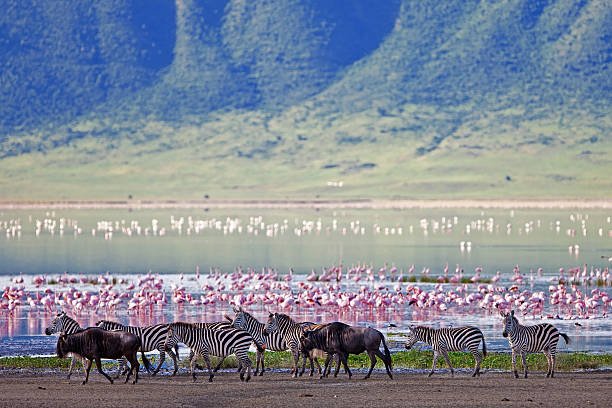
Flamingos at Ngorongoro Crater
Flamingos may use Lake Magadi and other suitable saline or wetland environments when conditions are favourable.
Their presence and numbers can change significantly.
A safari should therefore never promise large flamingo concentrations on a particular day.
Dry Season Ngorongoro Safari
The dry season is popular because game drive conditions are generally straightforward and open grassland can offer excellent visibility.
Landscape colours become progressively drier and more golden, particularly later in the season.
This period combines well with Serengeti, Tarangire and other northern Tanzania destinations.
Dry Season Advantages
- Generally drier game drive conditions
- Open grassland visibility
- Classic golden safari landscapes
- Easy combination with Serengeti and Tarangire
- Excellent wildlife photography
Green Season Ngorongoro Safari
Green season transforms the crater and surrounding highlands into rich green landscapes.
Cloud formations, mist and changing light can create dramatic photographs.
Birdwatching becomes another major attraction.
Travellers should prepare for rain rather than assuming rain means the safari must be cancelled.
Green Season Advantages
- Lush green scenery
- Dramatic cloud formations
- Migratory bird interest
- Beautiful photography backgrounds
- Different atmosphere from peak dry season
Best Time for Photography
Ngorongoro is highly photogenic throughout the year.
The dry season provides golden and earthy tones, while green season creates vibrant grasslands and dramatic skies.
The crater rim viewpoint can provide wide landscape images, while the crater floor offers wildlife portraits and environmental compositions.
A zoom lens is useful because off road driving is restricted and wildlife may remain some distance away.
Dry Season Photography
Dry season photography can feature golden grasslands, dust, grazing herds and strong contrast between animals and the surrounding crater walls.
Early morning light can be particularly attractive, although mist or cloud around the rim can occasionally reduce visibility.
Green Season Photography
Green season provides saturated colours, fresh grass and dramatic cloud formations.
Rain can also create reflections and softer atmospheric light.
Photographers should carry suitable protection for cameras and lenses.
Best Time for Fewer Crowds
Visitor numbers can be higher during popular international travel periods and peak northern Tanzania safari seasons.
Travelling outside the busiest dry season dates can sometimes provide a quieter experience.
However, major wildlife sightings may attract multiple vehicles at any time of year.
Starting early and using a private vehicle can provide greater flexibility over the day's game drive strategy.
Best Time for Families
Families can visit Ngorongoro throughout the year.
The best month usually depends on school holidays, wider Tanzania travel plans and tolerance for wet weather rather than wildlife disappearing during one season.
A private safari vehicle can make the experience easier by allowing more control over stops and game drive pacing.
Best Time for Couples and Honeymoon Safaris
Couples can visit throughout the year and choose the atmosphere they prefer.
Dry season provides classic safari scenery, while green season offers lush landscapes and dramatic photographic backgrounds.
Ngorongoro can also be combined with Serengeti, Tarangire and Zanzibar for a longer honeymoon itinerary.
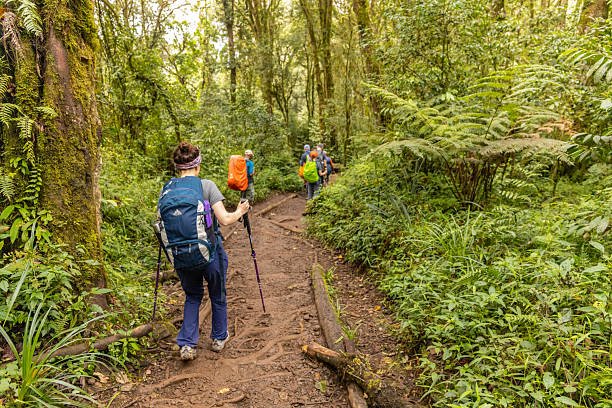
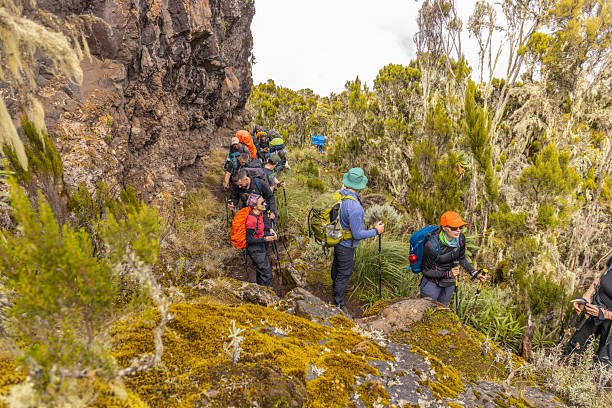
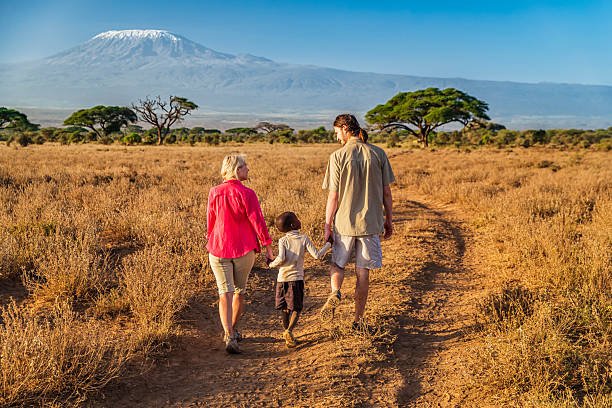
Best Time After Kilimanjaro
Ngorongoro works well after a Kilimanjaro climb in any month when your overall Tanzania schedule allows.
The best safari timing should therefore be coordinated with your mountain dates rather than postponing the crater simply to reach one supposed perfect month.
After returning to Moshi, climbers can rest before beginning the safari.
Best Time to Combine Ngorongoro with Serengeti
Ngorongoro combines with Serengeti throughout the year, but the Serengeti region you should target changes seasonally.
January through March can work particularly well with southern Serengeti and Ndutu.
June and July can be useful for central and western migration itineraries, while August and September can combine Ngorongoro with northern Serengeti migration safaris.
The crater itself remains worthwhile throughout these different seasons.
Best Time to Combine Ngorongoro with Tarangire
Tarangire can be added throughout the year, although it becomes especially attractive during drier periods when wildlife can concentrate around reliable water sources.
A two day or longer safari can combine the park with Ngorongoro without travelling as far as Serengeti.
Best Time to Combine Ngorongoro with Lake Manyara
Lake Manyara and Ngorongoro can be combined throughout the year.
Lake levels, bird concentrations and vegetation change seasonally, while Ngorongoro continues providing resident wildlife.
The two destinations create excellent ecological variety within a short safari.
Ngorongoro Weather and Temperature
Ngorongoro's high elevation means the crater rim can feel much cooler than lower northern Tanzania areas.
Early mornings can be cold even during otherwise dry and sunny months.
Once the safari vehicle descends to the crater floor and the day develops, temperatures may become more comfortable.
Layered clothing is therefore useful throughout the year.
What to Wear Throughout the Year
- Comfortable safari shirt
- Comfortable trousers
- Warm fleece or jacket
- Light rain jacket
- Sun hat
- Sunglasses
- Sunscreen
- Comfortable closed shoes
Morning Game Drive
Early morning is an excellent period to enter the crater when the itinerary and protected area procedures allow.
Temperatures are cooler, light can be attractive for photography and predators may still be active.
A warm fleece should remain accessible because the crater rim can feel cold before the sun rises higher.
Picnic Lunch in Ngorongoro
A crater safari commonly includes a picnic lunch according to the confirmed package.
Your guide uses an appropriate designated picnic area while following conservation rules.
Visitors should never feed wildlife and should carefully manage food around picnic areas.
Private Ngorongoro Safari
A private safari gives your travelling party its own 4x4 vehicle and professional driver guide.
This can be particularly useful for photography and families because the day's wildlife priorities can be tailored more closely to your interests.
A private vehicle does not permit ignoring protected area routes or approaching wildlife irresponsibly.
Group Joining Ngorongoro Safari
Group joining can reduce costs by sharing a safari vehicle with other travellers.
The departure date, route, seating, pickup location and other inclusions should be confirmed before booking.
Group itineraries normally provide less flexibility over how long the vehicle remains at individual sightings.
Ngorongoro Safari from Moshi
Ngorongoro can be visited from Moshi as a private day safari or included in a multi day northern circuit itinerary.
A one day trip requires an early departure because of the road journey.
Travellers with more time can stay around Karatu or the Ngorongoro region and enjoy a less rushed schedule.
Ngorongoro Safari from Arusha
Arusha is another major starting point for Ngorongoro.
The crater can be included as a day safari or combined with Tarangire, Lake Manyara and Serengeti on longer trips.
Ngorongoro Safari from Kilimanjaro Airport
Airport pickup can be arranged from Kilimanjaro International Airport according to flight arrival time.
Early arrivals provide more flexibility to continue toward the safari region, while afternoon and evening arrivals are usually better followed by an overnight before the crater game drive.
What to Pack for Ngorongoro Crater
- Comfortable safari clothing
- Warm fleece or jacket
- Waterproof outer layer
- Sun hat
- Sunglasses
- Sunscreen
- Comfortable closed footwear
- Camera
- Zoom lens if available
- Binoculars
- Spare batteries
- Power bank
- Personal medication
- Small day bag
Responsible Ngorongoro Wildlife Viewing
Wildlife should always be observed according to Ngorongoro Conservation Area regulations.
Off road driving should not be used to pressure animals or obtain closer photographs.
Your guide should maintain appropriate viewing behaviour, follow permitted routes and allow wildlife to move naturally.
Responsible Safari Principles
- Follow approved game drive routes.
- Do not feed wildlife.
- Maintain respectful viewing distances.
- Never pressure animals for photographs.
- Follow your professional driver's instructions.
- Do not expect guaranteed wildlife behaviour.
Frequently Asked Questions About Ngorongoro Crater Safari Best Time
What is the best time to visit Ngorongoro Crater?
Ngorongoro can be visited throughout the year. Drier months provide classic safari conditions, while wetter months provide green scenery and excellent birdwatching.
Is June a good month for Ngorongoro?
Yes. June generally begins a drier period while some green colour may remain from earlier rains.
Is July good for Ngorongoro?
Yes. July is a popular dry season month with strong general wildlife viewing conditions.
Is August good for Ngorongoro?
Yes. August provides dry season wildlife viewing and combines well with northern Serengeti safaris.
Is September a good month?
Yes. September generally remains dry and can provide open wildlife viewing and excellent photography.
Is January good for Ngorongoro?
Yes. January can provide green scenery and combines particularly well with southern Serengeti seasonal wildlife.
Is February a good month?
Yes. February provides year round crater wildlife and is particularly convenient for travellers combining Ngorongoro with Ndutu and southern Serengeti.
Can I visit during April?
Yes. April can be wetter, but wildlife viewing continues and the crater can be exceptionally green.
Can I visit Ngorongoro during rainy season?
Yes. The conservation area remains a year round destination, although rain can affect road, visibility and photography conditions.
Does rain stop crater game drives?
Not automatically. Game drives operate according to current weather, road and protected area conditions.
When is Ngorongoro greenest?
The landscape becomes particularly green during and after seasonal rainfall, especially through the wetter periods.
When is the crater driest?
The June through early October period is generally associated with drier conditions, although weather varies naturally.
What is the best time to see black rhino?
Black rhino occur year round, and no particular month guarantees a sighting. Visibility depends on location and conditions.
What is the best time to see lions?
Lions occur throughout the year. Cooler morning periods can provide interesting activity, but sightings remain natural.
Can I see the Big Five year round?
Big Five species occur within the wider Ngorongoro ecosystem, but seeing all five during one game drive is never guaranteed.
What is the best season for birdwatching?
Wetter periods can be particularly rewarding because migratory birds join the area's extensive resident birdlife.
When can I see flamingos?
Flamingos may use Lake Magadi when environmental and feeding conditions are suitable, but their numbers are variable and cannot be guaranteed.
Which season is best for photography?
Both are excellent. Dry season produces golden landscapes, while wet season provides green scenery and dramatic skies.
Is Ngorongoro crowded in the dry season?
Popular dry season dates can attract many visitors, especially around major wildlife sightings.
When can I find fewer crowds?
Some wetter and transitional periods can be quieter than peak travel dates, although crowd levels vary.
Is Ngorongoro cold?
The crater rim can be cool or cold in the early morning throughout the year, so a warm layer is recommended.
Should I bring a rain jacket in dry season?
A lightweight rain layer remains useful because weather in the highlands can change unexpectedly.
Can I visit from Moshi?
Yes. Ngorongoro can be visited from Moshi as a day safari or as part of a longer northern Tanzania itinerary.
Can I visit from Arusha?
Yes. Arusha is a common departure point for Ngorongoro and other northern circuit destinations.
Can I start from Kilimanjaro Airport?
Yes. Airport pickup and onward travel can be arranged according to your flight arrival time and safari itinerary.
When should I combine Ngorongoro with Serengeti?
The combination works year round. The most suitable Serengeti region changes according to seasonal migration patterns.
Can Tarangire be added?
Yes. Tarangire can be added for elephant viewing, baobab landscapes and additional northern Tanzania wildlife diversity.
Can Lake Manyara be added?
Yes. Lake Manyara adds Rift Valley scenery, forest habitats, elephants, primates and birdlife.
Can I visit Ngorongoro after Kilimanjaro?
Yes. Ngorongoro is a practical wildlife extension after completing a Kilimanjaro climb.
Can Zanzibar be added after the safari?
Yes. Zanzibar can be added using suitable airport transfers and domestic flight arrangements.
How do I choose the best Ngorongoro safari month?
Choose according to the scenery, weather and wider Tanzania experience you prefer. For drier game drive conditions consider the main dry season, while green season provides lush landscapes, excellent birdlife and a different photographic atmosphere.
Plan Your Ngorongoro Crater Safari at the Right Time
Explore Ngorongoro throughout the year and choose your safari dates around the wildlife, landscapes, photography, birdlife and northern Tanzania destinations that matter most to your trip.
Plan Your Ngorongoro Safari

 Kilimanjaro Climb