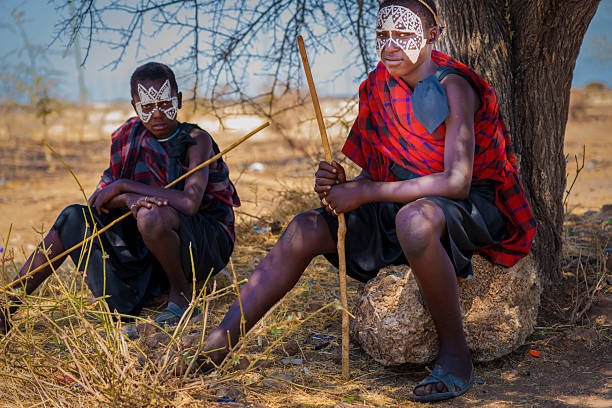
Hadzabe Tribe Visit Lake Eyasi Cultural Tour 2026-2027
Hadzabe Tribe Visit Lake Eyasi Cultural Tour 2026-2027 is a cultural experience in northern Tanzania that allows travellers to spend time with members of the Hadzabe community and learn about hunting, gathering, traditional foods, fire-making, archery, language and everyday life around Lake Eyasi.
The experience is very different from a standard wildlife safari.
Instead of concentrating only on animals viewed from a safari vehicle, the focus shifts toward people, cultural knowledge and the relationship between a community and the landscape it has used for generations.
A properly organized visit should be small, respectful and guided by people who understand both local cultural expectations and the needs of visitors.
Hadzabe Lake Eyasi Cultural Tour at a Glance
- Location: Lake Eyasi region, northern Tanzania
- Best start: Early morning
- Main activities: Hunting walk, gathering, archery and fire-making
- Cultural focus: Hadzabe food, language, history and bush knowledge
- Common combination: Hadzabe and Datoga visit
- Nearby safari areas: Ngorongoro, Lake Manyara and Serengeti
- Best style: Small private cultural visit with a local guide
Where Is Lake Eyasi?
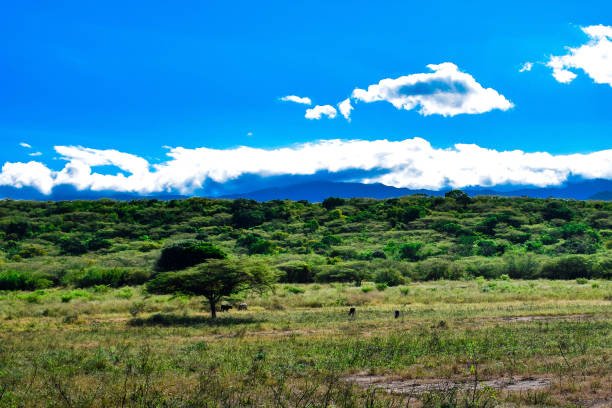
Lake Eyasi is located on the floor of the Great Rift Valley in northern Tanzania, southwest of the Ngorongoro Highlands.
The wider landscape is dry, open and very different from the greener highlands around Karatu and Ngorongoro.
Baobab trees, thorny bush, rocky areas, seasonal vegetation and the lake basin create the environment in which Hadzabe communities have traditionally hunted and gathered wild foods.
Lake Eyasi is normally reached by road from Karatu, Ngorongoro, Lake Manyara or other parts of the northern safari circuit.
Who Are the Hadzabe?
The Hadzabe are an indigenous community associated primarily with the Lake Eyasi area.
They are widely known for their hunter-gatherer traditions and detailed knowledge of wild plants, animals, water sources and seasonal food availability.
Traditional subsistence can involve hunting game, collecting honey, digging for tubers and gathering berries, fruits and other wild foods.
Modern Hadzabe life varies between families, so visitors should avoid assuming that every person follows exactly the same lifestyle.
Why Visit the Hadzabe at Lake Eyasi?
A Hadzabe visit provides cultural context that is often missing from a wildlife-only Tanzania itinerary.
Travellers can learn how people read tracks, identify edible plants, move through dry bush and use simple equipment with remarkable efficiency.
The experience can also provide a deeper understanding of how different communities have adapted to Tanzania's varied environments.
Main Hadzabe Cultural Experiences
- Early-morning bush walk
- Traditional bow-and-arrow hunting
- Archery demonstration
- Fire-making
- Wild plant identification
- Gathering activities
- Traditional food explanation
- Language and click sounds
- Cultural photography with permission
Hadzabe Early-Morning Hunting Walk
The hunting walk is one of the best-known Lake Eyasi experiences.
Visitors normally leave early because temperatures are cooler and hunters may already be active in the bush.
The walk can involve following animal tracks, listening for birds or movement and watching how hunters navigate the landscape.
This should be understood as a genuine cultural and subsistence activity rather than only an entertainment performance.
Can Tourists Join the Hadzabe Hunt?
In many organized visits, tourists can accompany Hadzabe hunters when conditions allow.
The hunters move according to what they find rather than following a fixed tourist trail.
This means the walk can be short on some days and much longer on others.
Visitors should follow the local guide and avoid slowing or distracting hunters unnecessarily.
Can You See an Animal Being Killed?
Yes, it is possible.
If hunters successfully catch an animal, visitors may witness the kill or preparation of meat.
Travellers who are uncomfortable with this should explain their preference before beginning the walk.
A cultural tour can still be meaningful without taking part in the complete hunting experience.
If You Prefer Not to Join a Hunt
- Watch an archery demonstration
- Learn about traditional arrows
- Join a gathering walk
- Observe fire-making
- Learn about wild foods
- Spend time in the camp
- Focus on cultural photography
Traditional Hadzabe Bows and Arrows
Bow-and-arrow skills are an important part of traditional Hadzabe hunting knowledge.
Visitors can learn how hunters use different arrows and how the equipment is made from materials available in the local environment.
Some tours allow visitors to try target archery under supervision.
Never pick up a hunting arrow or bow without being invited because the equipment can be functional and potentially dangerous.
Hadzabe Archery Experience
Archery provides an interactive cultural activity that does not require joining a full hunting walk.
A hunter may demonstrate stance, aiming and shooting before allowing visitors to try.
The experience can be particularly enjoyable for families and travellers who want a cultural activity without spending several hours walking through bush.
Traditional Fire-Making
Fire-making is another activity commonly demonstrated during Hadzabe cultural visits.
The method uses simple natural materials and practiced technique rather than modern matches or lighters.
The activity provides a useful example of how traditional knowledge is connected to everyday practical needs.
Hadzabe Gathering Traditions
Hunting is only one part of traditional subsistence.
Gathering wild foods has historically provided an important share of daily nutrition.
Women traditionally collect a variety of fruits, berries, tubers and other plant foods depending on season and availability.
A gathering-focused walk can be just as educational as hunting because it reveals how closely people understand the surrounding vegetation.
Traditional Hadzabe Food
Traditional foods can include wild honey, berries, fruits, baobab products, underground tubers and meat from successful hunts.
The exact foods available change throughout the year.
Visitors may be shown how certain plants are identified or prepared, although no particular food experience should be guaranteed.
Traditional Hadzabe Foods May Include
- Wild honey
- Baobab fruit
- Berries
- Wild fruits
- Underground tubers
- Game meat when hunting is successful
Wild Honey and Bush Knowledge
Wild honey is an important part of traditional Hadzabe food knowledge.
Locating it requires understanding trees, bee activity and the wider environment.
A guide may explain these methods during the bush walk even when an active honey collection does not occur that day.
Baobab Fruit and Lake Eyasi
Baobab trees form part of the distinctive Lake Eyasi landscape.
The fruit can be used as food and forms part of the wider wild-resource knowledge found in the region.
Photographers often appreciate baobab trees because they also create dramatic backgrounds for environmental images.
Hadzane Language
The Hadzabe speak Hadzane, a distinctive language known for its click consonants.
A local translator is important because visitors should not expect everyone to speak English.
Learning a few words or listening to normal conversation can become one of the most memorable aspects of the visit.
How Long Does a Hadzabe Cultural Tour Take?
A basic cultural experience may last several hours.
A longer hunting walk can extend through much of the morning depending on activity in the bush.
Travellers combining Hadzabe and Datoga visits should normally allow enough time for both rather than rushing through each experience.
Why the Tour Starts Early
Early mornings are cooler and generally more comfortable for walking.
They also align better with the natural rhythm of hunting and gathering activities.
Starting early allows travellers to finish the main cultural experience before Lake Eyasi becomes hotter later in the day.
Example Half-Day Hadzabe Cultural Tour
- Early morning: Meet the local cultural guide
- Morning: Travel to the Hadzabe camp
- Morning: Join a hunting or gathering walk
- Later morning: Archery and fire-making demonstration
- Late morning: Cultural discussion and photography
- Midday: Return to lodge or continue to Datoga visit
Hadzabe and Datoga Cultural Tour
Combining Hadzabe and Datoga experiences is one of the most popular Lake Eyasi cultural itineraries.
The two communities have very different traditions.
The Hadzabe are strongly associated with hunting and gathering, while Datoga communities are traditionally pastoralists and are also well known for metalworking.
Visiting both provides a much broader understanding of cultural diversity around Lake Eyasi.
Datoga Blacksmith Experience
Some Datoga visits include watching local blacksmiths work with metal.
Visitors can observe tools, fire and traditional production methods.
This also provides interesting photography opportunities when permission is given.
Hadzabe Tour from Karatu
Karatu is one of the most convenient starting points for Lake Eyasi.
Travellers can drive toward the lake, stay overnight and begin the cultural visit early the next morning.
The route works particularly well for people travelling between Lake Manyara, Ngorongoro and Serengeti.
Hadzabe Tour from Arusha
A Hadzabe tour can also begin from Arusha, but the additional driving makes an overnight Lake Eyasi stay more attractive.
A same-day return trip can become long, especially if travellers want to experience an authentic early-morning bush walk.
Building Lake Eyasi into a multi-day safari itinerary normally provides a more relaxed experience.
Hadzabe Tour from Moshi
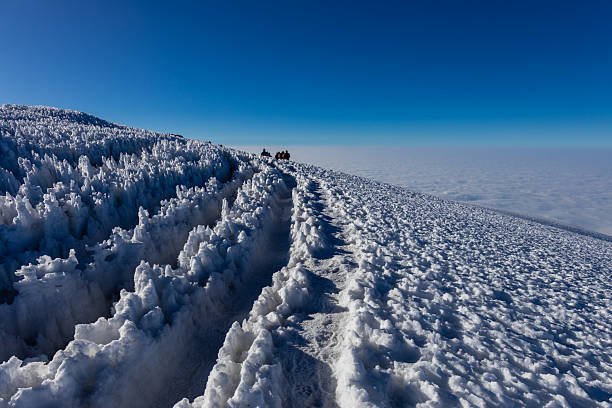
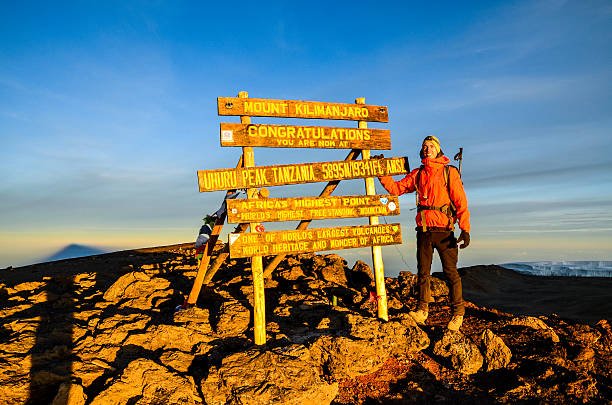
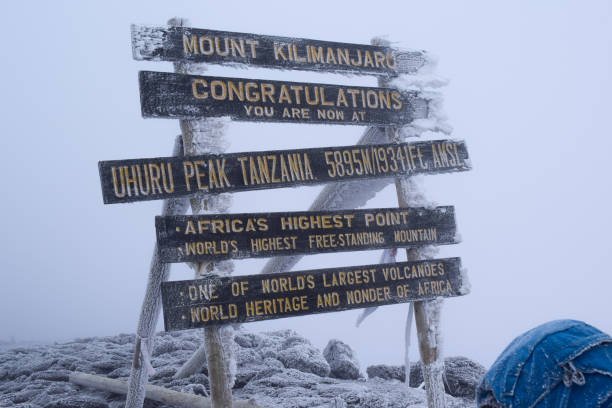
Travellers finishing Mount Kilimanjaro can include Lake Eyasi as part of a safari extension.
The most practical arrangement is usually to continue through the northern safari circuit rather than making a direct out-and-back cultural day trip from Moshi.
For example, the itinerary can combine Tarangire, Lake Eyasi, Ngorongoro and Serengeti.
Combining Hadzabe with Ngorongoro
Lake Eyasi and Ngorongoro fit naturally together because of their geographic proximity.
Travellers can stay around Karatu or Lake Eyasi, complete the cultural experience and continue toward Ngorongoro for wildlife viewing.
This creates a strong mix of culture and classic safari landscapes.
Combining Hadzabe with Serengeti
Lake Eyasi can also be added before or after Serengeti.
A common route may run from Arusha or Tarangire to Lake Eyasi, continue toward Ngorongoro and then enter Serengeti.
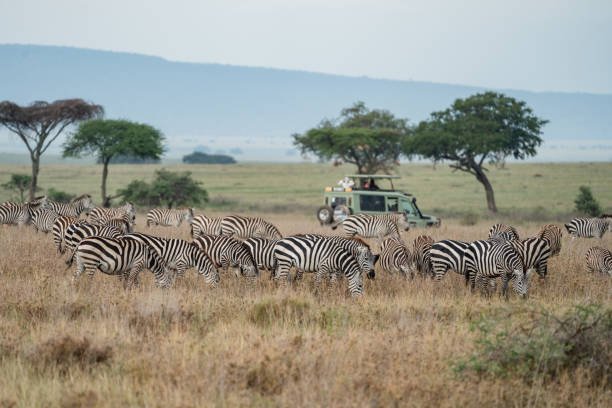
The cultural stop adds variety to an itinerary otherwise focused mainly on game drives.
Best Time to Visit Lake Eyasi
Lake Eyasi can be visited throughout much of the year.
Drier periods generally provide easier road conditions and comfortable early-morning bush walks.
During wetter months, landscapes become greener but unpaved roads can be slower.
The cultural experience itself is not dependent on a wildlife migration season.
Should You Stay Overnight at Lake Eyasi?
Yes, an overnight stay is usually the strongest arrangement for travellers who want an early-morning Hadzabe experience.
It eliminates the need for a very long predawn drive from another destination.
You can arrive the previous afternoon, enjoy the Lake Eyasi landscape and begin the cultural visit early the following morning.
Advantages of Staying Overnight
- Earlier cultural-tour start
- Less morning driving
- Cooler hunting-walk conditions
- Better morning photography
- More time for Hadzabe and Datoga visits
- More relaxed safari itinerary
Lake Eyasi Accommodation
The Lake Eyasi region offers different accommodation levels, from simpler guesthouses and camps to more comfortable lodges and tented properties.
The best option depends on budget, group size and how much comfort is preferred before the early cultural visit.
Location matters because staying closer to the cultural-tour starting area can reduce predawn transfer time.
Hadzabe Cultural Tour Cost
The total cost varies according to how the experience is arranged.
A local cultural visit fee is only one part of the total safari price.
A complete tour from another destination can also include a safari vehicle, fuel, driver-guide, local translator, accommodation, meals and other activities.
Ask for a clear written quotation showing exactly what is included.
What Affects the Price?
- Starting location
- Private vehicle cost
- Group size
- Local guide or translator
- Community contribution
- Accommodation category
- Meals
- Datoga visit
- Other safari destinations
Is the Hadzabe Cultural Tour Suitable for Families?
Yes, but families should consider the type of activity chosen.
Younger children may enjoy archery, fire-making and shorter camp visits more than a long hunting walk.
Parents should also consider whether children are comfortable seeing an animal killed or prepared for food.
A private tour makes it easier to adapt the experience to the family's comfort level.
Is the Hunting Walk Difficult?
The physical difficulty varies.
Hunters may move quickly through uneven ground, thorny vegetation and areas without established trails.
Visitors who have mobility limitations should request a shorter and more stationary cultural program.
What to Wear for a Hadzabe Visit
Wear practical clothing suitable for dry bush conditions.
Closed walking shoes are preferable to open sandals during a hunting or gathering walk.
Long trousers protect the legs from thorny vegetation, while lightweight long sleeves can provide sun and scratch protection.
What to Bring
- Closed walking shoes
- Long trousers
- Lightweight long-sleeved shirt
- Sun hat
- Sunscreen
- Drinking water
- Camera or smartphone
- Small daypack
Photography During a Hadzabe Visit
Photography can be an important part of the experience, but it should be handled respectfully.
Ask your local guide what has been agreed with the community before taking close portraits.
Do not automatically photograph every person, particularly children or private family activities.
Spending time communicating before taking photographs usually creates better and more natural images.
Should You Pay for Photographs?
Photography arrangements vary.
In some organized visits, photography is understood as part of the agreed cultural experience and community contribution.
In other situations, additional expectations may apply.
Ask your guide instead of negotiating independently with every person.
Should You Give Gifts?
Avoid distributing random gifts directly without discussing them with the local guide.
Well-intentioned donations can sometimes create competition or fail to match actual needs.
If you want to contribute something beyond the normal cultural fee, ask the community coordinator or guide for the most appropriate method.
Is a Hadzabe Visit Ethical?
A cultural visit can be responsible when the community participates willingly and benefits from the experience.
The strongest tours use local guides who have long-standing relationships with the people being visited.
Travellers should avoid tours that treat the community simply as an exotic attraction or stage every activity purely for photographs.
Respecting Cultural Boundaries
Do not enter homes, touch personal belongings or handle hunting equipment without invitation.
Listen to the guide when certain places or activities should not be photographed.
Respectful curiosity creates a much better experience than treating the tour as an opportunity to collect as many images as possible.
Do Not Expect a Performance
Real cultural life does not follow a guaranteed itinerary.
A hunting walk may not produce a successful hunt.
Honey may not be collected that day.
The weather, location of animals and normal community activities all influence what visitors actually experience.
This unpredictability is part of what makes a genuine cultural tour different from a staged show.
Example 2 Day Lake Eyasi Cultural Tour
Day 1: Karatu or Safari Area to Lake Eyasi
Travel toward Lake Eyasi, check into your lodge and enjoy the surrounding Rift Valley landscape. Depending on arrival time, a village walk or sunset experience may be arranged.
Day 2: Hadzabe and Datoga Cultural Experience
Begin early with the Hadzabe cultural experience, including a hunting or gathering walk, archery, fire-making and cultural discussion. Later visit a Datoga community before continuing to Karatu, Ngorongoro or another safari destination.
Example Safari with Hadzabe Cultural Tour
- Day 1: Arusha → Tarangire National Park
- Day 2: Tarangire → Lake Eyasi
- Day 3: Hadzabe and Datoga → Karatu
- Day 4: Ngorongoro Crater
- Day 5: Continue to Serengeti or return toward Arusha
Why Use a Private Cultural Tour?
A private tour provides more flexibility than a large shared group.
The guide can adjust walking time, photography stops and the balance between hunting, gathering and camp-based activities according to your interests.
Private tours are particularly useful for families, photographers and travellers with mobility considerations.
Hadzabe Tour for Photographers
Lake Eyasi can be highly rewarding for cultural photography.
Morning light, dry landscapes, baobab trees, hunting equipment and everyday activities provide strong documentary subjects.
However, photography should remain secondary to respect and communication.
A person is not automatically a photographic subject simply because a cultural fee has been paid.
Common Mistake: Arriving Too Late
A late-morning arrival can reduce the quality of a Hadzabe visit because many activities begin early.
Heat also increases as the day progresses.
Whenever possible, stay near Lake Eyasi the previous night.
Common Mistake: Treating People Like a Tourist Attraction
The Hadzabe are a living community rather than an exhibition.
Visitors should ask questions, listen, communicate and respect personal boundaries.
The goal is cultural exchange, not simply taking photographs and leaving.
Common Mistake: Assuming Hunting Success Is Guaranteed
A real hunting walk is unpredictable.
Hunters may return without catching anything.
The value of the walk lies in learning about tracking, movement, bush knowledge and the realities of subsistence hunting rather than demanding a successful kill.
Final Hadzabe Lake Eyasi Cultural Tour Checklist 2026-2027
Before Your Visit
- Confirm your pickup location
- Stay overnight near Lake Eyasi where possible
- Confirm the early-morning start
- Ask whether hunting is included
- Tell the guide if you do not want to witness a kill
- Wear closed walking shoes
- Carry water and sun protection
- Ask before taking close photographs
- Check whether Datoga is included
- Understand how community fees are handled
Frequently Asked Questions About Hadzabe Tribe Visits at Lake Eyasi
Where is the Hadzabe tribe located?
Hadzabe communities are primarily associated with the Lake Eyasi region of northern Tanzania, southwest of the Ngorongoro Highlands.
What happens during a Hadzabe cultural tour?
A typical experience may include an early-morning bush walk, hunting or gathering activities, archery, fire-making, discussion of wild foods and cultural interaction.
Can tourists join a Hadzabe hunting walk?
Yes, in many organized visits travellers can accompany hunters when local arrangements and conditions allow.
Will I see an animal being killed?
It is possible during a genuine hunting walk. Tell your guide before departure if you prefer not to witness hunting or animal preparation.
What food do the Hadzabe eat?
Traditional foods can include honey, berries, baobab fruit, underground tubers, other wild plants and game meat when hunting is successful.
What language do the Hadzabe speak?
They speak Hadzane, a distinctive language known for its click consonants.
What time should a Hadzabe tour start?
Early morning is generally best because temperatures are cooler and the timing fits better with hunting and gathering activities.
Should I stay overnight at Lake Eyasi?
Yes, if your itinerary allows. An overnight stay makes it much easier to begin the cultural experience early without a long predawn road transfer.
Can children visit the Hadzabe?
Yes, but parents should decide whether children are comfortable with real hunting. Shorter cultural, archery and fire-making activities may be better for younger travellers.
Can I visit the Datoga on the same day?
Yes. Hadzabe and Datoga experiences are commonly combined during the same Lake Eyasi cultural-tour day.
Can I take photographs?
Photography can be part of the experience, but follow the local guide's advice and seek permission for close portraits and private activities.
What should I wear?
Wear closed walking shoes, long trousers and comfortable lightweight clothing suitable for dry, thorny bush conditions.
Can I combine Lake Eyasi with Serengeti?
Yes. Lake Eyasi fits naturally into northern Tanzania itineraries that also include Ngorongoro and Serengeti.
Is a Hadzabe visit ethical?
It can be when the community participates willingly, benefits from the visit, photography is handled respectfully and the experience is organized through trusted local relationships.
How should I plan a Hadzabe Tribe Visit Lake Eyasi Cultural Tour in 2026-2027?
Stay near Lake Eyasi if possible, begin early, use an experienced local cultural guide, confirm whether hunting and Datoga visits are included, dress for bush walking and approach the experience with respect rather than expecting a fixed tourist performance.
Plan Your Hadzabe Lake Eyasi Cultural Tour 2026-2027
Experience Lake Eyasi through an early-morning Hadzabe cultural visit featuring traditional hunting, gathering, archery, fire-making, wild-food knowledge and meaningful interaction with local guides and community members.
Plan Your Lake Eyasi Cultural Tour

 Kilimanjaro Climb