Kilimanjaro Porter Weight Limit
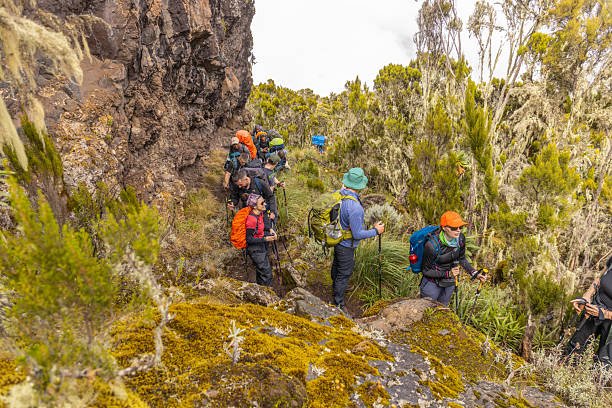
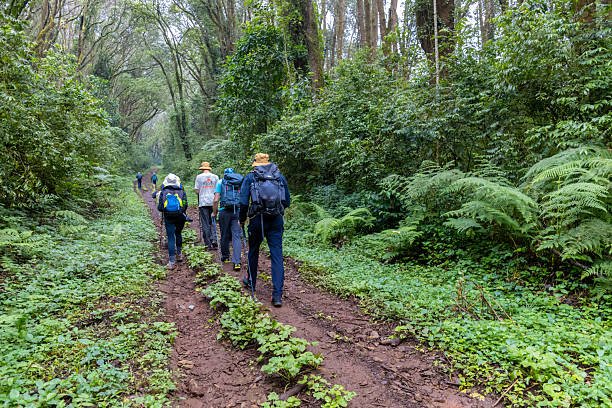
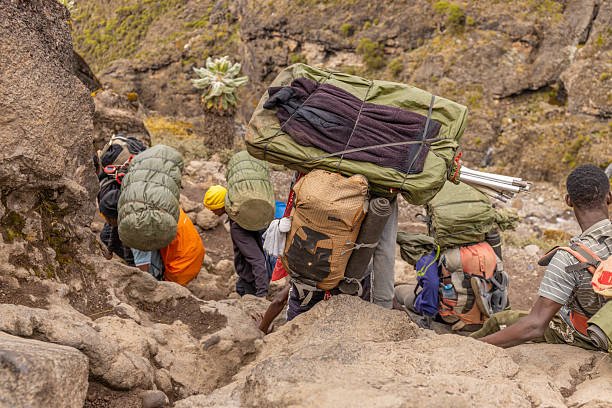
The Kilimanjaro Porter Weight Limit is one of the most important packing rules to understand before climbing Mount Kilimanjaro. During most supported Kilimanjaro expeditions, porters transport your main duffel bag between camps while you carry a smaller personal daypack containing the equipment you need during the walking day.
For our Kilimanjaro climbs, the standard personal duffel allowance is 15 kg per climber. This limit applies to the luggage you give to the porter team rather than the daypack you carry yourself.
Keeping within the allowance helps the expedition distribute loads correctly, protects porter welfare and prevents unnecessary last minute repacking at the mountain gate.
Your full international suitcase should not travel onto Kilimanjaro. Clothing and equipment not required during the trek can normally remain stored according to your confirmed Moshi hotel or operator arrangement.
Kilimanjaro Baggage Limit at a Glance
- Our client duffel allowance: Maximum 15 kg per climber.
- Main bag: Soft waterproof or water resistant duffel recommended.
- Typical size: Around 70 to 100 litres depending on packing style.
- Carried by: Porter team.
- Daypack: Carried personally by the climber.
- Suitcases: Normally left in Moshi.
- Weight check: Complete before leaving for the mountain.
What Is the Kilimanjaro Porter Weight Limit?
There are two different numbers travellers sometimes confuse.
The first is the official total load a porter is permitted to carry under the applicable mountain regulations and current park procedures.
The second is the amount of personal client luggage the climbing operator allows each traveller to give to the porter team.
For our expeditions, the client allowance is 15 kg. This does not mean that the porter carries only your 15 kg bag. Crew load planning can also involve the porter’s own belongings and expedition equipment.
Why Is the Client Duffel Limited to 15 kg?
A Kilimanjaro expedition requires much more than transporting tourists' clothing.
The porter team also moves tents on camping routes, cooking equipment, food supplies, safety equipment and other shared expedition items.
Porters also require their own clothing and personal mountain equipment.
Limiting each traveller's personal duffel helps the crew distribute the expedition load appropriately without unnecessary excess weight.
Your 15 kg Duffel Should Contain Mountain Essentials
- Sleeping bag
- Spare trekking clothes
- Base layers
- Warm insulation layers
- Camp clothing
- Extra socks
- Personal toiletries
- Equipment not required while walking
- Selected personal snacks
What Does the Porter Carry?
Your assigned porter system transports the approved personal duffel between camps.
The broader porter team also handles shared expedition equipment according to the route and package.
Expedition Loads Can Include
- Client duffel luggage
- Sleeping tents on camping routes
- Kitchen equipment
- Food supplies
- Dining equipment where supplied
- Crew equipment
- Shared mountain supplies
What Do You Carry Yourself?
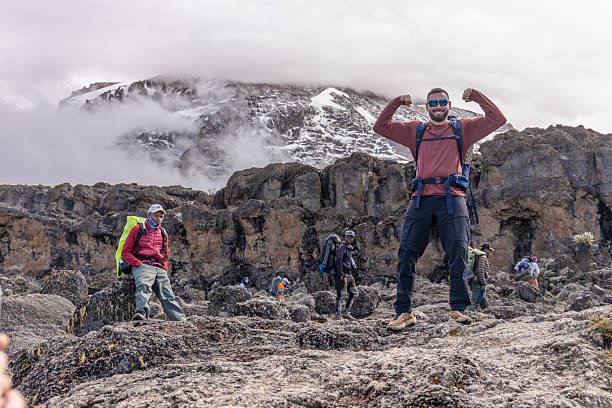
Your porter normally moves ahead toward the next camp, so your main duffel is not accessible during the trekking day.
Anything you may need while walking must therefore remain in your personal daypack.
Keep These Items in Your Daypack
- Drinking water
- Waterproof jacket
- Waterproof trousers
- Warm layer
- Gloves
- Warm hat
- Sun hat
- Sunglasses
- Sunscreen
- Personal medication
- Snacks needed during the walking day
- Phone or camera
- Headlamp when needed
- Passport or important personal documents when instructed
How Big Should Your Kilimanjaro Duffel Be?
A soft duffel of approximately 70 to 100 litres normally provides enough space for a properly organised Kilimanjaro packing system.
A 70 litre duffel can work when equipment is packed efficiently, while a larger 90 or 100 litre bag can provide easier organisation.
The physical size of the bag does not change the weight allowance. A 100 litre bag still needs to remain within the permitted client luggage weight.
Should the Duffel Be Waterproof?
A waterproof duffel is useful, but climbers should still protect important equipment internally.
Mountain weather can change, and bags can be exposed while being transported between camps.
Use dry bags or waterproof internal liners for your sleeping bag, base layers and summit clothing.
Your sleeping system should remain dry throughout the expedition.
Can I Take a Hard Suitcase onto Kilimanjaro?
A hard international suitcase is not the ideal mountain bag.
A soft duffel is easier for the expedition crew to transport and organise.
Your main suitcase can normally remain securely stored according to the confirmed Moshi accommodation or operator arrangement while you climb.
What Happens If My Duffel Is Over 15 kg?
If your mountain duffel exceeds the agreed allowance, you should repack before the climb.
Remove items that are not essential for the mountain and leave them with your stored travel luggage.
Do not expect the porter team simply to absorb unlimited excess personal baggage.
Where genuinely necessary additional luggage must travel on the mountain, it may require extra porter capacity and should be discussed with the operator in advance rather than at the gate.
If Your Bag Is Too Heavy
- Remove normal city clothing.
- Remove safari clothing not needed on the mountain.
- Remove unnecessary toiletries.
- Remove duplicate equipment.
- Reduce excessive snack quantities.
- Leave unnecessary electronics in Moshi.
- Reweigh the duffel before departure.
Weigh Your Duffel before Leaving Moshi
Do not wait until mountain registration to discover that your bag is substantially overweight.
Pack your expedition duffel during the pre climb preparation and weigh it before leaving your hotel.
This gives you time to reorganise equipment without delaying the group or creating problems for the mountain crew.
Do Not Pack for Safari inside Your Mountain Duffel
If you are continuing to Serengeti, Ngorongoro, Tarangire, Lake Manyara or another destination after Kilimanjaro, you do not need to carry all your safari clothing onto the mountain.
Keep safari and city items with your stored luggage in Moshi and collect them again after the climb.
This can save several kilograms without sacrificing any important trekking equipment.
Zanzibar Clothing Should Stay in Moshi
Beach clothing, sandals and other Zanzibar specific items do not need to travel up Kilimanjaro.
Leave these items securely stored with the rest of your non mountain luggage and collect them when the trek is complete.
Does the Sleeping Bag Count toward the Duffel Limit?
Yes, when your sleeping bag is packed inside the porter carried duffel it forms part of your personal mountain luggage weight.
This is one reason to avoid filling the bag with unnecessary clothing or duplicate equipment.
Choose a sleeping bag appropriate for Kilimanjaro conditions without carrying unnecessary extra sleeping items.
Do Trekking Poles Count?
Trekking poles are normally used by the climber during the walking day or attached to the daypack when not required.
They should not create a reason to exceed your main duffel allowance.
Does Rental Gear Count toward the Weight Limit?
Personal rental equipment that travels in your porter carried duffel contributes to the overall mountain baggage load.
This can include a rented sleeping bag or other personal gear.
If you expect to rent several bulky items, leave enough space and weight allowance before travelling.
Kilimanjaro Porter Weight and Ethical Climbing
Porter weight limits are not simply an inconvenience designed to restrict travellers.
They are an important part of responsible mountain operations.
Porters work across steep, rocky and high altitude terrain while supporting the expedition. Travellers should therefore avoid unnecessary baggage and respect the limits established for the climb.
Porters Also Carry Their Own Equipment
A porter is not simply an empty carrying capacity assigned entirely to tourist luggage.
Mountain crew members also need suitable clothing, personal equipment and supplies for their own safety and daily needs.
This is another reason the traveller's personal luggage limit can be lower than a regulatory maximum referring to the porter's total load.
Official Porter Load Rules
Tanzania's published mountain regulations contain porter load requirements, although publicly available TANAPA documents have used different maximum figures at different times.
The practical rule for travellers is simple: follow the personal baggage allowance provided by the operator for your actual departure rather than trying to use the maximum figure from an older regulation as your personal luggage allowance.
The operator and mountain team must distribute all expedition loads according to the rules and procedures applying at the time of the climb.
Is the 15 kg Limit the Same on Machame?
For our standard Machame arrangements, climbers should keep their porter carried personal duffel within the 15 kg allowance.
Machame is a camping route, so the crew also manages tents, food and additional camp equipment throughout the expedition.
Lemosho Porter Weight Limit
The same personal duffel planning applies to our Lemosho expeditions.
Whether you are climbing a seven day or eight day Lemosho itinerary, avoid packing additional clothes simply because the route is longer.
A few well selected clothing layers can be reused throughout the trek.
Rongai Porter Weight Limit
Rongai also requires careful baggage planning during its camping ascent.
Pack according to the same principle: essential mountain gear in the porter carried duffel and daily essentials in your own backpack.
Northern Circuit Baggage Planning
The Northern Circuit can spend more days on the mountain than shorter Kilimanjaro itineraries, but that does not mean you need completely different clothes for every day.
Layering and reusing suitable trekking items is much more practical than dramatically increasing your duffel weight.
Marangu and Porter Luggage
Marangu uses permanent mountain huts rather than sleeping tents for climbers, but porter support is still part of the normal expedition structure.
Your personal luggage should still follow the confirmed operator allowance.
The absence of sleeping tents for clients does not mean travellers should bring unlimited baggage.
How Much Should Your Daypack Weigh?
There is no benefit in making your daypack unnecessarily heavy.
You need enough capacity for water, changing weather, personal medicine, snacks and daily essentials, but most spare equipment belongs in the porter carried duffel.
A properly organised daypack makes long trekking stages more comfortable.
What Size Daypack Is Suitable?
A moderate trekking daypack is normally sufficient for Kilimanjaro because the porter team carries the main expedition luggage.
The exact capacity depends on your clothing volume, hydration system and personal preferences.
Prioritise comfortable shoulder straps, a supportive fit and easy access to rain clothing and water.
Your Daypack Must Stay with You
Do not place critical daily items inside the main duffel expecting to access them halfway through the trek.
Porters often travel at a different pace and may continue toward camp before the climbing group.
Your waterproof jacket, personal medication and drinking water should therefore remain with you.
Summit Night Packing
Summit night requires particularly careful organisation.
Your warmest clothing will be worn or carried personally rather than being inaccessible inside a porter duffel.
Keep Summit Essentials with You
- Warm base layers
- Insulation layers
- Summit jacket
- Warm gloves
- Warm hat
- Headlamp and batteries
- Water
- Summit snacks
- Personal medication
- Trekking poles
How to Keep Your Duffel under the Limit
- Pack using a detailed Kilimanjaro checklist.
- Avoid duplicate jackets.
- Reuse trekking trousers and mid layers.
- Carry only necessary toiletries.
- Use small personal containers.
- Leave city clothing in Moshi.
- Leave safari clothing in Moshi.
- Leave Zanzibar clothing in Moshi.
- Avoid unnecessary electronics.
- Weigh the complete bag before departure.
Luggage Storage in Moshi
Travellers arriving with a large international suitcase can separate mountain and non mountain items during the pre climb preparation.
Your Kilimanjaro duffel travels with the porter team while unnecessary luggage remains stored according to the confirmed arrangement.
After descending from Kilimanjaro, collect the stored luggage before continuing to safari, Zanzibar or the airport.
Frequently Asked Questions
What is the Kilimanjaro porter weight limit for my bag?
For our climbs, the standard porter carried personal duffel allowance is a maximum of 15 kg per climber.
Is 15 kg the total load a porter carries?
No. The 15 kg figure is our client personal luggage allowance. A porter's complete assigned load can also involve personal belongings and expedition equipment according to current mountain rules and crew planning.
Why do I see 20 kg or 25 kg on other websites?
Those figures can refer to a porter's regulated total carrying load rather than the amount of tourist luggage one climber may give the crew. Published park documents have also contained different maximum figures, so follow the allowance confirmed for your actual expedition.
Does my sleeping bag count toward 15 kg?
Yes. If your sleeping bag is carried inside the main duffel, it contributes to your personal luggage weight.
Does rental gear count toward my duffel weight?
Personal rental items placed in your porter carried duffel contribute to the overall luggage load, so leave sufficient space when packing from home.
Can I bring a 100 litre duffel?
Yes. A 100 litre waterproof duffel can be practical, but the bag must still remain within the confirmed weight allowance.
Is a 70 litre duffel enough?
Yes. A well packed 70 litre duffel can be sufficient when clothing and equipment are organised efficiently.
Can I take my suitcase onto Kilimanjaro?
A soft duffel is much more suitable for the mountain. Your international suitcase can normally remain stored in Moshi during the trek.
What happens if my bag is overweight?
You should remove unnecessary items before mountain departure. If additional essential luggage genuinely needs to travel, discuss it in advance because extra porter capacity may be required.
Can I pay a porter to carry an overweight bag?
Excess loads should not simply be placed onto an existing porter. Additional luggage needs to be managed through the operator and crew allocation while respecting the applicable mountain load rules.
What do I carry myself?
You carry a daypack containing water, rain protection, warm layers, medication, snacks and anything required before reaching the next camp.
Can I access my porter duffel during the walking day?
Usually not. Porters may move separately toward the next camp, so essential daytime items should remain in your own backpack.
Should my duffel be waterproof?
A waterproof or highly water resistant bag is recommended, and important clothing and sleeping equipment should also be protected with waterproof internal liners.
Can I store extra luggage in Moshi?
Yes. Non mountain luggage can normally remain stored according to your confirmed hotel or operator arrangement while you climb.
Should I pack safari clothes in my mountain duffel?
No. Clothing that is only needed after Kilimanjaro can normally remain with your stored luggage in Moshi.
Does the same limit apply to Lemosho?
For our standard Lemosho departures, clients should also keep their porter carried personal duffel within the confirmed 15 kg allowance.
Does the same limit apply to Machame?
Yes. Our standard Machame client duffel allowance is also approximately 15 kg per climber.
Does a longer 8 day trek allow more luggage?
Not automatically. Longer itineraries should still be packed efficiently. You do not need completely different clothes for every mountain day.
Why is respecting the porter weight limit important?
It supports responsible load management, protects porter welfare and allows food, camping equipment and other expedition supplies to be distributed correctly across the mountain crew.
How should I prepare my luggage before Kilimanjaro?
Pack your mountain duffel separately from your international luggage, weigh it before departure, keep it within the confirmed allowance and place all daytime essentials in your own backpack. Unnecessary city, safari and Zanzibar items can remain stored in Moshi until you return from the mountain.
Pack Kilimanjaro within the Porter Weight Limit
Prepare a mountain duffel of no more than 15 kg for our standard climbs, keep daily essentials in your personal daypack and leave unnecessary travel luggage in Moshi before your Kilimanjaro expedition.
Request the Kilimanjaro Packing List

 Kilimanjaro Climb