Kilimanjaro Guide Requirement
The Kilimanjaro Guide Requirement is one of the most important rules to understand before planning a Mount Kilimanjaro expedition. Climbers cannot simply arrive at the mountain, register independently and begin a solo summit trek. Kilimanjaro climbs operate through licensed tour operators with professional mountain guide support.
The guide is responsible for far more than navigation. Throughout the expedition, guides help manage trekking pace, altitude adaptation, daily health assessments, crew coordination, summit preparation and emergency decisions.
This makes professional guide quality an important factor when comparing Kilimanjaro climbing packages. Price and route are important, but the people responsible for managing your expedition can have a major influence on safety, organisation and the overall mountain experience.
Kilimanjaro Guide Requirement at a Glance
- Independent summit trekking: Not permitted.
- Licensed operator: Required for a standard Kilimanjaro climb.
- Professional guide: Required as part of the expedition.
- Main guide duties: Route leadership, pacing, health monitoring and safety decisions.
- Assistant guides: Added according to group size and operating requirements.
- Porters: Support expedition logistics and carry approved loads.
- Mountain cook: Prepares meals according to the climbing package.
- Safety priority: A guide can recommend or require descent when continuing is unsafe.
Do You Need a Guide to Climb Kilimanjaro?
Yes. A professional guide is required for a Kilimanjaro summit expedition.
Kilimanjaro is located inside a protected national park and climbing is organised through a regulated operator and guide system. Visitors cannot normally undertake an independent backpacking style summit climb.
Your operator arranges the guide team, applicable park procedures, crew, meals, accommodation and mountain logistics according to your selected route.
Can I Climb Kilimanjaro Without a Guide?
No. Independent solo summit trekking is not permitted under the standard Kilimanjaro National Park climbing system.
Even if you are an experienced mountaineer, the normal Kilimanjaro summit routes must be organised through the licensed operator and guide system.
Why Is a Guide Required on Kilimanjaro?
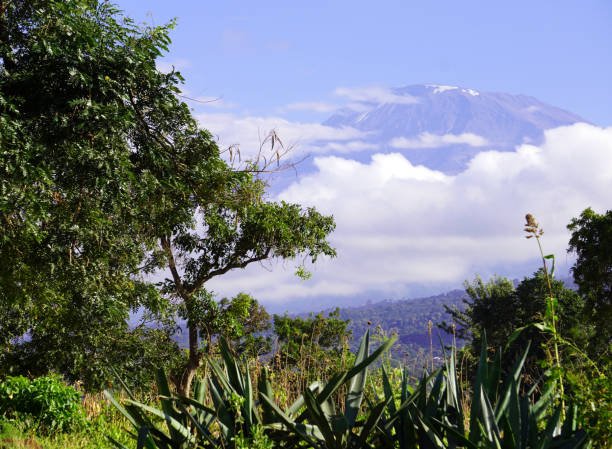
Mount Kilimanjaro rises to approximately 5,895 metres. Climbers encounter high altitude, changing weather, cold temperatures, long trekking days and a demanding summit stage.
Professional guide supervision also helps ensure visitors stay on approved trails, use designated camps or huts and follow national park procedures.
The guide therefore combines mountain leadership with expedition management and safety responsibilities.
What Does a Kilimanjaro Guide Do?
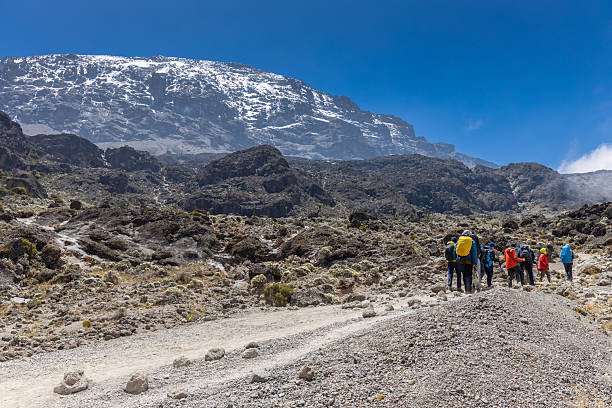
- Lead climbers along the approved Kilimanjaro route.
- Set an appropriate trekking pace.
- Explain the daily mountain schedule.
- Monitor individual climbers at altitude.
- Conduct regular health assessments.
- Coordinate assistant guides, porters and cooks.
- Monitor weather and trail conditions.
- Check important climbing equipment.
- Brief climbers before summit night.
- Manage different walking speeds.
- Organise descent when required.
- Coordinate emergency response procedures.
Guide Training and Park Identification
Kilimanjaro mountain regulations require operators to employ trained guides working within the recognised park system.
When booking, travellers should use a properly licensed climbing company rather than relying on an unofficial arrangement made outside the established mountain operation.
Your operator should be able to explain who will lead the climb, how many guides are assigned and how summit support is organised.
Kilimanjaro Guide to Climber Ratio
The number of guides needed depends on group size and expedition planning.
Our typical operating arrangement is approximately one guide for every two climbers, with additional summit assistance organised when required.
A larger group can therefore include one lead guide together with several assistant guides.
Having adequate guide coverage becomes especially important on summit night because individual climbers can begin moving at different speeds.
Lead Guide and Assistant Guides
The lead guide normally oversees the entire expedition and coordinates important mountain decisions.
Assistant guides help monitor clients, manage pace, provide summit support and assist when a group needs to separate safely.
For example, if one climber must descend while other healthy participants remain able to continue, sufficient guide coverage can provide greater operational flexibility.
The Guide Controls the Walking Pace
Kilimanjaro should not be treated as a speed competition.
Climbers who walk very quickly at lower altitude can waste energy that may be needed later in the expedition.
Your guide normally establishes a slow and controlled pace as the group progresses upward.
Listen to pacing instructions even when you feel strong during the first few days.
Guide Responsibility for Altitude Monitoring
Altitude is one of the principal challenges on Kilimanjaro.
A responsible guide monitors how each climber is responding throughout the trek rather than waiting until the summit attempt.
Headache, nausea, reduced appetite, unusual tiredness, dizziness, sleep changes, abnormal behaviour and difficulty walking can all be important information.
Climbers should report symptoms honestly rather than hiding them because they are afraid of being asked to descend.
Daily Health Checks
Our mountain procedures include regular individual health assessments.
Guides consider symptoms, appetite, sleep, breathing, walking condition and overall appearance when evaluating how someone is adapting to the altitude.
Monitoring continues throughout the expedition because a climber's condition can change as elevation increases.
Pulse Oximeter Monitoring
A pulse oximeter can provide additional information during mountain health assessments.
However, one oxygen saturation reading should not be treated as a universal summit permission number.
The guide considers the reading together with symptoms, behaviour, walking ability and the overall condition of the climber.
Mountain Guide and Safety Support
- Professional Kilimanjaro guides
- Controlled trekking pace
- Regular individual health assessments
- Pulse oximeter monitoring
- Emergency oxygen
- First aid equipment
- Altitude symptom monitoring
- Summit assistance according to group requirements
- Descent support when necessary
Emergency Oxygen
Emergency oxygen forms part of our mountain safety equipment.
It is intended for emergency management rather than as a way to allow an unwell climber to continue ascending when descent is necessary.
The guide's responsibility is to prioritise the climber's health rather than summit pressure.
Can a Guide Stop Your Summit Attempt?
Yes. If significant altitude symptoms, illness, injury or another serious safety concern makes continuing inappropriate, the guide may direct a climber to descend.
Travellers sometimes arrive with a strong emotional commitment to reaching Uhuru Peak, but safety decisions must take priority over the summit objective.
Turning around when necessary is part of responsible mountain management.
Guide Support on Summit Night
Summit night normally creates the greatest differences in individual pace.
Cold temperatures, darkness, fatigue and altitude can affect climbers differently.
Additional guide and summit support can therefore be important if one climber needs to move more slowly, descend or receive closer supervision.
Guide versus Porter
Guides and porters have different responsibilities.
The guide supervises climbers, manages the route and makes important safety decisions.
Porters transport expedition equipment, food, camping equipment and approved personal duffel luggage between mountain camps.
Both are essential parts of the Kilimanjaro operation, but a porter should not be confused with the professional guide responsible for leading the climb.
Guide versus Mountain Cook
The mountain cook prepares meals throughout the expedition according to the selected package.
The guide coordinates the overall climbing operation while the cook concentrates on food preparation and meal logistics.
Good teamwork between guides, porters and cooks helps the expedition move efficiently from one camp to another.
Pre Climb Guide Briefing
Your relationship with the guide should begin before you start walking.
A pre climb briefing provides an opportunity to understand the itinerary and identify equipment or logistical issues before travelling to the mountain.
A Good Pre Climb Briefing Can Cover
- Daily trekking schedule
- Mountain camps or huts
- Expected walking conditions
- Altitude procedures
- Health checks
- Clothing and equipment
- Duffel luggage limits
- Daypack requirements
- Hydration
- Meals and dietary requirements
- Summit night procedures
- Emergency arrangements
Guide Equipment Check
Before departure, important mountain equipment should be checked.
A climber may feel comfortable in Moshi but face freezing temperatures and strong wind near the summit.
Important equipment includes hiking boots, waterproof clothing, warm insulation layers, gloves, headwear, a headlamp, suitable sleeping equipment and water containers.
Selected missing items can be rented in Moshi subject to availability.
Guide Requirement on Machame
Machame climbs operate through the licensed guide system.
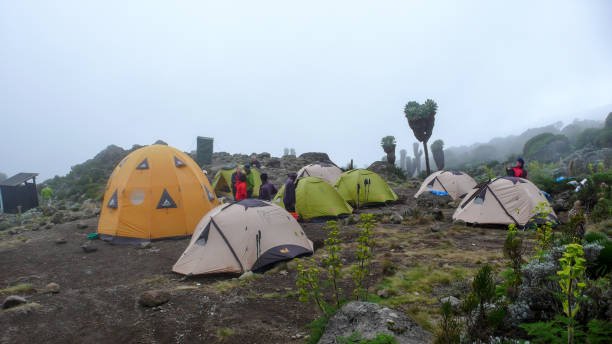
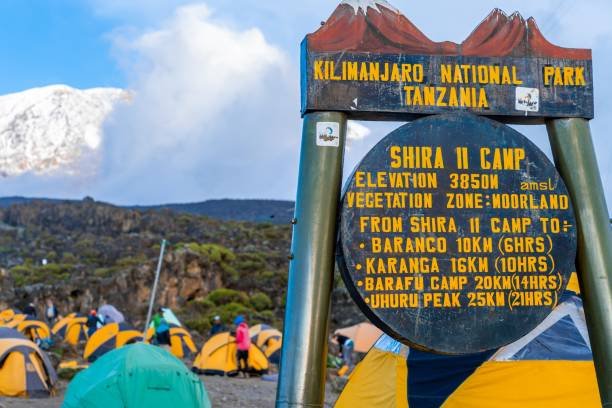
Guides lead participants from Machame Gate through Shira, Lava Tower, Barranco, Karanga and the high summit area before descent through Mweka.
Guide Requirement on Lemosho
Lemosho also requires professional guide support.
The guide manages the western approach, altitude progression through Shira and Lava Tower, the southern circuit and the final summit stages.
Guide Requirement on Marangu
Marangu uses permanent mountain huts, but hut accommodation does not remove the guide requirement.
Climbers still operate through the licensed guide system while travelling through Mandara, Horombo and Kibo toward the summit attempt.
Guide Requirement on Rongai
Rongai approaches Kilimanjaro from the northern side and also requires professional guide support.
Guides coordinate the northern camping stages, movement around Mawenzi, the approach toward Kibo and the descent through the Marangu side.
Guide Requirement on the Northern Circuit
The Northern Circuit travels through more remote sections of Kilimanjaro and involves a longer mountain itinerary.
Professional route leadership, health monitoring and crew coordination remain essential throughout the expedition.
Private Kilimanjaro Guide
A private climb means your expedition is organised for your own travelling party rather than being opened to unrelated group joining clients.
It does not mean you can remove the required mountain guide.
A solo traveller can therefore be the only paying climber while still climbing with a professional guide and supporting crew.
Group Joining Guide Support
On a group joining climb, participants share the expedition with other travellers booked on the same departure.
The operator should provide guide coverage appropriate to the size of the climbing group.
Health monitoring should still be individual because climbers can respond very differently to the same altitude.
What Happens If One Climber Must Descend?
If a climber becomes unwell, descent may be necessary before the remainder of the group.
Where staffing, location and mountain conditions allow, appropriate guide support can accompany the descending participant while suitable climbers continue.
This is another reason adequate professional staffing is important.
Does Having a Guide Guarantee the Summit?
No.
A professional guide supports route management, health monitoring and mountain decision making, but cannot guarantee that every climber will reach Uhuru Peak.
Individual altitude response, illness, injury, weather and mountain conditions can affect the summit attempt.
A responsible guide must be willing to prioritise safety even when that means turning around.
What to Check before Booking
- Is the expedition operated through a licensed operator?
- How many guides are assigned to the group?
- Are assistant guides added for larger groups?
- How are health checks performed?
- Is a pulse oximeter carried?
- Is emergency oxygen carried?
- What first aid equipment is available?
- What happens if one climber must descend?
- How is summit support organised?
- Is a pre climb equipment check included?
Frequently Asked Questions
Is a guide required to climb Kilimanjaro?
Yes. Kilimanjaro summit climbs must operate through the licensed operator and professional guide system.
Can I climb Kilimanjaro alone?
You can be the only paying climber on a private expedition, but you cannot undertake the standard summit climb without professional guide support.
Does every Kilimanjaro route require a guide?
Yes. Standard summit routes including Machame, Lemosho, Marangu, Rongai, Umbwe and Northern Circuit operate through the guide and licensed operator system.
What does a Kilimanjaro guide do?
Guides lead the route, manage pace, monitor climbers, coordinate the mountain operation and make important safety decisions.
Do guides monitor altitude symptoms?
Yes. Responsible Kilimanjaro guiding includes ongoing monitoring of how individual climbers are adapting to altitude.
Do your guides perform health checks?
Yes. Our mountain procedures include regular individual health assessments throughout the expedition.
Do you use a pulse oximeter?
Yes. Pulse oximeter readings form one part of our mountain health monitoring.
Is emergency oxygen carried?
Yes. Emergency oxygen forms part of our mountain safety equipment.
Can the guide tell me to descend?
Yes. If continuing is considered unsafe because of altitude symptoms, illness, injury or another serious concern, descent can be required.
Does a guide guarantee summit success?
No. Guide support improves mountain management and safety, but no responsible operator can guarantee that an individual climber will reach Uhuru Peak.
How many guides are used?
Guide numbers depend on group size and expedition requirements. Our typical planning uses approximately one guide for every two climbers, with additional summit assistance where required.
Is a porter the same as a guide?
No. Guides supervise and lead climbers, while porters primarily transport permitted luggage and expedition equipment.
Does a private climb still need a guide?
Yes. Private means the climbing party is reserved for your booking. The licensed guide requirement still applies.
Do group joining departures have professional guides?
Yes. Group joining departures should have professional guide coverage appropriate to the number of climbers and expedition requirements.
What if one climber has to descend?
Where adequate staffing and safe mountain conditions remain, appropriate support can accompany that climber while other suitable participants continue.
Does the guide check my equipment?
A pre climb equipment check is an important part of preparation and helps identify missing or unsuitable items before departure.
Can rental gear be arranged?
Yes. Selected equipment such as sleeping bags, trekking poles and gaiters can be rented in Moshi subject to availability.
Will the guide brief us before summit night?
Yes. Summit preparation normally covers timing, clothing, equipment, pacing, health considerations and the planned ascent and descent.
How do I book a guided Kilimanjaro climb?
Send your preferred route, climbing dates and number of travellers. Your package can then be organised with the required guide team, porter support, meals, mountain accommodation, applicable fees, safety equipment, transfers and optional pre or post climb services.
Climb Kilimanjaro with Professional Guide Support
Choose your Kilimanjaro route and climb with professional mountain guides providing route leadership, health monitoring, summit support and safety focused expedition management from the starting gate to the final descent.
Request a Guided Kilimanjaro Package

 Kilimanjaro Climb