Moshi Traditional Cooking Class
The Moshi Traditional Cooking Class is a cultural food experience designed for travellers who want to do more than simply taste local dishes.
Participants can learn how selected Tanzanian foods are prepared while discovering the ingredients, farming traditions and everyday cooking practices connected with the Kilimanjaro region.
The experience can take place in Moshi or in a nearby community setting depending on the selected program.
A local host and cultural guide can introduce the ingredients, explain preparation techniques and help participants prepare the meal step by step.
The class can also be combined with a local market, coffee experience, banana farm, Chagga village or other cultural activity.
Moshi Traditional Cooking Class at a Glance
- Location: Moshi or selected nearby Kilimanjaro communities.
- Main experience: Hands on traditional cooking.
- Food focus: Local ingredients and Tanzanian dishes.
- Cultural focus: Chagga food traditions and Kilimanjaro agriculture.
- Possible additions: Market, coffee, farm or village visit.
- Duration: Short activity or half day experience.
- Activity level: Easy cultural activity.
- Suitable for: Solo travellers, couples, families and groups.
Why Choose a Moshi Traditional Cooking Class?
A cooking class provides an interactive way to learn about local culture.
Instead of only eating a finished meal, travellers can see the ingredients, participate in preparation and understand how different foods are combined.
The experience can also introduce the agricultural traditions behind many of the ingredients used around Mount Kilimanjaro.
For travellers interested in food, community and everyday life, the cooking class can provide a memorable cultural experience without requiring a full day of travel.
Cooking Class Highlights
- Hands on food preparation
- Traditional local ingredients
- Chagga food culture
- Banana based cooking traditions
- Beans, grains and vegetables
- Local spices and seasonings
- Market visit where included
- Coffee experience where included
- Shared meal after cooking
- Local host and cultural guide
- Small group or private format
- Flexible cultural combinations
Local Ingredients Around Kilimanjaro
The Kilimanjaro region supports a variety of crops and food products used within local cooking.
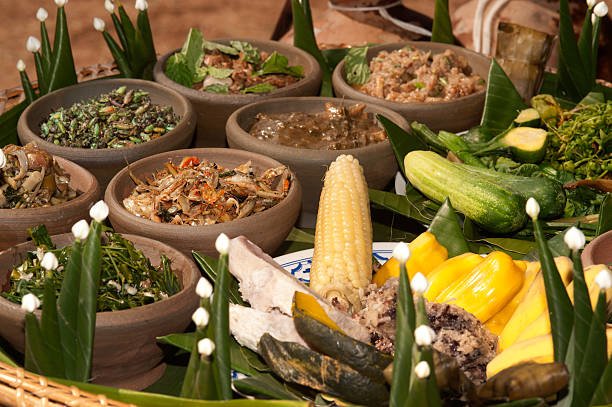
Depending on the selected menu, ingredients can include bananas, beans, maize, rice, potatoes, tomatoes, onions, leafy vegetables, herbs and seasonal produce.
The host can explain where these ingredients come from and how they are commonly used.
Possible Cooking Ingredients
- Bananas
- Beans
- Maize
- Rice
- Potatoes
- Tomatoes
- Onions
- Leafy vegetables
- Fresh herbs
- Local spices
Market Visit Before Cooking
The cooking class can begin with a visit to a local market where travellers see the ingredients before entering the kitchen.
A cultural guide can explain fresh produce, grains, spices and household food products while introducing visitors to everyday market life in Moshi.
This adds context to the cooking class because participants can understand where many ingredients are purchased locally.
The exact market visit depends on time, location and the selected package.
From Market to Kitchen
After exploring the ingredients, travellers can continue to the cooking location.
The host can introduce the planned menu and explain how the ingredients will be prepared.
This transition from market to kitchen helps connect local trade with everyday cooking practices.
From Ingredient to Finished Meal
The experience can follow the food journey from selecting or discussing ingredients through preparation, cooking and serving.
This creates a more complete cultural experience than simply visiting a restaurant for a meal.
Chagga Food Culture
The Chagga people have longstanding agricultural and cultural connections with Mount Kilimanjaro.
The cooking class can introduce selected aspects of Chagga food culture through bananas, coffee, vegetables, beans and locally available crops.
The exact dishes and preparation styles vary between families and communities, so the experience reflects the specific host and location.
Bananas in Traditional Cooking
Bananas are an important crop in many agricultural areas around Kilimanjaro.
Different varieties may be grown for eating fresh or for cooking.
During the class, the host can explain how selected bananas are prepared and how they connect with Chagga farming traditions.
Beans, Maize and Everyday Staples
Beans and maize are widely used ingredients within Tanzanian food culture.
The cooking class can introduce travellers to simple ways these ingredients are combined with vegetables, sauces or other foods.
Preparation methods depend on the selected menu.
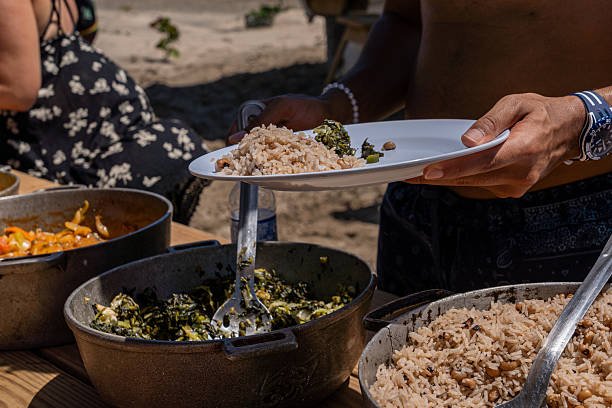
Rice and Vegetable Dishes
Rice and vegetables can also form part of the cooking class.
Visitors can learn how selected vegetables are prepared, seasoned and served alongside other foods.
The host can explain the role of different ingredients within the final meal.
Traditional Cooking Techniques
The class can involve practical preparation rather than observation only.
Participants may help wash, peel, cut, mix, season and prepare selected ingredients under the guidance of the host.
Hands On Activities May Include
- Preparing vegetables
- Peeling bananas
- Sorting beans or grains
- Cutting ingredients
- Mixing foods
- Adding herbs and spices
- Learning cooking methods
- Serving the finished dishes
Prepare a Traditional Meal
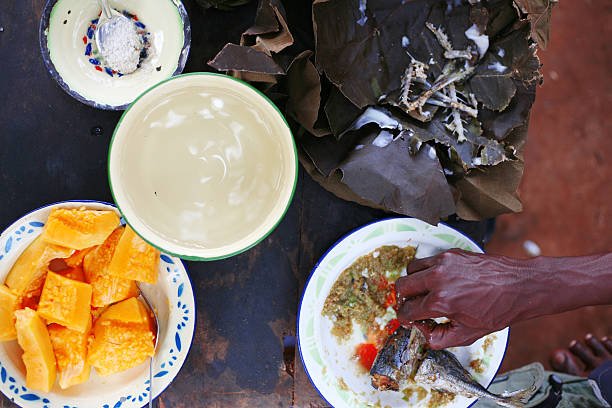
The centre of the experience is preparing a local meal with guidance from the host.
Travellers can participate at different stages while learning why ingredients are combined in particular ways.
The class is designed as a cultural activity rather than a formal professional culinary lesson.
The exact menu depends on the agreed program, ingredient availability and dietary requirements.
Enjoy the Meal You Cook
After the preparation is complete, participants can sit down and enjoy the meal they helped prepare.
This is also an opportunity to continue conversations with the host about local food, farming and everyday life.
Sharing the finished meal provides a relaxed conclusion to the cooking experience.
Kilimanjaro Coffee Experience
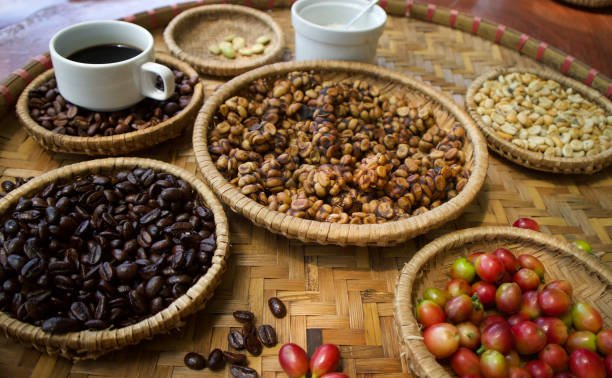
Coffee can be incorporated into the cooking class because it is closely connected with agriculture around Mount Kilimanjaro.
The experience can include a simple coffee tasting or a more detailed traditional preparation activity.
Where included, travellers can learn about roasting, grinding and brewing locally connected coffee.
Traditional Coffee Experience May Include
- Introduction to Kilimanjaro coffee
- Coffee bean preparation
- Roasting where included
- Grinding
- Traditional brewing
- Fresh coffee tasting
Farm and Cooking Class Experience
A farm visit can be added to create a stronger farm to table experience.
Travellers can explore selected banana, coffee or mixed crop areas before continuing to prepare a meal.
The guide can explain how agriculture supports local households and how produce moves from farms into kitchens and markets.
Moshi Market and Cooking Class
A market based program can begin in central Moshi before continuing to the cooking location.
Visitors can learn about fresh produce and food shopping before using similar ingredients during the class.
This option provides a useful combination of town life and practical food preparation.
Moshi Cooking and Coffee Experience
The cooking class can be combined with a coffee experience for travellers interested in two important parts of local culture.
After preparing and sharing the meal, visitors can learn about Kilimanjaro coffee and enjoy a fresh cup.
Moshi Cooking and Chagga Village Tour
A village experience can add a broader cultural element to the cooking class.
Travellers can explore farming, community life and local food traditions before preparing a meal with local hosts.
This creates a deeper cultural experience than a cooking class alone.
Sample Moshi Traditional Cooking Class Itinerary
STOP
01
START
Meet Your Local Guide or Host
Meet at your hotel or another agreed location in Moshi.
Discuss dietary requirements, the planned menu and the structure of the cooking experience.
Continue toward the selected market, farm or cooking location.
STOP
02
INGREDIENTS
Local Ingredients and Food Introduction
Learn about the ingredients that will be used during the class.
Where included, explore a market or farm before beginning the preparation.
Ask questions about how ingredients are grown, purchased and used locally.
STOP
03
PREPARATION
Hands On Food Preparation
Begin preparing vegetables, grains, bananas or other ingredients according to the planned menu.
Follow the host's instructions and learn the preparation methods used for the selected dishes.
Participate at a comfortable level throughout the activity.
STOP
04
COOKING
Cook the Traditional Meal
Continue from preparation into the cooking stage.
Learn how the selected ingredients are combined, seasoned and cooked.
The host can explain cultural and household traditions associated with the food.
STOP
05
MEAL
Share and Enjoy the Finished Food
Sit down to enjoy the meal prepared during the class.
Continue the cultural conversation while tasting the different dishes.
Where included, finish with locally connected coffee or another traditional drink.
Short Moshi Traditional Cooking Class
A shorter program can focus directly on ingredient preparation, cooking and the shared meal.
This option can be suitable for travellers with limited time in Moshi.
The menu can be kept simple while still providing a hands on cultural experience.
Half Day Moshi Traditional Cooking Class
A half day program provides more time for explanations, preparation and food tasting.
It can also include a market visit or coffee activity depending on the selected program.
This is a suitable option for travellers wanting a more complete food experience without committing to a full day excursion.
Full Day Cooking and Cultural Experience
A full day program can combine cooking with a market, farm, village or coffee experience.
This allows travellers to understand both the agricultural and cultural background behind the food.
The day can move from ingredients and farming into preparation, cooking and a shared meal.
Vegetarian Cooking Class
A vegetarian menu can often be arranged using beans, vegetables, grains, bananas and other plant based ingredients.
Travellers should communicate dietary preferences before the experience so the host can plan suitable dishes where possible.
Dietary Requirements and Allergies
All food allergies, intolerances and dietary restrictions should be communicated before the cooking class.
The host can then determine whether suitable substitutions or alternative dishes can be arranged.
Availability depends on ingredients and the selected location.
Cooking Class Before Kilimanjaro Trekking
The Moshi Traditional Cooking Class can be arranged before climbing Mount Kilimanjaro.
It provides a relaxed cultural introduction to the region before trekking begins.
The experience should be coordinated with gear checks, briefing and proper rest before mountain departure.
Cooking Class After Kilimanjaro Trekking
The class can also be arranged after descending from Mount Kilimanjaro.
Travellers can enjoy a slower cultural activity and local meal after several days on the mountain.
The cooking experience can then be followed by safari or onward travel.
Combine the Cooking Class with Safari
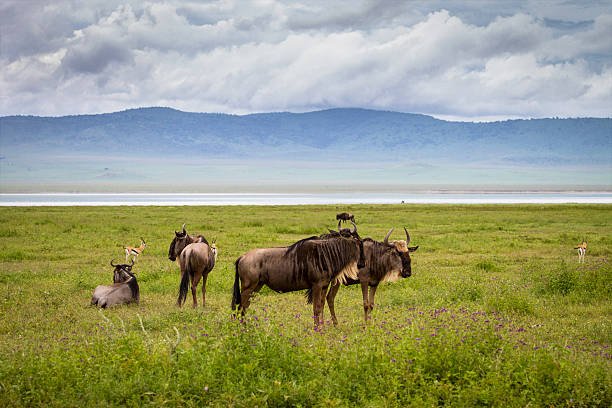
The cooking class can be completed before or after a northern Tanzania wildlife safari.
This creates a broader itinerary combining food culture with wildlife and landscapes.
Possible Safari Extensions
- Arusha National Park
- Tarangire National Park
- Lake Manyara National Park
- Ngorongoro Crater
- Serengeti National Park
Local Cooking Host and Cultural Guide
A local host provides practical cooking guidance while a cultural guide can add context about ingredients, agriculture and food traditions.
In some programs, the same person may fulfil both roles.
Host and Guide Responsibilities May Include
- Introducing local ingredients
- Explaining traditional dishes
- Demonstrating preparation methods
- Helping guests participate safely
- Explaining Chagga food traditions
- Sharing farming and market connections
- Helping with coffee preparation where included
- Answering questions about everyday food culture
What to Wear
Comfortable lightweight clothing is suitable for the cooking class.
Closed or comfortable shoes are useful, especially if the program includes market or farm walking.
Clothing should be practical for working around food preparation areas.
What to Bring
- Comfortable clothing
- Comfortable shoes
- Reusable water bottle
- Camera or phone
- Small daypack where needed
- Sun protection for market or farm visits
- Small amount of local currency for optional purchases
- Personal medication
Typical Moshi Traditional Cooking Class Inclusions
- Local cooking host
- Cultural guide where included
- Cooking ingredients
- Hands on food preparation
- Traditional cooking guidance
- Meal prepared during the class
- Market visit where included
- Farm visit where included
- Coffee experience where included
- Transport according to the confirmed package
- Drinking water where included
Typical Tour Exclusions
- International flights
- Tanzania visa
- Travel insurance
- Accommodation unless specifically included
- Airport transfers unless specifically included
- Additional food and drinks not listed in the program
- Optional market purchases
- Personal expenses
- Tips for hosts and guides
Private Moshi Traditional Cooking Class
The cooking class can be organised privately for solo travellers, couples, families and groups.
A private experience provides greater flexibility with the menu, dietary requirements, walking pace and cultural additions.
The class can also be coordinated with hotel schedules, Kilimanjaro preparation or safari departures.
For Solo Travellers
Solo travellers can arrange a private cooking experience with a local host.
The class can focus on selected dishes and include coffee, markets or village culture depending on available time.
For Couples
Couples can enjoy a private hands on cooking class and shared meal.
The experience can also be combined with coffee or a farm visit for a more complete cultural activity.
For Families
The cooking class can provide an interactive educational experience for families.
Children can participate in suitable preparation activities according to age and supervision.
The menu and activity level can be adapted where possible.
Best Time for a Moshi Traditional Cooking Class
The experience can be arranged throughout different periods of the year.
Fresh produce and agricultural activities change seasonally, which can influence the ingredients available.
Morning or afternoon programs can be arranged according to the selected itinerary and host availability.
Responsible Cultural Tourism
Cooking locations, markets, farms and villages are working and living environments.
Travellers should follow host instructions and respect local customs, private spaces and normal community activity.
Responsible Visitor Guidelines
- Follow host and guide instructions.
- Communicate allergies before cooking.
- Ask permission before photographing people.
- Respect private kitchen and home spaces.
- Handle ingredients only as instructed.
- Respect local customs and household traditions.
- Support local businesses respectfully.
- Dispose of waste responsibly.
Why Book the Moshi Traditional Cooking Class?
The Moshi Traditional Cooking Class provides an interactive way to discover local culture through ingredients, preparation and shared food.
Travellers can learn about Chagga food traditions, Kilimanjaro agriculture and everyday cooking while participating directly in the preparation of selected dishes.
The experience can be booked independently or combined with markets, coffee, villages, Kilimanjaro trekking and northern Tanzania safari programs.
Frequently Asked Questions
What is the Moshi Traditional Cooking Class?
It is a hands on cultural experience where travellers learn to prepare selected local dishes with guidance from a local host.
Is the cooking class hands on?
Yes. Participants can help prepare selected ingredients and dishes under guidance from the host.
Will I eat the meal I prepare?
Yes. The class can include sitting down to enjoy the meal prepared during the experience.
Can I visit a local market first?
Yes. A market visit can be included so travellers can learn about fresh ingredients before the cooking session.
Can I visit a farm?
Yes. A banana, coffee or mixed farm visit can be added according to the selected program.
Will I learn about Chagga culture?
Yes. The host or guide can explain selected Chagga food, farming, banana and coffee traditions.
Can coffee be included?
Yes. A Kilimanjaro coffee tasting or traditional coffee preparation experience can be added.
Are vegetarian options available?
Vegetarian menus may be possible using beans, vegetables, grains, bananas and other plant based ingredients.
What if I have food allergies?
All allergies and dietary restrictions should be communicated before the class so suitable options can be discussed where possible.
How long is the cooking class?
It can be arranged as a shorter activity or a half day experience, with longer programs available when adding a market, farm or village visit.
Can solo travellers book the class?
Yes. Solo travellers can arrange a private Moshi Traditional Cooking Class.
Is it suitable for couples?
Yes. Couples can enjoy a private cooking experience and shared meal.
Is it suitable for families?
Yes. Suitable preparation activities can be adapted for children according to age and supervision.
Can I do the cooking class before climbing Kilimanjaro?
Yes. The class can be arranged before a Kilimanjaro trek if sufficient time remains for briefing, gear checks and rest.
Can I do it after climbing Kilimanjaro?
Yes. A cooking class can provide a relaxed cultural activity after completing a Mount Kilimanjaro trek.
Can the cooking class be combined with safari?
Yes. The experience can be arranged before or after a northern Tanzania safari.
Can the cooking experience be customised?
Yes. The menu, market visit, coffee, farm activities and cultural additions can be adapted according to the confirmed program.
Plan Your Moshi Traditional Cooking Class
Discover local ingredients, prepare traditional food with a local host and learn how Chagga culture and Kilimanjaro agriculture influence everyday cooking.
Choose your preferred date, cooking duration and market, coffee, farm or village additions to create a personalised Moshi food experience.
Plan Your Moshi Cooking Class