Tanzania Food Guide 2026-2027
Tanzania Food Guide 2026-2027 explains the most popular dishes, ingredients, street foods, safari meals, drinks and regional food traditions travellers are likely to encounter during a holiday in Tanzania.
Tanzanian cuisine is varied rather than built around one national dish. Food changes between the Indian Ocean coast, Zanzibar, major cities, farming regions, pastoral communities and rural villages.
Common ingredients include maize, rice, beans, bananas, potatoes, cassava, coconut, vegetables, meat, fish, spices and tropical fruits.
Travellers can therefore experience everything from simple home-style meals to seafood, grilled meat, spice-rich rice dishes and international lodge cuisine during one trip.
Tanzania Food Guide at a Glance
- Main staple foods: Ugali, rice, beans, bananas and potatoes
- Popular meat: Beef, goat and chicken
- Popular coastal food: Fish, seafood, coconut and spiced rice
- Popular street food: Chipsi mayai, mishkaki, chapati and grilled corn
- Popular drinks: Tea, coffee, juice and soft drinks
- Vegetarian options: Widely available with advance communication
- Best approach: Mix local dishes with reliable hotel and safari meals
What Is Tanzanian Food Like?
Tanzanian food is generally filling, practical and strongly influenced by locally available ingredients.
On the mainland, many meals are built around a starch such as ugali, rice, potatoes or bananas served with beans, vegetables, meat or fish.
Along the Indian Ocean coast and Zanzibar, coconut milk, seafood and aromatic spices become more prominent.
Indian, Arab and East African influences are especially visible in dishes such as pilau, biryani, samosas and chapati.
Ugali
Ugali is one of Tanzania's most familiar staple foods.
It is made by cooking maize flour with water until it becomes thick and firm.
Ugali is usually served alongside meat, fish, beans or vegetables.
It is commonly eaten by taking a small portion with the hand, shaping it and using it to pick up sauce or accompanying food.
What Does Ugali Taste Like?
Ugali has a mild taste because its purpose is to accompany stronger-flavoured dishes.
The sauce, vegetables, meat or fish served with it usually provide most of the seasoning.
Travellers trying Tanzanian food for the first time should think of ugali as an important base rather than expecting it to be heavily spiced on its own.
Nyama Choma
Nyama choma means grilled meat and is one of the country's best-known social foods.
Goat and beef are common choices, while chicken may also be available.
The meat is usually grilled relatively simply and served with accompaniments such as salad, vegetables, chips or ugali.
Nyama choma is especially enjoyable when shared as part of a relaxed evening meal rather than treated as fast food.
Popular Tanzanian Foods to Try
- Ugali
- Nyama choma
- Pilau
- Biryani
- Chipsi mayai
- Mishkaki
- Chapati
- Wali na maharage
- Ndizi nyama
- Samaki
- Samosa
- Mandazi
Pilau
Pilau is a seasoned rice dish popular across Tanzania.
It is prepared using aromatic spices and may include beef, chicken or vegetables depending on the recipe.
The exact flavour varies from household to household and restaurant to restaurant.
Pilau is often served during social gatherings, celebrations and everyday restaurant meals.
Biryani
Biryani is another popular rice dish, particularly in coastal and urban areas.
It generally uses stronger seasoning and a more layered cooking style than basic rice.
Chicken, beef, goat, fish or vegetables can be used depending on the kitchen.
Zanzibar and coastal restaurants are particularly good places to explore different biryani styles.
Wali na Maharage
Wali na maharage means rice and beans.
It is a simple, filling and widely available meal.
The beans may be cooked with tomatoes, onions, spices or coconut depending on the region and recipe.
It is also one of the easiest local meals for vegetarian travellers.
Chipsi Mayai
Chipsi mayai is one of Tanzania's most recognizable casual foods.
It combines French fries with beaten eggs, creating a thick omelette-style meal.
It may be served with fresh salad, tomato sauce or spicy chili sauce.
Travellers often encounter it in local restaurants, roadside eating places and towns across the country.
Mishkaki
Mishkaki are grilled pieces of seasoned meat cooked on skewers.
They are often prepared in the evening and can be found in local restaurants and street-food areas.
Beef is common, although other meats may be used.
Freshly grilled mishkaki can be one of the easiest introductions to Tanzanian street food.
Chapati
Chapati is a soft flatbread commonly eaten at breakfast or with main meals.
It can be served with beans, eggs, meat stew, vegetables or tea.
Tanzanian chapati is usually richer and softer than a basic dry flatbread because oil is incorporated during preparation.
Mandazi
Mandazi is a lightly sweetened fried bread popular for breakfast or snacks.
It is commonly eaten with tea or coffee.
Different versions can vary in sweetness, shape and use of coconut or spices.
Samosas
Samosas are widely available as snacks or starters.
They can be filled with minced meat, vegetables or other ingredients.
Freshly fried samosas are particularly common in towns, hotels and coastal areas.
Ndizi Nyama
Ndizi nyama combines cooking bananas with meat in a stew-style dish.
It is especially associated with banana-growing areas of northern Tanzania.
Cooking bananas are different from sweet dessert bananas and behave more like a starchy vegetable when prepared.
This is an excellent dish for travellers interested in food connected to agricultural communities around Kilimanjaro and other highland areas.
Fish and Seafood in Tanzania
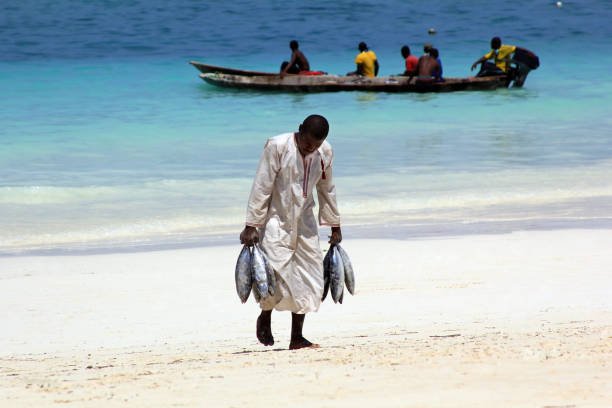
Fish becomes particularly important along the coast, on Zanzibar and around major lakes.
Depending on location, meals may include grilled fish, fish curry, fried fish or seafood prepared with coconut and spices.
Prawns, octopus, squid and other seafood can be found more easily along the Indian Ocean coast.
Popular Coastal Food Experiences
- Grilled fish
- Fish curry
- Octopus dishes
- Prawns
- Coconut-based sauces
- Spiced rice
- Fresh tropical fruit
Zanzibar Food
Zanzibar has one of Tanzania's most distinctive food cultures.
Its long history of Indian Ocean trade is reflected in the use of spices, coconut, seafood and rice dishes.
Travellers can try pilau, biryani, fish curry, grilled seafood, chapati, samosas and numerous spice-influenced dishes.
A food-focused evening in Stone Town can be very different from meals at a beach resort.
Zanzibar Spices
Zanzibar is famous for spices such as cloves, cinnamon, cardamom and other aromatic ingredients.
These spices appear in both sweet and savoury cooking.
A spice farm tour can help travellers understand how different plants are grown before tasting them in local food.
Street Food in Tanzania
Street food can be an enjoyable part of travelling in Tanzania when chosen carefully.
Popular options can include chipsi mayai, mishkaki, grilled corn, samosas, chapati and fruit.
Busy stalls where food is cooked fresh in front of customers are generally more appealing than food that has been sitting for long periods.
How to Choose Street Food Safely
Look for busy places with good customer turnover.
Choose food that is cooked thoroughly and served hot.
Be cautious with raw salads, sauces and pre-cut fruit when you are uncertain about washing water or storage.
Use the same common sense you would use in any unfamiliar destination.
Simple Food Safety Habits
- Choose freshly cooked food
- Prefer busy food stalls
- Drink safe water
- Wash or sanitize hands before eating
- Be cautious with food left uncovered
- Be selective with raw salads
- Choose fruit you can peel when uncertain
Breakfast in Tanzania
Breakfast varies significantly according to accommodation and location.
Local breakfasts may include tea, coffee, chapati, mandazi, eggs or simple cooked foods.
Safari lodges and hotels commonly offer larger breakfasts with eggs, bread, pancakes, fruit, sausages, cereals and hot drinks.
Tanzanian Tea
Tea is widely consumed in Tanzania.
It may be served black, with milk or prepared with spices depending on the household or restaurant.
Tea and chapati or mandazi can make a simple local breakfast or afternoon snack.
Tanzanian Coffee
Tanzania is also an important coffee-growing country.
The slopes around Mount Kilimanjaro are particularly well known for coffee production.
Travellers staying in Moshi can join local coffee experiences that explain growing, processing, roasting and preparation.
Fresh Fruit in Tanzania
Tropical and subtropical fruits are widely available according to season and region.
Travellers may encounter bananas, mangoes, pineapples, papayas, watermelon, passion fruit, oranges and avocados.
Fresh fruit is commonly served at hotels and safari lodges.
When buying fruit independently, fruit that can be washed or peeled is often the most practical choice.
Fresh Juice
Hotels and restaurants may serve mango, passion fruit, pineapple, watermelon or mixed fruit juice.
If you are eating somewhere with uncertain water quality, ask whether ice and added water are prepared safely.
Vegetarian Food in Tanzania
Vegetarian travellers can eat well in Tanzania.
Rice, beans, lentils, potatoes, vegetables, chapati, fruit and cooking bananas provide many straightforward options.
Safari lodges can normally prepare vegetarian meals when notified in advance.
Vegetarian Foods to Look For
- Rice and beans
- Vegetable curry
- Lentils
- Chapati
- Vegetable pilau
- Potatoes
- Cooked bananas
- Seasonal vegetables
- Fresh fruit
Vegan Food in Tanzania
Vegan food is possible but often requires more explanation than vegetarian food.
Beans, rice, vegetables, fruit and some traditional dishes can be naturally vegan, but ingredients such as butter, milk, eggs or meat stock may be used unexpectedly.
Tell your hotel, safari company or mountain operator clearly before the trip.
Gluten-Free Food in Tanzania
Rice, potatoes, bananas, beans, vegetables, meat and many simple local meals can fit gluten-free diets.
However, sauces, packaged products and kitchen cross-contact may still be relevant for travellers with celiac disease or serious allergies.
Travellers with medically necessary restrictions should communicate them clearly in advance rather than relying only on menu descriptions.
Food Allergies
Travellers with serious allergies should carry appropriate medication and provide written dietary information where possible.
Tell safari lodges, hotels and guides in advance.
Do not assume every restaurant can guarantee complete separation from allergens.
Halal Food in Tanzania
Halal food is widely available in many parts of Tanzania, particularly in Muslim-majority or mixed urban and coastal communities.
Zanzibar and the coast provide many convenient halal dining options.
Travellers who require strict halal preparation should still confirm with individual hotels and restaurants.
Food on Tanzania Safari
Safari meals are usually much more varied than first-time travellers expect.
Lodges and tented camps commonly serve a combination of international dishes and Tanzanian-inspired food.
Breakfast may include eggs, toast, pancakes, fruit and tea or coffee.
Dinner is often a multi-course or buffet-style meal with soup, meat, vegetables, rice, potatoes, pasta and dessert.
Safari Picnic Lunches
Full-day game drives often use packed lunches so travellers do not have to return to the lodge at midday.
A typical lunch box may contain a sandwich or other main item, fruit, snacks, juice and additional foods according to the lodge.
Lunches are eaten only in designated areas where park rules permit.
Food on Kilimanjaro
Kilimanjaro trekking food is designed to provide energy while remaining practical for a mountain kitchen.
Meals may include porridge, eggs, toast, pancakes and fruit for breakfast, with soups, rice, pasta, potatoes, vegetables, meat and other hot dishes for lunch and dinner.
Snacks and hot drinks are also important at altitude.
Dietary preferences should be communicated before the trek so the cook can plan supplies correctly.
What Do You Eat Before Kilimanjaro?
The night before climbing, choose a familiar, balanced meal rather than experimenting with unusually heavy or very spicy food.
Rice, pasta, potatoes, vegetables and a moderate portion of protein can work well for many climbers.
Hydration is also important.
Food in Moshi
Moshi offers a mixture of Tanzanian food and international restaurants because it receives both local residents and Kilimanjaro travellers.
Visitors can try nyama choma, rice dishes, local stews, chapati, chipsi mayai and coffee while still having access to more familiar meals before a climb.
Chagga coffee and food experiences can also be added through nearby village tours.
Food in Arusha
Arusha has a broad restaurant scene because it is the main gateway to the northern safari circuit.
Options range from local Tanzanian food to Indian, international and hotel dining.
Travellers spending a pre-safari night in Arusha can therefore choose between trying local cuisine and eating something familiar before several days on the road.
Food in Dar es Salaam
Dar es Salaam provides one of the widest selections of Tanzanian and international food in the country.
Its coastal location makes fish and seafood important, while the city's size means travellers can also find local grills, Indian-influenced dishes, Swahili cuisine and modern restaurants.
Food in Zanzibar
Zanzibar is especially attractive for travellers who want seafood and spice-focused meals.
Stone Town offers street food, traditional restaurants and more contemporary dining, while beach resorts generally provide a wider international menu.
Travellers should try at least one meal outside the resort if they want a broader experience of Zanzibar food culture.
Traditional Village Food Experiences
Cultural tours can provide opportunities to learn about food preparation in local communities.
Depending on the destination, this may involve coffee, bananas, maize, beans, livestock products or other locally important foods.
These experiences can explain how ingredients are grown and used rather than only presenting the final meal.
Chagga Food Experiences
Chagga cultural tours around Kilimanjaro can introduce travellers to coffee, banana cultivation and traditional cooking.
Cooking bananas are especially important in the agricultural landscapes around the mountain.
A village lunch can be combined with coffee preparation and a walking tour.
Hadzabe Food Traditions
Hadzabe cultural tours around Lake Eyasi provide a very different perspective on food.
Traditional subsistence includes wild honey, berries, baobab fruit, underground tubers and game meat when hunting is successful.
Visitors should understand this within the context of hunting and gathering rather than expecting a fixed restaurant-style tasting menu.
Maasai Food Traditions
Maasai food traditions are closely linked to pastoral life and livestock.
Modern diets vary significantly, and visitors should avoid assuming that every Maasai household eats according to one unchanged historical pattern.
A guided cultural visit provides better context than trying to interpret food traditions without explanation.
Is Tanzanian Food Spicy?
Not all Tanzanian food is hot with chili.
Some dishes are aromatic because they use spices without being very hot.
Chili sauce is often served separately, allowing diners to control heat levels.
Coastal dishes and Zanzibar cuisine can use more spices while still remaining balanced rather than extremely hot.
What Do Tanzanians Eat for Lunch?
Lunch may include rice, ugali, beans, vegetables, meat, fish or potatoes depending on location and household.
In towns, quick meals such as chipsi mayai are also common.
Safari travellers will usually have a lodge lunch or packed picnic rather than a typical local lunch every day.
What Do Tanzanians Eat for Dinner?
Dinner can resemble lunch in structure, with a starch accompanied by vegetables, beans, meat or fish.
In restaurants, nyama choma and grilled foods are especially popular in the evening.
Hotel and safari dinners are usually more internationally varied.
Popular Tanzanian Snacks
- Mandazi
- Samosas
- Roasted peanuts
- Grilled corn
- Fresh fruit
- Chapati
- Mishkaki
Water in Tanzania
Travellers should drink properly treated, filtered or sealed drinking water rather than relying on untreated tap water.
Hotels, safari vehicles and trekking operators commonly provide or sell drinking water depending on the package.
Reusable bottles are useful when a safe refill system is available.
Ice in Drinks
Hotels and established restaurants generally manage drinking water carefully, but travellers can ask how ice is prepared if they are uncertain.
In informal settings, skipping ice can be a simple precaution.
Can You Eat Salad in Tanzania?
Salad can be perfectly fine when prepared in a clean hotel, lodge or reliable restaurant.
The main concern is how raw ingredients were washed and stored.
Travellers who are unsure about hygiene can choose cooked vegetables instead.
Food Etiquette in Tanzania
Dining customs vary according to family, community and setting.
When eating in someone's home, follow your host's example.
Washing hands before eating is common and particularly important when food is eaten by hand.
When sharing a communal meal, be considerate and wait for guidance if you are unfamiliar with the arrangement.
Eating with Your Hands
Some Tanzanian foods are traditionally eaten using the right hand.
Ugali is one example.
Visitors are not expected to be experts, and using cutlery is normally acceptable in hotels and restaurants.
If eating in a home or community setting, watch how your hosts eat and follow their guidance.
How Much Should You Budget for Food?
Food costs vary widely between local restaurants, safari lodges and luxury hotels.
A simple local meal can be significantly cheaper than an international hotel meal, while safari packages often include most meals in the overall trip cost.
On Zanzibar, resort restaurants and seafood dining can add substantially to daily expenses.
Before travelling, check whether your accommodation is booked as breakfast only, half board, full board or all inclusive.
Is Food Included on Safari?
Many multi-day safari packages include meals because lodges and camps are often located far from normal restaurants.
Full-board safari arrangements commonly include breakfast, lunch and dinner.
Drinks beyond water, tea or coffee may be charged separately depending on the accommodation.
Is Food Included on Kilimanjaro?
Complete Kilimanjaro trekking packages generally include meals during the climb.
The trekking crew includes a cook responsible for preparing food in mountain conditions.
Dietary requirements should be provided before departure so food supplies can be planned properly.
Should You Try Local Food?
Yes. Trying local food is one of the easiest ways to experience Tanzania beyond sightseeing.
You do not need to eat unfamiliar dishes at every meal.
A good approach is to mix trusted local restaurants and cultural food experiences with familiar hotel or safari meals.
Best Foods for First-Time Visitors
Easy Tanzanian Foods to Try First
- Pilau
- Chapati
- Mishkaki
- Nyama choma
- Chipsi mayai
- Rice and beans
- Grilled fish
- Fresh fruit
- Mandazi
Best Tanzania Food Experiences to Add to Your Trip
Travellers who want more than restaurant meals can build food experiences into the itinerary.
A Chagga coffee tour near Moshi can combine farming and local cooking.
A Zanzibar spice tour can introduce the ingredients behind coastal cuisine.
A village or cultural tour can provide insight into local crops and cooking methods.
These experiences often provide more context than simply ordering a traditional dish from a hotel menu.
Common Food Mistake: Eating Too Adventurously Before Kilimanjaro
The evening before a major mountain climb is not the ideal time to test several unfamiliar street foods.
Choose familiar, properly cooked food and keep the meal balanced.
You can explore more local foods after the climb when stomach problems would have less impact on a major physical objective.
Common Food Mistake: Avoiding All Local Food
Some travellers become so cautious that they eat only packaged or international food.
This can mean missing an enjoyable part of Tanzania travel.
Choose reputable places, freshly cooked dishes and sensible portions rather than avoiding local food completely.
Common Food Mistake: Not Mentioning Dietary Requirements Early
Safari lodges and mountain cooks can often handle vegetarian and other dietary needs well when informed in advance.
Last-minute requests become more difficult in remote locations where ingredients have already been purchased and transported.
Communicate important requirements during booking rather than after reaching the park or mountain.
Tanzania Food Checklist for Travellers 2026-2027
- Try ugali at least once
- Try nyama choma or grilled fish
- Taste pilau or biryani
- Try chapati and mandazi
- Enjoy seasonal tropical fruit
- Choose freshly cooked street food
- Drink safe water
- Tell your operator about dietary restrictions early
- Try Zanzibar food if visiting the coast
- Add a coffee, spice or village food experience
Frequently Asked Questions About Tanzania Food
What is the most famous food in Tanzania?
Ugali is one of the best-known staple foods, while nyama choma, pilau, chipsi mayai and chapati are also widely recognized.
What should tourists eat in Tanzania?
Good foods for first-time visitors include pilau, chapati, nyama choma, mishkaki, chipsi mayai, rice and beans, grilled fish and fresh tropical fruit.
Is Tanzanian food spicy?
Some dishes are aromatic and well seasoned, but not all food is hot with chili. Chili sauce is often available separately.
What is ugali?
Ugali is a thick maize-flour staple normally served with meat, fish, beans, vegetables or sauce.
What is nyama choma?
Nyama choma is grilled meat, commonly goat or beef, often enjoyed socially with side dishes such as ugali, chips or salad.
What is chipsi mayai?
Chipsi mayai combines French fries and eggs into an omelette-style dish and is a popular casual meal across Tanzania.
Is Tanzania good for vegetarians?
Yes. Rice, beans, vegetables, lentils, potatoes, chapati, bananas and fruit provide many options, and safari lodges can normally prepare vegetarian meals with advance notice.
Can vegans eat in Tanzania?
Yes, although requirements should be explained clearly because some foods may contain eggs, dairy or meat stock even when the main ingredients appear plant based.
Is food included on safari?
Most multi-day safari packages can include breakfast, lunch and dinner, particularly when staying in lodges or tented camps inside remote wildlife areas.
What food is served on Kilimanjaro?
Typical mountain meals can include porridge, eggs, toast, pancakes, soups, rice, pasta, potatoes, vegetables, meat, fruit and hot drinks depending on the operator and trekking day.
Is street food safe in Tanzania?
Street food can be enjoyable when you choose busy, clean-looking places where food is cooked thoroughly and served fresh and hot.
Can tourists drink tap water?
Travellers should generally use appropriately treated, filtered or sealed drinking water rather than relying on untreated tap water.
What food should I try in Zanzibar?
Try seafood, spiced rice dishes, fish curry, chapati, samosas, coconut-based dishes and tropical fruit while exploring both Stone Town and coastal areas.
What should I eat before climbing Kilimanjaro?
Choose familiar, well-cooked food with carbohydrates, vegetables and moderate protein while avoiding unnecessary experimentation with heavy or unfamiliar meals immediately before the trek.
How should I use this Tanzania Food Guide in 2026-2027?
Try a mixture of traditional local dishes and reliable hotel or safari food, communicate dietary requirements before travel, use sensible food and water precautions and include at least one cultural, coffee, spice or local cooking experience during your Tanzania trip.
Experience the Flavours of Tanzania in 2026-2027
Discover Tanzania through ugali, nyama choma, pilau, Zanzibar seafood, tropical fruit, Chagga coffee, local markets and safari meals while combining authentic food experiences with wildlife, Kilimanjaro and cultural tours.
Plan Your Tanzania Food Experience


 Serengeti Safari