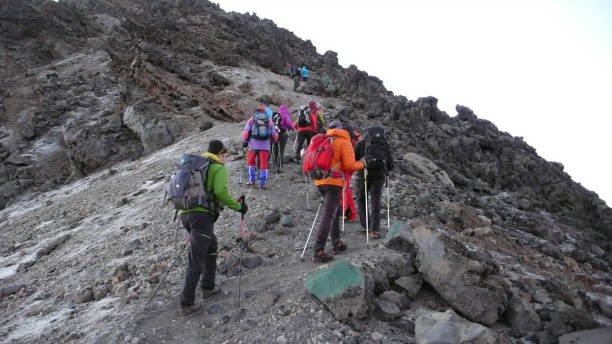
Safest Kilimanjaro Route 2026-2027
The safest Kilimanjaro route for most climbers is generally a longer route that provides enough time for gradual acclimatization before reaching Uhuru Peak at 5,895 metres.
For many first time climbers, the 8 Day Lemosho Route is one of the strongest overall choices because it combines a gradual ascent, excellent acclimatization opportunities and a balanced trekking schedule.
The Northern Circuit can provide even more time for altitude adaptation, while the 7 Day Machame Route is another excellent option for climbers who want a slightly shorter itinerary with a good acclimatization profile.
Safety on Kilimanjaro depends on much more than the route name. Guide experience, daily health monitoring, pacing, hydration, equipment, weather conditions and emergency procedures all influence the overall safety of the expedition.
Safest Kilimanjaro Routes at a Glance
- Safest overall choice: 8 Day Lemosho Route
- Best for maximum acclimatization: Northern Circuit
- Best seven day option: 7 Day Machame Route
- Best hut route: 6 Day Marangu Route
- Best quieter northern approach: Rongai Route
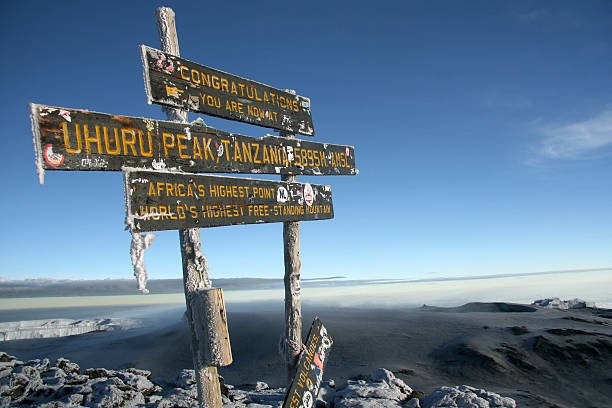
- Highest point: Uhuru Peak, 5,895 metres
- Recommended duration: Generally 7 to 9 days where possible
- Main safety priority: Acclimatization rather than speed
What Is the Safest Kilimanjaro Route?
There is no route that can guarantee a completely risk free Kilimanjaro climb.
However, routes with longer itineraries usually provide more time for the body to adjust to decreasing oxygen levels as elevation increases.
This makes longer schedules particularly attractive for climbers who have never previously trekked above 4,000 metres.
For most travellers, an 8 Day Lemosho climb provides an excellent balance between trekking duration, altitude progression, scenery and recovery time.
Main Factors That Make a Kilimanjaro Route Safer
- Longer trekking duration
- Gradual altitude progression
- Good acclimatization profile
- Opportunities to walk high and sleep lower
- Daily health monitoring
- Professional licensed mountain guides
- Emergency oxygen availability
- Appropriate guide to climber support
- Clear emergency descent procedures
8 Day Lemosho Route – Safest Overall Kilimanjaro Route
The 8 Day Lemosho Route is one of the strongest choices for travellers who want to prioritize safety and acclimatization.
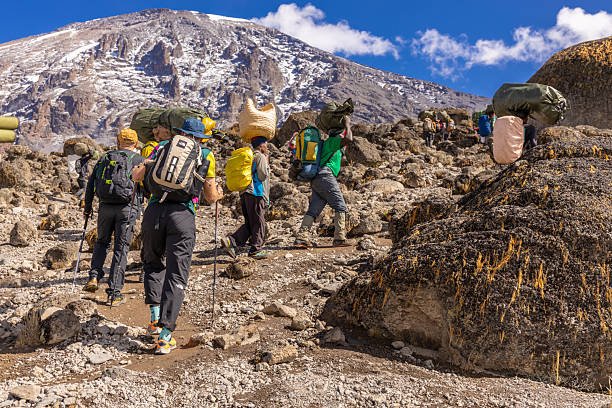
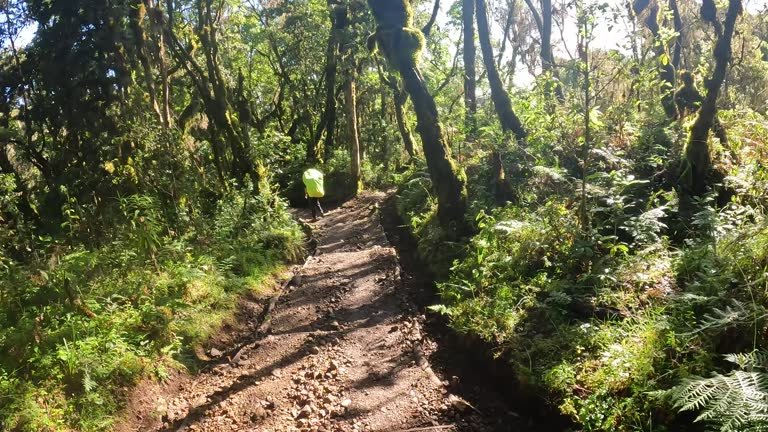
The climb begins on the western side of Mount Kilimanjaro and gradually moves through rainforest toward the Shira Plateau.
From there, climbers continue toward Lava Tower, Barranco, Karanga and Barafu before attempting the summit.
The longer schedule allows more time for the body to adjust to elevation and creates several opportunities for gradual altitude exposure.
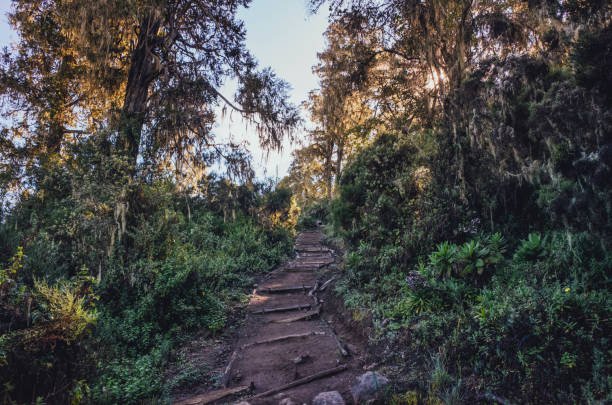
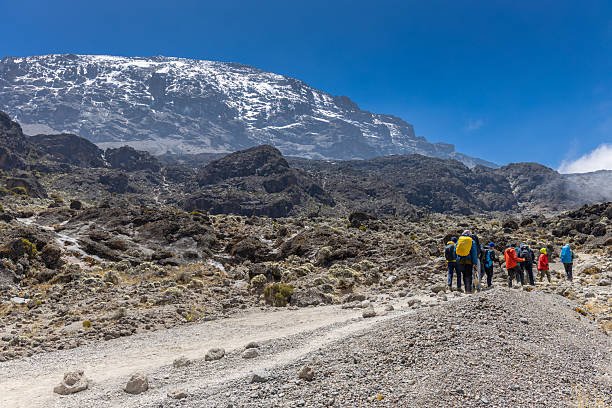
Lemosho also provides a diverse trekking environment, moving through rainforest, heath, moorland, alpine desert and high mountain terrain.
Why 8 Day Lemosho Is One of the Safest Routes
- Eight trekking days
- Gradual western approach
- Good altitude progression
- Lava Tower acclimatization opportunity
- More time to recover between trekking stages
- Excellent route for many first time climbers
- Well balanced summit preparation
7 Day Lemosho Route
The 7 Day Lemosho Route follows much of the same scenic western approach as the eight day version.
It remains a strong option for travellers who want the benefits of Lemosho but have one fewer day available.
The itinerary normally continues across Shira Plateau before joining the southern Kilimanjaro circuit.
Although seven days can provide useful acclimatization, climbers with enough time may prefer the eight day version because the extra day creates a more gradual overall schedule.
Northern Circuit – Safest for Maximum Acclimatization Time
The Northern Circuit is one of the longest established routes on Mount Kilimanjaro.
It begins from the western side of the mountain and eventually continues around the quieter northern slopes.
The additional trekking days provide more time for climbers to adapt to altitude before summit night.
This makes the Northern Circuit particularly attractive for travellers whose highest priority is a gradual altitude schedule.
The main disadvantage is that the route requires more time and usually costs more than shorter itineraries.
Why Choose the Northern Circuit?
- Longer trekking itinerary
- More time for acclimatization
- Gradual progression toward summit altitude
- Quieter northern section
- Good choice for travellers with additional time
- Excellent expedition style experience
7 Day Machame Route – Safest Popular Alternative
The 7 Day Machame Route is another strong choice for climbers prioritizing safety while keeping the itinerary to seven days.
The route begins at Machame Gate and travels through rainforest toward Shira Camp.
Climbers later pass Lava Tower, Barranco, Karanga and Barafu before the final summit ascent.
The route includes useful sections where climbers reach higher elevations during the day before descending to sleep at a lower altitude.
This type of profile can support the acclimatization process.
The seven day version is generally preferable to the shorter six day itinerary for travellers who have enough time.
6 Day Machame Route
The 6 Day Machame Route follows a similar path to the seven day version but compresses the trekking schedule.
It can be suitable for fit travellers with limited time, but the shorter itinerary also means fewer opportunities for gradual acclimatization.
For first time high altitude trekkers, choosing seven days instead of six can provide a more comfortable progression.
The lowest price or shortest itinerary should therefore not be the only factor considered when choosing between Machame options.
Marangu Route – Safest Kilimanjaro Route with Huts
The Marangu Route is the main Kilimanjaro route where climbers sleep in mountain huts rather than camping tents.
This can make the route attractive to travellers who prefer permanent sleeping structures.
Marangu normally has five and six day itinerary options.
From a safety and acclimatization perspective, the six day itinerary is generally preferable because it includes additional time on the mountain.
Marangu May Be Suitable If You Prefer
- Mountain huts instead of tents
- A clearly established trail
- A southeastern approach
- Six days rather than the shorter five day option
- Permanent sleeping structures
Rongai Route – Safer Quieter Northern Approach
The Rongai Route approaches Mount Kilimanjaro from the northern side near the Kenya border.
It can provide a quieter trekking experience than some of the more heavily travelled southern routes.
The route generally has a gradual early profile and can appeal to travellers who want a less crowded mountain experience.
Rongai normally descends via the Marangu side, allowing climbers to experience different sides of Kilimanjaro.
Choosing a longer Rongai itinerary is preferable when additional acclimatization time is available.
Which Kilimanjaro Route Has the Best Acclimatization?
Longer routes generally provide stronger acclimatization opportunities than shorter schedules.
The Northern Circuit and 8 Day Lemosho are particularly attractive because they provide additional trekking days before summit night.
Seven Day Machame also includes a useful altitude profile and passes through Lava Tower before descending toward Barranco.
Acclimatization cannot guarantee that a climber will avoid altitude sickness, but additional time can help the body adjust more gradually.
Safest Kilimanjaro Route for Beginners
For beginners, the safest route is generally one that avoids unnecessarily rapid altitude gain.
The 8 Day Lemosho Route is an excellent option for many first time climbers because it provides enough time for gradual acclimatization.
The Northern Circuit can also be attractive for travellers who have more days available.
Seven Day Machame provides another good option for active beginners who are physically prepared.
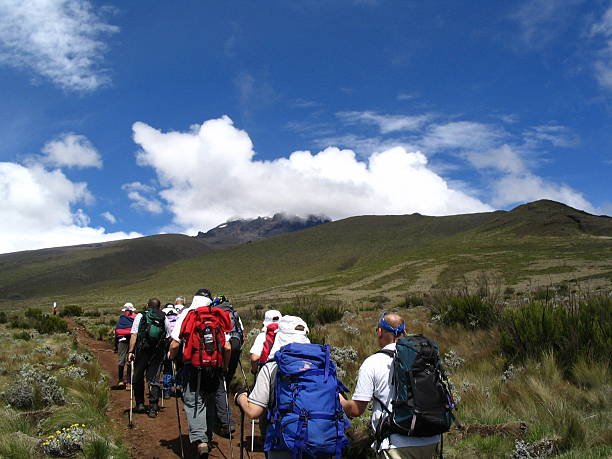
Beginners should remember that technical climbing experience is not normally required on the standard Kilimanjaro trekking routes, but good preparation and respect for altitude remain extremely important.
Safest Kilimanjaro Route for Older Climbers
Older climbers should generally prioritize a gradual itinerary rather than trying to complete the mountain quickly.
A longer Lemosho or Northern Circuit schedule can provide additional recovery time between trekking stages.
Age alone does not determine whether a person can climb Kilimanjaro, but individual medical history, fitness and altitude response should be considered carefully.
Travellers with existing medical concerns should discuss high altitude trekking with an appropriate medical professional before travelling.
Safest Kilimanjaro Route for Families
Families should place safety, acclimatization and flexibility above speed.
A private longer itinerary can provide more flexibility than a short group departure because walking pace and daily arrangements can be adjusted according to the group.
Families with younger climbers should also confirm current park requirements and discuss age, trekking experience and individual health before selecting the route.
An 8 Day Lemosho itinerary can be particularly attractive for families seeking a gradual trekking schedule.
Safest Route for Solo Kilimanjaro Climbers
Solo travellers can climb Kilimanjaro privately or join scheduled group departures.
Lemosho and Machame are popular for group joining climbs and therefore provide many options for solo travellers.
The route itself should still be selected according to acclimatization and itinerary length rather than simply joining the first available departure.
Solo climbers should also confirm that the operator provides professional guides, emergency equipment and appropriate mountain support.
Is the Easiest Route Also the Safest?
Not necessarily.
A trail that appears physically easier can still involve significant altitude exposure.
Altitude sickness is related to elevation and the speed of ascent rather than simply trail steepness.
This means that a longer route with more trekking days may be safer than a shorter route that appears easier on a map.
When comparing routes, climbers should therefore focus on acclimatization profile rather than only physical difficulty.
Does the Shortest Kilimanjaro Route Have More Risk?
Short itineraries provide less time for the body to acclimatize.
For example, completing a route in five or six days can create a faster altitude progression than spending seven, eight or nine days on the mountain.
This does not mean every climber on a short route will experience problems.
However, travellers who have enough time should generally consider longer itineraries rather than deliberately rushing the ascent.
Altitude Sickness and Kilimanjaro Safety
Altitude sickness is one of the most important safety considerations on Mount Kilimanjaro.
Symptoms can include headache, nausea, unusual fatigue, dizziness, poor appetite and difficulty sleeping.
More serious altitude related illness requires immediate professional assessment and can make descent necessary.
Climbers should always report symptoms honestly rather than hiding discomfort because they are worried about missing the summit.
Important Altitude Safety Practices
- Walk slowly and maintain a steady pace
- Drink enough water
- Eat regularly even when appetite decreases
- Report headaches and unusual symptoms
- Attend daily health checks
- Follow guide instructions
- Do not hide worsening symptoms
- Descend when the guide determines it is necessary
Daily Health Monitoring on Kilimanjaro
A professional Kilimanjaro team should monitor climbers throughout the expedition.
Guides can ask about symptoms, energy levels, appetite, sleep quality and general condition.
Pulse oximeter readings may also be used as part of daily health checks.
However, oxygen saturation readings should not be considered in isolation because symptoms and the overall condition of the climber are equally important.
Emergency Oxygen on Kilimanjaro
Emergency oxygen is an important part of responsible high altitude mountain operations.
It can provide temporary support during an emergency while guides organize the appropriate response.
Emergency oxygen should not be used as a way to force a climber to continue toward the summit when descent is medically necessary.
A professional guide should make decisions based on symptoms, overall condition and established mountain safety procedures.
Mountain Safety Equipment
- Emergency oxygen
- Pulse oximeter
- First aid equipment
- Communication equipment according to operation
- Emergency descent procedures
- Professional guide supervision
Why Your Kilimanjaro Guide Is Important for Safety
The quality and experience of the mountain guide can be just as important as the route itself.
Guides spend several days observing each climber and can recognize changes in walking speed, energy, appetite and behaviour.
Experienced guides should encourage slow pacing and make conservative decisions when a climber's condition becomes concerning.
A responsible guide will always place health above reaching the summit.
Summit Night Safety
Summit night is usually the most physically demanding section of a Kilimanjaro climb.
Climbers normally begin during the night and ascend toward Stella Point, Gilman's Point or Uhuru Peak depending on the route.
Cold temperatures, darkness, fatigue and extreme altitude make careful pacing particularly important.
Guides should monitor climbers closely and provide additional assistance when needed.
Turning around before the summit can sometimes be the safest and most responsible decision.
Weather and Kilimanjaro Safety
Weather conditions can change rapidly on Mount Kilimanjaro.
Rain, wind, cold temperatures, snow and poor visibility can all influence trail conditions.
Climbers should carry appropriate waterproof layers, warm clothing and reliable trekking equipment.
Weather conditions should be considered together with altitude and personal condition when making mountain decisions.
Best Time to Climb Kilimanjaro Safely 2026-2027
Kilimanjaro can be climbed during different parts of the year.
However, drier periods are often preferred because trail conditions can be more comfortable.
Wet weather can make trails muddy and slippery, particularly in the rainforest sections.
Cold temperatures remain possible throughout the year, especially at high altitude and during summit night.
Travellers should therefore prepare for changing conditions regardless of the month they choose.
Lemosho vs Machame for Safety
Lemosho and Machame are both excellent Kilimanjaro routes.
The main safety advantage of Lemosho is that it can easily be organized as an eight day itinerary.
Seven Day Machame also provides a useful acclimatization profile and remains one of the strongest shorter alternatives.
Travellers with eight days available may prefer Lemosho, while those with seven days can consider Machame or seven day Lemosho.
Lemosho or Machame for Safety?
- Choose 8 Day Lemosho: If you want more trekking time and a gradual western approach.
- Choose 7 Day Machame: If you have seven days and want strong acclimatization with dramatic scenery.
- Avoid choosing only by price: The extra acclimatization day can be more important than saving a small amount.
Lemosho vs Northern Circuit for Safety
Both routes offer excellent acclimatization opportunities.
The Northern Circuit generally involves more trekking days and therefore provides additional time for altitude adaptation.
Lemosho provides a slightly shorter expedition while still maintaining a strong acclimatization profile.
For many travellers, 8 Day Lemosho provides the best balance between safety, time, scenery and overall cost.
For travellers who have more time and want maximum acclimatization, the Northern Circuit can be particularly attractive.
Machame vs Marangu for Safety
Machame and Marangu offer different trekking experiences.
Seven Day Machame provides more trekking days than the common five day Marangu itinerary and includes useful acclimatization sections.
Six Day Marangu adds an extra mountain day and is preferable to the shorter five day option when time permits.
Travellers choosing between the two should compare itinerary length rather than simply assuming one trail is easier.
How Many Days Are Safest for Kilimanjaro?
For many climbers, seven to nine trekking days provide a strong balance between acclimatization and total trip duration.
Eight day itineraries are particularly attractive because they provide more time for gradual altitude exposure without making the expedition excessively long.
Nine day routes can provide even more acclimatization opportunities.
Five and six day itineraries are available but require a faster altitude progression.
Does a Longer Kilimanjaro Route Guarantee Safety?
No route can guarantee complete protection from altitude related illness or other mountain risks.
Every person responds differently to high altitude.
A longer itinerary provides additional time for acclimatization, but climbers must still monitor symptoms, walk slowly and follow guide instructions.
Safety should always take priority over summit ambitions.
What Is Included in a Safe Kilimanjaro Climbing Package?
A professional Kilimanjaro package should include the mountain logistics and support required for a well organized expedition.
Typical Kilimanjaro Package Inclusions
- Professional licensed mountain guides
- Assistant guides according to group size
- Mountain cook and porters
- Kilimanjaro National Park fees
- Camping or hut fees
- Mountain tents on camping routes
- Dining tent, tables and chairs according to package
- Three meals per day during the trek
- Drinking water
- Emergency oxygen
- Pulse oximeter monitoring
- First aid equipment
- Transfers to and from the mountain gates
- Summit certificate after the climb
- Hotel accommodation when included
- Airport transfers when included
Typical Kilimanjaro Route Exclusions
- International flights
- Visa expenses
- Travel insurance
- Personal trekking equipment unless specified
- Mountain crew gratuities
- Personal expenses
- Alcoholic drinks
- Optional private toilet unless included
- Additional hotel nights outside the package
- Safari or Zanzibar extensions unless specified
Essential Equipment for a Safer Kilimanjaro Climb
Proper trekking equipment can significantly improve comfort and reduce avoidable risks.
Climbers should prepare for rain, cold temperatures, strong sunshine and freezing summit conditions.
Important Kilimanjaro Gear
- Waterproof trekking boots
- Warm sleeping bag
- Waterproof jacket and trousers
- Insulated down or synthetic jacket
- Thermal base layers
- Warm gloves
- Warm hat
- Sun hat
- Sunglasses
- Headlamp with spare batteries
- Trekking poles
- Daypack
- Water bottles or hydration system
Training for a Safer Kilimanjaro Climb
Physical preparation cannot eliminate altitude risk, but it can help climbers handle the long trekking days more comfortably.
Training should include regular walking, hiking, cardiovascular exercise and leg strengthening.
Long weekend hikes can help prepare the body for consecutive days of trekking.
Climbers should also practice using the boots, backpack and trekking poles they intend to use on the mountain.
Safest Kilimanjaro Route and Safari Combination
Lemosho and Machame work particularly well for travellers combining Kilimanjaro with a Tanzania safari.
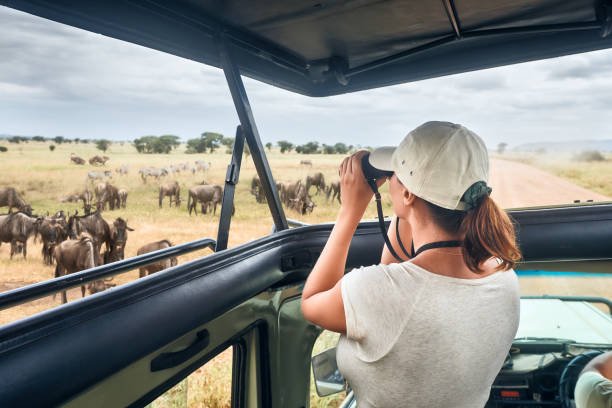
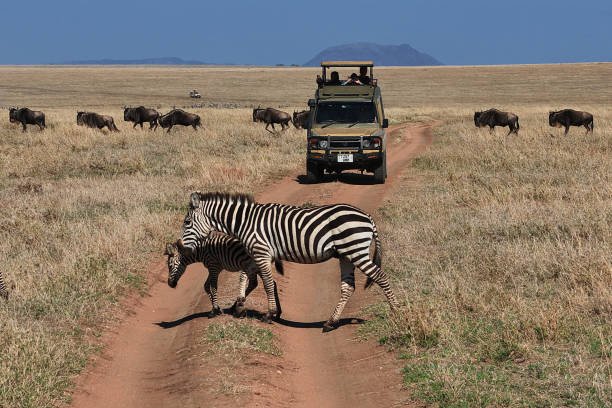
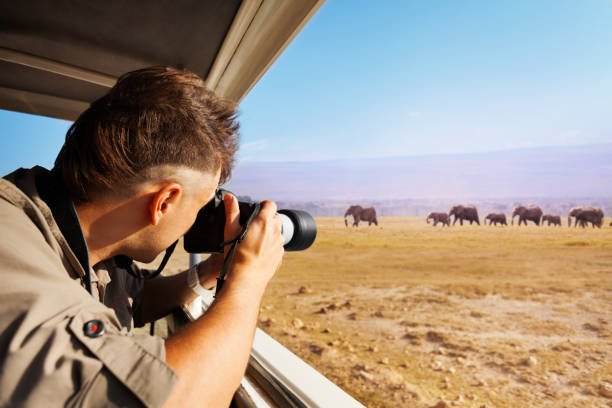
After descending from Kilimanjaro, travellers can rest before continuing toward Tarangire, Lake Manyara, Ngorongoro or Serengeti.
The safari does not significantly influence the safety of the chosen mountain route.
The most important consideration remains allocating enough days to the mountain itself.
Safest Kilimanjaro Route and Zanzibar Combination
Any Kilimanjaro route can be combined with Zanzibar.
Many travellers prefer to complete the climb first before travelling to Zanzibar for rest and relaxation.
A safari can also be added between Kilimanjaro and Zanzibar.
Travellers should leave enough recovery and transfer time after descending from the mountain before booking tight onward flight connections.
How to Choose the Safest Kilimanjaro Route
Begin by deciding how many trekking days you realistically have available.
If you have eight days, Lemosho is one of the strongest overall choices.
If you have nine days or more and want a longer expedition, consider the Northern Circuit.
If you have seven days, Machame or Lemosho can both be suitable options.
If hut accommodation is important, six day Marangu can be considered.
The final choice should take into account your previous altitude experience, health, fitness, budget, trekking preferences and available travel time.
Our Recommended Safest Kilimanjaro Routes for 2026-2027
For most first time climbers, the 8 Day Lemosho Route is our strongest overall recommendation because it offers a good balance of gradual altitude progression, trekking duration and scenery.
For travellers who have additional time and want to maximize acclimatization opportunities, the Northern Circuit is an excellent choice.
The 7 Day Machame Route is another strong option for travellers who want a popular scenic route within a seven day schedule.
The safest choice should always be based on the individual traveller and not only on the popularity of the route.
Frequently Asked Questions About the Safest Kilimanjaro Route
What is the safest Kilimanjaro route?
For many climbers, the 8 Day Lemosho Route is one of the safest overall choices because it provides a gradual ascent and several opportunities for acclimatization.
Which Kilimanjaro route has the best acclimatization?
The Northern Circuit and 8 Day Lemosho provide some of the strongest acclimatization opportunities because they use longer trekking schedules.
Is Lemosho safer than Machame?
Eight Day Lemosho generally provides more trekking time than Seven Day Machame, although both routes can offer good acclimatization when properly planned.
Is Northern Circuit safer than Lemosho?
Northern Circuit usually provides more mountain days and additional acclimatization time, while 8 Day Lemosho offers an excellent balance between safety, duration and overall trip cost.
What is the safest Kilimanjaro route for beginners?
Eight Day Lemosho is an excellent option for many beginners because it provides a gradual altitude schedule before summit night.
Is 6 Day or 7 Day Machame safer?
Seven Day Machame is generally preferable when time allows because the additional day provides more time for acclimatization.
Is 5 Day or 6 Day Marangu safer?
Six Day Marangu is generally preferable because the additional day provides more time for altitude adjustment.
Can altitude sickness happen on the safest route?
Yes. Altitude sickness can affect climbers on any route because individual responses to elevation vary significantly.
Does emergency oxygen make Kilimanjaro safer?
Emergency oxygen is an important safety resource, but it should support professional emergency management rather than replace necessary descent.
How many days are safest for Kilimanjaro?
For many climbers, seven to nine trekking days provide a stronger acclimatization schedule than the shortest available itineraries.
Is Kilimanjaro safe for solo travellers?
Yes. Solo travellers can join scheduled group departures or arrange private climbs with professional mountain support.
What happens if I become sick on Kilimanjaro?
Your guide should assess your symptoms and condition. Depending on the situation, additional monitoring, assistance or descent may be necessary.
Can I combine a safe Kilimanjaro climb with a safari?
Yes. Kilimanjaro can easily be combined with Tarangire, Lake Manyara, Ngorongoro and Serengeti after completing the mountain.
Can I visit Zanzibar after Kilimanjaro?
Yes. Many travellers visit Zanzibar after completing Kilimanjaro, either directly after the climb or after a Tanzania safari.
How do I choose the Safest Kilimanjaro Route 2026-2027?
Start with the number of trekking days available and prioritize gradual acclimatization. For many travellers, comparing 8 Day Lemosho, Northern Circuit and 7 Day Machame provides an excellent starting point.
Choose Your Safest Kilimanjaro Route 2026-2027
Choose your Kilimanjaro route based on acclimatization time, trekking duration, previous altitude experience and professional mountain support. Compare 8 Day Lemosho, Northern Circuit, 7 Day Machame, Marangu and Rongai before selecting the safest itinerary for your climb.
Choose Your Safest Kilimanjaro Route

 Kilimanjaro Climb