Serengeti Wildebeest Calving Tour
A Serengeti Wildebeest Calving Tour is one of the most fascinating seasonal wildlife experiences available in northern Tanzania.
During the early months of the year, large numbers of wildebeest gather across the short grass plains of the southern Serengeti ecosystem, including the Ndutu area, where many females give birth.
The combination of newborn calves, large grazing herds, green plains and predator activity creates a completely different Serengeti experience from the famous dry season migration and river crossing period.
Instead of focusing on animals crossing rivers, a calving safari concentrates on new life, mother and calf behaviour, predator interactions and enormous herds spread across productive seasonal grasslands.
The exact distribution of the migration changes according to rainfall and grazing conditions, so the safari should remain flexible rather than depending on one fixed wildlife location.
Serengeti Calving Safari at a Glance
- Main season: January to March.
- Core area: Southern Serengeti and Ndutu short grass plains.
- Main experience: Wildebeest mothers, newborn calves and migration herds.
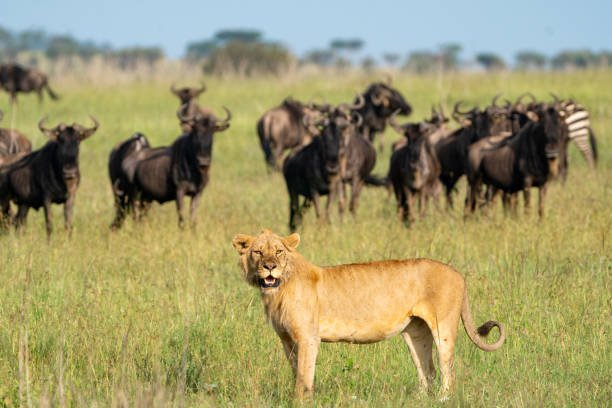
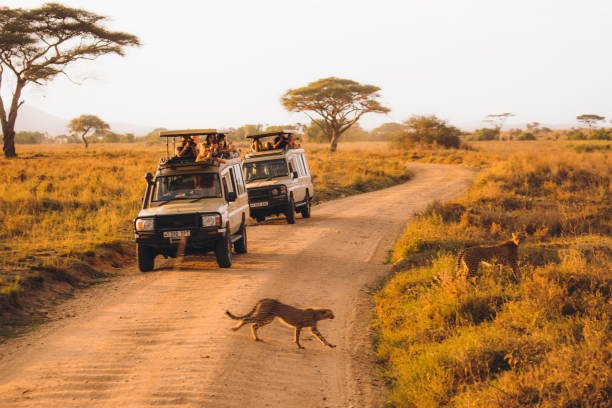
- Predators: Lions, cheetahs, hyenas and other carnivores may be encountered.
- Landscape: Green seasonal grasslands and dramatic skies.
- Safari style: Private or group joining.
- Accommodation: Camping, tented camps or lodges.
- Starting point: Moshi or Arusha.
What Is the Serengeti Wildebeest Calving Season?
The calving season is a stage of the wider Great Migration when many pregnant wildebeest gather around productive short grass plains and give birth.
The landscape provides fresh grazing required by mothers producing milk for their calves.
Large concentrations of wildebeest can spread across different areas rather than remaining in one tightly packed herd.
Travellers should therefore think of the calving season as a moving natural event across a wider ecosystem rather than an attraction at one fixed viewing point.
Best Time for a Serengeti Wildebeest Calving Tour
January through March is the main period to consider for a wildebeest calving safari.
However, the exact distribution of herds and the concentration of newborn calves depend on rainfall, fresh grass and wider migration movement.
February is particularly popular for calving focused travel, while January and March can also provide excellent wildlife experiences.
Calving Season Planning
- January can bring large herds into southern grazing areas.
- February is strongly associated with peak calving activity.
- March can continue to provide calves, green landscapes and migration activity.
- Rainfall affects where the herds concentrate.
- No exact birth location can be guaranteed.
- Wildlife movements should guide the daily game drive plan.
January Serengeti Calving Safari
January is an excellent time to begin following the southern migration period.
Seasonal rains can create fresh grazing across the plains and encourage large herds to use southern parts of the ecosystem.
Some calves may already be present, while pregnant females continue gathering in productive grazing areas.
The landscape can be beautifully green, making January attractive to photographers who prefer colourful scenery rather than dry golden grasslands.
February Wildebeest Calving Safari
February is one of the most sought after months for travellers specifically interested in wildebeest calving.
Many newborn calves can be present across the southern short grass plains when seasonal conditions align.
Large concentrations of vulnerable young animals can also create opportunities to observe predator activity.
The exact wildlife experience remains unpredictable, and visitors should never expect a hunt or birth to happen on demand.
March Serengeti Calving Safari
March can continue to provide excellent opportunities to observe mothers and growing calves.
Young wildebeest become stronger and more mobile as the season progresses.
The plains can remain green while migration movement gradually responds to changes in rainfall and grazing.
Rainfall can become more frequent, so a reliable safari vehicle and flexible game drive plan become increasingly useful.
Ndutu Calving Safari
Ndutu is one of the best known areas associated with the calving season.
The wider Ndutu and southern Serengeti ecosystem provides short grass habitat used by large seasonal herds when conditions are suitable.
Wildlife distribution can change daily, so game drives may cover a wide area searching for the strongest concentrations.
Staying within or close to the seasonal wildlife area reduces unnecessary driving and provides more time for game viewing.
Southern Serengeti Short Grass Plains
The southern short grass plains become especially important during the wet season migration stage.
Fresh grass provides valuable grazing for pregnant and nursing wildebeest.
The open landscape can also provide excellent visibility for game drives and photography.
Large herds may appear to stretch across the horizon when conditions bring animals together.
Why Do Wildebeest Calve in the South?
The seasonal short grass environment provides productive grazing for wildebeest mothers.
Fresh grasses help support females during pregnancy and while nursing newborn calves.
The landscape is also part of the wider annual migration cycle, with animals moving according to changing rainfall, grass and water conditions.
Newborn Wildebeest Calves
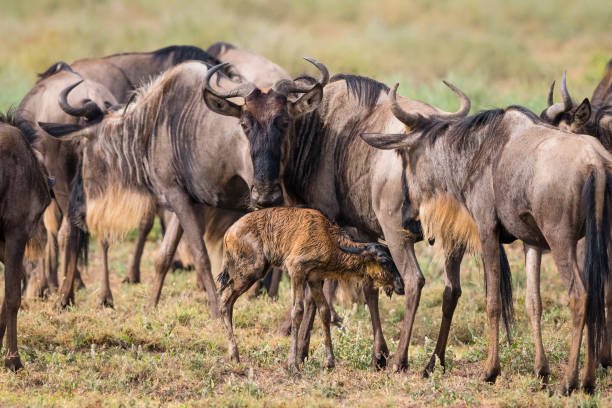
One of the most memorable parts of a calving safari is watching very young calves remain close to their mothers.
Newborn wildebeest need to become mobile quickly because they are born into an ecosystem containing many predators.
Travellers may see calves resting, feeding, running beside their mothers or becoming mixed among enormous groups of adults.
All viewing should remain respectful and should never interfere with natural behaviour.
Calving Safari Highlights
- Wildebeest mothers with newborn calves
- Large grazing herds
- Young calves learning to move with the herd
- Green short grass plains
- Predator activity
- Excellent wildlife photography
- Seasonal birdlife
- Changing migration movements
Predators During Calving Season
The presence of large numbers of wildebeest and vulnerable young calves can attract predators.
Lions, cheetahs and hyenas may all be encountered during a calving focused safari.
Predator behaviour remains completely natural and cannot be scheduled or guaranteed.
Some game drives may produce dramatic interactions, while others may focus primarily on grazing herds, mothers and calves.
Lion Viewing During Calving Season
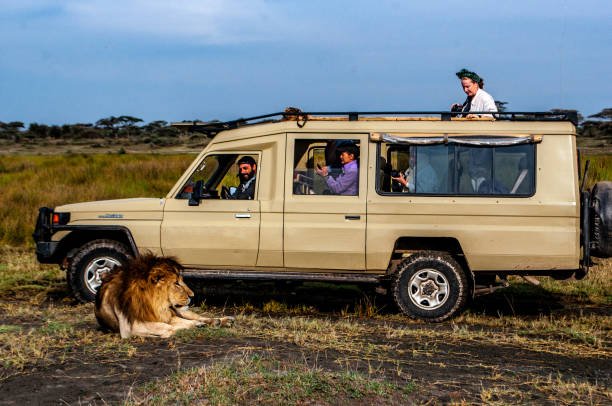
Lions can be found across suitable habitats in the southern Serengeti ecosystem.
Prides may spend time close to areas containing large prey concentrations.
Visitors may see lions resting, walking through grasslands or observing herds from a distance.
Hunting behaviour should never be guaranteed because wildlife follows its own rhythms.
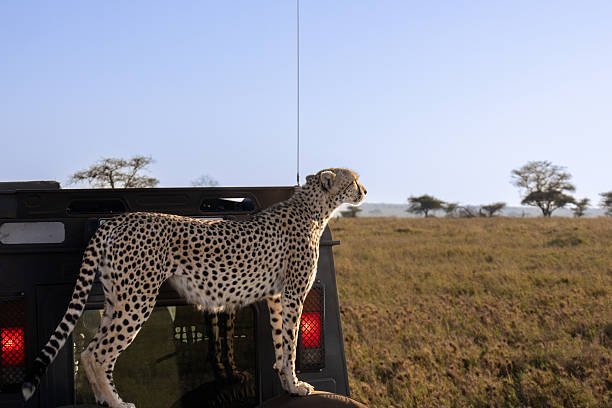
Cheetahs During Calving Season
The open southern plains provide suitable habitat for cheetahs.
Good visibility across short grass allows these predators to scan wide areas.
Cheetahs may be seen resting, travelling or searching for prey.
A professional driver guide can help locate animals while maintaining appropriate wildlife viewing distances.
Hyenas and Calving Herds
Hyenas are important predators and scavengers within the Serengeti ecosystem.
They may be encountered alone or in groups around areas with strong wildlife concentrations.
A calving safari provides an opportunity to understand these animals as part of a complete ecosystem rather than viewing them only as competitors with lions.
Leopards During a Calving Safari
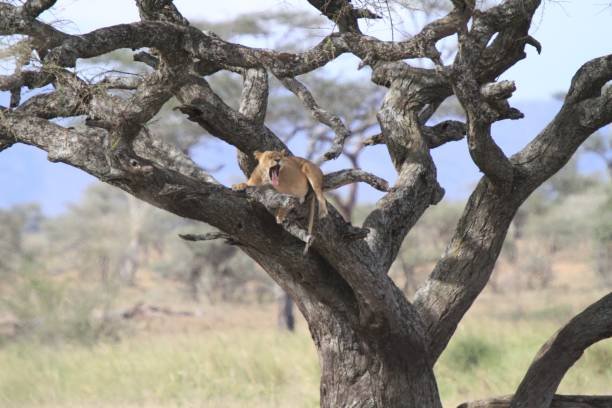
Leopards may also be encountered, although they are generally more elusive than lions, cheetahs or hyenas on open plains.
Game drives around woodland, trees and suitable cover may provide opportunities depending on the itinerary.
Wildlife Beyond Wildebeest
A Serengeti Wildebeest Calving Tour is not limited to wildebeest.
Many other animals use the same ecosystem.
- Zebras
- Gazelles
- Lions
- Cheetahs
- Hyenas
- Jackals
- Giraffes in suitable habitats
- Elephants in different parts of the wider ecosystem
- Warthogs
- Many bird species
Zebras and the Great Migration
Zebras are commonly associated with the wider migration ecosystem and may be seen among or near wildebeest herds.
The two species use grazing resources differently, creating complex relationships across the plains.
Mixed herds also create dramatic photography opportunities when animals gather across open landscapes.
Calving Season Photography
The calving season is excellent for wildlife photography because it combines large herds, newborn animals, predators and green landscapes.
Photographers can focus on both wide environmental scenes and intimate behaviour between mothers and calves.
Morning and late afternoon light can provide softer conditions than the middle of the day.
Photography Opportunities
- Newborn wildebeest calves
- Mother and calf interactions
- Large migration herds
- Predators
- Green seasonal plains
- Storm clouds and dramatic skies
- Zebra and wildebeest herds together
- Birdlife
Green Season Serengeti
Calving season takes place during the greener period of the Serengeti year.
Seasonal rains transform many areas into fresh grasslands and can create dramatic photographic conditions.
The scenery is therefore very different from July, August and September, when much of the landscape can become dry and golden.
Does Rain Ruin the Calving Safari?
No.
Rain is part of the environmental cycle that creates the fresh grass supporting the migration during this season.
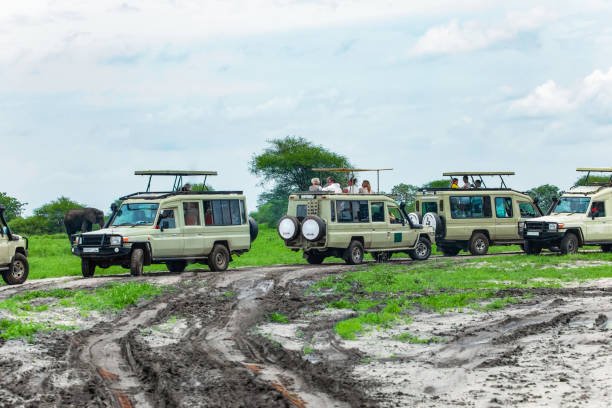
However, strong rainfall can make some roads muddy and increase driving times.
A capable safari vehicle and experienced driver guide are important during wet or changing road conditions.
January to March Weather
Conditions can vary between sunshine, warm daytime temperatures, cloud and seasonal rainfall.
Mornings may feel cool in an open safari vehicle.
Travellers should pack layers and include lightweight rain protection rather than expecting constant hot and dry weather.
Birdwatching During Calving Season
The greener months can also be rewarding for birdwatching.
Healthy seasonal wetlands and grasslands support varied birdlife, while migrants can add further diversity.
Binoculars are useful even for travellers primarily interested in mammals.
Ndutu vs Central Serengeti
Ndutu and southern Serengeti are especially important for calving focused safaris during the appropriate season.
Central Serengeti provides strong resident wildlife throughout the year and can be added to a longer trip.
If the main objective is newborn wildebeest and southern migration herds, spending enough time around the seasonal southern area is generally more important than using most safari days in central Serengeti.
Should You Add Central Serengeti?
Yes, when the safari duration allows.
Combining southern migration areas with central Serengeti creates additional opportunities for resident predators, varied landscapes and broader wildlife viewing.
A longer itinerary provides this variety without sacrificing the main calving focus.
Serengeti Calving and Ngorongoro Crater
Ngorongoro Crater is one of the best additions to a wildebeest calving safari.
The itinerary can combine southern Serengeti and Ndutu wildlife with a separate crater game drive.
This creates two contrasting safari environments within one trip.
3 Day Wildebeest Calving Tour
A three day calving safari is possible when travel time is limited, although the itinerary must be planned efficiently.
Sample 3 Day Calving Safari
Day 1: Moshi or Arusha to the southern Serengeti or Ndutu area with wildlife viewing according to arrival time.
Day 2: Full day searching for migration herds, wildebeest calves and predators across suitable seasonal areas.
Day 3: Morning wildlife viewing followed by the agreed return or onward transfer.
4 Day Serengeti Wildebeest Calving Tour
Four days provides additional flexibility and can combine Ndutu or southern Serengeti with Ngorongoro Crater.
Sample 4 Day Calving Itinerary
Day 1: Moshi or Arusha to Ndutu Area
Travel toward the southern migration area and begin wildlife viewing depending on arrival time.
Day 2: Full Day Wildebeest Calving Safari
Search the short grass plains for migration herds, mothers, calves, predators and seasonal wildlife.
Day 3: Southern Serengeti Wildlife and Ngorongoro Area
Enjoy further wildlife viewing before travelling toward the Ngorongoro highlands according to the confirmed route.
Day 4: Ngorongoro Crater and Return
Descend for a crater game drive before returning toward Arusha or Moshi.
5 Day Wildebeest Calving Safari
Five days provides a stronger balance between travel and wildlife viewing.
Additional time can be spent around Ndutu and southern Serengeti before including Ngorongoro or central Serengeti.
Sample 5 Day Itinerary
Day 1: Moshi or Arusha to the southern safari area.
Day 2: Full day Ndutu and calving season wildlife safari.
Day 3: Additional southern Serengeti game drive focused on migration herds and predators.
Day 4: Wildlife viewing and transfer toward Ngorongoro.
Day 5: Ngorongoro Crater game drive followed by return.
6 Day Serengeti Calving Safari
Six days provides greater flexibility for photographers and travellers wanting several days in the migration area.
The itinerary can include southern Serengeti, Ndutu, central Serengeti and Ngorongoro without requiring major transfers every day.
Additional wildlife time is particularly useful because migration herds can move significantly even within the same week.
Private Wildebeest Calving Safari
A private safari provides your booking party with its own vehicle and professional driver guide.
This is especially useful during a calving safari because the guide can spend longer at wildlife scenes that interest your group.
Photographers and families can also benefit from the additional flexibility.
Group Joining Calving Safari
Group joining safaris can provide a more affordable way to experience the calving season.
Travellers share the safari vehicle and major operating costs.
Before booking, confirm that the departure genuinely focuses on Ndutu or the southern migration area rather than only central Serengeti.
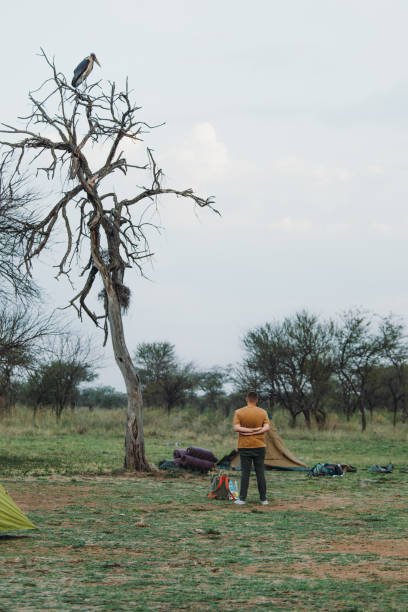
Camping Calving Safari
Camping provides an adventurous and budget conscious option.
Travel arrangements should clearly identify the campsite type, tent equipment, meals and sleeping setup.
Rain protection and suitable camping equipment are particularly important during the green season.
Tented Camp Calving Safari
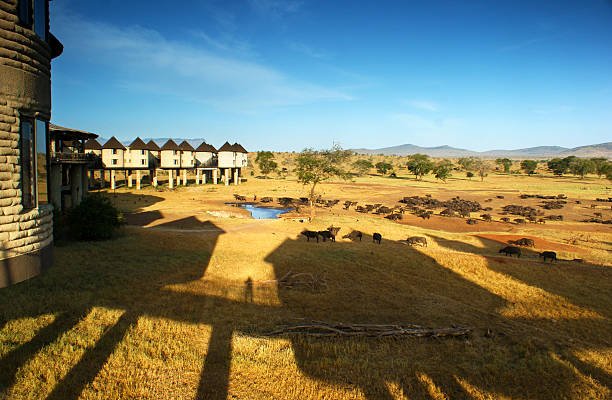
Seasonal tented camps are particularly useful for migration focused safaris because accommodation can be positioned closer to important wildlife areas.
Depending on the property, tents may include proper beds, bathrooms and dining facilities.
Availability can become limited during popular calving dates.
Lodge Calving Safari
Lodge accommodation provides permanent rooms and additional comfort.
Location remains important because staying far from the migration herds can increase daily driving time.
When comparing properties, consider wildlife access as well as room quality.
Luxury Calving Safari
A premium itinerary can include private transport, carefully selected seasonal accommodation and additional game drive flexibility.
Domestic flights can also be included when travellers prefer to reduce road travel.
The most important luxury is often spending more time in the correct wildlife area rather than simply choosing the most expensive room.
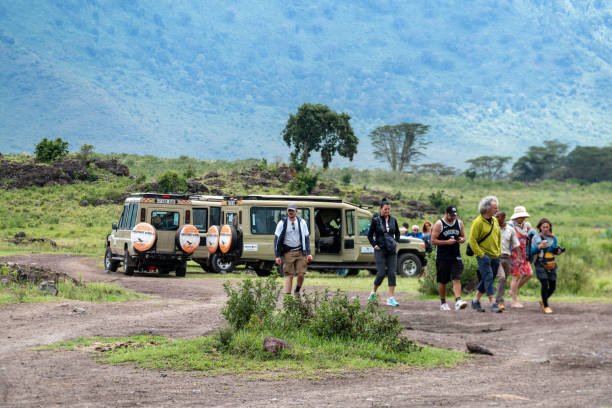
Safari Vehicle
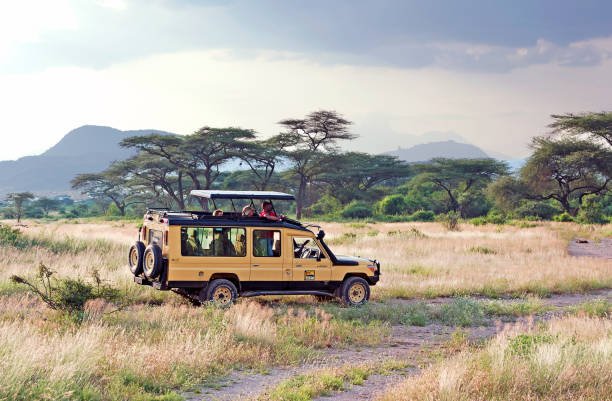
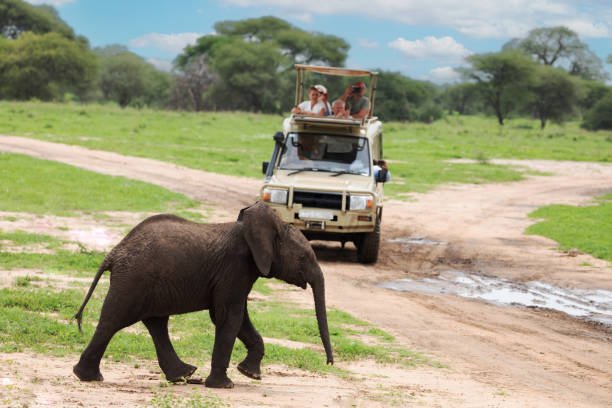
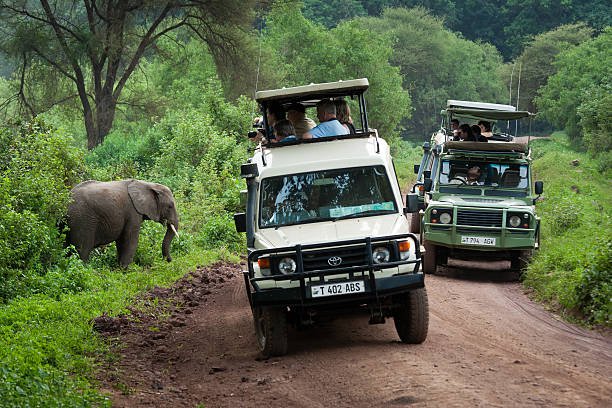
The calving safari is normally operated using a suitable 4x4 safari vehicle.
A pop up viewing roof provides excellent visibility during wildlife game drives.
Typical Safari Vehicle Features
- 4x4 safari vehicle
- Pop up viewing roof
- Passenger windows
- Safari luggage space
- Professional driver guide
- Seating according to vehicle configuration
Professional Safari Driver Guide
A professional driver guide is particularly important on a migration safari because wildlife locations change.
The guide searches the plains, follows current information and chooses game drive areas according to actual conditions rather than a rigid preplanned route.
The guide also interprets wildlife behaviour and ensures that viewing follows protected area regulations.
Full Day Calving Game Drive
Full day game drives provide more time to search for migration herds across the wider seasonal area.
The group can carry a packed lunch according to the safari program rather than returning to accommodation in the middle of the day.
This arrangement is especially useful for photographers.
Morning Wildlife Viewing
Early morning can provide pleasant temperatures and active predators.
Soft morning light is also attractive for photography.
Bring a warm layer because mornings can feel cool before temperatures rise.
Afternoon Wildlife Viewing
Afternoon game drives can provide additional opportunities as temperatures begin to cool.
Wildlife movement can change during the day, so having both morning and afternoon time increases the range of behaviour travellers may observe.
Responsible Wildlife Viewing
Calving season involves very young and vulnerable animals.
Safari vehicles should avoid interfering with mothers, calves or predators.
Travellers should remain inside approved vehicle arrangements and follow the professional guide's instructions.
Responsible Calving Safari
- Do not pressure wildlife for photographs.
- Do not separate mothers from calves.
- Never leave the vehicle to approach animals.
- Respect park and conservation area rules.
- Allow predators and prey to behave naturally.
- Follow your guide's instructions at all times.
Calving Safari from Moshi
The safari can begin from a confirmed hotel in Moshi.
This is convenient for travellers staying near Mount Kilimanjaro or completing a mountain climb before safari.
Because the southern Serengeti and Ndutu areas involve substantial road travel, an early departure or suitable overnight routing may be used according to the itinerary.
Calving Safari from Arusha
Arusha is another major starting point for the northern circuit.
Road itineraries can travel toward the Ngorongoro highlands and southern migration areas, while domestic flights may also be available according to the travel plan.
Road Safari or Fly In Safari?
A road safari is particularly useful when combining the calving season with Ngorongoro, Tarangire or Lake Manyara.
A fly in arrangement can reduce long transfers for travellers with limited time.
The right option depends on budget, luggage, available days and the complete Tanzania itinerary.
Calving Safari After Kilimanjaro
A Serengeti Wildebeest Calving Tour can be arranged after climbing Mount Kilimanjaro.
Climbers can return to Moshi, reorganise luggage and continue into safari after a suitable recovery period.
Mountain equipment not required for safari can often remain at an agreed storage location.
Calving Safari and Tarangire
Tarangire can be added for elephant viewing, baobab landscapes and additional habitat variety.
When adding another park, ensure the safari has enough days so that the calving area still receives sufficient wildlife viewing time.
Calving Safari and Lake Manyara
Lake Manyara can provide forest, wetland and Rift Valley landscapes before or after the southern Serengeti experience.
This creates additional habitat diversity within the northern circuit.
Calving Safari and Zanzibar
Zanzibar can be added after the wildlife safari for a beach extension.
Domestic flights, airport transfers and accommodation can be arranged around the final safari location.
Small aircraft baggage restrictions should be confirmed before travel.
What to Pack for a Calving Safari
- Comfortable safari clothing
- Light rain jacket
- Warm fleece for mornings
- Comfortable trousers
- Sun hat
- Sunglasses
- Sunscreen
- Comfortable closed shoes
- Camera
- Binoculars
- Personal medication
- Power bank
- Small day bag
Binoculars for Calving Season
Binoculars can significantly improve the safari experience.
They are useful for predators, birds and migration herds that remain away from safari roads.
They also allow wildlife observation without pressuring the guide to approach animals too closely.
Typical Package Inclusions
Your Calving Safari Can Include
- Pickup from confirmed Moshi or Arusha accommodation
- Safari adapted 4x4 vehicle
- Professional driver guide
- Southern Serengeti and Ndutu game drives according to itinerary
- Accommodation according to selected package
- Meals according to itinerary
- Drinking water according to package
- Applicable park and conservation charges when stated
- Road transfers within the confirmed safari
- Ngorongoro Crater game drive when included
Typical Exclusions
- International flights
- Visa costs unless stated
- Travel insurance
- Personal expenses
- Alcoholic and selected additional drinks unless stated
- Optional activities not listed in the itinerary
- Additional hotel nights unless stated
- Domestic flights unless stated
- Driver guide gratuities unless specifically included
Frequently Asked Questions About Serengeti Wildebeest Calving Tour
When is the Serengeti wildebeest calving season?
January through March is the main period for calving focused travel in the southern Serengeti ecosystem.
Which month is best for wildebeest calving?
February is particularly popular for peak calving activity, while January and March can also provide excellent experiences depending on seasonal conditions.
Where does wildebeest calving happen?
The main calving areas are associated with the southern Serengeti ecosystem, Ndutu and surrounding short grass plains.
Is Ndutu good for calving season?
Yes. Ndutu is one of the key areas used for calving focused safaris during the appropriate seasonal period.
Can I see newborn wildebeest?
Yes, newborn calves can be seen during the calving period, but exact births and individual sightings remain natural and unpredictable.
Can I watch a wildebeest giving birth?
It is possible to witness a birth by chance, but no guide can schedule or guarantee this natural event.
Are there lions during calving season?
Yes. Lions occur throughout the Serengeti ecosystem and may be encountered around areas containing large prey concentrations.
Can I see cheetahs?
Yes. The open southern plains provide suitable cheetah habitat, although individual sightings cannot be guaranteed.
Can I see hyenas?
Yes. Hyenas are an important part of the ecosystem and may be encountered around migration herds and other wildlife areas.
Are predator hunts guaranteed?
No. Hunting is natural wildlife behaviour and cannot be predicted or guaranteed on any game drive.
Is February crowded?
Popular calving areas can attract many safari vehicles, particularly when large herds or predators are concentrated in accessible locations.
Does it rain during calving season?
Seasonal rainfall is possible and contributes to the green grasslands supporting the migration during this period.
Is January good for a calving safari?
Yes. January can provide large southern migration herds, green scenery and early calving activity depending on conditions.
Is February good for a calving safari?
Yes. February is one of the most popular months for travellers specifically focused on wildebeest calving.
Is March good for calving season?
Yes. March can continue to provide mothers, young calves, green landscapes and migration activity.
Is calving season good for photography?
Yes. Green plains, newborn calves, large herds and predator activity can provide exceptional wildlife photography opportunities.
Should photographers book a private safari?
A private vehicle provides greater flexibility to remain at interesting wildlife scenes when conditions and protected area rules allow.
How many days are recommended?
Three days is possible, while four to six days provides more flexibility for southern migration areas, predators and combinations with Ngorongoro.
Can I combine calving season with Ngorongoro?
Yes. Ngorongoro Crater is one of the most practical additions to a southern Serengeti calving itinerary.
Can I add central Serengeti?
Yes. Central Serengeti can provide additional resident wildlife and predator viewing when enough safari days are available.
Can Tarangire be added?
Yes. Tarangire can add elephant viewing and baobab landscapes to a longer northern circuit itinerary.
Can the safari start in Moshi?
Yes. Pickup can be arranged from a confirmed Moshi hotel according to the safari package.
Can the safari start in Arusha?
Yes. Arusha is another common starting point for southern Serengeti and Ndutu safaris.
Can I choose camping?
Yes. Camping can provide a more adventurous and budget focused way to experience the calving season.
Are tented camps available?
Yes. Seasonal and permanent tented camps can provide convenient access to the southern migration areas.
Can I stay in safari lodges?
Yes. Lodge options can be included according to location, availability, comfort preference and budget.
Can solo travellers join a calving safari?
Yes. Solo travellers can book private trips or join suitable scheduled departures when seats are available.
Is calving season suitable for families?
Yes. Family itineraries can be designed around children's ages, accommodation needs and preferred game drive duration.
Can I visit after climbing Kilimanjaro?
Yes. A calving safari can begin from Moshi after a Kilimanjaro climb and suitable recovery period.
Can Zanzibar be added afterwards?
Yes. Zanzibar can be added after the safari using appropriate domestic flight and transfer arrangements.
Is wildlife guaranteed?
No. Migration locations, individual births, predator sightings and hunting behaviour remain natural and cannot be guaranteed.
How do I book a Serengeti Wildebeest Calving Tour?
Provide your January, February or March travel dates, number of travellers, preferred safari duration and accommodation style, then confirm whether you want a private or group joining safari and whether Ngorongoro, central Serengeti, Tarangire, Kilimanjaro or Zanzibar should be included.
Plan Your Serengeti Wildebeest Calving Tour
Explore the southern Serengeti and Ndutu during the calving season with professional wildlife game drives, carefully selected accommodation and an itinerary focused on migration herds, newborn calves, predators and green seasonal landscapes.
Plan Your Calving Season Safari

 Serengeti Safari
.jpg "Tanzania Safari for Two People 2026-2027")