Southern Serengeti Safari 2026-2027
Southern Serengeti Safari 2026-2027 offers one of the most rewarding seasonal wildlife experiences in Tanzania, especially for travellers interested in the Great Migration, calving season, predators and open grassland scenery.
The southern Serengeti ecosystem becomes especially productive when seasonal rainfall creates fresh short grass that attracts large concentrations of wildebeest, zebras and gazelles.
These herbivore concentrations can in turn attract lions, cheetahs, hyenas and other predators.
Because wildlife movement depends on rainfall and grazing rather than exact dates, the best safari plans allow flexibility between southern Serengeti, Ndutu and nearby productive areas.
Southern Serengeti Safari at a Glance
- Region: Southern Serengeti ecosystem
- Main wildlife focus: Great Migration, calving season and predators
- Popular nearby area: Ndutu
- Safari style: Private, group joining or fly-in
- Accommodation: Seasonal camps, midrange camps and luxury properties
- Best for: Migration, calving, predators, photography and families
- Popular combination: Ngorongoro and central Serengeti
- Optional extension: Zanzibar or Kilimanjaro
What Makes Southern Serengeti Special?
Southern Serengeti is known for extensive open plains, seasonal wildebeest concentrations and exceptional predator activity.
The landscape differs from the woodland and river environments found in other Serengeti regions.
When fresh grass develops, huge numbers of grazing animals can gather across the plains.
This creates excellent opportunities for travellers interested in wildlife behaviour, photography and the seasonal Great Migration cycle.
Why Choose Southern Serengeti?
- Great Migration herds during suitable seasons
- Wildebeest calving activity
- Excellent cheetah opportunities
- Strong lion and hyena activity
- Open landscapes for photography
- Seasonal migration camps
- Good combination with Ngorongoro
- Excellent choice for repeat game drives
Great Migration in Southern Serengeti
Southern Serengeti is one of the most important regions in the annual Great Migration cycle.
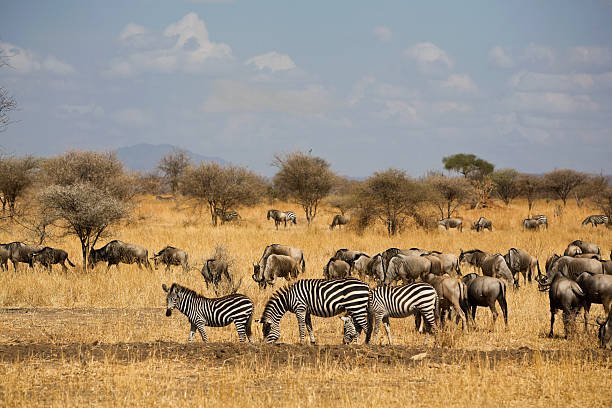
Large wildebeest and zebra herds can move toward the southern plains when rainfall creates nutritious grazing.
The exact timing and location vary each season because the migration follows environmental conditions rather than a fixed timetable.
Travellers focused on the migration should therefore choose flexible itineraries and accommodation that gives access to current herd areas.
Southern Serengeti Calving Season
The southern ecosystem is especially famous for the wildebeest calving season.
During the main calving period, large numbers of young wildebeest may be born across productive grasslands.
This creates one of the most dramatic wildlife periods in Serengeti because newborn animals must quickly adapt to life on the open plains.
The presence of vulnerable calves also attracts predators and creates strong opportunities to observe natural wildlife behaviour.
Ndutu and Southern Serengeti Safari
Ndutu is often included with Southern Serengeti because both areas form part of the wider seasonal migration ecosystem.
Wildlife can move between different areas according to rainfall, grass and water conditions.
Travellers may therefore spend time around Ndutu while also exploring productive southern Serengeti plains.
This combination is particularly valuable during migration and calving focused safaris.
Southern Serengeti Safari Highlights
- Large wildebeest concentrations
- Zebra herds
- Calving season wildlife
- Cheetah sightings
- Lion and hyena activity
- Open short grass plains
- Excellent photography conditions
- Seasonal migration camps
Best Time for a Southern Serengeti Safari
The best time depends on whether the main goal is migration, calving activity or general wildlife viewing.
Southern Serengeti becomes particularly important when seasonal rains create fresh grazing and attract large migration herds.
Because rainfall patterns vary naturally, exact herd locations can shift between years.
Travellers should use travel dates as a guide while keeping expectations flexible.
Southern Serengeti in December
December can mark an important transition as migration herds move toward the southern plains.
Fresh grass can begin attracting wildebeest and zebras into productive areas.
Large pregnant herds may be present as the ecosystem moves toward the main calving period.
Southern Serengeti in January
January can provide strong migration wildlife across the southern ecosystem.
Large herds may be spread across open plains while early calving activity begins depending on seasonal conditions.
Lions, cheetahs and hyenas can be especially interesting around prey concentrations.
Southern Serengeti in February
February is especially famous for calving season wildlife in the southern Serengeti ecosystem.
Large numbers of wildebeest calves may be present with the herds, creating exceptional wildlife behaviour and photography opportunities.
Predator activity can also be particularly strong during this period.
Southern Serengeti in March
March can continue to provide excellent migration and calving season wildlife.
Many young wildebeest are already moving with the larger herds while seasonal grasslands remain productive.
Photography can be especially attractive because landscapes are often green and wildlife concentrations remain strong.
Southern Serengeti in April
April can still provide good southern wildlife, although migration herds may gradually begin shifting according to changing grazing conditions.
Rainfall can create lush scenery and excellent photographic backgrounds.
Travellers focused on the migration should remain flexible about the exact area used for each game drive.
Wildebeest in Southern Serengeti
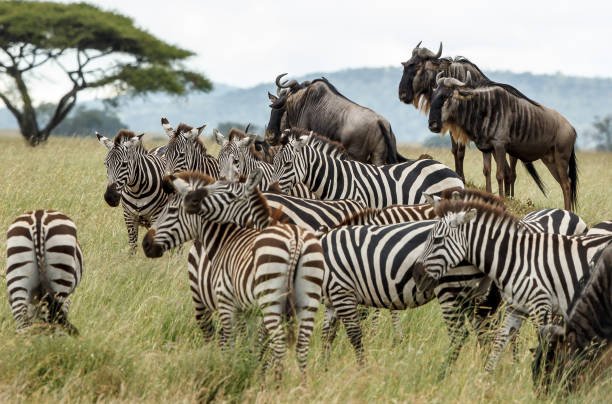
Wildebeest are the defining seasonal wildlife attraction of Southern Serengeti.
Large herds may spread across huge areas of short grass plains rather than remaining in one dense group.
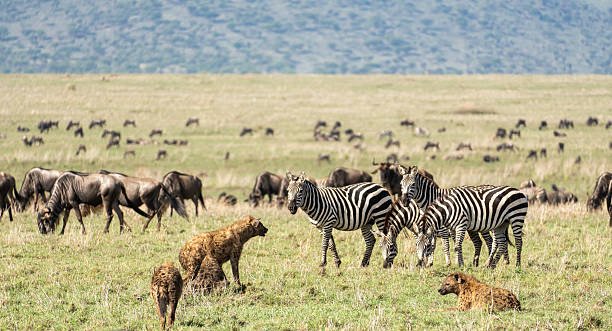
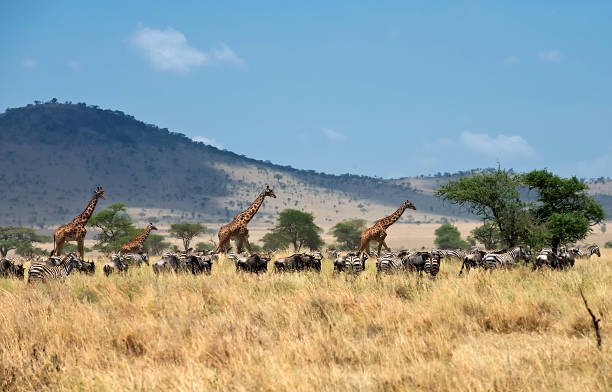
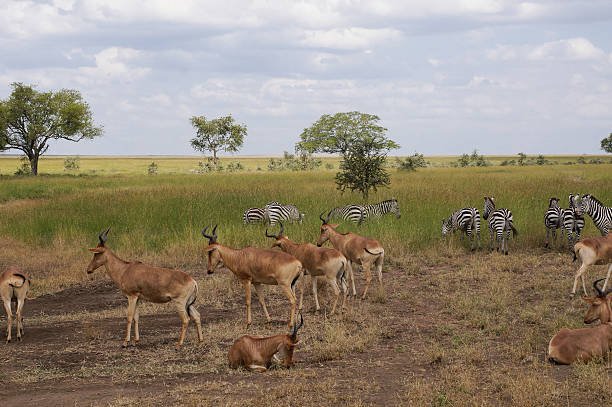
Travellers may see moving columns, grazing herds, mothers with calves and mixed groups of wildebeest and zebras.
The scale of the migration is best appreciated over several game drives rather than one short visit.
Cheetahs in Southern Serengeti
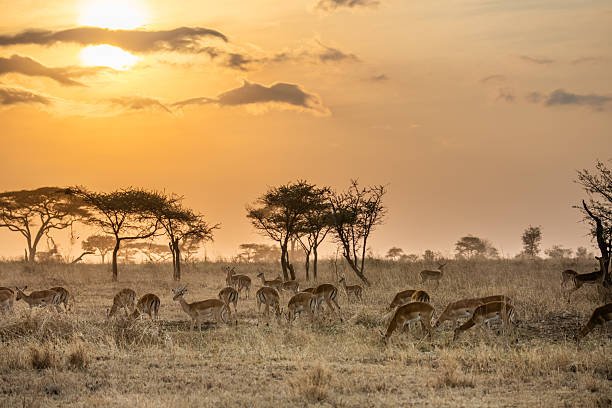
Southern Serengeti is especially attractive for travellers interested in cheetahs.
The open plains provide suitable habitat because cheetahs depend on speed and visibility when hunting.
They may be seen resting on small rises, scanning the plains or following gazelle populations.
Wildlife encounters remain natural, so no specific sighting can be guaranteed.
Lions in Southern Serengeti
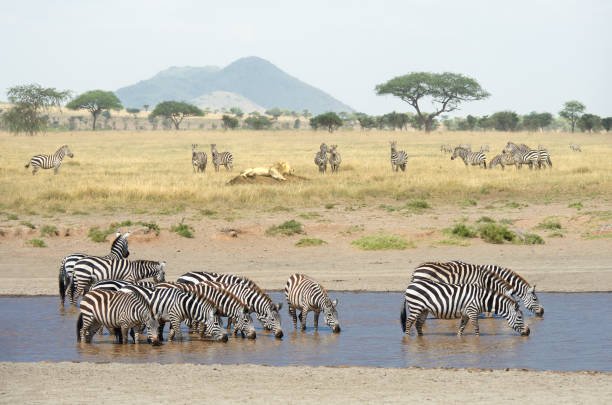
Lions can be encountered across the southern ecosystem.
Large prey concentrations provide feeding opportunities and can support active predator behaviour.
Travellers may see lions resting during the day or moving through open landscapes during cooler periods.
Hyenas and Other Predators
Spotted hyenas are an important part of the southern Serengeti ecosystem.
They may hunt, scavenge or interact with lions around prey-rich areas.
Other predators and smaller carnivores can also be encountered depending on habitat and wildlife activity.
Wildlife You May See in Southern Serengeti
- Wildebeest
- Wildebeest calves during suitable periods
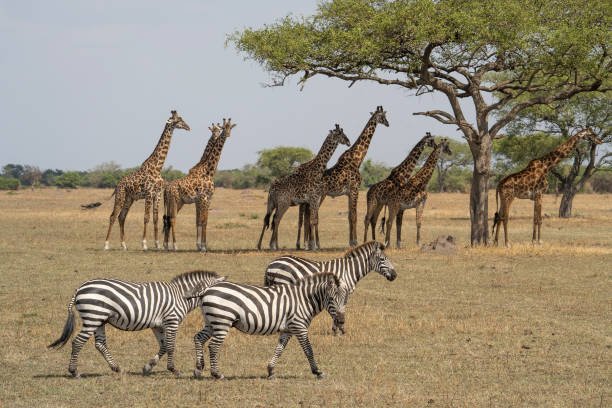
- Zebra
- Lion
- Cheetah
- Spotted hyena
- Leopard in suitable habitat
- Gazelles
- Other antelope species
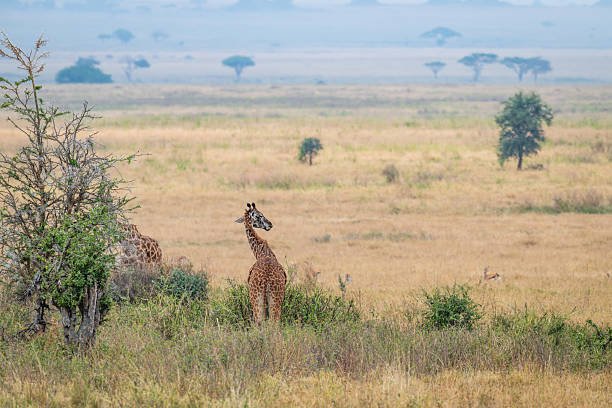
- Giraffe in suitable areas
- Numerous bird species
Southern Serengeti Safari for Wildlife Photography
Southern Serengeti is one of the strongest regions for wildlife photography during productive migration periods.
Open grasslands provide clean backgrounds, wide visibility and excellent opportunities for environmental wildlife images.
Travellers can photograph large herds, predators, calves and changing weather across expansive plains.
A private safari vehicle provides greater flexibility for photographers because more time can be spent at selected sightings.
Private Southern Serengeti Safari
A private safari is especially useful for travellers focused on migration and photography.
The guide can adapt the route according to recent herd locations and predator activity without following a fixed shared schedule.
Private safaris also allow greater flexibility with departure times, picnic stops and wildlife viewing duration.
Group Joining Southern Serengeti Safari
Group joining safaris can reduce the cost for solo travellers and couples.
Participants share a safari vehicle and follow a scheduled itinerary.
Before booking, travellers should confirm that the route actually includes the most appropriate southern migration areas for their travel dates.
Fly-In Southern Serengeti Safari
A fly-in safari can reduce long road transfers and maximize wildlife viewing time.
Travellers can fly toward an appropriate airstrip and meet a safari vehicle and guide on arrival.
This option is especially useful for shorter itineraries and travellers coming from Zanzibar.
Ways to Visit Southern Serengeti
- Private road safari: Flexible and suitable for northern circuit combinations
- Group joining safari: More affordable shared option
- Fly-in safari: Useful for saving transfer time
- Luxury fly-in safari: Premium camps and private guiding
Southern Serengeti Safari from Arusha
Arusha is one of the main starting points for Southern Serengeti road safaris.
Travellers can combine Tarangire or Ngorongoro with the southern Serengeti ecosystem depending on the number of safari days.
Private and group joining departures can both be arranged from Arusha.
Southern Serengeti Safari from Moshi
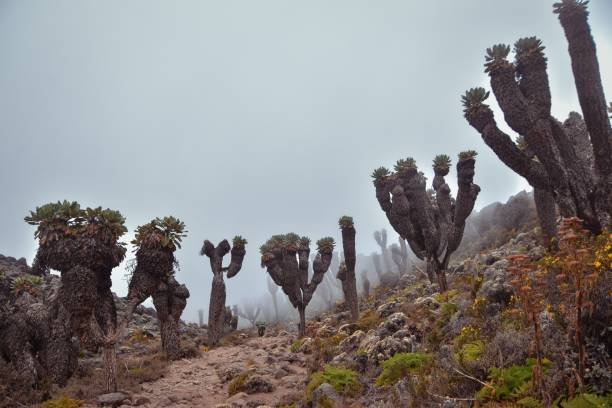
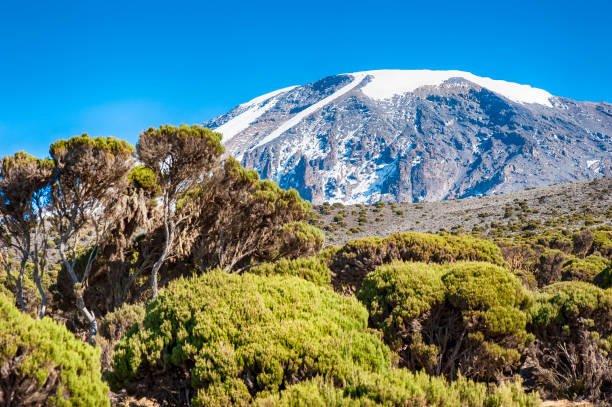
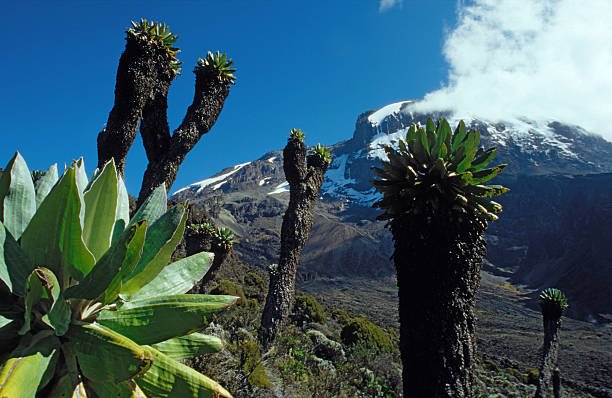
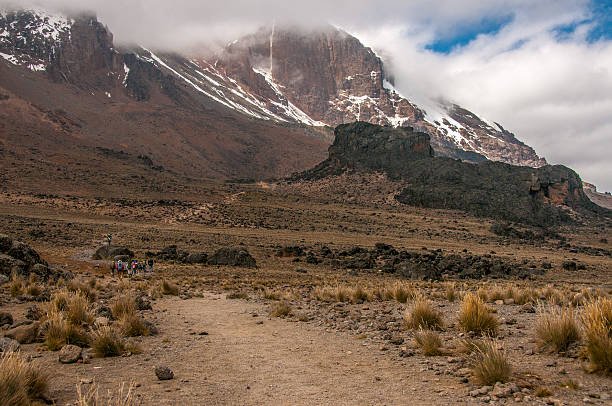
Moshi is a convenient starting point for travellers combining Southern Serengeti with Mount Kilimanjaro.
After completing a climb, travellers can rest in Moshi and continue by private road safari toward Ngorongoro, Ndutu and Serengeti.
This creates a complete Tanzania adventure combining trekking and seasonal wildlife.
Southern Serengeti Safari from Zanzibar
A fly-in safari is especially useful for travellers beginning in Zanzibar.
Domestic flights can connect Zanzibar with suitable safari airstrips or mainland gateways depending on the itinerary.
Travellers can then focus on Southern Serengeti and Ndutu before returning to Zanzibar or continuing elsewhere.
Southern Serengeti and Central Serengeti Safari
Combining southern and central Serengeti provides a broader wildlife experience.
The south can focus on migration, calving and open plains, while central Serengeti adds strong resident predator viewing.
This combination is particularly suitable for travellers with five days or longer.
Southern Serengeti and Ngorongoro Safari
Southern Serengeti and Ngorongoro are one of the strongest seasonal safari combinations.
Southern Serengeti provides migration and predator experiences, while Ngorongoro offers concentrated crater wildlife.
The two areas can be connected efficiently within a multi-day northern Tanzania safari.
Southern Serengeti, Ngorongoro and Tarangire Safari
A longer safari can include Tarangire, Ngorongoro and Southern Serengeti.
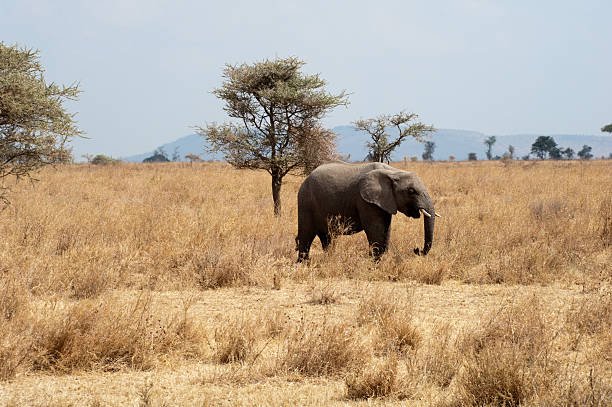
Tarangire adds elephants and baobab landscapes, Ngorongoro adds crater wildlife and Southern Serengeti provides migration, calving and predator opportunities.
Five to seven days or longer provides a better balance for this route.
Popular Southern Serengeti Safari Combination
- Tarangire National Park
- Ngorongoro Crater
- Ndutu ecosystem
- Southern Serengeti
- Central Serengeti when time allows
3 Day Southern Serengeti Safari
A three day safari can work for travellers with limited time when the route focuses directly on productive southern wildlife areas.
Fly-in arrangements can be especially useful for reducing road travel.
Travellers should avoid trying to include too many additional parks within such a short itinerary.
5 Day Southern Serengeti Safari
A five day safari provides enough time for multiple southern Serengeti game drives and can also include Ngorongoro.
Several nights close to the migration area provide useful flexibility as wildlife moves naturally.
This duration works particularly well for couples, photographers and first time safari visitors.
7 Day Southern Serengeti Safari
A seven day itinerary provides a more complete southern Serengeti experience.
The route can include Tarangire, Ngorongoro, Ndutu, Southern Serengeti and central Serengeti while maintaining several full wildlife days.
This duration is ideal for migration focused travellers and photographers who want a less rushed safari.
Example 7 Day Southern Serengeti Safari Itinerary
Day 1: Arusha or Moshi to Tarangire National Park
Depart after breakfast and travel toward Tarangire National Park.
Enjoy a wildlife game drive while searching for elephants, giraffes, buffalo, zebras and predators among baobab landscapes.
Continue to the selected accommodation for dinner and overnight.
Day 2: Tarangire to Ngorongoro or Ndutu
Continue toward the Ngorongoro and southern Serengeti ecosystem.
Begin seasonal wildlife viewing as the safari approaches productive migration areas.
Day 3: Full Day Ndutu Safari
Spend a full day exploring the wider Ndutu ecosystem.
Search for wildebeest, zebras, calves during suitable periods, lions, cheetahs and hyenas.
Day 4: Full Day Southern Serengeti Safari
Explore productive southern plains according to current migration movement.
The guide can adjust the route using recent wildlife information and predator sightings.
Day 5: Southern Serengeti Wildlife Safari
Enjoy another full game drive focused on migration herds, predators and photography.
The additional day provides greater flexibility for changing wildlife locations.
Day 6: Southern Serengeti to Ngorongoro
Enjoy another morning wildlife drive before continuing toward Ngorongoro Conservation Area.
Stay at the selected lodge or camp around Ngorongoro or Karatu.
Day 7: Ngorongoro Crater and Return
Descend into Ngorongoro Crater for wildlife viewing.
Search for lions, buffalo, elephants, zebras, wildebeest, hippos and the possibility of black rhinoceros.
After the crater safari, continue toward Arusha, Moshi or Kilimanjaro Airport according to the confirmed itinerary.
Southern Serengeti Safari for Couples
Southern Serengeti works well for couples interested in a private safari with migration wildlife and scenic tented camps.
Private game drives allow couples to travel at their own pace and spend more time at selected sightings.
The safari can also be combined with Zanzibar for a honeymoon or anniversary trip.
Southern Serengeti Safari for Families
Families can use a private safari vehicle to create a flexible daily schedule.
Children can especially enjoy seeing large wildebeest and zebra herds, predators and open landscapes.
Family room arrangements and suitable camps should be confirmed before booking.
Southern Serengeti Safari for Solo Travelers
Solo travellers can choose between private and selected group joining safaris.
Group departures can reduce costs by sharing the safari vehicle, while private safaris offer greater flexibility.
Single room supplements should be checked when comparing accommodation options.
Budget Southern Serengeti Safari
A budget Southern Serengeti safari can use camping, simple lodges or group joining transportation.
The key is to remain close enough to the productive wildlife area to avoid losing large amounts of time on daily transfers.
Travellers should compare park fees, accommodation, meals and game drive time when choosing between packages.
Midrange Southern Serengeti Safari
A midrange safari provides comfortable tented camps or lodges together with professional guided game drives.
This is one of the most popular options for couples, families and first time Tanzania safari travellers.
Well positioned midrange camps can provide good wildlife access without requiring a luxury budget.
Luxury Southern Serengeti Safari
A luxury Southern Serengeti safari can include premium seasonal camps, private vehicles and domestic flights.
High quality migration camps can position travellers close to productive wildlife areas.
Private guiding provides additional flexibility for photography and seasonal wildlife movement.
Luxury safaris can also be combined with premium Ngorongoro accommodation and Zanzibar beach stays.
Southern Serengeti Accommodation Options
- Budget camping
- Simple safari lodges
- Midrange tented camps
- Seasonal migration camps
- Luxury tented camps
- Premium safari properties
How Many Nights Should You Spend in Southern Serengeti?
Two to four nights can work well for many travellers.
Two nights provides an introduction to the southern ecosystem, while three or four nights offers more flexibility for migration movement and photography.
Travellers focused on calving season and predators often benefit from additional time because wildlife behaviour changes throughout the day.
Southern Serengeti vs Central Serengeti
Southern Serengeti is especially important during seasonal migration and calving periods.
Central Serengeti provides strong resident predator and general wildlife viewing throughout the year.
Travellers with enough time can combine both regions for a more complete Serengeti experience.
Southern Serengeti vs Northern Serengeti
Southern and northern Serengeti are important at different stages of the Great Migration cycle.
The southern ecosystem is especially associated with fresh grazing, large herds and calving season wildlife.
Northern Serengeti becomes more important when herds move north and river-related migration activity is possible.
The best region therefore depends strongly on travel dates and seasonal conditions.
Southern Serengeti Safari Cost 2026-2027
The cost of a Southern Serengeti safari depends on travel dates, safari duration, accommodation category, number of travellers and transportation method.
Seasonal migration camps can have strong demand during important wildlife periods.
Private safaris generally provide greater flexibility, while group joining options can reduce shared vehicle costs.
Domestic flights and luxury camps increase the overall price, while camping and simpler lodges provide more affordable alternatives.
Travellers should compare camp location, actual number of southern Serengeti nights, included park fees and game drive time rather than only the headline package price.
What Is Included in a Southern Serengeti Safari?
The exact inclusions depend on the selected route and accommodation category.
A complete safari quotation should clearly explain all major services before booking.
Typical Southern Serengeti Safari Inclusions
- Professional safari driver guide
- Safari vehicle
- National park and conservation fees according to the itinerary
- Safari accommodation
- Meals according to the package
- Drinking water during game drives
- Wildlife game drives
- Transfers according to the itinerary
- Ngorongoro fees when included
- Domestic flights when specifically listed
Typical Safari Exclusions
- International flights
- Visa expenses
- Travel insurance
- Guide gratuities
- Personal expenses
- Alcoholic beverages unless included
- Hot air balloon safari unless specified
- Domestic flights unless included
- Zanzibar accommodation unless specified
How to Plan the Best Southern Serengeti Safari
The best Southern Serengeti safari should match travel dates with current migration movement while keeping daily routes flexible.
Travellers should select accommodation close to the expected productive wildlife area rather than choosing a camp only because of its category or name.
Several nights in the region provide more flexibility for predator sightings, migration movement and photography.
Southern Serengeti Safari Planning Tips
- Match travel dates with seasonal migration patterns
- Allow several nights in the southern ecosystem
- Include Ndutu when wildlife conditions support it
- Choose accommodation close to productive wildlife areas
- Use private guiding for maximum flexibility
- Keep exact migration locations flexible
- Combine with Ngorongoro for greater wildlife variety
- Book seasonal camps early during high demand periods
Frequently Asked Questions About Southern Serengeti Safari
Is Southern Serengeti worth visiting?
Yes. Southern Serengeti is especially rewarding during migration and calving periods and also provides excellent predators, open landscapes and photography opportunities.
What is Southern Serengeti famous for?
The region is particularly famous for seasonal Great Migration herds, wildebeest calving, cheetahs and expansive short grass plains.
When is the Great Migration in Southern Serengeti?
The southern ecosystem becomes especially important when seasonal rainfall creates productive short grass and attracts migrating wildebeest and zebra herds. Exact timing varies each year.
When is calving season in Southern Serengeti?
The main calving period is associated with the seasonal presence of large wildebeest herds on productive southern grasslands, with exact timing influenced by natural conditions.
Can I see cheetahs in Southern Serengeti?
Yes. Southern Serengeti's open plains provide suitable cheetah habitat, although individual sightings cannot be guaranteed.
Can I see lions and hyenas?
Yes. Lions and spotted hyenas are important predators within the southern ecosystem and can be especially active around large prey concentrations.
Is Southern Serengeti good for photography?
Yes. Open landscapes, large migration herds, predators and calving season wildlife can provide excellent photography opportunities.
How many nights should I stay in Southern Serengeti?
Two to four nights works well for many travellers, with longer stays providing more flexibility for migration and predator focused safaris.
Is Ndutu part of a Southern Serengeti safari?
Ndutu is commonly combined with Southern Serengeti because wildlife moves through the wider seasonal ecosystem according to rainfall and grazing conditions.
Can I combine Southern and Central Serengeti?
Yes. This provides a strong combination of seasonal migration wildlife in the south and excellent resident predators in central Serengeti.
Can I combine Southern Serengeti and Ngorongoro?
Yes. This is one of the strongest combinations for migration, predators and concentrated crater wildlife.
Can Tarangire also be included?
Yes. Tarangire can be added to longer itineraries for elephants, baobab landscapes and additional wildlife variety.
Can I start from Arusha?
Yes. Arusha is one of the main starting points for road safaris to Ngorongoro, Ndutu and Southern Serengeti.
Can I start from Moshi?
Yes. Moshi is particularly convenient for travellers combining Southern Serengeti with a Mount Kilimanjaro climb.
Can I fly from Zanzibar for a Southern Serengeti safari?
Yes. Domestic flights can be included depending on the chosen safari route and available air connections.
Can I book a private Southern Serengeti safari?
Yes. Private safaris provide excellent flexibility for following migration herds, predators and changing seasonal wildlife conditions.
Can I choose budget, midrange or luxury accommodation?
Yes. Southern Serengeti safaris can use camping, simple lodges, midrange tented camps, seasonal migration camps or premium luxury properties.
How do I book a Southern Serengeti Safari 2026-2027?
Provide your travel dates, number of travellers, preferred safari duration, accommodation level and whether your priority is Great Migration wildlife, calving season, predators, photography or a general Southern Serengeti experience. The itinerary can then be designed around seasonal wildlife movement and additional Tanzania destinations.
Plan Your Southern Serengeti Safari 2026-2027
Explore Southern Serengeti with professional guides, Great Migration game drives, calving season wildlife, predator sightings, Ndutu experiences and flexible combinations with central Serengeti, Ngorongoro, Tarangire and Zanzibar.
Plan Your Southern Serengeti Safari

 Serengeti Safari