Western Serengeti Safari 2026-2027
Western Serengeti Safari 2026-2027 offers a rewarding combination of Great Migration opportunities, river systems, open grasslands, woodland and strong resident wildlife.
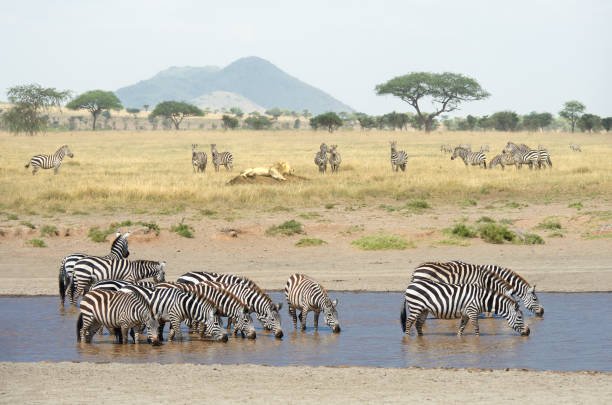
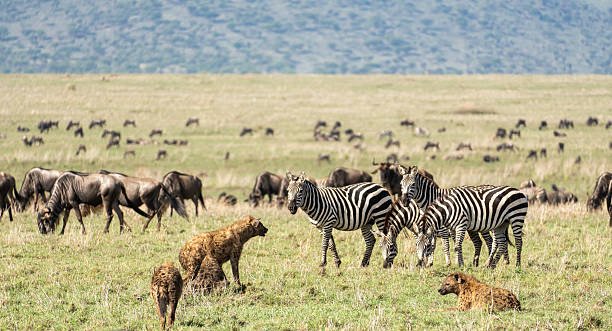
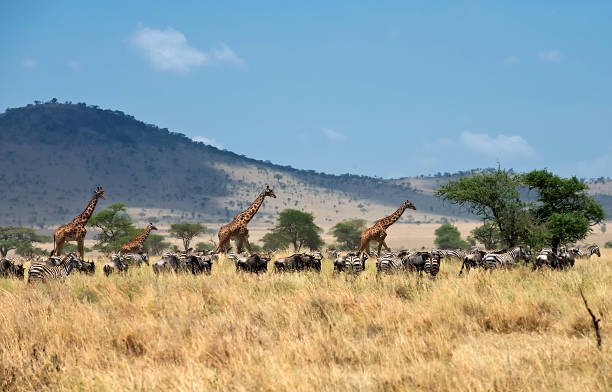
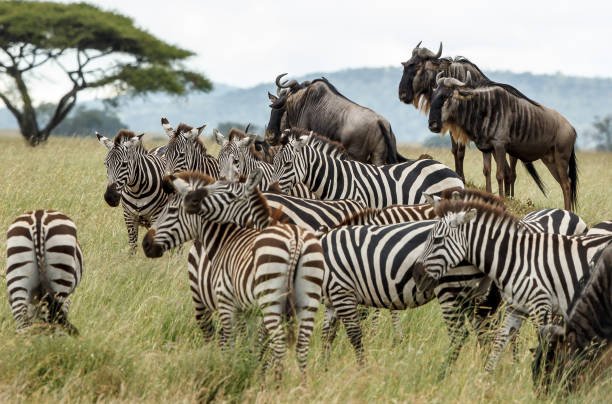
The western side of Serengeti is often associated with the western corridor and Grumeti region, which can become especially important as large wildebeest and zebra herds move through this part of the ecosystem during suitable seasonal conditions.
Unlike a safari focused only on one famous crossing point, Western Serengeti provides a broader landscape where travellers can search for migration herds, predators and resident wildlife across several habitats.
Private, group joining, mid range and luxury safaris can all be arranged depending on budget, available days and wildlife priorities.
Western Serengeti Safari at a Glance
- Main area: Western corridor and Grumeti region
- Best known for: Seasonal Great Migration movement
- Landscape: River systems, woodland and open plains
- Wildlife focus: Wildebeest, zebra, lions, elephants, giraffes and predators
- Safari style: Private or group joining
- Accommodation: Tented camps and lodges
- Best combined with: Central Serengeti and Ngorongoro
- Recommended duration: 4 to 7+ days depending on route
What Is Western Serengeti?
Western Serengeti refers to the western section of Serengeti National Park, including the wider western corridor and Grumeti area.
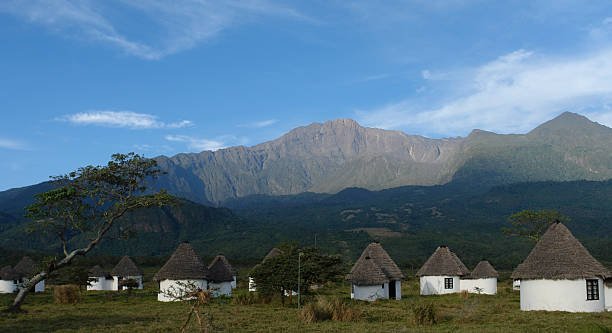
The region differs visually from the open central plains because it includes river systems, woodland, rolling grassland and seasonal migration routes.
It can be particularly important for travellers interested in the Great Migration because large herds may move through the region as they continue northward after leaving southern and central areas.
Resident wildlife remains present even outside the strongest migration period.
Why Choose Western Serengeti?
- Seasonal Great Migration opportunities
- Distinct riverine landscapes
- Strong predator opportunities
- Large wildebeest and zebra herds during suitable periods
- Good wildlife photography
- Easy to combine with central Serengeti
- Useful for longer migration focused itineraries
Western Serengeti and the Great Migration
The Great Migration is one of the main reasons travellers choose Western Serengeti.
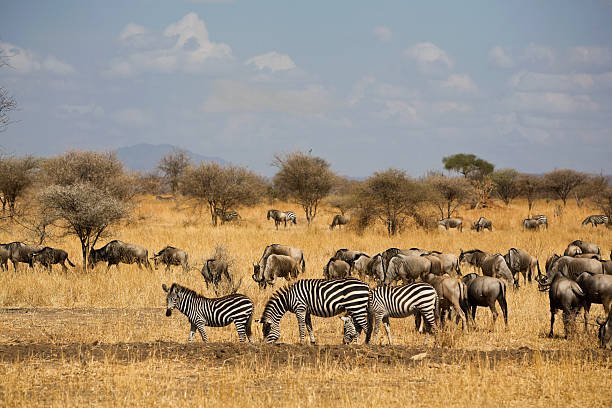
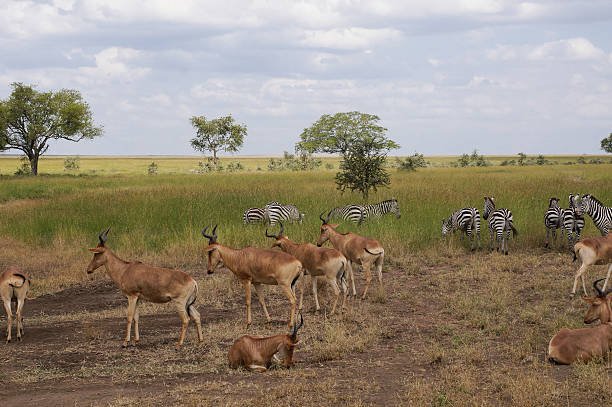
Large herds of wildebeest and zebra can move through the western corridor as they follow rainfall, fresh grazing and water availability through the Serengeti ecosystem.
The exact timing changes from year to year, so a fixed calendar should be treated as a planning guide rather than a guarantee.
Travellers interested in migration activity should allow several game drives and remain flexible about exact daily routes.
Grumeti Safari
The Grumeti region is one of the best known areas within Western Serengeti.
Riverine habitats support resident wildlife while migration herds can pass through the wider area during suitable seasonal periods.
The landscape can provide excellent wildlife photography because open plains, water, woodland and large animal concentrations can all occur within the same broader region.
Best Time for Western Serengeti Safari
Western Serengeti is most strongly associated with migration periods when wildebeest and zebra move through the western corridor.
Late green season and early dry season months can become particularly important depending on rainfall and herd movement.
However, resident wildlife can still make the region rewarding outside the peak migration window.
Travellers should select the exact travel period according to whether migration or general wildlife is the main goal.
Western Serengeti in January and February
January and February are generally not the main migration months for Western Serengeti.
During this period, travellers following the migration often focus more strongly on southern Serengeti and Ndutu.
Western Serengeti still supports resident wildlife, but migration focused itineraries are usually better directed elsewhere.
Western Serengeti in March and April
March and April can mark a period of transition as migration herds begin changing location according to rainfall and fresh grazing.
April's wetter conditions can produce green landscapes and changing herd distribution across central and western parts of the ecosystem.
Exact wildlife movement should be confirmed as close to travel as possible through current field information.
Western Serengeti in May
May can become increasingly interesting for migration focused Western Serengeti safaris as herds move away from southern areas and spread through broader central and western zones.
Green landscapes may still remain, providing dramatic photographic conditions.
Road conditions should be considered because seasonal rain can still affect some areas.
Western Serengeti in June
June is one of the most important months to consider for Western Serengeti migration focused travel.
Large wildebeest and zebra herds may move through the western corridor and Grumeti region depending on seasonal conditions.
The transition into drier weather can also improve road access and provide excellent general wildlife viewing.
Western Serengeti in July
During July, migration herds may continue moving away from western regions toward northern Serengeti.
Western Serengeti can still provide wildlife and transitional migration opportunities, especially earlier in the month depending on the year.
Travellers should avoid assuming all herds are already in the far north on one fixed date.
Western Serengeti from August to October
From August through October, northern Serengeti generally becomes more important for migration focused travellers.
Western Serengeti continues to support resident wildlife, but large herd concentrations may be farther north depending on seasonal conditions.
Visitors should include Western Serengeti during these months only when it matches their broader itinerary and current wildlife information.
Western Serengeti in November and December
During November and December, migration herds may begin moving southward through different parts of the Serengeti ecosystem as seasonal rains create new grazing.
Western Serengeti may become less important than central and southern routes for migration focused travellers during this seasonal shift.
Resident wildlife remains available throughout the region.
Wildlife in Western Serengeti
Western Serengeti offers a broad range of wildlife in addition to the seasonal migration herds.
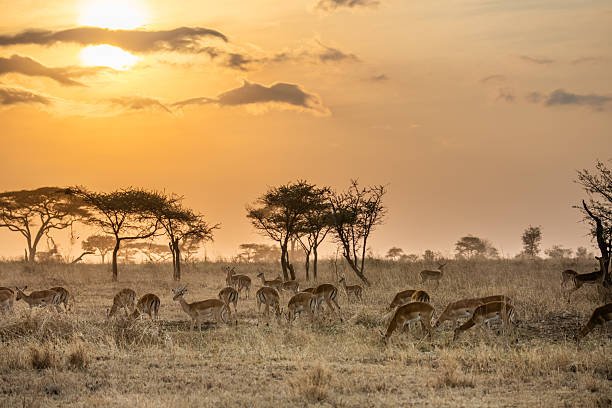
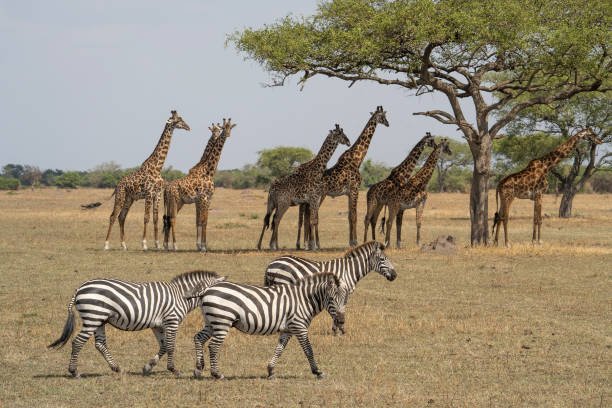
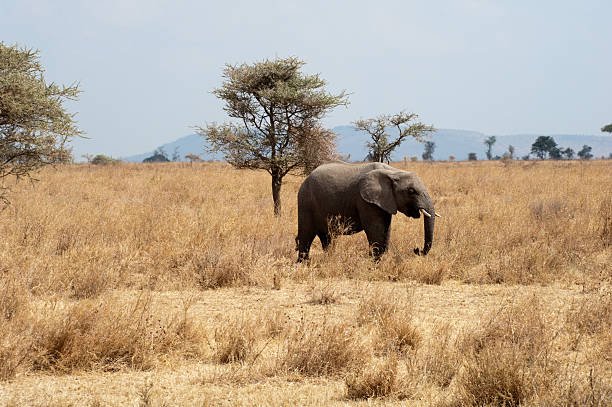
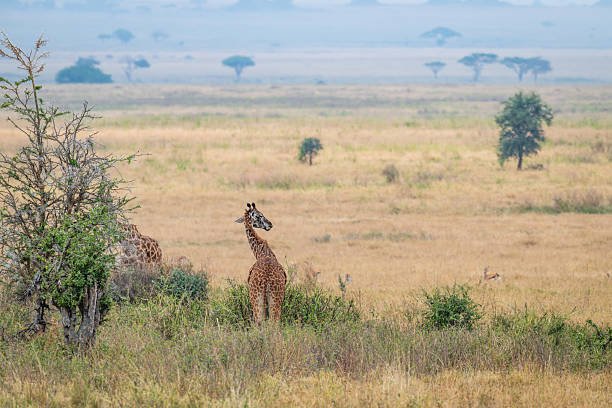
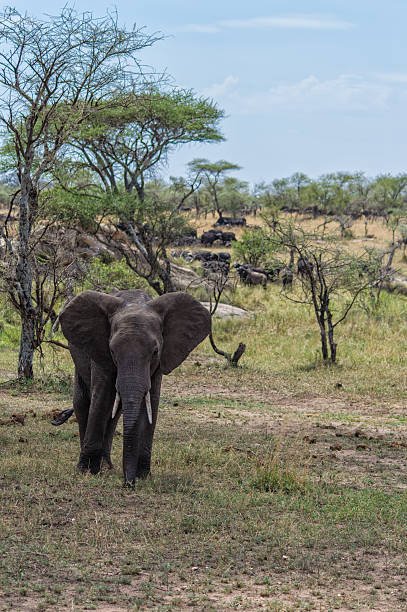
Travellers may encounter lions, elephants, giraffes, buffalo, hyenas, hippos, wildebeest, zebra and several antelope species.
Predators can be particularly interesting when large concentrations of migratory herbivores move through the region.
Wildlife You May See in Western Serengeti
- Wildebeest
- Zebra
- Lions
- Elephants
- Giraffes
- Buffalo
- Hyenas
- Hippos
- Gazelles and antelope
- Birdlife
Lions in Western Serengeti
Lions can be encountered throughout Western Serengeti and may follow large concentrations of prey during migration periods.
Open plains and riverine habitats can create good opportunities for tracking pride activity.
Early morning and late afternoon remain useful game drive periods because temperatures are cooler and predators may be more active.
Other Predators in Western Serengeti
Hyenas and other predators can also be encountered in the region, particularly when large herbivore herds are nearby.
Cheetahs are more strongly associated with open habitats, while leopards can use woodland and riverine areas depending on local conditions.
Predator sightings remain natural and cannot be guaranteed on a particular game drive.
Western Serengeti Photography Safari
Western Serengeti can be excellent for photography because its landscapes differ from the more familiar open central plains.
River systems, woodland, moving herds and predator activity provide varied subjects within the same safari region.
A private safari vehicle is particularly useful for photographers because it allows more time at sightings and greater route flexibility.
Private Western Serengeti Safari
A private safari provides an exclusive 4x4 vehicle and guide for the travelling party.
This flexibility is valuable in Western Serengeti because migration movement can shift across different parts of the region.
Private travel allows guides to respond to current wildlife information instead of following a fixed group programme.
Group Joining Western Serengeti Safari
Group joining safaris can reduce the per person cost by sharing the vehicle and guide.
Travellers should check carefully whether the scheduled itinerary actually includes Western Serengeti during the relevant migration period.
Many general group safaris focus mainly on Central Serengeti, so route details should be confirmed before booking.
Budget Western Serengeti Safari
Budget travellers can use group transport, simple accommodation or camping where practical.
However, Western Serengeti can involve additional driving compared with a standard Central Serengeti route, so the lowest priced package may not always provide enough time in the region.
Travellers should compare the number of nights, location and actual game drive time.
Mid Range Western Serengeti Safari
Mid range tented camps and lodges provide comfortable accommodation while keeping travellers near productive western game drive areas.
This category is especially useful for migration focused travellers who want good location without moving into premium luxury pricing.
Accommodation should be selected according to the season and wildlife focus rather than only room category.
Luxury Western Serengeti Safari
Luxury safaris can include premium camps, private vehicles and selected domestic flights.
Higher end properties can provide excellent access to western wildlife areas while offering upgraded rooms, dining and personalised service.
Fly in arrangements can also reduce road travel for travellers with limited time.
Western Serengeti Safari from Arusha
Travellers can begin in Arusha and reach Western Serengeti by road as part of a longer northern Tanzania safari.
The journey can include Tarangire, Ngorongoro and Central Serengeti before continuing west depending on the itinerary.
Because of the driving distance, Western Serengeti generally works better when travellers have several safari days available.
Western Serengeti Safari from Moshi
Moshi based travellers can add Western Serengeti after Kilimanjaro or begin a dedicated wildlife safari from their hotel.
The route generally passes through Arusha and the northern circuit before reaching Serengeti.
Five to seven or more days provides better flexibility than an extremely short road itinerary.
Western Serengeti Safari from Zanzibar
Travellers staying in Zanzibar can fly to northern Tanzania or use suitable domestic air connections to reduce overland travel time.
A fly in arrangement can be particularly useful for shorter migration focused safaris.
After exploring Western Serengeti, travellers can continue to Central Serengeti, Ngorongoro or return by air according to the final itinerary.
4 Day Western Serengeti Safari
A four day Western Serengeti safari is possible but requires careful route planning.
Travellers should avoid trying to include too many other destinations because long transfers can reduce useful wildlife time.
Fly in arrangements can make a short Western Serengeti itinerary more efficient.
5 Day Western Serengeti Safari
Five days creates more flexibility to combine Central and Western Serengeti while allowing multiple migration focused game drives.
Ngorongoro can also be included depending on route direction and available travel time.
6 Day Western Serengeti Safari
A six day itinerary works very well for travellers who want Western Serengeti plus Central Serengeti and Ngorongoro.
The additional time allows guides to respond to current herd locations instead of forcing the entire trip into one fixed area.
7 Day Western Serengeti Safari
Seven days provides excellent flexibility for a migration focused safari.
Travellers can include Tarangire, Central Serengeti, Western Serengeti and Ngorongoro or dedicate more nights specifically to Serengeti wildlife.
This duration is particularly suitable for photographers and wildlife enthusiasts.
Suggested Western Serengeti Safari Focus
- Follow current Great Migration movement
- Spend multiple nights in or near the western corridor
- Combine Western Serengeti with Central Serengeti
- Add Ngorongoro when enough days are available
- Use private travel for maximum flexibility
- Choose accommodation according to wildlife location, not only price
Western and Central Serengeti Safari
Combining Western and Central Serengeti is one of the strongest ways to create a flexible safari during migration transition periods.
Central Serengeti provides reliable resident wildlife while Western Serengeti adds seasonal migration opportunities and different landscapes.
This combination reduces the risk of depending completely on one regional wildlife pattern.
Western Serengeti and Ngorongoro Safari
Western Serengeti can be combined with Ngorongoro for a broader northern Tanzania safari.
Serengeti provides plains wildlife, migration movement and predators, while Ngorongoro adds a concentrated crater ecosystem.
Five to seven or more days generally creates a more comfortable itinerary for this combination.
Western Serengeti and Tarangire Safari
Travellers with enough time can also include Tarangire.
The park adds elephant viewing, baobab landscapes and a different ecological setting from Serengeti.
Six to eight or more days is generally preferable when combining Tarangire, Western Serengeti and Ngorongoro.
Western Serengeti Safari and Zanzibar
A Western Serengeti safari can be combined with Zanzibar before or after the wildlife journey.
Domestic flights make it possible to connect a migration focused safari with several days of beach relaxation.
This is particularly attractive for honeymooners and travellers wanting both wildlife and Indian Ocean experiences in one Tanzania holiday.
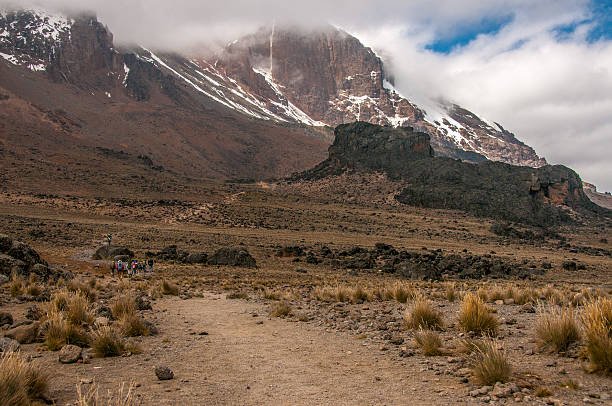
Western Serengeti Safari After Kilimanjaro
Travellers completing Kilimanjaro can continue from Moshi into a longer Serengeti and Ngorongoro safari.
Western Serengeti is especially worth including when the climb dates align with seasonal migration movement through the region.
After the safari, travellers can return to Kilimanjaro Airport or continue to Zanzibar.
Accommodation in Western Serengeti
Western Serengeti offers a selection of tented camps and lodges positioned for access to different parts of the region.
Accommodation choice should be based on travel season, wildlife focus and the direction of the overall safari route.
Migration focused travellers should stay as close as practical to the seasonal wildlife zone to reduce unnecessary daily driving.
Western Serengeti Tented Camps
Tented camps provide a strong safari atmosphere while still offering comfortable beds and private facilities in many properties.
Some camps can be particularly useful during migration periods because they provide easier access to wildlife areas.
Mid range and luxury options are available depending on budget.
Western Serengeti Lodges
Lodges provide a more permanent accommodation style and can include restaurants, lounges and other facilities depending on the property.
They can work well for families, couples and travellers who prefer a conventional room rather than a tented camp.
Professional Safari Guide
A professional safari guide is especially important in Western Serengeti because wildlife distribution can change significantly during migration periods.
The guide uses local knowledge and current wildlife information to decide which routes offer the best opportunities each day.
This flexibility can be more valuable than following a rigid preplanned route.
4x4 Game Drives in Western Serengeti
Most safaris use specially prepared 4x4 vehicles with opening roofs for wildlife viewing and photography.
Road conditions vary by season, so experienced driving and suitable vehicles are important, especially when seasonal rain affects some routes.
Private safaris give travellers exclusive use of the vehicle, while group joining guests share the available seats.
Western Serengeti Safari for Couples
Couples can choose private vehicles and well positioned tented camps for a flexible safari experience.
Western Serengeti can be especially attractive for honeymooners travelling during migration periods because the region combines wildlife action with dramatic landscapes.
Western Serengeti Safari for Families
Families can explore Western Serengeti using private vehicles and suitable family accommodation.
A private itinerary allows game drive length, meal stops and daily schedules to be adjusted around children's needs.
Long driving distances should be considered carefully when planning with younger travellers.
Western Serengeti Safari for Solo Travelers
Solo travellers can join scheduled group safaris when Western Serengeti is included or arrange a private trip.
Group joining can reduce costs, while private travel provides more flexibility for migration focused wildlife viewing.
What Is Included in a Western Serengeti Safari?
Typical Western Serengeti Safari Inclusions
- Professional safari driver guide
- 4x4 safari vehicle
- Serengeti National Park fees
- Accommodation according to itinerary
- Meals according to package
- Drinking water during safari
- Wildlife game drives
- Transfers between safari destinations
- Other park fees when additional destinations are included
- Hotel or airport transfers when specified
Typical Safari Exclusions
- International flights
- Visa expenses
- Travel insurance
- Safari guide gratuities
- Alcoholic drinks unless specified
- Personal expenses
- Hot air balloon safari unless included
- Domestic flights unless specified
- Extra hotel nights
- Optional activities not listed in the itinerary
Western Serengeti Safari Cost 2026-2027
The cost of a Western Serengeti safari depends on duration, accommodation level, season, number of travellers and whether the trip is private or group joining.
Migration focused travel can require additional nights or different accommodation compared with a standard central Serengeti safari.
Private and fly in itineraries generally cost more but provide greater flexibility and can reduce unnecessary travel time.
Travellers should compare total game drive time, accommodation location and included park services rather than looking only at the lowest advertised rate.
Is Western Serengeti Worth Visiting?
Yes. Western Serengeti is especially worth visiting when migration movement makes the western corridor and Grumeti region seasonally important.
It also provides distinctive landscapes and resident wildlife that differ from central Serengeti.
Travellers should include it because it fits their wildlife goals and travel season rather than adding the region automatically to every Serengeti itinerary.
How Many Days Do You Need in Western Serengeti?
Two or three nights in the western region can provide meaningful game drive time during a migration focused safari.
Travellers should also consider additional nights in central Serengeti because wildlife movement can occur between the two regions.
A five to seven day overall safari provides a strong balance for combining Western Serengeti with Central Serengeti and Ngorongoro.
Planning a Western Serengeti Safari 2026-2027
Start by confirming your travel month and deciding whether the Great Migration is your primary objective.
If migration is the priority, select Western Serengeti only when seasonal herd movement makes the region relevant.
Next, decide how many nights to dedicate to western and central Serengeti, then choose private or group travel and the preferred accommodation category.
The strongest itinerary remains flexible enough to respond to real wildlife movement rather than following a fixed calendar route regardless of conditions.
Frequently Asked Questions About Western Serengeti Safari
Where is Western Serengeti?
Western Serengeti includes the western corridor and Grumeti region within Serengeti National Park in northern Tanzania.
What is Western Serengeti famous for?
The region is particularly known for seasonal Great Migration movement, riverine landscapes and wildlife around the western corridor and Grumeti area.
When is the best time for Western Serengeti?
Late green season and early dry season periods can be particularly attractive for migration focused travel, but exact timing depends on rainfall and herd movement.
Is June good for Western Serengeti?
Yes. June can be one of the strongest months for migration focused travel through the western corridor, depending on seasonal conditions.
Can I see the Great Migration in Western Serengeti?
Yes. Large wildebeest and zebra herds can move through Western Serengeti during suitable migration periods, although exact timing cannot be guaranteed.
Can I see lions in Western Serengeti?
Yes. Lions are resident in the ecosystem and can also follow large prey concentrations during migration periods.
Is Western Serengeti good for photography?
Yes. River systems, moving herds, predators and contrasting landscapes make Western Serengeti excellent for wildlife photography.
Can I combine Western and Central Serengeti?
Yes. Combining the two regions is one of the best ways to increase wildlife variety and respond to changing migration movement.
Can I combine Western Serengeti and Ngorongoro?
Yes. This works particularly well on five to seven or more day northern Tanzania safaris.
Can I visit Western Serengeti from Zanzibar?
Yes. Domestic flights can reduce road travel and make Western Serengeti easier to include in shorter safari extensions from Zanzibar.
Can I book a private Western Serengeti safari?
Yes. A private vehicle and guide provide the greatest flexibility for following current migration and wildlife conditions.
Are group joining safaris available?
Yes, but travellers should confirm that the specific group itinerary actually reaches Western Serengeti during the relevant season.
How many nights should I stay in Western Serengeti?
Two to three nights can work well during the right season, especially when combined with additional nights in Central Serengeti.
Is Western Serengeti good for families?
Yes. Families can visit Western Serengeti, although the itinerary should account for longer driving distances and suitable accommodation.
Is Western Serengeti worth adding to my safari?
Yes, especially when your travel dates align with migration movement through the western corridor or when you want a more varied Serengeti itinerary.
How do I book a Western Serengeti Safari 2026-2027?
Provide your travel dates, number of travellers, starting point, safari duration and accommodation preference. The itinerary can then be designed around the western corridor, Grumeti region, Central Serengeti, current migration movement and any Ngorongoro, Tarangire or Zanzibar extensions.
Plan Your Western Serengeti Safari 2026-2027
Explore the western corridor and Grumeti region with seasonal Great Migration opportunities, resident wildlife, professional safari guides, private or group 4x4 game drives and accommodation selected around the most suitable wildlife areas for your travel dates.
Plan Your Western Serengeti Safari

 Serengeti Safari