7 Day Machame Route for Beginners
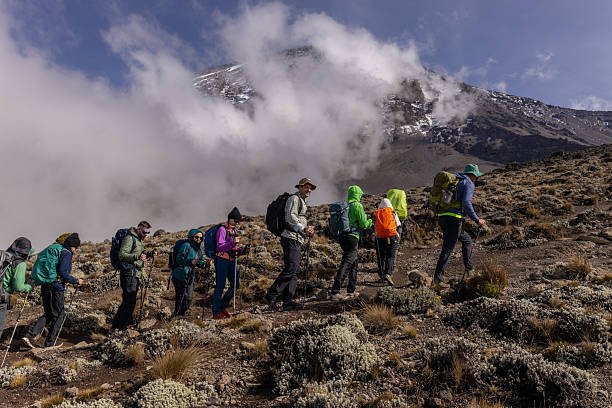
The 7 Day Machame Route for Beginners is a strong option for first time Kilimanjaro climbers who want a longer and more gradual Machame itinerary than the six day version.
The route does not normally require technical mountaineering skills, ropes or advanced rock climbing experience under standard guided conditions.
Its main challenges come from high altitude, repeated trekking days, changing weather, cold summit conditions and the long summit attempt.
The seven day schedule includes an overnight stop at Karanga, which separates the Barranco to Karanga and Karanga to Barafu stages instead of combining them into one longer day.
This additional mountain time can make the itinerary feel more manageable for many beginners, although it still does not guarantee successful acclimatization or reaching the summit.
7 Day Machame for Beginners at a Glance
- Mountain: Mount Kilimanjaro.
- Route: Machame Route.
- Duration: 7 days and 6 mountain nights.
- Technical climbing: Not normally required.
- Accommodation: Mountain camping.
- Main challenge: Altitude and endurance.
- Travel style: Group joining or private.
- Support: Professional guides, cooks and porters.
Is the 7 Day Machame Route Good for Beginners?
Yes. The seven day Machame itinerary can be suitable for beginners who prepare properly and understand that Kilimanjaro remains a demanding high altitude trek.
Compared with the six day Machame schedule, the seven day version gives climbers an additional mountain day and an overnight stop at Karanga before continuing to Barafu.
This can create a more gradual schedule before summit night.
However, beginners should not mistake a longer itinerary for an easy trek. Altitude, cold, fatigue and mountain weather remain important challenges.
Why Beginners Often Choose 7 Day Machame
- No normal requirement for technical climbing skills
- Seven mountain days
- Overnight at Karanga
- More gradual schedule than six day Machame
- Professional guide support
- Porter support for permitted main luggage
- Multiple altitude exposure stages
- Daily health monitoring
Do Beginners Need Previous Climbing Experience?
Previous technical climbing experience is not normally required for the standard Machame Route.
The climb is mainly completed on mountain trails, although some sections are steep, rocky and uneven.
Barranco Wall can require climbers to use their hands for balance in places, but it is generally considered a trekking section rather than technical rock climbing.
Previous hiking experience is useful, but a first time trekker can prepare through consistent walking and fitness training before travelling.
Why Seven Days Can Be Better for Beginners Than Six Days
The seven day Machame itinerary gives climbers one more mountain day than the six day schedule.
One important difference is the overnight stay at Karanga.
On the six day version, climbers typically travel from Barranco through Karanga and continue toward Barafu on the same day.
On the seven day itinerary, Barranco to Karanga and Karanga to Barafu are separated into different trekking days.
This gives climbers additional time at altitude and avoids combining those stages immediately before summit night.
Altitude Is Still the Main Challenge
The biggest difficulty for many Kilimanjaro beginners is not technical terrain but adapting to high altitude.
Strong physical fitness does not make a person immune to altitude related problems.
Even experienced hikers and athletes can experience headaches, nausea, dizziness, appetite loss or other symptoms.
This is why beginners should focus on slow pacing, hydration, nutrition and honest communication with their guide team.
7 Day Machame Route Itinerary for Beginners
Day 1: Machame Gate to Machame Camp
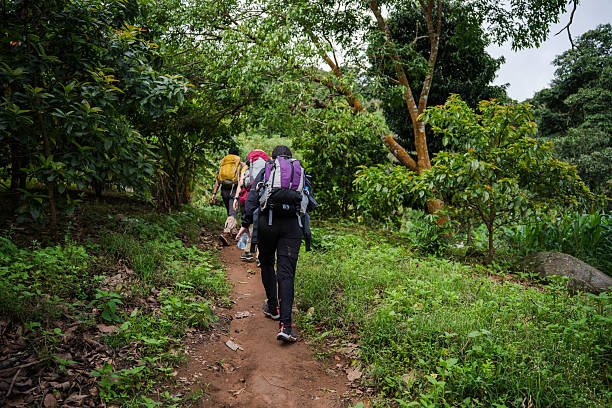
The first trekking day begins after completing mountain procedures at Machame Gate.
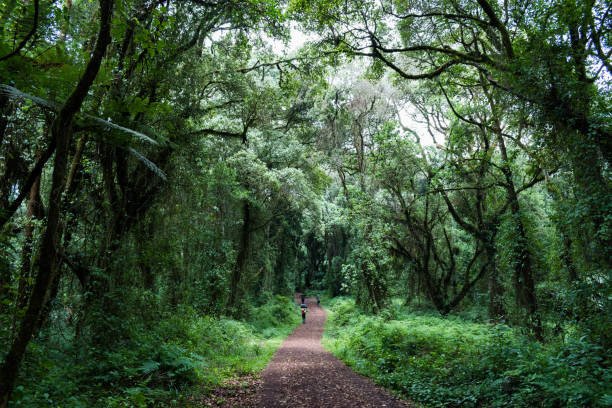
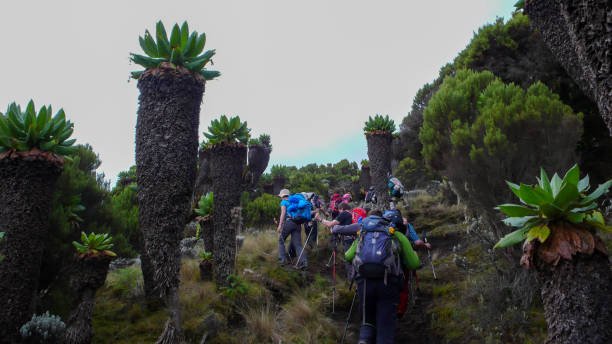
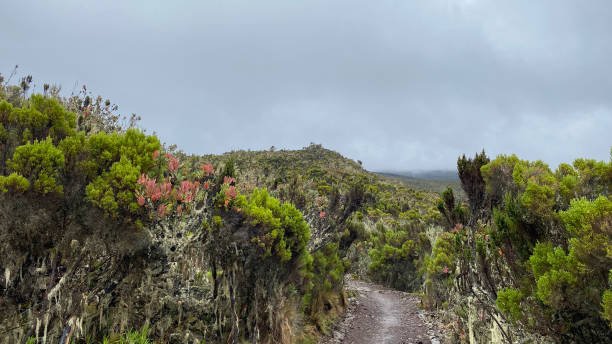
The trail enters the rainforest, where conditions can be humid and muddy depending on weather.
For beginners, this day is about settling into a comfortable walking pace rather than moving quickly.
It is also a good opportunity to become familiar with your daypack, trekking poles and daily mountain routine.
Day 2: Machame Camp to Shira Camp
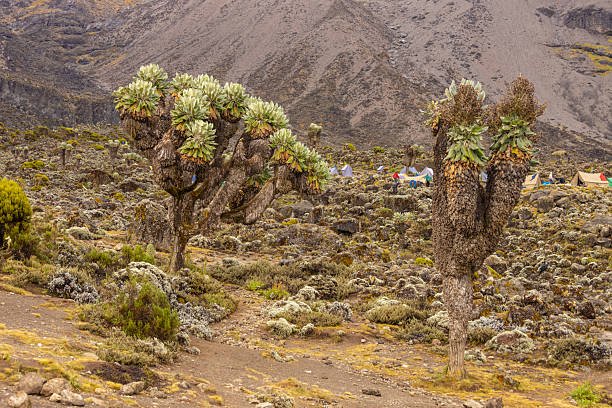
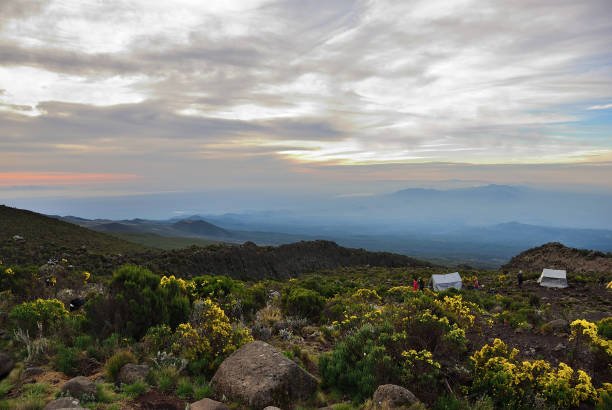
The trail climbs out of the forest and gradually enters moorland as the group approaches Shira.
The landscape becomes more open and exposed.
Beginners should continue walking slowly even if they still feel energetic.
Day 3: Shira to Barranco via Lava Tower
Day three is an important altitude exposure stage.
The trail climbs toward Lava Tower before descending toward Barranco.
The higher daytime elevation followed by sleeping lower is an important feature of the itinerary.
Beginners should report headaches, nausea, dizziness or unusual weakness rather than trying to hide symptoms.
Day 4: Barranco to Karanga
The day begins with Barranco Wall, one of the most recognised sections of the Machame Route.
The wall is steep but is normally completed as guided trekking rather than technical climbing.
After the wall, climbers continue toward Karanga, where the group spends the night.
For beginners, this overnight stop is one of the main advantages of choosing seven days instead of six.
Day 5: Karanga to Barafu
The group continues from Karanga toward Barafu.
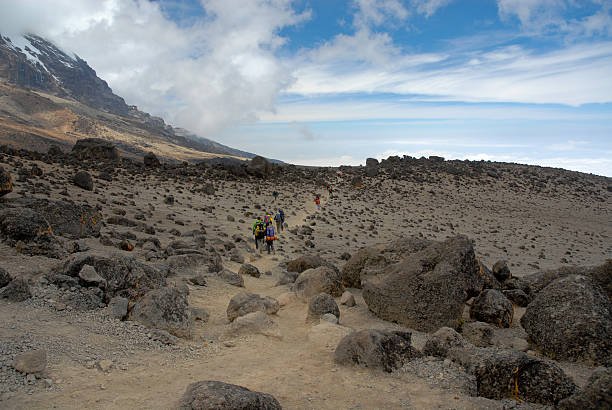
The environment becomes increasingly barren and exposed as climbers enter the higher mountain zone.
After reaching camp, climbers organise warm clothing, headlamps, gloves, water and personal summit equipment.
The guide provides the final summit briefing before the group rests.
Day 6: Summit Attempt and Descent
The summit attempt generally begins during the night or early morning.
This is usually the most physically and mentally demanding part of the entire trek.
Climbers move slowly through the high altitude environment under guide supervision.
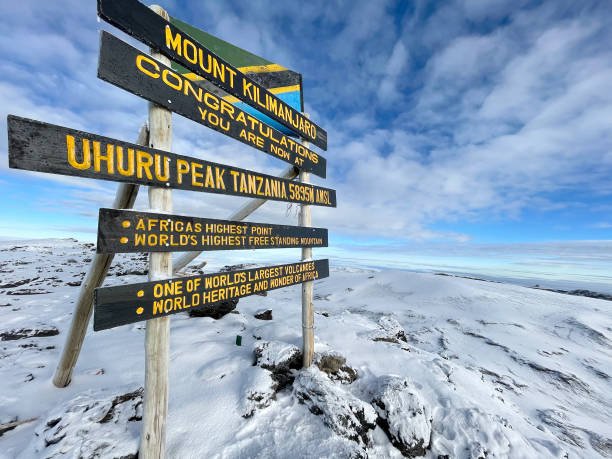
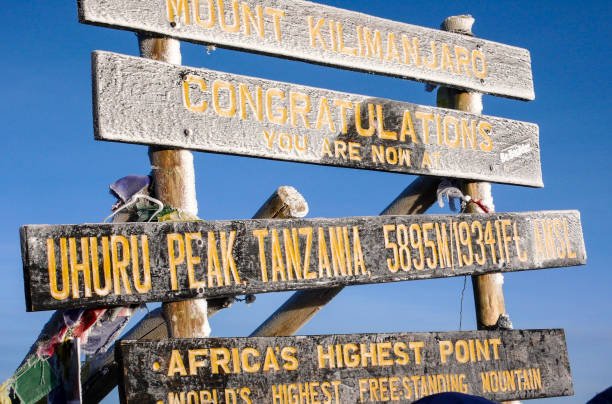
Those able to continue safely progress toward the crater rim and Uhuru Peak before beginning the long descent toward a lower camp.
Day 7: Final Descent to Mweka Gate
The final trekking day continues through increasingly greener vegetation toward Mweka Gate.
Beginners may find trekking poles especially helpful because legs can feel tired after summit day.
After the required mountain exit procedures, transportation returns climbers toward Moshi.
What Beginners Should Know About Barranco Wall
Barranco Wall can look intimidating when viewed from camp.
It is steep in places and requires careful foot placement.
Some sections may require climbers to use their hands for balance, but technical climbing equipment is not normally required on the standard guided route.
Barranco Wall Tips for Beginners
- Follow the guide's line.
- Take your time.
- Watch your foot placement.
- Use your hands for balance when necessary.
- Keep your daypack reasonably light.
- Avoid unnecessary overtaking.
- Stay patient in narrow sections.
How Fit Should a Beginner Be?
You do not need to be an elite athlete, but you should be able to handle several days of sustained walking.
The most useful fitness for Kilimanjaro is steady endurance rather than short bursts of speed.
Training should build gradually over time and include hills whenever possible.
Useful Training for Beginners
- Regular walking
- Long weekend hikes
- Hill walking
- Stair training
- Cardiovascular exercise
- Leg strengthening
- Core strengthening
- Training with trekking boots
- Training with a loaded daypack
Train in Your Trekking Boots
Beginners should not arrive with brand new trekking boots that have never been tested.
Wear the boots during training hikes with the same type of socks you intend to use on Kilimanjaro.
This helps identify pressure points, sizing problems and potential blister issues before the mountain.
Train with Your Daypack
Porters transport permitted main mountain luggage, but each climber carries a personal daypack.
The daypack normally contains water, rain protection, warm layers, snacks, sun protection and personal items.
Training with the pack helps beginners become accustomed to carrying it for several hours.
Walk Slowly from Day One
One of the most common beginner mistakes is walking too quickly during the lower sections of the route.
The first two days may feel relatively comfortable, but conserving energy is important.
There is no advantage in racing other climbers.
A controlled pace is more suitable for high altitude trekking.
Acclimatization Tips for Beginners
- Walk slowly from the beginning.
- Maintain regular hydration.
- Eat sufficiently.
- Rest whenever possible.
- Report headaches or nausea.
- Do not compete with other climbers.
- Follow professional guide instructions.
- Accept descent when necessary for safety.
Daily Health Monitoring
Professional guides can monitor climber wellbeing as elevation increases.
Health discussions may include headaches, nausea, appetite, hydration, dizziness, sleep and overall walking condition.
Pulse oximeter readings may also be used where available as one part of the overall assessment.
Beginners should never hide symptoms because they are worried about being asked to stop climbing.
Why Hiding Symptoms Can Be Dangerous
Altitude symptoms can change quickly.
Honest communication gives the guide team a better understanding of how the climber is responding.
If symptoms become concerning, stopping the ascent or descending may be necessary.
Health should always take priority over reaching the summit.
Summit Night for Beginners
Summit night is often the stage beginners worry about most.
The combination of darkness, cold temperatures, high altitude and accumulated fatigue can make progress feel extremely slow.
Beginners should focus on small steps and follow the guide's pace instead of thinking about the entire remaining distance.
Summit Night Priorities
- Follow the guide's pace.
- Keep warm layers organised.
- Protect hands and feet from the cold.
- Drink when practical.
- Use small manageable steps.
- Eat small snacks when possible.
- Communicate symptoms promptly.
- Accept a safe turnaround when required.
Beginner Summit Packing Essentials
- Thermal base layers
- Warm insulating layers
- Warm summit jacket
- Waterproof and wind resistant outer jacket
- Thermal leggings
- Warm trekking trousers
- Waterproof outer trousers
- Warm socks
- Broken in trekking boots
- Warm gloves or mittens
- Warm hat
- Neck protection
- Headlamp
- Water
- Personal snacks
- Trekking poles
- Personal medication
Trekking Poles for Beginners
Trekking poles can help beginners with balance and long descents.
They are particularly useful after the summit attempt, when legs may be tired.
Practising with poles before travelling makes them easier to use naturally on the mountain.
Mountain Camping for Beginners
Machame is a camping route, so climbers sleep in tents throughout the six mountain nights.
Beginners who have limited camping experience should prepare for colder nights and basic mountain conditions.
A suitable sleeping bag and comfortable sleeping arrangement can make recovery easier between trekking days.
Can Beginners Have a Private Tent?
Yes. A private sleeping tent can be requested according to equipment availability and package arrangements.
This can be useful for solo travellers who want additional privacy while still joining a group departure.
Private Portable Toilet
A private portable toilet can be added to suitable Machame camping packages.
The facility can provide additional privacy and convenience at camp.
It should be arranged before the climb because additional equipment and porter logistics are required.
Mountain Meals
Mountain meals can be included throughout the seven day itinerary.
The body needs energy for repeated trekking days even if altitude reduces appetite.
Beginners should try to eat regularly and inform the guide team if appetite becomes very poor.
Vegetarian, Vegan and Special Diets
Vegetarian meals can often be arranged when requested in advance.
Vegan and other dietary requirements should also be communicated before departure.
Travellers with serious allergies should provide detailed information so practical mountain arrangements can be discussed.
Can Beginners Rent Kilimanjaro Equipment?
Selected trekking equipment can often be rented according to available stock and sizes.
Possible Rental Equipment
- Sleeping bags
- Trekking poles
- Gaiters
- Warm jackets
- Waterproof clothing
- Other selected trekking equipment according to availability
Pre Climb Equipment Check
An equipment check before leaving for Machame Gate is especially useful for beginners.
The guide can review major items such as boots, waterproof clothing, warm summit layers, gloves, sleeping equipment and headlamp.
Missing rental items can then be arranged where available.
Professional Guide Support
Professional guide support is especially important for climbers attempting their first high altitude trek.
Guide Support Can Include
- Managing daily trekking pace
- Explaining the route
- Monitoring climber wellbeing
- Preparing climbers for summit night
- Managing different walking speeds
- Recognising concerning altitude symptoms
- Coordinating descent when necessary
- Managing emergency procedures
Do Beginners Carry All Their Luggage?
No. Climbers normally carry a personal daypack while permitted main mountain luggage is transported according to the porter arrangement.
What to Carry in Your Daypack
- Water
- Waterproof jacket
- Warm layer
- Sunglasses
- Sun protection
- Personal snacks
- Personal medication
- Gloves or warm hat when needed
- Phone or camera if desired
Mental Preparation for First Time Climbers
Beginners should prepare mentally for discomfort as well as physical effort.
Cold weather, basic camping, slow walking and fatigue can feel challenging, especially during summit night.
Focusing on one stage at a time can make the climb feel more manageable.
Can Beginners Join a Group?
Yes. First time climbers can join scheduled seven day Machame departures when suitable dates have available places.
Group joining can be useful for solo travellers who want to share the experience and mountain operation with other climbers.
Not everyone must walk at exactly the same speed, and guide staffing can help manage pace differences according to the expedition.
Private 7 Day Machame for Beginners
A private seven day Machame climb can also be arranged for beginners.
This may suit solo travellers, couples, families or groups of friends who prefer their own departure date and booking party.
Private climbing does not remove altitude risk or guarantee reaching the summit.
Solo Beginner Climbers
Solo beginners can choose between joining a scheduled group and arranging a private expedition.
A group offers companionship and shared operating costs, while a private climb provides greater flexibility.
Solo travellers can also request a single hotel room or private mountain tent according to availability.
Hotel Before the Climb
A pre climb hotel night can give beginners time to recover from international travel, meet their guide and complete an equipment check.
It also provides time to arrange rental gear if something important is missing.
Hotel After the Climb
A post climb hotel night provides time to shower, rest and reorganise luggage after returning from Mweka Gate.
This can be useful before beginning a Tanzania safari, travelling to the airport or continuing to Zanzibar.
Emergency and Rescue Support
A professionally organised Kilimanjaro climb should include clear procedures for illness, injury and emergency descent.
Depending on the confirmed operation, support can include health monitoring, first aid equipment, emergency oxygen, assisted descent and evacuation coordination.
Travellers should also arrange suitable travel insurance covering high altitude trekking and relevant emergency situations.
Can Beginners Reach Uhuru Peak?
Beginners can attempt Kilimanjaro with suitable preparation, professional support and a responsible itinerary.
However, reaching Uhuru Peak can never be guaranteed.
Altitude response, individual health, weather and mountain conditions can all affect whether a climber can continue safely.
A safe turnaround should always take priority over reaching the summit.
Common Beginner Mistakes on the 7 Day Machame Route
- Walking too quickly on the first days
- Assuming fitness guarantees acclimatization
- Using brand new trekking boots
- Not training with a daypack
- Underestimating cold summit conditions
- Leaving waterproof clothing in the main duffel
- Not eating enough
- Not drinking regularly
- Competing with faster climbers
- Hiding altitude symptoms
- Assuming summit success is guaranteed
Typical 7 Day Machame Package Inclusions
- 7 day Machame mountain itinerary
- Professional Kilimanjaro guides
- Assistant guides according to group requirements
- Mountain cook and porters
- Mountain camping accommodation
- Mountain meals according to the confirmed itinerary
- Daily guide health monitoring
- Applicable Kilimanjaro fees when stated
- Transport to Machame Gate
- Transfer from Mweka Gate
- Hotel accommodation when stated
- Airport transfers when stated
Frequently Asked Questions About 7 Day Machame Route for Beginners
Is the 7 Day Machame Route suitable for beginners?
Yes. It can be suitable for prepared first time trekkers who train properly, use suitable equipment and follow professional guide instructions.
Do beginners need technical climbing experience?
No. Technical climbing skills are not normally required for the standard guided Machame Route.
Do I need previous hiking experience?
Previous hiking experience is helpful but not always essential. Consistent preparation before Kilimanjaro is strongly recommended.
Is seven day Machame better for beginners than six days?
The seven day itinerary provides an additional mountain day and an overnight stop at Karanga, making the schedule more gradual than the six day version.
Does seven days guarantee acclimatization?
No. Every climber responds differently to altitude and no itinerary can guarantee acclimatization.
What is the hardest part?
Summit night is generally the most demanding because of high altitude, cold, darkness and accumulated fatigue.
Is Barranco Wall technical climbing?
No technical climbing equipment is normally required. It is steep trekking with occasional use of the hands for balance.
Do I need to be very fit?
You should have good walking endurance, but you do not need elite athletic fitness.
Can fit people still have altitude problems?
Yes. Strong fitness does not make a climber immune to altitude related illness.
Should beginners walk slowly?
Yes. A slow and controlled pace helps conserve energy throughout the high altitude trek.
Do guides perform health checks?
Professional guides can monitor climber wellbeing and discuss altitude related symptoms during the trek.
Can beginners reach Uhuru Peak?
Beginners can attempt the summit with proper preparation, but reaching Uhuru Peak can never be guaranteed.
Should I train in my trekking boots?
Yes. Train in your planned Kilimanjaro boots to confirm comfort before the mountain.
Do I need trekking poles?
They are not mandatory for every climber, but many beginners find them helpful for balance and long descents.
Can I rent trekking poles?
Yes. Trekking poles can often be rented according to availability.
Can I rent a sleeping bag?
Yes. Sleeping bag rental can often be arranged according to available sizes and stock.
Do beginners sleep in tents?
Yes. Machame is a camping route and climbers normally sleep in mountain tents.
Can I request my own tent?
Yes. A private sleeping tent can be requested according to equipment availability and the package arrangement.
Can beginners add a private toilet?
Yes. A private portable toilet can be arranged for suitable camping packages when requested in advance.
Do I carry all my luggage?
Climbers normally carry a personal daypack while permitted main mountain luggage is transported according to the porter arrangement.
Can beginners join a group?
Yes. First time climbers can join scheduled seven day Machame departures when suitable dates have available places.
Can beginners book privately?
Yes. Private seven day Machame departures can be arranged for solo travellers, couples, families and groups.
Are hotel nights available?
Yes. Hotel accommodation can be included before and after Kilimanjaro according to the selected package.
Can airport transfers be arranged?
Yes. Airport pickup and departure transfers can be included or added according to the confirmed booking.
Can beginners add a safari?
Yes. Tarangire, Lake Manyara, Ngorongoro and Serengeti can be added after the climb according to available travel days.
Can Zanzibar be added after Machame?
Yes. Zanzibar can be added after Kilimanjaro with suitable flight, transfer and accommodation arrangements.
How do I book the 7 Day Machame Route for Beginners?
Provide your preferred climbing dates, number of travellers and whether you want a group joining or private departure, together with any hotel, airport transfer, rental gear, private tent, private toilet, safari or Zanzibar requirements.
Plan Your 7 Day Machame Route for Beginners
Prepare for your first Kilimanjaro adventure with a seven day Machame itinerary, professional mountain guides, gradual trekking, camping, health monitoring and summit preparation from Machame Gate to Mweka Gate.
Plan Your Beginner Machame Climb

 Kilimanjaro Climb