8 Day Kilimanjaro Group Join Friendly Climb 2026-2027
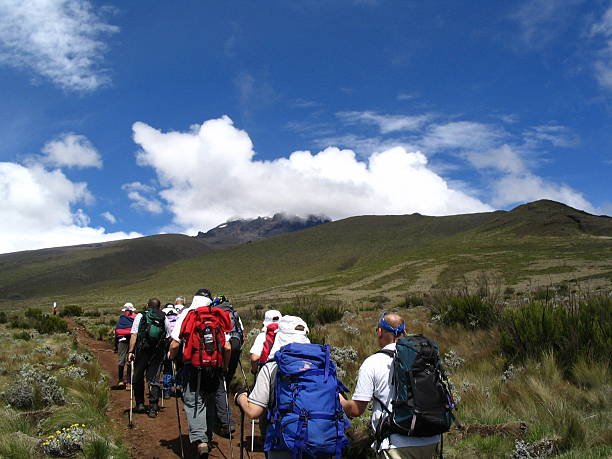
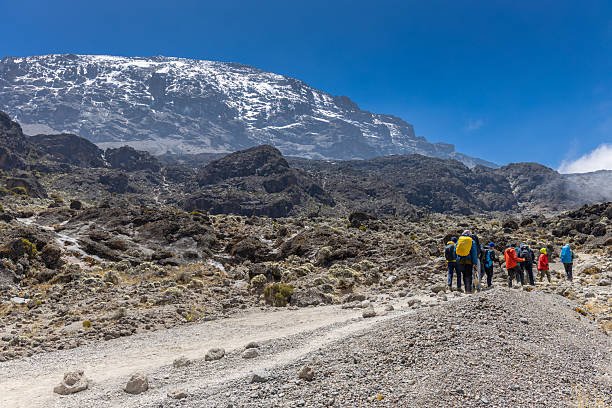
8 Day Kilimanjaro Group Join Friendly Climb 2026-2027 is designed for travellers who want to climb Mount Kilimanjaro with other hikers while benefiting from a longer trekking schedule and additional acclimatization time.
The eight day format is particularly suitable for solo travellers, couples and small groups who want to join a shared departure instead of arranging a fully private climb.
Group joining allows climbers to share the mountain experience, meet travellers from different countries and divide some operational costs across the group.
The longer itinerary also provides more time for the body to adjust to increasing altitude before summit night.
8 Day Kilimanjaro Group Join Friendly Climb at a Glance
- Mountain: Mount Kilimanjaro
- Country: Tanzania
- Duration: 8 trekking days
- Highest point: Uhuru Peak, 5,895 metres
- Travel style: Group joining climb
- Accommodation: Mountain camping
- Difficulty: Challenging high altitude trek
- Best for: Solo travellers, couples, friends and international hikers
Why Choose an 8 Day Kilimanjaro Group Climb?
An eight day Kilimanjaro itinerary gives climbers more time on the mountain compared with shorter five, six or seven day schedules.
The additional trekking time allows the daily elevation gain to be spread over more days, which can support gradual acclimatization.
For many travellers, the extra time also creates a less rushed experience and more opportunities to enjoy the mountain scenery.
Joining a group makes the climb more social and can be especially appealing to solo travellers who do not want to trek alone.
Why Travellers Choose Group Joining Climbs
- Meet climbers from different countries
- Share the mountain experience with others
- More affordable than some private climb arrangements
- Fixed group departure dates
- Professional mountain crew support
- Suitable for solo travellers
- Encouraging group atmosphere
- Longer itinerary with more acclimatization time
Who Is This 8 Day Kilimanjaro Group Climb For?
This climb is suitable for travellers who want a social mountain experience while still taking Kilimanjaro seriously as a high altitude challenge.
It is particularly attractive for solo travellers who want to join an established departure and meet other climbers.
Couples and friends can also join the same group while sharing tents or arranging separate tents depending on the confirmed package.
Previous technical mountaineering experience is not normally required for standard Kilimanjaro trekking routes, although good preparation and physical fitness are important.
Group Join Friendly Kilimanjaro Experience
A group join friendly climb should combine the social benefits of a shared departure with professional management and appropriate guide support.
Climbers normally trek together during the day while the guide team monitors individual pace, altitude response and general condition.
The group may include participants with different trekking backgrounds, ages and nationalities.
Mountain guides help maintain a steady pace so the group does not climb too quickly.
8 Day Kilimanjaro Route and Acclimatization
An eight day schedule is commonly associated with longer routes such as Lemosho, although the exact itinerary should always be confirmed before booking.
The route gradually gains elevation through different ecological zones before reaching the high mountain camps.
Acclimatization opportunities may include ascending to a higher point during the day before descending to sleep at a lower elevation.
This approach is commonly described as climbing high and sleeping lower and is often incorporated into longer Kilimanjaro itineraries.
Day 1: Londorossi Gate to Mti Mkubwa Camp
The climb begins with a transfer from Moshi or the agreed hotel to Londorossi Gate for registration and park formalities.
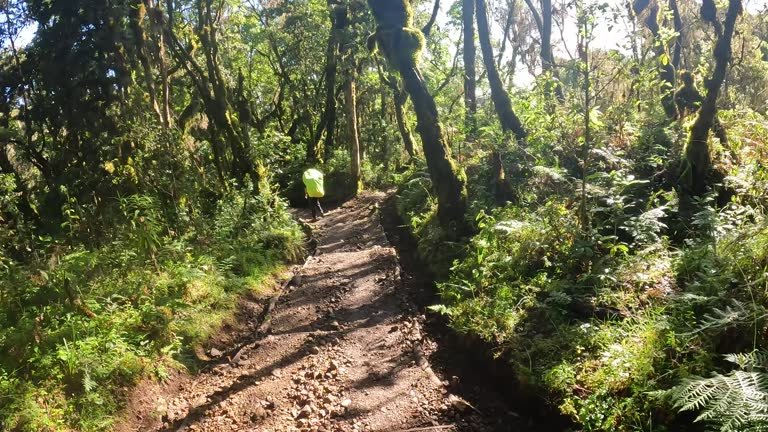
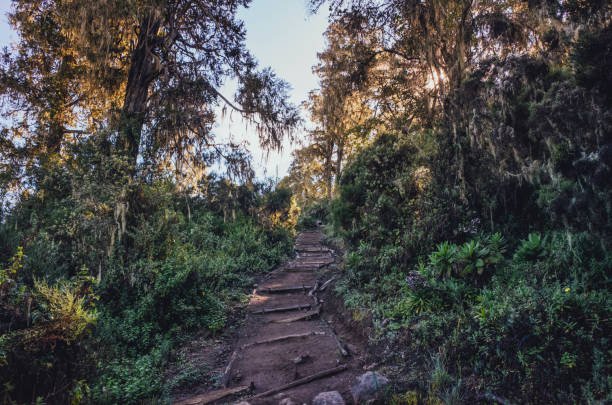
After completing entry procedures, the trekking team continues toward the trailhead and begins hiking through montane rainforest.
The forest is rich in vegetation and provides a gentle introduction to the mountain.
The first night is spent at Mti Mkubwa Camp.
Distance: Approximately 6-8 km
Elevation: About 2,100 m to 2,650 m
Trekking time: Approximately 3-4 hours
Habitat: Montane rainforest
Meals: Lunch and dinner
Day 2: Mti Mkubwa Camp to Shira 1 Camp
After breakfast, the trail leaves the rainforest and begins climbing into the heath and moorland zone.
The vegetation becomes lower and more open, providing wider views across the western side of Kilimanjaro.
The group continues toward the Shira Plateau, one of the mountain's most distinctive landscapes.
The day ends at Shira 1 Camp.
Distance: Approximately 7 km
Elevation: About 2,650 m to 3,500 m
Trekking time: Approximately 4-6 hours
Habitat: Heath and moorland
Meals: Breakfast, lunch and dinner
Day 3: Shira 1 Camp to Shira 2 Camp
The third day continues across the Shira Plateau with a relatively moderate increase in sleeping altitude.
This day can play an important role in the overall acclimatization schedule because climbers remain at elevation while avoiding an excessively large altitude gain.
The open landscape provides views across the plateau and toward the upper slopes of Kilimanjaro when conditions are clear.
Overnight is at Shira 2 Camp.
Distance: Approximately 7-8 km
Elevation: About 3,500 m to 3,850 m
Trekking time: Approximately 4-5 hours
Habitat: Moorland
Meals: Breakfast, lunch and dinner
Day 4: Shira 2 to Lava Tower and Barranco Camp
This is one of the most important acclimatization days of the climb.
The group climbs gradually toward Lava Tower, which sits at approximately 4,600 metres.
After reaching the higher point and spending some time at elevation, the route descends toward Barranco Camp.
Sleeping lower than the day's highest point helps support the acclimatization process.
Distance: Approximately 10 km
Highest point: Lava Tower around 4,600 m
Sleeping elevation: Barranco Camp around 3,950 m
Trekking time: Approximately 6-8 hours
Habitat: Alpine desert
Meals: Breakfast, lunch and dinner
Day 5: Barranco Camp to Karanga Camp
The day begins with the famous Barranco Wall.
Although the wall appears steep when viewed from camp, it is normally climbed through a series of paths and rocky sections without technical climbing equipment.
After reaching the top, the group continues across rolling terrain before descending and climbing again toward Karanga Camp.
The shorter day gives climbers more time to rest before moving higher.
Distance: Approximately 5-6 km
Elevation: About 3,950 m to 4,035 m
Trekking time: Approximately 4-5 hours
Habitat: Alpine desert
Meals: Breakfast, lunch and dinner
Day 6: Karanga Camp to Barafu Camp
After breakfast, the group leaves Karanga and continues toward Barafu Camp.
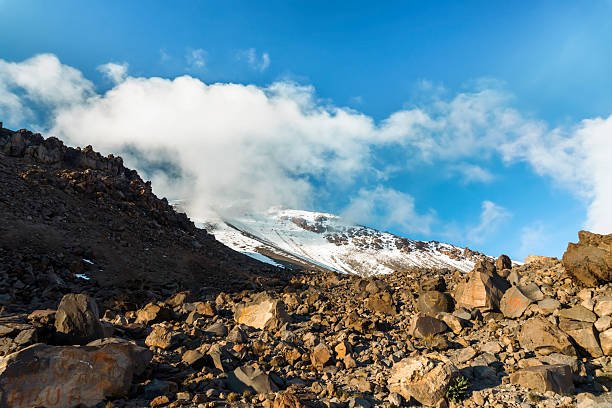
The landscape becomes increasingly dry and exposed as climbers enter the high altitude zone.
Barafu serves as the main base for the summit attempt.
After arriving, climbers eat, prepare equipment and rest before the summit departure later that night.
Distance: Approximately 4 km
Elevation: About 4,035 m to 4,640 m
Trekking time: Approximately 3-4 hours
Habitat: Alpine desert
Meals: Breakfast, lunch and dinner
Day 7: Barafu Camp to Uhuru Peak and Mweka Camp
Summit night normally begins around midnight or shortly afterward.
The group climbs slowly through the darkness toward Stella Point on the crater rim.
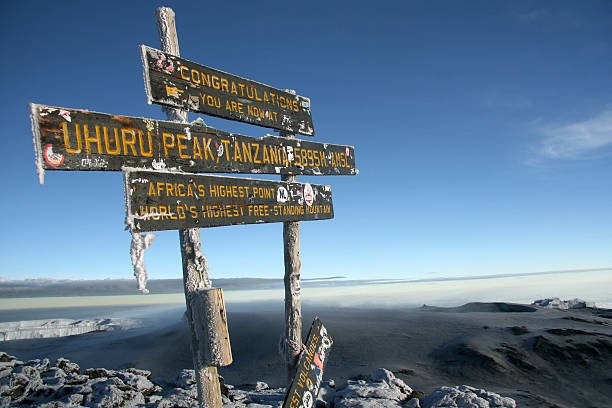
From Stella Point, the final section continues toward Uhuru Peak at approximately 5,895 metres, the highest point in Africa.
After reaching the summit and taking photographs, climbers descend back toward Barafu for a short rest before continuing to Mweka Camp.
Distance: Approximately 15-17 km total
Highest elevation: Uhuru Peak 5,895 m
Sleeping elevation: Mweka Camp around 3,100 m
Trekking time: Approximately 11-15 hours
Habitat: Arctic summit zone, alpine desert and forest transition
Meals: Breakfast, lunch and dinner
Day 8: Mweka Camp to Mweka Gate
The final trekking day descends through the rainforest toward Mweka Gate.
The warmer and greener environment contrasts strongly with the summit landscape experienced the previous day.
At the gate, successful climbers complete park exit formalities and receive summit certificates according to the highest point reached.
The group then transfers back to Moshi or the confirmed hotel for rest.
Distance: Approximately 10 km
Elevation: About 3,100 m to 1,640 m
Trekking time: Approximately 3-4 hours
Habitat: Montane rainforest
Meals: Breakfast and lunch
Why Eight Days Helps with Acclimatization
Kilimanjaro rises to almost 5,900 metres, making altitude one of the main challenges of the climb.
Longer itineraries allow climbers to spend additional time at intermediate elevations before reaching summit altitude.
An eight day route may include slower elevation gains and important acclimatization sections such as Lava Tower.
No itinerary can guarantee that a climber will avoid altitude symptoms, but additional time can support gradual adaptation.
Acclimatization Tips During the Climb
- Walk slowly and maintain a steady pace
- Drink sufficient water throughout the day
- Eat regularly even when appetite decreases
- Communicate symptoms to the guide team
- Rest properly after reaching camp
- Avoid unnecessary rushing at altitude
- Follow guide instructions throughout the climb
Professional Kilimanjaro Mountain Crew
A group joining climb is supported by a professional mountain crew.
The team normally includes a lead guide, assistant guides according to group size, a mountain cook and porters.
Guides manage the climbing pace, monitor the group and coordinate daily mountain operations.
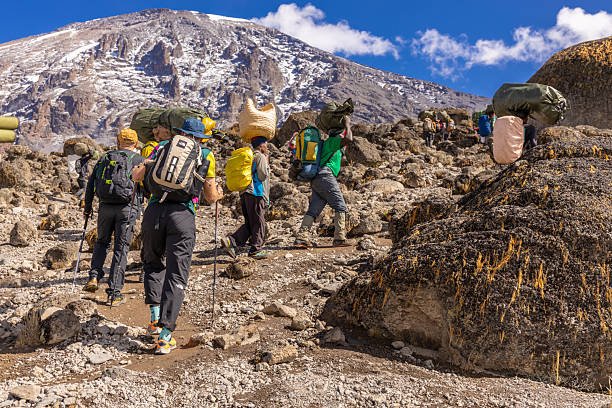
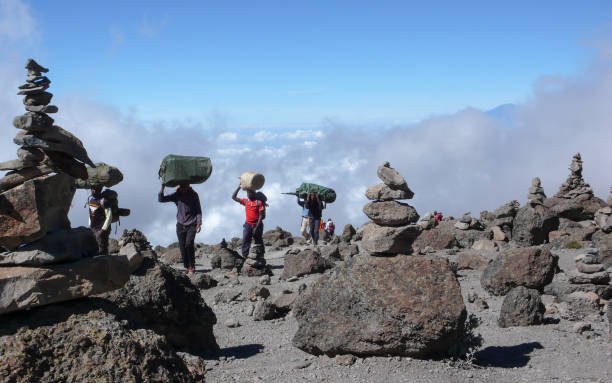
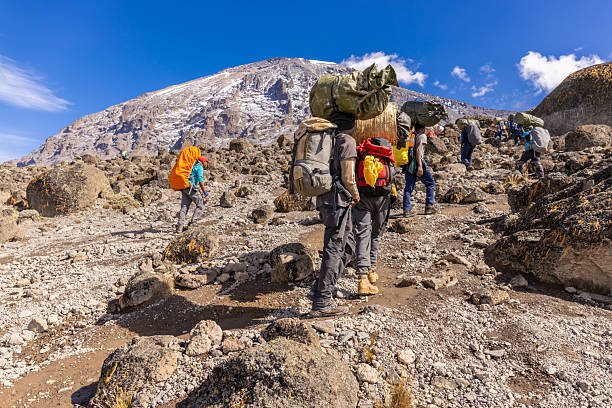
Porters transport camping equipment, food and approved personal luggage between camps.
Daily Health and Oxygen Checks
Health monitoring is an important part of a high altitude Kilimanjaro climb.
Guides may use a pulse oximeter to check oxygen saturation and pulse during the trek.
These readings are considered together with how the climber feels and any altitude related symptoms.
Climbers should report headaches, nausea, dizziness, unusual fatigue or other concerns instead of hiding symptoms from the guide team.
Summit Night Support
Summit night is normally the most demanding part of the climb because of the altitude, cold temperatures and long trekking duration.
The group leaves Barafu during the night and climbs slowly toward the crater rim.
Guides and summit support crew help manage pace and provide assistance where required.
Climbers who need to descend because of health or altitude concerns can be accompanied down while the rest of the group continues when operationally possible.
Camping Accommodation on Kilimanjaro
The eight day climbing itinerary normally uses mountain tents at designated camps.
Tents are set up by the mountain crew before or around the time climbers arrive at camp.
A dining tent with tables and chairs may also be provided according to the confirmed package.
Climbers should bring or rent an appropriate sleeping bag suitable for cold mountain conditions.
Meals on the 8 Day Kilimanjaro Climb
Meals are prepared by the mountain cook throughout the climb.
Breakfast may include porridge, eggs, pancakes, fruit, bread and hot drinks depending on the day's menu.
Lunch can be served as a hot meal or packed lunch depending on the trekking schedule.
Dinner usually includes carbohydrates, vegetables, soups and protein to help support climbers during the expedition.
Drinking Water on Kilimanjaro
Drinking water is normally collected and treated by the mountain team during the climb.
Climbers should carry personal reusable bottles or a hydration system according to the recommended gear list.
Good hydration is important throughout the trek, especially as altitude increases.
Cold temperatures near the summit can affect hydration systems, so climbers may also carry insulated bottles.
What to Pack for an 8 Day Kilimanjaro Group Climb
Kilimanjaro passes through several climate zones, so climbers need equipment for warm forest conditions, rain, strong sun, cold camps and freezing summit temperatures.
Layering is important because clothing needs can change significantly throughout each day.
Kilimanjaro Packing List
- Waterproof trekking boots
- Trekking trousers
- Base layers
- Fleece jacket
- Insulated down or synthetic jacket
- Waterproof jacket and trousers
- Warm summit gloves
- Warm hat and sun hat
- Headlamp with spare batteries
- Sleeping bag suitable for cold conditions
- Daypack
- Duffel bag for porter carried luggage
- Trekking poles
- Sunglasses
- Sunscreen
- Reusable water bottles
- Personal medication and toiletries
Porter Luggage on the Group Climb
Porters carry approved personal luggage together with communal mountain equipment.
Climbers normally carry only a daypack containing water, clothing layers, snacks, sunscreen, rain gear and other items required during the day's trek.
Personal porter carried luggage should remain within the confirmed weight allowance.
Travellers should avoid bringing unnecessary items onto the mountain.
Fitness for the 8 Day Kilimanjaro Climb
Kilimanjaro is a demanding high altitude trek even though standard routes do not normally require technical climbing skills.
Climbers should be comfortable walking for several hours on consecutive days.
Training can include long walks, hill hiking, stair climbing, cycling, running and other cardiovascular exercises.
Walking with the boots and daypack intended for Kilimanjaro can also help prepare for the trek.
Can Beginners Join the 8 Day Group Climb?
Yes, physically prepared beginners can join an eight day Kilimanjaro climb.
Previous high altitude experience is helpful but not always required.
Beginners should understand that summit night is strenuous and that altitude can affect even very fit people.
A longer route and appropriate preparation can make the climb more manageable than attempting an unnecessarily short itinerary.
Solo Travellers Joining the Group
Group joining climbs are particularly convenient for solo travellers.
Instead of paying for a completely private mountain operation, solo climbers can join a scheduled departure with other participants.
This also creates opportunities to meet travellers who share an interest in hiking and adventure travel.
Solo travellers can request information about tent and hotel room arrangements before confirming the booking.
Couples and Friends Joining the Group
Couples and friends can also join an existing Kilimanjaro departure.
They remain part of the larger climbing group while travelling together before, during and after the trek.
Tent sharing arrangements can normally be confirmed according to the package and availability.
International Kilimanjaro Group Climbs
Group departures often include travellers from different countries.
This creates a social mountain environment where participants share meals, camps and trekking days.
The guide team manages the climb as one group while paying attention to the condition and pace of individual climbers.
Best Time for an 8 Day Kilimanjaro Group Climb
Kilimanjaro can be climbed at different times of the year, although some months generally offer drier trekking conditions.
Popular climbing periods often include January through early March and June through October.
December can also attract climbers, particularly around Christmas and New Year departures.
Mountain weather remains unpredictable, so climbers should prepare for rain, wind and cold regardless of travel month.
Kilimanjaro Group Climb from Moshi
Moshi is the main base for many Kilimanjaro climbs.
Climbers normally arrive before the trek for a briefing, equipment check and final preparation.
The mountain team then collects the group from the hotel and transfers everyone to the appropriate Kilimanjaro gate.
After the climb, climbers return to Moshi for rest and onward travel.
Hotel Accommodation Before and After the Climb
Many Kilimanjaro packages include hotel accommodation before and after the mountain trek.
The pre climb night allows travellers to rest after international travel and attend the mountain briefing.
The post climb night provides time to shower, recover and celebrate before departing Tanzania or continuing with another activity.
The exact number of hotel nights should be confirmed when booking.
Airport Transfers
Airport transfers can be included in the Kilimanjaro package according to the confirmed arrangement.
Most international climbers arrive through Kilimanjaro International Airport.
Flight details should be provided in advance so the transfer can be coordinated correctly.
What Is Included in the 8 Day Kilimanjaro Group Climb?
Inclusions depend on the final operator package, but a complete quotation should clearly explain mountain fees, crew services, accommodation, meals and transfers.
Typical Kilimanjaro Group Climb Inclusions
- Professional licensed mountain guides
- Assistant guides according to group size
- Mountain cook
- Porters
- Kilimanjaro National Park fees
- Camping fees
- Rescue fees
- Mountain tents
- Dining tent, tables and chairs where included
- Three meals per day on the mountain
- Drinking water during the climb
- Transfers to and from the mountain gates
- First aid equipment
- Emergency oxygen
- Pulse oximeter monitoring
- Summit certificate
Typical Exclusions
- International flights
- Tanzania visa expenses
- Travel and high altitude insurance
- Personal trekking equipment unless specified
- Equipment rental
- Crew gratuities
- Personal medical expenses
- Alcoholic beverages
- Optional activities after the climb
- Additional accommodation outside the confirmed package
Kilimanjaro Group Climb Cost 2026-2027
The price of an eight day group joining climb depends on the route, departure date, group size, hotel arrangement and exact services included.
Longer Kilimanjaro climbs generally cost more than shorter itineraries because of additional park fees, food, crew wages and mountain logistics.
However, group joining departures can help reduce the per person cost compared with some private arrangements.
Travellers should compare the complete package and not simply choose the lowest headline price.
Kilimanjaro Tips and Crew Gratuities
Tipping the Kilimanjaro mountain crew is customary but should remain based on the climber's satisfaction with the service received.
Tips are normally distributed at the end of the climb among guides, assistant guides, cooks and porters.
Travellers should ask for current tipping guidance before departure so they can prepare the appropriate amount of cash.
Travel Insurance for Kilimanjaro
Climbers should arrange suitable travel insurance before attempting Kilimanjaro.
The policy should specifically cover trekking up to the maximum altitude reached on the climb.
Emergency evacuation, medical treatment, trip cancellation and interruption provisions should be reviewed carefully.
Insurance information should remain accessible throughout the expedition.
Combining the Kilimanjaro Climb with Safari
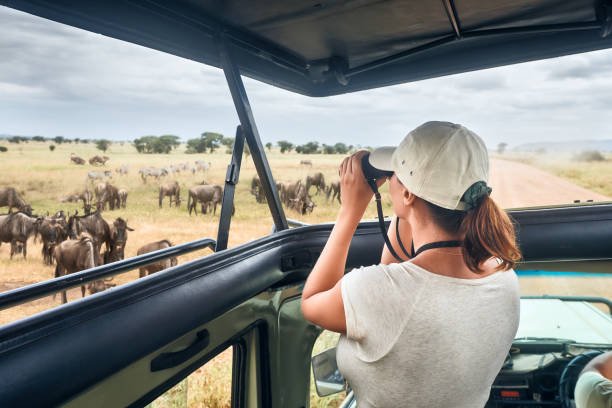
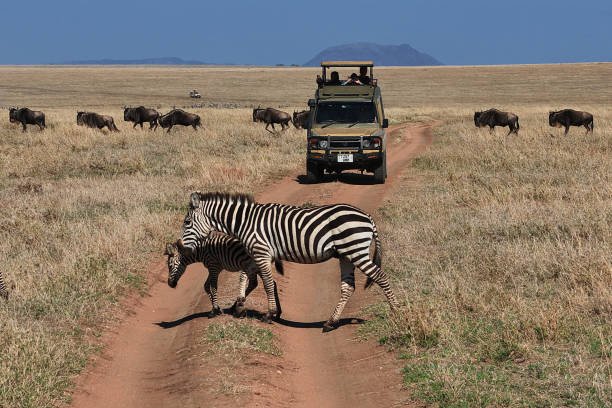
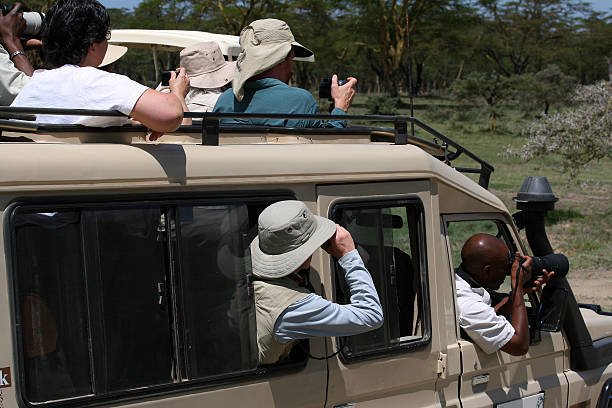
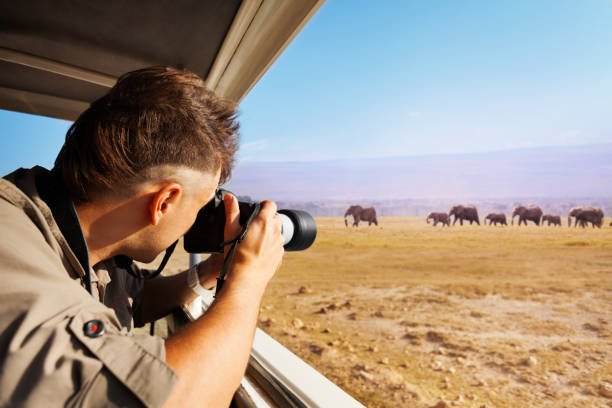
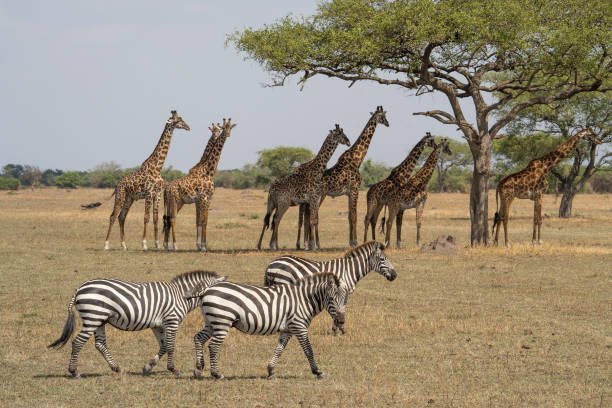
An eight day Kilimanjaro climb can be followed by a northern Tanzania wildlife safari.
Popular destinations include Tarangire National Park, Ngorongoro Crater, Serengeti National Park and Lake Manyara.
Safari extensions can range from two or three days to a week or longer.
Many climbers enjoy safari after Kilimanjaro because wildlife viewing requires considerably less physical effort than the mountain trek.
Combining Kilimanjaro with Zanzibar
Zanzibar is another popular extension after an eight day Kilimanjaro climb.
Domestic flights can connect northern Tanzania with Zanzibar, allowing climbers to continue directly toward the coast.
A few days on the beach can provide time for relaxation after the mountain expedition.
Booking an 8 Day Kilimanjaro Group Join Friendly Climb 2026-2027
To join a scheduled Kilimanjaro group departure, travellers should provide their preferred climbing dates and number of participants.
Availability can then be checked against confirmed group departure dates.
Once the climb is confirmed, travellers can receive the detailed itinerary, packing list, payment information and pre departure instructions.
Flight details can be provided later so airport transfers and hotel arrangements can be coordinated correctly.
Frequently Asked Questions About the 8 Day Kilimanjaro Group Climb
Is eight days a good duration for climbing Kilimanjaro?
Yes. An eight day itinerary provides more time on the mountain and can offer a more gradual acclimatization schedule than shorter routes.
Can solo travellers join the group?
Yes. Group joining departures are particularly suitable for solo travellers who want to climb with other international hikers.
Do I need previous climbing experience?
Technical climbing experience is not normally required on standard Kilimanjaro trekking routes, although good fitness and preparation are important.
How high is Uhuru Peak?
Uhuru Peak is approximately 5,895 metres above sea level and is the highest point on Mount Kilimanjaro and in Africa.
Where do climbers sleep?
On camping routes such as Lemosho, climbers sleep in mountain tents at designated camps throughout the trek.
Are meals included?
Yes. Multi day Kilimanjaro packages normally include breakfast, lunch and dinner during the mountain climb.
Is drinking water provided?
Yes. Drinking water is normally collected and treated by the mountain crew, while climbers carry their daily supply in personal bottles or hydration systems.
Are guides and porters included?
Yes. Supported Kilimanjaro group climbs normally include professional guides, assistant guides according to group size, porters and a mountain cook.
Can I rent trekking equipment?
Yes. Selected Kilimanjaro equipment such as sleeping bags, trekking poles, jackets and other items can normally be rented when arranged in advance.
Can I join if I am travelling with a friend?
Yes. Friends, couples and small parties can join the same group departure together.
Can I add a safari after the climb?
Yes. Kilimanjaro can be combined with Tarangire, Serengeti, Ngorongoro, Lake Manyara and other Tanzania safari destinations.
Can I visit Zanzibar after Kilimanjaro?
Yes. Zanzibar is a popular post climb extension and can be reached by domestic flight from northern Tanzania.
How difficult is summit night?
Summit night is the most physically demanding part of the climb because of the high altitude, cold temperatures and long trekking hours.
How do I book an 8 Day Kilimanjaro Group Join Friendly Climb for 2026-2027?
Provide your preferred climbing date, number of travellers and any accommodation requirements. Available group departures can then be checked and the full climbing package prepared around the confirmed schedule.
Join an 8 Day Kilimanjaro Group Climb 2026-2027
Climb Mount Kilimanjaro with an international group on an eight day itinerary designed around gradual trekking, acclimatization, professional mountain support and the goal of reaching Uhuru Peak at 5,895 metres.
Join the Kilimanjaro Group Climb

 Serengeti Safari