Eastern Serengeti Safari 2026-2027
Eastern Serengeti Safari 2026-2027 offers a quieter safari experience for travellers who want wide open landscapes, predator opportunities and access to less crowded game drive areas within the Serengeti ecosystem.
The eastern side of Serengeti is less frequently visited than the central Seronera region, making it attractive to travellers who value space, scenery and a more remote atmosphere.
Wildlife distribution changes throughout the year, so eastern Serengeti is particularly rewarding when seasonal conditions bring prey and predators into the area.
For this reason, the region is often best combined with central Serengeti or another productive area instead of being treated as the only safari location for every season.
Eastern Serengeti Safari at a Glance
- Best known for: Remote plains and quieter game drives
- Wildlife focus: Lions, cheetahs, plains game and seasonal herd movement
- Landscape: Open grassland, kopjes and expansive horizons
- Safari style: Mainly private and flexible itineraries
- Photography: Excellent for big cats and uncluttered landscapes
- Crowds: Often lower than central Serengeti
- Best combined with: Central Serengeti, Ngorongoro and Ndutu
- Recommended duration: 4 to 7+ days for a broader Serengeti itinerary
What Is Eastern Serengeti?
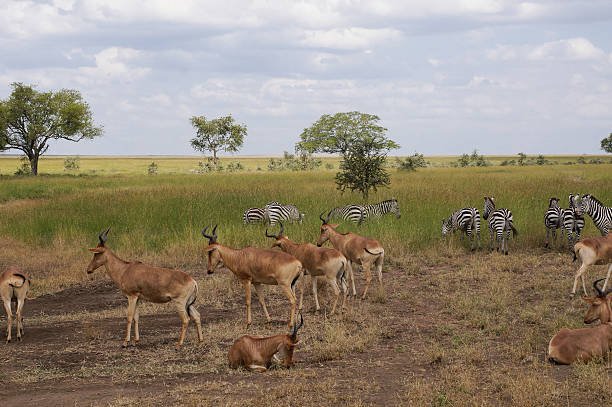
Eastern Serengeti refers to the less visited eastern side of the Serengeti ecosystem, where broad open plains and remote game drive tracks create a different atmosphere from the busier central region.
The area can be especially rewarding for experienced safari travellers, photographers and visitors who want to spend more time exploring quieter wildlife landscapes.
Because water and grazing conditions change seasonally, wildlife numbers can vary more significantly than in central Serengeti.
This makes timing and route design particularly important.
Why Choose Eastern Serengeti?
- Quieter safari atmosphere
- Wide open landscapes
- Excellent cheetah habitat in suitable areas
- Strong lion opportunities
- Good wildlife photography
- Less vehicle congestion in many areas
- Easy to combine with Central Serengeti
Is Eastern Serengeti Worth Visiting?
Yes, Eastern Serengeti can be very rewarding for travellers who value quiet game drives and expansive landscapes.
It is especially attractive when wildlife conditions are favorable and when travellers have enough safari time to combine it with a more reliable year round region such as Central Serengeti.
The eastern plains are not equally productive every month, so travellers should avoid adding the region automatically without considering seasonal wildlife distribution.
Wildlife in Eastern Serengeti
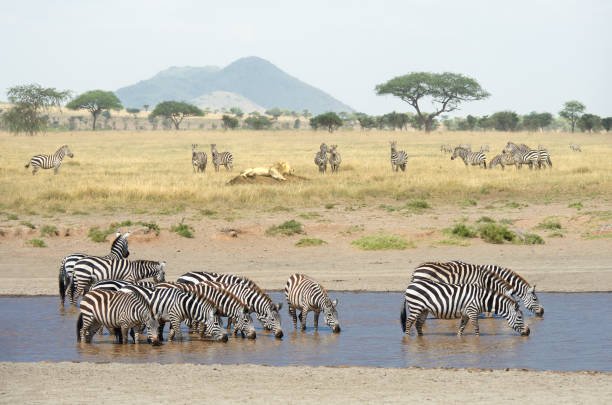
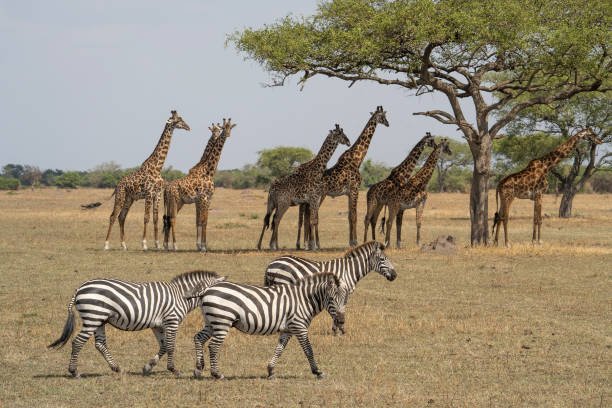
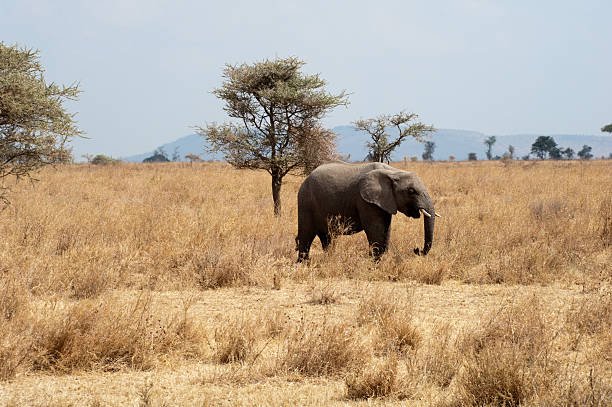
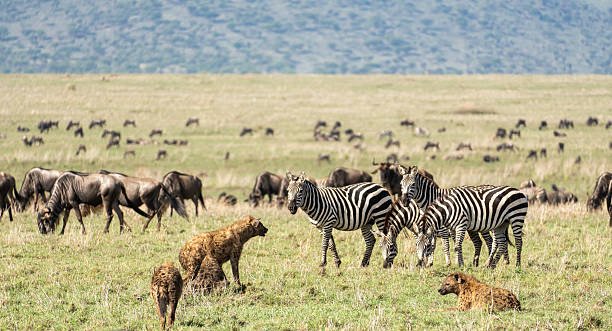
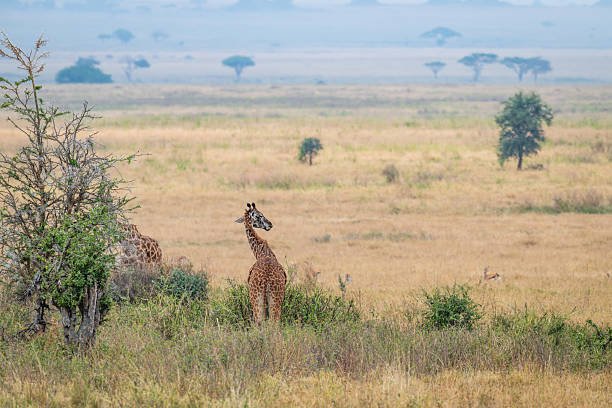
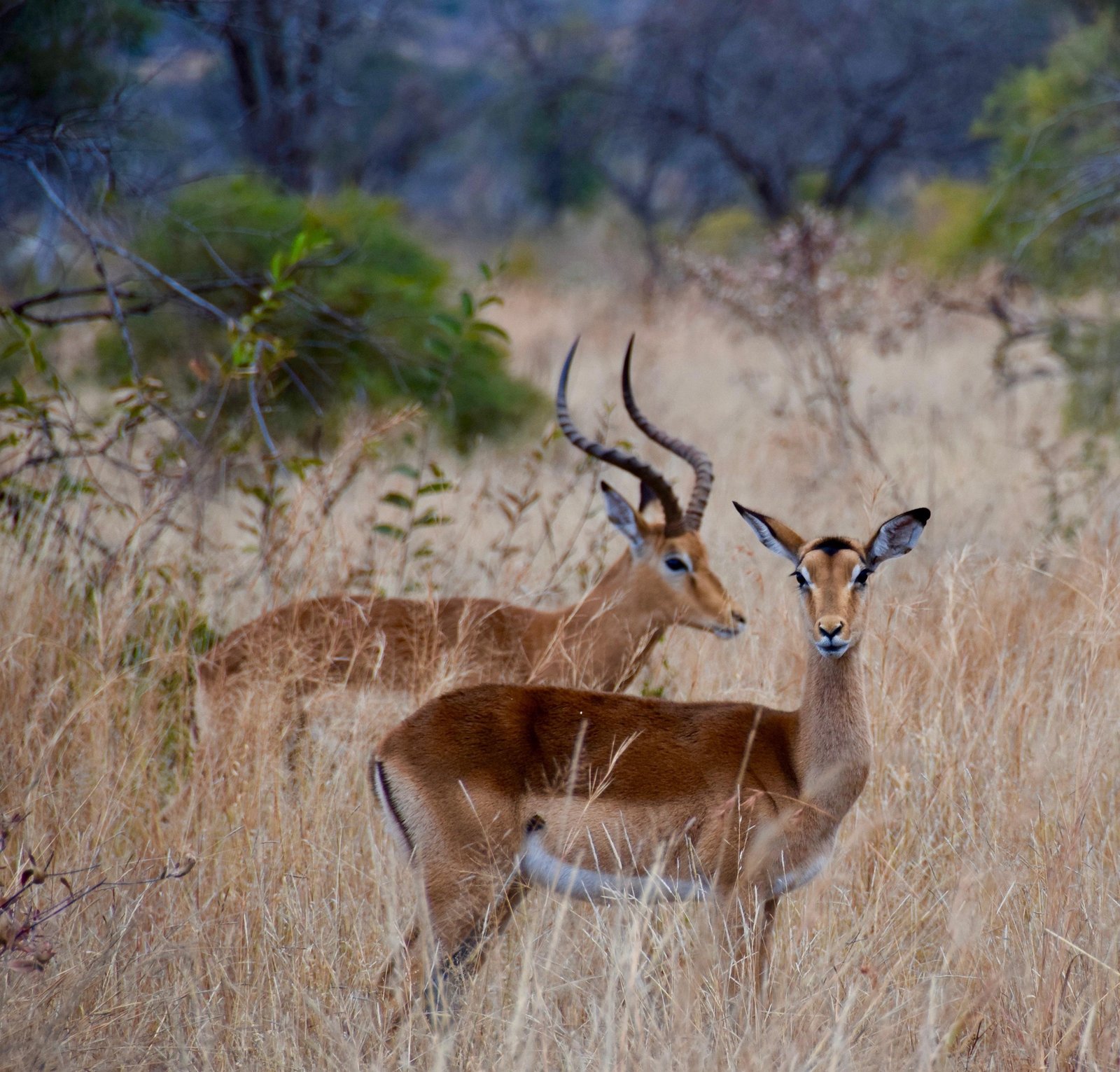
Eastern Serengeti can support lions, cheetahs, hyenas, giraffes, elephants, zebra, wildebeest and different antelope species depending on season and location.
The open plains are particularly suitable for predators that rely on visibility and speed.
Wildlife density can change with rainfall and grazing, making flexible game drives important.
Wildlife You May See in Eastern Serengeti
- Lions
- Cheetahs
- Hyenas
- Giraffes
- Elephants
- Wildebeest
- Zebra
- Gazelles
- Other antelope species
- Birdlife
Lions in Eastern Serengeti
Lions can be encountered across suitable parts of the eastern plains, especially where prey remains available.
Open landscapes can make it easier to observe prides resting, moving or watching herbivore herds from a distance.
Early morning and late afternoon game drives can be particularly rewarding because temperatures are cooler and predators may be more active.
Cheetahs in Eastern Serengeti
Eastern Serengeti can be especially attractive for travellers interested in cheetahs because wide open plains provide useful hunting habitat.
The region's broad visibility can also create excellent photographic conditions when cheetahs are encountered.
Specific sightings and hunts remain natural and cannot be guaranteed, so travellers should allow enough time to search suitable areas.
Great Migration in Eastern Serengeti
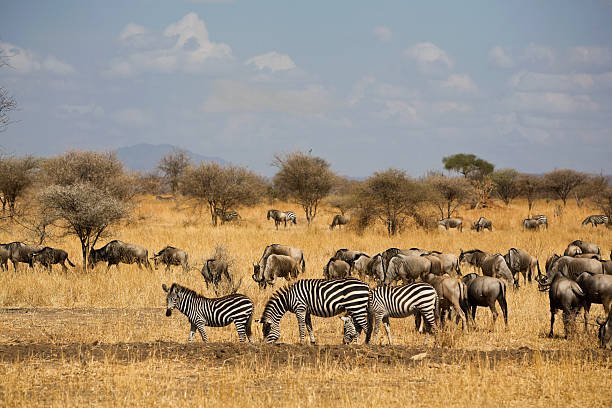
The Great Migration can influence parts of eastern Serengeti during certain seasonal movements, although the region is not the main migration focus throughout the year.
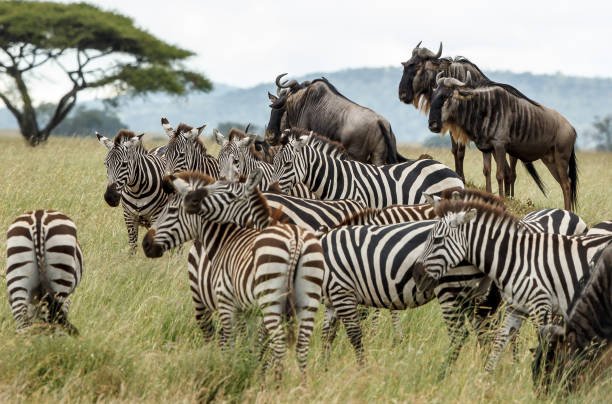
Wildebeest and zebra respond to rainfall, water and new grazing, so herd distribution can shift into broader eastern or central plains during suitable conditions.
Travellers should use current field information rather than assuming the herds will be in eastern Serengeti on a fixed calendar date.
Best Time for Eastern Serengeti Safari
The best time for Eastern Serengeti depends on rainfall and wildlife distribution rather than one permanent season.
Green and transitional months can sometimes bring attractive grazing and wildlife into the eastern plains, while drier periods may push animals toward more dependable water sources elsewhere.
Travellers should therefore combine seasonal planning with current wildlife reports when choosing the region.
Eastern Serengeti in January and February
During January and February, migration focused travellers often prioritize southern Serengeti and Ndutu for calving activity.
Eastern Serengeti can still offer plains wildlife and predators, particularly as part of a wider route rather than the sole safari destination.
Travellers with enough time can combine eastern areas with southern and central game drives.
Eastern Serengeti in March and April
March and April can bring greener conditions and changing wildlife distribution across the Serengeti ecosystem.
Fresh grazing can influence the movement of plains game, while dramatic skies create attractive photography conditions.
Road access should be considered during wetter periods because some remote tracks can become more challenging.
Eastern Serengeti in May and June
May and June can be transitional months as wildlife distribution changes with declining rainfall and migration movement.
Travellers should use current wildlife information when deciding whether to dedicate significant safari time to eastern areas or concentrate farther west and central.
Eastern Serengeti from July to October
During the main dry season, large migration herds are often more relevant in northern or western parts of the wider ecosystem.
Eastern Serengeti can still provide resident predators and plains wildlife, but wildlife concentration may vary more significantly according to available water.
For first time visitors during this period, Central Serengeti can provide a more reliable base, with eastern exploration added when conditions are productive.
Eastern Serengeti in November and December
Seasonal rains can begin refreshing drier landscapes during November and December.
Fresh grass can influence herd movement across broader eastern and central plains as wildlife responds to improving grazing.
This can create attractive green scenery and new game drive possibilities depending on the year's rainfall pattern.
Eastern Serengeti Photography Safari
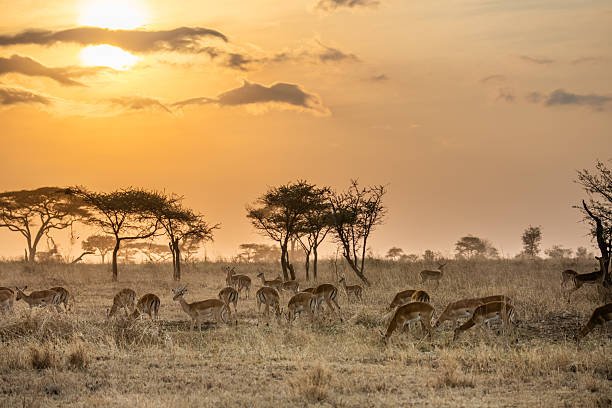
Eastern Serengeti is especially appealing to photographers because of its open horizons, lower vehicle density and dramatic landscape compositions.
Cheetahs, lions and plains game can be photographed against broad skies and uncluttered backgrounds.
A private vehicle is particularly useful because photographers can control the pace of the game drive and spend longer at productive sightings.
Private Eastern Serengeti Safari
A private safari is one of the strongest ways to explore Eastern Serengeti because the region rewards flexible route planning.
A dedicated guide can adjust the game drive according to current wildlife information, road conditions and seasonal changes.
This is especially useful for photographers, experienced safari travellers, honeymooners and guests seeking quieter wildlife experiences.
Group Joining Eastern Serengeti Safari
Group joining options may be more limited because many scheduled safari itineraries concentrate on Central Serengeti.
Travellers should confirm the exact route before booking if Eastern Serengeti is a priority.
A standard low cost group safari may pass through Serengeti without dedicating meaningful game drive time to eastern areas.
Budget Eastern Serengeti Safari
A budget safari can include eastern exploration when the route remains practical, but travellers should avoid adding unnecessary long drives simply to reach a less visited region.
For many budget itineraries, combining Central Serengeti with selected eastern game drive areas can be more efficient than staying far from the main wildlife base.
Mid Range Eastern Serengeti Safari
Mid range tented camps and lodges can provide comfortable accommodation while allowing travellers to explore eastern landscapes as part of a broader Serengeti route.
The best property depends on season, road access and the amount of game drive time planned in the region.
Luxury Eastern Serengeti Safari
Luxury itineraries can use well positioned camps, private vehicles and domestic flights to reduce travel time and create a more exclusive safari experience.
Travellers can combine remote game drives with premium accommodation and continue to Ngorongoro or Zanzibar afterward.
Eastern Serengeti Safari from Arusha
Travellers can reach Serengeti from Arusha by road as part of a longer northern circuit itinerary.
Eastern exploration works best when enough days are available to combine it with Central Serengeti rather than rushing through several distant destinations.
Ngorongoro can be included before or after Serengeti depending on route direction.
Eastern Serengeti Safari from Moshi
Travellers staying in Moshi can begin an Eastern Serengeti safari after Kilimanjaro or as a separate wildlife journey.
The safari can travel through Arusha and the northern circuit before reaching Serengeti.
Five to seven or more days generally creates better flexibility for combining central and eastern Serengeti areas.
Eastern Serengeti Safari from Zanzibar
Travellers in Zanzibar can use domestic flights to reach Serengeti or northern Tanzania before beginning game drives.
Fly in arrangements can be especially useful for short private safaris because they reduce long road transfers.
The itinerary can focus on Central Serengeti with eastern exploration added according to current wildlife conditions.
3 Day Eastern Serengeti Safari
A three day itinerary is possible, but travellers should keep the route focused.
A fly in safari or a central Serengeti base with selected eastern game drives can provide better wildlife time than long overland transfers.
4 Day Eastern Serengeti Safari
Four days creates more flexibility to explore both Central and Eastern Serengeti while still allowing a Ngorongoro extension.
Private travel is especially useful because the guide can decide how much time to dedicate east depending on current wildlife conditions.
5 Day Eastern Serengeti Safari
Five days provides a stronger balance between central wildlife reliability and quieter eastern game drives.
Travellers can include multiple Serengeti nights and add Ngorongoro without making the itinerary excessively rushed.
6 Day Eastern Serengeti Safari
A six day safari gives travellers enough time to explore central and eastern Serengeti more deeply and combine the trip with another northern Tanzania destination.
Photographers and predator focused travellers can benefit from the additional game drive time and greater flexibility.
Suggested Eastern Serengeti Safari Focus
- Use Central Serengeti as a reliable wildlife base
- Add eastern game drives when seasonal conditions are productive
- Focus on lions, cheetahs and open landscapes
- Use a private vehicle for maximum flexibility
- Allow enough days to avoid rushed transfers
- Choose accommodation according to practical game drive access
Eastern and Central Serengeti Safari
Combining Eastern and Central Serengeti is one of the strongest ways to experience the region.
Central Serengeti provides dependable resident wildlife, while eastern plains add quieter game drives, open landscapes and additional predator opportunities.
This combination works particularly well for private safaris and photographers.
Eastern Serengeti and Ngorongoro Safari
Eastern Serengeti can be combined with Ngorongoro for a broader northern Tanzania experience.
Serengeti provides open plains and predator viewing, while Ngorongoro offers a concentrated crater ecosystem.
Four to six or more days provides a practical amount of time for this combination.
Eastern Serengeti and Ndutu Safari
Eastern Serengeti can be combined with Ndutu during suitable early year travel periods.
Ndutu offers seasonal migration and calving opportunities, while eastern plains can add predator focused and quieter game drive experiences.
The exact route should follow current herd movement and road conditions.
Eastern Serengeti Safari and Zanzibar
An Eastern Serengeti safari can be combined with Zanzibar before or after the wildlife journey.
Domestic flights make it possible to create a safari and beach holiday without unnecessary return road travel.
This combination is particularly attractive for couples, honeymooners and travellers wanting contrasting wildlife and coastal experiences.
Eastern Serengeti Safari After Kilimanjaro
Travellers completing Kilimanjaro can continue from Moshi toward Serengeti and Ngorongoro.
Eastern Serengeti is best included when seasonal wildlife conditions support the additional exploration.
After the safari, travellers can return to Arusha or Kilimanjaro Airport or continue to Zanzibar.
Accommodation in Eastern Serengeti
Accommodation options in and around eastern Serengeti are generally more limited than in central Serengeti.
This makes route planning important because travellers should avoid spending excessive time transferring between accommodation and productive game drive areas.
Many itineraries use well positioned central or eastern side camps and explore the wider region by 4x4.
Eastern Serengeti Tented Camps
Tented camps can provide an intimate safari atmosphere while keeping travellers relatively close to remote landscapes.
Depending on the property, guests can enjoy private facilities, meals and comfortable sleeping arrangements while remaining close to nature.
Professional Safari Guide
A professional guide is especially important in Eastern Serengeti because wildlife can be more widely distributed than in busier central areas.
The guide uses local knowledge, tracks, animal behavior and current field information to decide where to spend game drive time.
This makes a flexible private itinerary especially useful.
4x4 Game Drives in Eastern Serengeti
Eastern Serengeti is best explored in a suitable 4x4 safari vehicle capable of handling changing track and weather conditions.
Opening roofs provide elevated wildlife viewing and photography opportunities.
Private vehicles allow travellers to spend more time exploring remote tracks without following the schedule of a larger group.
Eastern Serengeti Safari for Couples
Couples can enjoy a private Eastern Serengeti itinerary focused on quieter game drives and scenic landscapes.
This can work especially well for honeymooners who prefer privacy and less congested wildlife areas.
Eastern Serengeti Safari for Families
Families can visit Eastern Serengeti, particularly when using a private vehicle and a carefully paced itinerary.
Because some game drives can involve longer exploration in remote areas, the route should consider children's ages, rest stops and meal timing.
Eastern Serengeti Safari for Solo Travelers
Solo travellers can arrange private Eastern Serengeti safaris or join broader Serengeti departures that include eastern exploration.
A private safari costs more per person but provides much greater flexibility for wildlife searching and photography.
What Is Included in an Eastern Serengeti Safari?
Typical Eastern Serengeti Safari Inclusions
- Professional safari driver guide
- 4x4 safari vehicle
- Serengeti National Park fees
- Accommodation according to itinerary
- Meals according to package
- Drinking water during safari
- Wildlife game drives
- Transfers between safari destinations
- Other park fees when additional destinations are included
- Hotel or airport transfers when specified
Typical Safari Exclusions
- International flights
- Visa expenses
- Travel insurance
- Safari guide gratuities
- Alcoholic drinks unless specified
- Personal expenses
- Hot air balloon safari unless included
- Domestic flights unless specified
- Extra hotel nights
- Optional activities not listed in the itinerary
Eastern Serengeti Safari Cost 2026-2027
The cost of an Eastern Serengeti safari depends on trip duration, accommodation category, season, number of travellers and whether the itinerary is private or shared.
Private safaris are especially common because remote eastern exploration benefits from flexible route planning.
Fly in arrangements can increase the total cost but reduce road travel and maximize wildlife time.
Travellers should compare accommodation location, game drive time and overall route quality rather than looking only at the lowest advertised rate.
How Many Days Do You Need in Eastern Serengeti?
One or two dedicated days can provide a useful introduction when Eastern Serengeti is combined with Central Serengeti.
Photographers and experienced safari travellers may prefer additional time when seasonal conditions make the region particularly productive.
A four to seven day overall Serengeti itinerary provides greater flexibility than trying to explore remote eastern areas during a very short safari.
Planning an Eastern Serengeti Safari 2026-2027
Start by confirming your travel month and whether quiet landscapes, predators or seasonal migration movement are the main priorities.
Then decide how much time to spend in Central Serengeti versus eastern areas, keeping wildlife reliability and travel distances in balance.
Choose private or group travel and select accommodation according to practical access rather than only price.
The best Eastern Serengeti itinerary remains flexible and uses current wildlife conditions instead of following the same route throughout the year.
Frequently Asked Questions About Eastern Serengeti Safari
Where is Eastern Serengeti?
Eastern Serengeti refers to the quieter eastern side of the Serengeti ecosystem, with broad plains and more remote game drive areas than the central Seronera region.
What is Eastern Serengeti famous for?
It is known for open landscapes, quieter safari conditions, predator opportunities and excellent photography when seasonal wildlife conditions are favorable.
Is Eastern Serengeti good for cheetahs?
Yes. Open plains can provide suitable cheetah habitat and strong photographic opportunities, although sightings remain natural and cannot be guaranteed.
Can I see lions in Eastern Serengeti?
Yes. Lions can be encountered in suitable eastern habitats where prey is available throughout different parts of the year.
Does the Great Migration visit Eastern Serengeti?
Migration herds can use broader eastern plains during suitable seasonal conditions, but Eastern Serengeti is not the primary migration area throughout the year.
What is the best time for Eastern Serengeti?
The best period depends on rainfall and wildlife distribution, so current seasonal conditions should be considered when planning the route.
Is Eastern Serengeti less crowded?
Often yes. Eastern areas generally receive fewer safari vehicles than the busiest central wildlife zones.
Is Eastern Serengeti good for photography?
Yes. Open horizons, fewer vehicles and big cat opportunities can make it excellent for wildlife and landscape photography.
Can I combine Eastern and Central Serengeti?
Yes. This is one of the best ways to combine reliable resident wildlife with quieter eastern exploration.
Can I combine Eastern Serengeti and Ngorongoro?
Yes. Eastern and Central Serengeti can be combined with Ngorongoro in a broader northern Tanzania safari itinerary.
Can I visit Eastern Serengeti from Zanzibar?
Yes. Domestic flights can connect Zanzibar with Serengeti or northern Tanzania before a private wildlife safari.
Can I book a private Eastern Serengeti safari?
Yes. Private travel is particularly useful because guides can adapt routes according to wildlife distribution and seasonal conditions.
Are group joining safaris available?
Some broader Serengeti group safaris may include eastern exploration, but travellers should confirm the exact route because many group itineraries focus mainly on Central Serengeti.
How many days should I spend in Eastern Serengeti?
One to two focused days can work well when combined with Central Serengeti, while longer stays suit photography and specialist wildlife itineraries.
Is Eastern Serengeti good for first time visitors?
Yes, especially when combined with Central Serengeti so travellers receive both reliable wildlife viewing and a quieter remote safari experience.
How do I book an Eastern Serengeti Safari 2026-2027?
Provide your travel dates, number of travellers, starting point, safari duration and accommodation preference. The itinerary can then be designed around Eastern and Central Serengeti, current wildlife conditions, Ngorongoro, Ndutu and any Zanzibar or Kilimanjaro extensions.
Plan Your Eastern Serengeti Safari 2026-2027
Explore quieter eastern Serengeti landscapes with open plains, big cat opportunities, flexible private game drives and a safari route designed around the wildlife conditions that best match your travel dates.
Plan Your Eastern Serengeti Safari

 Serengeti Safari