Great Migration Safari Tanzania 2026-2027
Great Migration Safari Tanzania 2026-2027 is designed around the seasonal movement of wildebeest, zebras and other grazing animals across the Serengeti ecosystem.
The migration changes location throughout the year, so the best safari region depends heavily on travel dates and current environmental conditions.
Travellers can experience calving season in the south, large moving herds across central and western areas, or migration activity in northern Serengeti during suitable periods.
Because rainfall controls much of the movement, no responsible safari plan should promise an exact herd location months in advance.
Great Migration Safari Tanzania at a Glance
- Main destination: Serengeti ecosystem
- Main wildlife: Wildebeest, zebras, predators and plains animals
- Major highlights: Calving season and possible river crossings
- Safari style: Private, group joining or fly-in
- Accommodation: Camping, lodges and seasonal migration camps
- Best for: Wildlife lovers, photographers, couples and families
- Popular combination: Serengeti and Ngorongoro
- Optional extension: Zanzibar or Kilimanjaro
What Is the Great Migration in Tanzania?
The Great Migration is the continuous seasonal movement of enormous numbers of wildebeest, zebras and other herbivores through the Serengeti ecosystem.
The animals move in search of fresh grazing and water as rainfall patterns change across the region.
This movement supports one of the world’s most dramatic predator and prey systems.
Lions, cheetahs, hyenas and other predators follow or take advantage of large prey concentrations, while crocodiles become important around some river crossing areas.
Why Book a Great Migration Safari?
- See enormous wildebeest and zebra herds
- Experience calving season wildlife
- Look for lions, cheetahs and hyenas
- Possible river crossing activity
- Excellent wildlife photography
- Seasonal safari camps close to migration areas
- Flexible private game drives
- Easy combination with Ngorongoro and Zanzibar
Where Does the Great Migration Happen in Tanzania?
The Tanzanian side of the migration takes place mainly across the Serengeti ecosystem and surrounding seasonal plains.
Different areas become important at different times of year.
Southern Serengeti is associated with fresh short grass and calving season, western areas become important during northward movement, and northern Serengeti is associated with large herd concentrations and possible river activity during suitable periods.
Central Serengeti remains valuable throughout the year because of strong resident wildlife.
Southern Serengeti Great Migration Safari
Southern Serengeti becomes particularly important when seasonal rainfall creates nutritious short grass.
Large wildebeest and zebra herds may gather across the plains, creating excellent wildlife viewing.
This period can also attract lions, cheetahs and hyenas to areas with high prey concentrations.
Southern migration safaris are especially popular with travellers interested in calving season and predator behaviour.
Ndutu Great Migration Safari
The wider Ndutu ecosystem is closely connected with southern Serengeti migration movement.
Wildlife can move between different areas according to grass and water conditions.
Travellers focused on the calving period often include both Ndutu and southern Serengeti rather than treating them as completely separate wildlife experiences.
Central Serengeti Great Migration Safari
Central Serengeti can be important during transitional migration periods and remains excellent for resident wildlife throughout the year.
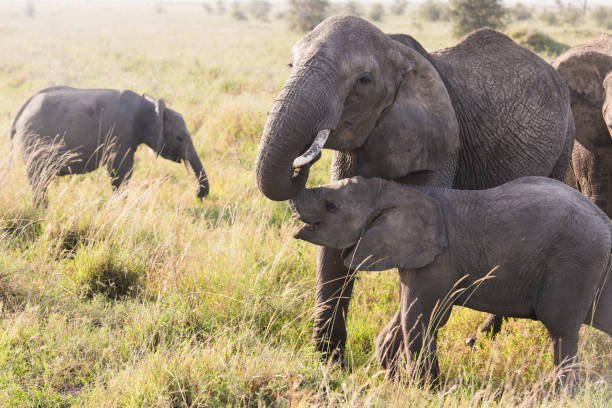
The Seronera region supports lions, leopards, cheetahs, elephants, giraffes, buffalo and many other species.
It is often included as part of a broader Great Migration itinerary because it connects naturally with both southern and northern routes.
Western Serengeti Great Migration Safari
Western Serengeti can become important as the migration moves away from the southern plains and travels toward western and northern areas.
The landscape includes river systems, woodland and open areas.
Large herds can attract predators and create excellent photography opportunities.
Northern Serengeti Great Migration Safari
Northern Serengeti is one of the most famous migration regions because large herds may concentrate around northern plains and river corridors.
Travellers may see wildebeest and zebras gathering in huge numbers while predators remain active nearby.
The region is remote, so well located accommodation and sufficient safari nights are important.
Main Great Migration Safari Regions
- Southern Serengeti: Calving season and short grass plains
- Ndutu: Seasonal herds and predators
- Central Serengeti: Transitional migration and resident wildlife
- Western Serengeti: Northward migration movement
- Northern Serengeti: Large herds and possible river activity
Great Migration Calving Season Safari
The calving season is one of the most dramatic periods of the Great Migration.
Large numbers of wildebeest calves may be born across productive southern grasslands during the main birthing period.
Newborn animals attract strong predator interest and create extraordinary opportunities to observe natural wildlife behaviour.
Travellers focusing on calving should stay several nights close to the productive southern ecosystem.
Great Migration River Crossing Safari
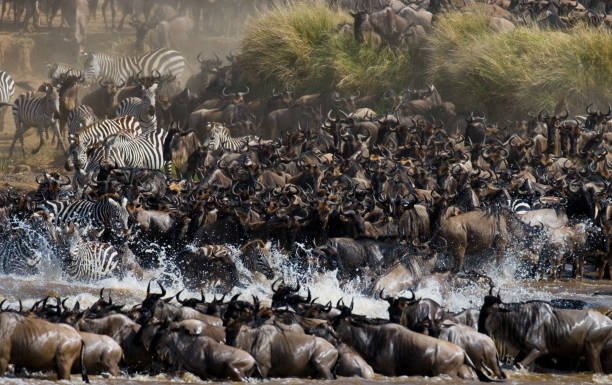
River crossings are among the most famous events associated with the Great Migration.
When large herds gather near suitable river systems, wildebeest and zebras may cross in groups as they search for grazing.
However, crossings cannot be scheduled or guaranteed.
Herds may wait near a river for long periods, cross unexpectedly or change direction completely.
Travellers should therefore view river crossings as a possible highlight rather than the only measure of a successful migration safari.
Can River Crossings Be Guaranteed?
No. River crossings are completely natural events.
No operator can accurately guarantee the exact day, time or location of a crossing.
Several nights in the relevant migration region improve flexibility, but wildlife behaviour always remains unpredictable.
Wildebeest on a Great Migration Safari
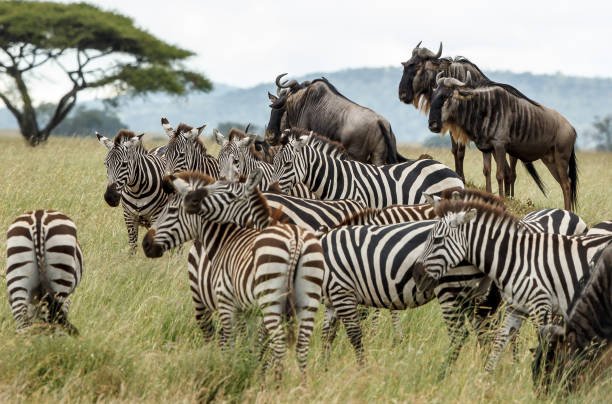
Wildebeest form the largest and most recognizable component of the migration.
Travellers may see enormous grazing herds, long moving columns, females with calves and animals gathering around water or productive grasslands.
The scale of the migration is best appreciated over several game drive days.
Zebras and Other Migration Wildlife
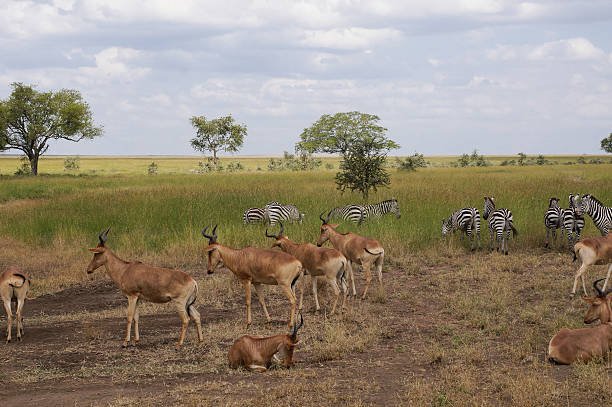
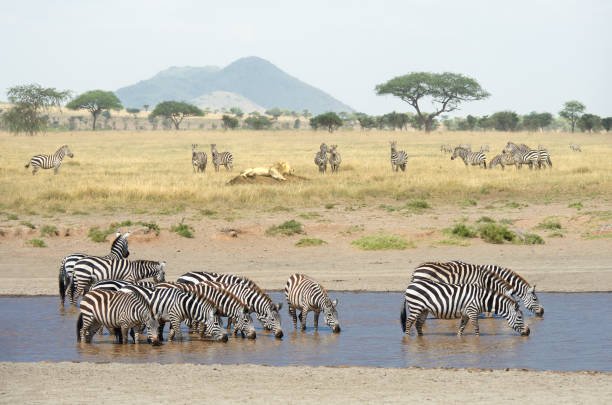
Zebras often move with wildebeest and form large mixed herds.
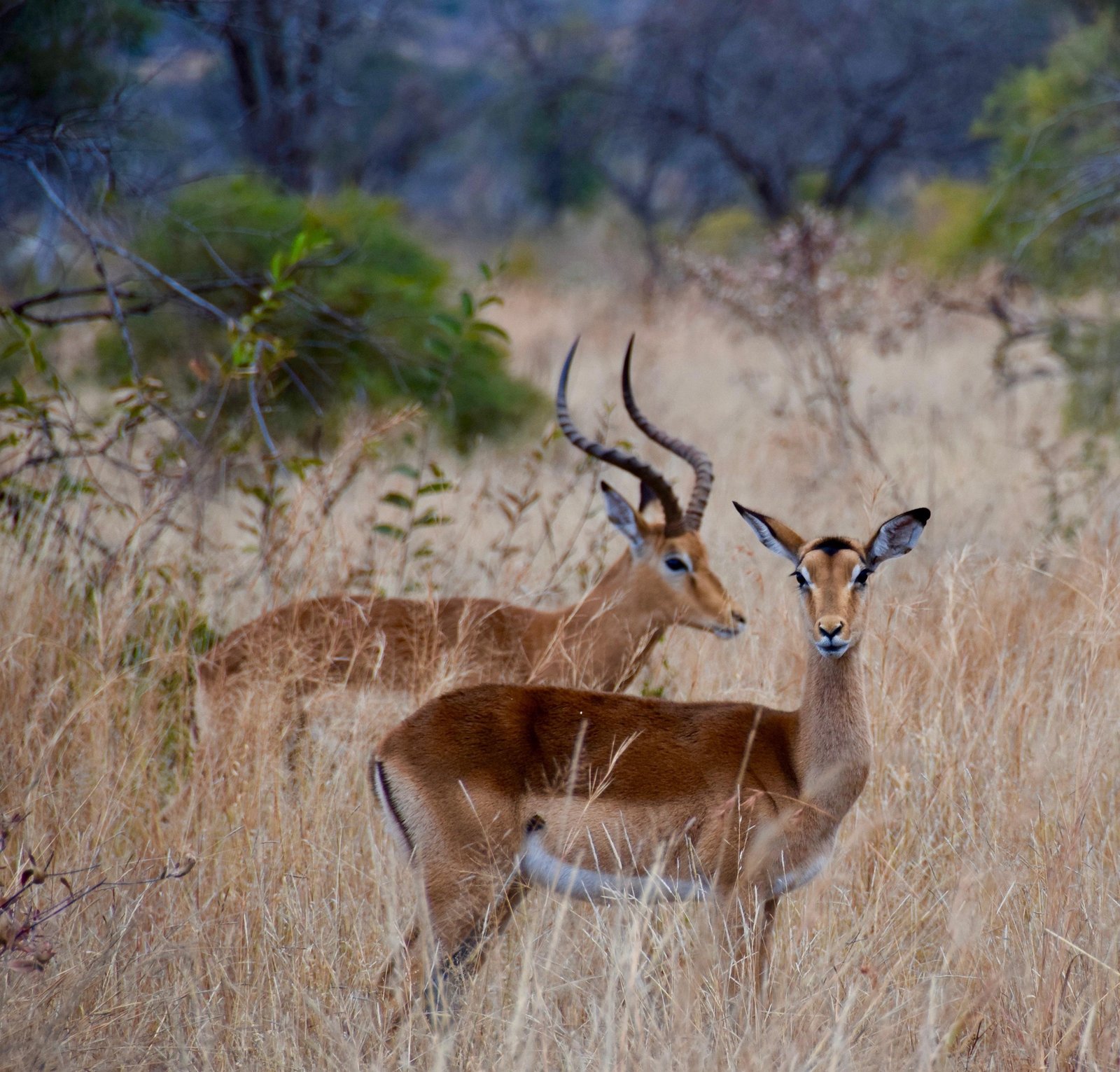
Gazelles and other plains animals can also be present across migration areas.
These herbivore concentrations create a complex wildlife ecosystem rather than a safari focused on one species alone.
Predators on a Great Migration Safari
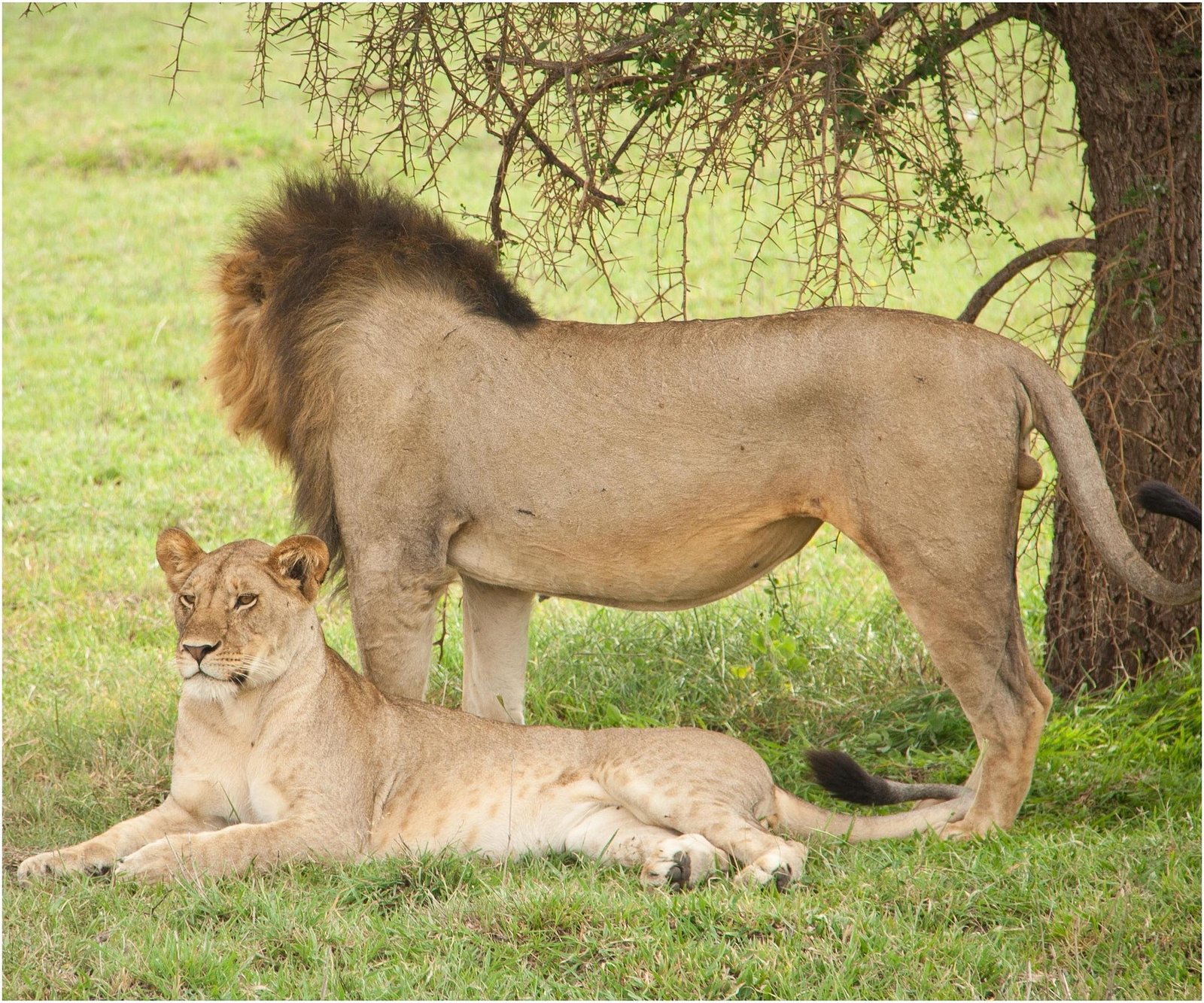
Predators are one of the major reasons Great Migration safaris can be so rewarding.
Lions, cheetahs, leopards and spotted hyenas may all be encountered depending on the safari area.
Large concentrations of prey can create important hunting opportunities, especially around calving and migration movement.
Wildlife You May See
- Wildebeest
- Zebras
- Lions
- Leopards
- Cheetahs
- Spotted hyenas
- Elephants
- Buffalo
- Giraffes
- Gazelles and antelopes
- Hippos
- Crocodiles in suitable river areas
Best Time for Great Migration Safari Tanzania
There is no single best month for every traveller because different migration events happen in different parts of the ecosystem.
The best time depends on whether the traveller wants calving season, moving herds, northern migration activity, greener landscapes or drier safari conditions.
Planning should therefore begin with the wildlife experience rather than simply asking for the best month overall.
Great Migration Safari in January
January can be excellent for southern Serengeti migration wildlife.
Large herds may be spread across productive grasslands, while early or increasing calving activity can occur depending on seasonal conditions.
Great Migration Safari in February
February is especially famous for the calving period across the southern Serengeti ecosystem.
Travellers may see large herds, many young animals and strong predator activity.
Great Migration Safari in March
March can continue to provide strong calving season wildlife while many young wildebeest move with the larger herds.
Green landscapes can also create excellent photography conditions.
Great Migration Safari in April and May
During April and May, migration herds may gradually move away from the southern plains as rainfall and grazing conditions change.
Central and western parts of the ecosystem can become increasingly important.
The wetter season can also create dramatic green landscapes and fewer vehicles in some areas.
Great Migration Safari in June and July
June and July can bring important northward migration movement through western and northern parts of Serengeti.
Large herds may move in long columns while predators follow prey concentrations.
Exact locations depend on rainfall and herd progress.
Great Migration Safari in August and September
August and September can be strong months for northern Serengeti migration safaris.
Large herds may gather across northern plains and near river systems.
Possible river crossing activity can occur, although it cannot be guaranteed.
Great Migration Safari in October
October can remain productive in northern Serengeti while some herds begin changing direction according to seasonal conditions.
Travellers should select the safari region using current migration information.
Great Migration Safari in November and December
November and December can bring fresh seasonal rainfall and gradual movement toward central, eastern and southern areas.
Greener landscapes return while the migration begins positioning for the next southern cycle.
Great Migration Safari for Wildlife Photography
The Great Migration provides outstanding photography opportunities because of the number of animals, varied landscapes and predator activity.
Photographers can capture wide herd scenes, moving columns, interactions between predators and prey, calves and dramatic seasonal landscapes.
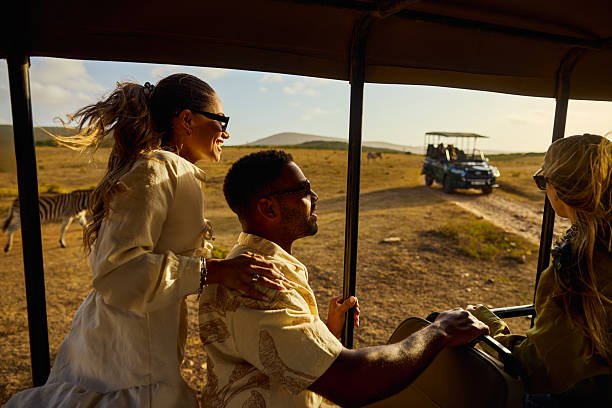
A private vehicle provides greater flexibility because the guide can remain longer at selected sightings.
Private Great Migration Safari Tanzania
A private safari is one of the best choices for migration-focused travel.
The guide can adjust daily routes according to current wildlife information without following a fixed shared schedule.
Private vehicles are especially useful for photographers, couples, families and travellers hoping to maximize time around migration herds.
Group Joining Great Migration Safari
Group joining safaris can provide a more affordable migration experience.
Travellers share the safari vehicle and follow a planned itinerary.
Before booking, confirm that the route actually visits the Serengeti region most appropriate for the travel month.
Fly-In Great Migration Safari
Fly-in safaris can reduce long road journeys and position travellers closer to important migration areas.
This is particularly useful for northern Serengeti and short safaris from Zanzibar.
Travellers can fly into a suitable airstrip and meet their safari guide for game drives on arrival.
Great Migration Safari Styles
- Private safari: Maximum flexibility for following wildlife
- Group joining: More affordable shared option
- Fly-in safari: Best for reducing long transfers
- Luxury safari: Premium camps and private guiding
- Photography safari: Longer game drives and flexible wildlife focus
Budget Great Migration Safari Tanzania
A budget migration safari can use camping, simple lodges and group joining transportation.
The most important factor is choosing the correct wildlife region for the travel dates.
A very cheap safari that stays far from the migration area can provide less value than a better located itinerary.
Midrange Great Migration Safari
A midrange migration safari can include comfortable tented camps and private or shared game drives.
This option provides a good balance between wildlife access, comfort and price.
Seasonal migration camps can be particularly useful because they may position travellers closer to expected herd areas.
Luxury Great Migration Safari
A luxury Great Migration safari can include premium tented camps, private vehicles and domestic flights.
Luxury itineraries can move between different Serengeti regions depending on seasonal wildlife patterns.
Fly-in transport can reduce long road journeys and increase time available for game drives.
Great Migration Safari Accommodation
Accommodation selection is especially important on a migration safari because the Serengeti is extremely large.
Travellers should choose camps according to the expected seasonal wildlife region rather than accommodation category alone.
Migration Safari Accommodation Options
- Budget camping
- Budget lodges
- Midrange tented camps
- Seasonal migration camps
- Luxury tented camps
- Premium fly-in safari camps
Great Migration Safari from Arusha
Arusha is one of the main starting points for Great Migration safaris.
Road itineraries can include Tarangire, Ngorongoro and Serengeti before reaching the most appropriate migration region.
Domestic flights can also be used for travellers with less time.
Great Migration Safari from Moshi
Moshi is convenient for travellers combining a migration safari with Mount Kilimanjaro.
Private pickup can be arranged after a hotel stay or mountain climb before travelling into the northern Tanzania safari circuit.
The itinerary can later finish in Arusha, Moshi or Kilimanjaro Airport.
Great Migration Safari from Zanzibar
Travellers staying in Zanzibar can use domestic flights to connect with Serengeti.
A fly-in migration safari is particularly useful for short trips because it reduces road travel.
The chosen airstrip and accommodation should match the migration region expected during the travel dates.
Great Migration Safari After Kilimanjaro
A Great Migration safari can be added after a Mount Kilimanjaro climb.
Travellers can rest in Moshi after descending from the mountain and begin their wildlife safari the following day.
This creates a complete Tanzania adventure combining trekking with Serengeti wildlife.
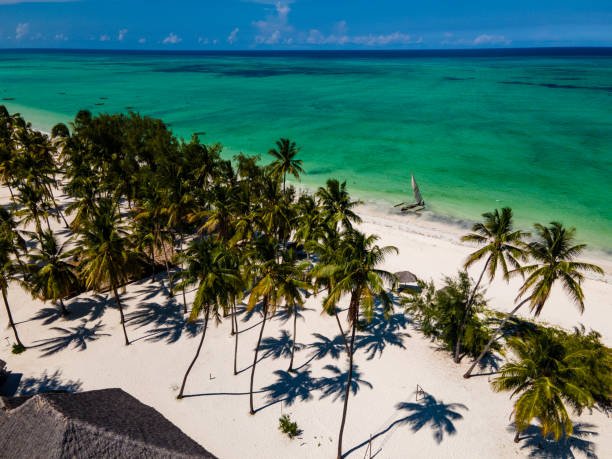
Great Migration Safari and Zanzibar
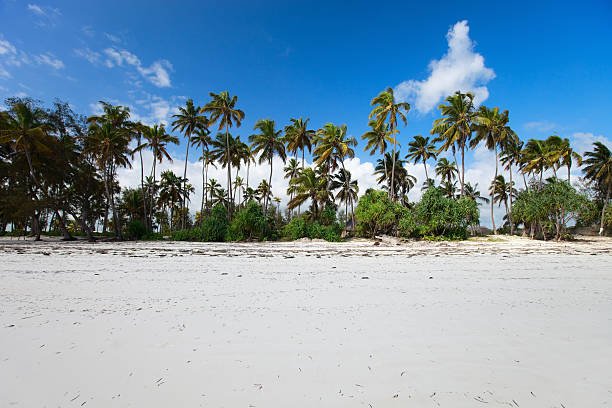
Combining the Great Migration with Zanzibar creates one of Tanzania’s strongest safari and beach itineraries.
Travellers can spend several days following migration wildlife and then fly to Zanzibar for beach relaxation.
This combination works particularly well for honeymooners, couples and families.
Great Migration Safari and Ngorongoro
Serengeti migration areas and Ngorongoro create an excellent wildlife combination.
The Serengeti provides seasonal herd movement and predators, while Ngorongoro adds concentrated crater wildlife and strong Big Five opportunities.
Most road-based northern Tanzania migration itineraries can include both destinations.
5 Day Great Migration Safari Tanzania
A five day safari can work well when travel dates and accommodation are carefully matched to the migration location.
The itinerary may combine several nights in Serengeti with Ngorongoro or focus heavily on one seasonal migration region.
Travellers should avoid attempting to visit too many distant parks within a short trip.
7 Day Great Migration Safari Tanzania
A seven day itinerary provides greater flexibility for migration tracking and broader wildlife viewing.
The safari can combine Tarangire, Ngorongoro, central Serengeti and the most appropriate seasonal migration region.
This duration works especially well for first time Tanzania visitors.
Example 7 Day Great Migration Safari Itinerary
Day 1: Arusha or Moshi to Tarangire National Park
Depart after breakfast and travel toward Tarangire National Park.
Enjoy a wildlife game drive while searching for elephants, giraffes, buffalo, zebras and predators among baobab landscapes.
Continue to the selected lodge or camp for dinner and overnight.
Day 2: Tarangire to Serengeti
Travel toward Serengeti through northern Tanzania’s changing landscapes.
Enter the park and begin wildlife viewing while travelling toward the selected accommodation.
Day 3: Full Day Serengeti Safari
Spend the day exploring Serengeti with a focus on resident wildlife and current migration movement.
Search for lions, leopards, cheetahs, elephants, wildebeest and zebras.
Day 4: Travel to the Main Migration Area
Follow recent wildlife information toward the most productive seasonal migration region.
The exact area depends on travel dates and current herd movement.
Day 5: Full Day Great Migration Safari
Spend the full day exploring areas with large wildebeest and zebra concentrations.
Search for predator activity and seasonal wildlife behaviour while allowing the guide flexibility to adjust the route.
Day 6: Serengeti to Ngorongoro
Enjoy another wildlife drive before travelling toward Ngorongoro Conservation Area.
Stay at the selected accommodation around Ngorongoro or Karatu.
Day 7: Ngorongoro Crater and Return
Descend into Ngorongoro Crater for a final wildlife game drive.
Search for lions, buffalo, elephants, zebras, wildebeest, hippos and the possibility of black rhinoceros.
After the crater safari, return toward Arusha, Moshi or Kilimanjaro Airport according to the confirmed itinerary.
Great Migration Safari Tanzania Cost 2026-2027
The cost of a Great Migration safari depends on travel dates, number of safari days, accommodation category, transport method, group size and migration region.
Seasonal camps close to major migration areas can have strong demand during popular wildlife periods.
Group joining safaris can reduce vehicle costs, while private safaris provide greater flexibility.
Domestic flights and luxury camps increase the overall price, while camping and simpler lodges provide more affordable alternatives.
Travellers should compare accommodation location, actual Serengeti nights, game drive time and included fees rather than only the headline price.
What Is Included in a Great Migration Safari?
The exact inclusions depend on the chosen package and safari category.
A complete quotation should clearly explain all major services before booking.
Typical Great Migration Safari Inclusions
- Professional safari driver guide
- Safari vehicle
- National park and conservation fees according to the itinerary
- Safari accommodation
- Meals according to the package
- Drinking water during game drives
- Wildlife game drives
- Transfers according to the itinerary
- Ngorongoro fees when included
- Domestic flights when specifically listed
Typical Safari Exclusions
- International flights
- Visa expenses
- Travel insurance
- Guide gratuities
- Personal expenses
- Alcoholic beverages unless included
- Hot air balloon safari unless specified
- Domestic flights unless included
- Zanzibar accommodation unless specified
How to Plan the Best Great Migration Safari Tanzania
The most important step is matching travel dates with the most appropriate Serengeti region.
Travellers should spend several nights near the expected migration area rather than trying to chase herds through long daily transfers.
Private guiding provides greater flexibility when wildlife changes location.
Great Migration Safari Planning Tips
- Choose the Serengeti region according to travel month
- Keep exact herd locations flexible
- Stay several nights near the migration area
- Use private guiding for maximum flexibility
- Book seasonal camps early
- Do not rely on guaranteed river crossings
- Combine with Ngorongoro for additional wildlife variety
- Consider fly-in transport for distant northern regions
Frequently Asked Questions About Great Migration Safari Tanzania
What is the Great Migration in Tanzania?
It is the continuous seasonal movement of large wildebeest, zebra and other grazing herds through the Serengeti ecosystem in response to rainfall, grass and water availability.
When is the best time for a Great Migration safari?
The best time depends on whether you want calving season, moving herds, northern migration activity or possible river crossings. Different months suit different experiences.
Where is the migration in Tanzania?
The migration moves through southern, central, western and northern parts of the Serengeti ecosystem depending on seasonal conditions.
When is calving season?
The main wildebeest calving period is associated with the southern Serengeti ecosystem when productive short grass supports large herds and newborn calves.
Can I see river crossings in Tanzania?
Yes, possible river crossing activity can occur when herds are concentrated in suitable northern migration areas, but crossings cannot be guaranteed.
Are river crossings guaranteed?
No. They are unpredictable natural events and cannot be guaranteed for a particular day or time.
Can I see predators during the migration?
Yes. Lions, cheetahs, leopards and spotted hyenas occur within the Serengeti ecosystem and may be especially interesting around prey-rich migration areas.
How many days do I need for a Great Migration safari?
Five to seven days works well for many travellers, while longer itineraries provide more flexibility for migration tracking and additional parks.
Is a private safari better for the migration?
A private safari provides greater flexibility because the guide can adjust routes according to current wildlife movement without following a fixed group schedule.
Can I join a group migration safari?
Yes. Group joining safaris can provide a more affordable option, but the route should match the migration region expected during the travel dates.
Can I fly to the migration area?
Yes. Domestic fly-in safaris can reduce transfer time, especially for northern Serengeti and short safari itineraries.
Can I combine Serengeti and Ngorongoro?
Yes. This is one of the strongest Tanzania safari combinations for migration wildlife, predators and concentrated crater game viewing.
Can Tarangire be included?
Yes. Tarangire can be included for elephants, baobab landscapes and additional wildlife variety.
Can I start from Arusha?
Yes. Arusha is one of the main starting points for road-based Great Migration safaris in northern Tanzania.
Can I start from Moshi?
Yes. Moshi is convenient for travellers combining a migration safari with Mount Kilimanjaro.
Can I book a Great Migration safari from Zanzibar?
Yes. Fly-in safari arrangements can connect Zanzibar with suitable Serengeti airstrips depending on the season and itinerary.
Can I combine the migration with Zanzibar?
Yes. A Serengeti Great Migration safari followed by a Zanzibar beach holiday is one of Tanzania’s most popular wildlife and beach combinations.
Can I add a hot air balloon safari?
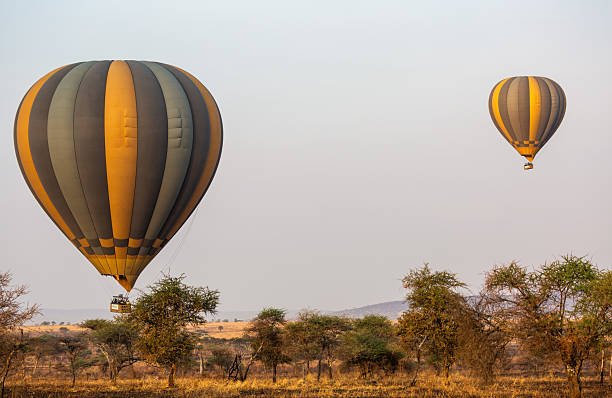
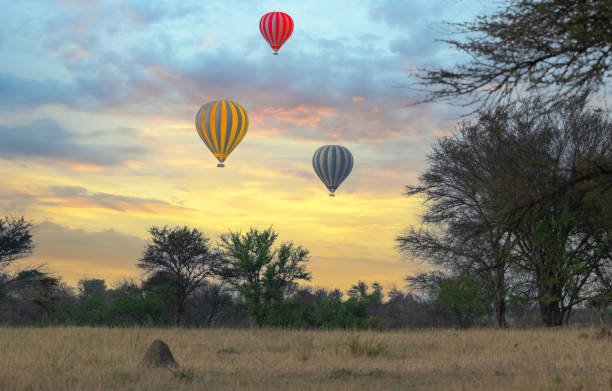
Yes. Balloon safaris can be added in suitable Serengeti regions and can provide aerial views of landscapes and possible migration herds.
How do I book a Great Migration Safari Tanzania 2026-2027?
Provide your travel dates, number of travellers, preferred safari duration, accommodation level and whether your priority is calving season, large migrating herds, possible river crossings, predators or photography. The itinerary can then be designed around the most suitable Serengeti region and additional Tanzania destinations.
Plan Your Great Migration Safari Tanzania 2026-2027
Follow Tanzania’s Great Migration with professional guides, private or group game drives, calving season wildlife, predator sightings, possible river crossing activity and flexible combinations with Ngorongoro, Tarangire, Kilimanjaro and Zanzibar.
Plan Your Great Migration Safari

 African Tour