How Fit Do You Need to Climb Kilimanjaro?
The question How Fit Do You Need to Climb Kilimanjaro is one of the most common concerns for first time climbers.
You do not need to be an elite athlete, competitive runner or technical mountaineer to attempt Kilimanjaro on the standard trekking routes.
You do, however, need enough endurance to walk for several hours on consecutive days while gradually gaining altitude.
You should also have enough leg strength to handle sustained uphill walking, uneven terrain and long downhill sections during the descent.
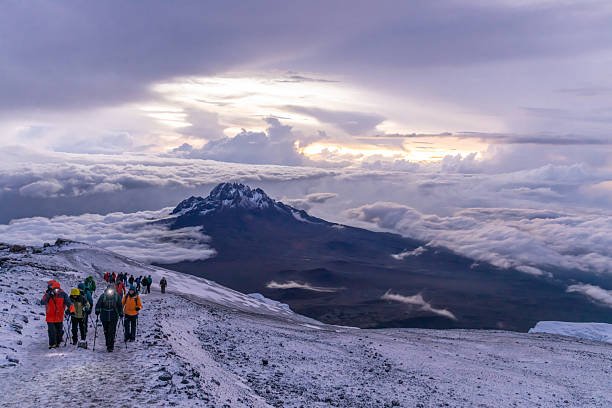
The final challenge is summit night, when climbers usually walk slowly for many hours in cold conditions and very low oxygen availability.
This means Kilimanjaro fitness is more about endurance, consistency and time on your feet than speed.
A person who is comfortable walking steadily for several hours and recovering well for another trekking day is generally better prepared than someone who is very fast but has little long distance hiking experience.
Fitness is still only one part of Kilimanjaro preparation.
Altitude response is different from physical fitness.
A highly trained athlete can experience altitude sickness, while a slower recreational hiker may acclimatize better.
Route length, pacing, hydration, rest, health monitoring and guide decisions therefore remain important regardless of fitness level.
Kilimanjaro Fitness at a Glance
- Elite fitness required? No
- Technical climbing required? Not on standard trekking routes
- Most important physical quality: Endurance
- Important strength areas: Legs, glutes and core
- Useful preparation: Regular hiking and uphill walking
- Biggest physical challenge: Long summit day
- Altitude: Fitness does not guarantee acclimatization
- Goal: Arrive healthy, conditioned and comfortable walking slowly for long periods
Do You Need to Be an Athlete to Climb Kilimanjaro?
No.
Many Kilimanjaro climbers are ordinary active travellers rather than competitive athletes.
The climb is primarily a trekking challenge rather than a race.
You do not need exceptional speed.
You need the ability to move steadily for several hours while conserving energy.
Long distance walking ability is generally more relevant than sprinting ability or maximum gym strength.
What Does Kilimanjaro Fitness Really Mean?
Being fit for Kilimanjaro means being physically prepared for repeated trekking days.
It means being able to wake up after one long day and walk again the next morning.
It also means having enough strength to handle uphill and downhill terrain without your legs becoming exhausted too early in the itinerary.
Good Kilimanjaro fitness also includes balance, core stability and general resilience.
These qualities become more important when walking on uneven terrain or when carrying a daypack.
How Much Walking Should You Be Comfortable With?
Before arriving in Tanzania, it is useful to be comfortable walking for several hours at a steady pace.
You do not need to reproduce every Kilimanjaro day exactly during training.
You should, however, know how your body feels after several hours of continuous walking.
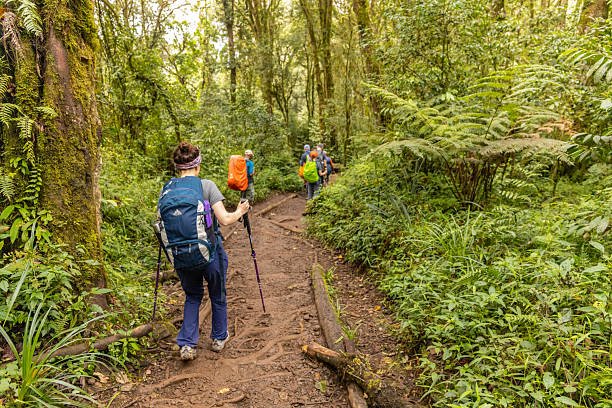
Longer weekend hikes are particularly valuable because they develop both physical endurance and mental patience.
They also give you time to test boots, socks, trekking poles and daypack comfort.
Why Endurance Matters More Than Speed
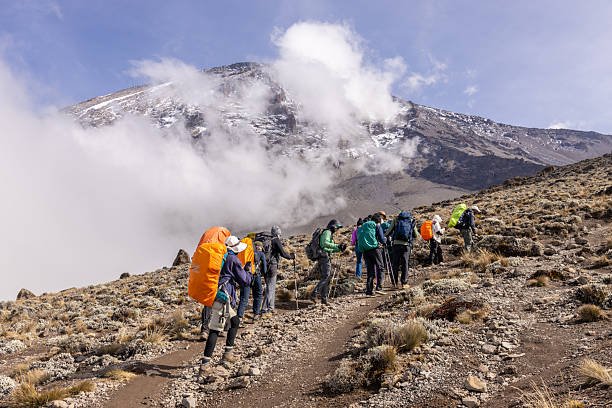
Kilimanjaro is normally climbed slowly.
Walking quickly at lower altitude does not provide an important advantage if it causes unnecessary fatigue later.
Guides usually encourage a controlled pace as elevation increases.
The objective is to conserve energy and allow the body as much time as possible to respond to altitude.
Training should therefore develop long duration endurance rather than only speed.
Kilimanjaro Is Not a Race
A climber who can maintain a comfortable, steady walking pace for many hours may be better prepared than someone who is fast but not accustomed to long trekking days.
Cardiovascular Fitness for Kilimanjaro
Reasonable cardiovascular fitness helps you sustain physical activity over long periods.
You should be able to walk uphill without immediately becoming exhausted.
Useful preparation may include hiking, brisk walking, cycling, running, swimming, rowing, incline treadmill training or stair climbing.
The most specific activity remains hiking because it closely resembles the actual movement required on the mountain.
Can You Climb Kilimanjaro If You Do Not Run?
Yes.
Running is not a requirement.
Running can improve cardiovascular fitness, but Kilimanjaro itself is climbed by walking.
A person who regularly hikes and has good walking endurance may be very well prepared without being a runner.
If you enjoy running, it can complement hiking rather than replace it.
Leg Strength for Kilimanjaro
Leg strength helps with repeated climbing and descending.
The quadriceps, hamstrings, glutes and calves all work during the trek.
Strong legs can help reduce fatigue on long uphill sections.
They are also important during the descent, when the quadriceps must repeatedly control your body weight downhill.
Useful Strength Exercises
- Squats
- Lunges
- Step ups
- Split squats
- Calf raises
- Controlled step downs
- Glute bridges
- Core stability exercises
Why Downhill Strength Matters
Many climbers prepare mainly for climbing uphill.
The descent can also be physically demanding.
After summit day, the legs may already be tired when a long downhill section begins.
Downhill walking places substantial repetitive demand on the quadriceps and knees.
Training with hills, controlled step downs and general leg strength can help prepare for this.
Core Strength and Stability
You do not need exceptional core strength.
However, a stable core can support posture while walking and carrying a daypack.
Core stability may also help when moving over uneven terrain.
Simple exercises such as planks and controlled stability movements can be useful additions to a wider training plan.
How Heavy Is Your Daypack?
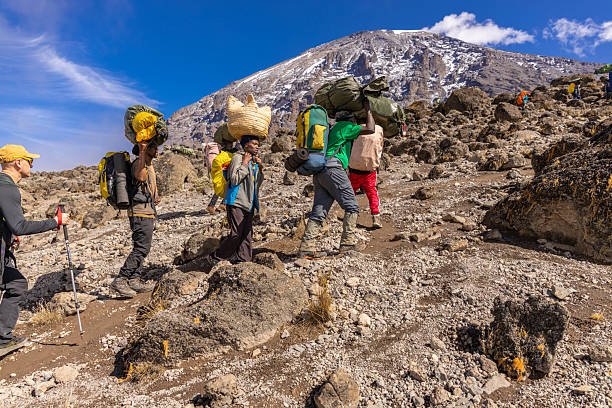
On the mountain, porters normally carry the main personal trekking luggage according to the confirmed package and weight allowance.
Climbers carry a smaller daypack.
This usually contains water, clothing layers, waterproof gear, snacks, personal medication, camera and other items required during the walking day.
Training with your actual daypack helps prepare your shoulders and back and allows you to adjust the fit before the expedition.
You Do Not Need to Train with a Very Heavy Backpack
Because the main duffel is normally carried by porters, there is usually no reason to train with an expedition sized backpack.
A realistic daypack is more specific to the actual climb.
Adding excessive weight can create unnecessary stress without accurately reproducing the mountain experience.
How Difficult Are Normal Trekking Days?
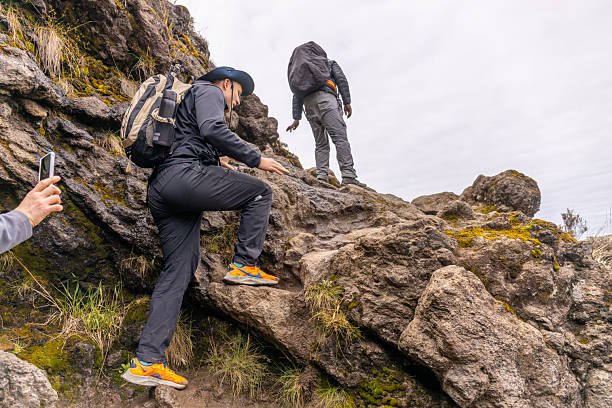
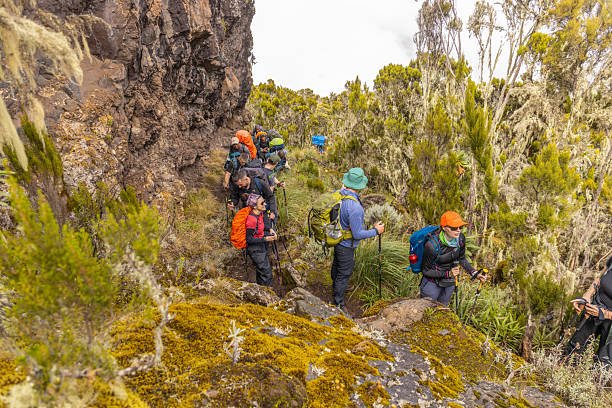
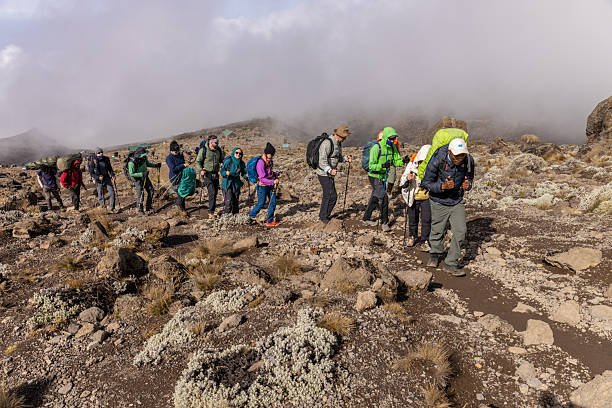
Most Kilimanjaro days involve steady walking rather than highly technical climbing.
The difficulty comes from the combination of duration, elevation gain and repeated days.
A trekking day that would feel manageable at low altitude may feel significantly harder higher on the mountain.
This is why climbers should conserve energy from the beginning rather than waiting until summit night to slow down.
How Difficult Is Kilimanjaro Summit Night?
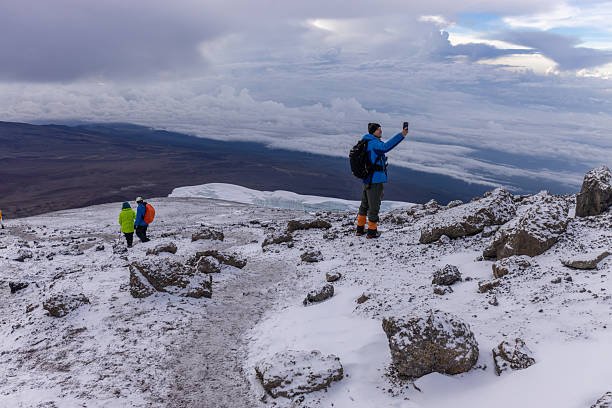
Summit night is generally the most physically demanding part of the climb.
It normally begins late at night or in the early hours.
Climbers walk slowly uphill in darkness and cold temperatures.
Oxygen availability is much lower than at the beginning of the route.
After reaching the highest safe point, climbers must still descend.
This makes summit day a long endurance effort rather than a short burst of activity.
Train for the Whole Summit Day
Preparation should account for both the uphill summit attempt and the long descent afterward. Reaching the summit area is not the end of the physical work.
Can a Beginner Climb Kilimanjaro?
A person without technical mountaineering experience may prepare for Kilimanjaro.
Beginners should give themselves enough time to build walking endurance and learn how their body responds to longer hiking days.
Training should progress gradually.
Route choice is also important because more gradual itineraries provide additional time for acclimatization.
Can Someone Who Does Not Hike Regularly Climb Kilimanjaro?
It may be possible, but regular hiking before the expedition is strongly useful.
Walking on trails teaches skills that gym training alone may not provide.
You learn how your boots feel after several hours, how your daypack sits, how you respond to downhill terrain and how your energy changes during a long day.
Someone who currently does little walking should build gradually rather than attempting a difficult hike immediately.
Can You Climb Kilimanjaro If You Train Only in a Gym?
Gym training can provide a strong fitness base.
Incline treadmills, stair machines, bicycles and strength equipment can all help.
However, outdoor hiking provides additional benefits such as uneven terrain, downhill walking, footwear testing and longer continuous time on your feet.
A combination of gym training and real walking is often more specific.
Can You Prepare in a Flat Country?
Yes.
Not everyone has access to mountains.
Incline treadmill walking, stairs, stair machines and long distance walking can help compensate for a lack of hills.
Strength training can also support uphill and downhill muscle endurance.
If possible, occasional travel to hillier terrain can provide useful specific practice, but it is not available to every climber.
Do You Need Altitude Experience?
Previous altitude experience can help you understand how you have responded in the past.
It is not compulsory for every Kilimanjaro climber.
Many people attempt Kilimanjaro without living or training at high altitude.
Route choice and gradual ascent become particularly important when pre trip altitude exposure is limited.
Fitness Does Not Equal Altitude Acclimatization
This distinction is extremely important.
A strong heart and legs help you handle the physical workload.
They do not make you immune to altitude related illness.
Very fit climbers sometimes feel strong at lower elevations and walk too quickly.
Good fitness should be combined with disciplined pacing.
A Fit Climber Can Still Experience Altitude Problems
Your fitness level cannot predict exactly how your body will react above 4,000 or 5,000 metres. Follow the guide's pace and report symptoms honestly.
Altitude Symptoms to Take Seriously
Possible altitude related symptoms can include headache, nausea, dizziness, unusual fatigue, reduced appetite and sleep disturbance.
Symptoms should be communicated to the guide rather than hidden.
The guide may slow the pace, monitor the climber more closely or recommend descent depending on the situation.
Severe or worsening symptoms require appropriate mountain safety decisions.
Daily Health Monitoring
Health checks may be performed according to the confirmed trekking program.
Guides may ask about headache, appetite, sleep, hydration and general condition.
A pulse oximeter may also be used as one part of the overall assessment where included.
Symptoms and guide judgment remain important when making altitude related decisions.
How Route Length Affects the Physical Experience
Different Kilimanjaro routes and schedules spend different numbers of days on the mountain.
Longer itineraries involve more total walking days.
They can also provide more time for gradual altitude gain and acclimatization.
Shorter itineraries may feel more compressed.
The best route depends on available time, experience, comfort preferences and the confirmed trekking plan.
Fitness for the Machame Route
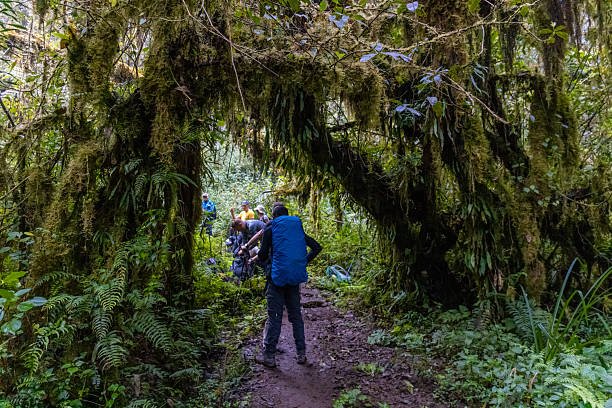
Machame requires several consecutive trekking days with varied terrain.
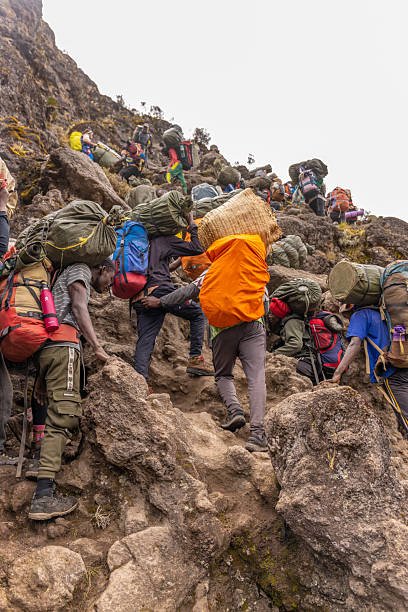
Depending on itinerary length, the route may include Barranco Wall, Karanga and Barafu before the summit attempt.
Training should emphasize hiking endurance, hills, downhill strength and long summit day preparation.
Fitness for the Lemosho Route
Lemosho normally provides a longer approach than some shorter routes.
This means climbers should be comfortable spending multiple consecutive days trekking.
Good walking endurance remains more important than speed.
Hills, strength work and long hikes are useful preparation.
Fitness for the Marangu Route
Marangu uses mountain huts rather than camping tents.
This changes the sleeping arrangement but does not remove the physical challenge of high altitude trekking.
Summit night from Kibo remains demanding.
The six day version normally provides more acclimatization time than the compressed five day schedule.
Fitness for the Rongai Route
Rongai approaches Kilimanjaro from the northern side and descends through Marangu.
Climbers should prepare for consecutive trekking days, high altitude and a long summit and descent section.
General hiking endurance and leg strength remain important.
Fitness for the Northern Circuit
The Northern Circuit is a longer itinerary.
The additional days mean climbers should be comfortable being active for an extended period.
The route may provide more acclimatization time, but overall trekking endurance still matters.
How Fit Should You Be Three Months before Kilimanjaro?
Three months before departure, many climbers still have enough time to make useful improvements.
You should aim to establish regular aerobic exercise, basic strength training and weekly longer walks or hikes.
Training can then become progressively more specific.
The objective is consistency rather than dramatic short term fitness gains.
How Fit Should You Be One Month before Kilimanjaro?
Approximately one month before departure, you should ideally already be comfortable with several hours of walking.
Your boots and daypack should have been tested.
You should have completed some hill or incline training and know how your legs respond to longer sessions.
The final weeks should focus more on refining fitness and staying healthy than trying to transform your conditioning completely.
How Fit Should You Be One Week before Kilimanjaro?
The week before departure is not the time for maximum training.
Your main fitness work should already be complete.
Reduce training, maintain light activity and allow your body to recover.
Arriving rested is more useful than arriving with tired legs from a final intense workout.
A Simple Self Check before Kilimanjaro
There is no single test that guarantees Kilimanjaro readiness, but ask yourself:
- Can I walk steadily for several hours?
- Can I hike uphill without becoming exhausted immediately?
- Can I walk again the next day after a long hike?
- Have I trained with my trekking boots?
- Have I used my planned daypack?
- Have I practiced downhill walking?
- Can I maintain a slow pace instead of rushing?
- Have I included rest and recovery in my preparation?
An Example Kilimanjaro Fitness Week
Example Weekly Preparation
- Monday: Rest or light mobility
- Tuesday: Aerobic training
- Wednesday: Leg and core strength
- Thursday: Incline walking or stairs
- Friday: Easy recovery or rest
- Saturday: Long hike with daypack
- Sunday: Shorter walk or second easy hike
How Often Should You Train?
The appropriate amount depends on your starting fitness and recovery ability.
Many climbers combine several aerobic sessions, one or two strength sessions and one longer hiking session each week.
Rest days should also be included.
More training is not automatically better if it prevents recovery.
Can You Be Too Fit for Kilimanjaro?
High fitness itself is not a disadvantage.
The problem can occur when a very fit climber assumes physical strength means altitude can be ignored.
Strong athletes may need to deliberately slow their pace.
The mountain should be approached as an altitude challenge rather than a competition.
Mental Fitness for Kilimanjaro
Mental preparation also matters.
The summit attempt can feel repetitive, cold and slow.
Long training hikes teach patience and help you become comfortable continuing when slightly tired.
Mental strength should not mean ignoring serious symptoms.
Good judgment includes knowing when to communicate discomfort and follow the guide's safety advice.
Can Older Climbers Be Fit Enough for Kilimanjaro?
Age alone does not determine Kilimanjaro fitness.
Individual conditioning, mobility, recovery, hiking experience and relevant medical considerations matter more.
Older climbers may prefer a longer training period and additional recovery between difficult sessions.
Anyone with relevant health concerns should seek appropriate professional medical guidance before high altitude trekking.
Can Younger Climbers Handle Kilimanjaro?
Fitness is only one consideration for younger climbers.
Age related park requirements, maturity, mountain experience and the ability to communicate symptoms also matter.
Any itinerary involving children should be considered carefully with the operator and appropriate health professionals where relevant.
Body Weight and Kilimanjaro Fitness
There is no single body shape that determines whether someone can climb Kilimanjaro.
The more useful questions are whether you can walk for long periods, recover between days and handle uphill and downhill terrain.
Preparation should focus on functional endurance and strength rather than extreme short term weight loss.
Should You Lose Weight before Kilimanjaro?
Extreme dieting immediately before a demanding trek can interfere with training and recovery.
If weight management is part of your preparation, it should be approached gradually and appropriately rather than through last minute changes.
The priority should be arriving well nourished, conditioned and healthy.
Sleep and Recovery
Fitness improves through both training and recovery.
Regularly training while poorly rested can make progress harder.
Sleep supports recovery from long walks and strength sessions.
As departure approaches, prioritize arriving rested rather than continuing high training volume.
Practice with Your Kilimanjaro Boots
Fitness alone will not make uncomfortable boots comfortable.
Use your trekking boots during training hikes.
Test your socks and insoles.
Learn whether your feet experience rubbing or pressure during long walks.
Equipment problems are easier to solve before travelling to Tanzania.
Practice with Trekking Poles
If you plan to use trekking poles, practice before the mountain.
Poles can support rhythm and stability and may be useful during long descents.
Training provides time to learn a comfortable pole length and technique.
Train on Consecutive Days
Kilimanjaro involves repeated trekking days.
Occasional back to back training sessions can help prepare the body to walk while carrying some fatigue from the previous day.
This might involve a longer hike on Saturday and a shorter walk on Sunday.
Consecutive day training should be introduced gradually rather than every week from the beginning.
What If You Cannot Hike before Kilimanjaro?
If outdoor hiking is difficult to access, focus on long walks, incline treadmill sessions, stair climbing and lower body strength.
Gradually increase the duration of your sessions.
Train in your trekking boots where practical.
You can still build strong endurance without living near mountains.
Signs Your Fitness Preparation Is Improving
- Long walks feel easier
- You recover faster after hills
- You can walk comfortably the day after a long hike
- Your daypack feels natural rather than distracting
- Your boots remain comfortable for several hours
- Downhill walking causes less leg fatigue
- You can maintain a steady pace without rushing
Signs You May Need More Preparation
If a moderate walk leaves you exhausted for several days, additional conditioning may be useful.
If your feet develop significant problems after short hikes, footwear should be addressed.
If hills are extremely difficult from the beginning, gradually increasing cardiovascular and leg strength training may help.
The goal is not perfection before departure.
The goal is to reduce avoidable physical strain so you can focus more effectively on altitude and the mountain experience.
Kilimanjaro Fitness versus Summit Success
Better fitness can make the physical demands easier.
It can improve comfort during long trekking days and help climbers conserve energy.
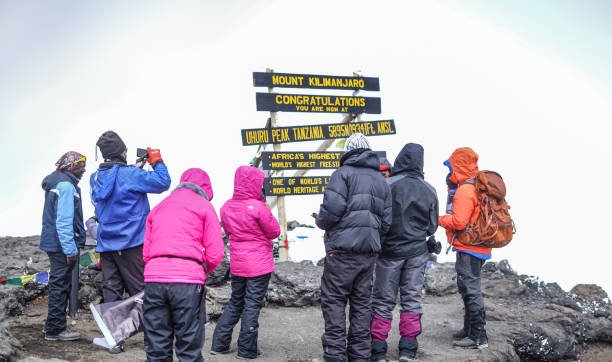
It still does not guarantee reaching Uhuru Peak.
Summit outcomes also depend on acclimatization, health, weather, pacing and guide safety decisions.
Fitness Helps, but Altitude Decides a Lot
Prepare your body carefully, choose an appropriate itinerary and then allow the mountain guide to manage pace and safety as altitude increases.
Kilimanjaro Fitness Checklist
Before Your Kilimanjaro Departure
- Build regular walking endurance
- Complete long hikes or walks
- Include uphill training
- Practice downhill walking
- Strengthen legs and core
- Train with your daypack
- Use your trekking boots
- Practice with trekking poles if using them
- Try occasional consecutive walking days
- Include rest and recovery
- Reduce training before departure
- Understand that fitness does not prevent altitude sickness
Frequently Asked Questions
How fit do you really need to be to climb Kilimanjaro?
You should have reasonable hiking endurance, cardiovascular fitness and leg strength, with the ability to walk for several hours on consecutive days. Elite athletic ability is not required.
Do you need to be an athlete?
No. Kilimanjaro is climbed by many recreational hikers and active travellers who prepare consistently before the trek.
Can a beginner climb Kilimanjaro?
A beginner may prepare for Kilimanjaro without technical climbing experience, but should build endurance gradually and understand the challenges of consecutive trekking days and high altitude.
Do I need to run to prepare?
No. Running can help cardiovascular fitness, but hiking and long walking are more specific to Kilimanjaro.
Is hiking more important than gym training?
Hiking is highly specific because it trains long duration walking, hills, downhill movement and equipment use. Gym training can complement it with cardiovascular and strength work.
Can I train without access to mountains?
Yes. Incline treadmill walking, stairs, stair machines, long walks and strength work can provide useful preparation when mountains are unavailable.
How long should I train?
Many climbers use roughly 8 to 12 weeks of structured preparation, while someone starting from a lower fitness level may benefit from a longer gradual program.
Should I train with my Kilimanjaro daypack?
Yes. Using your daypack during training allows you to test fit, comfort and realistic carrying weight before the climb.
Do I need to train with a heavy backpack?
Usually not. Porters normally carry the main personal mountain luggage, so training with a realistic daypack is more relevant.
Should I train in my trekking boots?
Yes. Longer training walks help confirm that your boots, socks and insoles remain comfortable for several hours.
Does being fit prevent altitude sickness?
No. Good fitness makes physical trekking easier but does not make anyone immune to altitude related illness.
Do I need previous altitude experience?
Previous altitude experience can be useful but is not compulsory for every climber. Route length and gradual acclimatization on Kilimanjaro remain important.
Is summit night much harder than normal trekking days?
For many climbers, yes. Summit night combines long duration, cold temperatures, steep terrain and very high altitude, followed by a substantial descent.
Should I practice downhill walking?
Yes. Long descents can be tiring for the quadriceps and knees, especially after summit day.
Should I train on consecutive days?
Occasional back to back walking days can be useful because Kilimanjaro requires repeated trekking days with limited recovery between them.
Can older travellers be fit enough?
Yes, depending on individual conditioning, mobility, recovery and relevant health considerations. Age alone does not determine trekking fitness.
Is body weight more important than fitness?
Functional endurance, strength, mobility and recovery are more useful indicators than body weight alone.
How should I train during the final week?
Reduce training intensity, maintain light activity, organize equipment and prioritize recovery so you arrive with rested legs.
Does choosing a longer route make fitness unnecessary?
No. Longer routes may provide more acclimatization time, but climbers still need sufficient endurance for multiple trekking days and summit day.
How can I know if I am fit enough for Kilimanjaro?
A useful sign is being comfortable with several hours of steady walking, some uphill terrain, consecutive active days and carrying your daypack without excessive fatigue. Fitness cannot predict altitude response, so route choice, pacing and guide monitoring remain essential.
Prepare for Kilimanjaro with Endurance, Not Speed
Build steady hiking endurance, strengthen your legs, practice with your trekking equipment and choose an itinerary that allows appropriate time for gradual ascent and acclimatization.
Plan Your Kilimanjaro Climb

 Kilimanjaro Climb