Kilimanjaro Food Culture and Wildlife Safari
The Kilimanjaro Food Culture and Wildlife Safari brings together two different sides of northern Tanzania: community food traditions and wildlife exploration.
Travellers can begin around Mount Kilimanjaro with a local cultural experience focused on ingredients, cooking, farming and everyday food traditions.
The journey then continues into the northern Tanzania safari circuit for professionally guided wildlife game drives through selected national parks and conservation areas.
This combination allows visitors to experience local communities and food culture before entering natural landscapes where elephants, giraffes, zebras, antelopes, predators and other wildlife may be encountered.
The itinerary can be arranged as a short 2 day package or expanded into a longer journey including several safari destinations.
Kilimanjaro Food Culture and Wildlife Safari at a Glance
- Starting point: Moshi or another agreed location.
- Cultural focus: Local food, cooking, farming and community life.
- Possible food activities: Market visit, cooking, coffee and banana farming.
- Safari focus: Wildlife game drives in northern Tanzania.
- Possible destinations: Tarangire, Lake Manyara, Ngorongoro and Serengeti.
- Duration: 2 days or longer according to the selected itinerary.
- Tour style: Food, culture, agriculture and wildlife.
- Suitable for: Solo travellers, couples, families and groups.
Why Choose the Kilimanjaro Food Culture and Wildlife Safari?
This itinerary combines experiences that are often booked separately.
The cultural portion introduces travellers to everyday food, farming and community life around Mount Kilimanjaro.
The safari portion then continues into protected wildlife areas where visitors can observe animals in natural habitats.
Travellers therefore experience both the people and landscapes of northern Tanzania within one coordinated itinerary.
Tour Highlights
- Local Kilimanjaro food culture
- Fresh local ingredients
- Traditional cooking experience
- Local market where included
- Banana farming traditions
- Kilimanjaro coffee culture
- Chagga cultural connections
- Shared local meal
- Professional wildlife safari
- Wildlife photography opportunities
- Northern Tanzania landscapes
- Flexible safari extensions
Discovering Kilimanjaro Food Culture
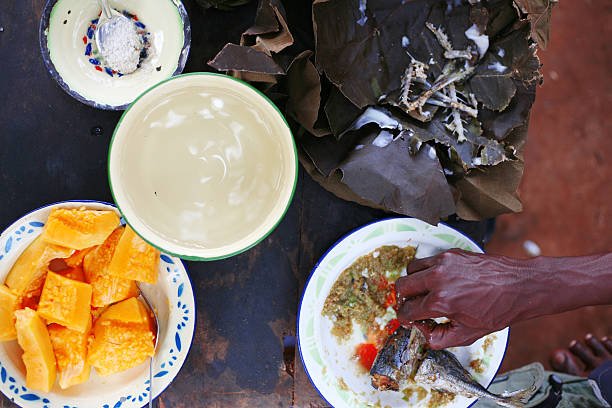
The cultural portion introduces visitors to how food connects farming, family life and local markets around Mount Kilimanjaro.
A local guide can explain selected ingredients and how they are commonly prepared within community households.
The experience can be practical and interactive, allowing travellers to participate in food preparation rather than simply watching.
Fresh Ingredients from Local Farms
Many ingredients used in local cooking are connected with farms and household gardens around the Kilimanjaro region.
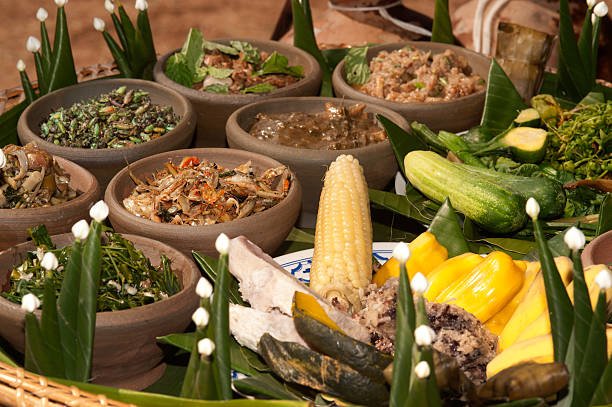
Depending on the season, travellers may encounter bananas, beans, vegetables, grains, herbs and spices.
The guide or host can explain where selected ingredients come from and how they are used.
Possible Local Ingredients
- Bananas
- Beans
- Tomatoes
- Onions
- Leafy vegetables
- Grains
- Fresh herbs
- Selected spices
Local Market Experience
A market visit can be included before the cooking activity.
Visitors can explore fresh produce, grains, spices and other food ingredients while learning how local markets connect farmers, traders and households.
A guide can help identify unfamiliar products and explain selected household uses.
Market activity changes according to time of day, season and supply.
Banana Farming and Food Traditions
Bananas are widely cultivated within many farming communities around Mount Kilimanjaro.
Some varieties are used within cooked dishes rather than eaten raw.
A local host can explain how bananas fit into everyday food traditions and agriculture.
A banana farm walk can be added when travellers want to understand the crop before participating in cooking.
From Farm to Table
The food culture portion helps travellers understand the journey from farm and market to kitchen and shared meal.
Fresh ingredients, local agriculture and cooking traditions come together to create a cultural experience connected directly with everyday life around Mount Kilimanjaro.
Traditional Cooking Experience
The cooking activity can include preparing selected ingredients together with a local host.
Travellers may help wash vegetables, peel produce, cut ingredients and assist with other suitable preparation stages.
The host can demonstrate cooking methods used for the selected dishes while explaining the role of different ingredients.
Specific recipes and techniques vary between households and communities.
Cook with a Local Host
Cooking alongside a community host creates a more interactive experience than simply receiving a finished meal.
Visitors can participate in selected stages and ask questions about food, agriculture and household routines.
The level of participation can be adjusted according to kitchen safety and traveller comfort.
Enjoy a Shared Local Meal
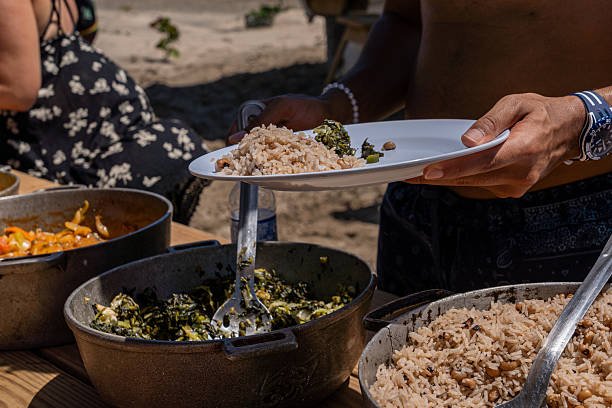
After cooking, travellers can sit down and enjoy the dishes prepared during the experience.
The shared meal creates time for conversation and reflection before continuing to the safari portion of the journey.
Dietary requirements should be communicated before the tour so suitable arrangements can be considered.
Kilimanjaro Coffee Culture
Coffee can also be incorporated into the food cultural experience.
Visitors can learn how coffee is grown and prepared within selected communities around Mount Kilimanjaro.
Where included, the activity can involve roasting, grinding and brewing fresh coffee.
Coffee Experience May Include
- Coffee plant introduction
- Cultivation explanations
- Harvesting information
- Traditional processing
- Roasting
- Grinding
- Brewing
- Fresh coffee tasting
Chagga Cultural Connections
The food portion can also introduce selected aspects of Chagga culture around Mount Kilimanjaro.
A local guide can explain how agriculture, bananas, coffee, food and household life are connected within specific communities.
Traditions vary between households and villages, so the experience should reflect the particular host community rather than one fixed representation.
From Kilimanjaro Culture to Wildlife Safari
After exploring local food culture, travellers can continue into the northern Tanzania safari circuit.
The transition provides a strong contrast between community life around Kilimanjaro and protected wildlife landscapes.
The exact safari route depends on the selected number of days and preferred destinations.
Food, Culture and Wildlife in One Journey
The cultural experience focuses on people, agriculture and food traditions around Mount Kilimanjaro.
The safari then shifts toward natural habitats, wildlife behaviour and the diverse landscapes of northern Tanzania.
Northern Tanzania Wildlife Safari
The wildlife portion is led by a professional safari guide and can include one or several northern Tanzania destinations.
Game drives follow designated roads and routes selected according to wildlife movement, park conditions and available time.
All animal sightings depend on natural behaviour and cannot be guaranteed.
Tarangire National Park
Tarangire can be an excellent addition to a short food culture and safari itinerary.
The park offers woodland, open areas and river influenced environments that support diverse wildlife.
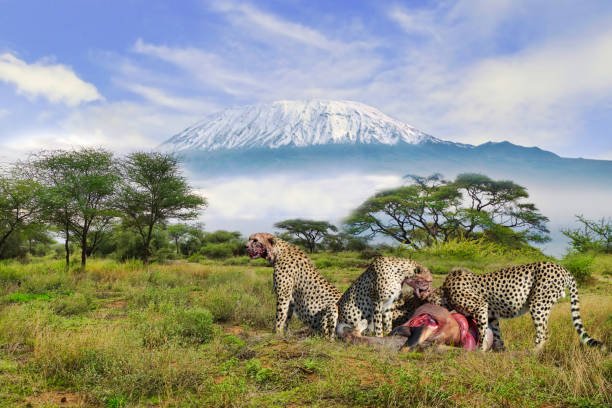
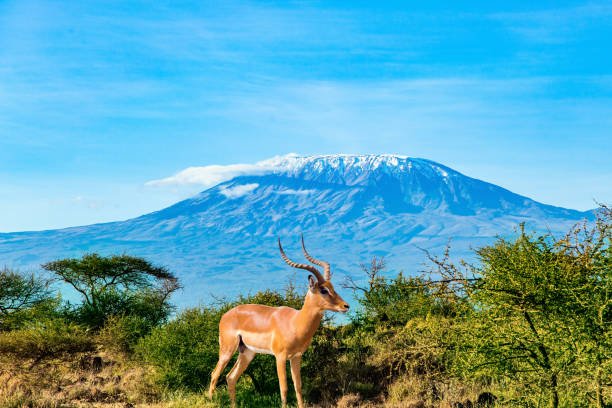
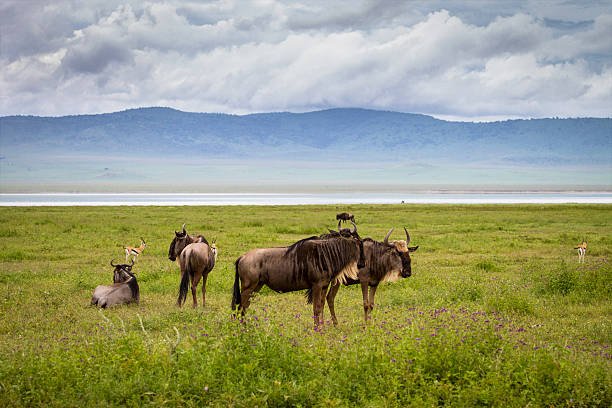
Possible sightings include elephants, giraffes, zebras, wildebeest, buffalo, antelopes and a wide variety of birds.
Lake Manyara National Park
Lake Manyara can also be included according to the selected safari route.
The park provides varied habitats including forest, woodland and lake influenced environments.
Wildlife sightings vary according to season, habitat and animal movement.
Ngorongoro Crater Safari
Ngorongoro can be included for travellers with additional safari time.
A crater game drive allows visitors to explore an enclosed landscape containing different habitats and naturally occurring wildlife.
The guide can explain geology, wildlife and conservation context during the experience.
Serengeti National Park
Travellers with more time can extend the journey to Serengeti National Park.
The park offers expansive savannah landscapes and opportunities to observe a wide range of wildlife.
Wildlife distribution changes according to natural movement and seasonal conditions.
Possible Wildlife Sightings
- Elephants
- Giraffes
- Zebras
- Wildebeest
- Buffalo
- Warthogs
- Gazelles and other antelopes
- Monkeys or baboons in suitable habitats
- Lions when naturally encountered
- Other predators depending on destination
- Diverse birdlife
Wildlife Photography
The safari portion provides opportunities for wildlife and landscape photography.
A camera with a zoom lens can be useful, although smartphones can also capture wider landscapes and closer wildlife encounters.
Binoculars can help with viewing distant animals and birds.
The safari guide positions the vehicle according to road access, park regulations and wildlife behaviour.
Sample 2 Day Kilimanjaro Food Culture and Wildlife Safari Itinerary
DAY
01
FOOD & CULTURE
Kilimanjaro Local Food and Cooking Experience
Begin with pickup from your Moshi hotel or another agreed location.
Meet your local guide and continue toward the selected cultural community.
Where included, visit a local market or farm to learn about fresh ingredients.
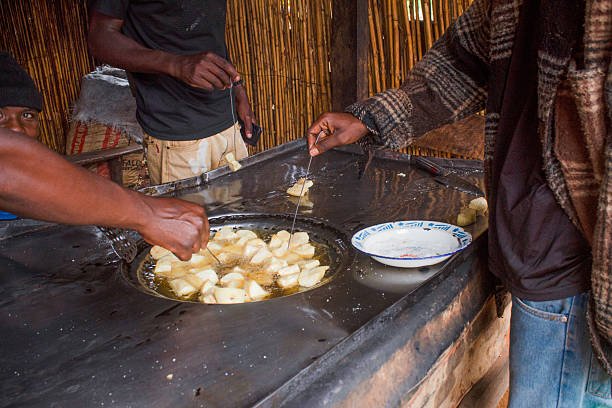
Join a local host to prepare selected dishes using bananas, vegetables, beans, grains or other available ingredients.
Enjoy the meal you help prepare and learn about food, agriculture and Chagga cultural connections.
Return to Moshi or continue to your overnight accommodation according to the confirmed itinerary.
DAY
02
WILDLIFE SAFARI
Northern Tanzania Game Drive
After breakfast, depart with your professional safari guide toward the selected wildlife destination.
Complete park entry procedures and begin the game drive through suitable wildlife habitats.
Search for naturally occurring wildlife while your guide explains animal behaviour and the surrounding landscape.
Enjoy lunch according to the confirmed safari program before continuing the game drive.
Later transfer toward Moshi, Arusha or another agreed destination.
3 Day Kilimanjaro Food Culture and Safari
A 3 day itinerary provides more time for both culture and wildlife.
Day 1 can focus on food, cooking and community culture, followed by two safari days.
Possible combinations include Tarangire and Ngorongoro or Lake Manyara and Ngorongoro depending on the preferred route.
4 Day Food Culture and Wildlife Safari
A 4 day program allows travellers to include several northern Tanzania safari destinations after the cultural day.
Possible routes can include Tarangire, Serengeti and Ngorongoro according to realistic travel times.
Accommodation can be selected according to preferred comfort and budget.
Longer Food Culture and Safari Packages
Travellers with additional time can create a longer itinerary combining Kilimanjaro community culture with multiple safari destinations.
The cultural experience can take place at the beginning or end of the safari depending on route planning.
Additional village, coffee and farm activities can also be included.
Before Climbing Kilimanjaro
The food culture experience can be arranged before beginning a Mount Kilimanjaro trek.
It introduces climbers to local food and community life before they enter the mountain environment.
The activity should leave sufficient time for equipment preparation, mountain briefing and rest.
After Climbing Kilimanjaro
The food culture and safari package can also begin after a Kilimanjaro climb.
Travellers can enjoy a relaxed cooking and community activity after descending before continuing to wildlife areas.
This creates a varied journey combining mountain trekking, local culture and safari.
Kilimanjaro Trek, Food Culture and Safari
A complete northern Tanzania itinerary can combine Mount Kilimanjaro trekking, a local cooking experience and professionally guided wildlife safari.
This gives travellers three distinct experiences within one coordinated Tanzania journey.
Professional Local Cultural Guide
A knowledgeable local guide can coordinate the cultural portion and provide context about food, agriculture and community life.
Cultural Guide Responsibilities May Include
- Introducing local food culture
- Explaining market ingredients
- Providing context about agriculture
- Introducing the local cooking host
- Explaining Chagga cultural connections
- Helping with communication where appropriate
- Coordinating food and cultural activities
- Advising on respectful photography
Professional Safari Guide
The wildlife portion is led by a professional safari guide familiar with park routes, natural habitats and wildlife behaviour.
Safari Guide Responsibilities May Include
- Professional safari driving
- Wildlife identification
- Explaining animal behaviour
- Interpreting habitats and landscapes
- Managing game drive timing
- Following park regulations
- Coordinating safari meals and stops
Safari Vehicle
A suitable safari vehicle can be arranged according to the confirmed package.
Where provided, a 4x4 vehicle with a pop up roof can offer useful visibility for wildlife viewing and photography.
The vehicle size can be selected according to the number of travellers.
Accommodation Options
Accommodation can be selected according to safari length, route and preferred travel style.
Possible options include camping, budget accommodation, tented camps and mid range lodges.
The exact properties should be confirmed at the time of booking.
Meals During the Tour
Food forms an important part of this itinerary.
The cultural portion can include the meal prepared with the local host, while safari days can include breakfast, picnic lunch and lodge or camp meals according to the package.
Dietary requirements should be communicated before travel.
Vegetarian and Dietary Options
Vegetarian meals can often be arranged during both the cultural and safari portions.
Vegan, religious and other dietary requirements should be communicated in advance.
Travellers with food allergies should provide clear details about ingredients that must be avoided.
What to Bring for the Cultural Experience
- Comfortable walking shoes
- Lightweight clothing
- Sun hat
- Sunscreen
- Reusable water bottle
- Small day bag
- Camera or phone
- Personal medication
- Dietary information where relevant
What to Bring for Safari
- Comfortable safari clothing
- Warm layer for cooler mornings
- Sun hat
- Sunglasses
- Sunscreen
- Camera
- Binoculars if available
- Personal medication
- Small overnight bag for multi day safari
Typical Kilimanjaro Food Culture and Wildlife Safari Inclusions
- Transport according to the confirmed itinerary
- Professional local cultural guide
- Local cooking host where included
- Cooking ingredients
- Guided food preparation
- Shared local meal
- Market, coffee or farm activity where included
- Professional safari guide
- Safari vehicle according to the package
- Applicable park fees where included
- Wildlife game drives
- Safari accommodation where included
- Meals according to the confirmed itinerary
- Drinking water where included
Typical Tour Exclusions
- International flights
- Tanzania visa
- Travel insurance
- Accommodation not listed in the confirmed program
- Personal purchases
- Alcoholic beverages
- Optional activities not included in the itinerary
- Personal expenses
- Tips for guides and local hosts
Private Kilimanjaro Food Culture and Wildlife Safari
The package can be arranged privately for solo travellers, couples, families and groups.
A private itinerary provides greater flexibility with food activities, safari destinations, accommodation and departure times.
The schedule can also be coordinated around Kilimanjaro trekking or onward travel.
Shared Safari Options
Shared safari departures may be available when existing groups match the traveller's dates and preferred route.
The food culture portion can still be arranged privately before joining the safari.
Availability depends on confirmed departures.
For Solo Travellers
Solo travellers can arrange the food culture experience privately and continue with a private or available shared safari.
The best arrangement depends on travel dates, safari route and budget.
For Couples
Couples can enjoy a private cooking and cultural experience before continuing into northern Tanzania's wildlife areas.
The itinerary can also include Kilimanjaro or Zanzibar.
For Families
The package can provide an educational combination of food, agriculture, culture and wildlife for families.
Children can participate in suitable cooking activities under supervision before experiencing wildlife on safari.
The schedule can be adjusted according to children's ages and comfort.
Adding Materuni
Selected Materuni activities can be included before the safari when sufficient time is available.
The itinerary can combine local food, coffee, village culture and other agreed experiences.
Adding a Chagga Village Experience
A Chagga village walk can expand the cultural portion beyond food and cooking.
Travellers can learn more about farming, bananas, coffee and everyday community life before continuing to safari.
Adding Zanzibar
Zanzibar can be included after the safari for travellers who want a beach extension.
This creates a wider Tanzania itinerary combining Kilimanjaro food culture, wildlife safari and Indian Ocean beaches.
Responsible Cultural and Wildlife Tourism
Responsible tourism is important in both community and wildlife environments.
Responsible Visitor Guidelines
- Follow cultural and safari guide instructions.
- Ask permission before photographing people.
- Respect private homes and kitchens.
- Do not pick farm products without permission.
- Use kitchen tools only as instructed.
- Do not feed wildlife.
- Maintain a respectful distance from animals.
- Follow national park regulations.
- Dispose of waste responsibly.
Why Book the Kilimanjaro Food Culture and Wildlife Safari?
The Kilimanjaro Food Culture and Wildlife Safari provides travellers with a varied introduction to northern Tanzania through local food, agriculture, community interaction and wildlife.
Visitors can prepare and enjoy a local meal around Mount Kilimanjaro before continuing to professionally guided game drives in Tanzania's northern safari circuit.
The package can be customised according to travel dates, safari duration, accommodation style, cultural interests and additional destinations.
Frequently Asked Questions
What is the Kilimanjaro Food Culture and Wildlife Safari?
It is a combined itinerary featuring local food and cooking culture around Mount Kilimanjaro followed by professionally guided wildlife safari activities.
Will I participate in cooking?
Yes. Where included, travellers can participate in selected food preparation and cooking stages with a local host.
What food will we prepare?
The menu depends on the host, season and available ingredients and may include bananas, vegetables, beans, grains and other local foods.
Do we eat the food we prepare?
Yes. The shared meal normally forms part of the cultural experience.
Can a market visit be included?
Yes. A local market experience can be added so travellers can learn about fresh ingredients before cooking.
Can coffee be included?
Yes. A traditional Kilimanjaro coffee experience can be included according to available time.
Which safari destinations can be included?
Possible destinations include Tarangire, Lake Manyara, Ngorongoro and Serengeti according to the selected itinerary.
What wildlife may I see?
Possible sightings include elephants, giraffes, zebras, wildebeest, buffalo, antelopes, predators and birdlife depending on destination and natural wildlife movement.
Are wildlife sightings guaranteed?
No. Wildlife moves naturally within its habitat, so specific animal sightings cannot be guaranteed.
How many days are recommended?
A 2 day package can combine one cultural day with one safari day, while 3 or more days allow additional safari destinations.
Can the safari be private?
Yes. A private safari can be arranged according to the number of travellers and selected destinations.
Can I join a shared safari?
Shared safari departures may be available when existing groups match your dates and preferred route.
Can vegetarians join?
Vegetarian food can often be arranged when dietary requirements are communicated in advance.
What if I have food allergies?
Food allergies should be communicated clearly before travel so the cultural host and safari team can review suitable arrangements.
Is the package suitable for families?
Yes. Families can combine age appropriate cooking activities with wildlife safari experiences.
Can solo travellers book?
Yes. Solo travellers can arrange the cultural experience privately and continue with either a private or available shared safari.
Can I combine the tour with Kilimanjaro trekking?
Yes. The food culture and safari package can be arranged before or after a Mount Kilimanjaro climb.
Can Materuni be included?
Yes. Selected Materuni activities can be added when sufficient time is available and the itinerary remains realistic.
Can I add a Chagga village experience?
Yes. A Chagga village walk can provide additional cultural and agricultural context before the safari.
Can Zanzibar be added after safari?
Yes. Zanzibar can be added to create a longer Tanzania culture, wildlife and beach itinerary.
Plan Your Kilimanjaro Food Culture and Wildlife Safari
Discover local ingredients, traditional cooking and community food culture around Mount Kilimanjaro before continuing into northern Tanzania for professionally guided wildlife game drives.
Choose your preferred dates, safari destinations, cultural activities and accommodation style to create a personalised Tanzania food and wildlife journey.
Plan Your Food Culture and Wildlife Safari