Kilimanjaro Summit Night Clothing
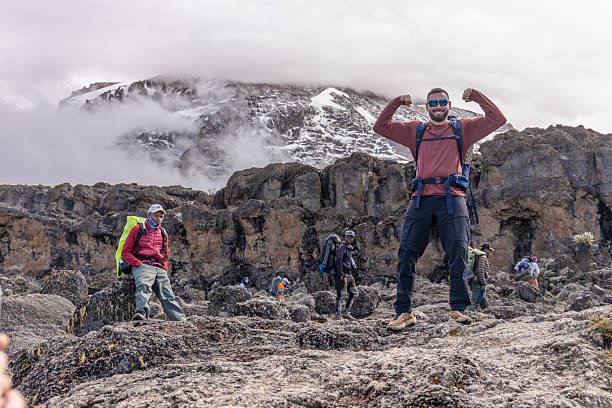
The Kilimanjaro Summit Night Clothing you wear is one of the most important parts of preparing for the final ascent of Mount Kilimanjaro.
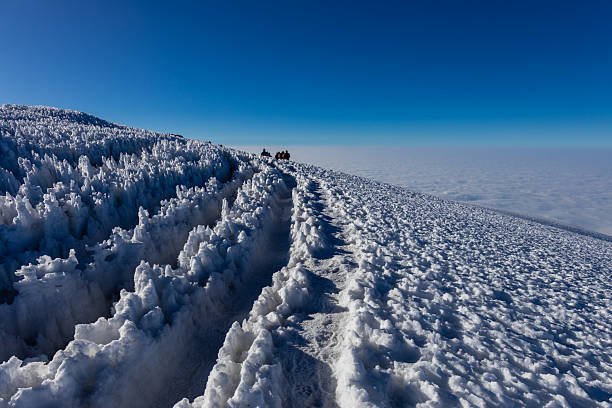
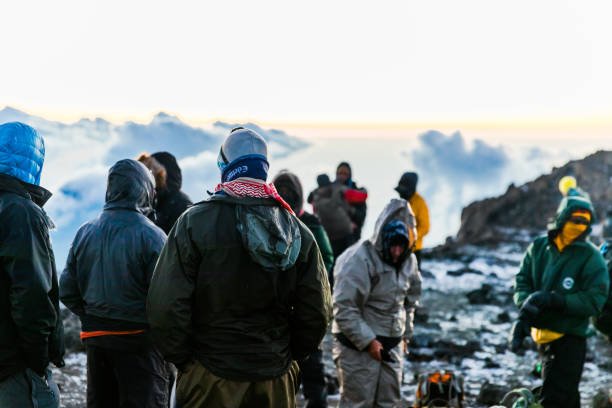
Summit night takes place at very high altitude where climbers can experience intense cold, wind, darkness and rapidly changing mountain conditions.
The correct clothing system should keep you warm without making movement difficult or causing excessive sweating.
Rather than relying on one extremely thick item, climbers normally use several layers that work together.
These layers can then be adjusted according to temperature, wind and personal comfort throughout the summit attempt and descent.
Kilimanjaro Summit Clothing at a Glance
- Base layer: Thermal top and leggings.
- Mid layer: Fleece or similar insulation.
- Main insulation: Warm insulated summit jacket.
- Outer protection: Wind and waterproof shell.
- Legs: Thermal leggings, trekking trousers and protective outer layer.
- Hands: Warm gloves or mittens.
- Feet: Warm socks and broken in trekking boots.
- Head: Warm hat and neck or face protection.
Why Summit Night Clothing Matters
The final summit attempt takes place at the coldest and highest part of the Kilimanjaro climb.
Your body is already dealing with altitude and fatigue, so losing too much heat can make the experience significantly harder.
Good clothing protects against wind, cold and moisture while still allowing you to move comfortably for many hours.
Cold hands, cold feet or an inadequately insulated upper body can become major distractions during the ascent.
Main Summit Night Clothing Goals
- Stay warm without excessive sweating.
- Protect the body from wind.
- Keep insulation dry.
- Maintain circulation in hands and feet.
- Allow easy movement.
- Make it easy to add or remove layers.
How the Layering System Works
Kilimanjaro summit clothing should be built around a layering system.
The base layer manages moisture next to the skin.
The mid layer adds insulation.
The outer insulating jacket provides substantial warmth.
The shell protects against wind and precipitation.
This system allows you to adjust clothing instead of being trapped in one bulky outfit that is either too hot or too cold.
Thermal Base Layer for Summit Night
The first layer should sit comfortably next to the skin.
A thermal long sleeve top helps retain warmth while moving moisture away from the body.
Thermal leggings perform the same function for the lower body.
Avoid using cotton as your primary summit base layer because cotton can retain moisture and become uncomfortable in cold conditions.
Summit Base Layer
- Thermal long sleeve top
- Thermal leggings
- Moisture managing fabric
- Comfortable fit
- Dry clothing reserved for summit night where possible
Mid Layer for Kilimanjaro Summit Night
The mid layer adds warmth between the thermal base layer and the outer insulation.
A fleece jacket or similar insulating garment works well because it provides warmth without excessive bulk.
Depending on conditions and personal cold tolerance, some climbers may use more than one insulating layer.
Make sure additional layers still allow free movement.
Warm Summit Jacket
A high quality insulated jacket is one of the most important summit items.
The jacket should provide substantial warmth while fitting comfortably over your base and mid layers.
It should not feel so tight that insulation is compressed or movement becomes restricted.
Your summit jacket should be tested before travelling rather than used for the first time at high camp.
Down Jacket or Synthetic Jacket?
Both down and synthetic insulation can work well when used appropriately.
Down provides excellent warmth for its weight but should be kept dry.
Synthetic insulation may retain more useful warmth when damp but can be bulkier.
The best choice depends on the quality of the garment, your broader layering system and expected weather protection.
Waterproof and Windproof Outer Jacket
Wind can dramatically increase how cold summit night feels.
A waterproof and wind resistant shell protects the insulating layers beneath it.
The shell should be large enough to fit over your other upper body layers without restricting movement.
It should also have a hood that works with your warm hat or other head protection.
Upper Body Summit Layering Example
- Thermal base layer
- Fleece or insulating mid layer
- Additional warm layer if needed
- Insulated summit jacket
- Wind and waterproof shell when conditions require it
Kilimanjaro Summit Night Trousers
The lower body also requires multiple layers.
Thermal leggings create the first layer.
Warm trekking trousers provide the main walking layer.
A waterproof or wind resistant outer trouser can provide protection from wind and precipitation.
Climbers who feel cold easily may use additional insulation depending on their equipment setup.
Lower Body Layering Example
- Thermal leggings
- Warm trekking trousers
- Optional additional insulating layer if required
- Waterproof and wind resistant outer trousers
Gloves for Kilimanjaro Summit Night
Hands are especially vulnerable to cold because they are exposed and relatively inactive compared with the legs.
Thin trekking gloves alone may not provide sufficient protection during summit night.
Many climbers use a layered system with liner gloves and warmer outer gloves or mittens.
Mittens can provide excellent warmth because the fingers share heat.
Summit Hand Protection
- Light liner gloves
- Warm insulated gloves or mittens
- Wind resistant outer protection
- Enough room to maintain circulation
- Easy operation with trekking poles
Avoid Tight Gloves
More layers do not always mean more warmth.
If gloves are too tight, circulation can be restricted and your hands may feel colder.
Test your full glove system before travelling and make sure you can comfortably move your fingers.
Warm Socks for Summit Night
Warm trekking socks are important for protecting your feet during the summit attempt.
Some climbers use a liner sock together with a thicker trekking sock.
However, the combination must still fit comfortably inside your boots.
If your footwear becomes too tight, circulation can be reduced and your feet may become colder.
Do You Need Two Pairs of Socks?
Some climbers find a liner plus one warm sock comfortable, while others prefer one high quality trekking sock.
The important point is that the system fits your boots without pressure on the toes.
Test your summit sock combination during training hikes before Kilimanjaro.
Best Boots for Summit Night
Your boots should be suitable for mountain trekking, provide ankle support and already be broken in before travelling.
Summit night is not the time to discover that your boots are too small or cause blisters.
The boots should also have enough room for your planned sock system.
Always train in the same boots you intend to use on Kilimanjaro.
Gaiters for Summit Night
Gaiters can help prevent loose debris from entering the top of your boots during parts of the trek.
They can also provide another layer of protection around the lower leg and footwear area.
Gaiters are optional for some climbers but can be useful depending on route conditions and personal preference.
Warm Hat for Kilimanjaro Summit Night
A warm hat should cover your ears properly.
It should fit comfortably under or with the hood of your outer jacket.
Carry it in an accessible place before summit departure rather than burying it deep inside your bag.
Neck Gaiter and Face Protection
A neck gaiter or similar face covering can protect the neck, chin and lower face from wind.
This can make a significant difference when cold wind is blowing across exposed high altitude terrain.
The item should be easy to pull up or down depending on conditions.
Balaclava for Kilimanjaro
A balaclava can provide additional protection for the head, face and neck.
Some climbers prefer a balaclava while others use a warm hat combined with a neck gaiter.
Either system can work if it provides adequate protection while remaining comfortable.
Do You Need a Waterproof Jacket on Summit Night?
Yes, a protective outer shell should remain available.
Even if no precipitation is expected, a wind resistant shell can provide valuable protection against strong summit winds.
Mountain weather can also change quickly, so climbers should not leave waterproof clothing at camp.
Do You Need Waterproof Trousers?
Waterproof outer trousers can also provide useful wind protection over your thermal and trekking layers.
They should fit comfortably over the clothing you intend to wear underneath.
Test them at home to make sure you can walk and bend freely.
Should Summit Clothing Be Loose or Tight?
Clothing should fit comfortably and allow layering.
Extremely tight clothing can restrict circulation and compress insulating layers.
Extremely loose clothing can become awkward and inefficient.
Your final summit outfit should be tested as one complete system before travelling.
Do Not Wear All Layers Too Early
Putting on every possible layer while still inside camp can cause you to become too warm and start sweating before the climb begins.
Moisture trapped inside clothing can later make you feel colder.
Your guide can help you choose an appropriate starting combination and add layers as conditions require.
Avoid Sweating on Summit Night
Sweating can dampen base and mid layers.
Once your pace slows or the wind increases, damp clothing can become uncomfortable and cold.
Use breathable layers and open zips or remove unnecessary insulation before overheating becomes severe.
Layering Strategy
- Start warm but not overheated.
- Ventilate before becoming sweaty.
- Add insulation when temperature drops.
- Use the shell when wind becomes significant.
- Keep spare warm items accessible.
Keep Summit Clothes Dry
Dry insulation is critical on summit night.
Pack your thermal layers, summit jacket, gloves and socks in waterproof liners or dry bags inside the main duffel before reaching high camp.
If your duffel becomes wet during earlier trekking days, your summit equipment should remain protected internally.
Reserve Dry Clothing for Summit Night
Where possible, keep some key thermal items specifically for the summit attempt.
Putting on dry base layers before the final ascent can improve comfort compared with using clothing that has become damp during previous trekking days.
What to Wear at High Camp Before Departure
Your summit clothing should be organised before you rest at high camp.
Do not wait until the final minutes before departure to decide what you are wearing.
Prepare Before Resting
- Thermal top
- Thermal leggings
- Fleece
- Insulated jacket
- Waterproof shell
- Summit trousers
- Waterproof trousers
- Warm socks
- Gloves or mittens
- Warm hat
- Neck protection
- Boots
Headlamp and Clothing Compatibility
Your headlamp must fit over your summit hat or head covering.
Test the complete combination before travelling.
A loose headlamp that keeps sliding down becomes frustrating during a long night ascent.
You should also be able to operate it while wearing gloves.
Can You Rent Summit Clothing?
Selected Kilimanjaro clothing and equipment can often be rented according to available sizes and stock.
Possible Rental Items
- Warm jackets
- Waterproof jackets
- Waterproof trousers
- Gaiters
- Trekking poles
- Sleeping bags
- Other selected trekking equipment according to availability
Should You Rent or Buy Summit Clothing?
Frequently used personal items such as thermal base layers, socks, gloves and well fitting boots are often better owned and tested before travel.
Bulky outer equipment such as insulated jackets can sometimes be rented if you do not expect to use them frequently after Kilimanjaro.
Whatever option you choose, check fit and condition before mountain departure.
Pre Climb Equipment Check
A professional equipment check before climbing is valuable because summit clothing problems are easier to fix in town than at high camp.
The guide can review your layering system and identify obvious gaps in cold weather protection.
Any required rental equipment can then be arranged according to availability.
Summit Clothing for Machame Route
Machame climbers need the full high altitude clothing system regardless of whether the itinerary is six or seven days.
The final approach reaches the same severe summit environment, so route duration does not reduce the need for proper cold weather gear.
Summit Clothing for Lemosho Route
Lemosho provides a different approach and itinerary structure but eventually reaches the same high altitude summit environment.
Seven and eight day Lemosho climbers therefore require serious summit insulation, waterproof protection, gloves and suitable footwear.
Summit Clothing for Marangu Route
Marangu uses hut accommodation, but sleeping in huts does not change the clothing required for the summit attempt.
Climbers leaving Kibo Hut still need full high altitude cold weather protection.
Summit Clothing for Rongai Route
Rongai approaches Kilimanjaro differently, but the final summit zone remains cold and exposed.
The same principles of layered clothing, warm hand protection and suitable boots apply.
Summit Clothing for Northern Circuit
Northern Circuit climbers spend more days on the mountain before summit night, but the clothing requirement remains serious.
Longer acclimatization schedules do not make the summit environment warmer.
What to Wear During the Descent
Temperatures can become warmer as you descend from the summit zone.
Remove layers gradually so you do not overheat.
Keep your waterproof shell accessible because weather can still change.
Do not remove so many layers that you become chilled during rest stops.
Do You Need Different Clothes for Sunrise?
The same summit layering system should be sufficient if it is properly designed.
Conditions can remain very cold around sunrise, especially if wind is present.
Do not assume the appearance of daylight means temperatures will immediately become comfortable.
Common Summit Clothing Mistakes
Avoid These Mistakes
- Using cotton as the main thermal layer
- Bringing only one thin jacket
- Using gloves that are too tight
- Wearing too many socks inside tight boots
- Using brand new boots
- Failing to waterproof summit clothing
- Packing the warm hat deep inside the duffel
- Forgetting wind protection
- Putting on every layer too early and sweating
- Testing the complete clothing system for the first time on summit night
Full Kilimanjaro Summit Night Clothing Checklist
- Thermal long sleeve top
- Thermal leggings
- Warm fleece
- Additional insulating layer if required
- Warm insulated summit jacket
- Waterproof and wind resistant shell jacket
- Warm trekking trousers
- Waterproof outer trousers
- Warm trekking socks
- Broken in trekking boots
- Glove liners
- Warm gloves or mittens
- Warm hat
- Neck gaiter or face covering
- Optional balaclava
- Gaiters if desired
Frequently Asked Questions About Kilimanjaro Summit Night Clothing
What should I wear on Kilimanjaro summit night?
Wear thermal base layers, insulating mid layers, a warm summit jacket, wind and waterproof outer protection, warm trousers, gloves, socks, trekking boots and head protection.
How many layers should I wear?
The exact number depends on the garments and conditions. Use a flexible layering system rather than relying on one fixed number of layers.
Do I need thermal underwear?
Yes. Thermal base layers for the upper and lower body are strongly recommended for summit night.
Can I wear cotton?
Cotton is generally a poor choice for primary cold weather layers because it can retain moisture and dry slowly.
Do I need a down jacket?
You need a suitably warm insulated summit jacket. Down is one option, while high quality synthetic insulation can also work.
Do I need a waterproof jacket?
Yes. A waterproof and wind resistant shell should remain available for summit conditions.
Do I need waterproof trousers?
They are useful as protection against wind and precipitation and should fit over your lower body layers.
What gloves should I wear?
Use warm insulated gloves or mittens, often with a liner glove underneath depending on your system.
Are mittens warmer than gloves?
Mittens can provide greater warmth because the fingers share heat, although personal preference and dexterity also matter.
How many socks should I wear?
Use a sock system that keeps your feet warm without making the boots tight. One warm trekking sock or a liner plus warm sock can work depending on fit.
Can too many socks make my feet colder?
Yes. If extra socks make your boots too tight, restricted circulation can make your feet feel colder.
Do I need special summit boots?
Use appropriate trekking boots that fit your sock system, provide support and have been broken in before Kilimanjaro.
Do I need a warm hat?
Yes. A warm hat covering the ears is an important part of summit clothing.
Do I need a neck gaiter?
A neck gaiter is useful for protecting the neck and lower face from cold wind.
Do I need a balaclava?
It is optional but can provide useful additional protection for the face, head and neck.
Do I need gaiters?
Gaiters are optional for many climbers but can help keep debris out of boots and provide additional lower leg protection.
Should I wear all my layers from the start?
Not necessarily. Wearing too much can cause excessive sweating. Adjust layers according to conditions and guide advice.
Why should I avoid sweating?
Sweat can dampen clothing, which may make you feel significantly colder when pace slows or wind increases.
Should summit clothes be waterproofed in my duffel?
Yes. Keep thermal layers, gloves, summit jackets and other important insulation protected inside waterproof liners or dry bags.
Can I rent summit clothing?
Selected warm and waterproof equipment can often be rented according to available sizes and stock.
Should I test rented clothing before leaving?
Yes. Check fit, condition and compatibility with your other layers during the pre climb equipment review.
Is summit clothing different on Machame and Lemosho?
No major difference is required because both routes ultimately reach the same high altitude summit environment.
Do Marangu climbers need the same warm clothing?
Yes. Hut accommodation does not reduce the cold weather clothing requirements of the final summit attempt.
Can beginners use the same summit clothing system?
Yes. The clothing requirements are based on mountain conditions rather than previous climbing experience.
Should I reserve dry thermals for summit night?
Where possible, keeping dry thermal layers specifically for the summit attempt can improve comfort.
Can I remove clothing during the descent?
Yes. Temperatures normally become warmer as you descend, so remove layers gradually while keeping weather protection accessible.
What is the most important summit clothing advice?
Use a tested layering system, protect important clothing from moisture, keep hands and feet warm without restricting circulation and prepare every item before leaving high camp.
How do I prepare my Kilimanjaro Summit Night Clothing?
Test your complete clothing system before travel, keep thermal and insulating layers dry, ensure your boots fit comfortably with summit socks and complete a pre climb equipment check before starting Kilimanjaro.
Prepare the Right Kilimanjaro Summit Clothing
Prepare a complete summit layering system with thermal clothing, insulation, wind and waterproof protection, warm gloves, suitable boots and professional equipment guidance before your Kilimanjaro climb.
Prepare for Your Kilimanjaro Climb

 Kilimanjaro Climb