Kilimanjaro Summit Night Guide
The Kilimanjaro Summit Night Guide is designed to help climbers understand the most demanding stage of a Mount Kilimanjaro expedition.
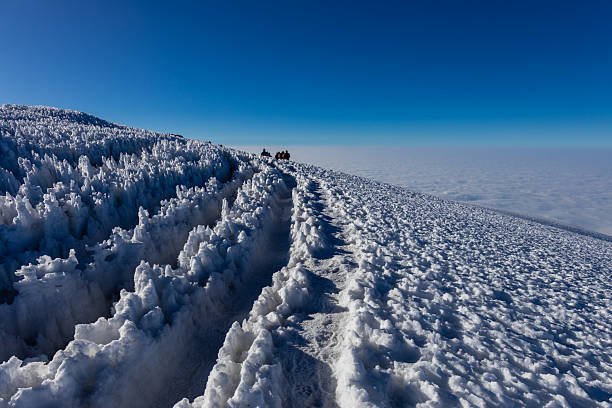
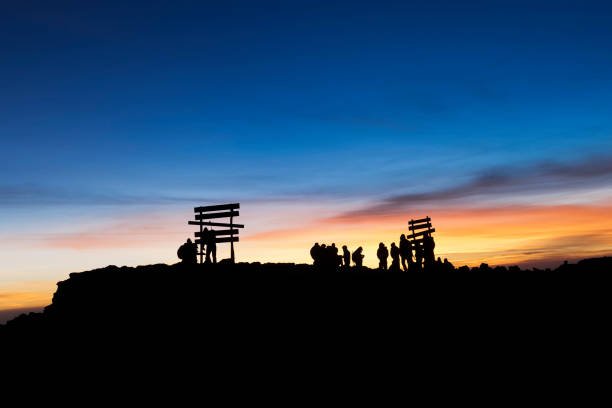
Summit night usually begins from a high camp after a short period of rest and continues through darkness, cold and high altitude toward the crater rim and, for climbers who remain able to continue safely, Uhuru Peak.
The challenge comes from several factors happening at the same time: reduced oxygen availability, low temperatures, fatigue from previous trekking days, slow movement, darkness and the long descent that follows the summit attempt.
Preparation should therefore begin well before summit night. Fitness, acclimatization, equipment, nutrition, hydration and guide communication all influence how manageable the final ascent feels.
Reaching the summit is never guaranteed. The correct objective is to climb as safely and steadily as possible while following the professional guide team's decisions.
Kilimanjaro Summit Night at a Glance
- Main challenge: High altitude, cold and endurance.
- Departure: Usually during the night or very early morning depending on the itinerary and guide plan.
- Clothing: Full cold weather summit layering.
- Lighting: Reliable headlamp required.
- Pace: Slow and controlled.
- Support: Professional guide and summit support team.
- Goal: Progress safely toward the crater rim and Uhuru Peak.
- Priority: Safety over summit success.
What Is Kilimanjaro Summit Night?
Summit night is the final major ascent from high camp toward the summit area of Mount Kilimanjaro.
Unlike normal trekking days, climbers typically start after limited rest and walk through the coldest and highest part of the expedition.
The ascent is intentionally slow because the body is working under significant altitude stress.
Many climbers describe summit night as more mentally difficult than technically difficult.
There are no normal technical climbing requirements on the standard routes, but endurance and altitude tolerance become extremely important.
Why Does the Summit Attempt Start at Night?
Many Kilimanjaro summit attempts begin at night or in the early hours of the morning.
This schedule allows climbers to make gradual progress toward the crater rim and complete the summit attempt before beginning the long descent later in the day.
It also gives the mountain team time to manage the full summit and descent schedule within a single trekking day.
The exact departure time can vary depending on route, high camp, group condition and guide strategy.
How Long Is Kilimanjaro Summit Night?
The total summit day is usually one of the longest stages of the entire expedition.
The duration differs between climbers because altitude, pace, weather and route conditions affect walking speed.
The ascent toward the summit can take many hours, followed by a substantial descent.
For this reason, climbers should avoid thinking of summit night as a short final push.
It is better understood as a long endurance day that begins in darkness and continues well after the summit attempt.
Why Summit Day Feels So Long
- High altitude reduces walking speed.
- Climbers take very small steps.
- Cold conditions require careful movement.
- The summit ascent can take several hours.
- The descent is also long and physically tiring.
- Climbers begin after several previous trekking days.
Where Does Summit Night Start?
The starting point depends on the selected Kilimanjaro route and itinerary.
Machame and Lemosho climbers commonly prepare for the summit from the Barafu area.
Marangu climbers normally make their summit attempt from Kibo Hut.
Other route combinations may use different high camp arrangements according to the confirmed itinerary.
Your guide should explain the exact starting camp, departure time and planned summit progression during the final briefing.
What Happens Before Summit Night?
Preparation begins after arriving at the high camp.
Climbers should eat, hydrate, organise all summit clothing and equipment, attend the guide briefing and rest as much as possible before departure.
Everything should be prepared before lying down because searching for gloves, headlamps or warm layers in darkness wastes valuable time and energy.
Before Sleeping at High Camp
- Prepare all summit clothing.
- Check your headlamp.
- Prepare spare batteries if carried.
- Fill or organise drinking water.
- Prepare personal snacks.
- Arrange gloves and warm hat.
- Prepare trekking poles.
- Keep personal medication accessible.
- Attend the summit briefing.
What Should You Eat Before Summit Night?
Eating before the summit attempt is important even if altitude has reduced your appetite.
Your body needs energy for many hours of slow walking in cold conditions.
The exact pre summit meal varies according to the expedition menu, but climbers should try to consume enough food to provide useful energy without deliberately overeating.
If you are struggling with appetite, inform your guide team rather than hiding the problem.
Summit Night Snacks
Bring snacks that you already know you can eat while exercising.
At high altitude, foods that seem appealing at home may become difficult to eat.
Small portions are often easier to manage than large meals during the ascent.
Possible Personal Summit Snacks
- Energy bars
- Small chocolate portions
- Energy chews or gels if already familiar
- Nuts or dried fruit
- Simple biscuits
- Other lightweight foods you know you tolerate well
Hydration Before Summit Night
Hydration should begin throughout the trek rather than trying to drink an excessive amount immediately before the summit attempt.
At high camp, continue drinking according to guide advice and personal needs.
During the climb, take manageable drinks when practical.
Because summit conditions can be very cold, water management should be planned carefully so bottles remain usable.
How Cold Is Kilimanjaro Summit Night?
Summit night can be extremely cold, especially when wind is present.
The exact temperature varies with season, weather, elevation and time of night.
Wind can make conditions feel considerably colder than the measured air temperature.
Climbers should therefore pack for severe high altitude cold rather than planning around an optimistic weather forecast.
Main Cold Weather Risks
- Cold hands
- Cold feet
- Wind exposure
- Frozen or difficult water access
- Reduced battery performance
- Loss of body heat during long stops
How to Dress for Kilimanjaro Summit Night
Summit clothing should be based on layering.
The goal is to create warmth while still allowing moisture management and adjustment as conditions change.
A typical system combines thermal base layers, insulating mid layers and protective outer layers.
Your exact clothing setup should be reviewed during the pre climb equipment check.
Upper Body Summit Layers
- Thermal base layer
- Warm fleece or mid layer
- Additional insulation when required
- Warm insulated summit jacket
- Waterproof and wind resistant outer shell when needed
Lower Body Summit Layers
- Thermal leggings
- Warm trekking trousers
- Additional insulation if required
- Waterproof or wind resistant outer trousers
Protecting Your Hands
Hands can become very cold during summit night.
Use suitable warm gloves or mittens and keep them dry.
A layered hand system can provide more flexibility than relying on one thin pair.
Avoid repeatedly removing gloves for photographs or phone use during extremely cold conditions.
Protecting Your Feet
Use properly fitting trekking boots that have already been broken in before the trip.
Warm socks are important, but wearing excessive sock layers inside tight boots can restrict circulation and make feet colder.
Your boots should allow enough space for the summit sock system you plan to use.
Warm Hat and Face Protection
A warm hat should cover the ears effectively.
A neck gaiter or similar face covering can provide additional protection from wind and cold.
These items should be easy to adjust without removing major layers.
Headlamp for Summit Night
A reliable headlamp is essential because most summit attempts begin in darkness.
Check it before the climb and again before leaving high camp.
The headlamp should fit comfortably over your warm hat or head covering.
Cold can affect battery performance, so batteries should be in good condition.
Headlamp Checklist
- Fully working headlamp
- Good batteries
- Spare batteries if required
- Comfortable head strap
- Easy operation while wearing gloves
Trekking Poles on Summit Night
Trekking poles can provide balance during the ascent and can become especially useful during the long descent.
Practise using them before Kilimanjaro so adjusting and handling them is already familiar.
They should be set up before departure rather than trying to make major adjustments in darkness and cold.
Why Summit Pace Is So Slow
Slow walking is normal on Kilimanjaro summit night.
At high altitude, the goal is not speed.
Very small and controlled steps help climbers conserve energy and maintain a sustainable rhythm.
The guide team will normally control the pace according to the group and mountain conditions.
Do Not Race Other Climbers
Summit night is not a competition.
Groups move at different speeds, and overtaking another team does not indicate that your body is acclimatizing better.
A fast early pace can waste energy needed later in the ascent.
Stay with the pace recommended by your guide.
Breathing at High Altitude
Breathing can feel noticeably harder as altitude increases.
Maintain a steady rhythm rather than panicking when breathing becomes deeper or faster during exertion.
If you experience concerning symptoms or an unusual deterioration in your condition, tell your guide immediately.
Altitude Symptoms on Summit Night
Altitude related symptoms should always be taken seriously.
Climbers may experience headache, nausea, dizziness, loss of appetite, weakness or other symptoms at high elevation.
Your guide must know what you are experiencing in order to make appropriate decisions.
Never hide symptoms because you are worried you may be advised to stop the ascent.
Tell Your Guide If You Experience
- Worsening headache
- Persistent nausea or vomiting
- Unusual dizziness
- Extreme weakness
- Confusion
- Unusual difficulty walking
- Breathing difficulty that concerns you
- Any rapid change in your condition
Daily Health Monitoring Before Summit Night
Professional guides can monitor climber wellbeing throughout the route before the summit attempt.
Health discussions may include headaches, nausea, appetite, hydration, dizziness, sleep and general walking condition.
Pulse oximeter readings may also be used where available as one part of the wider assessment.
No single number should replace the professional evaluation of how the climber is actually feeling and functioning.
Can a Guide Stop You from Summiting?
A professional guide may decide that continuing higher is unsafe if a climber's condition becomes concerning.
This can be disappointing, but the decision should be respected.
No summit is worth risking serious illness.
Descending is not failure when it is the correct safety decision.
Mental Preparation for Summit Night
Summit night can feel repetitive and emotionally difficult because progress is slow and the destination can seem far away.
A useful mental strategy is to concentrate on the next few steps rather than constantly calculating how many hours remain.
Stay focused on breathing, pacing and following the person in front of you.
Breaking the climb into small manageable sections can make the experience feel less overwhelming.
Mental Strategies for Summit Night
- Focus on small sections.
- Avoid watching the clock constantly.
- Do not compare your speed with others.
- Listen to your guide.
- Maintain a steady breathing rhythm.
- Stay positive without ignoring physical symptoms.
- Remember that turning around safely is acceptable.
Can You Sleep Before Summit Night?
Some climbers sleep well at high camp while others find it difficult because of altitude, anticipation or the early departure time.
Even if you cannot sleep deeply, lying down and resting still conserves energy.
Avoid becoming anxious simply because you did not sleep as much as expected.
Prepare your equipment early so you can spend the remaining time resting rather than reorganising your gear.
Using the Toilet During Summit Night
Plan personal toilet needs before departure from high camp.
During the ascent, conditions can be cold and exposed, so stops should be managed sensibly with guide advice.
Do not reduce hydration excessively simply because you are worried about toilet stops.
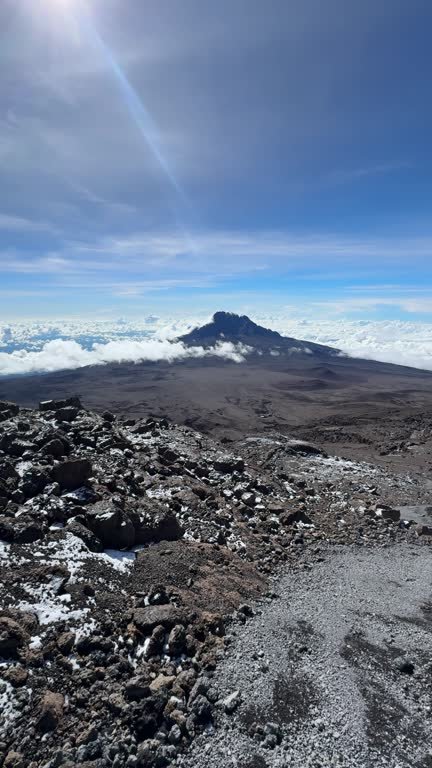
What Happens at the Crater Rim?
The exact route toward the crater rim depends on the summit approach being used.
Reaching the rim can feel like an enormous achievement, but climbers should remember that additional walking may remain before Uhuru Peak depending on the route.
Your guide will assess the group's condition and determine whether continuing remains appropriate.
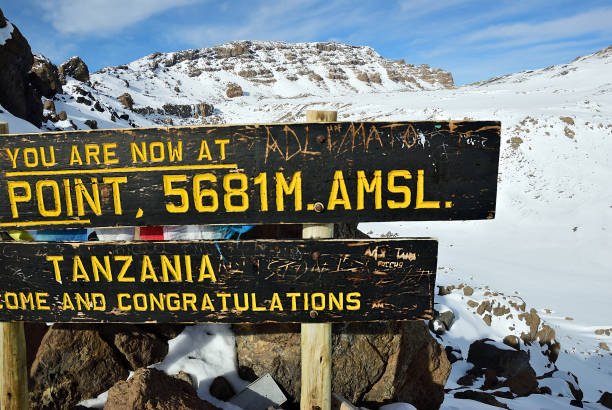
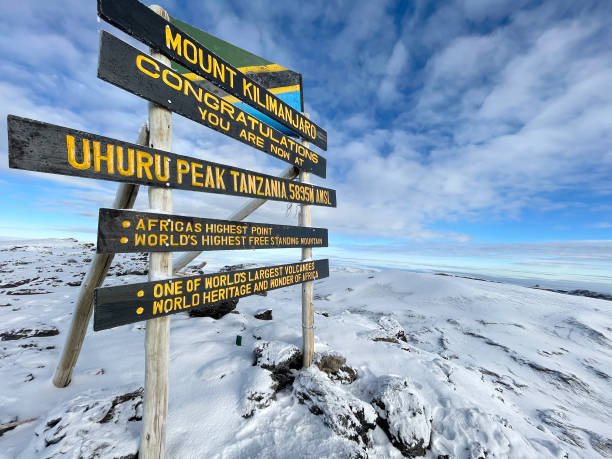
Uhuru Peak
Uhuru Peak is the highest point on Mount Kilimanjaro.
Climbers who reach it safely should keep the stop controlled because the summit remains at extreme altitude.
Take photographs, listen to guide instructions and begin descending when advised.
The summit is not a place to remain unnecessarily long.
Photography on Summit Night
Phones and cameras can lose battery performance in cold conditions.
Keep electronics protected and warm when possible.
Do not remove gloves for long periods simply to take photographs.
At the summit, take the photographs you want efficiently and then follow guide instructions for descent.
The Descent Is Part of Summit Day
Many climbers focus so heavily on reaching the summit that they underestimate the descent.
After turning around, you still have many hours of walking before the day is finished.
Legs may be tired, and loose terrain can make descending demanding on knees and balance.
Trekking poles can become particularly useful during this stage.
Why Descending Can Feel Difficult
- Your legs are already tired.
- You may have been awake for many hours.
- Loose terrain requires concentration.
- Knees experience repeated downhill impact.
- You still need to hydrate and eat.
- The trekking day does not finish immediately after the summit.
Changing Layers During Descent
Conditions often become warmer as you descend.
Remove layers gradually rather than continuing in heavy summit insulation until you overheat.
Your guide can advise when conditions make layer adjustments appropriate.
Keep waterproof layers accessible because weather can still change.
Summit Night on the Machame Route
Machame climbers generally prepare for their summit attempt from the high camp used in the confirmed itinerary, commonly the Barafu area.
The ascent begins in cold and darkness before the group moves toward the crater rim.
After the summit attempt, climbers descend substantially and continue toward a lower overnight camp.
Summit Night on the Lemosho Route
Lemosho joins the southern summit approach after crossing the western and southern sections of Kilimanjaro.
Summit preparation therefore resembles the later stages used by Machame itineraries once the routes have joined.
Longer Lemosho schedules provide more mountain days before the final summit attempt, although successful acclimatization can never be guaranteed.
Summit Night on the Marangu Route
Marangu climbers normally prepare for the summit from Kibo Hut.
The hut provides permanent mountain accommodation, but summit night remains cold and demanding.
Sleeping in a hut does not remove the effects of altitude or reduce the need for full summit clothing.
Summit Night on the Rongai Route
Rongai approaches Kilimanjaro from a different side before joining the summit area according to the confirmed itinerary.
The same summit principles still apply: controlled pacing, warm clothing, hydration, communication and careful descent.
Summit Night on the Northern Circuit
Northern Circuit itineraries provide more mountain days than many standard routes before the final summit attempt.
The longer schedule does not make summit night easy, but it changes the amount of mountain time available before reaching high camp.
Climbers still need the same serious summit preparation.
Can Beginners Handle Summit Night?
Yes, beginners can attempt Kilimanjaro summit night when they are properly prepared and remain healthy enough to continue.
Technical climbing experience is not normally required on the standard popular routes.
However, beginners should train for endurance, understand the effects of altitude and arrive with suitable cold weather equipment.
Can Fit Athletes Struggle on Summit Night?
Yes.
Excellent physical fitness does not guarantee good acclimatization.
A very fit person can still develop significant altitude symptoms, while another climber with more moderate athletic ability may adapt differently.
Fitness is valuable, but altitude response must be respected separately.
Training for Kilimanjaro Summit Night
Training should build endurance for repeated trekking days rather than focusing only on one very hard workout.
Useful Training
- Long hikes
- Hill walking
- Stair training
- Cardiovascular endurance work
- Leg strengthening
- Core strengthening
- Back to back hiking days
- Training with your trekking boots
- Training with your daypack
Summit Night Equipment Checklist
Prepare These Before Departure
- Thermal base layers
- Warm insulating layers
- Insulated summit jacket
- Wind and waterproof outer shell
- Warm trekking trousers
- Waterproof outer trousers
- Warm socks
- Broken in trekking boots
- Warm gloves or mittens
- Warm hat
- Neck and face protection
- Reliable headlamp
- Water
- Personal snacks
- Trekking poles
- Personal medication
What Not to Put in Your Summit Daypack
Keep the summit pack focused on essentials.
Unnecessary weight becomes more noticeable at high altitude.
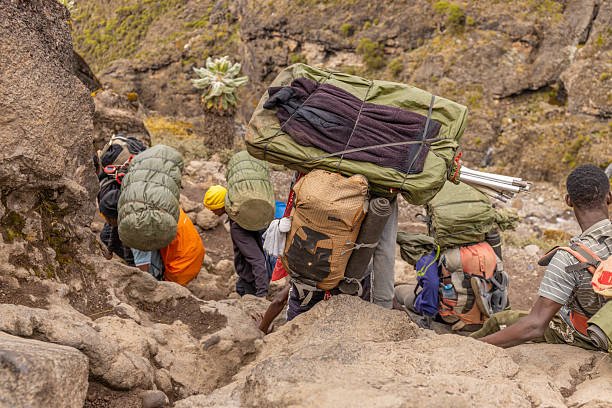
Leave bulky camp clothing, extra toiletries, books, unnecessary electronics and normal travel items in the portered duffel.
Professional Guide Support on Summit Night
The guide team plays a particularly important role during the summit attempt.
Guides manage pacing, monitor climber condition, make safety decisions and coordinate turnaround or descent when necessary.
Depending on group size and mountain operations, additional summit support can also be used to help manage different walking speeds and climber needs.
Emergency Support
A professionally organised Kilimanjaro climb should have procedures for illness, injury and emergency descent.
Depending on the confirmed operation, support can include health monitoring, first aid equipment, emergency oxygen, assisted descent and evacuation coordination.
Travellers should also arrange appropriate travel insurance for high altitude trekking and relevant emergencies.
Common Summit Night Mistakes
- Starting too quickly
- Wearing inadequate cold weather clothing
- Using an untested headlamp
- Leaving gloves difficult to access
- Not eating enough
- Not drinking regularly
- Ignoring altitude symptoms
- Competing with other climbers
- Carrying an unnecessarily heavy daypack
- Assuming reaching the summit means the hard work is finished
- Underestimating the descent
Frequently Asked Questions About Kilimanjaro Summit Night
What is Kilimanjaro summit night?
It is the final high altitude ascent from summit camp toward the crater rim and Uhuru Peak, followed by a long descent.
Why do climbers start at night?
The early start allows sufficient time for the slow summit ascent and the substantial descent that follows later in the day.
Is summit night the hardest part of Kilimanjaro?
For many climbers, yes. High altitude, cold, darkness and accumulated fatigue make it the most demanding stage.
How long is summit night?
The duration varies by route, climber pace, weather and altitude response, and the complete summit day can involve many hours of ascent and descent.
How cold is summit night?
Conditions can be extremely cold, particularly with wind, so proper high altitude winter layering is essential.
Do I need technical climbing equipment?
Technical climbing equipment is not normally required on the standard popular Kilimanjaro trekking routes.
Do I need a headlamp?
Yes. A reliable headlamp is essential because the summit attempt usually begins in darkness.
Should I bring spare batteries?
It is sensible to prepare reliable battery power because cold conditions can reduce battery performance.
Do I need trekking poles?
They are not compulsory for every climber, but many people find them useful for balance and especially during the descent.
What should I eat before summit night?
Eat the provided pre summit meal as well as you can and bring familiar lightweight snacks for the ascent.
Should I drink lots of water immediately before starting?
Hydration should be maintained throughout the trek rather than relying on excessive drinking immediately before departure.
Why do climbers walk so slowly?
A slow pace helps conserve energy under high altitude conditions and allows the guide team to manage the ascent more carefully.
Can fit climbers still struggle?
Yes. Strong physical fitness does not make a person immune to altitude related problems.
Can beginners complete summit night?
Prepared beginners can attempt it, but they need suitable training, equipment and professional guide support.
What altitude symptoms should I report?
Report worsening headaches, persistent nausea, vomiting, dizziness, confusion, unusual weakness, difficulty walking or other concerning changes immediately.
Can a guide tell me to turn around?
Yes. If the guide believes continuing is unsafe, descent may be required and should be respected.
Does turning around mean I failed?
No. A safe descent can be the correct mountain decision when health or conditions make continuing inappropriate.
Can I sleep before summit night?
Some climbers sleep well and others do not. Even resting quietly helps conserve energy before departure.
Can water freeze?
Cold summit conditions can affect water, so your water setup should be discussed during summit preparation and protected as practically as possible.
Should I wear all my warm layers immediately?
Your guide can help you adjust layering according to conditions. The goal is to remain warm without becoming unnecessarily overheated or damp.
Can I use my phone at the summit?
Yes, but cold can reduce battery performance. Keep the phone protected and avoid exposing bare hands for long periods.
How long can I stay at Uhuru Peak?
The summit stop should remain controlled because the altitude is extreme. Follow your guide's instructions and begin descending when advised.
Is the descent easier than the ascent?
The descent is faster for many climbers but can still be physically demanding because legs are tired and the trail can be loose or steep.
Do I go straight to the hotel after reaching the summit?
No. Climbers normally descend and continue to a lower mountain camp before completing the remaining route on the following stage of the itinerary.
Is summit night different on Machame and Lemosho?
The earlier route sections differ, but Machame and Lemosho normally join before the final southern summit approach used by their standard itineraries.
Is summit night different on Marangu?
Yes. Marangu normally begins the summit attempt from Kibo Hut and follows its own summit approach.
Does a longer route guarantee summit success?
No. A longer route provides more mountain time but cannot guarantee how an individual climber will respond to altitude.
Does a private climb make summit night easier?
A private expedition can provide a more personal arrangement, but it does not remove altitude, cold or physical demands.
What is the most important summit night advice?
Prepare your gear carefully, walk slowly, stay warm, eat and drink when practical, communicate honestly with your guide and place safety ahead of reaching the summit.
How do I prepare for Kilimanjaro summit night?
Train consistently before the trip, choose a suitable itinerary, bring proper cold weather equipment, prepare all summit gear at high camp, maintain hydration and nutrition, and follow the professional guide team's pacing and safety instructions.
Prepare for Your Kilimanjaro Summit Night
Climb toward the summit with professional guide support, careful pacing, health monitoring, proper cold weather equipment and a responsible summit plan focused on safety from high camp through the final descent.
Plan Your Kilimanjaro Climb

 Kilimanjaro Climb