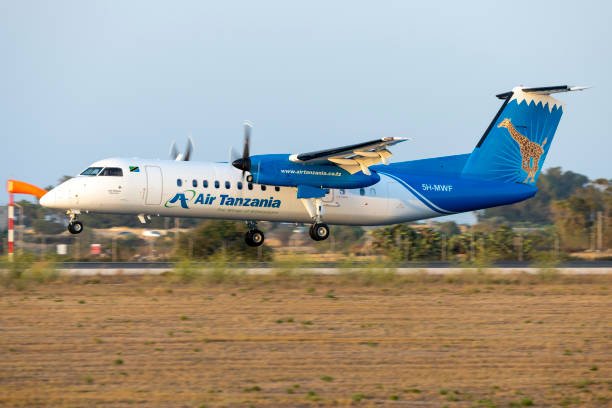
March Ndutu Safari 2027
March Ndutu Safari 2027 focuses on the later part of the Southern Serengeti migration season, when wildebeest herds, young calves, zebras and predators may still be concentrated across Ndutu and surrounding plains.
By March, many calves born earlier in the season are stronger and moving actively with their mothers.
The landscape can remain green and productive, creating excellent conditions for wildlife photography and predator viewing.
As rainfall patterns change, some herds may gradually begin moving away from the core calving areas, so flexible game drives are especially valuable.
March Ndutu Safari at a Glance
- Main area: Ndutu and Southern Serengeti
- Main wildlife: Wildebeest, calves, zebras and predators
- Migration stage: Late calving season and gradual transition
- Predators: Lions, cheetahs and spotted hyenas
- Landscape: Green seasonal plains
- Recommended duration: 3 to 6 days
- Popular combination: Ndutu and Ngorongoro
- Best for: Wildlife lovers and photographers
Why Visit Ndutu in March?
March is an attractive month for travellers who want to experience migration wildlife with fewer expectations around the absolute peak calving moment.
Young wildebeest are still visible, large herds may remain across the wider southern ecosystem and predator activity can continue to be strong.
The green landscape also creates a completely different safari atmosphere from the dry season.
Why March Is Special in Ndutu
- Young wildebeest calves
- Large migration herds
- Excellent predator opportunities
- Green Southern Serengeti scenery
- Strong photography conditions
- Flexible access to Ndutu and Southern Serengeti
- Easy combination with Ngorongoro
Where Is the Migration in March?
In March, large migration herds are often still associated with the Southern Serengeti and Ndutu ecosystem.
However, herd distribution can become less concentrated than during the main calving peak.
Some groups may remain around short grass plains while others begin responding to changing rainfall and grazing conditions.
Daily movement can therefore be significant.
Ndutu in March 2027
Ndutu can remain highly productive in March.
Travellers may find wildebeest herds spread across the area together with zebras, gazelles and predators.
The open habitat also makes it easier to scan large areas for cheetahs and moving herds.
Southern Serengeti in March
Southern Serengeti can still provide excellent migration wildlife in March.
Wildebeest may continue grazing across productive plains while young calves move with the herds.
As conditions shift, some groups may gradually begin moving toward other parts of the ecosystem.
Main March Safari Areas
- Ndutu ecosystem
- Southern Serengeti plains
- Nearby seasonal grazing areas
- Transitional areas according to rainfall and herd movement
Wildebeest Calves in March
March is still a good time to see wildebeest calves.
Many young animals born during the main calving period are now stronger and more mobile.
They remain with their mothers while moving with the migration herds.
This stage provides a different experience from seeing very young newborn calves earlier in the season.
Predator Activity in March Ndutu
Predator activity can remain excellent in March.
Lions, cheetahs and spotted hyenas may continue following or using areas with large prey concentrations.
Young wildebeest and gazelles can remain vulnerable, creating opportunities for natural hunting behaviour.
Cheetahs in Ndutu in March
Ndutu is one of Tanzania’s best seasonal areas for cheetah viewing.
Open plains provide excellent visibility and suitable hunting habitat.
Travellers may see cheetahs scanning the landscape, resting or moving through areas with gazelles and young herd animals.
Lions in Ndutu in March
Lions remain important predators throughout the southern ecosystem.
Prides may be encountered around areas with wildebeest and zebra concentrations.
They can also interact with spotted hyenas around kills and feeding areas.
Hyenas in Ndutu in March
Spotted hyenas are highly adaptable predators and scavengers.
They may follow large migration concentrations and can be active throughout the day or night depending on conditions.
Their behaviour adds another dimension to the March safari experience.
Wildlife You May See in March
- Wildebeest
- Young wildebeest calves
- Zebras
- Lions
- Cheetahs
- Spotted hyenas
- Gazelles
- Giraffes
- Elephants in suitable areas
- Many bird species
March Ndutu Weather
March is generally part of the greener seasonal period.
Rainfall can occur and may influence both road conditions and wildlife movement.
The benefit is a fresh landscape with green grass, dramatic clouds and excellent colour for photography.
Travellers should be prepared for changing conditions during game drives.
Is March Rainy in Ndutu?
Rainfall can become more noticeable during March, but this does not automatically make the safari unsuitable.
Rain is one of the key reasons the southern plains remain productive for migration herds.
Showers may be localized and can create beautiful light and dramatic wildlife scenes.
March Ndutu Photography Safari
March can be excellent for wildlife photography.
Photographers can work with green landscapes, large herd scenes, calves, predators and changing skies.
The open plains also allow wide compositions that show the scale of the migration.
A private vehicle is particularly useful for photographers who want to remain longer at selected sightings.
How Many Days for a March Ndutu Safari?
Three to five safari days works well for many travellers focusing on Ndutu and Ngorongoro.
Longer itineraries can include Central Serengeti and Tarangire.
Travellers interested primarily in migration photography should spend multiple nights in the Ndutu region.
Recommended March Safari Durations
- 2 Days: Very short focused safari
- 3 Days: Focused Ndutu migration safari
- 4 Days: Ndutu and Ngorongoro combination
- 5 Days: Strong migration and crater safari
- 6-7 Days: Wider northern Tanzania safari
2 Day March Ndutu Safari
A 2 day March safari is possible for travellers with limited time.
The route should focus directly on productive wildlife areas instead of including too many additional destinations.
Because migration movement is unpredictable, the short duration provides less flexibility.
3 Day March Ndutu Safari
A 3 day safari provides a stronger introduction to the Ndutu migration.
Travellers can enjoy multiple game drives while focusing on wildebeest herds, calves and predators.
This duration can work particularly well for a focused fly-in safari.
4 Day March Ndutu Safari
A 4 day itinerary can combine Ndutu and Ngorongoro.
Several game drives can be dedicated to migration wildlife before continuing toward the crater.
This is a strong choice for travellers with limited but flexible safari time.
5 Day March Ndutu Safari
A 5 day safari provides an excellent balance between migration wildlife and Ngorongoro.
Travellers can spend multiple nights in Ndutu while still including another major northern Tanzania wildlife destination.
7 Day March Ndutu Safari
A 7 day itinerary can combine Tarangire, Ngorongoro, Ndutu, Southern Serengeti and Central Serengeti.
This provides greater flexibility if migration herds begin spreading away from the core southern plains.
Example 4 Day March Ndutu Safari Itinerary
Day 1: Arusha or Moshi to Ndutu
Depart after breakfast and travel toward the Southern Serengeti ecosystem.
Begin game viewing as you approach Ndutu and continue toward the selected accommodation.
Day 2: Full Day Ndutu Safari
Spend a full day exploring migration areas.
Search for wildebeest, young calves, zebras, lions, cheetahs and hyenas.
The guide can adjust the route according to current herd locations.
Day 3: Ndutu to Ngorongoro
Enjoy a final morning game drive in Ndutu before continuing toward Ngorongoro.
Overnight around the Ngorongoro highlands or Karatu.
Day 4: Ngorongoro Crater and Return
Descend into Ngorongoro Crater for wildlife viewing.
Search for lions, buffalo, elephants, wildebeest, zebras, hippos and the possibility of black rhinoceros.
After the safari, return toward Arusha, Moshi or Kilimanjaro Airport.
Example 5 Day March Ndutu Safari Itinerary
Day 1: Arusha or Moshi to Ndutu
Travel toward Ndutu and begin seasonal wildlife viewing after entering productive migration areas.
Day 2: Full Day Ndutu Migration Safari
Spend the day following current migration activity and searching for predators.
Day 3: Southern Serengeti and Ndutu
Explore the wider southern ecosystem according to current herd movement.
Focus on young calves, wildebeest herds, predators and photography.
Day 4: Ndutu to Ngorongoro
Enjoy another morning game drive before continuing to Ngorongoro.
Day 5: Ngorongoro Crater and Return
Descend into the crater for a final wildlife experience before returning toward Arusha, Moshi or Kilimanjaro Airport.
Private March Ndutu Safari
A private safari provides the best flexibility for following current herd locations.
The guide can adjust daily routes according to wildlife reports, weather and road conditions.
This is especially valuable in March because migration movement can become more transitional.
Group Joining March Ndutu Safari
Group joining safaris can reduce costs by sharing the safari vehicle.
The itinerary is usually fixed, so travellers should confirm that enough time is allocated to Ndutu and Southern Serengeti.
Fly-In March Ndutu Safari
A fly-in safari can reduce road travel and increase time available for wildlife viewing.
This option is particularly useful for travellers coming from Zanzibar or those planning a short migration-focused safari.
Budget March Ndutu Safari
A budget safari can use camping, simpler accommodation or shared transport.
Travellers should still prioritize accommodation location because long transfers can reduce wildlife viewing time.
Midrange March Ndutu Safari
Midrange tented camps provide a good combination of comfort, location and value.
This category works particularly well for couples, families and travellers who want several nights close to the migration without paying premium luxury rates.
Luxury March Ndutu Safari
Luxury March safaris can include premium seasonal camps, private game drives and domestic flights.
This provides increased comfort and privacy while maintaining access to productive wildlife areas.
March Ndutu Safari Accommodation
Accommodation should be selected according to likely migration locations and daily game drive distances.
Seasonal tented camps can be especially useful because they may be positioned close to productive areas.
March Accommodation Options
- Budget camping
- Midrange tented camps
- Seasonal migration camps
- Luxury tented camps
- Premium safari lodges
March Ndutu Safari from Arusha
Arusha is one of the main starting points for March Ndutu safaris.
Travellers can travel by road through the northern Tanzania safari circuit or use domestic flight arrangements for shorter itineraries.
March Ndutu Safari from Moshi
Moshi is convenient for travellers combining Ndutu with Mount Kilimanjaro.
After a climb or hotel stay, the safari can continue toward Ngorongoro and Southern Serengeti.
March Ndutu Safari from Zanzibar
Travellers in Zanzibar can include a March Ndutu safari using domestic flights and safari transfers.
Fly-in itineraries are especially useful when only a few days are available.
March Ndutu and Ngorongoro Safari
Ndutu and Ngorongoro create an excellent combination.
Ndutu provides migration herds, calves and predators, while Ngorongoro offers concentrated crater wildlife.
Four or five days can work well for this itinerary.
March Ndutu and Central Serengeti Safari
Central Serengeti can become increasingly useful as March migration conditions change.
It also provides strong year-round wildlife, including lions, leopards, cheetahs, elephants and giraffes.
Combining both regions creates additional flexibility.
March Ndutu Safari and Zanzibar
A March Ndutu safari can be followed by Zanzibar for a wildlife and beach holiday.
After several days in the southern migration region, travellers can continue by domestic flight toward the coast.
March Ndutu Safari After Kilimanjaro
Travellers finishing a Kilimanjaro climb in March can continue toward Ndutu when seasonal wildlife conditions remain favourable.
After resting in Moshi, the itinerary can continue through Ngorongoro to the southern Serengeti ecosystem.
March Ndutu Safari Cost 2027
The cost of a March Ndutu safari depends on the number of days, accommodation level, group size, transport method and additional parks included.
Private safaris provide greater flexibility but usually cost more than shared departures.
Domestic flights and luxury seasonal camps increase the overall package price, while camping and group joining options can reduce costs.
Travellers should compare actual Ndutu nights, camp location, game drive time and included park services rather than choosing only by headline price.
What Is Included in a March Ndutu Safari?
The exact inclusions depend on the selected package and route.
A complete quotation should clearly explain all major services.
Typical March Ndutu Safari Inclusions
- Professional safari driver guide
- Safari vehicle
- National park and conservation fees according to itinerary
- Safari accommodation
- Meals according to the package
- Drinking water during game drives
- Migration-focused game drives
- Transfers according to itinerary
- Ngorongoro fees when included
- Domestic flights when specifically included
Typical Safari Exclusions
- International flights
- Visa expenses
- Travel insurance
- Guide gratuities
- Personal expenses
- Alcoholic beverages unless included
- Hot air balloon safari unless specified
- Domestic flights unless included
- Zanzibar accommodation unless included
How to Plan the Best March Ndutu Safari
A successful March safari should remain flexible because the migration may begin becoming more transitional during the month.
Travellers should choose accommodation with good access to Ndutu and Southern Serengeti while allowing guides to adjust routes according to current herd positions.
Combining Ndutu with Central Serengeti or Ngorongoro can provide additional wildlife variety.
March Ndutu Safari Planning Tips
- Spend several nights around Ndutu when possible
- Keep exact migration locations flexible
- Prepare for occasional seasonal rain
- Use private guiding for greater flexibility
- Choose accommodation near productive wildlife areas
- Consider Central Serengeti if herds begin moving
- Combine with Ngorongoro for additional wildlife variety
- Allow extra game drive time if photography is a priority
Frequently Asked Questions About March Ndutu Safari
Is March a good time for an Ndutu safari?
Yes. March can still provide large migration herds, young wildebeest calves, predators and beautiful green scenery across the wider Ndutu ecosystem.
Is the calving season still happening in March?
March is generally associated with the later part of the calving season, and many young calves may still be seen with the herds depending on seasonal conditions.
Where is the migration in March?
Large herds are often still associated with Ndutu and Southern Serengeti, although some may begin spreading toward transitional areas depending on rainfall and grass.
Can I still see wildebeest calves?
Yes. Many young calves born earlier in the season may still be travelling with the migration herds.
Can I see cheetahs in March?
Yes. Ndutu remains excellent cheetah habitat, although individual sightings cannot be guaranteed.
Can I see lions and hyenas?
Yes. Lions and spotted hyenas can remain active around migration herds and prey-rich areas.
Is March good for wildlife photography?
Yes. Green landscapes, changing skies, calves, predators and large herds can make March excellent for photography.
Does it rain in Ndutu in March?
Seasonal rainfall can occur in March and can influence road conditions and herd movement, while also helping maintain the green landscape.
How many days do I need in Ndutu in March?
Three to five days works well for many travellers, especially when combining Ndutu with Ngorongoro.
Can I combine Ndutu and Ngorongoro?
Yes. This is one of the strongest March safari combinations for migration wildlife and crater game viewing.
Can I combine Ndutu and Central Serengeti?
Yes. Central Serengeti can add strong resident wildlife and extra flexibility as migration herds begin changing position.
Can I book a private March Ndutu safari?
Yes. A private safari provides excellent flexibility for following current migration movement and spending more time at wildlife sightings.
Are group joining safaris available?
Yes. Group joining safaris may be available and can reduce costs by sharing the vehicle with other travellers.
Can I fly from Zanzibar to Ndutu?
A fly-in safari can be arranged using suitable domestic connections and ground transfers depending on the confirmed itinerary.
Can I visit Ndutu after Kilimanjaro?
Yes. Travellers finishing a Kilimanjaro climb can continue from Moshi toward Ngorongoro and Ndutu when seasonal conditions remain suitable.
Can I combine a March Ndutu safari with Zanzibar?
Yes. A March migration safari followed by Zanzibar creates an excellent Tanzania wildlife and beach combination.
Are migration sightings guaranteed in March?
No. Exact herd positions depend on rainfall, fresh grass and water availability, so wildlife locations remain naturally variable.
How do I book a March Ndutu Safari 2027?
Provide your March travel dates, number of travellers, preferred safari duration, accommodation level and whether your priority is wildebeest calves, predators, photography, Ngorongoro or a wider Serengeti itinerary. The safari can then be designed around the most productive seasonal wildlife areas.
Plan Your March Ndutu Safari 2027
Explore Ndutu and Southern Serengeti in March with Great Migration herds, young wildebeest calves, cheetahs, lions, hyenas and flexible game drives, with easy combinations to Ngorongoro, Kilimanjaro and Zanzibar.
Plan Your March Ndutu Safari


 Serengeti Safari