Kilimanjaro Route with Highest Success Rate 2026-2027
Kilimanjaro Route with Highest Success Rate 2026-2027 is an important topic for travellers who want to choose a route based not only on scenery or price but also on acclimatization and the overall chance of reaching Uhuru Peak.
No Kilimanjaro route can guarantee a summit because altitude affects every climber differently. Weather, physical condition, pacing, hydration, nutrition and health can also influence the final outcome.
However, longer routes generally provide a stronger acclimatization profile than very short itineraries because climbers spend more time adjusting gradually to higher elevations.
For this reason, the Northern Circuit and eight day Lemosho are commonly considered among the strongest Kilimanjaro options for travellers prioritizing summit success.
Highest Success Rate Kilimanjaro Routes at a Glance
- Strongest overall acclimatization option: Northern Circuit
- Best balance of success, scenery and duration: 8 Day Lemosho
- Popular high success option: 7 Day Machame
- Best hut based option: 6 Day Marangu
- Quieter northern approach: Longer Rongai itinerary
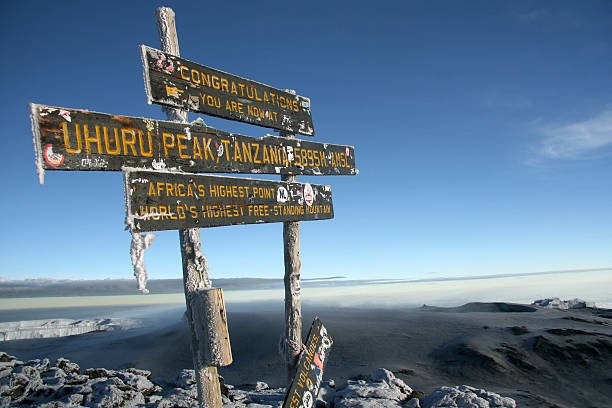
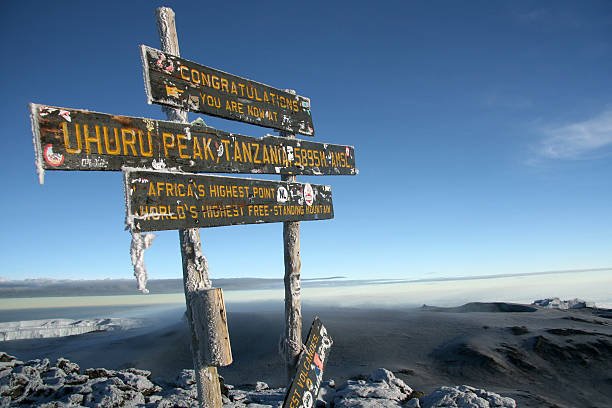
- Highest point: Uhuru Peak, 5,895 metres
- Main success factor: Adequate acclimatization time
- Best strategy: Choose a longer itinerary instead of the shortest climb
Which Kilimanjaro Route Has the Highest Success Rate?
The routes with the strongest summit potential are generally the longer Kilimanjaro itineraries.
The Northern Circuit stands out because it is one of the longest routes on Mount Kilimanjaro and gives climbers more time to adjust gradually to altitude.
The eight day Lemosho Route is also one of the strongest choices because it combines a gradual western approach, good acclimatization opportunities and enough days to avoid an unnecessarily compressed schedule.
For many travellers, eight day Lemosho offers an excellent balance between summit potential, scenery, route duration and total trip cost.
Why Longer Kilimanjaro Routes Have Better Summit Potential
Altitude is the most important challenge on Kilimanjaro.
Climbers who ascend too quickly may have less time to adapt to the reduced oxygen available at higher elevations.
Longer routes provide additional days for gradual altitude gain and can include useful climb high, sleep low sections.
Why Extra Mountain Days Matter
- More time for altitude adjustment
- Less pressure to gain elevation quickly
- More gradual daily trekking schedule
- Additional recovery time
- Better opportunities for climb high, sleep low
- More time for guides to monitor climber condition
- Reduced need to rush toward summit camp
Northern Circuit Success Rate Potential
The Northern Circuit is one of the longest trekking routes on Kilimanjaro and is especially attractive to climbers who prioritize acclimatization.
The route begins on the western side of the mountain before travelling through northern areas that are visited by fewer trekkers than some of the southern routes.
Because the itinerary uses more days, climbers can gain altitude at a more gradual pace before moving toward the final summit camp.
The Northern Circuit can therefore be one of the strongest choices for travellers whose main priority is maximizing their opportunity to reach the summit safely.
Why Northern Circuit Is Strong for Acclimatization
The main advantage of Northern Circuit is time.
Instead of moving rapidly from lower elevations to the upper mountain, climbers spend additional days traversing different sections of Kilimanjaro.
This gives the body more opportunities to respond gradually as oxygen availability decreases.
Its longer schedule also makes the route suitable for travellers who prefer a more patient mountain experience rather than racing toward the summit.
Northern Circuit Advantages
- Long mountain itinerary
- Gradual acclimatization profile
- Additional time at altitude
- Quieter northern sections
- Excellent landscape variety
- Suitable for climbers prioritizing summit opportunity over speed
8 Day Lemosho Route Success Rate Potential
The 8 Day Lemosho Route is one of the most popular options for climbers who want strong acclimatization without committing to one of the longest itineraries on Kilimanjaro.
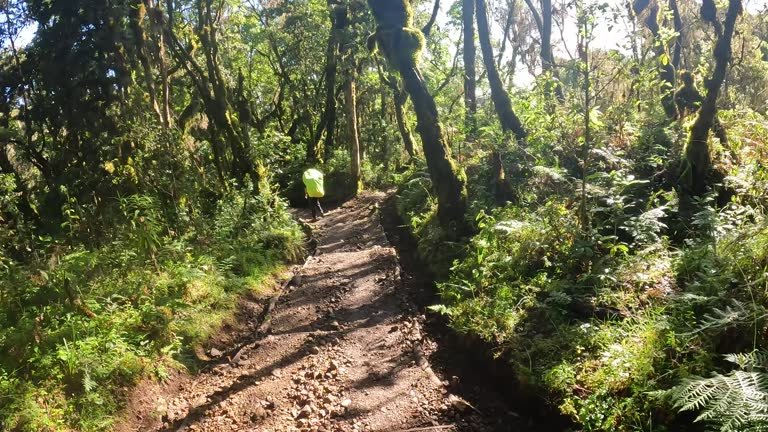
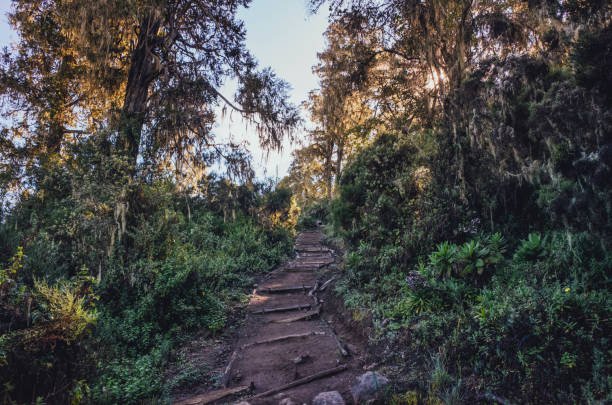
The route begins from the western side of the mountain and progresses through forest before reaching the Shira Plateau.
It later joins the southern circuit and passes through areas such as Lava Tower, Barranco, Karanga and Barafu before the summit attempt.
The combination of route length, altitude profile and varied terrain makes eight day Lemosho one of the strongest all round choices for summit focused climbers.
Why 8 Day Lemosho Has Strong Summit Potential
Eight days provide enough time for a more gradual approach to altitude compared with shorter Kilimanjaro itineraries.
The route includes useful acclimatization sections where climbers reach higher elevation during the day before descending lower to sleep.
This pattern can help the body become familiar with higher altitude while still allowing recovery at lower camps.
Why Choose 8 Day Lemosho?
- Gradual western approach
- Eight mountain days
- Excellent acclimatization opportunities
- Climb high, sleep low sections
- Beautiful scenery
- Good choice for first time high altitude climbers
- Strong balance between duration and summit preparation
7 Day Lemosho vs 8 Day Lemosho
Both seven and eight day Lemosho itineraries offer good acclimatization opportunities.
However, the eight day option provides an additional day on the mountain, allowing a more gradual schedule.
For travellers whose main priority is summit opportunity rather than saving one day, the eight day itinerary is generally the stronger choice.
The seven day version remains suitable for climbers who have limited travel time but still want the scenery and acclimatization advantages of Lemosho.
7 Day Machame Route Success Rate Potential
Machame is one of Kilimanjaro's most popular routes and offers strong acclimatization opportunities when climbed over seven days.
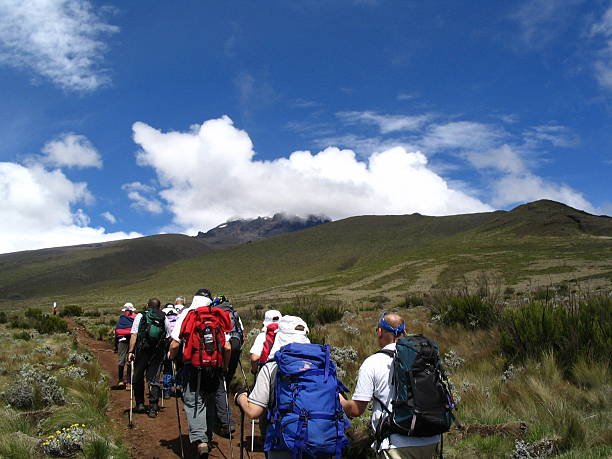
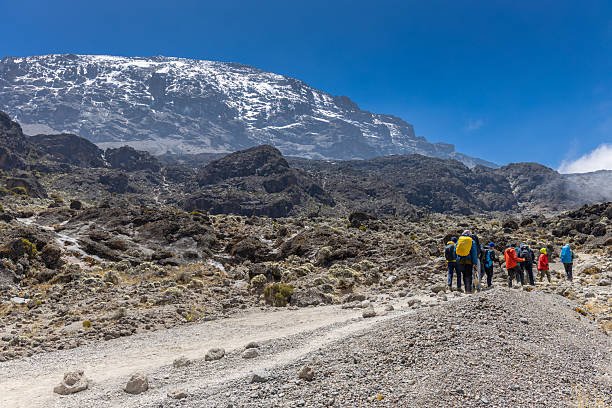
The route passes through rainforest, Shira Plateau, Lava Tower, Barranco, Karanga and Barafu before the summit attempt.
Its elevation profile includes several climb high, sleep low opportunities that can help climbers adjust gradually.
Seven day Machame is generally preferable to six day Machame for travellers prioritizing acclimatization and summit readiness.
6 Day Machame vs 7 Day Machame
The main difference from a summit success perspective is the amount of time available for acclimatization.
Six day Machame compresses the trekking schedule into fewer days.
Seven day Machame provides additional time and can reduce the pressure to move through the route quickly.
For many first time climbers, the extra day is worthwhile.
Machame Route Strengths
- Excellent scenery
- Established trekking route
- Lava Tower acclimatization
- Climb high, sleep low profile
- Seven day option available
- Suitable for private or group climbs
Marangu Route Success Rate Potential
Marangu is sometimes viewed as an easier Kilimanjaro route because it uses mountain huts and follows a well established trail.
However, the five day itinerary provides less acclimatization time than longer routes.
Travellers who choose Marangu and want to improve their summit preparation should strongly consider the six day version.
The additional day gives climbers more time before reaching the upper mountain.
Why 6 Day Marangu Is Better Than 5 Day Marangu
The six day itinerary provides an extra acclimatization opportunity compared with the shortest Marangu schedule.
This can make the climb less compressed and provide additional recovery time.
Although the route remains relatively direct, the extra day can make a meaningful difference to overall summit preparation.
Rongai Route Summit Success Potential
Rongai approaches Kilimanjaro from the northern side of the mountain.
The route can appeal to travellers who want a quieter trekking experience and a different approach from Machame or Lemosho.
As with every route, longer Rongai itineraries generally provide better acclimatization opportunities than shortened schedules.
Travellers should compare the number of mountain days rather than assuming that the route name alone determines summit success.
Does Route Length Affect Kilimanjaro Success?
Route duration is one of the most important factors when comparing summit potential.
A longer route does not guarantee success, but it provides more time for the body to adjust to altitude.
For many climbers, seven to nine days on the mountain is more suitable than attempting a highly compressed itinerary.
The extra days also give guides more time to observe how each participant is adapting.
Why Acclimatization Matters More Than Fitness Alone
Strong physical fitness is valuable on Kilimanjaro, but fitness cannot guarantee good altitude tolerance.
A very fit runner may still experience altitude symptoms, while a slower but well acclimatized trekker may perform strongly.
This is why experienced guides usually encourage a slow walking pace rather than allowing climbers to rush ahead.
The goal is to conserve energy and allow the body time to adapt as elevation increases.
Climb High, Sleep Low
Climb high, sleep low is an important acclimatization principle used on several Kilimanjaro routes.
Climbers may trek to a higher elevation during the day before descending to sleep at a lower camp.
This exposes the body gradually to higher altitude while allowing recovery lower down.
Lemosho and Machame both provide useful opportunities for this approach.
Lava Tower and Summit Preparation
Lava Tower is a well known acclimatization point on the southern circuit of Kilimanjaro.
Climbers can reach approximately 4,600 metres during the day before descending toward a lower sleeping camp.
The section can feel demanding, but it provides a valuable opportunity for the body to experience higher altitude before summit night.
Summit Night and Route Success
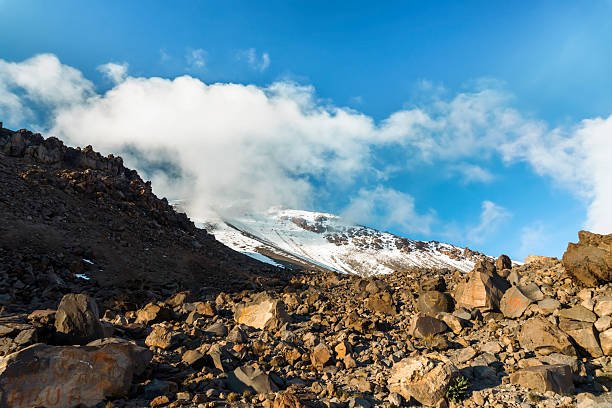
Every normal Kilimanjaro route eventually reaches a demanding summit night.
The group normally leaves high camp during the night and ascends slowly toward the crater rim before continuing toward Uhuru Peak.
Cold temperatures, darkness, fatigue and altitude make this the hardest stage of the climb.
A good acclimatization schedule before summit night can therefore be one of the biggest advantages a route provides.
Walking Pace and Summit Success
Walking too fast can waste energy and make altitude adaptation more difficult.
A slow and steady pace is normally encouraged throughout the mountain itinerary.
Climbers should not treat trekking days as a race to camp.
Maintaining a controlled pace can help preserve strength for summit night.
Hydration and Kilimanjaro Success
Proper hydration is important throughout the climb.
Climbers should drink regularly and carry suitable reusable bottles or hydration systems during the walking day.
Cold weather and altitude can reduce the desire to drink, so climbers should follow guide recommendations and maintain consistent hydration habits.
Food and Energy on Kilimanjaro
Eating enough throughout the trek provides energy for long walking days and helps climbers recover overnight.
Typical mountain meals can include porridge, eggs, pancakes, fruit, soup, rice, pasta, potatoes, vegetables and other practical trekking foods.
Vegetarian and other dietary requirements can normally be arranged when communicated before the climb.
Training and Summit Success
Training does not eliminate the altitude challenge, but it can help climbers handle long walking days more comfortably.
Good preparation reduces unnecessary physical exhaustion and allows climbers to focus more energy on acclimatization.
Useful Kilimanjaro Training
- Regular hiking
- Long walking days
- Hill training
- Stair climbing
- Cardiovascular exercise
- Leg strength training
- Walking with a daypack
- Back to back hiking days
Professional Guides and Summit Success
The quality of guiding can have a major influence on the overall mountain experience.
Professional guides manage pace, evaluate altitude symptoms, organize daily trekking plans and make safety decisions throughout the route.
They also monitor the group during summit night and can adjust the pace according to climber condition.
Daily Health Monitoring
Daily health checks help guides evaluate how climbers are responding to altitude.
Pulse oximeter readings can be used as one part of this process.
However, oxygen saturation numbers should not be considered alone.
Symptoms, behaviour, breathing, energy levels and overall condition are equally important when determining whether it is safe to continue higher.
Typical Mountain Safety Support
- Licensed professional mountain guides
- Assistant guides according to group size
- Daily health monitoring
- Pulse oximeter checks
- Emergency oxygen
- Basic first aid equipment
- Emergency descent planning when required
Does Emergency Oxygen Increase Summit Success?
Emergency oxygen is an important safety resource, but it should not be treated as a way to force a climber to continue toward the summit when descent is required.
Professional guides use emergency equipment according to the climber's condition and established mountain safety procedures.
Proper acclimatization, monitoring and timely decisions remain more important than relying on emergency equipment.
Weather and Summit Success
Weather conditions can influence the difficulty of summit night and other parts of the trek.
Rain, snow, wind, cold temperatures and poor visibility can increase physical and mental demands.
No route can completely remove the effect of mountain weather.
Suitable clothing and professional guide decisions are therefore important regardless of which itinerary is selected.
Best Kilimanjaro Route for Beginners Who Want High Summit Potential
For beginners, eight day Lemosho is one of the strongest overall choices.
It provides a gradual approach, excellent scenery, several acclimatization opportunities and enough trekking days to avoid rushing unnecessarily.
Northern Circuit is another excellent choice for travellers with more available time.
Best Kilimanjaro Route for Older Climbers
Older climbers who are healthy and properly prepared can perform very well on Kilimanjaro.
A longer route can be attractive because it provides additional recovery time and a gradual schedule.
Individual medical circumstances should always be considered before high altitude trekking.
Best Kilimanjaro Route for Families
Families should prioritize a gradual itinerary and careful health monitoring.
A private climb can provide greater logistical flexibility and make it easier to coordinate pace, hotel accommodation and transfers.
Age, health, trekking experience and current park requirements should all be considered when planning the final itinerary.
Best Kilimanjaro Route for Solo Travellers
Solo travellers can join scheduled departures on routes such as Lemosho and Machame.
Those prioritizing summit potential should compare the number of trekking days rather than selecting only according to the lowest group price.
Seven day Machame and seven or eight day Lemosho are popular group joining choices.
Private vs Group Climb Success
Both private and group climbs can be successful when the route provides suitable acclimatization and the mountain operation is professionally managed.
A private climb can provide more logistical flexibility, while a group climb offers a social environment and can reduce the per person cost.
The number of trekking days, guide quality and individual altitude response remain more important than whether the climb is private or group based.
Shortest Route vs Highest Success Rate Route
The shortest route is rarely the strongest choice when summit potential is the main priority.
Shorter itineraries provide less time for acclimatization and can require climbers to gain elevation more quickly.
Travellers with enough time should strongly consider seven, eight or longer itineraries instead of selecting the minimum number of days simply to reduce cost.
Does the Highest Success Rate Route Cost More?
Longer Kilimanjaro routes generally cost more because each extra mountain day requires additional park fees, crew services, meals and camping logistics.
However, travellers should consider whether saving money by reducing the number of trekking days is worth sacrificing valuable acclimatization time.
For many climbers, the extra cost of a longer itinerary provides better value because it creates a more gradual mountain experience.
What Is Included in a High Success Kilimanjaro Package?
A professionally organized climb should provide reliable logistical and safety support throughout the mountain itinerary.
- Licensed professional Kilimanjaro guides
- Assistant guides according to group size
- Mountain cook
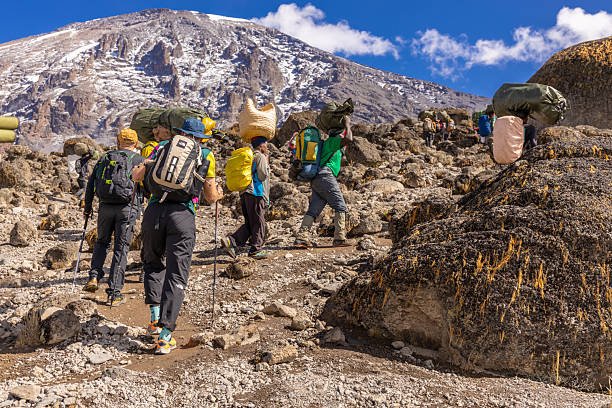
- Porters
- National park fees
- Camping or hut fees
- Mountain tents on camping routes
- Dining tent, tables and chairs according to package
- Three meals per trekking day
- Drinking water
- Emergency oxygen
- Pulse oximeter
- Basic first aid equipment
- Transfers between hotel and mountain gates
- Summit certificate
Typical Kilimanjaro Package Exclusions
- International flights
- Visa costs
- Travel insurance
- Personal trekking gear unless included
- Mountain crew gratuities
- Personal expenses
- Alcoholic beverages
- Additional hotel nights outside the package
- Safari or Zanzibar extensions unless specified
How to Choose the Best Route for Summit Success
Begin by deciding how many mountain days you can realistically include in your Tanzania itinerary.
If summit success is the priority, avoid reducing the itinerary unnecessarily.
Then compare routes according to acclimatization profile, scenery, accommodation style, crowd levels and overall trip duration.
Simple Route Recommendation
- Choose Northern Circuit if maximizing acclimatization time is your main priority.
- Choose 8 Day Lemosho for an excellent balance of acclimatization, scenery and total route length.
- Choose 7 Day Machame for a popular scenic route with good acclimatization opportunities.
- Choose 6 Day Marangu if hut accommodation is important but you still want an additional acclimatization day.
- Choose a longer Rongai itinerary if you prefer a quieter northern approach.
Booking a Kilimanjaro Route with High Summit Potential 2026-2027
To select the right route, provide your preferred travel month, available trekking days, number of travellers and previous hiking experience.
It is also helpful to explain whether your main priorities are summit potential, scenery, fewer crowds, hut accommodation or a specific budget.
The route and number of mountain days can then be selected around your available time and acclimatization goals.
Frequently Asked Questions About Kilimanjaro Route Success Rates
Which Kilimanjaro route has the highest success rate?
Longer routes such as Northern Circuit and eight day Lemosho generally provide some of the strongest summit potential because they offer more acclimatization time.
Why does Northern Circuit have strong summit potential?
Northern Circuit uses a long itinerary that gives climbers additional time to adjust gradually to altitude before summit night.
Is 8 Day Lemosho good for summit success?
Yes. Eight day Lemosho combines a gradual western approach, good acclimatization opportunities and enough time on the mountain before summit night.
Is 7 Day Machame better than 6 Day Machame?
For acclimatization, seven day Machame generally provides a stronger schedule because climbers have an additional day on the mountain.
Is Marangu a high success route?
Marangu can be suitable, particularly as a six day itinerary. The five day version provides less acclimatization time than longer routes.
Does a longer route guarantee the summit?
No. A longer route improves acclimatization opportunities but cannot guarantee a summit because altitude response, weather, health and other factors vary between climbers.
Does fitness guarantee Kilimanjaro success?
No. Good fitness is helpful, but even very fit climbers can experience altitude problems. Acclimatization remains extremely important.
Does walking slowly improve summit chances?
A slow and steady pace helps conserve energy and allows climbers to gain altitude more gradually.
Does drinking water help with acclimatization?
Good hydration supports general trekking performance, although it does not prevent altitude illness by itself.
Which route is best for beginners?
Eight day Lemosho is an excellent beginner option because it combines a gradual route profile, good acclimatization and varied scenery.
Which Kilimanjaro route is best for older climbers?
A longer route such as eight day Lemosho or Northern Circuit can be attractive because it provides additional acclimatization and a less compressed schedule.
Does private climbing improve summit success?
A private climb provides more logistical flexibility, but route duration, acclimatization, health and guide decisions remain the major factors affecting summit success.
Is emergency oxygen carried?
Professional Kilimanjaro packages can include emergency oxygen, pulse oximeter monitoring and basic first aid equipment.
What is climb high, sleep low?
It means reaching a higher elevation during the trekking day and then descending to sleep lower, giving the body useful exposure to altitude while allowing recovery.
Is the cheapest Kilimanjaro route the best choice?
Not necessarily. Shorter routes can cost less but may provide less acclimatization time. Travellers should compare route duration and package quality rather than price alone.
How many days are best for Kilimanjaro?
For many climbers, seven to nine days can provide a stronger acclimatization profile than very short itineraries.
How do I book a Kilimanjaro route with strong summit potential for 2026-2027?
Provide your preferred climbing date, number of available trekking days, number of travellers and previous hiking experience. A suitable route can then be selected according to acclimatization, comfort, scenery and budget.
Choose a Kilimanjaro Route with Strong Summit Potential 2026-2027
Choose a longer Kilimanjaro itinerary with enough acclimatization time, professional guides, daily health monitoring and a gradual trekking schedule designed around safe progress toward Uhuru Peak.
Choose Your Best Kilimanjaro Route

 Kilimanjaro Climb