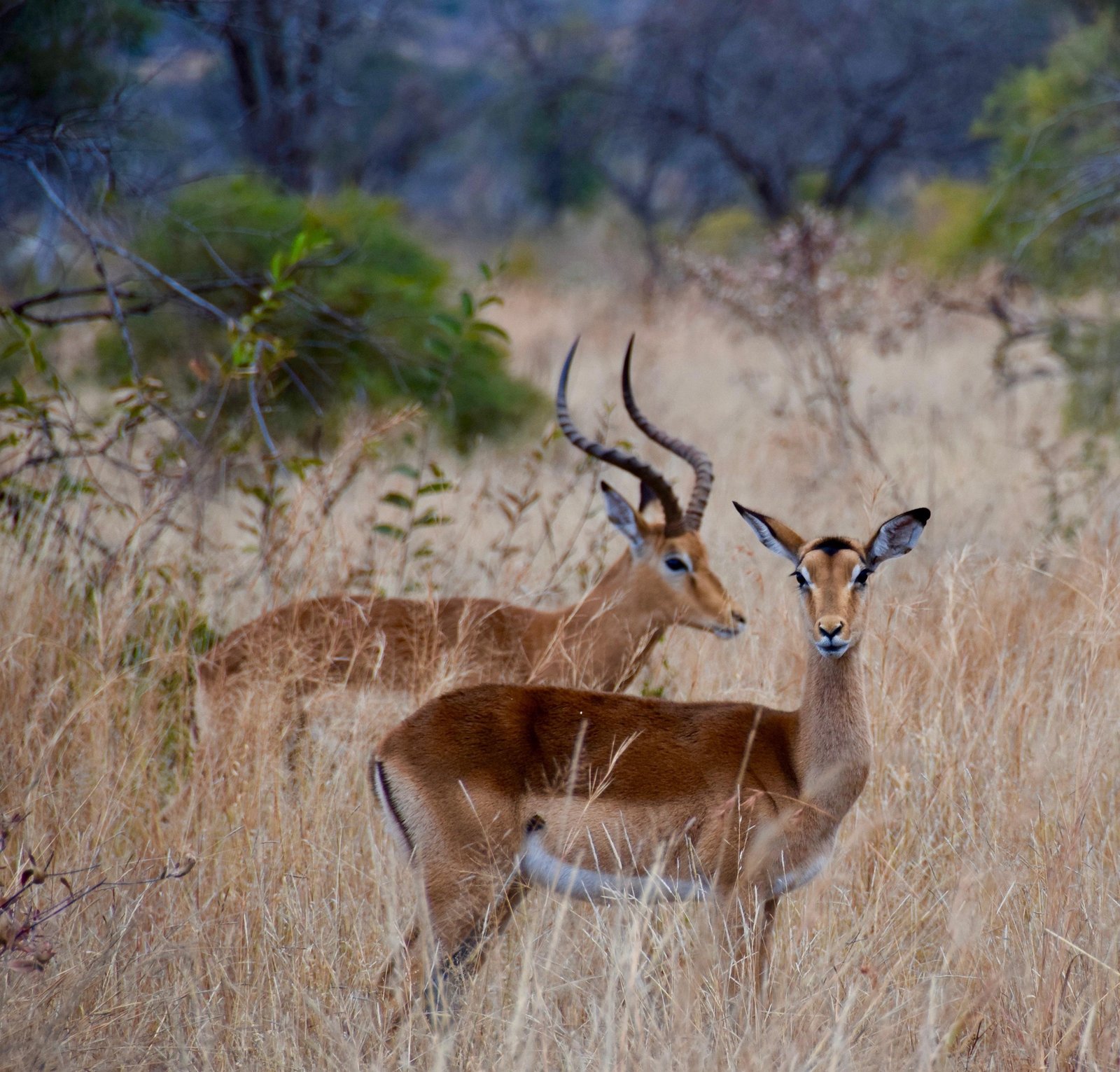
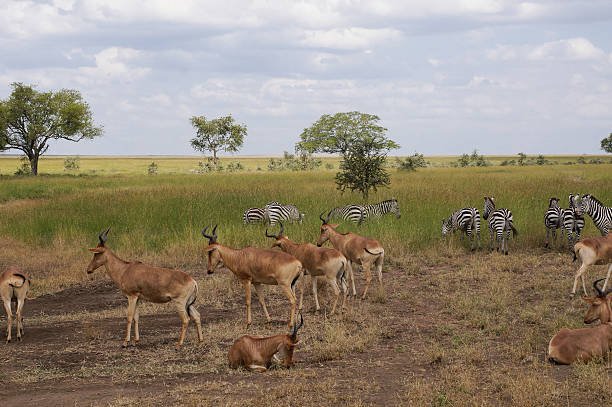
Best Time to See Great Migration in Tanzania 2026-2027
The best time to see Great Migration in Tanzania depends on the wildlife event you want to experience rather than one single best month.
For calving season and newborn wildebeest, January through March is usually one of the strongest periods to focus on southern Serengeti and the wider Ndutu ecosystem.
For large herds moving north, the transition through central and western Serengeti becomes increasingly important later in the season.
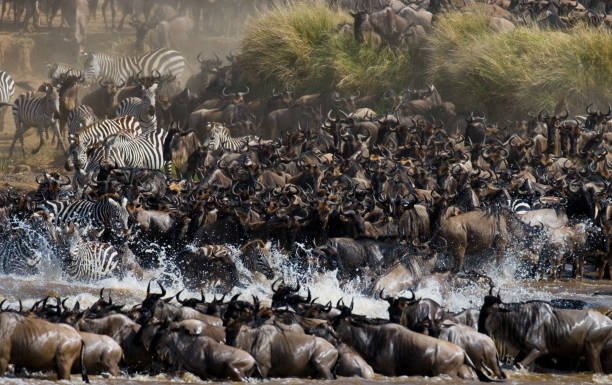
For possible river crossing activity, northern Serengeti is generally the main focus during suitable migration months, although crossings are unpredictable and can never be guaranteed for a specific date.
Best Time to See the Great Migration at a Glance
- January: Southern Serengeti migration herds
- February: Calving season and predator activity
- March: Calves, large herds and green southern plains
- April-May: Transitional movement toward central and western areas
- June-July: Northward movement through western and northern regions
- August-September: Northern Serengeti and possible river crossings
- October: Northern herds and changing southward movement
- November-December: Herds gradually returning toward central and southern areas
Is There One Best Month for the Great Migration?
No. There is no single month that can be called the best for every Great Migration safari.
The migration is a year-round cycle rather than one isolated event.
Different months provide completely different experiences.
February may be excellent for calving and predators, while August or September may appeal more to travellers interested in northern migration herds and possible river activity.
The right month depends entirely on the wildlife experience you want most.
Choose Your Migration Season by Experience
- Calving: Focus on the southern Serengeti season
- Predators: Calving season and major herd concentrations can be excellent
- Moving herds: Transitional migration months can be dramatic
- Possible river crossings: Focus on northern Serengeti during suitable months
- Green landscapes: Southern and green season months
- Photography: Different seasons offer completely different opportunities
Great Migration Month by Month in Tanzania
Understanding the migration month by month is the best way to decide when to travel.
However, travellers should remember that the descriptions below are seasonal guidelines rather than guarantees.
Rainfall can make the migration arrive earlier, later or spread across a larger area than expected.
Great Migration in January
January can be an excellent time to see large migration herds across the southern Serengeti ecosystem.
Seasonal rainfall usually supports fresh grazing, attracting wildebeest and zebras toward the short grass plains.
Pregnant wildebeest may gather across productive areas as the main calving period approaches.
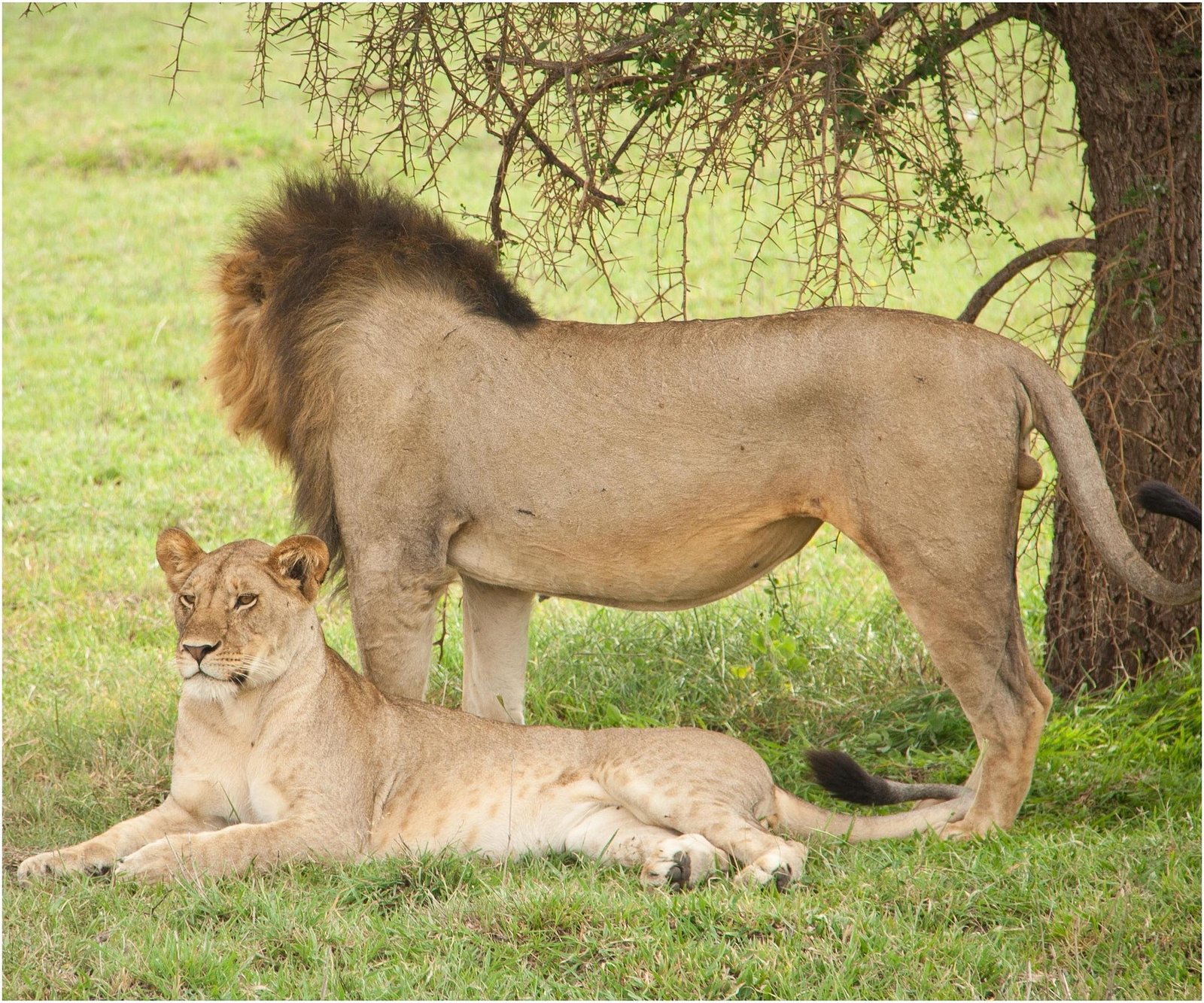
Predators including lions, cheetahs and hyenas can also be active around large prey concentrations.
Great Migration in February
February is particularly famous for wildebeest calving season.
Large numbers of calves may be present across the southern Serengeti and wider Ndutu ecosystem during the main birthing period.
The combination of newborn animals and large prey concentrations can create exceptional predator viewing.
For travellers interested in calving, wildlife behaviour and photography, February is one of the strongest periods to consider.
Great Migration in March
March can continue to provide excellent southern Serengeti migration wildlife.
Many calves born earlier are now stronger and moving with the larger herds.
The landscape can remain beautifully green, making March particularly attractive for photography.
Migration concentrations may begin changing as rainfall and grazing patterns develop.
Best Period for Calving Season
Travellers interested primarily in wildebeest calves should focus on the southern Serengeti and Ndutu period, particularly around the main calving season. Exact timing varies naturally with rainfall and herd conditions.
Great Migration in April
April is generally part of the greener and wetter seasonal period.
Large herds may begin moving away from the southern plains as grazing conditions change.
Central and transitional areas can become increasingly important.
April can also offer beautiful green landscapes and potentially fewer safari vehicles in some locations.
Great Migration in May
May can bring important transitional migration movement toward central and western parts of Serengeti.
Herds may form long moving columns as they search for new grazing.
Exact locations can change quickly depending on rainfall.
A flexible private safari can be particularly useful during this period.
Great Migration in June
June can mark an important stage in the northward migration.
Large wildebeest and zebra herds may move through western and central-western areas while continuing toward northern Serengeti.
Predators remain active along migration routes.
Drier conditions may also begin improving access across many safari areas.
Great Migration in July
July can be one of the most exciting transition months.
Some herds may remain in western areas while others continue farther north.
Northern Serengeti becomes increasingly important as the month progresses, depending on rainfall and herd movement.
Travellers should choose accommodation according to current migration information instead of assuming every herd follows exactly the same schedule.
Great Migration in August
August is commonly associated with large migration concentrations in northern Serengeti.
Wildebeest and zebras may spread across northern plains and gather near river systems.
This can provide opportunities for dramatic migration behaviour and predator sightings.
Possible river crossing activity is one of the reasons August is such a popular migration safari month.
Great Migration in September
September can also be excellent for northern Serengeti migration safaris.
Large herds may remain across northern grasslands and river corridors while moving repeatedly between productive grazing areas.
Possible river crossing activity may occur depending on the location and behaviour of the herds.
Several nights in northern Serengeti provide greater flexibility for travellers focused on migration events.
Best Period for Possible River Crossings
Northern Serengeti becomes especially important during periods when large migration herds gather around northern river systems. August and September are commonly targeted by travellers interested in possible crossings, with July and October also potentially relevant depending on migration timing.
Important: River crossings are unpredictable natural events. No date, time or location can be guaranteed.
Great Migration in October
October can remain productive in northern Serengeti depending on rainfall and current herd distribution.
Some herds may remain in northern grazing areas while others begin responding to seasonal changes and gradually moving southward.
October itineraries should remain flexible because the migration can become increasingly spread out.
Great Migration in November
November often brings seasonal short rains and fresh grass to different parts of the ecosystem.
Migration herds may begin travelling south through central or eastern areas as they respond to new grazing opportunities.
The returning green landscapes can also provide excellent photographic conditions.
Great Migration in December
December can bring more migration animals toward central, eastern and southern parts of the Serengeti ecosystem.
Fresh short grass can attract wildebeest and zebras as they gradually position themselves for another southern migration and calving cycle.
Travellers may see large pregnant herds together with excellent resident predators.
Best Time to See Wildebeest Calving in Tanzania
The southern Serengeti ecosystem is the key destination for travellers interested in wildebeest calving.
February is particularly famous for this event, although the broader calving period can extend around surrounding weeks depending on rainfall and natural conditions.
Southern Serengeti and Ndutu are therefore important areas to consider when planning a calving-focused safari.
Several nights are recommended because wildlife can spread across a large area.
Best Time to See Great Migration River Crossings
Travellers interested in possible river crossings generally focus on northern Serengeti during the main northern migration period.
July through October can all potentially provide river-related migration activity depending on the year, while August and September are commonly targeted for northern migration safaris.
However, wildebeest can approach a river and then wait, retreat or move elsewhere.
Crossings may also occur at different points, making it impossible to promise one specific crossing site or time.
Best Time to See Predators During the Great Migration
Predators can be encountered throughout the migration cycle.
Calving season can be especially interesting because vulnerable young animals attract lions, cheetahs and hyenas.
Large migration concentrations in other seasons can also provide predator activity.
Central Serengeti additionally supports strong resident predator populations throughout the year.
Great Migration Wildlife Highlights
- Wildebeest
- Wildebeest calves
- Zebras
- Lions
- Cheetahs
- Leopards
- Spotted hyenas
- Gazelles and antelopes
- Crocodiles around suitable river environments
- Elephants, giraffes and other resident wildlife
Best Time for Great Migration Photography
The best photography period depends on the type of images travellers want.
Calving season can provide green landscapes, newborn animals and predator behaviour.
Dry season migration months can provide enormous herds, dusty plains and dramatic movement.
Northern migration periods can add river landscapes and possible crossing activity.
A private safari vehicle is especially valuable for photographers because more time can be spent at selected sightings.
Best Time for Green Serengeti Landscapes
Travellers who prefer fresh green scenery should consider the wetter and transitional seasons.
Southern Serengeti can be particularly beautiful when seasonal rains support fresh grass.
Green landscapes also create colourful backgrounds for wildebeest, zebras and predators.
Best Time for Dry Season Great Migration Safari
The drier months can provide easier road access in many regions and can concentrate wildlife around productive grazing and water areas.
This period is especially popular when the migration moves into northern Serengeti.
Because demand can be high, well located accommodation should be booked early.
Southern Serengeti vs Northern Serengeti for Migration
Southern and northern Serengeti offer very different Great Migration experiences.
Southern Serengeti is most strongly associated with large herds on short grass plains, calving season and predator activity.
Northern Serengeti is especially associated with large migration herds, remote landscapes and possible river crossings.
Neither area is automatically better; the best choice depends on travel dates and wildlife priorities.
Southern vs Northern Great Migration
- Southern Serengeti: Calving, green plains and predators
- Northern Serengeti: Large herds and possible river crossings
- Central Serengeti: Transitional movement and strong resident wildlife
- Western Serengeti: Important during northward migration periods
How Many Days Do You Need for a Great Migration Safari?
Five to seven days works well for many migration safaris.
The correct duration depends on the migration region and whether other Tanzania parks are included.
Travellers focused heavily on calving or river crossing activity may benefit from several nights in one important migration area rather than changing accommodation every night.
5 Day Great Migration Safari
A five day safari can work well when the route is carefully focused on the correct migration region.
The itinerary may combine Serengeti and Ngorongoro while dedicating several nights to the migration.
Fly-in options can also help maximize game drive time for short northern Serengeti trips.
7 Day Great Migration Safari
A seven day migration safari provides more flexibility and allows travellers to include additional wildlife areas.
Depending on the season, the itinerary can combine Tarangire, Ngorongoro, central Serengeti and the most productive migration region.
This is one of the strongest options for first time Tanzania safari travellers.
Example 7 Day Great Migration Safari Itinerary
Day 1: Arusha or Moshi to Tarangire National Park
Depart after breakfast and travel toward Tarangire National Park.
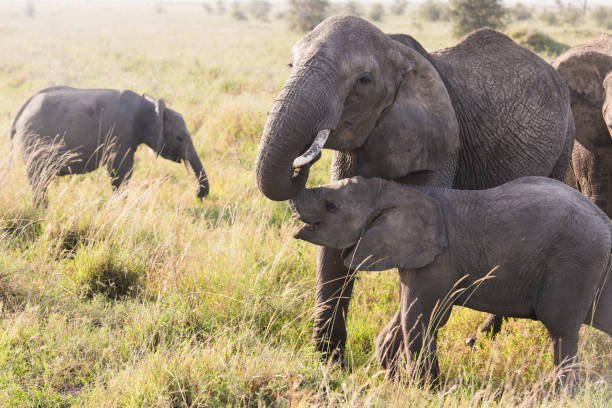
Enjoy wildlife viewing while searching for elephants, giraffes, buffalo, zebras and predators among baobab landscapes.
Day 2: Tarangire to Serengeti
Continue toward Serengeti through the northern Tanzania safari circuit.
Begin game viewing after entering the park and continue toward the selected accommodation.
Day 3: Full Day Serengeti Safari
Spend the day exploring resident wildlife and current migration areas.
Search for wildebeest, zebras, lions, cheetahs, leopards and other Serengeti wildlife.
Day 4: Travel Toward the Main Migration Area
Follow the migration according to the season and recent wildlife information.
The route may lead south, west or north depending on travel dates.
Day 5: Full Day Great Migration Safari
Spend a full day around productive migration areas.
The guide can adjust the route according to herd movement, predator sightings and current conditions.
Day 6: Serengeti to Ngorongoro
Enjoy another Serengeti game drive before continuing toward Ngorongoro Conservation Area.
Stay at the selected accommodation around Ngorongoro or Karatu.
Day 7: Ngorongoro Crater and Return
Descend into Ngorongoro Crater for wildlife viewing.
Search for lions, buffalo, elephants, zebras, wildebeest, hippos and the possibility of black rhinoceros.
After the crater safari, continue toward Arusha, Moshi or Kilimanjaro Airport according to the itinerary.
Private Great Migration Safari
A private safari is especially useful for migration-focused travellers.
The professional guide can adjust game drives according to current herd locations without following a fixed shared timetable.
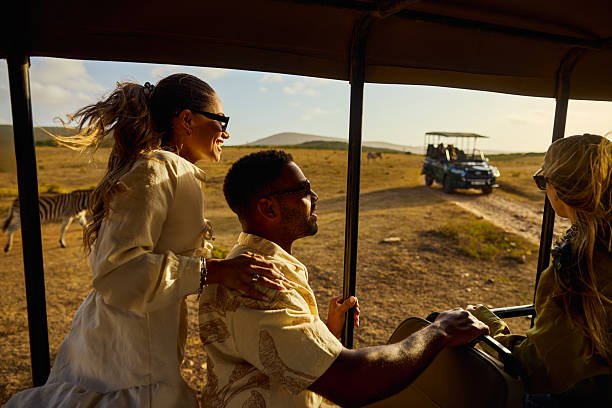
Private vehicles also provide greater flexibility for photographers, couples and families.
Group Joining Great Migration Safari
Group joining safaris can provide a more affordable option.
Travellers share the safari vehicle and follow a scheduled route.
Before booking, confirm that the itinerary actually visits the Serengeti region most suitable for the travel dates.
Fly-In Great Migration Safari
Fly-in safaris can save significant travel time, especially for northern Serengeti.
Travellers can fly to a suitable airstrip and begin wildlife viewing shortly after meeting their guide.
This option works especially well for shorter migration safaris from Zanzibar or Arusha.
Best Time for Great Migration Safari from Zanzibar
The best month still depends on which migration event travellers want to see.
Domestic flights can connect Zanzibar with suitable Serengeti areas, making it possible to plan around southern calving season or northern migration periods.
Accommodation and airstrip selection should match the expected seasonal herd location.
Best Time for Great Migration Safari from Arusha
Arusha provides convenient access to Tanzania’s northern safari circuit throughout the year.
Road safaris can be designed around southern, central, western or northern Serengeti depending on the travel month.
Longer itineraries can also include Tarangire and Ngorongoro.
Best Time for Great Migration Safari from Moshi
Moshi is a convenient starting point for travellers combining Mount Kilimanjaro with a Great Migration safari.
The best migration period depends on the traveller's wildlife priority rather than the departure city.
After the Kilimanjaro climb, travellers can continue toward Serengeti and Ngorongoro by private safari vehicle or selected flight arrangements.
Great Migration Safari and Ngorongoro
Ngorongoro can be added to Great Migration itineraries in almost any season.
Serengeti provides seasonal migration movement, while Ngorongoro adds concentrated wildlife inside the crater.
This combination provides a broader Tanzania safari experience and reduces dependence on seeing one particular migration event.
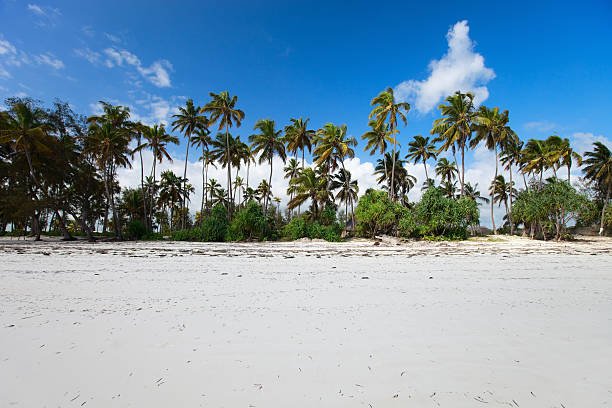
Great Migration Safari and Zanzibar
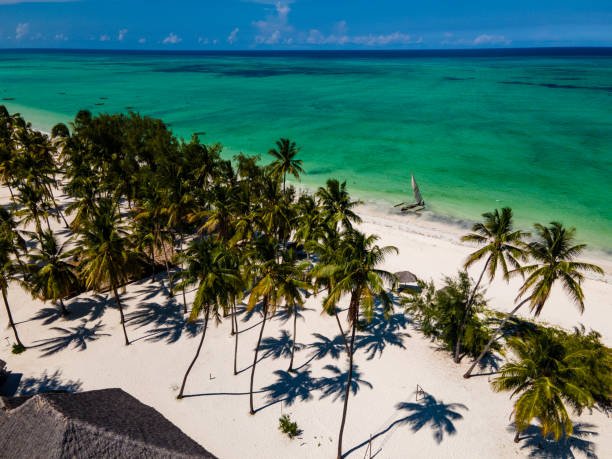
A Great Migration safari can be followed by Zanzibar for a wildlife and beach holiday.
After several days in Serengeti, travellers can continue by domestic flight toward Zanzibar.
This combination is especially popular for honeymooners, couples and families.
Great Migration Safari After Kilimanjaro
A migration safari can also be planned after climbing Mount Kilimanjaro.
Travellers can rest in Moshi after their trek and continue into the northern Tanzania safari circuit.
The Serengeti region should be selected according to the month of travel.
Great Migration Safari Cost by Season
Migration safari costs vary according to travel season, accommodation location, number of safari days and transportation method.
Popular migration periods can create strong demand for camps located close to productive wildlife areas.
Fly-in safaris and luxury seasonal camps normally increase the total package cost, while camping and group joining options can reduce expenses.
Travellers should prioritize the correct safari location before focusing only on accommodation price.
How to Choose the Best Great Migration Dates
The first step is deciding which migration experience matters most.
Travellers interested in calves should plan very differently from travellers hoping for northern river activity.
Once the wildlife priority is clear, accommodation can be selected around the most suitable seasonal area.
Great Migration Planning Tips
- Choose the wildlife event before choosing the month
- Match accommodation with the correct Serengeti region
- Keep exact herd locations flexible
- Spend several nights in the main migration area
- Use private guiding for greater flexibility
- Do not depend on guaranteed river crossings
- Book important seasonal camps early
- Include Ngorongoro for additional wildlife variety
Frequently Asked Questions About the Best Time to See Great Migration in Tanzania
What is the best month to see the Great Migration in Tanzania?
There is no single best month. February is especially attractive for calving, while northern migration months such as August and September are popular for large herds and possible river activity.
When is wildebeest calving season?
The main calving period is associated with southern Serengeti and the wider Ndutu ecosystem, with February particularly well known for newborn wildebeest.
When can I see Great Migration river crossings?
Northern Serengeti is the main Tanzania focus for possible river crossing activity during suitable migration months, commonly around the July to October period depending on herd movement.
Are river crossings guaranteed in August or September?
No. Crossings are completely natural and unpredictable, even when large herds are present near the rivers.
Where is the migration in January?
Large herds are often associated with southern Serengeti and surrounding seasonal grasslands, depending on rainfall and grazing.
Where is the migration in February?
Southern Serengeti and the wider Ndutu ecosystem are major areas of interest during the main calving season.
Where is the migration in July?
Herds may be moving through western and northern Serengeti as they continue north, although exact positions depend on seasonal conditions.
Where is the migration in August and September?
Northern Serengeti is commonly a major focus during these months, with large herds and possible river-related migration activity.
Where is the migration in November and December?
Herds may gradually move south through central and eastern areas toward the southern plains as seasonal rains create fresh grazing.
Which is better: calving season or river crossing season?
Neither is automatically better. Calving season provides newborn wildlife and predator activity, while northern migration periods provide large moving herds and the possibility of river crossings.
Can I see the migration all year?
The migration is a continuous annual cycle, but the herd location and type of wildlife experience change throughout the year.
How many days do I need for the Great Migration?
Five to seven days works well for many travellers, with several nights dedicated to the most important seasonal migration region.
Should I book a private migration safari?
A private safari provides additional flexibility for following current wildlife movement and spending longer at important sightings.
Can I combine the Great Migration with Ngorongoro?
Yes. Serengeti migration areas and Ngorongoro provide an excellent combination of seasonal herds, predators and concentrated crater wildlife.
Can I combine the Great Migration with Zanzibar?
Yes. Travellers can complete the Serengeti safari and continue by domestic flight to Zanzibar for a beach holiday.
Can I see the migration after climbing Kilimanjaro?
Yes. A Great Migration safari can be arranged after a Kilimanjaro climb, with the Serengeti region selected according to the travel month.
Is the Great Migration good for photography?
Yes. Large herds, calves, predators, green landscapes, dry plains and river environments can all provide exceptional wildlife photography opportunities.
How do I choose the best time for my Great Migration safari?
First decide whether your priority is calving, predators, large moving herds, possible river crossings, green landscapes or photography. Your travel month, Serengeti region and accommodation can then be selected around that specific wildlife goal.
Plan Your Great Migration Safari Tanzania 2026-2027
Choose the best Great Migration season for calving, predators, moving wildebeest herds or possible river crossings and combine your Serengeti safari with Ngorongoro, Tarangire, Kilimanjaro or Zanzibar.
Plan Your Great Migration Safari

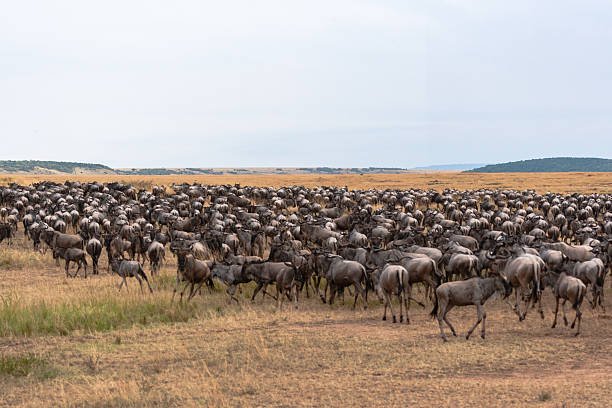
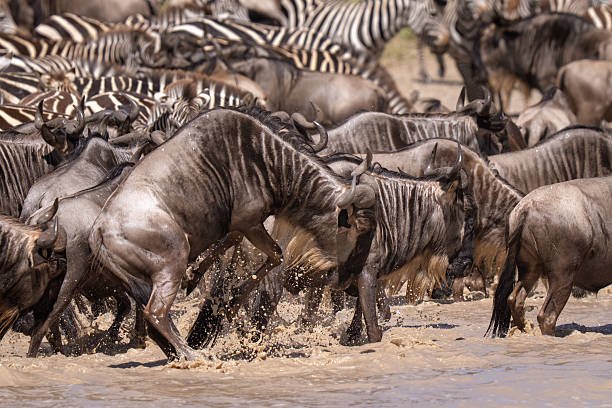 Serengeti Safari