Swahili Culture in Tanzania 2026-2027
Swahili Culture in Tanzania 2026-2027 is one of the most important cultural traditions for understanding the country's coast and islands.
It developed through long interaction between African coastal communities and traders, sailors and settlers moving through the Indian Ocean world.
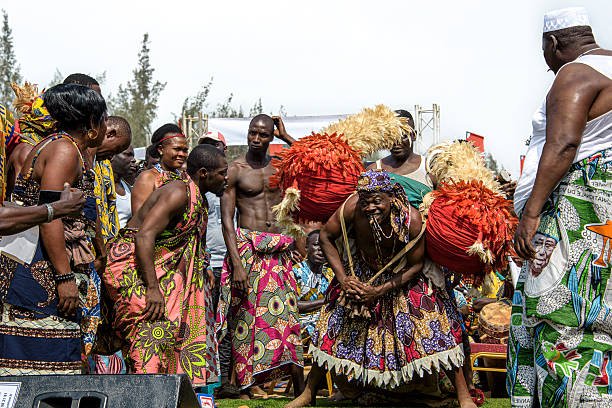
Today, Swahili culture can be experienced through language, food, architecture, religion, clothing, music, family life, markets and historic coastal settlements.
Travellers can encounter Swahili influences in many parts of Tanzania, but Zanzibar, Bagamoyo, Kilwa, Pangani and Dar es Salaam are among the strongest destinations for cultural exploration.
Swahili Culture in Tanzania at a Glance
- Main regions: Zanzibar and Tanzania's Indian Ocean coast
- Language: Kiswahili
- Cultural themes: Food, trade, architecture, religion, music and community life
- Popular destinations: Stone Town, Bagamoyo, Kilwa, Pangani and Dar es Salaam
- Popular experiences: Cultural walking tours, food tours, markets, historic sites and dhow trips
- Best for: Cultural travellers, photographers, families, couples and solo travellers
- Can combine with: Zanzibar beaches, safari and Kilimanjaro
What Is Swahili Culture?
Swahili culture refers broadly to cultural traditions that developed along the East African coast and nearby islands.
Its foundation is African, but centuries of Indian Ocean exchange introduced additional influences from Arabia, Persia, India and other regions.
These connections influenced language, architecture, food, religion, clothing and commercial life.
Swahili identity is not one single uniform culture, and practices vary between communities and locations.
Important Elements of Swahili Culture
- Kiswahili language
- Indian Ocean trade history
- Coastal architecture
- Islamic traditions
- Seafood and spice-based cuisine
- Dhow culture
- Music and poetry
- Traditional clothing
- Markets and coastal commerce
- Strong family and community relationships
The Kiswahili Language
Kiswahili is one of the most visible expressions of Swahili culture and is widely spoken throughout Tanzania.
It plays an important role in daily communication, education, business and national identity.
Travellers do not need to speak Kiswahili fluently, but learning a few phrases can improve cultural interaction and make everyday travel more enjoyable.
Useful Kiswahili Words for Travellers
- Jambo: Hello
- Habari: How are things?
- Asante: Thank you
- Karibu: Welcome
- Tafadhali: Please
- Pole pole: Slowly
- Hakuna shida: No problem
- Kwa heri: Goodbye
Swahili Culture in Zanzibar
Zanzibar is one of the best-known destinations for travellers interested in Swahili culture.
Stone Town's streets, historic houses, carved doors, mosques, markets and waterfront reflect centuries of coastal trade and cultural interaction.
The island also offers strong food traditions, music, dhow culture and community celebrations.
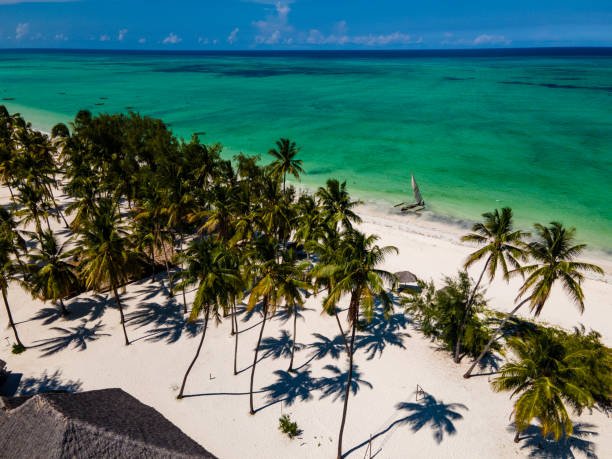
Travellers can combine a cultural stay in Stone Town with beaches around Nungwi, Kendwa, Paje, Jambiani or Matemwe.
Stone Town and Swahili Heritage
Stone Town provides one of Tanzania's richest urban cultural experiences.
A guided walking tour can help visitors understand its architecture, old trading connections, markets and community life.
The narrow streets are best explored on foot.
Rather than simply photographing buildings, travellers gain much more by learning how the town developed and how people continue to live and work there today.
Swahili Architecture
Swahili architecture developed in response to coastal climate, trade, religion and local building traditions.
Historic buildings may feature coral-stone construction, internal courtyards, shaded passages and elaborately carved doors.
Different periods of trade and political influence introduced additional architectural details.
Stone Town and Kilwa are particularly important for travellers interested in coastal architectural history.
Zanzibar Carved Doors
Carved wooden doors are among Stone Town's most recognizable architectural features.
Designs can vary considerably and may reflect different periods, families, artistic traditions and outside influences.
Travellers should view the doors as part of the wider architectural heritage rather than reducing every pattern to a single simple meaning.
Swahili Culture in Bagamoyo
Bagamoyo is another important destination for understanding coastal Tanzania.
The town has deep links with Indian Ocean trade, regional history, religion and later colonial developments.
Today, it is also associated with arts and cultural education.
A visit can be combined with Dar es Salaam or Saadani National Park.
Swahili Culture in Kilwa
Kilwa is one of the most important places for travellers interested in the long history of the Swahili coast.
The historic settlements around Kilwa reflect a period when coastal towns were connected to extensive Indian Ocean trading networks.
Visitors can combine historical exploration with quiet beaches, boat travel and local coastal life.
Kilwa is especially suitable for travellers interested in archaeology and history rather than conventional resort tourism.
Swahili Culture in Pangani
Pangani offers another quieter way to explore Tanzania's northern coast.
The town combines coastal history, fishing activity, river landscapes and nearby beaches.
Travellers can continue from Pangani to Ushongo for a relaxed beach stay.
The region is particularly attractive for visitors looking for Swahili coastal culture away from the busiest tourist centres.
Swahili Culture in Dar es Salaam
Dar es Salaam is a modern, rapidly changing city, but Swahili language and coastal cultural influences remain strongly present.
Markets, seafood restaurants, music, clothing and everyday social life all provide opportunities to see contemporary Swahili culture rather than only historic heritage.
The city can therefore complement visits to older destinations such as Stone Town, Bagamoyo or Kilwa.
Indian Ocean Trade and Swahili History
The Indian Ocean has shaped coastal Tanzania for centuries.
Coastal communities traded goods and interacted with merchants moving between East Africa, Arabia, Persia, India and other regions.
These exchanges helped shape urban centres and cultural traditions along the coast.
Understanding this history makes destinations such as Kilwa and Zanzibar much more meaningful.
Traditional Dhow Culture
Dhows are closely associated with the Indian Ocean coast.
These sailing vessels have long been used for fishing, trade and transportation.
Today, travellers may see traditional-style boats around Zanzibar, Pangani, Mafia Island and other coastal destinations.
Dhow excursions can provide enjoyable travel experiences, but they also represent a much longer maritime history.
Swahili Coastal Experiences
- Traditional dhow trip
- Fishing village visit
- Stone Town walking tour
- Local market visit
- Seafood experience
- Spice farm tour
- Historic coastal town visit
- Swahili cooking experience
Swahili Food in Tanzania
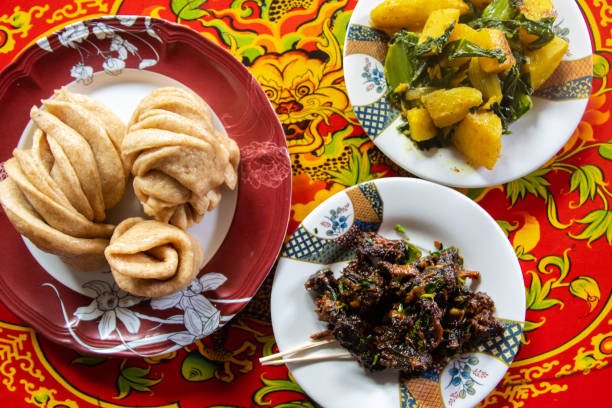
Food is one of the easiest ways for travellers to experience Swahili culture.
Coastal cuisine commonly uses rice, seafood, coconut and aromatic spices.
The exact dishes vary between families, towns and islands.
Zanzibar, Dar es Salaam, Bagamoyo and other coastal areas are especially good places for food-focused travel.
Pilau
Pilau is a fragrant rice dish prepared with spices and often served during family gatherings and celebrations.
It may include meat or be prepared with other ingredients depending on the recipe.
Travellers frequently encounter pilau in both coastal and inland Tanzania.
Biryani
Biryani is another popular rice dish, particularly in coastal areas and Zanzibar.
It is usually richly seasoned and may be served with meat, sauces and accompaniments.
The dish reflects the wider connections between East African coastal cuisine and Indian Ocean culinary traditions.
Seafood in Swahili Cuisine
Fish and seafood play a major role in many coastal communities.
Travellers may encounter grilled fish, octopus, prawns, squid and seafood cooked with coconut-based sauces.
Availability depends on location, season and local supply.
Coconut in Coastal Food
Coconut is commonly used in coastal cooking.
Coconut milk can be added to rice, vegetables, fish and sauces, giving many coastal dishes their distinctive richness.
Travellers visiting Zanzibar or the mainland coast should try at least one coconut-based meal.
Spices and Swahili Cuisine
Cloves, cardamom, cinnamon, black pepper and other spices are associated strongly with Zanzibar and coastal food.
A spice farm tour can help visitors understand the ingredients before tasting them in local meals.
Spice does not always mean chili heat; many dishes are aromatic rather than extremely hot.
Swahili Street Food
Street and casual food can reveal another side of coastal culture.
Visitors may encounter snacks, grilled foods, fresh juices and local specialties in markets and evening food areas.
Choose clean, busy stalls where food is cooked fresh and served hot.
Swahili and Coastal Foods to Try
- Pilau
- Biryani
- Grilled fish
- Octopus dishes
- Coconut curries
- Urojo in Zanzibar
- Vitumbua
- Mandazi
- Tropical fruits
- Spiced tea
Islam and Swahili Culture
Islam has had a major influence on many Swahili coastal communities.
Mosques, religious holidays, daily prayer and modest clothing are visible parts of life in many coastal towns and Zanzibar.
Not every Swahili person practices religion in exactly the same way, but travellers should understand that religious customs can influence daily schedules and social behaviour.
Visiting during Ramadan
Ramadan changes the rhythm of life in many predominantly Muslim coastal communities.
Many residents fast during daylight hours and gather for meals after sunset.
Travellers can still visit during Ramadan but should show sensitivity in public spaces.
Some restaurants and businesses may change operating hours.
Eid Celebrations
Eid is an important period for family, prayer, food and social gatherings.
People may wear special clothing and towns can become lively.
Dates follow the Islamic calendar and should be checked for the actual travel year.
Swahili Clothing
Clothing varies widely between individuals and locations.
Along the coast, visitors may see garments and styles reflecting local, Islamic and wider East African traditions.
Kanga and kitenge fabrics are widely recognized, while men in coastal communities may also wear traditional garments on particular occasions.
Modern clothing is equally common, especially in large cities.
The Kanga
Kanga is a colourful printed cloth widely used in Tanzania and other parts of East Africa.
It can be worn in several ways and often includes printed text or sayings.
Travellers can purchase kanga in markets, but understanding its cultural use is more meaningful than viewing it only as a souvenir.
Swahili Music
Music is another important part of coastal cultural life.
Swahili music traditions include older forms as well as modern popular styles.
Zanzibar and Dar es Salaam are particularly useful places to explore both historic and contemporary music scenes.
Taarab Music
Taarab is strongly associated with the Swahili coast and Zanzibar.
It developed through a mixture of local and wider Indian Ocean musical influences.
Travellers may encounter taarab during cultural events, festivals or specialized performances.
Swahili Poetry and Storytelling
Poetry and oral storytelling have long been important forms of cultural expression.
Kiswahili poetry can address love, morality, religion, history and social life.
Travellers may encounter this tradition through cultural centres, performances or guided interpretation rather than ordinary sightseeing.
Markets and Swahili Daily Life
Markets are excellent places to observe everyday coastal commerce.
Visitors may see spices, fish, vegetables, fruits, textiles, household products and prepared food.
A guided market visit can provide context and make it easier to understand unfamiliar ingredients and products.
Fishing and Coastal Communities
Fishing remains important in many Swahili coastal communities.
Visitors may see fishing boats returning in the morning, seafood markets and small boat-building activities depending on location.
A responsible cultural tour can explain how coastal livelihoods depend on both marine ecosystems and changing economic conditions.
Family and Community Life
Family and community relationships are important throughout Tanzania, including Swahili coastal society.
Respect for elders, hospitality and social relationships can influence everyday interactions.
Travellers should avoid making overly broad assumptions because family practices differ between urban and rural areas and between individual households.
Hospitality in Swahili Culture
Visitors frequently encounter warm hospitality during travel in Tanzania.
Greetings are important, and taking time to acknowledge people politely can be appreciated.
Learning simple Kiswahili greetings can improve interactions considerably.
Greetings and Respect
In many situations, beginning with a greeting before immediately asking a question or discussing business is considered polite.
Travellers should follow the lead of local guides regarding forms of address and social etiquette.
Swahili Festivals and Celebrations
Coastal Tanzania and Zanzibar host religious, musical and cultural celebrations throughout the year.
These can include Eid gatherings, music events, traditional community celebrations and arts festivals.
Exact dates should be confirmed because some events change annually.
Mwaka Kogwa in Zanzibar
Mwaka Kogwa is associated with traditional New Year celebrations in parts of Zanzibar.
It provides an example of local cultural traditions that are distinct from conventional resort tourism.
Visitors should participate only in areas where guests are welcomed and follow local guidance throughout the event.
Swahili Culture and Spice Farms
Zanzibar spice farms are popular tourism attractions and provide useful insight into agricultural and culinary history.
Travellers can see plants such as cloves, cinnamon, vanilla, turmeric and tropical fruits depending on the farm and season.
A spice tour becomes more meaningful when combined with a cooking or food experience.
Swahili Cooking Experiences
A cooking experience can introduce travellers to ingredients, preparation methods and family-style meals.
Rather than only eating at a restaurant, visitors can learn how rice, coconut, spices, fish and vegetables are prepared.
Cooking programs can be arranged in Zanzibar and selected mainland coastal destinations.
Ways to Experience Swahili Culture
- Walk through Stone Town
- Visit Bagamoyo
- Explore historic Kilwa
- Join a spice farm tour
- Take a Swahili cooking class
- Visit a local market
- Join a dhow trip
- Try coastal foods
- Attend a cultural event
- Learn simple Kiswahili phrases
One Day Swahili Cultural Tour in Zanzibar
Morning: Stone Town
Begin with a guided walking tour through Stone Town.
Explore historic streets, markets, carved doors and key architectural features.
Midday: Local Food
Enjoy a Swahili-style lunch featuring rice, seafood, vegetables or another local dish according to preference.
Afternoon: Spice Farm
Continue to a spice farm and learn about tropical crops and their connection with Zanzibar's food history.
Evening: Waterfront or Cultural Experience
Return to Stone Town for a relaxed waterfront evening, food experience or cultural performance when available.
3 Day Swahili Culture and Beach Experience
Day 1: Stone Town Culture
Explore Stone Town with a guide and learn about architecture, history, markets and coastal life.
Day 2: Spice and Village Experience
Visit a spice farm and include a local food or community experience.
Day 3: Dhow and Beach
Enjoy a boat or dhow excursion before relaxing at a Zanzibar beach.
Swahili Culture for Families
Families can enjoy walking tours, spice farms, cooking experiences and dhow trips.
Children may find markets and food preparation particularly engaging.
The itinerary should avoid overly long historical lectures and include interactive experiences.
Swahili Culture for Couples
Couples can combine culture with beaches and private coastal experiences.
A Stone Town stay followed by a dhow excursion and beach hotel creates a balanced romantic itinerary.
Swahili Culture for Solo Travellers
Solo travellers can join guided walking and food tours to gain cultural context and meet other visitors.
A private local guide can also provide a more personalized experience in historic towns.
Swahili Culture for Photographers
Stone Town, fishing communities, markets, dhow harbours and historic coastal buildings provide excellent photographic subjects.
However, visitors should request permission before taking close portraits of individuals.
Religious sites and private ceremonies may have additional restrictions.
Photography Etiquette
Do not treat local communities as scenery.
Ask before photographing people, especially children, religious activities and private homes.
A local guide can help travellers understand when photography is appropriate.
What to Wear When Exploring Swahili Culture
Lightweight clothing is suitable for Tanzania's coastal climate.
However, modest clothing is recommended when walking through Stone Town, local villages and religious areas.
Shoulders and knees should generally be covered when visiting conservative community environments.
Beach clothing is better kept for beaches and resorts.
What to Carry on a Swahili Cultural Tour
- Light modest clothing
- Comfortable walking shoes
- Sun hat
- Sunscreen
- Reusable water bottle
- Camera or smartphone
- Small amount of cash
- Light scarf where useful
- Respectful curiosity
Responsible Swahili Cultural Tourism
The best cultural tourism is based on respect rather than performance.
Travellers should choose local guides, support locally owned businesses and follow community rules.
Private homes, religious ceremonies and family life should not be entered or photographed without permission.
Learning about contemporary life is just as important as learning about historic traditions.
Avoiding Cultural Stereotypes
Swahili culture is living and continuously changing.
People use smartphones, run modern businesses, attend universities and participate in global culture while still maintaining local traditions.
Visitors should avoid expecting every coastal resident to dress, work or live according to an imagined historical lifestyle.
Buying Local Crafts and Textiles
Markets and small shops can offer textiles, artwork, baskets, carvings and other products.
Buying directly from local traders and artisans can support small businesses.
Travellers should negotiate politely where bargaining is customary.
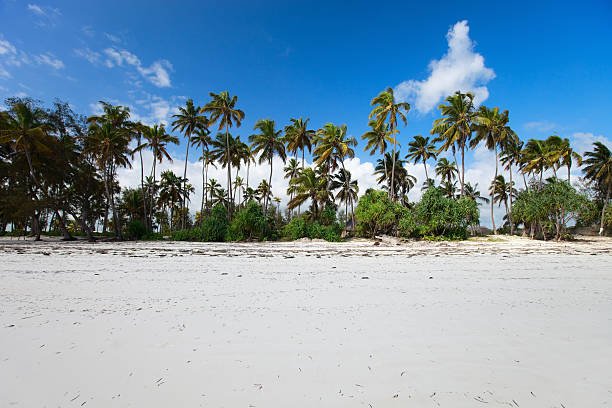
Swahili Culture and Zanzibar Beaches
A cultural itinerary does not require giving up beach time.
Travellers can explore Stone Town and spice farms before continuing to Nungwi, Kendwa, Paje, Jambiani or Matemwe.
This provides both cultural understanding and tropical relaxation within one trip.
Swahili Culture and Tanzania Safari
Coastal culture can be combined with wildlife safari for a much more varied holiday.
Travellers can visit Serengeti, Ngorongoro or Tarangire before flying to Zanzibar, or combine southern safari destinations with Dar es Salaam, Bagamoyo or Mafia Island.
This allows the trip to include wildlife, history, food, language and beaches.
Swahili Culture after Kilimanjaro
Travellers can climb Kilimanjaro and then continue toward Zanzibar or the mainland coast.
The cultural portion provides a complete contrast to mountain trekking.
After the climb, visitors can relax while enjoying food tours, Stone Town and coastal excursions.
Swahili Culture and Mafia Island
Mafia Island combines coastal village life with marine activities.
Visitors can explore fishing communities and local island culture while also enjoying snorkeling, diving and seasonal marine wildlife experiences.
The destination is quieter than Zanzibar and is particularly suitable for slow travel.
Best Time for a Swahili Cultural Tour
Swahili cultural experiences can be enjoyed throughout the year.
The best month depends more on the wider itinerary than culture itself.
Travellers planning beach activities should consider coastal weather, while those interested in a specific festival should confirm its actual date.
Swahili Cultural Tour Cost 2026-2027
The cost depends on the destination, tour duration, private transport, guide services, meals and included attractions.
A short Stone Town walking tour costs less than a multi-day itinerary combining Zanzibar, Bagamoyo or Kilwa.
Domestic flights and premium accommodation can significantly increase the total cost.
A full quotation should be based on the actual route and travel dates.
What Can Be Included in a Swahili Cultural Tour?
Typical Inclusions
- Private transfers according to itinerary
- Local cultural guide
- Stone Town walking tour
- Historic site visits where specified
- Spice farm experience where included
- Market visit
- Selected local meals
- Dhow or boat activity where specified
- Accommodation on multi-day programs
- Drinking water during organized tours
Typical Exclusions
- International flights
- Tanzania visa
- Travel insurance
- Domestic flights unless specified
- Personal shopping
- Alcoholic beverages unless included
- Guide and staff gratuities
- Activities not shown in the confirmed itinerary
Frequently Asked Questions About Swahili Culture in Tanzania
What is Swahili culture?
Swahili culture developed along the East African coast through African foundations and centuries of Indian Ocean trade and cultural exchange.
Where can I experience Swahili culture in Tanzania?
Zanzibar, Bagamoyo, Kilwa, Pangani and Dar es Salaam are among the best destinations for exploring Swahili coastal culture.
Is Kiswahili the same as Swahili?
Kiswahili is the name commonly used for the Swahili language, while Swahili can also refer more broadly to the culture and coastal communities associated with it.
Is Zanzibar part of Swahili culture?
Yes. Zanzibar is one of the most important destinations for experiencing Swahili language, food, architecture, maritime history and cultural traditions.
What food is associated with Swahili culture?
Pilau, biryani, seafood, coconut-based dishes, spiced rice, tropical fruits and various coastal snacks are among the foods travellers can explore.
What language do Swahili people speak?
Kiswahili is the main language associated with Swahili culture and is widely spoken throughout Tanzania.
Is Swahili culture only found in Zanzibar?
No. Swahili culture extends across Tanzania's mainland coast and wider East African coastal region, including places such as Bagamoyo, Kilwa, Pangani and Dar es Salaam.
What should tourists wear in Swahili communities?
Modest lightweight clothing is recommended in towns, villages and religious areas, while beach clothing is better kept for beaches and resorts.
Can I visit a mosque?
Access depends on the specific mosque and local customs. Travellers should never enter without permission and should follow guidance regarding clothing, shoes and photography.
Can I take photographs in Stone Town?
Yes, but permission should be requested before taking close photographs of people, private homes or religious activities.
What is taarab music?
Taarab is a musical tradition strongly associated with Zanzibar and the Swahili coast, shaped by both local and wider Indian Ocean influences.
Can I join a Swahili cooking tour?
Yes. Cooking experiences can be arranged in Zanzibar and selected coastal destinations and may include market shopping, food preparation and a shared meal.
Can Swahili culture be combined with safari?
Yes. Travellers can combine coastal culture with Serengeti, Ngorongoro, Tarangire, Nyerere or other Tanzania safari destinations.
Can I combine Swahili culture with Kilimanjaro?
Yes. After climbing Kilimanjaro, travellers can fly or travel toward Zanzibar and the coast for Stone Town, food, history and beach experiences.
How do I plan a Swahili cultural tour in Tanzania for 2026-2027?
Choose the coastal destinations that interest you most, decide how many days you have and combine guided historical walks, food, markets, dhow trips, spice farms and beach time with your wider Tanzania itinerary.
Experience Swahili Culture in Tanzania 2026-2027
Explore Tanzania beyond safari through Kiswahili language, Stone Town streets, coastal history, traditional food, dhow culture, spice farms, markets and local communities. Combine Zanzibar, Bagamoyo, Kilwa, Pangani or Dar es Salaam with safari, Kilimanjaro and beach travel for a richer cultural journey.
Plan Your Swahili Cultural Journey

 Serengeti Safari