Can Beginners Climb Kilimanjaro?
The question Can Beginners Climb Kilimanjaro has an encouraging answer: many people attempt Mount Kilimanjaro as their first major high altitude trek.
Standard Kilimanjaro trekking routes do not normally require technical rock climbing, ropes or advanced mountaineering skills.
That does not mean the mountain is easy.
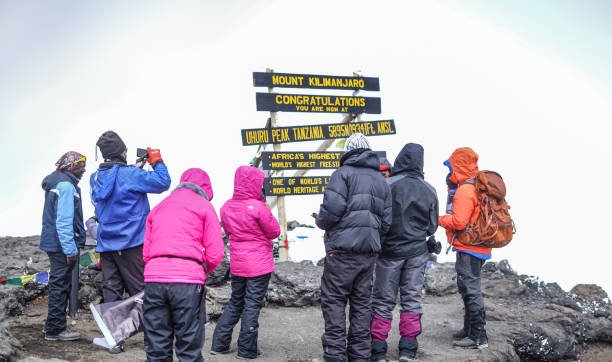
Kilimanjaro rises to 5,895 metres at Uhuru Peak, and the combination of altitude, consecutive trekking days, changing weather and a demanding summit attempt creates a serious physical challenge.
A beginner should therefore approach the mountain as a high altitude expedition rather than an ordinary holiday walk.
Good preparation includes improving hiking endurance, strengthening the legs, choosing an appropriate route, practicing with trekking equipment and learning how altitude can affect the body.
Beginners also need realistic expectations.
You may be physically prepared and still experience altitude symptoms.
You may have excellent weather or encounter cold, wind, rain, cloud or snow.
You may reach Uhuru Peak, or the mountain guide may recommend that you stop or descend because of health or safety concerns.
The goal should be to prepare thoroughly, walk slowly and follow professional mountain guidance rather than treating the summit as guaranteed.
Kilimanjaro for Beginners at a Glance
- Technical climbing experience required? Normally no on standard trekking routes
- Previous mountain experience required? Helpful but not always essential
- Fitness needed? Reasonable hiking endurance and leg strength
- Main challenge: High altitude and summit day
- Useful preparation: Hiking, hills, cardio and strength training
- Important route factor: Enough time for gradual acclimatization
- Summit guarantee? No
Do You Need Climbing Experience for Kilimanjaro?
Most standard Kilimanjaro routes are trekking routes rather than technical climbing routes.
For many climbers, previous rope work or technical climbing experience is not necessary.
The challenge is mainly walking uphill for several consecutive days and then completing a long summit attempt at high altitude.
Previous hiking experience is still very useful.
It teaches you how your body feels after several hours of walking, how to manage clothing layers, how to use trekking poles and how to pace yourself on hills.
Can Kilimanjaro Be Your First Mountain?
For some travellers, Kilimanjaro is their first major mountain trek.
This is possible because the standard routes are guided and do not normally require technical climbing.
However, your first experience of long distance trekking should ideally not begin at the trailhead.
Training hikes before travel allow you to become familiar with long walking days and your equipment.
A beginner who prepares consistently can arrive much more confident than someone who relies only on general fitness.
How Fit Should a Beginner Be?
You do not need elite athletic fitness.
You should be comfortable walking for several hours at a steady pace.
You should also have enough leg strength to manage uphill and downhill terrain over several consecutive days.
The most useful fitness is endurance.
Kilimanjaro is not normally climbed quickly.
The ability to keep moving slowly and consistently for a long period is more useful than being able to sprint or lift very heavy weights.
You Do Not Need to Be an Athlete
A well prepared recreational hiker may be better suited to Kilimanjaro than a very fast athlete who has little experience with long trekking days or disciplined pacing.
How Long Should Beginners Train?
Many first time climbers benefit from a structured preparation period of roughly 8 to 12 weeks.
Someone starting from a lower fitness level may prefer a longer period.
Someone who already hikes regularly may require less basic conditioning.
Training should increase gradually rather than becoming extremely difficult immediately.
The goal is to arrive healthy and prepared, not exhausted or injured from last minute training.
Best Training for a Beginner Kilimanjaro Climber
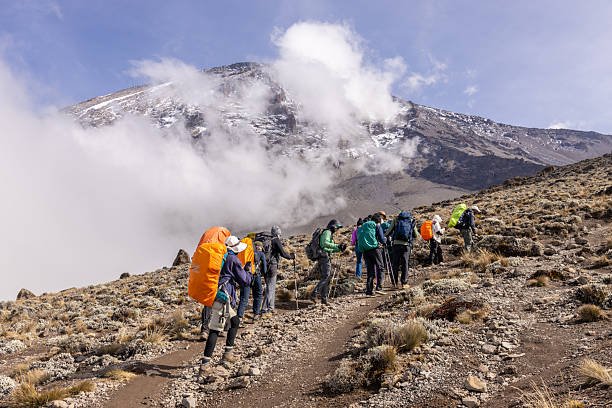
Hiking is one of the most specific forms of preparation.
Try to include hills where possible.
If you live in a flat area, incline treadmill walking, stairs and stair machines can help reproduce some of the uphill effort.
Cardiovascular exercise can also include cycling, swimming, running or rowing.
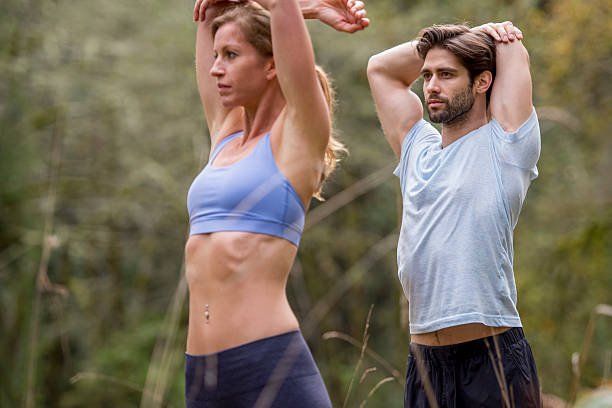
Strength training should focus on practical lower body and core strength.
Useful Beginner Training
- Regular long walks
- Hill hiking
- Incline treadmill walking
- Stair climbing
- Squats and lunges
- Step ups
- Calf strengthening
- Core stability exercises
- Controlled downhill walking
Why Hiking Is Important for Beginners
Hiking develops more than cardiovascular fitness.
It teaches you to remain comfortable on your feet for several hours.
It allows you to test your boots and socks.
It introduces you to uphill and downhill movement.
It also gives you an opportunity to practice using a daypack and trekking poles.
These small details can make a significant difference when you begin walking day after day on Kilimanjaro.
Can You Train for Kilimanjaro without Mountains?
Yes.
Many climbers live in relatively flat areas.
Long walks, incline treadmill sessions, stairs and strength exercises can provide useful preparation.
If possible, occasional hiking trips can add experience with uneven ground and downhill terrain.
However, not living near mountains does not automatically prevent you from preparing effectively.
Train on Consecutive Days
Kilimanjaro requires several trekking days in a row.
Beginners often train for one long walk and then rest for several days.
It can be useful to introduce occasional consecutive walking days later in the training program.
For example, you might complete a longer hike on one day and a shorter walk the following day.
This teaches the body to continue moving while carrying some fatigue.
Practice Walking Slowly
Beginners sometimes assume faster walking means better performance.
Kilimanjaro is usually approached differently.
As altitude increases, walking slowly helps conserve energy.
Guides commonly control the pace so climbers do not rush unnecessarily.
Your training should therefore include long, comfortable walks rather than only fast workouts.
Which Kilimanjaro Route Is Suitable for Beginners?
Route choice can make a major difference to the experience.
Beginners often benefit from itineraries that provide more days for gradual altitude gain.
Lemosho, Machame, Rongai, Marangu and Northern Circuit all have different schedules, landscapes and sleeping arrangements.
The appropriate option depends on available time, preferred accommodation style, route difficulty and the confirmed climbing program.
Longer itineraries generally provide more time for acclimatization than compressed versions of the same mountain.
Do Not Choose a Route Only Because It Is Shorter
A shorter itinerary may reduce the number of trekking days, but it also provides less time for gradual altitude adjustment. Beginners should consider acclimatization as well as duration.
Lemosho Route for Beginners
Lemosho is a camping route approaching from the western side of Kilimanjaro.
Longer Lemosho itineraries provide several days of gradual trekking before summit night.
The route passes through varied landscapes and eventually joins the southern circuit.
Beginners should still prepare for long trekking days, camping conditions and high altitude.
Machame Route for Beginners
Machame is another popular camping route.
It includes varied terrain and, depending on itinerary length, usually passes through Barranco and toward Karanga and Barafu before the summit attempt.
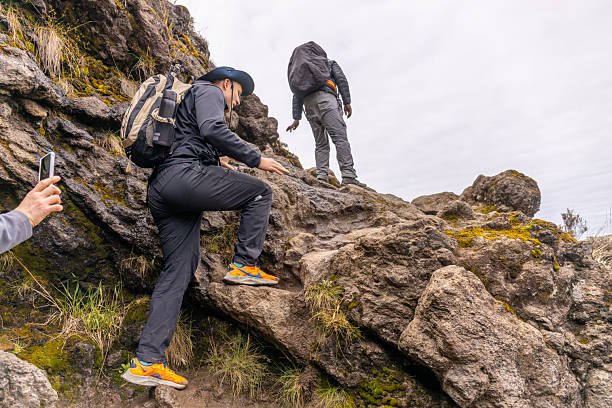
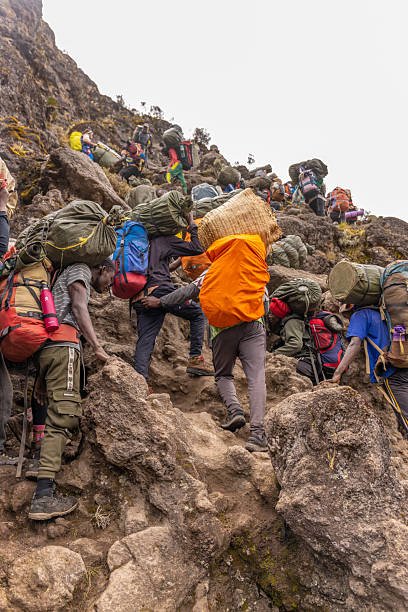
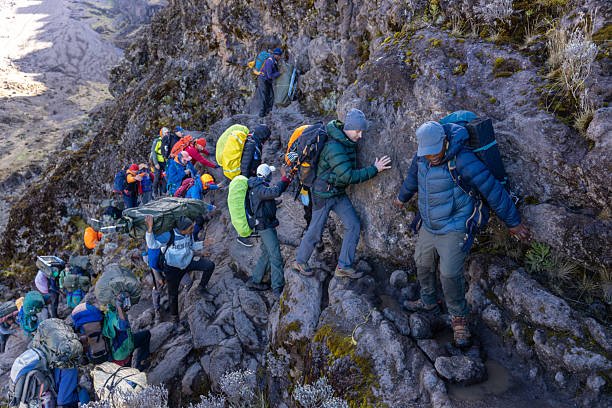
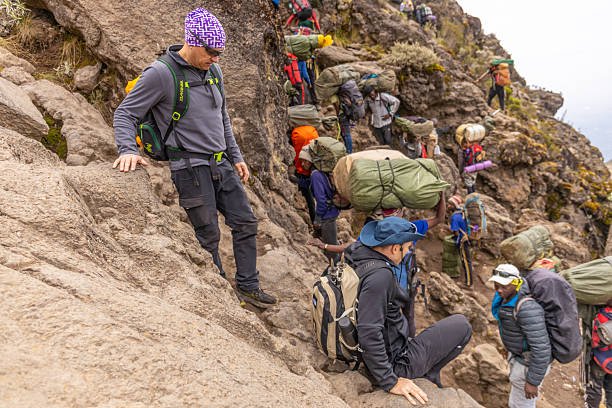
The Barranco Wall can look intimidating from a distance but is normally treated as a nontechnical scrambling section rather than technical rock climbing.
Beginners should follow guide instructions carefully and avoid rushing.
Marangu Route for Beginners
Marangu is distinctive because the main overnight accommodation uses mountain huts rather than tents.
This can appeal to first time climbers who prefer hut accommodation.
The mountain itself is not made easy by the presence of huts.
The compressed five day version provides less acclimatization time than the six day version with an additional Horombo acclimatization day.
Rongai Route for Beginners
Rongai approaches Kilimanjaro from the northern side.
It uses camping accommodation during the ascent and descends through the Marangu side.
Longer Rongai schedules can provide additional acclimatization time.
Beginners should prepare for camping, changing weather and a demanding summit night.
Northern Circuit for Beginners
The Northern Circuit is a longer Kilimanjaro itinerary.
Additional days can provide more time for acclimatization.
The tradeoff is that climbers spend more total days trekking.
Good general endurance therefore remains important.
What Is the Hardest Part for Beginners?
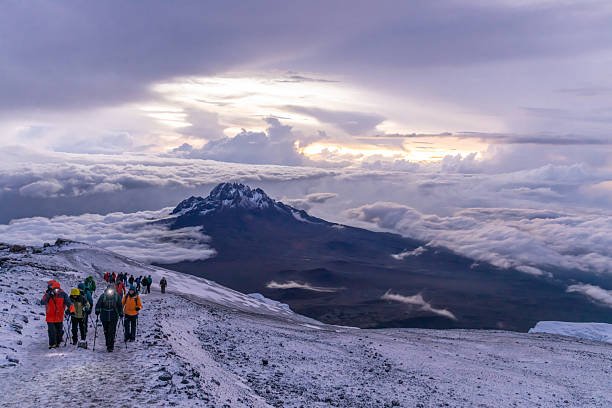
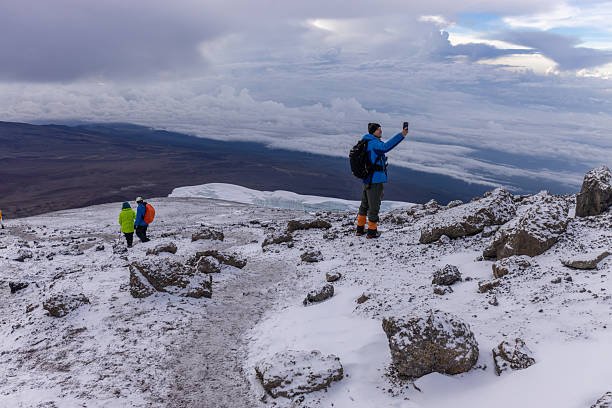
For many first time climbers, summit night is the hardest section.
The summit attempt normally begins late at night or in the early hours.
Conditions can be cold and windy.
Climbers move slowly because of altitude.
The ascent can take many hours, and the long descent afterward adds further physical demand.
Why Summit Night Feels Different
At lower elevations, a fit beginner may feel that the walking is manageable.
Higher on the mountain, reduced oxygen availability changes how the same effort feels.
A slow pace may feel much harder than a faster walk at home.
This is normal at altitude.
Beginners should avoid comparing high altitude pace with normal hiking speed.
Can Beginners Reach Uhuru Peak?
Beginners may reach Uhuru Peak, but it should never be presented as guaranteed.
Success depends on several factors including route length, individual acclimatization, weather, physical condition, pace and health.
A beginner who trains consistently and follows the guide's pace may be well prepared physically.
Altitude still remains unpredictable.
The Summit Is an Objective, Not a Guarantee
A responsible Kilimanjaro climb prioritizes safe ascent and descent. Turning around because of altitude symptoms, exhaustion or weather is sometimes the correct mountain decision.
Understanding Kilimanjaro Altitude
Uhuru Peak is 5,895 metres above sea level.
As elevation increases, oxygen availability decreases.
The body needs time to adjust.
This process is known as acclimatization.
Physical fitness cannot completely control acclimatization.
This is why route duration and pace matter.
Fitness Does Not Prevent Altitude Sickness
One of the most important lessons for beginners is that being very fit does not make you immune to altitude problems.
A competitive athlete may still experience significant symptoms.
A recreational hiker may acclimatize differently.
You should never hide symptoms because you are worried about appearing weak.
Honest communication with the mountain guide is an important part of safe climbing.
Possible Altitude Symptoms
Possible symptoms may include headache, nausea, unusual fatigue, dizziness, reduced appetite or difficulty sleeping.
Symptoms should be reported promptly.
The guide may recommend slowing down, monitoring more closely or descending depending on severity and progression.
Serious or worsening symptoms require appropriate safety decisions.
Daily Health Monitoring
Health checks may be carried out according to the confirmed mountain program.
Guides may ask about symptoms, appetite, hydration, sleep and general wellbeing.
A pulse oximeter may also be used as one part of the assessment where included.
Symptoms and professional guide judgment remain important when making altitude decisions.
Can a Beginner Be Asked to Descend?
Yes.
Any climber, beginner or experienced, may need to descend if continuing becomes unsafe.
Altitude symptoms, illness, exhaustion, injury or difficult weather may influence the decision.
Descending should not be viewed as failure when it is required for safety.
What Equipment Does a Beginner Need?
Good equipment helps manage changing weather and temperatures.
Beginners should receive a complete packing list before the trek.
Clothing should work as a layering system rather than relying on one very heavy item.
Important Kilimanjaro Equipment
- Broken in trekking boots
- Base layers
- Warm insulation layers
- Waterproof jacket and trousers
- Warm summit jacket
- Warm gloves
- Warm hat and sun hat
- Trekking socks
- Suitable sleeping bag
- Daypack
- Headlamp and spare batteries
- Water bottles or hydration system
- Sunglasses and sun protection
- Personal medication
- Trekking poles if preferred
Do Beginners Need Expensive Equipment?
The most important issue is whether the equipment is suitable for mountain conditions and fits correctly.
Not every item must be the most expensive option available.
Some trekking equipment may be available for rental according to the confirmed operator arrangements.
Critical personal items such as boots should be tested carefully before the climb.
Why Boots Matter for First Time Climbers
Do not arrive with completely new trekking boots.
Use them during training.
Test the socks and insoles you intend to wear.
This helps identify rubbing or pressure problems before the mountain.
Foot discomfort can become increasingly frustrating over several trekking days.
Should Beginners Use Trekking Poles?
Trekking poles may help with rhythm and stability.
They can be particularly useful during long descents.
If you plan to use them, practice before Kilimanjaro.
Training helps you learn a comfortable pole length and technique.
How Much Does a Beginner Carry?
Climbers normally carry a personal daypack.
The main mountain duffel is carried by porters according to the confirmed trekking arrangement and applicable weight limit.
Your daypack may contain water, rain gear, warm layers, snacks, personal medication, camera and other items needed during the day.
Train with your daypack so the fit becomes familiar.
Camping versus Hut Accommodation
Machame, Lemosho and Rongai normally use camping during the ascent.
Marangu uses mountain huts at the main overnight stops.
A beginner who has little camping experience may prefer huts, while another traveller may enjoy a camping route with a longer or more varied itinerary.
Accommodation style should be considered together with route duration and acclimatization rather than by itself.
What Is Camping Like on Kilimanjaro?
Camping routes use designated mountain camps.
Climbers sleep in tents according to the confirmed package.
Nights can be cold.
Beginners should have a suitable sleeping bag and warm clothing.
Sleeping quality can vary, especially as altitude increases.
How Important Is the Mountain Guide?
Professional mountain guides are central to the trekking experience.
They manage route timing, walking pace, health monitoring and mountain safety decisions.
Beginners should communicate openly with guides rather than trying to prove they can manage everything independently.
Following instructions becomes increasingly important as altitude increases.
The Role of the Mountain Crew
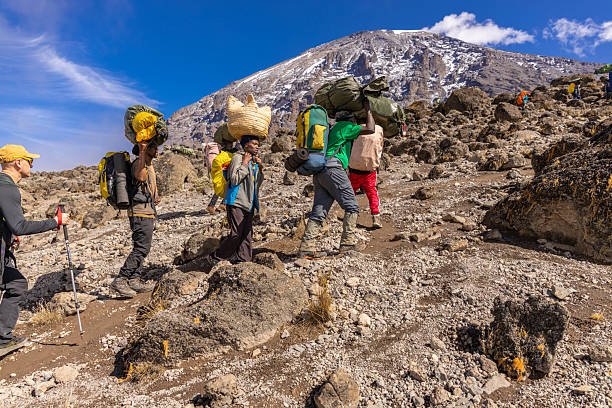
The mountain team may include guides, assistant guides, cooks and porters depending on group size and the confirmed trekking arrangement.
Porters transport the main expedition equipment and personal duffels within applicable limits.
The cook prepares mountain meals according to the program.
The guide team manages climber progress and safety.
Mountain Meals for Beginners
Eating consistently helps support energy during multiple trekking days.
Appetite can decrease at altitude.
Dietary requirements and allergies should be communicated before the climb.
Meals and snacks should be confirmed according to the booked package.
Hydration on Kilimanjaro
Regular hydration is important during trekking.
Climbers should follow guide advice and drink consistently rather than waiting until they feel extremely thirsty.
Water containers should be easy to access during the day.
Training walks can help you determine which hydration system works best for you.
Cold Weather for First Time Climbers
Some beginners underestimate how cold summit night can feel.
Wind can increase the effect of low temperatures.
Layering is important because climbers need to adjust clothing as exertion and conditions change.
Warm gloves, suitable socks and head protection are especially important.
Rain and Changing Weather
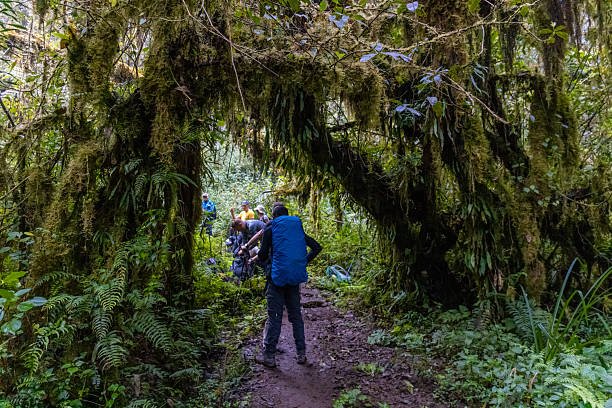
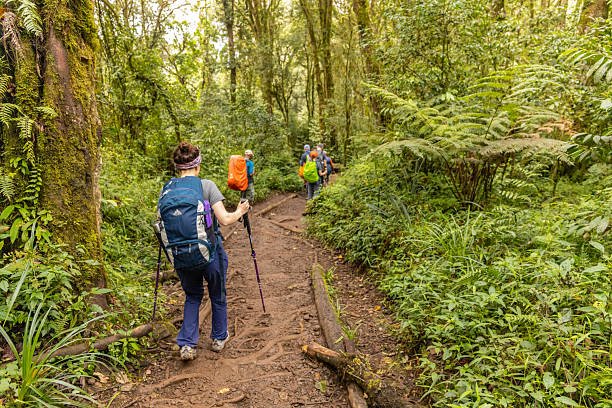
Kilimanjaro passes through several ecological zones.
Rain can occur in lower forest areas.
Higher sections may be dry, windy and cold.
Weather can change quickly, so waterproof clothing should remain accessible rather than buried at the bottom of the main duffel.
Mental Preparation for Beginners
Kilimanjaro is not only a physical challenge.
Climbers need patience.
Some days may feel long.
Summit night may feel repetitive and mentally demanding.
Long training hikes help beginners become familiar with continuing steadily when slightly tired.
Mental strength should never mean ignoring serious symptoms.
Common Beginner Mistakes on Kilimanjaro
- Choosing a very short itinerary only to save time
- Walking too quickly on lower mountain days
- Arriving with untested boots
- Training only in a gym and never walking long distances
- Ignoring downhill preparation
- Packing too much unnecessary equipment
- Not practicing with the daypack
- Assuming fitness prevents altitude problems
- Hiding symptoms from the guide
- Treating the summit as guaranteed
Should Beginners Choose More Days?
Additional trekking days can provide more time for gradual altitude adjustment.
This does not guarantee success, but it can reduce the compression of the ascent.
Beginners should compare route schedules carefully rather than only looking at the total price or shortest duration.
The mountain experience is affected significantly by how quickly elevation is gained.
Can Beginners Climb Kilimanjaro Solo?
Kilimanjaro trekking is organized with licensed guiding arrangements according to current park requirements.
A solo traveller may book a private trek or join a compatible group departure according to availability.
Solo travel does not mean trekking the mountain independently without the required guide and mountain support arrangements.
Group Joining for Beginners
A group joining climb can allow first time climbers to trek with other travellers following the same route and schedule.
The pace should still be managed according to mountain safety rather than competition between group members.
Climbers may respond differently to altitude even when they start with similar fitness levels.
Private Kilimanjaro Climb for Beginners
A private climb can provide dedicated guide arrangements and more flexibility within the confirmed itinerary.
This can be useful for couples, families or travellers who prefer a more personalized trekking environment.
The route schedule and safety principles remain important regardless of whether the climb is private or shared.
Can Older Beginners Climb Kilimanjaro?
Age alone does not determine whether someone can prepare for Kilimanjaro.
Fitness, mobility, recovery, hiking experience and relevant medical considerations are more useful factors.
Older beginners may prefer a longer training period and a route that provides additional acclimatization time.
Anyone with relevant health concerns should seek appropriate professional medical advice before undertaking high altitude trekking.
Can Families and Younger Beginners Climb?
Family climbs require additional consideration.
Age related park requirements, maturity, trekking ability and the ability to communicate symptoms all matter.
Younger climbers should not be treated as simply smaller adults because altitude response and communication can create additional concerns.
Families should discuss the itinerary carefully with the operator and seek appropriate medical guidance where relevant.
Travel Insurance for Beginner Climbers
Travellers should arrange suitable insurance for high altitude trekking.
The policy should be reviewed carefully for altitude limits, medical treatment and evacuation coverage.
Insurance documents and emergency information should remain accessible during the trip.
Emergency Planning
High altitude trekking requires a clear plan for illness, injury and altitude related problems.
First aid equipment, emergency oxygen and other safety resources may be carried according to the confirmed trekking program.
Serious altitude related conditions generally require descent.
Beginners should understand this before beginning the mountain rather than viewing descent as an unexpected failure.
Beginner Kilimanjaro Preparation Checklist
Before You Arrive in Tanzania
- Choose an appropriate Kilimanjaro route
- Allow enough time for acclimatization
- Build hiking endurance
- Train on hills or inclines
- Strengthen legs and core
- Practice downhill walking
- Train with your daypack
- Break in your trekking boots
- Practice using trekking poles if needed
- Review your full equipment list
- Arrange suitable travel insurance
- Declare dietary requirements and allergies
- Understand basic altitude symptoms
- Plan to walk slowly on the mountain
- Accept that summit success is not guaranteed
Frequently Asked Questions
Can beginners climb Kilimanjaro?
Yes, many first time trekkers attempt Kilimanjaro successfully after suitable preparation, but the climb remains physically demanding and summit success is never guaranteed.
Do beginners need mountaineering experience?
Technical mountaineering experience is not normally required on standard Kilimanjaro trekking routes, although previous hiking experience is very useful.
Can Kilimanjaro be my first mountain?
It can be a first major mountain trek for a properly prepared traveller, but regular hiking and fitness training before arrival are strongly useful.
How fit does a beginner need to be?
A beginner should have enough endurance to walk steadily for several hours on consecutive days and enough leg strength for sustained uphill and downhill trekking.
How long should a beginner train?
Many climbers use roughly 8 to 12 weeks of structured preparation, while those starting from a lower fitness base may benefit from longer training.
What is the best exercise for beginners?
Regular hiking is highly useful because it develops walking endurance, uphill ability, downhill strength and familiarity with trekking equipment.
Can I prepare without mountains?
Yes. Incline treadmill walking, stairs, long walks and strength training can provide useful preparation where hills are unavailable.
Do I need to run?
No. Running can improve cardiovascular fitness, but hiking and long walking are more specific to Kilimanjaro.
Which Kilimanjaro route is best for a beginner?
There is no single route for every beginner. Longer itineraries on routes such as Lemosho, Machame, Rongai, Marangu or Northern Circuit may provide more acclimatization time than compressed schedules.
Is Marangu good for beginners?
Marangu uses mountain huts and may appeal to beginners who prefer hut accommodation. The six day schedule provides more acclimatization time than the compressed five day version.
Is Lemosho suitable for first time climbers?
Longer Lemosho itineraries can provide several days of gradual trekking and acclimatization, although climbers should be comfortable with camping and multiple trekking days.
Is Machame too difficult for beginners?
Prepared first time trekkers may use Machame. It includes varied terrain and the Barranco Wall, which is generally a nontechnical scrambling section rather than technical rock climbing.
What is the hardest part of Kilimanjaro for beginners?
For many climbers, summit night is the hardest part because it combines cold conditions, long duration, steep uphill walking and very high altitude.
Can beginners reach Uhuru Peak?
Beginners may reach Uhuru Peak after suitable preparation, but altitude response, weather, pacing, health and individual acclimatization mean the summit cannot be guaranteed.
Does being fit prevent altitude sickness?
No. Fitness helps with the physical workload but does not make a climber immune to altitude related illness.
Can a beginner be asked to descend?
Yes. A guide may recommend or require descent if altitude symptoms, illness, exhaustion or another safety concern makes continuing inappropriate.
Should beginners use trekking poles?
Trekking poles may help with balance, rhythm and downhill walking. Beginners who plan to use them should practice before the climb.
Do beginners carry all their luggage?
No. Porters normally carry the main personal mountain duffel within the applicable weight allowance, while climbers carry their own daypacks.
Can beginners rent trekking equipment?
Rental equipment may be available according to the confirmed operator arrangements. Critical equipment should be checked for correct fit and condition before the trek.
Can a beginner join a group climb?
Yes. A compatible group joining departure may be suitable where the route and dates match, although each climber's altitude response is monitored individually.
Can beginners book a private climb?
Yes. Private Kilimanjaro climbs may be arranged according to availability and the confirmed package.
Do beginners need travel insurance?
Travellers should arrange suitable insurance that covers the intended high altitude trekking, medical treatment and evacuation according to the policy terms.
Should beginners choose a longer itinerary?
Additional mountain days can provide more time for gradual acclimatization. Route choice should also consider fitness, accommodation preference, available time and the overall climbing program.
What is the most important advice for a beginner climbing Kilimanjaro?
Prepare consistently, choose a suitable itinerary, test your equipment, walk slowly, communicate honestly with your guide and remember that safe descent is always more important than forcing a summit attempt.
Prepare for Your First Kilimanjaro Climb
First time climbers can prepare for Kilimanjaro by building hiking endurance, choosing an appropriate route, using suitable mountain equipment and allowing enough time for gradual acclimatization.
Plan Your Beginner Kilimanjaro Climb

 Kilimanjaro Climb