How Hard Is Climbing Kilimanjaro?
How Hard Is Climbing Kilimanjaro is one of the most common questions asked by travellers planning to reach Uhuru Peak at 5,895 metres.
Kilimanjaro is physically demanding, but standard trekking routes are not normally technical mountaineering routes. Most climbers do not need ropes, advanced rock climbing experience or specialist mountaineering skills.
The real difficulty comes from several challenges happening together: multiple days of walking, increasing altitude, changing weather, cold temperatures, camping, uneven terrain and an exceptionally long summit day.
For many trekkers, altitude is the biggest challenge. A person can arrive extremely fit and still experience headaches, nausea, fatigue or other altitude related symptoms.
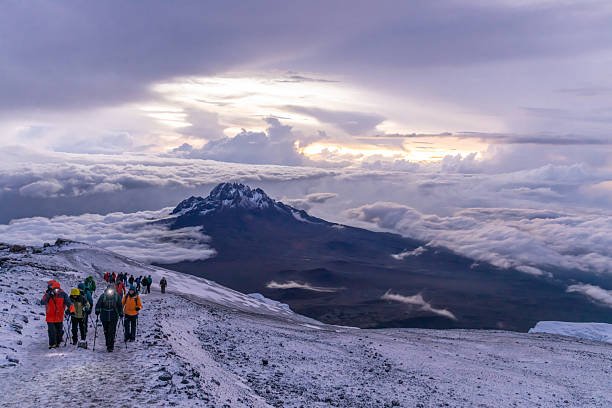
Summit night also makes Kilimanjaro difficult because trekkers normally leave camp late at night or around midnight, climb slowly through darkness and cold, reach very high elevation and then complete a long descent.
Depending on route, pace and conditions, summit day can involve approximately 12 to 16 hours of total trekking for many climbers.
Kilimanjaro is therefore achievable for many reasonably fit and properly prepared travellers, but it should not be underestimated.
Altitude affects every individual differently, and no route, training plan or fitness level can guarantee reaching Uhuru Peak.
How Hard Is Climbing Kilimanjaro at a Glance?
- Technical difficulty: Generally low on standard trekking routes.
- Physical difficulty: Moderate to demanding because of consecutive trekking days.
- Altitude difficulty: Significant because Uhuru Peak reaches 5,895 metres.
- Summit day: Often approximately 12 to 16 hours of total trekking.
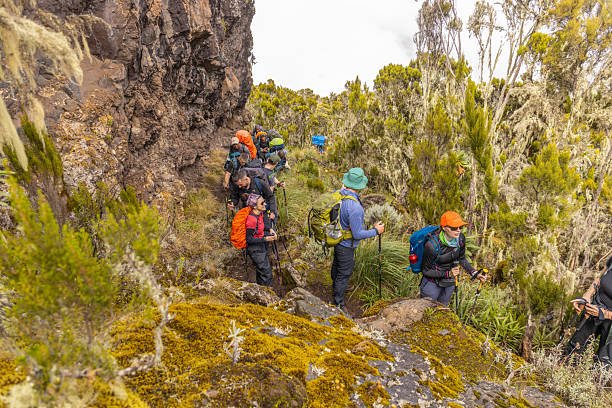
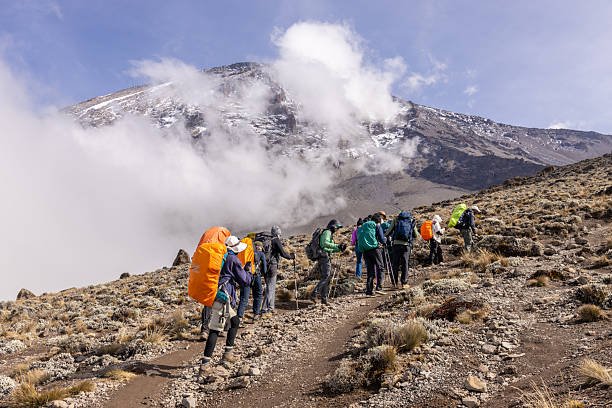
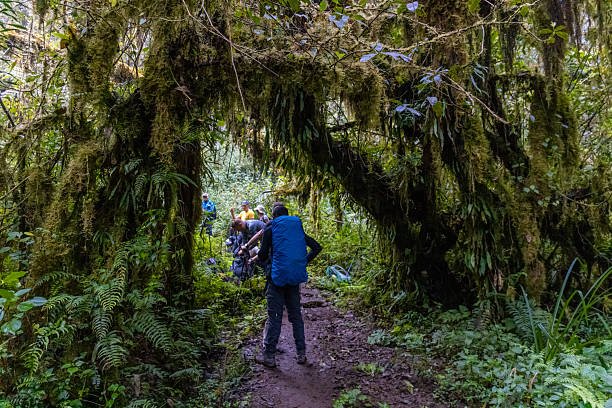
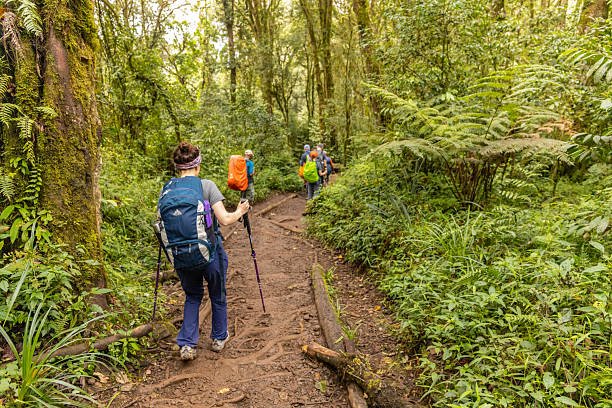
- Terrain: Rainforest, rocks, dust, scree, alpine desert and high altitude trails.
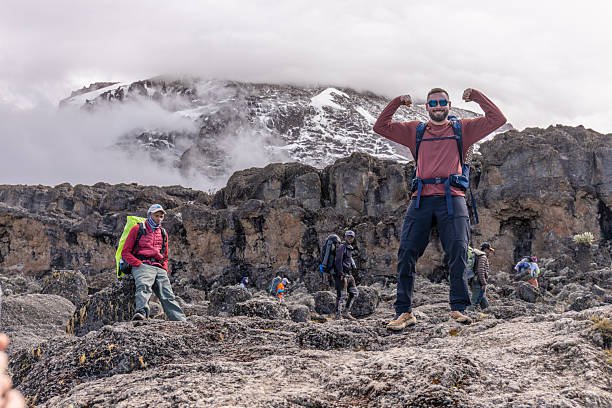
- Weather: Can include rain, strong wind, intense sun, freezing temperatures and snow.
- Training: Walking endurance, hills, strength and consecutive hiking days are useful.
- Main challenge: Altitude combined with prolonged physical effort.
How Hard Is Climbing Kilimanjaro Compared With Normal Hiking?
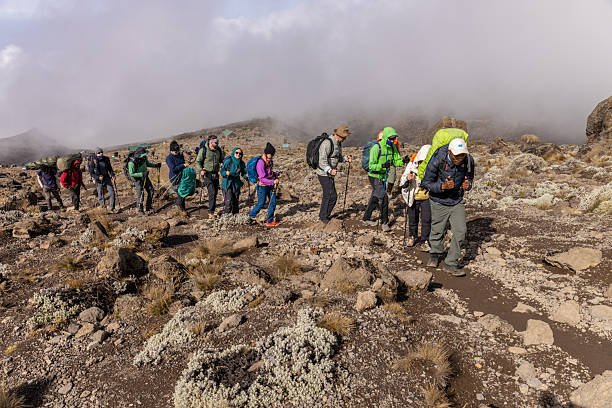
Kilimanjaro is substantially more demanding than an ordinary day hike because the effort continues for several consecutive days while altitude steadily increases.
On lower sections, walking may feel similar to a long mountain hike.
As elevation increases, the same walking pace can feel significantly harder because less oxygen is available.
Trekkers must also sleep at altitude and wake the next morning to continue climbing.
This repeated effort is one of the major differences between Kilimanjaro and a normal weekend hike.
What Makes Kilimanjaro Difficult?
- High altitude
- Several consecutive trekking days
- Long summit night
- Cold temperatures
- Variable weather
- Uneven terrain
- Steep climbing and descending
- Sleeping in mountain camps or huts
- Physical fatigue accumulating over several days
- Mental challenge of continuing slowly for many hours
Altitude Is Usually the Biggest Challenge
Mount Kilimanjaro reaches 5,895 metres above sea level.
As elevation increases, the air becomes thinner and the body has less oxygen available.
This is why a slow pace and sufficient acclimatization time are important.
A trekker may feel strong at lower elevation and later notice headaches, appetite changes, nausea, dizziness, fatigue or other symptoms as altitude increases.
Physical fitness does not make a climber immune to altitude related problems.
A highly trained runner may still struggle while a slower recreational hiker may respond differently.
Altitude Becomes Increasingly Noticeable As You Climb
- Breathing may feel more demanding.
- Walking pace normally becomes slower.
- Appetite may change.
- Sleep can become less comfortable.
- Ordinary effort can feel more tiring.
- Recovery may take longer.
- Climbers need to report symptoms honestly to their guides.
How Hard Is Kilimanjaro Summit Night?
Summit night is usually the most difficult part of climbing Kilimanjaro.
Most standard itineraries begin the final ascent late at night or around midnight.
Trekkers walk through darkness using headlamps while temperatures can be extremely cold.
The pace is intentionally slow because climbers are already above 4,600 metres and continue toward elevations above 5,000 metres.
Why Summit Night Feels Difficult
- You begin after limited sleep or rest.
- The climb takes place at very high altitude.
- Temperatures can be extremely cold.
- Much of the ascent takes place in darkness.
- The slope can feel repetitive and tiring.
- Walking speed is deliberately slow.
- You may already be fatigued from previous trekking days.
- The descent after the summit attempt is long.
How Many Hours Is Summit Day?
Summit day varies according to route, starting camp, pace, conditions and the climber's progress.
For many climbers using routes such as Machame or Lemosho, the complete ascent from the summit camp and descent toward Mweka can involve approximately 12 to 16 hours of trekking.
This is why endurance training is important even though the ascent itself is completed very slowly.
Stella Point and Uhuru Peak
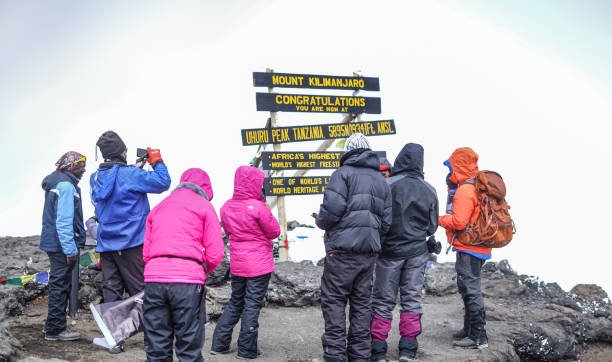
Machame and Lemosho climbers normally reach Stella Point on the crater rim before continuing toward Uhuru Peak.
Stella Point is approximately 5,756 metres above sea level.
Uhuru Peak is approximately 5,895 metres.
The final distance between the crater rim and Uhuru Peak can feel demanding because it takes place at extreme altitude after several hours of climbing.
A climber should continue only when their condition allows and the guide considers it appropriate.
Is Kilimanjaro Technically Difficult?
Standard Kilimanjaro routes are primarily trekking routes rather than technical climbing routes.
Most travellers do not need ropes, ice climbing experience or advanced mountaineering skills.
However, this does not mean the mountain is easy.
High altitude and endurance make Kilimanjaro challenging even without technical climbing.
Does Kilimanjaro Require Rock Climbing?
Standard routes generally do not require technical rock climbing.
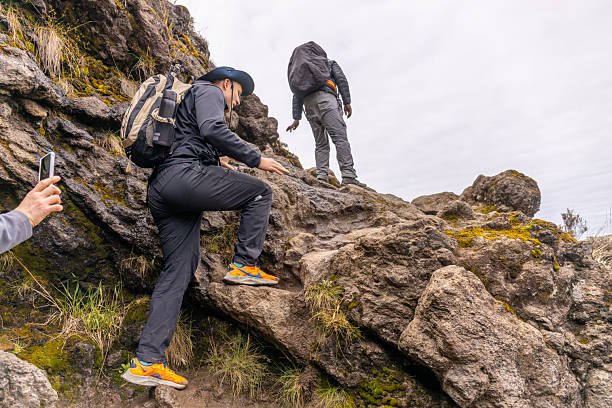
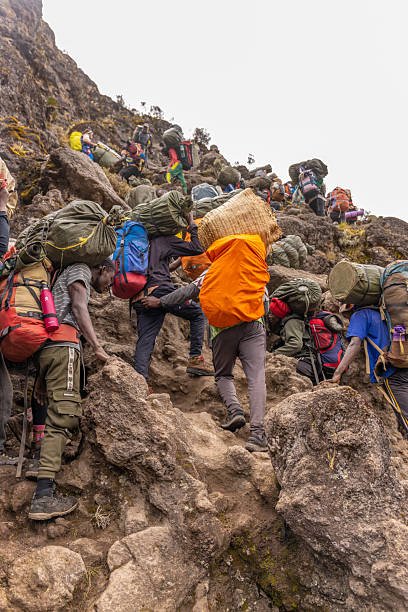
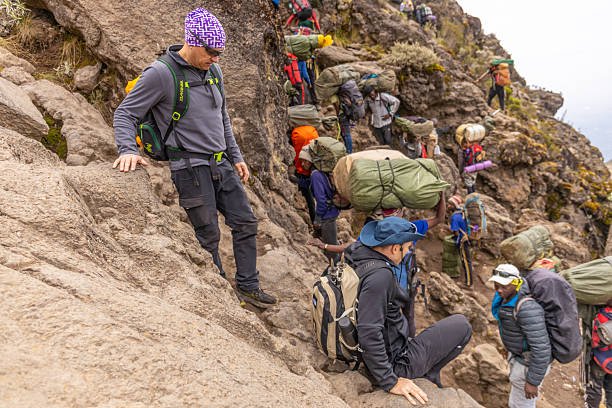
Machame and Lemosho include the Barranco Wall, where trekkers use their hands for balance on some sections.
This is normally described as scrambling rather than technical climbing.
Guides assist climbers through steeper and narrower sections.
How Hard Is the Barranco Wall?
The Barranco Wall often appears much more intimidating from camp than it feels once trekkers begin climbing.
The ascent is steep and contains narrow sections, but it is completed gradually with the mountain guide team.
Barranco Wall Requires
- Steady walking
- Basic balance
- Some scrambling
- Using hands for stability at selected points
- Following guide instructions
- Patience in narrower sections
It does not normally require previous rock climbing experience.
How Hard Is the Daily Walking?
Many ordinary trekking days involve approximately four to eight hours of walking depending on the route, camp location and individual pace.
Some days are shorter while others are considerably longer.
The challenge comes from repeating these walks day after day while increasing elevation.
The usual goal is not speed. Kilimanjaro guides commonly encourage a slow, controlled pace.
Is Walking Slowly a Sign You Are Struggling?
No. Walking slowly is normal on Kilimanjaro.
A slow pace helps climbers conserve energy and limits unnecessary physical stress.
Fast hiking at lower altitude does not provide an advantage if it causes excessive fatigue as elevation increases.
Patience is one of the most useful qualities on the mountain.
How Fit Do You Need to Be?
You do not need elite athletic fitness, but good trekking endurance is important.
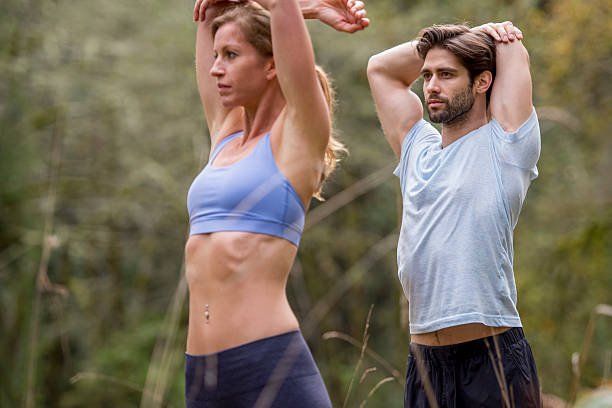
A well prepared climber should gradually become comfortable walking for several hours, climbing hills and walking again the following day.
Useful Fitness Preparation
- Long distance walking
- Hill hiking
- Stair climbing
- Cardiovascular conditioning
- Leg strengthening
- Core exercises
- Downhill walking practice
- Training with a daypack
- Back to back hiking days
Can Beginners Climb Kilimanjaro?
Many travellers attempt Kilimanjaro as their first major high altitude trek.
Previous mountaineering experience is not normally required on standard routes.
However, beginners should train properly and understand that the absence of technical climbing does not make the mountain easy.
Learning how your boots, daypack, clothing and trekking poles perform during long training hikes can make preparation more realistic.
Can Someone With Average Fitness Climb Kilimanjaro?
Many climbers begin with average fitness and improve through several months of consistent preparation.
The important question is not whether someone considers themselves athletic.
The practical question is whether they can develop enough endurance to walk for several hours on consecutive days and manage hills and long descents.
Can an Unfit Person Climb Kilimanjaro?
Attempting Kilimanjaro while significantly underprepared can make ordinary trekking days much more difficult.
Guides can manage pace and logistics, but they cannot replace physical preparation.
If current fitness is low, allowing sufficient time for gradual conditioning is preferable to relying on motivation alone.
Does Being Very Fit Make Kilimanjaro Easy?
No.
Excellent physical conditioning can make walking and recovery easier, but altitude remains unpredictable.
Strong athletes sometimes struggle because they are accustomed to moving quickly and may underestimate the importance of slow pacing.
Fitness is an advantage, but it is not protection against altitude.
How Hard Is Climbing Kilimanjaro on Machame Route?
Machame includes varied terrain, Lava Tower, Barranco Wall and a summit attempt from Barafu Camp.
The seven day Machame itinerary normally provides a separate overnight at Karanga, while the six day version combines Barranco to Karanga and Karanga to Barafu into one longer day.
Seven Day Machame
Provides a separate Karanga overnight and more time before Barafu and summit night.
Six Day Machame
Combines the Barranco, Karanga and Barafu progression into a more compressed schedule.
Both require good endurance, but the seven day itinerary offers additional time within the mountain schedule.
How Hard Is Climbing Kilimanjaro on Lemosho Route?
Lemosho is commonly scheduled over seven or eight days.
It approaches from the western side before joining the southern circuit and normally includes Lava Tower, Barranco Wall, Karanga and Barafu.
The longer itinerary provides more time for gradual altitude exposure, but climbers still need substantial walking endurance and must complete summit night.
How Hard Is Marangu Route?
Marangu uses hut accommodation rather than tents, but the availability of huts should not be confused with an easy climb.
The route still reaches the same 5,895 metre summit.
Shorter Marangu itineraries can also involve relatively rapid altitude gain.
Summit day from Kibo remains physically demanding.
How Hard Is Rongai Route?
Rongai approaches Kilimanjaro from the north and uses a different ascent profile from Machame and Lemosho.
Trekkers still face consecutive mountain days, significant altitude and a demanding summit attempt from the Kibo area.
Good endurance remains important regardless of route.
How Hard Is the Northern Circuit?
The Northern Circuit spends more days on the mountain and approaches the summit after traversing around the northern side.
Additional days can provide more time for acclimatization, but trekkers still need enough endurance to walk repeatedly and complete the final summit stage.
A longer route does not remove the physical and altitude challenges.
Does Route Duration Affect Difficulty?
Yes.
A shorter itinerary generally gives the body less time to adjust to altitude.
Longer routes can distribute trekking over more days and create a more gradual mountain schedule.
This does not make the mountain easy, but additional acclimatization time can be valuable.
Route Duration Changes the Challenge
- Shorter route: Fewer days but a more compressed altitude schedule.
- Longer route: More total trekking days but generally more time for acclimatization.
- Summit day: Remains difficult regardless of route.
How Difficult Is the Weather?
Kilimanjaro passes through several ecological zones, so weather can change significantly during the same trek.
Lower slopes may be warm and wet while higher elevations can be dry, windy and extremely cold.
Weather Challenges Can Include
- Rain in the forest
- Mud
- Strong sunlight
- Large temperature changes
- Strong wind
- Freezing temperatures
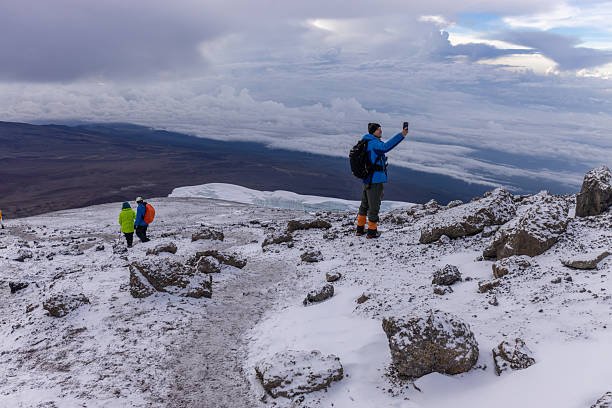
- Snow or ice around the summit zone
How Cold Is Kilimanjaro?
Temperatures vary greatly according to altitude, weather and time of day.
The summit zone can be extremely cold, especially during the nighttime ascent.
Wind can make conditions feel even colder.
Proper thermal layers, insulated clothing, gloves, head protection and waterproof outer layers are important.
Is Camping Part of the Difficulty?
Machame, Lemosho, Rongai and Northern Circuit normally use tented camps.
Sleeping outdoors for several consecutive nights can add to fatigue, particularly when temperatures decrease and altitude affects sleep.
Marangu uses huts, but hut accommodation does not remove the altitude or summit challenge.
How Hard Are the Descents?
Descending is sometimes underestimated.
After reaching the summit area, trekkers still need to walk downhill for several hours.
Tired quadriceps, knees and feet can make the descent challenging.
Training downhill and practicing with trekking poles can help prepare for this part of the mountain.
Mental Difficulty of Kilimanjaro
Kilimanjaro is also mentally demanding.
Summit night can involve hours of slow movement with limited visibility and very little sense of rapid progress.
Patience becomes important.
Climbers who understand in advance that the pace will be slow and the effort prolonged may find it easier to manage expectations.
Mental Challenges May Include
- Walking when tired
- Cold summit conditions
- Slow progress
- Limited sleep before summit night
- Managing uncertainty about altitude response
- Accepting that safety may require turning around
How Can Training Make Kilimanjaro Easier?
Training cannot make high altitude disappear, but it can reduce the amount of energy required for normal walking.
A climber who has prepared for hills, long hikes and repeated trekking days may have more physical reserve for the mountain.
Useful Kilimanjaro Training
- Regular walking
- Long weekend hikes
- Hill training
- Stair climbing
- Leg strength exercises
- Core strength
- Downhill practice
- Training with hiking boots
- Training with trekking poles
- Back to back hiking days
How Long Should You Train?
The appropriate preparation period depends on your starting fitness.
Someone who hikes regularly may already have a strong endurance base, while someone who has been inactive will generally need more gradual preparation.
Starting several months before departure gives many travellers more time to increase walking distance and elevation gradually.
The goal is consistent progression rather than last minute intense exercise.
Training if You Live Somewhere Flat
You do not need nearby mountains to prepare.
- Use staircases
- Use stadium steps
- Walk on an inclined treadmill
- Use stair machines
- Complete long urban walks
- Carry your planned daypack
- Include strength training
Does Running Help?
Running can improve cardiovascular fitness if you already enjoy it.
However, running is not required for Kilimanjaro.
Long walking and hiking sessions are more specific preparation because walking is what you will actually do on the mountain.
Can Gym Training Prepare You?
Gym training can strengthen your legs, core and cardiovascular system.
However, gym sessions should ideally be combined with outdoor walking or hiking.
Real trails allow you to test boots, socks, trekking poles, backpack comfort and uneven terrain.
Does Your Daypack Make the Climb Harder?
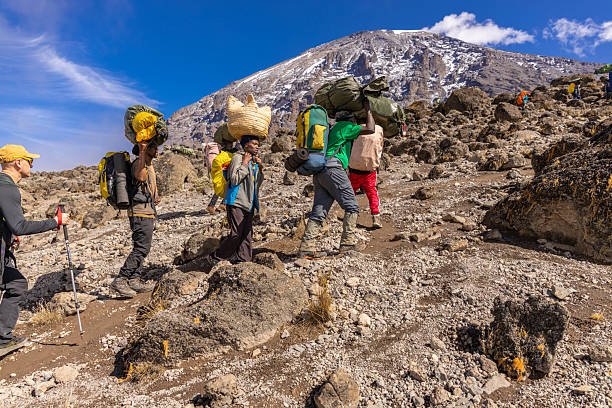
Climbers normally carry a personal daypack while porters carry approved camp equipment and allocated trek luggage.
Your daypack may contain water, waterproof clothing, warm layers, snacks, sunscreen and personal items.
Training with a realistically loaded daypack helps prepare your shoulders, back and core.
Do Trekking Poles Make Kilimanjaro Easier?
Trekking poles can help with stability and can be particularly useful during long descents.
They do not remove the physical challenge, but many trekkers find them useful on uneven or steep terrain.
Practice before travelling so pole use feels natural.
Does Age Make Kilimanjaro Harder?
Age alone does not determine whether someone is prepared for Kilimanjaro.
Walking endurance, recovery, mobility, general conditioning and individual health are more useful practical considerations.
Younger climbers who do not train can struggle, while older trekkers who are active and well prepared may have strong endurance.
Anyone with health concerns or uncertainty about strenuous high altitude activity should seek appropriate individual medical guidance before travelling.
Is Kilimanjaro Hard for Older Travellers?
Older travellers may need to pay greater attention to recovery and training progression, but age by itself does not describe trekking ability.
A longer route may provide a more gradual mountain schedule, although altitude response remains individual.
Is Kilimanjaro Hard for Young Climbers?
Younger age does not automatically make the mountain easy.
High altitude still affects younger trekkers, and endurance, pacing and guide monitoring remain important.
Family trips should also consider applicable mountain requirements and the individual readiness of each participant.
How Hard Is Kilimanjaro if You Are Overweight?
Body size alone does not determine whether someone can trek Kilimanjaro.
The practical considerations are walking endurance, strength, mobility, recovery and individual health.
Training should focus on becoming comfortable with long walking days rather than meeting a particular appearance or body size.
Does Previous Altitude Experience Help?
Previous high altitude trekking can help a traveller understand how they personally felt during earlier trips.
However, previous success at altitude does not guarantee the same response on Kilimanjaro.
Every trip involves different elevation profiles, weather, sleep, health and individual circumstances.
Does a Longer Route Make Kilimanjaro Easier?
A longer route can make the altitude schedule more gradual and may divide trekking into more manageable stages.
However, longer routes also involve more total days of walking and camping.
Summit night remains demanding.
It is therefore more accurate to say that longer routes provide more acclimatization time rather than saying they make Kilimanjaro easy.
How Important Is Pacing?
Pacing is extremely important.
Kilimanjaro is not a race.
Trying to prove fitness by walking faster than necessary can consume energy that may be useful later in the trek.
A slow, controlled pace is normal and appropriate.
How Important Is the Guide?
Mountain guides manage route timing, pacing, health observations and safety decisions.
Climbers should communicate openly about how they feel rather than hiding symptoms because they are worried about being asked to descend.
Reaching Uhuru Peak is never more important than health and safety.
Good Mountain Habits
- Walk slowly.
- Listen to the guide.
- Report symptoms honestly.
- Eat as well as possible.
- Drink regularly according to guide advice.
- Wear appropriate clothing.
- Rest when possible.
- Accept descent when safety requires it.
Can You Make Kilimanjaro Easier by Choosing the Right Route?
Route choice can significantly affect the overall experience.
A longer itinerary generally provides more time for altitude adjustment.
Shorter schedules may appeal to travellers with limited time, but they provide a more compressed acclimatization profile.
When choosing a route, consider available days, fitness, previous trekking experience and how much acclimatization time you prefer.
Seven Day Machame Difficulty
Seven day Machame includes a separate overnight at Karanga Camp before continuing to Barafu.
A standard outline is:
- Day 1: Machame Gate to Machame Camp
- Day 2: Machame Camp to Shira
- Day 3: Shira to Lava Tower to Barranco
- Day 4: Barranco to Karanga
- Day 5: Karanga to Barafu
- Day 6: Barafu to Stella Point to Uhuru Peak to Mweka
- Day 7: Mweka to Mweka Gate
The separate Karanga overnight creates additional time before summit night compared with six day Machame.
Seven Day Lemosho Difficulty
A seven day Lemosho itinerary commonly travels from the western approach toward Shira before joining the southern circuit.
It still includes substantial altitude gain, Lava Tower, Barranco, Karanga, Barafu and summit night.
Good fitness and careful pacing remain important.
Eight Day Lemosho Difficulty
Eight day Lemosho provides more time on the mountain and generally creates a more gradual progression than shorter itineraries.
However, climbers still need enough endurance for repeated hiking days and summit night.
Additional time improves the itinerary profile but does not guarantee reaching the summit.
How Difficult Is Sleeping on Kilimanjaro?
Sleep quality can change as altitude increases.
Trekkers may also need to adjust to tents, cold conditions and unfamiliar mountain routines.
Some nights may feel comfortable while others may involve lighter or interrupted sleep.
Summit camp often involves only several hours of attempted rest before the final ascent.
How Difficult Is Eating at Altitude?
Some travellers notice changes in appetite at higher altitude.
Mountain crews normally provide regular meals, but climbers should communicate if eating becomes difficult.
Maintaining energy intake during several days of trekking is useful, especially before summit night.
What Equipment Makes Kilimanjaro More Manageable?
- Comfortable waterproof hiking boots
- Suitable trekking socks
- Warm insulated jacket
- Thermal layers
- Waterproof outer clothing
- Warm gloves
- Warm hat
- Headlamp
- Trekking poles
- Comfortable daypack
- Suitable sleeping bag for camping routes
- Sunglasses and sun protection
Important Information About How Hard Is Climbing Kilimanjaro
How Hard Is Climbing Kilimanjaro depends on altitude, route duration, preparation, weather, terrain and individual response.
Kilimanjaro is not normally a technical climb on standard trekking routes.
Most travellers do not need advanced mountaineering experience.
High altitude is one of the main challenges.
Uhuru Peak is 5,895 metres above sea level.
Fitness does not guarantee successful acclimatization.
Altitude affects everyone differently.
Summit success cannot be guaranteed.
Summit night is normally the most demanding part of the climb.
Many climbers spend approximately 12 to 16 hours trekking during the summit ascent and descent.
Summit attempts normally begin late at night or around midnight on many standard itineraries.
Cold temperatures and wind can increase the difficulty.
Rain and mud can occur in lower mountain zones.
Snow and freezing conditions are possible at high elevation.
Machame and Lemosho routes normally include Barranco Wall.
Barranco Wall involves trekking and scrambling but is not normally technical rock climbing.
Seven day Machame includes a separate Karanga overnight.
Six day Machame is more compressed because Barranco, Karanga and Barafu progression is combined into a longer day.
Longer routes provide more time for acclimatization but do not guarantee a summit.
Good cardiovascular endurance is useful.
Leg strength is useful for both ascent and descent.
Training should include long walks and hills where possible.
Back to back hiking days can help prepare for repeated trekking.
Training with your intended boots, daypack and trekking poles is useful.
Walking slowly is normal on Kilimanjaro.
Mountain guides monitor climbers and make safety decisions.
Any concerning symptoms should be reported honestly.
Turning around when necessary is part of safe mountain decision making.
Reaching Uhuru Peak should never take priority over health and safety.
Travellers with individual medical concerns should seek appropriate professional advice before undertaking strenuous high altitude trekking.
Why Understanding How Hard Is Climbing Kilimanjaro Matters
Understanding the real difficulty of Kilimanjaro helps travellers prepare for the right challenge.
The mountain does not normally demand technical climbing ability, but it does require endurance, patience, adequate equipment and respect for altitude.
Choosing an appropriate route duration and arriving physically prepared can make ordinary trekking days more manageable.
A realistic understanding of summit night also helps climbers arrive mentally prepared for cold, darkness, slow progress and a long descent.
The objective is not to underestimate Kilimanjaro or fear it unnecessarily. The objective is to prepare properly and approach the mountain patiently.
Frequently Asked Questions About How Hard Is Climbing Kilimanjaro
Is climbing Kilimanjaro very hard?
It is physically and mentally demanding because of altitude, consecutive trekking days, cold conditions and a long summit day, although standard routes are not normally technical climbs.
What is the hardest part of Kilimanjaro?
For many climbers, summit night and high altitude are the most challenging parts.
Is altitude harder than the walking?
For many travellers, yes. The trails themselves are mostly trekking terrain, while high altitude can make ordinary walking feel substantially harder.
Do you need technical climbing experience?
No. Standard Kilimanjaro routes normally do not require technical mountaineering experience.
Do you need ropes to climb Kilimanjaro?
Standard trekking routes generally do not require climbers to use technical ropes for the normal ascent.
Is Barranco Wall difficult?
It is steep and includes scrambling, but it is normally completed gradually with guide assistance and does not usually require technical climbing skills.
Can a beginner climb Kilimanjaro?
Yes. Many first time high altitude trekkers attempt Kilimanjaro, but proper preparation and realistic expectations are important.
Do I need to be very fit?
Elite fitness is not required, but good walking endurance and preparation for hills and long trekking days are important.
Can average fitness be enough?
Many travellers begin from average fitness and improve through consistent walking, hiking and strength preparation before the trip.
Can being very fit guarantee the summit?
No. Fitness cannot guarantee how the body will respond to altitude.
How long do you walk each day?
Many trekking days involve approximately four to eight hours of walking, although exact times vary by route and pace.
How long is summit day?
For many climbers, summit ascent and descent can involve approximately 12 to 16 hours of trekking.
Why does summit night start so late?
Many itineraries begin late at night or around midnight so climbers can progress slowly toward the crater rim and summit during the early part of the day.
How high is Uhuru Peak?
Uhuru Peak is approximately 5,895 metres above sea level.
How high is Stella Point?
Stella Point is approximately 5,756 metres above sea level.
Is Kilimanjaro harder because of altitude?
Yes. High elevation is one of the main reasons an otherwise nontechnical trek becomes demanding.
Can fit people experience altitude problems?
Yes. High physical fitness does not prevent altitude related symptoms.
Does a longer route help?
A longer itinerary provides more time for altitude adjustment, although it cannot guarantee successful acclimatization or a summit.
Is seven day Machame easier than six day Machame?
Seven day Machame provides an additional Karanga overnight and a less compressed schedule before summit night, although both routes remain demanding.
Is Lemosho difficult?
Yes. Lemosho still involves multiple trekking days, significant altitude, Barranco Wall on standard itineraries and a long summit day.
Is Marangu easy because it has huts?
No. Hut accommodation changes sleeping arrangements but does not remove altitude, long walking days or summit night difficulty.
Is Northern Circuit easy?
It provides additional days and a longer altitude profile, but trekkers still need substantial endurance and must complete a demanding summit attempt.
Is the cold difficult?
Cold can be a major challenge during summit night, especially when combined with wind and fatigue.
Does it snow on Kilimanjaro?
Snow or icy conditions can occur at high elevation, particularly around the summit zone.
Are the descents hard?
Long descents can be demanding on tired quadriceps, knees and feet, particularly after summit night.
Do trekking poles help?
They can help with stability and may be particularly useful during long descents and uneven sections.
Should I train with my hiking boots?
Yes. Long training walks allow you to test the boots and socks you intend to use on Kilimanjaro.
Should I train with a daypack?
Yes. Training with a realistic daypack helps prepare your back, shoulders and core for several hours of walking.
Is running required?
No. Running can support fitness, but hiking, hill walking and sustained walking are more specific preparation.
Can I prepare without mountains near home?
Yes. Stairs, inclined treadmills, stair machines, long walks and strength training can all contribute to preparation.
Is Kilimanjaro mentally difficult?
It can be. Summit night requires patience, slow movement and persistence while dealing with cold, fatigue and high altitude.
Can older travellers climb Kilimanjaro?
Age alone does not determine trekking ability. Endurance, mobility, recovery, preparation and individual health are more useful considerations.
Can someone who is overweight climb Kilimanjaro?
Body size alone does not determine success. Practical endurance, mobility, strength and individual health are more relevant to preparation.
Can an unfit person climb Kilimanjaro?
Attempting the trek significantly underprepared can make ordinary mountain days much harder, so building fitness beforehand is advisable.
Can I walk slowly on Kilimanjaro?
Yes. A slow and steady pace is normal and commonly encouraged on the mountain.
What if I feel sick at altitude?
Tell your mountain guide immediately so your condition can be assessed and appropriate action taken.
Can a guide make me turn around?
Guides may require descent when they consider continuing unsafe. Health and safety take priority over reaching the summit.
Is summit success guaranteed on a longer route?
No. Additional days provide more acclimatization time, but summit success cannot be guaranteed.
How should I prepare after learning How Hard Is Climbing Kilimanjaro?
Choose an appropriate route duration, train progressively with long walks and hills, test your equipment, arrive rested and follow your guide's pacing and safety instructions on the mountain.
Plan Your Trip After Learning How Hard Is Climbing Kilimanjaro
Choose a Kilimanjaro itinerary that matches your available time and trekking experience, prepare with progressive endurance training and approach the mountain with a slow pace, realistic expectations and respect for altitude.
Plan Your Kilimanjaro Climb

 Kilimanjaro Climb