How to Visit Southern Serengeti for Calving Season 2026-2027
How to Visit Southern Serengeti for Calving Season 2026-2027 is one of the most important planning questions for travellers who want to experience the Great Wildebeest Migration during its birthing period.
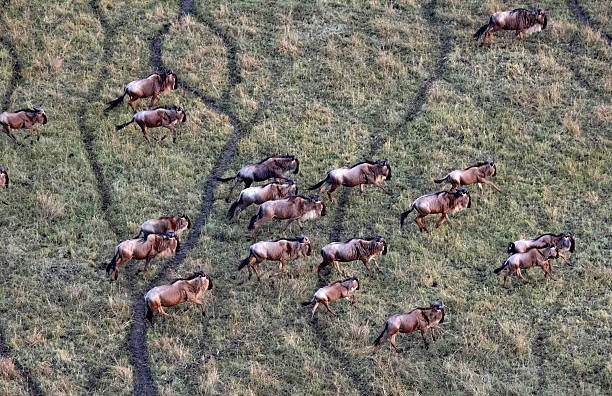
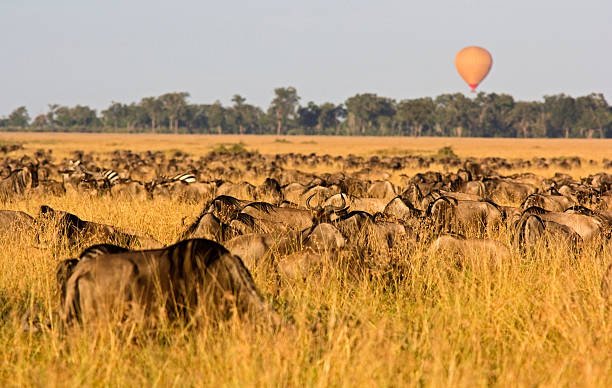
The southern plains become one of the most wildlife-rich areas of the Serengeti ecosystem when huge herds of wildebeest gather on fresh short grass to give birth.
Newborn calves, large concentrations of grazing animals and intense predator activity make this period completely different from the famous river-crossing season in northern Serengeti.
The key to a successful safari is being positioned in the correct southern area rather than simply booking accommodation somewhere within the wider Serengeti ecosystem.
Southern Serengeti Calving Safari at a Glance
- Main region: Southern Serengeti and Ndutu
- Main season: January to March
- Peak calving: Usually February
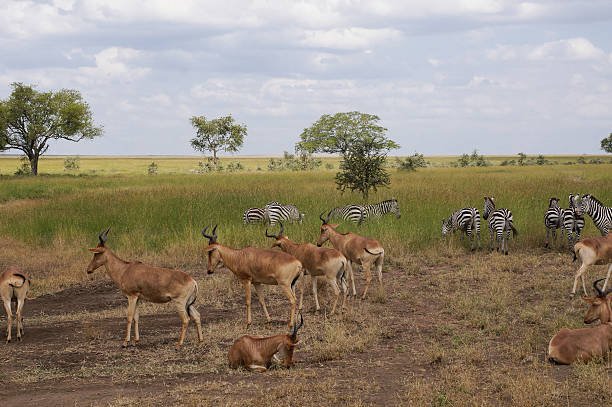
- Main wildlife: Wildebeest, zebra, gazelles and predators
- Predators: Lions, cheetahs, hyenas and jackals
- Recommended stay: At least 2-3 nights in the southern area
- Main access: Arusha through Ngorongoro or domestic flight
- Safari style: Private or group wildlife safari
Where Is the Southern Serengeti Calving Area?
The calving region is found across the southern short-grass plains of the Serengeti ecosystem.
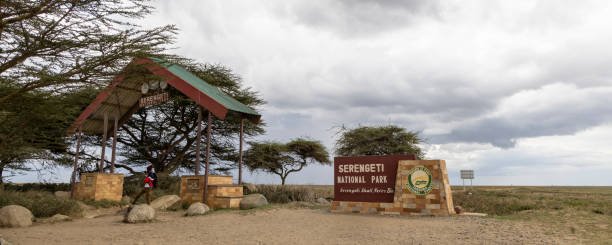
It includes areas of southern Serengeti National Park as well as the Ndutu region near the Ngorongoro Conservation Area.
The wildebeest do not recognize administrative park boundaries, so the herds can move between different areas depending on rainfall, grass and water availability.
This is why a safari focused on calving should be planned around the ecosystem rather than one fixed lodge or one exact GPS point.
Is Ndutu Part of Serengeti National Park?
Ndutu is closely associated with Southern Serengeti safaris but much of the well-known Ndutu area lies within the Ngorongoro Conservation Area close to the Serengeti boundary.
This geographical position makes Ndutu one of the most strategically useful bases during the calving period.
From the area, game drives can follow wildlife concentrations across nearby short-grass plains according to current migration movements.
Travellers should therefore avoid assuming that a safari labelled "Serengeti" automatically places them close to the calving herds.
When Is Southern Serengeti Calving Season?
The main calving season generally occurs from January through March.
Large herds begin returning toward the southern plains after the short rains regenerate fresh grass.
Late January, February and early March are particularly important periods for travellers interested in births and young calves.
Rainfall influences exact timing, so the migration can never be guaranteed to remain in exactly the same location on the same dates every year.
Is February the Best Month for Calving?
February is generally considered the strongest month for witnessing the peak of the wildebeest calving season.
This is when enormous numbers of pregnant females gather across the nutritious short-grass plains and large numbers of calves can be born within a short period.
The abundance of newborn animals also attracts predators.
For travellers whose main goal is the classic calving-season experience, February should normally be the first month considered.
Southern Serengeti Calving Season by Month
- December: Herds begin concentrating farther south as fresh grass develops
- January: Pregnant wildebeest gather and early calving increases
- February: Main calving period and strong predator activity
- March: Large numbers of calves remain with the herds and migration activity continues
- April: Herds may begin shifting northwest as conditions change
Why Do Wildebeest Calve in Southern Serengeti?
The short-grass plains provide nutritious grazing after seasonal rainfall.
Volcanic soils associated with the Ngorongoro and southern Serengeti ecosystem help support mineral-rich grasses that are important for pregnant and nursing wildebeest.
The open plains also allow animals to see predators more easily than in dense woodland.
The combination of food, open visibility and seasonal water makes the south an important part of the migration cycle.
How Many Wildebeest Calves Are Born?
The scale of the calving season is extraordinary.
Hundreds of thousands of wildebeest calves can be born during the wider calving period, with a particularly intense concentration of births over several weeks.
This creates one of the most dramatic concentrations of new life anywhere in the African safari circuit.
Visitors should remember that wildlife events remain natural and cannot be scheduled to the exact day.
Predator Action During Calving Season
The concentration of vulnerable newborn animals attracts large numbers of predators.
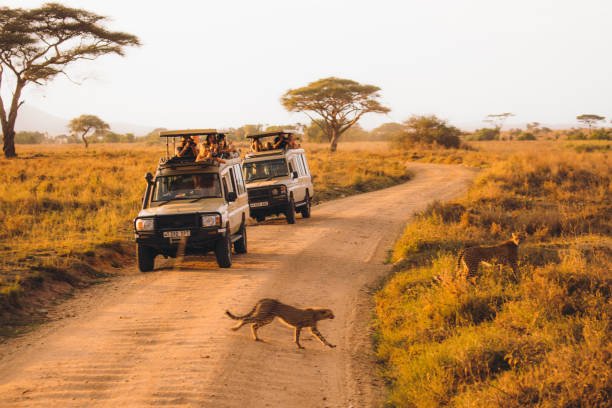
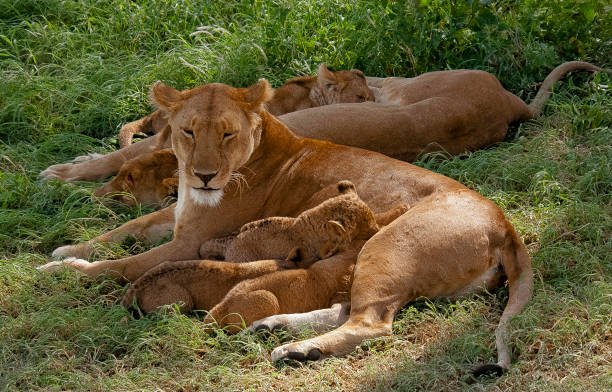
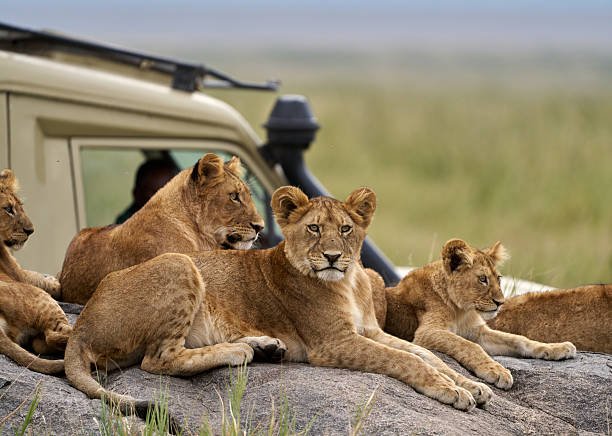
Lions, cheetahs, spotted hyenas and jackals are among the species commonly associated with the southern plains during this period.
Cheetahs benefit particularly from the open terrain, while lions may use grass cover, drainage lines and kopjes when approaching prey.
Predator encounters can be dramatic, but hunting cannot be guaranteed on any particular game drive.
Wildlife to Look for During Calving Season
- Wildebeest
- Newborn wildebeest calves
- Zebra
- Thomson's gazelles
- Lions
- Cheetahs
- Spotted hyenas
- Jackals
- Servals where lucky
- Birds of prey
How Do You Get to Southern Serengeti?
Most international travellers begin their safari in Arusha.
From Arusha, a road safari normally travels through the northern Tanzania highlands toward the Ngorongoro Conservation Area and then continues to Ndutu or the southern Serengeti.
The drive can be broken with visits to Tarangire, Lake Manyara or Ngorongoro depending on the total number of safari days.
Travellers with limited time can also consider domestic flights where suitable schedules are available.
Southern Serengeti Calving Safari from Arusha
Arusha is the most common starting point for a northern Tanzania safari.
A private safari vehicle allows travellers to move through multiple destinations while keeping the same driver-guide throughout the journey.
A typical itinerary may travel from Arusha toward Ngorongoro or Karatu before continuing to Ndutu.
For a short calving-focused safari, unnecessary detours should be avoided so that enough time remains around the migration herds.
Southern Serengeti Calving Safari from Moshi
Travellers arriving in Moshi after climbing Kilimanjaro can also continue to the Southern Serengeti.
The road journey first passes toward Arusha before continuing through the northern safari circuit.
Because Kilimanjaro can be physically demanding, some travellers prefer one hotel night before starting the safari.
A private vehicle can collect climbers directly from Moshi according to the confirmed itinerary.
Flying to the Southern Serengeti
Flying can reduce long road-transfer times for travellers with limited days.
Domestic flight schedules and airstrip availability should be checked for the exact travel period.
A safari vehicle and driver-guide are still required after landing for wildlife viewing.
Fly-in safaris often cost more than road safaris but can provide additional time in the wildlife area.
How Many Nights Should You Stay?
At least two nights are recommended for travellers seriously interested in calving season.
Three nights generally provide a stronger wildlife experience because there is more time to follow herd movements and explore different parts of the southern plains.
Photographers may prefer four nights or more.
Staying only one night creates a much greater risk of spending too much of the trip driving between destinations rather than watching wildlife.
Recommended Southern Serengeti Stay
- 1 night: Possible but rushed
- 2 nights: Good minimum for calving-focused wildlife viewing
- 3 nights: Recommended for most travellers
- 4+ nights: Excellent for photographers and migration enthusiasts
Where Should You Stay for Calving Season?
The most important accommodation decision is location rather than simply luxury level.
A beautiful lodge several hours from the herds can be less useful than a simpler seasonal camp positioned close to the southern migration zone.
Many seasonal tented camps operate near migration areas during the appropriate months.
Travellers should ask exactly where the accommodation is located relative to expected January, February or March wildlife concentrations.
Ndutu Camps vs Central Serengeti Lodges
Central Serengeti around Seronera has excellent resident wildlife throughout the year, but it is not always the best base for a calving-focused safari.
During peak calving, staying farther south can reduce unnecessary driving.
Ndutu and southern seasonal camps are generally positioned more strategically for accessing the calving plains.
Central Serengeti can still be included before or after the southern safari for a broader Serengeti experience.
Mobile Camps During Calving Season
Mobile and seasonal safari camps are designed to position guests closer to predictable stages of the migration.
During the southern season, selected camps move or operate around Ndutu and the southern Serengeti region.
These camps can offer an excellent wildlife location while maintaining comfortable tented accommodation.
They should be booked early for popular February dates.
Budget Calving Season Safari
A budget safari can use simpler lodges, tented camps or public camping depending on the itinerary.
The main goal should remain spending enough time in the southern area.
Saving money by staying too far away may result in higher fuel use and fewer productive wildlife hours.
Group joining can also reduce some transportation costs when appropriate departures are available.
Midrange Calving Season Safari
Midrange safaris normally use comfortable tented camps or lodges with private rooms, meals and ensuite facilities.
This is one of the most popular categories for calving season because it balances location, comfort and price.
Travellers should prioritize camps strategically positioned near Ndutu or the southern plains.
Luxury Southern Serengeti Safari
Luxury camps can provide spacious tents, high-level service, private dining and premium guiding.
Private charter flights can also be incorporated.
Even at luxury level, location remains important because the migration is mobile.
A premium camp should ideally be positioned for the season rather than chosen only because of accommodation style.
Private vs Group Calving Safari
A private safari provides greater flexibility in game-drive timing and how long the vehicle remains at particular sightings.
This is especially useful for wildlife photographers and families.
Group safaris can be more affordable because vehicle and guide costs are shared.
However, participants must normally follow a collective schedule.
Morning Game Drives During Calving Season
Early morning is one of the best periods for wildlife viewing.
Predators can be active before temperatures rise, while the soft light is excellent for photography.
Leaving camp early also helps the guide begin locating the herds before more vehicles gather around popular areas.
Full Day Game Drives
Full day game drives can be valuable when herds are spread across a large area.
A packed lunch allows the safari to continue without returning to camp during the middle of the day.
This creates flexibility to follow wildlife movements and explore predator territories.
Families with younger children may prefer shorter morning and afternoon drives instead.
Photography During Calving Season
The calving period is particularly attractive for wildlife photographers.
Green landscapes, dramatic clouds, newborn animals and predator activity create a wide range of photographic opportunities.
A longer lens is useful for wildlife, while a wider lens can capture the scale of the herds and open plains.
Photographers should consider a private vehicle if they want maximum control over positioning and waiting time.
Calving Season Photography Tips
- Start game drives early
- Bring a telephoto lens
- Carry spare batteries
- Protect cameras from dust and rain
- Use bean bags for vehicle support
- Photograph environmental scenes as well as close-ups
- Remain patient around predator sightings
- Respect wildlife and vehicle regulations
Weather During Southern Serengeti Calving Season
The calving period falls within the greener part of the Serengeti year.
Short rains help produce the grass that draws the migration south.
Rain can occur, but it often creates attractive green landscapes rather than ruining an entire safari.
Road conditions can become muddy in some locations, making an experienced driver-guide and suitable safari vehicle important.
Will Rain Ruin a Calving Safari?
Usually not.
Rain is part of the ecological reason the migration is in the southern plains.
Showers can temporarily affect game drives, but they also produce green grass and dramatic photographic conditions.
Heavy rainfall can occasionally make specific tracks difficult, so the guide may adjust the route.
Do You Need a 4x4 Vehicle?
A proper safari vehicle is strongly recommended for the Southern Serengeti and Ndutu region.
Rain can make tracks slippery or muddy during the green season.
A four-wheel-drive safari vehicle also provides improved ground clearance and viewing access on rough tracks.
The driver should understand seasonal roads and avoid areas where vehicles could become stuck or damage sensitive ground.
Example 5 Day Southern Serengeti Calving Safari
Day 1: Arusha to Ngorongoro or Karatu
Depart Arusha and travel through northern Tanzania toward the Ngorongoro highlands.
Depending on arrival time and itinerary design, the day can include a stop in the Lake Manyara or Karatu area.
Overnight near Ngorongoro provides a convenient position for continuing toward Ndutu the following morning.
Day 2: Ngorongoro Highlands to Ndutu and Southern Serengeti
After breakfast, descend toward the southern plains and begin searching for the migration herds.
The driver-guide uses recent wildlife information, road conditions and visible herd movements to determine the most productive game-drive areas.
Spend the afternoon watching wildebeest, zebra, gazelles and predators before continuing to the selected camp.
Day 3: Full Day Calving Season Safari
Spend the full day exploring Ndutu and the surrounding southern plains.
Look for newborn wildebeest calves and predator activity.
Carry a packed lunch when appropriate so the vehicle can remain in the wildlife area throughout the day.
Return to camp in the evening.
Day 4: Southern Serengeti and Ngorongoro
Enjoy another morning game drive before beginning the journey toward the Ngorongoro area.
The exact departure time can depend on wildlife activity and the following day's schedule.
Overnight near the crater or Karatu.
Day 5: Ngorongoro Crater and Return to Arusha
Descend into Ngorongoro Crater for a wildlife safari before returning to Arusha.
This provides a strong combination of the Great Migration calving season and classic northern Tanzania wildlife viewing.
Example 7 Day Calving Season Safari
Travellers with seven days can build a more complete northern Tanzania itinerary.
A typical route might include Tarangire, Ngorongoro, Ndutu and Southern Serengeti.
Additional nights in the southern region allow more time for wildlife photography and changing herd movements.
This duration is particularly suitable for first-time visitors who want more than only the migration.
Combining Calving Season with Ngorongoro Crater
Ngorongoro Crater is one of the easiest additions to a Southern Serengeti safari because it lies along the road route between Arusha and Ndutu.
The crater provides year-round resident wildlife and a very different landscape from the open calving plains.
One night around Ngorongoro or Karatu can be incorporated before or after Ndutu.
Combining Calving Season with Tarangire
Tarangire can be included at the beginning or end of a longer safari.
The park provides baobab landscapes and resident wildlife that contrast strongly with the Southern Serengeti plains.
Travellers with limited days should prioritize the calving region first if migration viewing is the main objective.
Combining Calving Season with Central Serengeti
Central Serengeti can add excellent resident predator viewing to the itinerary.
Travellers can spend several nights in the south before moving toward Seronera.
This is particularly useful for longer safaris where the aim is to experience both migration concentrations and classic Serengeti landscapes.
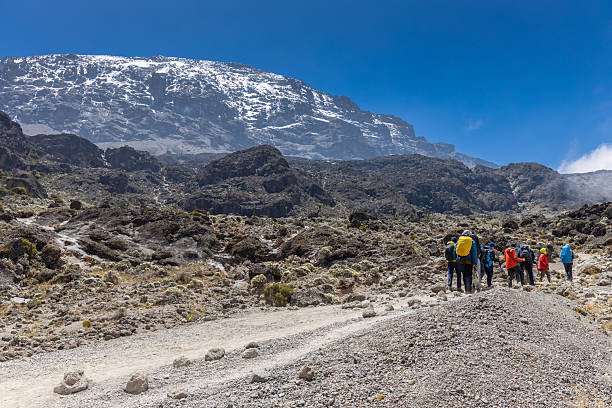
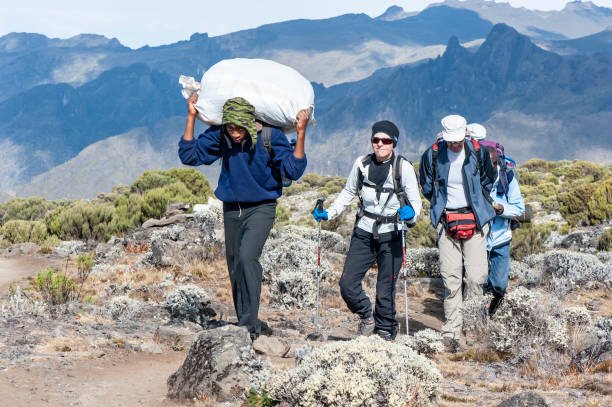
Southern Serengeti Calving Safari After Kilimanjaro
January and February are also popular months for climbing Mount Kilimanjaro.
A safari after the mountain can be a convenient way to experience calving season during the same Tanzania trip.
After returning to Moshi, travellers can rest before continuing toward Arusha and the northern safari circuit.
The combination creates a complete mountain and wildlife itinerary.
Southern Serengeti and Zanzibar
Zanzibar can be added after the safari for beach relaxation.
Domestic flights can connect northern Tanzania safari areas or Arusha with Zanzibar depending on the route and schedule.
This combination is particularly attractive for couples and honeymoon travellers seeking wildlife and beach experiences within one holiday.
Calving Season Safari for Families
The calving period can be fascinating for families because young animals and predator behaviour provide strong educational opportunities.
However, some wildlife encounters can involve predation and may be intense for young children.
Parents should discuss this beforehand and choose an appropriate daily game-drive schedule.
Private safaris provide greater flexibility for rest breaks and shorter driving periods.
Calving Season Safari for Solo Travellers
Solo travellers can book a private safari or join selected group departures.
Group joining can reduce some vehicle and guide costs.
However, fixed departures should be checked carefully to ensure enough nights are actually spent in the southern calving region.
Calving Season Safari for Photographers
Photographers should prioritize location, vehicle space and time in the field.
A private vehicle with fewer passengers allows easier movement between windows and more space for equipment.
Three or four nights around Ndutu and Southern Serengeti can provide significantly more opportunity than a one-night transit itinerary.
Patience is particularly important when waiting for natural behaviour rather than constantly changing sightings.
What to Pack for Southern Serengeti Calving Season
- Neutral coloured safari clothing
- Light rain jacket
- Warm layer for early morning game drives
- Comfortable closed shoes
- Sun hat
- Sunglasses
- Sunscreen
- Binoculars
- Camera and spare batteries
- Power bank
- Insect repellent
- Personal medication
- Small day bag
Southern Serengeti Calving Season Safari Cost 2026-2027
The total price depends on safari duration, accommodation level, group size, park fees, vehicle type and whether domestic flights are used.
February can be a high-demand period in Ndutu and the Southern Serengeti, so strategically positioned accommodation may command premium rates.
Private safaris generally cost more per person for one or two travellers but provide greater flexibility.
Travellers should compare complete itineraries rather than simply selecting the lowest advertised safari price.
What Is Normally Included?
Typical Calving Season Safari Inclusions
- Private or shared safari vehicle according to package
- Professional driver-guide
- Serengeti National Park fees
- Ngorongoro Conservation Area fees where applicable
- Accommodation according to itinerary
- Meals according to package
- Game drives
- Drinking water in the safari vehicle
- Road transfers according to itinerary
- Government taxes according to confirmed quotation
Typical Exclusions
- International flights
- Tanzania visa
- Travel insurance
- Domestic flights unless specified
- Hot air balloon safari unless included
- Alcoholic beverages unless specified
- Guide and staff gratuities
- Personal shopping
- Additional hotel nights outside the itinerary
Should You Book Calving Season Early?
Yes. February is highly sought after by wildlife photographers and migration travellers.
Camps positioned close to the southern migration areas have limited rooms and can fill well in advance.
Booking early also provides a better choice of accommodation rather than forcing the itinerary to use camps located farther from the expected herds.
Can Calving Dates Be Guaranteed?
No. The migration is a natural event.
Rainfall, grass growth and local water conditions influence where the wildebeest move.
February is historically one of the most reliable periods for calving, but no tour operator can guarantee births at a particular location or time.
A knowledgeable guide and several nights in the area provide the best practical strategy.
Southern Serengeti Calving vs Mara River Crossing
Calving season and river-crossing season provide completely different Great Migration experiences.
The southern season focuses on enormous herds, newborn calves, green landscapes and predator-prey interaction.
The northern season is famous for wildebeest attempting river crossings.
Travellers interested in photography, newborn wildlife and predators may find the southern season particularly rewarding.
Frequently Asked Questions About Visiting Southern Serengeti for Calving Season
When is the Serengeti calving season?
The main calving period is generally January through March, with February usually considered the peak month.
Where does Serengeti calving happen?
The main calving grounds are across the short-grass plains of the Southern Serengeti and Ndutu region near the Ngorongoro Conservation Area.
Is February the best month?
February is generally the strongest month for travellers who specifically want to see large numbers of newborn wildebeest calves and associated predator activity.
How many nights should I stay in Ndutu?
Two nights is a useful minimum, while three or more nights provide greater flexibility to follow changing herd locations.
Can I see predators during calving season?
Yes. Lions, cheetahs, hyenas and other predators are strongly associated with the southern migration concentrations, although specific sightings and hunts cannot be guaranteed.
Can I visit from Arusha?
Yes. Most road safaris begin from Arusha and travel through the northern Tanzania safari circuit toward Ngorongoro and Ndutu.
Can I fly to the calving area?
Domestic flights may be available depending on current schedules and airstrip operations, allowing travellers to reduce road travel time.
Is Ndutu better than Central Serengeti during February?
For a safari specifically focused on calving, Ndutu and the southern plains are generally more strategically positioned than central Serengeti, although exact herd movements depend on rainfall.
Does it rain during calving season?
Rain is possible and is part of the reason the southern grasslands become suitable for the migration. Showers usually do not prevent an entire safari, although roads can become muddy.
Is calving season good for photography?
Yes. Green landscapes, newborn animals, large herds and predator behaviour make January through March one of the most rewarding periods for wildlife photography in the Serengeti ecosystem.
Can families visit during calving season?
Yes. Families can visit, although parents should be aware that natural predator-prey encounters can sometimes be graphic for younger children.
Can I combine calving season with Ngorongoro Crater?
Yes. Ngorongoro is one of the easiest additions because it lies along the main road route between Arusha and the Southern Serengeti ecosystem.
Can I combine a Kilimanjaro climb with calving season?
Yes. January and February can work particularly well for travellers who want to combine a Kilimanjaro climb with a Southern Serengeti calving safari.
How early should I book?
Booking several months in advance is recommended for popular February dates because well-positioned camps can fill quickly.
How do I book a Southern Serengeti Calving Season Safari for 2026-2027?
Provide your preferred January, February or March travel dates, number of travellers, accommodation level and available safari days. The itinerary can then be designed around Ndutu and the Southern Serengeti with enough nights to follow the migration effectively.
Plan Your Southern Serengeti Calving Season Safari 2026-2027
Experience the Great Migration on the southern Serengeti plains when wildebeest gather to give birth, predators follow the herds and the landscape turns green. Stay close to Ndutu, allow enough game-drive time and build your Tanzania safari around the natural movement of the migration.
Plan Your Calving Season Safari

 Serengeti Safari