Lake Jipe Fishing Experience 2026-2027
Lake Jipe Fishing Experience 2026-2027 offers travellers a quiet and authentic way to experience freshwater fishing, wetland scenery and local community life in northern Tanzania.
Unlike a conventional wildlife safari based mainly around game drives, a Lake Jipe fishing trip focuses on the relationship between the lake and the communities that have traditionally depended on it for fishing and other livelihoods.
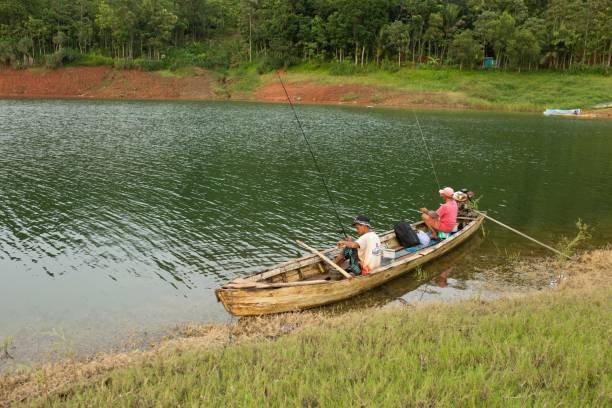
Visitors can travel across sections of the lake in traditional wooden boats, observe local fishing techniques, learn about the wetland ecosystem and enjoy panoramic views of the surrounding mountains.
The experience is particularly suitable for travellers looking for an off the beaten path activity away from Tanzania's busiest safari routes.
Lake Jipe Fishing Experience at a Glance
- Destination: Lake Jipe, northern Tanzania
- Region: Kilimanjaro Region
- Main activity: Traditional fishing and canoe experience
- Duration: Half day or full day
- Landscape: Freshwater lake, reeds, wetlands and mountain scenery
- Other activities: Bird watching, canoeing, photography and village visits
- Best for: Couples, solo travellers, families, photographers and cultural travellers
- Starting points: Moshi, Mwanga or nearby northern Tanzania locations
Where Is Lake Jipe?
Lake Jipe is a shallow freshwater lake located along the Tanzania-Kenya border.
The Tanzanian side lies in Mwanga District in the Kilimanjaro Region, while part of the lake extends into Kenya near Tsavo West National Park.
The lake is approximately 28 square kilometres in total area and has an average depth of less than three metres according to published research on its fisheries and ecology.
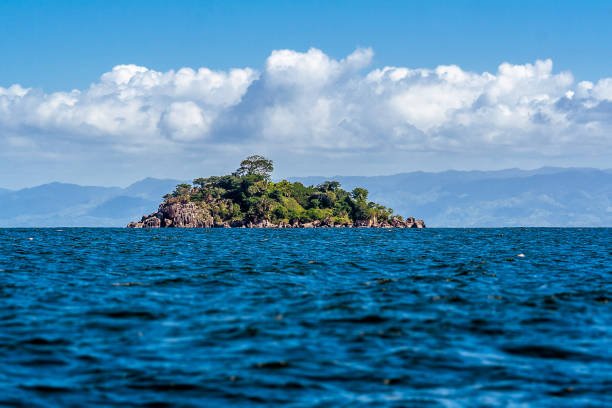
The surrounding landscape includes extensive reed beds, wetlands and views toward the Pare Mountains.
Why Visit Lake Jipe for Fishing?
Lake Jipe offers much more than simply trying to catch fish.
The main attraction is the opportunity to experience a traditional freshwater fishing environment while travelling with people who understand the lake's channels, reed beds and local fishing practices.
The calm environment also makes Lake Jipe attractive for travellers who prefer community based activities and nature experiences rather than crowded tourism destinations.
Why Choose a Lake Jipe Fishing Experience?
- Traditional local fishing experience
- Quiet off the beaten path destination
- Wooden canoe journeys
- Freshwater wetland scenery
- Bird watching opportunities
- Local cultural interaction
- Pare Mountain views
- Photography opportunities
- Easy combination with Moshi and Kilimanjaro itineraries
Traditional Fishing at Lake Jipe
Fishing has historically played an important role in communities living around Lake Jipe.
Small scale fishermen use simple boats and locally practiced fishing techniques suited to the lake's shallow water and extensive vegetation.
For travellers, joining a local fisherman provides a better understanding of how fishing supports families and how people navigate the wetland environment.
The aim should be to experience the fishing culture responsibly rather than treating local livelihoods as only a tourist attraction.
What Fish Are Found in Lake Jipe?
Lake Jipe supports several freshwater fish species.
Scientific research conducted in the Tanzanian part of Lake Jipe has documented African sharptooth catfish and cichlid or tilapia species among fish collected from the lake.
The exact fish caught during a visitor experience varies according to season, water conditions, fishing method and current fishing regulations.
No operator should guarantee a particular catch because fishing results depend on natural conditions.
Tilapia Fishing at Lake Jipe
Tilapia and related cichlid species are closely associated with freshwater fisheries throughout East Africa.
Lake Jipe has historically supported local tilapia fisheries, although environmental pressures and changes in the lake ecosystem have affected fish populations over time.
Visitors should therefore follow local rules regarding legal fishing methods, catch size and protected species.
Responsible tourism should support rather than place additional pressure on the lake's fishery.
Catfish Fishing at Lake Jipe
African sharptooth catfish have also been scientifically recorded from Lake Jipe.
These fish are adapted to freshwater environments and are known across many African lakes and rivers.
The fishing method used during a visitor activity depends on what is locally permitted and what fishermen traditionally use in the area.
Do Tourists Catch the Fish Themselves?
The format can vary.
Some experiences focus mainly on accompanying local fishermen and observing traditional techniques, while others may allow visitors to participate under guidance.
Participation should always follow the instructions of the local guide and comply with current fisheries regulations.
Travellers should ask before booking whether the tour involves active fishing, demonstration fishing or simply visiting fishermen on the lake.
Fishing with Local Fishermen
Travelling with a local fisherman is one of the best ways to understand Lake Jipe.
Local fishermen know the channels through the reed beds and understand how water levels, weather and vegetation influence navigation.
They can also explain the fishing methods traditionally used around the lake and how the fishery has changed over time.
The experience creates direct interaction between visitors and the surrounding community.
Traditional Wooden Canoe Experience
Traditional wooden canoes are commonly associated with Lake Jipe fishing and local transportation.
The canoe experience itself can be one of the highlights of the excursion.
Travellers move slowly through narrow channels between tall reeds before reaching more open sections of the lake.
The quiet pace is ideal for photography, bird watching and observing everyday fishing life.
What You May Experience on the Lake
- Traditional wooden boats
- Fishing nets and local fishing techniques
- Tall reed channels
- Open lake scenery
- Local fishing villages
- Waterbirds
- Mountain views
- Wetland photography
Wildlife Around Lake Jipe
Lake Jipe is part of a wider wetland ecosystem rather than only a fishing destination.
Environmental reporting from the Kenyan side records wildlife around the Lake Jipe catchment including hippos, crocodiles, water monitors, otters, zebra, impala, gazelles and elephants.
Wildlife sightings vary considerably and should never be guaranteed during a fishing trip.
Visitors should follow their guide's instructions carefully, especially in areas where hippos or crocodiles may occur.
Bird Watching at Lake Jipe
The extensive wetlands make Lake Jipe particularly attractive for bird watching.
Environmental records for the lake identify species such as Lesser Jacana, Purple Gallinule, Madagascar Squacco Heron, Black Heron, African Darter and African Skimmer among the notable birds associated with the ecosystem.
Bird activity changes through the year, so serious birders should allow enough time on the lake and bring binoculars.
Lake Jipe Fishing and Bird Watching Tour
Fishing and bird watching work particularly well together because both activities require slow movement across the lake.
While travelling between fishing areas, visitors can scan reed beds and open water for birds.
A guide with strong bird knowledge can make the excursion especially valuable for photographers and dedicated birders.
Half Day Lake Jipe Fishing Experience
A half day trip is suitable for travellers who have limited time.
The excursion can include transfer to the lakeshore, meeting the local fisherman, a short canoe journey and an introduction to fishing techniques.
Depending on timing, visitors can also spend part of the trip watching birds or exploring a nearby community.
Full Day Lake Jipe Fishing Experience
A full day provides more time to explore the lake and surrounding community.
The itinerary can combine fishing, canoeing, bird watching, lunch and cultural interaction.
Travellers can spend longer in open water areas rather than returning immediately after a short demonstration.
A full day is particularly suitable for photographers and visitors travelling specifically to experience Lake Jipe.
Example Lake Jipe Fishing Day Trip
Morning: Departure to Lake Jipe
Depart from Moshi, Mwanga or the confirmed starting location in the morning.
Travel toward the Lake Jipe area while enjoying views of rural northern Tanzania and the surrounding mountains.
Arrival and Local Fishing Briefing
Meet the local guide and fishing community near the lake.
Receive an explanation of the day's plan, canoe safety, fishing practices and current lake conditions.
Traditional Canoe Experience
Board a traditional wooden canoe and begin travelling through the wetland channels.
The guide and fisherman navigate through the reeds toward suitable open water or fishing areas.
Fishing Experience
Observe or participate in permitted fishing techniques under local guidance.
Learn how fishermen identify suitable areas and how fishing remains connected to everyday community life.
Bird Watching and Photography
Continue exploring the lake while looking for wetland birds and photographing the reed beds, water and mountain scenery.
Lunch and Community Experience
Enjoy a packed or locally arranged lunch according to the tour package.
Where included, spend time learning more about community life and the importance of Lake Jipe to local livelihoods.
Afternoon Return
Return to the lakeshore and begin the road journey back to the hotel or continue to the next Tanzania destination.
Lake Jipe Fishing Experience from Moshi
Moshi is one of the most practical starting points for travellers interested in Lake Jipe.
A private road transfer can be arranged from the hotel toward Mwanga and the lake area.
The experience can be scheduled before or after a Kilimanjaro climb when enough time is available.
Travellers should allow a full day when road transportation and lake activities are combined.
Lake Jipe Fishing Experience from Arusha
Lake Jipe can also be visited from Arusha, although the journey is longer than from Moshi.
An early departure is recommended for a same day trip.
Travellers with several days available can combine Lake Jipe with Moshi, Lake Chala or other Kilimanjaro Region attractions.
Lake Jipe and Lake Chala Tour
Lake Jipe and Lake Chala can be combined within a wider eastern Kilimanjaro itinerary.
The two lakes provide very different landscapes.
Lake Jipe is a shallow wetland and fishing environment, while Lake Chala is a deep crater lake surrounded by steep volcanic slopes.
Combining both destinations creates a varied nature based itinerary.
Lake Jipe and Mkomazi National Park Safari
Travellers can combine Lake Jipe with Mkomazi National Park for a less conventional northern Tanzania safari.
The fishing and wetland experience at Lake Jipe contrasts with wildlife game drives in the drier landscapes of Mkomazi.
This combination is especially suitable for repeat visitors who have already explored Tanzania's better known northern parks.
Lake Jipe and Pare Mountains
The Pare Mountains provide another natural extension to a Lake Jipe itinerary.
Travellers can combine fishing with hiking, village visits and highland scenery.
This creates an itinerary focused on local communities, landscapes and outdoor activities rather than conventional safari game drives.
Lake Jipe Fishing Before Kilimanjaro
A Lake Jipe day trip can be arranged before a Kilimanjaro climb if the traveller has an additional free day.
Because the activity is considerably less physically demanding than mountain trekking, it can provide a relaxed introduction to the Kilimanjaro Region.
However, travellers should return early enough to rest and prepare their equipment before the climb.
Lake Jipe Fishing After Kilimanjaro
Lake Jipe can also be visited after completing Mount Kilimanjaro.
A gentle canoe and fishing activity may provide a relaxing contrast to several demanding trekking days.
Travellers should still consider muscle fatigue when entering and leaving small traditional boats.
Fishing with Children at Lake Jipe
Families may be able to arrange a Lake Jipe experience, but suitability depends on children's ages, boat conditions and the planned activity.
Parents should request appropriate flotation equipment and clarify whether the canoe arrangement is suitable for younger children.
The trip can be educational because children can learn about fishing, wetland ecology and local communities.
Lake Jipe Fishing for Solo Travellers
Solo travellers can arrange private excursions or join other visitors when a shared departure is available.
A private trip provides more flexibility for photography, bird watching and the amount of time spent with fishermen.
Shared arrangements can reduce transportation expenses where available.
Lake Jipe Fishing for Couples
Couples can enjoy Lake Jipe as a quiet alternative to a standard safari activity.
The slow canoe journey, mountain views and wetland scenery can make the experience particularly memorable for travellers interested in nature and photography.
A private day trip can be combined with lunch and additional sightseeing.
Responsible Fishing at Lake Jipe
Responsible tourism is particularly important at Lake Jipe because the ecosystem has faced environmental pressure.
Published environmental assessments identify problems including sedimentation, declining water quality, invasive vegetation and declining fishery productivity.
Visitors should therefore use authorized local guides, respect legal fishing methods and avoid encouraging undersized nets, prohibited fishing or unnecessary harvesting.
Where catch and release is appropriate and locally permitted, travellers should follow the guide's instructions for careful fish handling.
Fishing Permits and Local Regulations
Fishing rules can change according to local fisheries management, location and the type of fishing activity.
Travellers should not arrive with fishing equipment and begin fishing independently.
The tour operator or local fishing guide should confirm any required permissions and identify where recreational participation is allowed.
This is especially important because Lake Jipe is a transboundary ecosystem shared by Tanzania and Kenya.
Responsible Lake Jipe Fishing Guidelines
- Use an authorized local guide
- Follow current fishing regulations
- Use only permitted fishing methods
- Respect closed or restricted fishing areas
- Do not disturb nesting birds
- Do not leave plastic or fishing line behind
- Maintain a safe distance from wildlife
- Support local fishing communities responsibly
Best Time for Lake Jipe Fishing Experience
Lake Jipe can be visited during different months of the year, but fishing, water levels, vegetation and road conditions can vary seasonally.
Drier periods may make road access easier, while wetter periods can create greener scenery and different bird activity.
The best date depends on whether the traveller's priority is fishing, photography, birding or a combination of activities.
Local conditions should be checked shortly before travel.
Morning or Afternoon Fishing
Morning departures are often convenient because temperatures can be cooler and travellers have more time available if boat movement through the reeds is slow.
Early light is also attractive for photography and bird watching.
Afternoon fishing may be possible depending on local conditions, but visitors should allow enough time to return before darkness.
What to Wear at Lake Jipe
Lightweight outdoor clothing is suitable for most Lake Jipe trips.
Long sleeves and long trousers can provide sun and insect protection.
Footwear should be practical for entering and leaving the boat and walking around wet shoreline areas.
A hat and sunscreen are important because sections of the lake offer little shade.
Lake Jipe Fishing Packing List
- Lightweight comfortable clothing
- Sun hat
- Sunglasses
- Sunscreen
- Insect repellent
- Reusable water bottle
- Binoculars
- Camera or smartphone
- Waterproof bag for electronics
- Light rain jacket during wetter periods
- Personal medication
Photography at Lake Jipe
The combination of fishermen, traditional boats, reeds, birds and mountain scenery makes Lake Jipe highly photogenic.
Telephoto lenses are useful for birds, while wider lenses can capture canoes and the surrounding landscape.
Because the activity takes place around water, cameras and phones should be protected inside waterproof bags when not in use.
Visitors should ask permission before taking close photographs of local people.
Safety During the Lake Jipe Fishing Experience
Travellers should follow the instructions of their boat guide throughout the excursion.
Traditional canoes can feel different from modern motorboats, so sudden movement should be avoided.
Life jackets or appropriate flotation equipment should be arranged wherever available and suitable for the activity.
Visitors should never approach hippos, crocodiles or other wildlife independently.
Can You Swim in Lake Jipe?
Swimming should not be treated as a normal part of a Lake Jipe fishing experience.
The wetland ecosystem can contain wildlife including hippos and crocodiles, and water conditions are not the same as a managed swimming destination.
Travellers should follow local safety guidance and avoid entering the water simply because it appears calm.
Lake Jipe Fishing Experience Cost 2026-2027
The cost of a Lake Jipe fishing experience depends on the starting point, transportation, number of travellers, boat arrangement, local guide, fishing activity and whether lunch or other experiences are included.
A private trip from Moshi will normally cost more than an arrangement beginning close to the lake because of vehicle transportation.
Full day tours also cost more than short fishing or canoe activities because they involve additional guiding, meals and time.
Travellers should request a complete quotation rather than relying on an isolated canoe or fisherman fee.
What Is Included in a Lake Jipe Fishing Tour?
Typical Lake Jipe Fishing Experience Inclusions
- Private road transfer according to itinerary
- Local guide
- Traditional fisherman
- Canoe or local boat experience
- Fishing experience where permitted
- Bird watching during the excursion
- Drinking water
- Lunch on full day trips when specified
- Community related fees where included
Typical Exclusions
- International flights
- Tanzania visa
- Travel insurance
- Hotel accommodation unless included
- Personal fishing equipment unless arranged
- Alcoholic beverages
- Guide and local staff gratuities
- Personal shopping
- Activities not shown in the confirmed itinerary
Lake Jipe Environmental Challenges
Lake Jipe is environmentally sensitive.
Studies and environmental reports have documented challenges including sedimentation, declining water quality, invasive aquatic vegetation and pressure on fish populations.
These challenges make sustainable tourism especially important.
Visitors can contribute positively by using local services, respecting regulations, avoiding litter and supporting responsible community based tourism.
Frequently Asked Questions About Lake Jipe Fishing Experience
Can tourists go fishing at Lake Jipe?
A fishing experience can be arranged with local guides and fishermen, subject to current local fishing rules and permitted activities.
Where is Lake Jipe located?
Lake Jipe lies on the Tanzania-Kenya border, with the Tanzanian side located in Mwanga District in the Kilimanjaro Region.
What fish are found in Lake Jipe?
Fish recorded from Lake Jipe include African sharptooth catfish and cichlid or tilapia species, although actual catches vary naturally.
Do I need fishing experience?
No. Visitors can learn about local fishing techniques directly from fishermen and participate only where appropriate and permitted.
Can I bring my own fishing rod?
Ask the operator before travelling. Fishing methods and equipment should comply with current local regulations, and the experience may focus on traditional fishing rather than recreational rod fishing.
How long does the fishing experience take?
The lake activity can be arranged for several hours, while a complete trip from Moshi is better planned as a half day or full day excursion depending on transportation.
Can I see birds while fishing?
Yes. Lake Jipe is a wetland environment with diverse waterbirds, making bird watching a natural addition to the fishing and canoe experience.
Are there hippos and crocodiles?
Hippos and crocodiles have been recorded in the wider Lake Jipe ecosystem, so visitors should remain with their local guide and follow all wildlife safety instructions.
Can I swim in Lake Jipe?
Swimming is not recommended as a normal visitor activity because Lake Jipe is a natural wetland environment with potentially dangerous wildlife and variable water conditions.
Can I visit Lake Jipe from Moshi?
Yes. Lake Jipe can be arranged as a private day excursion from Moshi with road transfers and a guided lake experience.
Can Lake Jipe be combined with Lake Chala?
Yes. Both destinations are in the wider Kilimanjaro border region and can be combined within a longer nature and cultural itinerary.
Is Lake Jipe suitable for photographers?
Yes. Traditional fishermen, wooden canoes, reed beds, birds, reflections and mountain scenery provide excellent photography opportunities.
Is Lake Jipe crowded?
Lake Jipe is generally outside Tanzania's busiest tourism circuits, making it suitable for travellers looking for a quieter local experience.
Can children join a Lake Jipe fishing tour?
Families can ask for a suitable arrangement, but children's ages, boat safety, flotation equipment and current lake conditions should be considered before confirming the excursion.
How do I book a Lake Jipe Fishing Experience for 2026-2027?
Provide your preferred date, number of travellers, starting location and whether you want fishing, canoeing, bird watching, photography or a full community experience. A suitable half day or full day Lake Jipe itinerary can then be arranged.
Plan Your Lake Jipe Fishing Experience 2026-2027
Explore one of northern Tanzania's quieter freshwater landscapes with local fishermen, traditional wooden canoes, wetland birds, fishing culture and views of the Pare Mountains. Combine Lake Jipe with Moshi, Kilimanjaro, Lake Chala, Mkomazi or the Pare Mountains for a unique Tanzania adventure.
Plan Your Lake Jipe Fishing Experience

 Serengeti Safari