How Difficult Is Mount Meru Trek? 2026-2027
How difficult is the Mount Meru Trek? Mount Meru is a challenging high altitude trek that requires good physical fitness, endurance and preparation, but standard trekking itineraries do not normally require technical climbing experience.
The mountain reaches approximately 4,566 metres at Socialist Peak, making altitude an important part of the challenge.
Trekkers must also manage steep trails, long hiking days, changing weather and a demanding early morning summit attempt.
For physically prepared hikers, Mount Meru is achievable and can provide excellent preparation before climbing Mount Kilimanjaro.
Mount Meru Trek Difficulty at a Glance
- Highest point: Socialist Peak, approximately 4,566 metres
- Difficulty: Challenging high altitude trek
- Typical duration: 3 or 4 days
- Technical climbing: Normally not required on the standard trekking route
- Main challenges: Altitude, steep terrain, long summit day and cold conditions
- Fitness required: Moderate to good hiking fitness
- Best for: Fit beginners, experienced hikers and Kilimanjaro preparation
- Location: Arusha National Park, Tanzania
Is Mount Meru Hard to Climb?
Mount Meru is harder than a normal day hike but less demanding than many technical mountain expeditions.
The difficulty comes mainly from altitude, consecutive trekking days, steep slopes and the long summit section.
Trekkers must be comfortable walking uphill for several hours while carrying a small daypack.
Even physically strong travellers can find Mount Meru challenging if they have little experience with altitude.
How High Is Mount Meru?
Mount Meru reaches approximately 4,566 metres above sea level.
This elevation is high enough for altitude to affect some climbers, especially those ascending quickly.
At higher elevations, oxygen availability decreases and the body needs time to adjust.
This is one reason many trekkers prefer the four day Mount Meru itinerary rather than the shorter three day schedule.
What Makes Mount Meru Difficult?
Several factors combine to make the trek challenging.
Altitude is one major factor, but steep uphill walking, rocky terrain, cold summit conditions and limited recovery time can also increase the physical demand.
The trek also includes a long summit day that may begin in the early morning hours.
Main Mount Meru Trek Challenges
- High altitude
- Steep uphill sections
- Long summit day
- Cold temperatures near the summit
- Rocky volcanic terrain
- Several consecutive hiking days
- Early morning summit departure
- Changing mountain weather
Does Mount Meru Require Technical Climbing?
The standard Mount Meru trekking route does not normally require technical mountaineering equipment such as ropes, crampons or ice axes.
However, sections near the summit can be steep, exposed and rocky.
Good balance, careful foot placement and following the guide closely are important.
Trekkers who are uncomfortable with heights or narrow ridges may find the upper mountain more psychologically demanding.
How Fit Do You Need to Be for Mount Meru?
You do not need to be an elite athlete, but good general fitness is strongly recommended.
Trekkers should be comfortable walking for several hours at a time and climbing repeated uphill sections.
Cardiovascular endurance, leg strength and the ability to recover overnight are particularly useful.
Regular walking, hill hiking, stair climbing, cycling and running can all help prepare the body.
Can Beginners Climb Mount Meru?
Yes, physically prepared beginners can climb Mount Meru.
Previous mountaineering experience is not normally required.
However, beginners should train beforehand and understand that this is still a serious high altitude trek.
A four day itinerary is usually more comfortable for beginners because it provides more time for acclimatization and recovery.
Is Mount Meru Suitable for Experienced Hikers?
Yes. Experienced hikers often enjoy Mount Meru because it combines varied landscapes, wildlife, volcanic scenery and a demanding summit section.
It can also be used as a warm up before Kilimanjaro.
Even experienced trekkers should respect the altitude because strong fitness does not prevent altitude sickness.
3 Day vs 4 Day Mount Meru Difficulty
The three day trek is more compressed and generally more physically demanding because the same mountain is covered in less time.
The four day itinerary spreads the trekking over a longer period and provides more time for altitude adjustment.
For many first time high altitude trekkers, the four day version is the more comfortable option.
Experienced and well acclimatized hikers may choose three days when travel time is limited.
3 Day vs 4 Day Mount Meru
- 3 days: Faster schedule and less recovery time
- 4 days: More gradual trekking schedule
- 3 days: Better suited to stronger or experienced hikers
- 4 days: Better suited to acclimatization focused travellers
- Both: Require preparation and good fitness
How Many Hours Do You Walk Each Day?
Daily trekking times vary according to itinerary, pace and trail conditions.
Some days may involve approximately four to six hours of walking, while summit day can be considerably longer.
Walking time should be viewed as an estimate rather than a fixed number because individual pace and weather can affect the schedule.
The guide normally controls the pace to help the group conserve energy.
How Difficult Is Day 1 on Mount Meru?
The first day normally begins at Momella Gate and climbs gradually through forest toward Miriakamba Hut.
Although the altitude is relatively moderate, the day can still feel demanding because it is the first sustained uphill section of the trek.
The trail passes through wildlife habitat, so trekkers are normally accompanied by an armed park ranger.
Day 1 provides a good introduction to the pace required for the rest of the climb.
How Difficult Is Day 2 on Mount Meru?
The second day climbs from Miriakamba Hut toward Saddle Hut.
The trail becomes steeper and elevation increases significantly.
Some itineraries also include an acclimatization hike toward Little Meru in the afternoon.
This extra climb can feel tiring, but it can provide useful time at elevation before summit night.
How Difficult Is Little Meru?
Little Meru is often used as an acclimatization hike from Saddle Hut.
The climb is shorter than the main summit attempt but still involves uphill walking at altitude.
It can be useful for testing how the body is responding before the more demanding summit night.
Trekkers normally return to Saddle Hut afterward for dinner and rest.
How Difficult Is Mount Meru Summit Night?
Summit night is the hardest part of the Mount Meru trek.
The climb begins very early, often around midnight or shortly afterward, and continues through steep, rocky terrain toward Socialist Peak.
Cold temperatures, darkness and altitude make the ascent more demanding than the lower mountain sections.
The summit route can also include narrow ridges and exposed areas that require careful movement.
Why Summit Night Feels Difficult
- Very early departure
- Cold temperatures
- High altitude
- Steep volcanic terrain
- Walking in darkness
- Long total trekking time
- Fatigue from previous days
- Long descent after reaching the summit
What Is the Mount Meru Summit Trail Like?
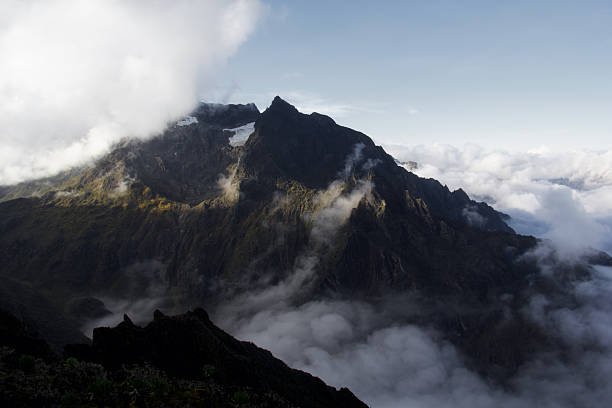
The upper route is more rugged than the lower mountain.
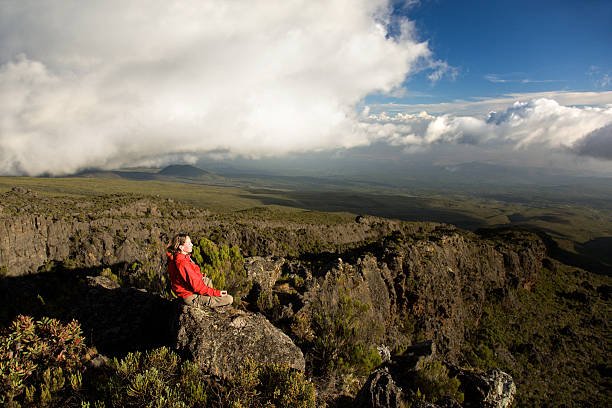
Trekkers move through volcanic terrain, rocky slopes and narrow ridge sections.
Some parts require slow and careful walking rather than speed.
A headlamp is essential because much of the ascent is completed before sunrise.
Is Mount Meru Scary?
Most trekkers do not consider the entire route frightening, but some upper sections can feel exposed.
People with a strong fear of heights may find the summit ridge challenging.
Professional guides help climbers move safely through the more exposed sections.
Walking slowly and focusing on the trail immediately ahead can help reduce anxiety.
How Does Altitude Affect Mount Meru Difficulty?
Altitude makes walking feel harder because less oxygen is available as elevation increases.
Climbers may experience headache, reduced appetite, fatigue or difficulty sleeping while adjusting.
A slower ascent provides more time for adaptation.
Anyone experiencing serious or worsening symptoms should tell the guide immediately.
Can You Get Altitude Sickness on Mount Meru?
Yes. Mount Meru is high enough for altitude sickness to occur.
Fitness does not guarantee protection because altitude response varies between individuals.
Walking slowly, drinking regularly and following a sensible itinerary can support acclimatization.
Serious symptoms may require descent.
Is Mount Meru Good for Acclimatization Before Kilimanjaro?
Yes. Mount Meru is commonly used as preparation before Kilimanjaro because it allows trekkers to experience high altitude before beginning the larger climb.
Reaching approximately 4,566 metres provides useful exposure to elevation.
The trek also gives travellers experience with mountain huts, early summit starts, slow pacing and consecutive hiking days.
A recovery period between Meru and Kilimanjaro can be included depending on the overall itinerary.
Mount Meru vs Kilimanjaro Difficulty
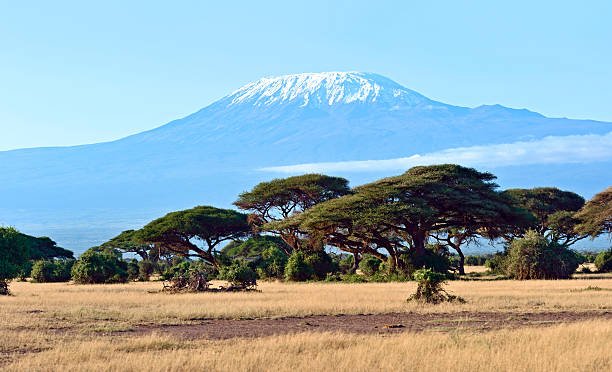
Kilimanjaro is higher and normally requires more trekking days, making altitude a greater challenge overall.
Mount Meru, however, can feel steeper and more rugged in some upper sections.
Both mountains require fitness and acclimatization.
Many trekkers find Mount Meru useful because it gives them a realistic introduction to high altitude trekking before attempting Kilimanjaro.
Mount Meru vs Kilimanjaro
- Mount Meru: Approximately 4,566 m
- Kilimanjaro: Approximately 5,895 m
- Mount Meru: Usually 3-4 days
- Kilimanjaro: Commonly 5-9 days depending on route
- Mount Meru: Steeper and more exposed upper sections
- Kilimanjaro: Greater overall altitude challenge
How Difficult Is the Descent?
The descent can be surprisingly demanding because legs are already tired from the summit climb.
Long downhill sections place additional strain on knees and thighs.
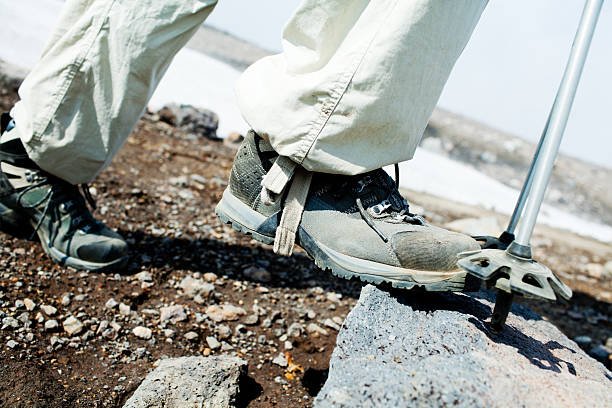
Trekking poles can help improve balance and reduce some of the impact during descent.
Strong footwear with good grip is also important.
Does Weather Make Mount Meru Harder?
Yes. Rain can make forest sections muddy and slippery, while cold wind can make higher elevations more uncomfortable.
Cloud and mist can also reduce visibility.
Trekkers should carry waterproof clothing and warm layers regardless of season.
Mountain conditions can change quickly even when the day begins with clear weather.
Rainy Season Mount Meru Difficulty
During wetter periods, lower forest trails can become muddy.
Slippery ground can slow the group and require more concentration.
Waterproof boots, gaiters, trekking poles and rain protection can make a significant difference.
The trek remains possible in varying conditions, but weather can influence comfort and trail difficulty.
Dry Season Mount Meru Difficulty
Drier periods can provide more stable trail conditions, although dust and strong sun may become greater considerations at lower elevations.
High elevations can still be cold regardless of the season.
Climbers should therefore prepare for both warm and freezing conditions during the same trek.
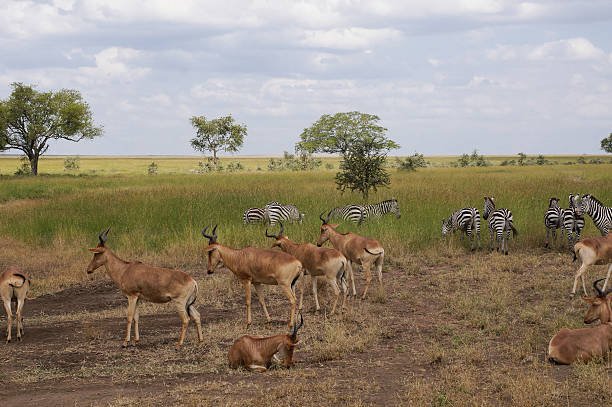
Wildlife and Mount Meru Trek Difficulty
Mount Meru lies inside Arusha National Park, where the lower route passes through wildlife habitat.
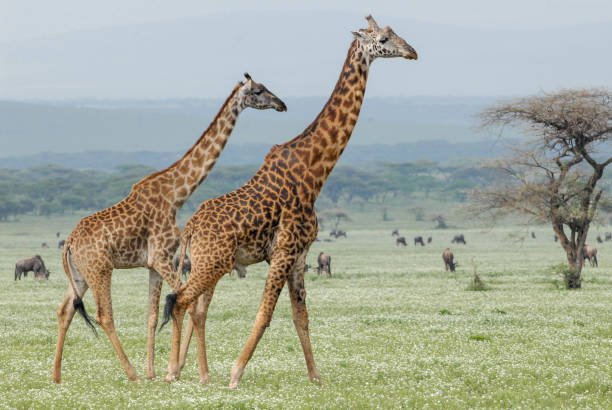
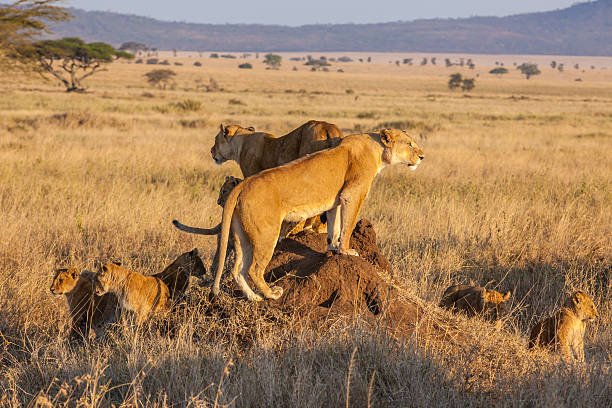
Trekkers may encounter animals such as giraffes, buffaloes, antelopes and monkeys.
Because of this, an armed park ranger normally accompanies trekking groups in the lower sections.
Travellers should remain with the group and follow ranger instructions.
Training for Mount Meru
Training should begin several weeks before the climb where possible.
The most useful preparation involves regular walking and hiking rather than relying only on gym exercises.
Hill training helps prepare the legs for repeated uphill and downhill sections.
Longer weekend hikes can also help the body become accustomed to walking for several hours.
Useful Mount Meru Training
- Regular brisk walking
- Hill hiking
- Stair climbing
- Cycling
- Running or jogging
- Leg strength exercises
- Core training
- Long weekend hikes
- Walking with a small daypack
How Long Should You Train for Mount Meru?
The ideal training period depends on your starting fitness level.
Someone who already hikes regularly may need less preparation than a traveller beginning from a low activity level.
Several weeks of consistent training is generally more useful than intense exercise immediately before departure.
The goal is to build endurance gradually while avoiding injury.
Do You Need Strong Legs?
Strong legs are useful because the trek involves significant uphill and downhill walking.
Quadriceps, calves and glute muscles work continuously on steep sections.
Leg strength is particularly important during the long descent after summit day.
Training with hills or stairs can help prepare these muscle groups.
Do You Need Good Cardiovascular Fitness?
Yes. Cardiovascular fitness helps the body handle sustained uphill movement.
At altitude, even a normal walking pace can feel more demanding than at sea level.
Regular aerobic training can improve endurance, although it cannot completely prevent altitude symptoms.
What Pace Do You Walk on Mount Meru?
The correct pace is generally slow and steady.
Walking too quickly at the beginning can waste energy and make altitude adjustment more difficult.
Guides normally regulate the trekking pace according to the group and terrain.
Maintaining a sustainable rhythm is more important than trying to reach camp quickly.
Do Porters Carry Your Luggage?
Supported Mount Meru treks normally include porters who carry approved personal luggage and communal supplies.
Trekkers generally carry a smaller daypack containing water, rain gear, clothing layers, snacks and personal essentials.
This reduces the amount of weight carried during each day's hike.
How Heavy Is Your Daypack?
A daypack should contain only the items needed during the day's walk.
Carrying unnecessary weight makes steep climbing harder.
Water is usually one of the heaviest items, along with clothing layers and rain gear.
Organizing the pack efficiently can improve comfort throughout the trek.
What Shoes Do You Need for Mount Meru?
Comfortable trekking boots with good grip are strongly recommended.
The upper mountain includes rocky terrain, while lower sections can become muddy during wet conditions.
Boots should be broken in before travelling.
Using completely new footwear on the mountain can increase the risk of blisters.
Are Trekking Poles Useful?
Yes. Trekking poles can help with balance on steep or uneven ground.
They are particularly useful during long downhill sections.
Poles may also help on muddy trails during wetter weather.
What to Pack for Mount Meru Trek
- Comfortable trekking boots
- Trekking trousers
- Base layers
- Warm fleece
- Insulated jacket
- Waterproof jacket
- Waterproof trousers
- Warm gloves
- Warm hat
- Sun hat
- Headlamp
- Trekking poles
- Daypack
- Water bottles or hydration system
- Sunglasses
- Sunscreen
- Personal medication
Where Do You Sleep on Mount Meru?
Mount Meru trekkers normally use mountain huts rather than camping tents.
Miriakamba Hut and Saddle Hut are commonly used during the trek.
Sleeping in huts can make accommodation logistics easier compared with fully camping based routes.
However, climbers should still bring warm sleeping equipment according to the confirmed packing list.
Does Sleeping in Huts Make Mount Meru Easier?
Hut accommodation removes the need to sleep in a tent, which some trekkers find more comfortable.
However, it does not reduce the altitude or physical difficulty of the trail.
The main challenge remains the hiking itself, particularly summit night.
Meals During the Mount Meru Trek
Supported treks generally include meals prepared during the expedition.
Eating properly helps maintain energy during consecutive days of hiking.
Appetite can decrease at altitude, so trekkers should still try to eat enough to support the following day's activity.
Hydration on Mount Meru
Regular hydration is important at altitude.
Trekkers should drink throughout the day rather than waiting until they feel very thirsty.
Water requirements vary according to temperature, effort and individual needs.
Electrolytes can also be useful for some travellers during long hiking days.
Can Older Travellers Climb Mount Meru?
Age alone does not determine whether someone can climb Mount Meru.
Fitness, mobility, health and hiking experience are more important considerations.
Older travellers should choose an itinerary that matches their physical condition and discuss any medical concerns with an appropriate healthcare professional before travel.
Can Children Climb Mount Meru?
Suitability for younger trekkers depends on current park requirements, age, fitness and high altitude considerations.
Families should confirm current minimum age rules before booking.
Young trekkers should never be pushed to continue when altitude symptoms or exhaustion become significant.
Mount Meru for Solo Travellers
Solo travellers can join selected group departures or arrange a private Mount Meru trek.
Group joining can provide a social experience while sharing some trekking logistics with other participants.
Private trips provide greater flexibility with departure dates and overall itinerary planning.
Mount Meru for Couples
Couples can climb Mount Meru together on either private or group arrangements.
The mountain can also be combined with a romantic safari or Zanzibar extension afterward.
A four day itinerary can be particularly suitable for couples who prefer a slightly more relaxed trekking schedule.
Private Mount Meru Trek Difficulty
A private trek does not make the mountain itself easier, but it can provide more flexibility in pace and daily organization.
The guide can focus exclusively on your travelling party.
However, park schedules, hut locations and route conditions still determine much of the itinerary.
Group Mount Meru Trek Difficulty
Group joining climbers follow a shared itinerary.
Participants may have different natural walking speeds, so guides normally maintain a controlled pace.
The mountain should not be treated as a competition between group members.
Individual altitude symptoms should always be reported regardless of how other climbers are feeling.
How to Make Mount Meru Easier
No preparation can remove every challenge, but good planning can make the trek considerably more manageable.
Ways to Make Mount Meru More Manageable
- Choose the four day itinerary when possible
- Train regularly before departure
- Break in trekking boots in advance
- Walk slowly from the first day
- Use trekking poles
- Drink regularly
- Eat enough during the trek
- Sleep and rest properly
- Follow guide instructions
- Report altitude symptoms early
Example 4 Day Mount Meru Difficulty Breakdown
Day 1: Momella Gate to Miriakamba Hut
The first day introduces the climb with several hours of uphill walking through Arusha National Park.
Difficulty is moderate and mainly comes from sustained climbing rather than altitude.
Wildlife and forest scenery make the day varied and interesting.
Day 2: Miriakamba Hut to Saddle Hut
The climb becomes steeper and the altitude becomes more noticeable.
An optional or scheduled Little Meru acclimatization hike can add extra effort during the afternoon.
This day is more challenging than Day 1.
Day 3: Saddle Hut to Socialist Peak and Return
This is the hardest day of the trek.
The climb begins very early and continues through steep high altitude terrain toward Socialist Peak.
After reaching the summit, trekkers descend for several hours, making the total day physically demanding.
Day 4: Descent to Momella Gate
The final day is mostly downhill.
Although altitude becomes easier as the group descends, tired legs can make the long descent challenging.
Trekking poles are particularly useful on this day.
Mount Meru Trek Cost 2026-2027
The price of a Mount Meru trek depends on the number of days, group size, park fees, accommodation, transportation and included support services.
A four day itinerary usually costs more than a three day trek because of the additional hut night, park fees, meals and crew costs.
Private trips can also have a higher per person price than shared group departures.
Travellers should compare full inclusions rather than choosing only according to the lowest headline price.
What Is Included in a Mount Meru Trek?
- Professional mountain guide
- Armed park ranger where required
- Porters
- Cook or meal support according to package
- Arusha National Park fees
- Mountain hut accommodation
- Meals during the trek
- Drinking water according to itinerary
- Transfers to and from Momella Gate when included
Typical Exclusions
- International flights
- Tanzania visa
- Travel insurance
- Personal trekking gear
- Equipment rental
- Guide and porter gratuities
- Personal medical expenses
- Additional hotel nights
- Activities outside the confirmed itinerary
Travel Insurance for Mount Meru
Travellers should arrange suitable travel insurance before trekking.
The policy should cover hiking to the maximum altitude reached on Mount Meru.
Medical treatment, evacuation and trip interruption provisions should also be reviewed carefully.
Insurance documents and emergency contact information should remain accessible during the trek.
Combining Mount Meru with Kilimanjaro
Mount Meru is one of the most useful trekking extensions before Kilimanjaro.
It provides several days of hiking and exposure to elevations above 4,000 metres.
After descending, climbers can rest before beginning Kilimanjaro according to the planned schedule.
This combination creates a longer Tanzania mountain adventure and can help travellers understand how their bodies respond to altitude.
Combining Mount Meru with Safari
Mount Meru can also be followed by a northern Tanzania safari.
Arusha is conveniently located for continuing toward Tarangire, Lake Manyara, Ngorongoro and Serengeti.
A safari provides a more relaxed activity after several physically demanding trekking days.
Frequently Asked Questions About Mount Meru Trek Difficulty
How difficult is Mount Meru?
Mount Meru is a challenging high altitude trek requiring good fitness, but standard routes do not normally require technical mountaineering skills.
Can beginners climb Mount Meru?
Yes. Physically prepared beginners can climb Mount Meru, particularly on the four day itinerary.
Do I need technical climbing experience?
No technical climbing experience is normally required on the standard Mount Meru trekking route, although the upper mountain includes steep and exposed sections.
How many days does Mount Meru take?
Mount Meru is commonly trekked over three or four days, with four days providing a more gradual schedule.
Is Mount Meru harder than Kilimanjaro?
Kilimanjaro is higher and generally more demanding because of altitude and duration, while Mount Meru can feel steeper and more exposed in some upper sections.
How hard is summit night?
Summit night is the most demanding part of Mount Meru because it combines altitude, darkness, cold temperatures, steep terrain and a long descent afterward.
Can I get altitude sickness?
Yes. Mount Meru reaches approximately 4,566 metres, so altitude symptoms are possible and should be reported to the guide.
Is the four day Mount Meru trek easier?
The four day schedule is generally more comfortable because trekking is spread over more time and additional acclimatization is possible.
How fit should I be?
You should be comfortable walking for several hours on consecutive days and have reasonable cardiovascular fitness and leg strength.
How should I train?
Regular walking, hill hiking, stair climbing, cycling, running and strength exercises can all help prepare for Mount Meru.
Do porters carry my main bag?
Supported treks generally use porters for approved personal luggage and shared equipment, while climbers carry a smaller daypack.
Where do trekkers sleep?
Mount Meru trekkers normally stay in mountain huts such as Miriakamba Hut and Saddle Hut.
Is Mount Meru good preparation for Kilimanjaro?
Yes. Mount Meru provides several days of trekking and valuable exposure to altitude before a Kilimanjaro climb.
Do I need trekking poles?
They are not always mandatory, but trekking poles are very useful on steep sections, muddy trails and long descents.
How do I book a Mount Meru Trek for 2026-2027?
Provide your preferred travel dates, number of trekkers, preferred three or four day itinerary and any plans to combine Mount Meru with Kilimanjaro or safari. A suitable trekking arrangement can then be prepared around those details.
Prepare for Your Mount Meru Trek 2026-2027
Mount Meru is a challenging but achievable high altitude trek for properly prepared travellers. Choose a realistic itinerary, train before departure, walk slowly, manage altitude carefully and experience one of Tanzania's most rewarding mountain adventures.
Plan Your Mount Meru Trek

 Serengeti Safari