Kilimanjaro Summit Night Packing List
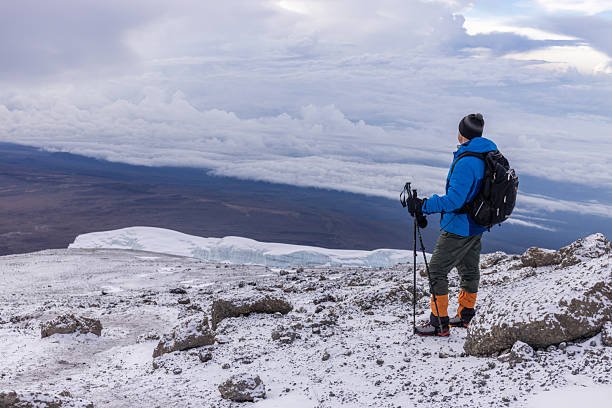
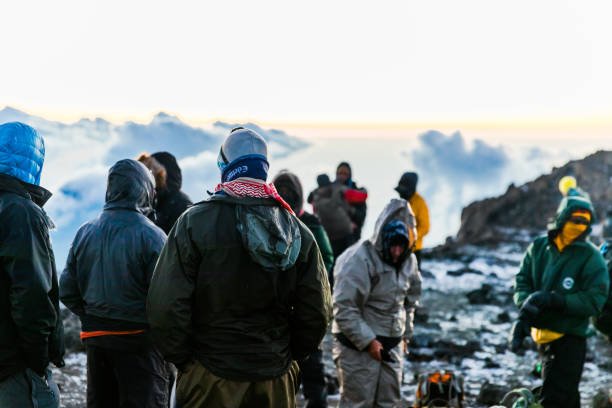
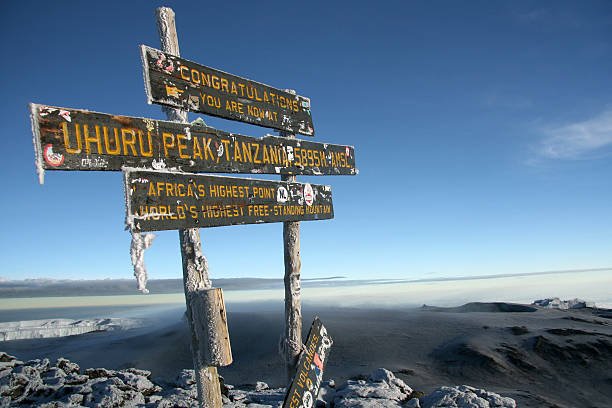
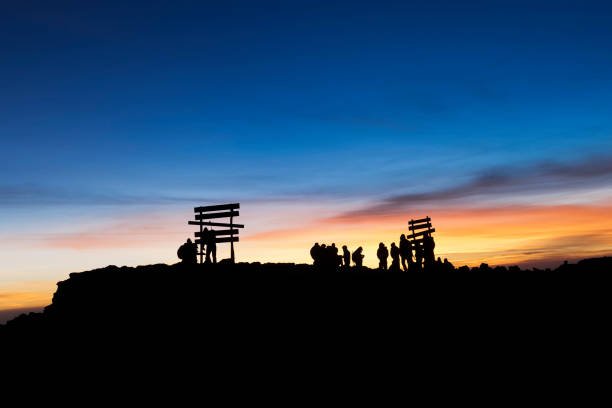
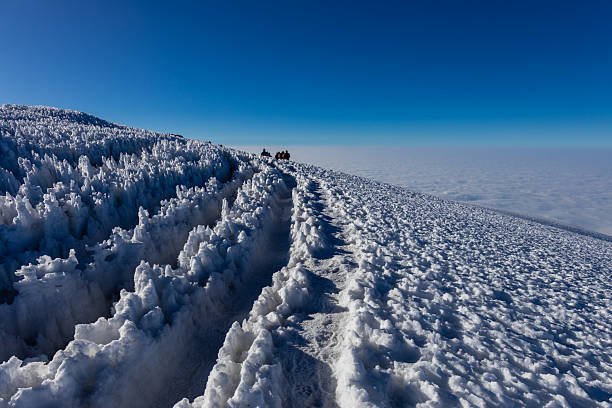
The Kilimanjaro Summit Night Packing List deserves special attention because summit night is very different from an ordinary trekking day. Climbers normally leave the high camp during the night and spend many hours moving through cold, dark and increasingly high altitude terrain before reaching the crater rim and, when conditions and health permit, continuing toward Uhuru Peak at approximately 5,895 metres.
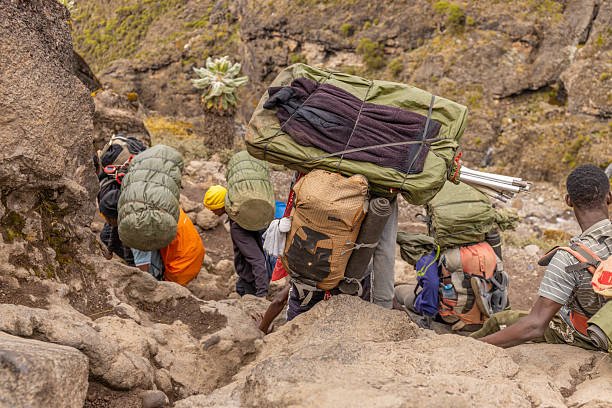
Everything needed during this stage should either be worn or carried in your personal daypack. Your porter carried duffel will not normally be available while you are climbing toward the summit.
The objective is not to carry as many items as possible. A good summit packing system provides enough warmth, protection, food, water and emergency personal essentials without creating an unnecessarily heavy backpack.
Prepare the complete system before trying to sleep at summit camp. Waiting until the wake up call to find gloves, batteries or clothing wastes energy and creates unnecessary stress.
Kilimanjaro Summit Night Essentials
- Base layers: Warm moisture managing layers for upper and lower body.
- Mid layers: Fleece or insulating layers.
- Insulated jacket: Down or suitable synthetic insulation.
- Waterproof shell: Jacket and trousers.
- Warm gloves: Preferably with additional lighter gloves for flexibility.
- Warm hat: Covering the head and ears.
- Neck gaiter: Useful for wind and facial protection.
- Headlamp: With reliable batteries and spare batteries.
- Hiking boots: Tested before arriving in Tanzania.
- Warm socks: Suitable for summit conditions.
- Water: Prepared according to guide instructions.
- Energy snacks: Familiar foods that are easy to eat.
- Trekking poles: Useful for ascent and especially the long descent.
- Personal medication: Kept accessible.
Summit Night Clothing Layer System
Layering allows you to adjust clothing as conditions and body temperature change.
Wearing one extremely heavy item without a flexible layering system can make temperature management difficult. You may feel warm while climbing, become cold during a rest stop and then need to remove or add insulation again.
Prepare your summit layers in the correct order before sleeping so dressing in the dark becomes straightforward.
Upper Body Layering
- Base layer: Moisture managing long sleeve top.
- Second warm layer: Additional thermal or light fleece where needed.
- Mid layer: Fleece or soft insulating jacket.
- Weather shell: Waterproof and wind resistant outer jacket.
- Insulated jacket: Down or synthetic jacket added according to temperature and guide advice.
Lower Body Layers
Your legs also require protection from cold and wind.
- Thermal long underwear
- Trekking trousers
- Waterproof or wind resistant outer trousers
- Additional warm layer where conditions and personal cold tolerance require it
Do not wait until the middle of the summit ascent to discover that an important lower body layer is inaccessible in your porter duffel.
Warm Summit Jacket
An insulated jacket is one of the most important summit night items.
A suitable down or synthetic jacket provides substantial warmth during cold sections and rest stops.
You may not need to wear the heaviest jacket continuously while climbing because physical movement generates heat. It should nevertheless remain immediately accessible whenever conditions become colder.
Waterproof Jacket and Trousers
Your outer shell protects against wind, moisture and rapidly changing mountain conditions.
Even when the weather appears clear at the start of summit night, carry the complete protective system rather than assuming conditions will remain unchanged.
Warm Gloves
Hands can become uncomfortable quickly in cold and windy conditions.
Prepare warm summit gloves before leaving camp.
Some climbers prefer a lighter inner glove combined with a warmer outer glove or mitten. This allows simple tasks to be completed without exposing bare hands for extended periods.
Your gloves should be large enough that they do not restrict circulation.
Warm Hat and Head Protection
Wear a warm hat that covers your ears.
A neck gaiter or similar face covering can provide additional protection against cold wind and dust.
Your jacket hood can add another protective layer when conditions become windy.
Headlamp
A headlamp is essential because the traditional summit ascent begins in darkness.
Test your headlamp before travelling and again at summit camp.
Install reliable batteries and carry spare batteries in an accessible location.
Keeping spare batteries reasonably warm can also help protect their performance in very cold conditions.
Check Your Headlamp before Sleeping
- Switch it on and confirm it works.
- Check battery strength.
- Pack spare batteries.
- Adjust the strap before putting on multiple head layers.
- Keep the lamp where you can find it immediately after waking.
Summit Hiking Boots
Your hiking boots should already have been tested during training and the earlier mountain days.
Summit night is not the time to use new boots for the first time.
Boots should provide adequate support, suitable grip and protection appropriate to the conditions.
Avoid overtightening the laces because excessively restricted feet can become uncomfortable and cold.
Summit Socks
Use clean, dry socks suitable for cold trekking conditions.
Avoid creating an excessively tight combination of multiple socks inside a boot that does not have enough space.
Your feet need warmth without unnecessary compression.
Gaiters
Gaiters are optional for many Kilimanjaro climbers but can provide useful protection against loose gravel, dust, wind, moisture and debris entering the top of the boots.
They can be particularly useful during loose sections of the summit descent.
Water for Summit Night
Hydration remains important during the summit attempt.
Prepare the quantity of water recommended by your guide and protect it from freezing conditions.
Rigid bottles can be useful because hydration tubes and valves can become vulnerable in severe cold.
Keep water accessible rather than buried beneath every other item in your backpack.
Preventing Water from Freezing
Cold summit conditions can freeze exposed bottle openings and hydration tubes.
Keep water insulated where practical and follow your guide's local summit strategy.
Some climbers carry rigid bottles upside down so ice formation around the top of the water does not immediately block the drinking opening.
Do not depend entirely on a hydration tube without considering how it may perform in freezing conditions.
Summit Snacks
Pack familiar, lightweight and easy to eat snacks.
Altitude can reduce appetite, so this is not the ideal time to experiment with unusual foods.
Useful Personal Summit Snacks
- Energy bars
- Chocolate where practical
- Dried fruit
- Nuts
- Energy chews
- Other familiar high energy foods that you know you can eat
Keep at least some snacks in an easily reached pocket rather than forcing yourself to remove your backpack and search through it every time you need energy.
Trekking Poles
Trekking poles can provide useful stability during both the summit ascent and the long descent.
Many climbers particularly appreciate them after the summit when tired legs are descending loose mountain terrain.
Adjust and test the poles before summit departure.
Sunglasses
The ascent begins in darkness, but you may be descending after sunrise.
Keep sunglasses in your summit daypack where they can be reached easily when daylight becomes strong.
Do not leave them inside the porter duffel simply because you will not need them during the first hours of the ascent.
Sunscreen and Lip Protection
High altitude sunlight can be intense once the sun rises.
Pack sunscreen and lip protection for use during the later summit stage and descent.
Personal Medication
Any essential personal medication must stay with you rather than being placed in an inaccessible porter duffel.
Discuss relevant medication arrangements with your healthcare professional before travelling and make sure the guide knows about important medical considerations where appropriate.
Do not begin taking unfamiliar medication on the mountain simply because another climber offers it.
Phone and Camera
You can carry a phone or camera for summit photographs, but remember that cold conditions can reduce battery performance.
Keep electronics protected and reasonably warm.
A power bank can be useful during the overall expedition, although unnecessary electronics should not make your summit backpack excessively heavy.
What Goes in Your Summit Daypack?
Summit Daypack Checklist
- Water
- Personal summit snacks
- Additional warm layer if not already worn
- Waterproof outerwear if not already worn
- Extra gloves if used
- Sunglasses
- Sunscreen
- Lip protection
- Personal medication
- Headlamp batteries
- Phone or camera
- Small amount of toilet paper or personal hygiene supplies
What Should Not Be in Your Summit Daypack?
A heavy backpack wastes valuable energy.
Do not carry your entire mountain duffel simply because summit night feels important.
- Multiple unnecessary clothing duplicates
- Your sleeping bag
- Camp toiletries not required during the ascent
- Large quantities of food
- Unnecessary electronics
- Safari or city clothing
- Anything that provides no practical value during summit day
Your Porter Duffel on Summit Night
Your main duffel contains sleeping and camp equipment that you do not need while actively climbing.
The porter team manages the expedition luggage according to the route and summit camp arrangements.
Do not place your headlamp, water, summit gloves, medication or essential warm layers in the duffel expecting to retrieve them during the ascent.
Prepare Everything before Resting
Summit camp is not the place for complicated packing immediately after waking.
Once you arrive at the high camp, eat, drink, organise your equipment and prepare your complete clothing system.
Before Going to Sleep
- Lay out your summit base layers.
- Prepare fleece and insulation layers.
- Place your outer shell nearby.
- Prepare gloves and hat.
- Check your headlamp.
- Pack spare batteries.
- Prepare water.
- Prepare summit snacks.
- Adjust trekking poles.
- Place sunglasses inside the daypack.
- Keep personal medication accessible.
- Complete the guide health assessment honestly.
Summit Night Health Check
Equipment preparation is only one part of summit readiness.
Our mountain procedures include regular individual health assessments before the summit attempt.
Guides consider headache, nausea, appetite, breathing, fatigue, walking condition and other symptoms when evaluating how a climber is responding to altitude.
Do not hide symptoms simply because you have reached the final high camp.
Pulse Oximeter Monitoring
A pulse oximeter provides additional information during our mountain health assessments.
Its reading should be interpreted together with symptoms and overall condition rather than used as one universal number that automatically determines whether a climber should continue.
Summit Night Safety Support
- Professional Kilimanjaro guides
- Controlled summit pace
- Health assessment before departure
- Pulse oximeter monitoring
- Emergency oxygen
- First aid equipment
- Altitude symptom monitoring
- Summit assistance according to expedition requirements
- Descent support when necessary
Emergency Oxygen
Emergency oxygen forms part of our mountain safety equipment.
It is intended for emergency management and should not be treated as equipment that allows an unwell climber to continue toward Uhuru Peak regardless of symptoms.
If descent is required, safety takes priority over summit ambitions.
Do You Carry the Sleeping Bag to the Summit?
No. Your sleeping bag normally remains with the expedition luggage and camp equipment.
It is not required during the active summit ascent and would create unnecessary weight in your personal backpack.
Do You Carry Your Main Duffel?
No. Your porter carried duffel remains part of the expedition luggage system.
You carry only the summit daypack containing equipment needed while climbing.
Summit Night on Machame
Machame climbers commonly prepare for the summit from Barafu or another authorised high camp according to the confirmed itinerary.
The same summit packing principles apply: warm layers, gloves, head protection, headlamp, water, snacks, trekking poles and personal medication must remain accessible.
Summit Night on Lemosho
Standard Lemosho itineraries commonly join the southern circuit and use a high summit camp before the final ascent.
Regardless of whether you have spent seven or eight days acclimatizing, prepare the summit equipment carefully before attempting to rest.
Summit Night on Marangu
Marangu climbers normally prepare for the summit from Kibo Hut.
Sleeping in a hut does not reduce the need for proper cold weather summit equipment.
The summit ascent still takes place at very high elevation and requires the same attention to insulation, lighting, water and personal safety equipment.
Summit Night on Rongai
Rongai approaches the summit area from the northern side before moving toward Kibo.
The packing principles remain the same: prepare warm clothing, lighting, hydration, food and personal essentials before the night ascent begins.
Summit Night on Northern Circuit
The Northern Circuit provides additional mountain days before reaching the summit area, but longer acclimatization does not make suitable summit equipment optional.
Cold protection, a reliable headlamp and accessible hydration remain essential.
Common Summit Packing Mistakes
- Leaving warm gloves in the porter duffel
- Using an untested headlamp
- Forgetting spare batteries
- Carrying too little insulation
- Carrying too many unnecessary items
- Depending entirely on an exposed hydration tube
- Using new boots for the summit attempt
- Packing sunglasses in the porter duffel
- Forgetting personal medication
- Waiting until wake up time to organise equipment
Frequently Asked Questions
What should I wear on Kilimanjaro summit night?
Use a flexible layering system consisting of thermal base layers, insulating mid layers, weather protective outer layers and an appropriate insulated summit jacket.
Do I need a down jacket?
A warm insulated jacket is strongly recommended for summit conditions. It can use down or suitable synthetic insulation depending on the equipment selected.
Do I need waterproof trousers?
Yes. Waterproof or wind resistant outer trousers form an important part of the summit weather protection system.
Do I need warm gloves?
Yes. Warm summit gloves are important, and many climbers use a lighter inner glove together with warmer outer protection.
Do I need a warm hat?
Yes. A warm hat covering the ears should form part of your summit night clothing system.
Is a headlamp required?
Yes. The traditional Kilimanjaro summit ascent begins in darkness, making a reliable headlamp essential.
Should I bring spare headlamp batteries?
Yes. Carry spare batteries and make sure they remain accessible during the summit stage.
How should I carry water?
Prepare water according to your guide's instructions. Rigid bottles can be useful in freezing conditions because hydration tubes can become vulnerable to freezing.
Can my water freeze?
Yes. Summit conditions can be cold enough for exposed water systems to freeze, so protect bottles and follow the guide team's summit water strategy.
Should I bring food?
Carry a small selection of familiar high energy personal snacks that are easy to eat during short breaks.
Are trekking poles useful?
Yes. Trekking poles can support balance during the ascent and can be particularly valuable during the long descent on tired legs.
Do I need sunglasses even though we start at night?
Yes. You may be high on the mountain after sunrise, so keep sunglasses accessible for the later summit stage and descent.
Do I carry my sleeping bag to Uhuru Peak?
No. Your sleeping bag remains with the expedition luggage rather than being carried in your summit daypack.
Do I carry my main duffel?
No. Your porter carried duffel remains with the expedition luggage system. You carry only the personal summit daypack.
Should my medication be in the duffel?
Essential personal medication should remain accessible in your own summit daypack rather than being placed in luggage you cannot reach during the ascent.
Can I rent summit equipment in Moshi?
Selected items such as trekking poles, gaiters and sleeping bags can be rented subject to size and availability. Critical clothing should be checked before mountain departure.
Should I organise everything before sleeping at summit camp?
Yes. Prepare clothing, headlamp, water, snacks, medication and trekking poles before resting so the night departure is simple and efficient.
Are health checks performed before summit night?
Our mountain procedures include individual health assessments before the summit attempt and throughout the expedition.
Is emergency oxygen carried?
Yes. Emergency oxygen forms part of our Kilimanjaro safety equipment.
Does good summit equipment guarantee reaching Uhuru Peak?
No. Appropriate equipment helps manage environmental conditions, but summit success also depends on acclimatization, health, weather, mountain conditions and guide assessment.
How do I prepare my summit night packing list?
Complete your equipment check in Moshi, organise summit specific items during the trek and prepare everything before resting at the final high camp. Keep warm layers, headlamp, water, snacks, medication and other critical items in your personal control rather than the porter duffel.
Prepare Your Kilimanjaro Summit Night Gear
Prepare warm layers, reliable lighting, hydration, snacks, trekking poles and personal essentials before leaving summit camp so you can focus on a steady, safety conscious ascent toward Uhuru Peak.
Request the Complete Kilimanjaro Packing List

 Kilimanjaro Climb