Where to Buy Missing Kilimanjaro Gear in Moshi 2026-2027
Where to Buy Missing Kilimanjaro Gear in Moshi 2026-2027 is an important question for climbers who arrive in Tanzania and discover that a jacket, sleeping bag, trekking pole, pair of gloves, headlamp or another essential item has been forgotten, damaged or rejected during the pre-climb equipment check.
The good news is that Moshi is the main gateway town for many Kilimanjaro expeditions and has an established market for trekking equipment and gear rental.
Specialist outdoor shops, Kilimanjaro operators and rental businesses can provide many of the items required for the mountain.
However, availability and quality vary, so the safest approach is to complete your equipment check before purchasing or renting anything and allow your guide to identify which missing items are genuinely essential.
Buying Missing Kilimanjaro Gear in Moshi at a Glance
- Best first step: Complete your pre-climb gear check
- Specialist gear: Outdoor and Kilimanjaro rental shops
- Operator rentals: Available through many climbing companies
- Easy to source: Poles, gaiters, jackets, sleeping bags and duffel bags
- Basic supplies: Batteries, toiletries, snacks and personal items
- Item to bring from home: Properly fitted and broken-in hiking boots whenever possible
- Important: Inspect rental equipment before leaving Moshi
Can You Buy Kilimanjaro Gear in Moshi?
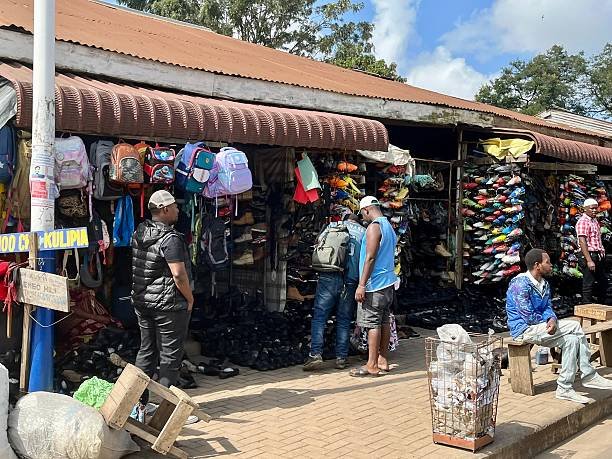
Yes. Moshi has specialist shops and rental businesses serving the large number of trekkers who travel through the town before climbing Mount Kilimanjaro.
You can often find mountain clothing, trekking equipment, sleeping bags, poles, headlamps, gaiters, gloves, water containers and other useful equipment.
Many tour operators also keep rental equipment or work directly with local gear suppliers.
This makes Moshi a useful place to replace an item that was forgotten, lost during a flight or found unsuitable during the mountain briefing.
Do a Kilimanjaro Gear Check Before Shopping
Do not start buying equipment immediately simply because you think something may be missing.
A professional Kilimanjaro briefing normally includes an equipment check where the guide reviews the main clothing, footwear, sleeping and summit items.
Your guide can explain whether the equipment you already have is sufficient and which missing items actually need to be replaced.
This prevents unnecessary purchases and gives you time to concentrate on items that could genuinely affect comfort or safety on the mountain.
Check These Items Before Leaving Moshi
- Hiking boots
- Waterproof jacket
- Waterproof trousers
- Warm insulated jacket
- Thermal base layers
- Warm gloves
- Warm hat or balaclava
- Sleeping bag
- Headlamp
- Trekking poles
- Water bottles
- Daypack
- Porter duffel bag
Where to Find Kilimanjaro Gear in Moshi
Moshi has dedicated outdoor-equipment and Kilimanjaro rental businesses as well as operators that provide rental equipment directly.
Specialist shops are the best starting point for technical trekking items because staff are accustomed to supplying climbers preparing for Kilimanjaro.
Some businesses allow equipment to be selected and fitted before the trek and returned after the climb.
Your tour operator can also direct you toward suitable local suppliers if an item is identified as missing during your briefing.
Gilmans Outdoor Store in Moshi
Gilmans Outdoor is one specialist trekking-equipment option in Moshi.
Its published equipment catalogue includes items such as waterproof hiking boots, trekking poles, thermal layers, insulated jackets, summit trousers, sunglasses, gloves, sleeping equipment and traction devices.
This type of specialist shop can be particularly useful when several pieces of mountain equipment need to be sourced at the same time.
Always confirm current availability and sizes before depending on any specific item.
Kilimanjaro Rental Gears in Moshi
Kilimanjaro Rental Gears is another local specialist option offering outdoor clothing and trekking equipment in Moshi.
Rental businesses can be useful for travellers who need equipment only for Kilimanjaro and do not want to purchase expensive technical clothing that may rarely be used again.
Climbers should try on clothing and inspect equipment carefully before leaving the shop.
Renting Gear Through Your Kilimanjaro Operator
Using your tour operator can often be the easiest solution to missing equipment.
Many operators maintain sleeping bags, trekking poles and other personal items or arrange them through established suppliers.
Some companies ask climbers to provide their clothing or shoe sizes before arrival so requested items can be prepared for the briefing.
This approach also allows your guide to check the rental equipment before the expedition begins.
Gear Commonly Available for Rental in Moshi
- Sleeping bags
- Trekking poles
- Down or insulated jackets
- Waterproof jackets
- Waterproof trousers
- Thermal tops and bottoms
- Warm gloves
- Gaiters
- Headlamps
- Duffel bags
- Daypacks
- Water bottles or hydration systems
Should You Buy or Rent Missing Kilimanjaro Gear?
The answer depends on the item.
Rental makes sense for expensive equipment that you may use only once, particularly sleeping bags, trekking poles, gaiters, insulated jackets and porter duffel bags.
Buying can make more sense for smaller personal items or equipment you expect to use again after Kilimanjaro.
Fit, hygiene, reliability and the future usefulness of the equipment should all be considered before deciding.
Should You Buy Hiking Boots in Moshi?
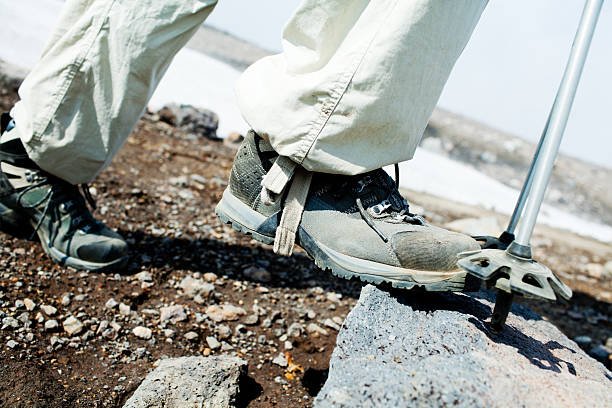
Hiking boots are available through some Moshi gear suppliers, but they should normally be considered an emergency solution rather than something deliberately left until arrival.
Boot fit is extremely personal.
New or unfamiliar boots can cause blisters, pressure points or foot discomfort during several consecutive trekking days.
Whenever possible, buy your main Kilimanjaro boots at home and complete several training hikes in them before travelling to Tanzania.
What If Your Hiking Boots Are Lost by the Airline?
Lost luggage can force a climber to find replacement boots shortly before the expedition.
In that situation, tell your tour operator immediately.
The guide can help identify suitable local purchase or rental options and make sure the boots are appropriate for the route.
Wear the replacement boots around Moshi before the climb whenever time allows so obvious fitting problems can be identified.
Buying or Renting a Down Jacket in Moshi
A warm insulated jacket is one of the most important upper-mountain clothing items.
It is also relatively expensive, making rental attractive for travellers who rarely visit cold environments.
Check that the jacket provides enough insulation and allows room for thermal and fleece layers underneath.
The zipper should work smoothly and the jacket should not be so tight that layering becomes uncomfortable.
Buying Waterproof Jackets and Trousers in Moshi
Waterproof protection is required even during Kilimanjaro's drier seasons because mountain weather can change quickly.
A shell should fit comfortably over other layers without restricting movement.
If renting or purchasing locally, inspect seams, zippers and the overall condition rather than judging the item only by appearance.
Waterproof trousers should also fit over your trekking layers comfortably.
Renting a Kilimanjaro Sleeping Bag
A sleeping bag is one of the largest pieces of personal equipment and therefore one of the most common items to rent in Moshi.
Ask about the bag's temperature rating and inspect its condition.
Make sure the zipper works and that the insulation has not become excessively compressed.
A sleeping bag liner can add cleanliness and a small amount of extra warmth.
Check a Rental Sleeping Bag Before Accepting It
- Temperature rating
- Overall cleanliness
- Zipper condition
- Insulation loft
- Correct size and length
- Dry condition
- Availability of a sleeping bag liner
Trekking Poles in Moshi
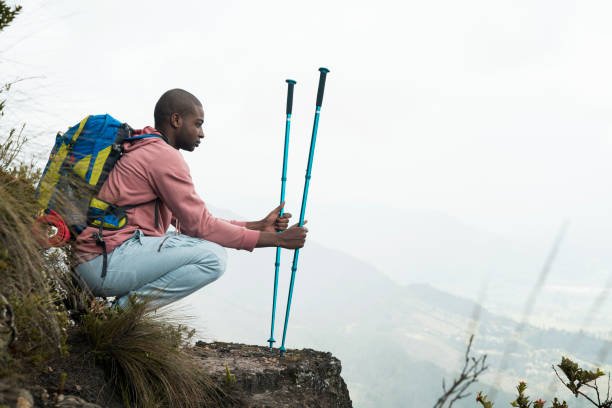
Trekking poles are among the easiest items to rent locally.
They are useful on long descents, uneven terrain and steep trail sections.
Before accepting rental poles, check that the locking mechanisms hold securely and that the length can be adjusted correctly.
If you normally travel without trekking poles, Kilimanjaro is still a reasonable place to consider using them because of the amount of ascending and descending involved.
Buying Gloves in Moshi
Cold hands can make summit night extremely uncomfortable.
A useful system normally includes thinner liner gloves and a warmer insulated outer pair.
If you discover during the gear check that your gloves are inadequate, this is an item worth correcting before leaving Moshi.
Try the gloves on and make sure you can still operate essential equipment such as trekking poles and jacket zippers.
Buying Thermal Base Layers in Moshi
Thermal tops and bottoms can often be sourced through trekking rental suppliers.
They are particularly important during cold evenings and summit night.
Choose layers that fit close enough to retain warmth but do not restrict movement.
Avoid relying on ordinary cotton clothing as your primary cold-weather base layer.
Buying or Renting Gaiters
Gaiters help keep mud, dust, loose stones and snow away from the top of trekking boots.
They can be particularly useful during rainy conditions or loose summit descents.
Gaiters are easy to rent because fit is less complicated than hiking boots.
Check that straps and fastening systems are intact before accepting them.
Headlamps and Batteries in Moshi
A headlamp is essential for summit night and useful around camp after dark.
If yours is forgotten or damaged, trekking-equipment shops can often provide a replacement or rental option.
Always carry spare batteries compatible with your headlamp.
Do not discover at high camp that the batteries supplied with a rental light are already partly depleted.
Water Bottles and Hydration Equipment
Reusable water bottles and hydration systems can also be sourced locally.
For summit night, ordinary bottles can provide useful backup because exposed hydration bladder tubes can freeze in very cold conditions.
Check lids carefully for leaks before putting the bottles inside your daypack.
Daypacks and Porter Duffel Bags
If your main luggage does not meet the requirements of the climb, a suitable duffel can often be rented.
The duffel is normally used for equipment carried by porters, while the climber carries personal daily essentials in a daypack.
Rental daypacks are also available from some suppliers.
A daypack should fit comfortably, have working straps and provide enough space for water, waterproof clothing, snacks and other personal items.
Can You Buy Socks in Moshi?
Trekking socks are relatively simple to replace locally if a pair is forgotten.
Fit should still be checked because socks that bunch inside a hiking boot can increase friction and blister risk.
Bring enough pairs to rotate during the expedition rather than relying on one pair for every day.
Buying Sunglasses in Moshi
Sunglasses are important because sunlight can be intense at altitude and can reflect strongly from snow or ice near the summit.
If buying locally, choose proper UV-protective sunglasses rather than treating them only as a fashion accessory.
Comfort and secure fit are also important because they may be worn for several hours.
Sun Hats and Warm Hats
Both sun protection and cold protection matter on Kilimanjaro.
A brimmed hat is useful during exposed daytime trekking, while a warm hat or beanie becomes important at higher camps and during summit night.
These are relatively easy items to replace in Moshi if forgotten.
Small Items That Are Easier to Replace in Moshi
- Batteries
- Basic toiletries
- Toilet paper
- Wet wipes
- Hand sanitizer
- Snacks
- Water bottles
- Sun hat
- Warm hat
- Simple gloves
- Personal hygiene supplies
Where to Buy Toiletries and Personal Supplies
You do not need a specialist climbing shop for every missing item.
Basic toiletries, tissues, batteries, snacks and personal supplies can normally be found in ordinary shops, supermarkets or pharmacies around Moshi.
Buy these before leaving town because options become extremely limited once the mountain expedition begins.
Buying Snacks for Kilimanjaro in Moshi
The climbing package normally includes meals, but many trekkers also carry a small selection of personal snacks.
Chocolate, biscuits, nuts, sweets and other easy-to-eat products can be purchased before departure.
If you have a particular energy gel, electrolyte product or sports nutrition item that you strongly prefer, bringing it from home may be safer than assuming the exact brand will be available in Moshi.
Buying Electrolytes in Moshi
Some sports hydration and electrolyte products can be available locally, but brand selection may differ from what you use at home.
If you already know that a particular product works well for your stomach during long hikes, packing enough for your trek can avoid unnecessary experimentation immediately before Kilimanjaro.
Can You Buy Prescription Medication in Moshi?
Regular prescription medication should not be intentionally left until arrival.
Carry enough prescribed medicine for the entire trip according to your healthcare provider's advice.
Availability, formulation and brand names can differ internationally.
Pharmacies can be useful for ordinary travel necessities, but your essential personal medication should travel with you whenever possible.
What If Your Airline Loses Your Main Luggage?
This is one of the situations where Moshi's gear rental network becomes particularly valuable.
Contact your Kilimanjaro operator as soon as you know the luggage has not arrived.
The company can help identify which equipment can be rented immediately and which personal items should be purchased.
If your schedule allows, the operator may also continue checking whether delayed luggage arrives before the climb starts.
Should You Delay Your Climb for Missing Gear?
Most minor equipment shortages can be solved without changing the climbing schedule.
However, you should not begin a high-altitude expedition without equipment considered essential by your guide.
If proper footwear, summit clothing or another safety-critical item cannot be sourced in the correct size or condition, discuss the situation honestly with the operator.
Starting the mountain inadequately equipped simply to avoid changing plans can create much larger problems later.
Check the Quality of Second-Hand and Rental Gear
Rental equipment has already been used, so visual inspection is important.
Check zippers, buckles, straps, seams and insulation.
Waterproof equipment should not have obvious tears or serious damage.
Try everything on instead of accepting a labelled size without confirming the actual fit.
Do Not Shop Based Only on the Brand Name
A famous logo does not automatically mean that a used item is still in good condition.
For rental clothing, actual warmth, waterproofing, fit and physical condition matter more than branding.
Likewise, a less familiar brand can still perform well if the equipment is suitable and properly maintained.
Your guide's practical opinion can be useful because they see Kilimanjaro conditions regularly.
Try Everything on Before Paying or Renting
Do not assume that normal clothing sizes are identical between different manufacturers.
Put on the jacket over the layers you expect to wear underneath.
Test waterproof trousers over trekking pants and thermal layers.
Walk in replacement boots and check that gloves, hats and gaiters fit correctly.
Confirm Rental Return Arrangements
Before taking rental equipment, ask when and where it must be returned.
Some operators organize the return automatically when climbers finish the mountain.
Independent rental businesses may have their own collection procedures.
Clarifying this before the climb avoids confusion on the final day when travellers may already be preparing for safari, Zanzibar or an international flight.
Should You Reserve Rental Gear Before Arriving?
If you already know that you need a specific item or unusual size, reserving it in advance can be useful.
This is especially important during popular Kilimanjaro climbing periods when many trekkers arrive in Moshi at the same time.
Send your clothing and footwear sizes in advance when requested.
Even with a reservation, inspect and try on the equipment during the pre-climb briefing.
What Should You Definitely Bring from Home?
Items Better Prepared Before Tanzania
- Broken-in hiking boots
- Prescription medication
- Personal glasses or contact lenses
- Specialized dietary products you depend on
- Personal technical clothing already tested during training
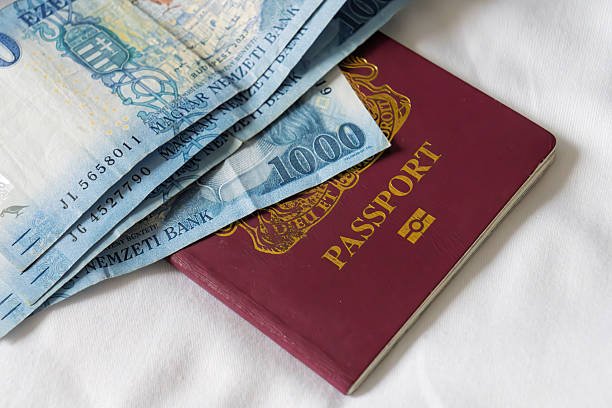
- Travel documents
- Travel insurance information
What Is Usually Safe to Leave for Rental?
Items that do not depend heavily on personalized fit are usually easier to rent.
Trekking poles, gaiters, duffel bags and sleeping bags are common examples.
Insulated jackets can also work well as rentals when the fit and condition are appropriate.
The exact decision depends on what equipment your operator has available.
How Much Does Kilimanjaro Gear Rental Cost in Moshi?
Prices vary by supplier, item, equipment quality and whether the rental is charged per day or for the complete climb.
Published Moshi-area rental lists show that lightweight accessories can cost relatively little while items such as sleeping bags, jackets, boots and backpacks cost more.
Because rental prices and stock can change, ask for a current price list shortly before your climb rather than relying on an old online figure.
Compare quality and condition as well as cost.
Do You Need Cash for Gear Shopping in Moshi?
Payment methods vary between suppliers.
Some businesses may accept electronic or card payments, while smaller transactions can be easier with Tanzanian shillings or another accepted payment method.
Confirm payment requirements with the supplier before visiting rather than assuming every shop accepts the same options.
How Much Time Should You Allow for Gear Shopping?
Ideally, arrive in Moshi with enough time for a mountain briefing and equipment check before the climbing departure.
This provides an opportunity to replace missing items without rushing.
Arriving late at night and beginning the climb very early the following morning leaves little margin for solving equipment problems.
Where possible, complete the final equipment preparation the day before entering Kilimanjaro National Park.
Final Moshi Kilimanjaro Gear Shopping Checklist 2026-2027
Before Leaving for Kilimanjaro
- Complete the guide's gear check
- Identify essential missing items first
- Decide what to buy and what to rent
- Try on all rental clothing
- Inspect zippers, buckles and straps
- Check sleeping bag condition and rating
- Test replacement headlamps
- Buy spare batteries
- Purchase personal toiletries and snacks
- Confirm rental return arrangements
- Pack important equipment in waterproof bags
- Ask your guide to complete a final check
Frequently Asked Questions About Buying Kilimanjaro Gear in Moshi
Can I buy Kilimanjaro gear in Moshi?
Yes. Moshi has specialist outdoor-equipment businesses, rental shops and Kilimanjaro operators that can help with many missing trekking items.
Can I rent Kilimanjaro equipment in Moshi?
Yes. Sleeping bags, trekking poles, jackets, gaiters, thermal clothing, gloves, headlamps, backpacks and other items are commonly offered by rental suppliers.
Should I wait until Moshi to buy hiking boots?
Preferably not. Hiking boots should ideally be purchased and broken in before travelling because correct fit is extremely important during a multi-day Kilimanjaro climb.
Can I rent a sleeping bag in Moshi?
Yes. Sleeping bags are among the most common Kilimanjaro rental items. Check the temperature rating, cleanliness, zipper and insulation before accepting one.
Can I rent a down jacket in Moshi?
Yes. Insulated jackets are available from various trekking-equipment suppliers. Try the jacket over your other layers to make sure it fits correctly.
Can my Kilimanjaro operator arrange missing gear?
Often yes. Many operators provide their own rental equipment or work with local suppliers and can arrange missing items during the pre-climb briefing.
What happens if the airline loses my Kilimanjaro luggage?
Contact your operator immediately. Many essential items can be rented or purchased in Moshi while attempts continue to locate the delayed luggage.
Can I buy gloves and thermal layers in Moshi?
Yes. Specialist trekking suppliers commonly offer warm gloves, thermal tops, thermal bottoms and other cold-weather clothing for Kilimanjaro.
Can I buy batteries and toiletries in Moshi?
Yes. Basic travel items such as batteries, toiletries, snacks, tissues and personal supplies can generally be purchased in ordinary shops, supermarkets and pharmacies.
Should I reserve rental gear in advance?
It is useful if you already know which items you need, especially for unusual sizes or busy climbing periods. You should still inspect and try on the equipment after arriving.
Is rental equipment in Moshi good quality?
Quality varies between suppliers and individual items. Inspect the gear carefully and ask your guide for help if you are uncertain whether an item is suitable for Kilimanjaro.
Can I rent trekking poles in Moshi?
Yes. Trekking poles are widely available for rental and are among the easiest pieces of Kilimanjaro equipment to source locally.
Should I buy everything in Moshi to save luggage space?
Not necessarily. Renting bulky items can reduce luggage, but personal-fit and safety-critical equipment should ideally be tested before travelling whenever possible.
Where should I buy missing Kilimanjaro gear in Moshi in 2026-2027?
Start with your tour operator and pre-climb gear check, then use specialist Moshi outdoor and rental shops for technical equipment and ordinary local shops for basic personal supplies. Confirm stock, sizes, condition and current prices before relying on a specific item.
Complete Your Kilimanjaro Gear Check in Moshi 2026-2027
Arrive in Moshi with enough time for a complete equipment check, replace or rent any missing mountain gear and make sure your boots, layers, sleeping system, waterproof clothing and summit equipment are ready before entering Kilimanjaro National Park.
Prepare for Your Kilimanjaro Climb

 Serengeti Safari