Kilimanjaro Summit Success Rate 2026-2027
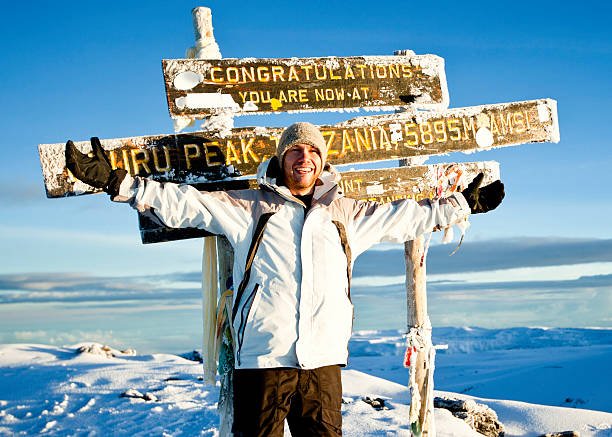
The Kilimanjaro summit success rate is strongly influenced by route duration and acclimatization, with longer seven, eight and nine day itineraries generally providing climbers with a better opportunity to adapt before reaching Uhuru Peak at 5,895 metres.
There is no single summit percentage that accurately represents every Kilimanjaro climber.
Success rates vary between routes, itinerary lengths, operators, seasons and individual climbers.
For this reason, travellers should be cautious about advertisements promising extremely high or guaranteed summit rates without explaining how those figures were calculated.
Kilimanjaro Summit Success at a Glance
- Highest point: Uhuru Peak, 5,895 metres
- Major success factor: Acclimatization time
- Strong overall option: 8 Day Lemosho Route
- Longest popular option: Northern Circuit
- Popular alternative: 7 Day Machame Route
- Lower acclimatization opportunity: Very short itineraries
- Other major factors: Fitness, weather, health, guides and pacing
- Most important principle: Safety before summit statistics
What Is the Kilimanjaro Summit Success Rate?
Kilimanjaro summit success rate usually refers to the percentage of climbers who begin an expedition and eventually reach the summit.
However, published statistics can vary because different companies may define success differently.
Some may count reaching Uhuru Peak, while others may discuss reaching the crater rim at Stella Point or Gilman's Point.
Companies may also calculate their statistics using different routes, seasons, group sizes and time periods.
For this reason, summit percentages should always be interpreted together with the itinerary behind the number.
Is There an Official Kilimanjaro Summit Success Rate?
Travellers frequently see different Kilimanjaro summit percentages online.
These numbers should not automatically be treated as one universal official figure for every climber and every route.
Operator statistics can differ according to their own client records and reporting methods.
The more useful comparison is often the number of trekking days and the acclimatization profile of each itinerary.
Why Summit Success Statistics Can Differ
- Different climbing routes
- Different itinerary lengths
- Different definitions of summit success
- Different operator records
- Different climbing seasons
- Different client fitness levels
- Different levels of previous altitude experience
- Different mountain support standards
What Affects Kilimanjaro Summit Success?
No single factor determines whether a climber reaches Uhuru Peak.
Route duration is one of the most important considerations because it influences the amount of time available for acclimatization.
Physical fitness, health, weather, sleep, nutrition, pacing and guide decisions can also influence the expedition.
Even a well prepared climber may need to turn around if altitude symptoms make continuing unsafe.
Main Factors Affecting Summit Success
- Number of trekking days
- Acclimatization profile
- Individual altitude response
- Physical fitness
- Walking pace
- Nutrition and hydration
- Sleep and recovery
- Weather conditions
- Quality of mountain guides
- Illness or injury
- Equipment and clothing
Why More Kilimanjaro Days Can Improve Summit Chances
The body requires time to adapt to reduced oxygen availability as elevation increases.
A longer itinerary spreads altitude gain across more days.
This provides additional opportunities for acclimatization before summit night.
Longer routes also give guides more time to observe how each climber is responding to altitude.
This is one reason seven to nine day itineraries are often preferred over the shortest available climbs.
5 Day Kilimanjaro Summit Success
Five day Kilimanjaro itineraries provide the least mountain time among common standard climbs.
The classic example is the 5 Day Marangu Route.
The main disadvantage is the relatively rapid ascent to high altitude.
Travellers who have additional time may benefit from adding another mountain day rather than selecting the shortest schedule solely because it costs less or fits a tighter itinerary.
6 Day Kilimanjaro Summit Success
Six day routes provide more time than five day climbs but still follow a relatively compressed schedule.
Examples include 6 Day Machame and 6 Day Marangu.
These itineraries can work well for some travellers, especially those who respond well to altitude.
However, choosing an additional day can create a more gradual ascent.
7 Day Kilimanjaro Summit Success
Seven days is one of the most popular Kilimanjaro trekking durations.
It provides more time for acclimatization while still fitting comfortably into many Tanzania travel itineraries.
Seven Day Machame and Seven Day Lemosho are both popular choices.
For many travellers, seven days provides a stronger balance between mountain duration, cost and acclimatization than shorter schedules.
Why Seven Days Can Be a Strong Choice
- More acclimatization time than short itineraries
- Available on popular routes
- Good balance between duration and cost
- Additional recovery time
- Useful altitude exposure before summit night
8 Day Kilimanjaro Summit Success
Eight day itineraries are among the strongest choices for first time high altitude climbers.
The 8 Day Lemosho Route is particularly popular because it combines a gradual western approach with several acclimatization opportunities.
The additional time gives climbers more opportunity to adapt before reaching Barafu Camp and beginning the summit attempt.
For travellers who have enough time, this can be an excellent overall balance between mountain duration and acclimatization.
9 Day Kilimanjaro Summit Success
Nine day itineraries can provide even more time for altitude adaptation.
The Northern Circuit is commonly associated with longer Kilimanjaro schedules.
Its extended route around the northern side of the mountain allows climbers to spend more days at altitude before summit night.
The main tradeoffs are additional time and higher overall trip cost.
Lemosho Route Summit Success Rate
Lemosho is widely considered one of the strongest Kilimanjaro routes for acclimatization.
It is commonly organized over seven or eight days.
The western approach, Shira Plateau and later southern circuit provide a gradual journey through several altitude zones.
The 8 Day Lemosho Route is particularly attractive for travellers who want to maximize mountain time without choosing the longest available route.
Why Lemosho Can Support Summit Preparation
- Seven or eight day itineraries available
- Gradual western approach
- Shira Plateau altitude exposure
- Lava Tower acclimatization section
- Additional recovery between trekking stages
- Strong option for first time climbers
7 Day vs 8 Day Lemosho Summit Success
Both versions follow much of the same route, but the eight day itinerary provides an additional mountain day.
This creates more time for acclimatization and recovery.
Travellers with enough time may therefore prefer the eight day itinerary.
Seven Day Lemosho remains an attractive option for climbers who need to reduce the trip by one day.
Machame Route Summit Success Rate
Machame is one of the most popular routes on Kilimanjaro.
It is commonly climbed over six or seven days.
The route includes Shira, Lava Tower, Barranco, Karanga and Barafu before summit night.
The seven day version generally provides more time for acclimatization and is therefore preferable when schedules allow.
6 Day vs 7 Day Machame Summit Success
The main difference is the amount of time available before summit night.
Seven Day Machame provides an additional day compared with the six day version.
That extra time can be valuable for altitude adaptation and recovery.
For many first time high altitude climbers, seven days is therefore the stronger option.
Marangu Route Summit Success Rate
Marangu can be climbed over five or six days.
Its use of mountain huts makes it attractive to travellers who prefer not to camp.
However, hut accommodation does not improve altitude adaptation by itself.
Six Day Marangu is generally preferable to the shorter five day itinerary because the additional day provides more acclimatization time.
5 Day vs 6 Day Marangu Summit Success
The six day itinerary gives climbers an extra day to adapt to altitude.
Five days requires a faster progression toward the high mountain.
Travellers who prioritize their opportunity for successful acclimatization should therefore consider the longer version when possible.
Rongai Route Summit Success Rate
Rongai approaches Kilimanjaro from the northern side near the Kenya border.
It can be organized over different durations.
A longer Rongai itinerary generally provides more acclimatization opportunity than a shorter schedule.
The route later descends through the Marangu side.
Northern Circuit Summit Success Rate
The Northern Circuit is one of the longest standard Kilimanjaro routes.
Its extended schedule is one of its main advantages.
Climbers spend more time progressing gradually around the northern slopes before attempting the summit.
This makes the route particularly attractive for travellers who prioritize acclimatization over minimizing the number of trekking days.
Routes to Consider When Summit Success Is a Priority
- 8 Day Lemosho: Excellent overall balance
- Northern Circuit: Maximum trekking time among popular standard routes
- 7 Day Machame: Strong popular alternative
- 7 Day Lemosho: Good western approach with one fewer day
- 6 Day Marangu: Better acclimatization opportunity than five days
Which Kilimanjaro Route Has the Highest Summit Success Opportunity?
There is no route that guarantees the summit.
However, longer routes generally provide stronger acclimatization opportunities.
The Northern Circuit and 8 Day Lemosho are therefore among the most attractive options for travellers prioritizing time to adapt.
Seven Day Machame is another strong option for climbers with slightly less time.
Why Acclimatization Matters More Than Speed
Kilimanjaro is unusual because trekkers travel from relatively low elevation to almost 5,900 metres within only a few days.
A fast walker cannot force the body to acclimatize faster simply through fitness.
This is why guides encourage a slow pace known locally as “pole pole.”
Moving gradually helps conserve energy and supports a more controlled ascent.
Altitude Sickness and Summit Success
Altitude sickness is one of the main reasons climbers may be unable to continue toward Uhuru Peak.
Possible symptoms include headache, nausea, unusual fatigue, dizziness and reduced appetite.
More serious symptoms require urgent attention and may make descent necessary.
Climbers should report symptoms honestly rather than hiding them because they are worried about losing their summit opportunity.
Altitude Safety Practices
- Choose enough trekking days
- Walk slowly
- Drink adequately
- Eat regular meals
- Rest at camp
- Attend daily health checks
- Report symptoms honestly
- Follow guide instructions
- Descend when necessary
Does Fitness Improve Kilimanjaro Summit Success?
Fitness is important because Kilimanjaro requires several consecutive days of walking.
Strong cardiovascular endurance and conditioned legs can reduce unnecessary physical fatigue.
However, fitness does not guarantee altitude tolerance.
Very fit climbers can still develop altitude sickness.
The best preparation combines physical training with a gradual itinerary.
How to Train for Better Summit Preparation
Begin training several weeks or months before departure depending on your current fitness.
Hiking is one of the most valuable activities because it closely matches what you will do on Kilimanjaro.
Combine hiking with cardiovascular exercise and leg strengthening.
Back to back hiking days can be especially useful for preparing for cumulative fatigue.
Useful Kilimanjaro Training
- Long distance walking
- Hill hiking
- Stair climbing
- Inclined treadmill walking
- Squats and lunges
- Step ups
- Cardiovascular exercise
- Consecutive hiking days
Does Previous High Altitude Experience Improve Your Chances?
Previous high altitude experience can be useful because it gives climbers some understanding of how their body has responded before.
However, past success does not guarantee the same response on Kilimanjaro.
Every expedition is different.
Even experienced high altitude trekkers should follow the same acclimatization and safety principles.
Can Beginners Successfully Climb Kilimanjaro?
Yes. Many Kilimanjaro climbers are first time high altitude trekkers.
The standard trekking routes do not normally require advanced technical mountaineering skills.
Beginners should focus on physical preparation, selecting enough trekking days and arriving with appropriate equipment.
An 8 Day Lemosho or 7 Day Machame itinerary can be attractive for well prepared beginners.
Kilimanjaro Summit Success for Solo Travellers
Solo travellers can climb privately or join scheduled groups.
Being a solo traveller does not automatically reduce the opportunity to reach the summit.
The route, number of trekking days, acclimatization and individual condition are much more important.
Lemosho and Machame are particularly popular for group joining departures.
Kilimanjaro Summit Success for Older Climbers
Older climbers can successfully complete Kilimanjaro when appropriately prepared.
Age alone does not determine altitude response.
A longer itinerary may provide a more gradual experience and additional recovery time.
Travellers with existing health concerns should discuss high altitude trekking with an appropriate medical professional before travelling.
Kilimanjaro Summit Success for Families
Families should select routes according to the individual abilities and health of every member.
A private longer itinerary can provide additional flexibility in walking pace and daily arrangements.
Families should prioritize acclimatization rather than trying to keep a rigid fast schedule.
Current park requirements should also be confirmed when younger climbers are included.
Does Group Size Affect Summit Success?
Group size alone does not determine whether climbers reach the summit.
The more important consideration is whether the mountain team provides appropriate guide support for the number of climbers.
Each person should be individually monitored rather than assuming everyone in the group is responding equally well.
Why Guide Quality Matters
Experienced mountain guides play an important role throughout the climb.
They control the walking pace, monitor health, organize the crew and make safety decisions.
A responsible guide should never pressure an unwell climber to continue only to improve a company's summit statistics.
Professional Mountain Support
- Licensed mountain guides
- Assistant guides according to group size
- Daily health monitoring
- Pulse oximeter checks where used
- Emergency oxygen
- First aid equipment
- Emergency descent procedures
- Additional support during summit night
Daily Health Checks and Summit Success
Daily health monitoring helps guides understand how each climber is responding as altitude increases.
Guides may ask about headache, nausea, appetite, sleep and energy levels.
Pulse oximeter readings may also form part of the assessment.
No single number should be used by itself to determine whether a climber is healthy enough to continue.
Emergency Oxygen and Kilimanjaro Summit Success
Emergency oxygen is a safety resource rather than a tool for artificially increasing summit statistics.
It can provide temporary support in certain emergencies while appropriate action is organized.
It should not be used simply to force an unwell climber toward Uhuru Peak.
If descent is required, safety should take priority.
Summit Night and Kilimanjaro Success
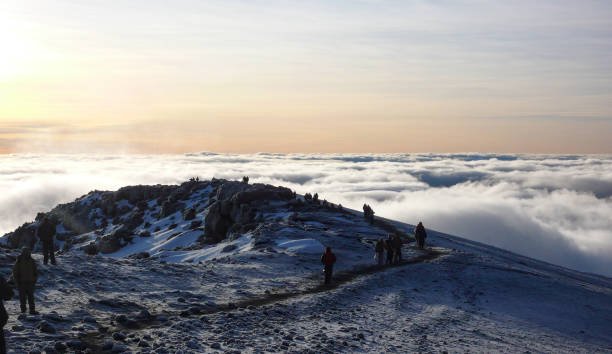
Summit night is usually the most challenging stage of the expedition.
Climbers normally begin around midnight or during the early morning hours and ascend through cold, dark and high altitude conditions.
The walking pace becomes intentionally slow.
Mental patience and energy management are extremely important.
Reaching the crater rim is followed by the final journey toward Uhuru Peak for climbers whose condition remains strong enough to continue.
How Long Is Kilimanjaro Summit Day?
Summit day is generally the longest trekking day.
It includes several hours of ascent followed by a major descent to a lower camp.
The exact walking time varies according to route, pace, weather and the individual climber.
This is why long training hikes and endurance preparation are valuable before travelling.
Weather and Kilimanjaro Summit Success
Weather conditions can influence the difficulty of the climb.
Rain can make lower trails muddy, while wind, snow and freezing temperatures can increase the challenge around the summit.
Good equipment helps climbers remain comfortable and conserve energy.
Severe or unusual conditions may also influence guide safety decisions.
Best Time for Kilimanjaro Summit Success
Kilimanjaro can be climbed during different periods of the year.
Drier periods are often preferred because trekking conditions may be more comfortable.
However, good weather cannot guarantee summit success.
Acclimatization, health and itinerary design remain important regardless of the season.
Does Equipment Affect Summit Success?
Incorrect clothing and equipment can make an already difficult climb considerably harder.
Climbers must prepare for rain, strong sun, wind and freezing summit conditions.
Cold hands, wet clothing or painful footwear can consume energy and make summit night more challenging.
Important Summit Equipment
- Broken in trekking boots
- Thermal base layers
- Warm mid layers
- Insulated jacket
- Waterproof outer shell
- Warm gloves or mittens
- Warm hat or balaclava
- Headlamp and spare batteries
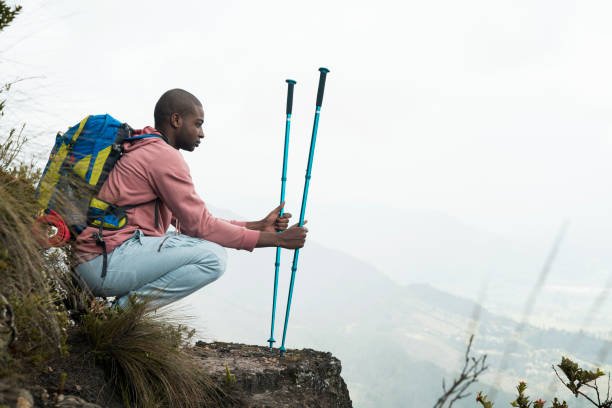
- Trekking poles
- Warm socks
Does Hydration Improve Summit Success?
Appropriate hydration supports normal physical function during the climb.
Climbers should drink regularly throughout the day.
However, drinking excessive amounts of water cannot guarantee acclimatization or prevent altitude sickness.
Hydration should be combined with slow pacing, nutrition and an appropriate ascent schedule.
Nutrition and Kilimanjaro Summit Success
The body requires substantial energy during a multi day trek.
Altitude can sometimes reduce appetite, making it important to continue eating when possible.
Meals containing carbohydrates and other balanced nutrients provide energy for trekking and maintaining body warmth.
Bring personal snacks if there are particular foods you know you enjoy during long hikes.
Sleep and Recovery on Kilimanjaro
Quality sleep can become more difficult at high altitude.
Nevertheless, climbers should rest whenever possible once they reach camp.
A warm sleeping bag and appropriate sleeping equipment can improve comfort.
Reducing unnecessary activity at camp helps preserve energy for the following day.
Mental Preparation for Kilimanjaro Summit Night
The summit attempt requires patience as well as physical fitness.
Progress can feel slow, especially in darkness and cold conditions.
Breaking the climb into smaller sections rather than constantly thinking about the summit can make the night more manageable.
Follow the guide's pace and focus on steady movement.
Does Diamox Guarantee Kilimanjaro Summit Success?
No medication guarantees reaching Uhuru Peak.
Acetazolamide, commonly known by the brand name Diamox, is discussed by some travellers with their medical professionals before high altitude trips.
Whether it is appropriate for an individual should be determined with qualified medical advice.
Medication should never replace a gradual ascent or be used to ignore serious symptoms.
Can You Guarantee Reaching the Kilimanjaro Summit?
No responsible operator can guarantee that every climber will reach Uhuru Peak.
Altitude response is unpredictable and safety decisions may require an individual to turn around.
Weather, illness and injuries can also affect an expedition.
A company can provide strong logistics, experienced guides and a well designed itinerary, but cannot guarantee how an individual body will respond at 5,895 metres.
Be Careful With Summit Guarantees
- No route eliminates altitude sickness
- No operator controls individual altitude response
- Weather can change
- Illness or injury can occur
- Guides may correctly stop a summit attempt for safety
- Health should always come before statistics
Stella Point vs Uhuru Peak Success
Stella Point is located on the crater rim and is reached by routes approaching from Barafu.
Uhuru Peak is the highest point on Mount Kilimanjaro at 5,895 metres.
Climbers reaching Stella Point still need to continue around the crater rim to reach Uhuru Peak.
When comparing summit statistics, travellers should therefore understand exactly which summit point is being counted.
Gilman's Point vs Uhuru Peak Success
Gilman's Point is another recognized point on the crater rim, commonly reached from the Marangu and Rongai side.
Uhuru Peak remains the highest point.
Climbers who continue from Gilman's Point toward Uhuru Peak face additional distance at very high altitude.
This distinction is another reason summit success statistics should be clearly defined.
What Is Considered a Successful Kilimanjaro Climb?
Many travellers define success as reaching Uhuru Peak.
However, a safe expedition can still be successful even if a climber turns around before the summit.
Making a responsible decision when health deteriorates demonstrates good mountain judgement.
No summit photograph is worth taking unnecessary medical risks.
How to Improve Your Kilimanjaro Summit Opportunity
No checklist can guarantee the summit, but good preparation can eliminate many avoidable problems.
Ways to Prepare for a Strong Kilimanjaro Climb
- Choose seven to nine days where practical
- Consider 8 Day Lemosho or a longer route
- Train consistently before travel
- Break in your trekking boots
- Bring appropriate warm and waterproof gear
- Walk slowly on the mountain
- Eat and drink regularly
- Attend daily health checks
- Report altitude symptoms honestly
- Follow your guide's safety decisions
How Early Should You Train for Kilimanjaro?
Many climbers benefit from approximately eight to twelve weeks of structured preparation.
People starting from a lower fitness level may begin several months earlier.
The most important preparation is consistent hiking and cardiovascular endurance rather than extreme workouts immediately before travel.
Does Walking Slowly Really Help?
Walking slowly helps conserve energy and keeps physical intensity manageable as altitude increases.
Kilimanjaro is not a race.
Fast climbers do not receive extra acclimatization benefits simply by reaching camp first.
Following the guide's pace can therefore be an important part of summit preparation.
Rest Days Before Kilimanjaro
Arriving at least one day before your climb can help you recover from international travel.
This also provides time for the mountain briefing and equipment check.
Starting the trek after a sleepless international journey can create unnecessary fatigue before you even reach the first camp.
Can a Safari Before Kilimanjaro Affect Summit Success?
A safari before Kilimanjaro can be enjoyable, but climbers should make sure they begin the mountain well rested.
Long safari driving days and early starts can produce fatigue.
Many travellers therefore prefer climbing Kilimanjaro first and completing the safari afterward.
However, either sequence can work when the itinerary is planned appropriately.
Kilimanjaro Summit Success and Zanzibar
Zanzibar is commonly added after Kilimanjaro.
A beach holiday after the mountain does not influence summit acclimatization but can provide a relaxing conclusion to the journey.
Travellers can also place a Tanzania safari between Kilimanjaro and Zanzibar.
Choosing a Kilimanjaro Operator Based on Summit Rate
Summit statistics should not be the only factor used when choosing a climbing company.
Extremely high percentages may sound attractive but do not automatically demonstrate better safety or service.
Ask how the operator calculates its figure and over what time period.
More importantly, evaluate route design, guide quality, emergency procedures, crew standards and health monitoring.
Questions to Ask a Kilimanjaro Operator
- How many days do you recommend for acclimatization?
- How do you calculate your summit statistics?
- Does summit mean Uhuru Peak?
- How often are climbers monitored?
- Do guides carry emergency oxygen?
- What happens if one climber must descend?
- How many guides support the group?
- What emergency procedures are in place?
Why Safety Is More Important Than Summit Success Rate
A company that turns an unwell climber around may technically record one fewer summit.
However, that decision can demonstrate responsible mountain management.
Summit percentages should therefore never encourage guides or climbers to take unnecessary risks.
The strongest Kilimanjaro experience is one where reaching Uhuru Peak remains secondary to returning safely.
Our Recommended Approach for Kilimanjaro Summit Success 2026-2027
Choose enough trekking days rather than automatically selecting the shortest itinerary.
For many first time climbers, 8 Day Lemosho provides one of the best combinations of gradual acclimatization, scenic variety and manageable trip duration.
Seven Day Machame is a strong alternative for travellers with slightly less time.
The Northern Circuit is particularly attractive for travellers who want an extended mountain itinerary.
Regardless of route, train properly, walk slowly, communicate honestly with your guides and prioritize health over the summit.
Frequently Asked Questions About Kilimanjaro Summit Success Rate
What is the Kilimanjaro summit success rate?
There is no single universal percentage for every climber. Summit statistics vary by route, itinerary length, operator, season and individual altitude response.
Which Kilimanjaro route has the best summit success opportunity?
Longer routes such as 8 Day Lemosho and Northern Circuit provide excellent acclimatization opportunities, while 7 Day Machame is another strong option.
Is 8 Day Lemosho good for summit success?
Yes. Eight Day Lemosho is an excellent overall option because it provides a gradual approach and additional acclimatization time before summit night.
Is 7 Day Machame better than 6 Day Machame?
Seven Day Machame generally provides a stronger acclimatization opportunity because climbers have an additional mountain day.
Is 6 Day Marangu better than 5 Day Marangu?
From an acclimatization perspective, six days is generally preferable because the additional day slows the overall ascent.
Can beginners reach the Kilimanjaro summit?
Yes. Many successful Kilimanjaro climbers are beginners, but they should train adequately and choose an appropriate acclimatization focused itinerary.
Does fitness guarantee reaching Uhuru Peak?
No. Fitness helps with trekking endurance but cannot guarantee altitude tolerance or summit success.
Does Diamox guarantee reaching the summit?
No. Medication cannot guarantee reaching the summit and should never replace an appropriately paced itinerary or professional guide monitoring.
Does walking slowly improve summit chances?
A slow, steady pace helps conserve energy and supports gradual progression at altitude, which is why Kilimanjaro guides emphasize pole pole.
Can altitude sickness stop you reaching the summit?
Yes. Altitude related symptoms can make continued ascent unsafe and may require a climber to stop or descend.
Can a Kilimanjaro operator guarantee summit success?
No responsible operator can guarantee that every climber will reach Uhuru Peak because individual altitude response, weather, health and other factors cannot be completely controlled.
Is Stella Point the summit of Kilimanjaro?
Stella Point is on the crater rim, while Uhuru Peak at 5,895 metres is the highest point on Mount Kilimanjaro.
Is Gilman's Point the same as Uhuru Peak?
No. Gilman's Point is on the crater rim. Climbers must continue farther around the rim to reach Uhuru Peak.
How many days should I choose for better acclimatization?
Seven to nine trekking days can provide a strong balance for many climbers, with eight day Lemosho being a popular overall option.
What is more important than summit success rate?
Guide quality, acclimatization, emergency procedures and responsible safety decisions are more important than simply choosing the operator advertising the highest percentage.
How can I improve my Kilimanjaro Summit Success opportunity in 2026-2027?
Choose enough trekking days, train consistently, bring appropriate equipment, walk slowly, eat and drink regularly, report altitude symptoms honestly and follow your guide's safety decisions throughout the climb.
Plan for a Strong Kilimanjaro Summit Attempt 2026-2027
Improve your Kilimanjaro preparation by choosing enough trekking days, allowing gradual acclimatization and climbing with experienced mountain guides. Compare 8 Day Lemosho, 7 Day Machame and Northern Circuit and choose the itinerary that gives you appropriate time to prepare safely for Uhuru Peak.
Plan Your Kilimanjaro Summit Climb

 Kilimanjaro Climb