Responsible Waste Management on Kilimanjaro 2026-2027
Responsible Waste Management on Kilimanjaro 2026-2027 means making sure that rubbish created during a Mount Kilimanjaro climb is properly controlled, collected and removed instead of being left on trails, around campsites or in fragile mountain habitats.
Tanzania National Parks applies a clear mountain waste principle known as “Trash In Trash Out” or “garbage in garbage out.” Official mountain regulations state that every climbing group must strictly observe this approach to litter and waste treatment.
The same regulations define garbage broadly to include different types of waste and litter, whether solid or liquid and whether degradable or non-degradable.
Responsible waste management therefore involves climbers, guides, cooks, porters and tour operators working together from the first park gate until the expedition finishes.
Kilimanjaro Waste Management at a Glance
- Main rule: Trash In Trash Out
- Littering: Not permitted inside the national park
- Toilets: Use designated facilities where provided
- Food waste: Must be managed by the expedition team
- Personal rubbish: Keep it with you until it can be properly collected
- Reusable items: Help reduce unnecessary waste
- Main objective: Leave camps and trails clean
What Does Trash In Trash Out Mean on Kilimanjaro?
The principle is simple: rubbish taken onto or created on the mountain should not be abandoned there.
Official TANAPA mountain regulations describe this system directly as “garbage in garbage out” and require every climbing group to follow it.
This means wrappers, packaging, damaged equipment and other expedition waste should be collected and moved through the appropriate disposal process instead of being hidden behind rocks, left beside tents or thrown into vegetation.
Following this system protects the appearance of the mountain and helps reduce environmental pressure on heavily used trekking routes.
Why Waste Management Matters on Kilimanjaro
Mount Kilimanjaro contains several very different ecological environments.
Climbers pass from montane forest through heath and moorland into alpine desert and finally the summit environment.
TANAPA describes these habitats as part of Kilimanjaro's distinctive elevation gradient and emphasizes responsible trekking as important for protecting fragile mountain ecosystems.
Litter that might appear small to one individual becomes a significant problem when repeated across thousands of visitors.
Do Not Litter on Kilimanjaro
Tanzania National Parks rules explicitly state that visitors should not litter inside national parks.
This includes obvious rubbish such as bottles and food packaging but also smaller items that climbers sometimes overlook.
Tissues, snack wrappers, bottle caps, adhesive tape and pieces of damaged equipment should not be left beside the trail simply because they are small.
Keeping a small personal rubbish bag in the daypack makes it much easier to manage these items during trekking.
Waste You Should Never Leave on the Mountain
- Food wrappers
- Plastic packaging
- Tissues
- Wet wipes
- Used batteries
- Bottle caps
- Damaged gloves or clothing
- Broken trekking equipment
- Personal hygiene products
- Snack and energy-gel packaging
Use Designated Toilet Facilities
Sanitation is an important part of responsible mountain management.
TANAPA mountain regulations state that where toilet facilities are provided at gates, trails, campsites and bandas, climbers are required to use those facilities.
This helps concentrate sanitation in designated areas rather than allowing human waste to become scattered around camps and fragile terrain.
Follow your guide's instructions about which facilities should be used at each camp.
Public Toilets on Kilimanjaro
Many designated Kilimanjaro camps have toilet facilities available to climbers.
The quality and design can vary according to the campsite and route.
Climbers should carry their own toilet paper and personal hygiene supplies while continuing to follow campsite sanitation procedures.
Do not leave toilet paper, packaging or hygiene products lying around the toilet area.
Private Toilets and Portable Toilets
Some Kilimanjaro operators provide private portable toilet arrangements for their climbing groups.
These can improve convenience and help manage sanitation more consistently around camp.
The operator is responsible for organizing the system appropriately as part of the mountain service.
Travellers should still follow guide and crew instructions rather than disposing of unrelated rubbish into toilet systems without permission.
Food Packaging Waste
A multi-day Kilimanjaro climb requires substantial amounts of food.
Rice, vegetables, snacks, tea, coffee, bread and other expedition supplies all create packaging that needs proper management.
TANAPA mountain regulations require tour operators working inside the parks to use company-labeled packing materials for items such as plastic bags, napkins, lunch packaging, biscuits and meal boxes transported into the park.
This reinforces the responsibility of the operator to control materials brought onto the mountain rather than allowing waste to become anonymous litter.
Personal Snack Wrappers
Climbers often carry chocolate, energy bars, gels, sweets and electrolyte sachets in their daypacks.
These small items can become one of the easiest sources of accidental litter because wrappers are lightweight and can blow away in wind.
Open snacks carefully and immediately place empty packaging inside a secure pocket or personal rubbish bag.
Do not place wrappers temporarily on rocks or the ground where wind can carry them away.
Personal Daypack Waste Kit
- Small reusable rubbish bag
- Separate bag for wet or hygiene waste
- Reusable snack containers where practical
- Reusable water bottle
- Reusable hand sanitizer bottle
- Secure pocket for wrappers until camp
Reduce Waste Before the Climb Begins
Responsible waste management starts before reaching the park gate.
Climbers can remove unnecessary packaging in Moshi and organize food or personal supplies into reusable containers when appropriate.
For example, bringing several individually packaged items inside another large retail box creates unnecessary material to transport onto the mountain.
Reducing excess packaging before departure lowers the amount of waste the expedition needs to manage later.
Reusable Water Bottles
Reusable water bottles are useful throughout a Kilimanjaro climb and help reduce dependence on disposable packaging.
Climbers normally refill bottles or hydration systems as water is prepared during the expedition.
Durable reusable bottles can be used throughout the trip and on future journeys.
Check that bottle lids seal properly before beginning the climb so leaking water does not damage clothing or equipment.
Reusable Food Containers
Where practical, reusable containers can reduce repeated packaging.
The exact food system is managed by the operator, so climbers do not need to bring a complete set of expedition kitchen containers themselves.
However, small personal reusable containers can be convenient for snacks and can prevent lightweight wrappers from escaping in windy conditions.
Wet Wipes and Personal Hygiene Waste
Wet wipes are convenient during multi-day trekking but should never be left along the trail or around camps.
Used wipes should be treated as personal waste and stored securely until they can be disposed of through the proper expedition system.
The same principle applies to other personal hygiene materials.
Do not assume an item can safely be left behind simply because the packaging describes it as disposable.
Menstrual Hygiene Waste on Kilimanjaro
Climbers using menstrual products should include waste management in their personal packing plan.
Bring sealable bags or another secure method for storing used products until they can be properly handled.
Do not leave products in vegetation or beside trails.
If uncertain about the operator's disposal procedure, ask your guide privately before the trek or during the pre-climb briefing.
Used Batteries and Electronic Waste
Used batteries should never be dropped at camps or discarded into the landscape.
Keep depleted batteries separated from fresh ones and take them off the mountain.
The same approach should be used for damaged power banks, cables and other small electronic items.
These materials do not belong in Kilimanjaro's natural environment.
Damaged Clothing and Equipment
Equipment sometimes breaks during a demanding mountain expedition.
A torn rain cover, broken trekking pole strap or damaged glove should not be abandoned simply because it is no longer useful.
Pack damaged equipment out with the rest of the expedition rubbish or personal luggage.
The Trash In Trash Out principle applies just as much to broken equipment as it does to food wrappers.
Waste at Kilimanjaro Campsites
Campsites are where the greatest concentration of daily expedition activity occurs.
Tents are erected, meals are prepared and climbers organize equipment for the following day.
This can create multiple types of waste in a small area.
A responsible climbing team checks the campsite before departure so packaging and other rubbish are not accidentally left behind.
Before Leaving Each Kilimanjaro Camp
- Check inside your tent for rubbish
- Check around the tent entrance
- Collect snack wrappers
- Secure tissues and personal waste
- Do not leave broken equipment
- Follow the crew's waste collection system
- Use designated toilets before departure
Waste on Summit Night
Summit night creates special waste-management challenges because climbers are cold, tired and often eating small snacks in darkness.
Energy-gel packets, sweet wrappers and tissues can easily fall from pockets while gloves are being used.
Keep a secure waste pocket or bag easily accessible.
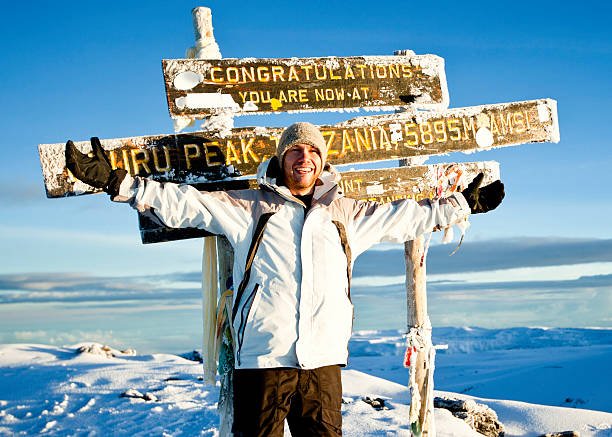
Do not leave packaging at rest points or around Stella Point, Gilman's Point or Uhuru Peak.
Why Summit Waste Is Particularly Important
The high-altitude environment contains little vegetation and harsh climatic conditions.
Waste is extremely visible against volcanic rock, snow and ice.
Leaving rubbish around famous summit locations also damages the experience of the climbers who arrive after you.
Pack out everything that you take into these areas.
Do Not Hide Waste Under Rocks
Placing rubbish beneath a stone does not count as responsible disposal.
The waste remains inside the national park and may eventually become exposed by wind, rain or other climbers.
Trash In Trash Out means removing rubbish rather than making it less visible.
Do Not Throw Waste Into Vegetation
The rainforest and moorland are not rubbish-disposal areas.
Throwing small pieces of packaging into vegetation can make them difficult to recover and can introduce artificial materials into wildlife habitat.
TANAPA park rules prohibit littering and ask visitors to respect wildlife and vegetation.
Do Not Burn Personal Rubbish
Climbers should not create personal fires or attempt to burn rubbish themselves.
TANAPA park rules prohibit causing wildfires and restrict open fires, while visitor guidance instructs climbers to follow park and guide rules regarding fire use.
Give rubbish to the expedition's approved waste system instead of trying to destroy it independently.
Avoid Feeding Wildlife with Food Waste
Food scraps should not be deliberately offered to monkeys, birds or other wildlife.
Park rules prohibit feeding or disturbing wild animals.
Wild animals should continue obtaining food naturally rather than becoming dependent on trekkers or camps.
Food waste should be handled by the expedition team instead of being scattered near camp as a way of “feeding nature.”
Organic Waste Is Still Waste
A banana peel, fruit skin or leftover food may eventually break down, but that does not automatically make it appropriate to leave beside a mountain trail.
Foreign food remains can alter the appearance of the environment and attract wildlife to human-use areas.
Follow the expedition team's waste procedures rather than deciding independently that organic material can be thrown away anywhere.
Remember: Small Waste Still Matters
- Fruit peel
- Tea bags
- Sweet wrappers
- Paper tissues
- Bottle seals
- Energy-gel tabs
- Chewing gum
The Role of Kilimanjaro Guides
Guides help coordinate the group's daily mountain routine and explain campsite procedures.
Climbers should ask their guide when they are uncertain about where rubbish, toilet paper or another item should go.
Following the same system as the rest of the expedition makes waste management much easier than every climber creating an individual disposal method.
The Role of Cooks and Camp Crews
Cooks and camp crews handle large quantities of food and equipment during the climb.
This means they are involved in managing packaging and other camp-related waste.
Responsible operators organize supplies in a way that allows camp materials to be tracked and removed rather than left behind.
Climbers can support this effort by keeping personal waste controlled instead of adding loose rubbish around the camp.
The Responsibility of the Tour Operator
Waste management is not only the responsibility of individual travellers.
TANAPA mountain regulations place responsibilities on tour operators and guides, including requirements relating to the materials they transport inside national parks.
When choosing a Kilimanjaro company, travellers can ask how waste is collected and managed during multi-day climbs.
A professional operator should be able to explain its camp and rubbish procedures clearly.
Ask About Waste Management Before Booking
Environmental practices can form part of your operator-selection process.
Ask whether the company follows Trash In Trash Out rules, how it organizes camp rubbish and whether clients receive environmental guidance before entering the park.
The answers can provide useful insight into how seriously the operator treats responsible mountain tourism.
Leave No Trace on Kilimanjaro
Kilimanjaro National Park's current visitor guide instructs climbers to practice Leave No Trace and follow marked routes and guide instructions.
In practical terms, this means reducing your impact rather than treating the mountain as a place where anything can be discarded after use.
Take photographs and memories home, but do not leave personal rubbish behind.
Stay on Designated Trails
Responsible environmental behavior also includes avoiding unnecessary damage to vegetation and soil.
Current TANAPA rules instruct visitors to use designated roads, routes and trails and to follow guide advice.
Shortcuts can damage plants and widen trails, especially in wet or fragile areas.
Waste management and trail conservation are therefore both part of responsible trekking.
Do Not Pick or Damage Plants
TANAPA park rules prohibit uprooting, picking, cutting or damaging plants inside the park.
Climbers should therefore leave flowers, giant groundsels, lobelias, mosses and other vegetation where they belong.
The same Leave No Trace philosophy that applies to rubbish also applies to natural objects.
Waste Management in the Rainforest
The rainforest may look capable of absorbing waste because it contains dense organic material.
That does not make litter acceptable.
Plastic wrappers and hygiene products can remain in the environment long after the climbing group has passed.
Keep rubbish secure because wet conditions and dense vegetation can make dropped items difficult to recover.
Waste Management in the Moorland
The heath and moorland contain distinctive plants such as giant lobelias and groundsels.
Open terrain also means loose rubbish can be carried considerable distances by wind.
Make sure lightweight snack wrappers are secured immediately.
Waste Management in the Alpine Desert
The alpine desert has less vegetation and exposes rubbish clearly against rock and volcanic soil.
Wind can also be strong.
This is an environment where even very small litter can be obvious and can travel far from where it was dropped.
Use secure pockets and zippered bags for personal rubbish.
Waste Management Near the Summit
The summit area is one of Kilimanjaro's most iconic environments.
Climbers should be especially careful not to leave food packaging, tissues, broken gloves or other items near the crater rim and summit signs.
Cold hands and strong wind increase the possibility of dropping small items accidentally.
Prepare an easily accessible rubbish pocket before beginning summit night.
Responsible Kilimanjaro Packing Before Tanzania
Environmental preparation can begin before your international flight.
Choose durable products instead of carrying unnecessary disposable items.
Remove excessive retail packaging where doing so is practical and safe.
Pack reusable bottles and organize small items so that nothing needs to be discarded unnecessarily during the trek.
Responsible Packing Ideas
- Reusable water bottles
- Rechargeable equipment where practical
- Reusable snack containers
- Small personal rubbish bags
- Minimal unnecessary packaging
- Durable trekking equipment
- Refillable hygiene containers where suitable
What Climbers Should Do with Their Own Rubbish
Small personal rubbish should normally remain with you until it can be handed into the expedition's waste collection system.
This is especially useful during daytime trekking when the main camp crew may already be ahead preparing the next campsite.
A small secure waste bag weighs almost nothing and prevents litter from escaping from open pockets.
What to Do If You See Litter on the Trail
If you notice rubbish and it is safe and hygienic to handle, you can inform your guide.
Do not create a safety problem by leaving the trail, climbing unstable terrain or handling hazardous material without proper protection.
The guide can determine the most appropriate way to deal with it.
Can You Take Rubbish Down Yourself?
Yes, keeping control of your own small personal rubbish is one of the easiest ways to help.
However, do not interfere with the operator's organized camp-waste system simply to prove that you are carrying everything yourself.
Follow guide instructions and make sure waste reaches the appropriate collection process.
Responsible Waste Management and Wildlife
Reducing litter also protects animals.
TANAPA rules instruct visitors not to disturb or feed wildlife.
Food scraps and packaging around camps can encourage animals to associate people with food.
Keeping camps clean helps maintain a more natural separation between wildlife and human activity.
Responsible Waste Management and Water Sources
Mountain streams and water sources should be treated as valuable natural resources rather than convenient places to dispose of rubbish or personal waste.
Follow crew instructions regarding washing and camp sanitation so expedition activities do not unnecessarily contaminate the surrounding environment.
Never throw food packaging, tissues, wipes or other waste into streams.
Why Responsible Operators Matter
A climber can control personal behavior, but a significant part of a multi-day expedition's environmental footprint comes from the overall camp operation.
A responsible tour operator organizes food, packaging, crew systems and waste handling consistently throughout the route.
TANAPA's own research priorities have included studying the effectiveness of the Trash In Trash Out waste-disposal approach on Kilimanjaro, demonstrating that waste control is an established conservation concern for the park.
Responsible Waste Management Checklist 2026-2027
Before and During Your Kilimanjaro Climb
- Understand the Trash In Trash Out rule
- Carry a small personal rubbish bag
- Reduce unnecessary packaging before the trek
- Use reusable water bottles
- Keep snack wrappers secure
- Use designated toilets
- Pack out personal hygiene waste
- Never leave batteries or broken equipment
- Do not feed wildlife with food scraps
- Stay on designated trails
- Follow the guide's waste-management system
- Check your campsite before leaving
Frequently Asked Questions About Responsible Waste Management on Kilimanjaro
What is the waste rule on Kilimanjaro?
TANAPA mountain regulations require climbing groups to follow the “Trash In Trash Out” or “garbage in garbage out” principle.
Can I leave biodegradable rubbish on Kilimanjaro?
Climbers should follow the expedition waste system rather than independently throwing food remains or other material into the environment. The park applies a Trash In Trash Out approach to mountain waste.
Are there toilets on Kilimanjaro?
Toilet facilities are provided at various gates, trails and campsites, and TANAPA regulations require climbers to use designated facilities where they are provided.
Can I leave toilet paper on the trail?
No. Personal paper waste should not be left along trails or around camps. Use designated sanitation facilities and follow your guide's instructions.
What should I do with wet wipes?
Keep used wipes securely with your personal waste and place them into the expedition's approved waste system rather than leaving them in the environment.
Can I throw fruit peel into the forest?
Do not independently discard food waste into the forest. Keep the mountain clean and follow the guide and operator's waste-management procedure.
Can I burn my rubbish at camp?
Climbers should not create personal fires or burn rubbish. TANAPA restricts open fires and prohibits causing wildfires.
What do I do with empty energy-gel packets?
Place them immediately into a secure pocket or rubbish bag. They are lightweight and can easily blow away during summit night or windy trekking stages.
Should I bring my own rubbish bags?
A few small reusable or sealable bags are useful for controlling personal wrappers and hygiene waste between camps, even though the operator manages the main expedition waste system.
Who is responsible for camp rubbish?
The tour operator and mountain crew manage the broader expedition system, while individual climbers remain responsible for controlling their own personal waste and following guide instructions.
Can food scraps be given to monkeys or birds?
No. TANAPA park rules prohibit feeding wildlife. Food scraps should remain within the expedition waste-management system.
What should I do with used batteries?
Keep them with you and remove them from the mountain. Do not place batteries on the ground or leave them at campsites.
Does Kilimanjaro follow Leave No Trace principles?
Current Kilimanjaro National Park visitor guidance specifically asks climbers to practice Leave No Trace and follow marked routes and guide instructions.
Why is waste management important on Kilimanjaro?
Kilimanjaro contains sensitive forest, moorland, alpine and summit environments. Responsible trekking helps protect these habitats from litter and unnecessary human impact.
How can I practice responsible waste management on Kilimanjaro in 2026-2027?
Follow the Trash In Trash Out rule, use designated toilets, carry a small personal rubbish bag, reduce unnecessary packaging, use reusable containers when practical, keep personal hygiene waste secure and follow your guide's environmental instructions throughout the climb.
Help Keep Kilimanjaro Clean in 2026-2027
Climb Mount Kilimanjaro responsibly by following Trash In Trash Out rules, using designated sanitation facilities, reducing unnecessary packaging and working with your guide and mountain crew to leave camps, trails and summit areas as clean as possible.
Plan a Responsible Kilimanjaro Climb

 Serengeti Safari