Language Tips for Traveling Tanzania 2026-2027
Language Tips for Traveling Tanzania 2026-2027 are useful for travellers who want to communicate more confidently during safaris, Kilimanjaro climbs, Zanzibar holidays, city stays and cultural tours.
Tanzania is linguistically diverse, but Swahili is the most useful local language for visitors. English is also common in many tourism environments, particularly among professional guides, hotel staff, safari operators and airport personnel.
You do not need to speak fluent Swahili to travel comfortably. Learning a small collection of practical words and phrases can make interactions easier and show respect for local culture.
Most Useful Swahili Words for Travellers
- Jambo: Hello
- Habari: How are things?
- Asante: Thank you
- Asante sana: Thank you very much
- Karibu: Welcome
- Tafadhali: Please
- Ndiyo: Yes
- Hapana: No
- Pole: Sorry / sympathy
- Pole pole: Slowly, slowly
What Language Is Spoken in Tanzania?
Swahili, also called Kiswahili, is the most important language for everyday communication across Tanzania.
It is widely used in schools, government, transport, media, markets and ordinary daily life.
Tanzania is also home to many local ethnic languages spoken within different communities and regions.
For tourists, however, learning basic Swahili provides the greatest practical benefit.
Is English Spoken in Tanzania?
Yes. English is commonly used in tourism and is spoken by many guides, hotel workers, safari staff, business people and professionals.
In major tourism destinations such as Arusha, Moshi, Serengeti, Zanzibar and Dar es Salaam, travellers can often manage most bookings and organized activities in English.
Outside tourism environments, English ability can vary considerably.
This is where a few Swahili expressions become especially useful.
Do You Need to Learn Swahili Before Visiting Tanzania?
No. Fluency is not necessary.
Most international travellers complete their Tanzania holidays without speaking more than a few Swahili words.
However, knowing greetings, thank-you phrases, numbers and simple questions can make interactions more comfortable and culturally rewarding.
Best Swahili Phrases to Learn Before You Arrive
- Habari? – How are things?
- Nzuri. – Good.
- Asante. – Thank you.
- Tafadhali. – Please.
- Samahani. – Excuse me / sorry.
- Sijui. – I don't know.
- Sielewi. – I don't understand.
- Unasema Kiingereza? – Do you speak English?
Swahili Greetings Are Important
Greetings are an important part of communication in Tanzania.
It is common to greet someone before immediately asking a question or beginning a transaction.
A short greeting can make a conversation feel more respectful and friendly.
For travellers, this means that saying hello before asking for directions, prices or assistance is usually a good habit.
Useful Morning Greetings
Habari za asubuhi? means “How is the morning?” and is commonly used as a morning greeting.
A simple reply can be Nzuri, meaning good.
You can also use Asante afterward to make the exchange warmer.
Useful Afternoon and Evening Greetings
Habari za mchana? can be used during the day or afternoon.
Habari za jioni? can be used in the evening.
Travellers do not need to memorize every variation. Even a simple Habari? is often enough.
Jambo vs Habari
Jambo is widely recognized by tourists and can be used as a basic hello.
However, Habari? often sounds more natural in everyday interaction.
You may also hear phrases such as Mambo? among friends and in casual settings.
The easiest rule for travellers is to use Habari when unsure.
What Does Karibu Mean?
Karibu means welcome.
It can also be used in situations similar to “you're welcome” depending on context.
You will hear this word frequently in hotels, lodges, restaurants, homes and tourism businesses.
Karibu Tanzania means “Welcome to Tanzania.”
How to Say Thank You in Swahili
Asante means thank you.
Asante sana means thank you very much.
This is one of the easiest and most useful phrases to learn before travelling.
It can be used with guides, drivers, hotel staff, restaurant workers and people assisting you during your trip.
What Does Pole Pole Mean?
Pole pole means slowly or slowly slowly.
The phrase is famous among Kilimanjaro trekkers because guides regularly remind climbers to walk at a controlled pace for better acclimatization.
You may also hear the expression in normal conversation when someone is encouraging patience or a slower approach.
What Does Hakuna Matata Mean?
Hakuna matata means there is no problem or there are no worries.
Travellers often recognize it before arriving in East Africa.
The phrase is understood and used, although everyday Swahili includes many other expressions for reassurance and agreement.
Useful Swahili for Kilimanjaro Climbers
- Pole pole: Slowly
- Maji: Water
- Chakula: Food
- Baridi: Cold
- Moto: Hot
- Mlima: Mountain
- Twende: Let's go
- Simama: Stop / stand
- Nimechoka: I am tired
Swahili on Kilimanjaro
Kilimanjaro climbing teams commonly communicate in both Swahili and English.
Professional mountain guides working with international clients generally provide safety instructions and important information in English.
Learning a few Swahili expressions can still create a stronger connection with guides, cooks and porters.
Simple greetings and thanks are often appreciated by the mountain crew.
Useful Safari Swahili Words
Common Wildlife Words
- Simba: Lion
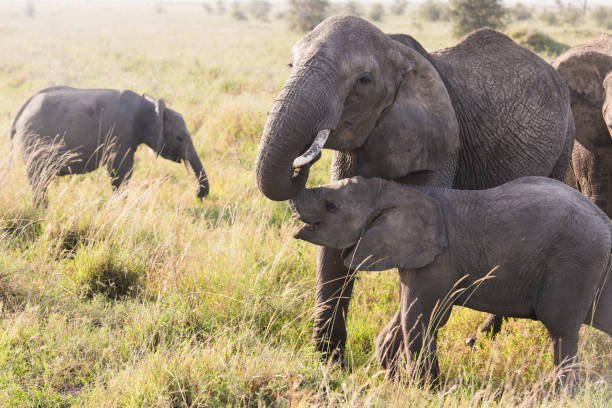
- Tembo: Elephant
- Twiga: Giraffe
- Nyati: Buffalo
- Kiboko: Hippopotamus
- Kifaru: Rhinoceros
- Chui: Leopard
- Duma: Cheetah
- Pundamilia: Zebra
Useful Safari Communication Phrases
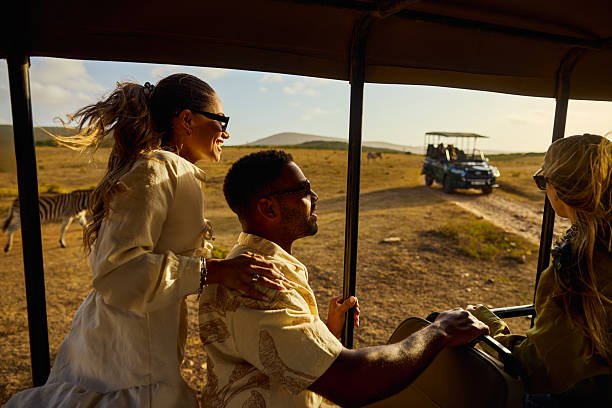
You do not need Swahili to communicate with a professional safari guide, but a few phrases can add fun to the trip.
Angalia! can mean look.
Wapi? means where?
Hapa means here, while pale means there.
These simple words may help you follow casual conversations when wildlife is spotted.
Useful Swahili for Restaurants
- Chakula: Food
- Maji: Water
- Chai: Tea
- Kahawa: Coffee
- Nyama: Meat
- Samaki: Fish
- Kuku: Chicken
- Mboga: Vegetables
- Bili tafadhali: Bill please
How to Ask for Water
Maji means water.
Maji tafadhali means water please.
This is one of the simplest phrases to remember and can be useful in restaurants, hotels and during tours.
Useful Swahili for Shopping
Basic Swahili can be especially useful in local markets and souvenir shops.
Bei gani? means what price?
Ghali sana means very expensive.
Nataka hii means I want this.
Even when you continue the negotiation in English, using a few local words can make the interaction more enjoyable.
Useful Swahili Numbers
- Moja: One
- Mbili: Two
- Tatu: Three
- Nne: Four
- Tano: Five
- Sita: Six
- Saba: Seven
- Nane: Eight
- Tisa: Nine
- Kumi: Ten
Useful Swahili for Transport
Gari means vehicle or car.
Basi means bus.
Uwanja wa ndege means airport.
Stesheni is commonly understood for station.
Wapi? means where?
These words can be helpful when asking for directions or discussing transport.
How to Ask Where Something Is
A useful structure is ... iko wapi?, meaning where is ...?
For example, you may hear or use this form when asking for a hotel, restaurant, toilet or transport point.
If the full sentence feels difficult, simply saying the place name followed by wapi? can often communicate your meaning.
Useful Words for Hotels
Hotel Vocabulary
- Chumba: Room
- Kitanda: Bed
- Ufunguo: Key
- Maji ya moto: Hot water
- Chakula cha asubuhi: Breakfast
- Hoteli: Hotel
Language Tips for Zanzibar
Swahili is extremely useful in Zanzibar.
English is widely used in hotels, restaurants and tour activities, but Swahili remains central to local life.
Learning greetings and polite expressions can make interactions in Stone Town, villages and local markets more comfortable.
Travellers should also remember that Zanzibar has a strong local cultural identity, so respectful communication is especially important.
Language Tips for Safari Villages and Cultural Tours
When visiting local communities, the guide usually handles detailed translation and interpretation.
Travellers can still learn a greeting and a few polite expressions before arriving.
This shows interest without pretending to understand complex cultural discussions.
Allow your local guide to explain sensitive traditions and translate longer questions accurately.
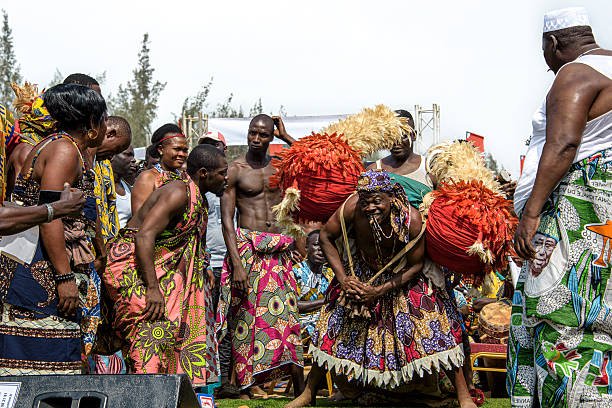
Speaking with Maasai Communities
Maasai people have their own language, Maa, although many also speak Swahili depending on location and individual background.
During organized cultural visits, guides usually help with communication.
Do not assume every Tanzanian community uses exactly the same language at home.
Speaking with Hadzabe Communities
Hadzabe communities have their own language.
Visitors normally rely on experienced local guides or interpreters during cultural experiences.
Basic Swahili may help with some parts of the journey, but it should not be expected to replace specialist translation during deeper cultural interactions.
Speak Slowly Rather Than Loudly
When someone does not understand your English, speaking much louder usually does not help.
Use shorter sentences, common words and a slower pace.
For example, instead of giving a long complicated explanation, break the request into two or three simple statements.
This approach is useful anywhere in the world and works particularly well when two people are communicating in a second language.
Avoid Complicated Slang
Native English speakers sometimes use slang, shortened phrases and regional expressions without realizing how difficult they can be for international listeners.
Use straightforward language when communicating with someone whose first language is not English.
Simple language does not mean speaking disrespectfully. It means choosing clear words and avoiding unnecessary complexity.
Pronunciation Tips for Swahili
Swahili pronunciation is relatively consistent once travellers become familiar with the sounds.
Do not worry about reproducing a perfect accent.
Say the word clearly and listen to how local people pronounce it.
Repeating phrases after your guide is one of the easiest ways to improve during the trip.
Learn Phrases, Not Just Individual Words
Individual vocabulary is useful, but short phrases are even better.
For example, remembering Asante sana is more useful than learning only the word for “very.”
Learning language in small practical groups makes it easier to remember during real conversations.
Use a Translation App
A translation app can be useful when you need to communicate something more complicated.
Download any necessary offline language data before travelling in case mobile internet is unavailable.
Translation apps are especially useful for written information and simple phrases.
For medical, legal or other important communication, use professional assistance rather than depending entirely on automatic translation.
Save Important Addresses on Your Phone
Instead of relying only on pronunciation, save your hotel name, destination and address on your phone.
You can show the written information to a taxi driver or other person assisting you.
This is particularly useful when a hotel or lodge has a name that is difficult to pronounce clearly.
Communication Without Mobile Internet
Do not assume you will always have a strong internet connection.
Keep important hotel names, booking details, transfer numbers and emergency contacts available offline.
A screenshot or saved note can be extremely useful when data service is unavailable.
Respectful Language and Tone
Politeness is more important than perfect grammar.
Use greetings, please and thank you.
A calm tone usually works better than speaking impatiently when there is confusion.
Communication problems are often solved quickly when both people feel respected.
Take Time for Greetings Before Business
In many situations, immediately asking for a price or demanding information can feel abrupt.
A quick greeting first can make the interaction smoother.
This is especially helpful when talking with small shop owners, local guides, drivers and people in villages.
Do Not Be Embarrassed by Mistakes
Most travellers make pronunciation and grammar mistakes when using Swahili.
This is normal.
The purpose is communication rather than perfection.
If someone corrects your pronunciation, treat it as part of the experience and try again.
Common Language Mistake: Assuming Everyone Speaks English
English is common in tourism, but not every person you meet will be comfortable speaking it.
Learning several Swahili phrases provides a useful backup and shows cultural awareness.
Common Language Mistake: Using Only Jambo
Jambo is useful, but travellers sometimes assume it is the only Swahili greeting they need.
Learning Habari, Asante, Karibu and Tafadhali gives you a much more useful everyday vocabulary.
Common Language Mistake: Speaking Too Fast
Fast speech can make even simple English difficult to understand.
Slow down slightly, separate important words and give the other person time to respond.
This is particularly helpful when discussing directions, pickup times or payments.
Common Language Mistake: Using Too Much Slang
Slang that sounds completely normal in your home country may be confusing elsewhere.
Use standard, direct English when clear communication is important.
Emergency Communication Tips
Keep the phone number of your tour operator, guide, hotel and insurance provider available offline.
If you are travelling independently, also save your accommodation address and important booking details.
For emergencies, simple communication is better than long explanations.
State the problem clearly and ask a trusted local professional to assist with translation if necessary.
Useful Swahili Phrase Cheat Sheet
- Habari? – How are things?
- Nzuri. – Good.
- Asante. – Thank you.
- Asante sana. – Thank you very much.
- Karibu. – Welcome.
- Tafadhali. – Please.
- Samahani. – Excuse me / sorry.
- Ndiyo. – Yes.
- Hapana. – No.
- Sielewi. – I don't understand.
- Wapi? – Where?
- Bei gani? – What price?
- Maji tafadhali. – Water please.
- Twende. – Let's go.
- Pole pole. – Slowly.
Best Way to Learn Swahili During Your Tanzania Trip
Use the language every day.
Begin with greetings, then add one or two new expressions from your guide or hotel staff.
By the end of a safari or Kilimanjaro climb, many travellers naturally remember more Swahili than they expected.
Real conversations are often easier to remember than memorizing long vocabulary lists before departure.
Language Tips for Solo Travellers
Solo travellers may have more direct interaction with drivers, market sellers and accommodation staff.
Save key locations on your phone, learn basic transport phrases and keep your tour operator or hotel contact easily accessible.
Simple Swahili greetings can also make independent travel feel friendlier.
Language Tips for Families
Children often enjoy learning Swahili words before travelling.
Animal names such as simba, tembo and twiga are especially easy to practice before a safari.
Turning language learning into a small family game can help children engage more deeply with the destination.
Language Tips for Senior Travellers
Senior travellers do not need special language preparation.
Keeping written addresses, hotel names and contact details available can make communication easier when travelling independently.
Organized tours generally provide guides who handle most complex communication.
Final Tanzania Language Checklist 2026-2027
Before You Travel
- Learn basic greetings
- Remember Asante and Tafadhali
- Learn numbers one to ten
- Save hotel addresses offline
- Download offline translation support if needed
- Speak slowly and clearly
- Avoid complicated slang
- Use greetings before requests
- Do not worry about perfect pronunciation
- Ask your guide to teach you new words during the trip
Frequently Asked Questions About Language in Tanzania
What language should tourists speak in Tanzania?
English is commonly used in tourism, while Swahili is the most useful local language. Learning a few Swahili phrases can make travel easier and more enjoyable.
Is English widely spoken in Tanzania?
English is widely used in hotels, safari companies, airports and many tourism services, although fluency varies outside these environments.
Do I need to speak Swahili for safari?
No. Professional safari guides working with international travellers generally communicate in English, but basic Swahili greetings can improve the experience.
Do I need Swahili for Kilimanjaro?
No. Mountain guides provide important climbing and safety information in English, but phrases such as Asante and Pole pole are commonly heard on the mountain.
How do you say hello in Tanzania?
Jambo is widely recognized, while Habari is a very useful everyday greeting.
How do you say thank you in Swahili?
Asante means thank you, while Asante sana means thank you very much.
What does Karibu mean?
Karibu means welcome and is one of the most common words travellers hear throughout Tanzania.
What does Pole pole mean?
Pole pole means slowly and is especially famous on Kilimanjaro where guides encourage climbers to maintain a controlled pace.
What does Hakuna matata mean?
Hakuna matata means there is no problem or no worries.
Can I use a translation app in Tanzania?
Yes. Translation apps can help with simple communication, especially if offline language data has been downloaded before travelling.
Is Swahili difficult for tourists to learn?
Travellers do not need to learn the entire language. Basic Swahili greetings and practical phrases are relatively easy to practice and can be used immediately.
Should I greet people before asking questions?
Yes. A short greeting before making a request is generally polite and can make everyday interactions more comfortable.
What are the most important Swahili words for tourists?
Habari, Asante, Karibu, Tafadhali, Ndiyo, Hapana, Samahani, Maji, Wapi and Pole pole are among the most useful words and phrases to learn.
What are the best Language Tips for Traveling Tanzania in 2026-2027?
Learn a few essential Swahili phrases, greet people before asking questions, speak English slowly and clearly when needed, avoid complicated slang, save important addresses offline and use your guide or translation tools for more complex communication.
Travel Tanzania with More Confidence in 2026-2027
Learn a few useful Swahili expressions before your safari, Kilimanjaro climb, Zanzibar holiday or cultural tour and enjoy more natural conversations with guides, drivers, hotel staff and local communities throughout Tanzania.
Plan Your Tanzania Trip

 Serengeti Safari