Lemosho Route vs Machame Route 2026-2027
Lemosho and Machame are both excellent Kilimanjaro routes, but Lemosho is generally better for climbers wanting a quieter western approach, more scenery and additional acclimatization time, while Machame is ideal for travellers wanting a shorter, popular and highly scenic route.
Both routes eventually merge on Kilimanjaro's southern circuit and share many of the same famous sections, including Lava Tower, Barranco Wall, Karanga Camp, Barafu Camp, Stella Point and Uhuru Peak.
The greatest differences occur during the first days of the climb.
Lemosho starts farther west and crosses a broader section of the mountain before joining Machame, while Machame reaches the southern circuit more quickly.
Lemosho Route vs Machame Route at a Glance
- Lemosho duration: Usually 7 or 8 days
- Machame duration: Usually 6 or 7 days
- Best for acclimatization: Lemosho, especially 8 days
- Quieter beginning: Lemosho
- More direct approach: Machame
- Accommodation: Camping on both routes
- Shared highlights: Lava Tower, Barranco Wall, Karanga, Barafu and Uhuru Peak
- Best overall for many first timers: 8 Day Lemosho
- Best shorter alternative: 7 Day Machame
What Is the Lemosho Route?
Lemosho approaches Mount Kilimanjaro from the western side.
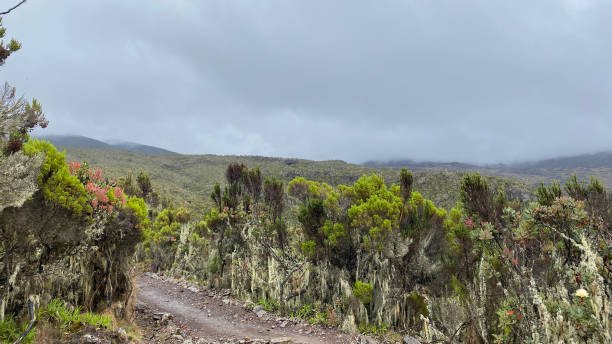
The route begins through rainforest before opening onto heath and moorland and eventually reaching the broad Shira Plateau.
After crossing Shira, Lemosho joins the southern circuit used by Machame and continues toward Lava Tower, Barranco, Karanga and Barafu.
The longer western approach is one of the main reasons Lemosho is valued for scenery and acclimatization.
What Is the Machame Route?
Machame begins on the southwestern side of Kilimanjaro.
It starts through rainforest and rises toward Machame Camp before continuing to Shira Camp and later Lava Tower.
From there, climbers descend toward Barranco and continue through Karanga and Barafu before summit night.
Machame is highly scenic and is one of the most recognized camping routes on Kilimanjaro.
Main Difference Between Lemosho and Machame
The biggest difference is the approach to the mountain during the first part of the climb.
Lemosho starts farther west and uses additional trekking days to cross the western side and Shira Plateau.
Machame starts closer to the southern circuit and therefore reaches the shared trail more quickly.
Once the two routes merge, much of the remaining itinerary becomes similar.
Simple Difference
- Lemosho: Longer western approach
- Machame: Shorter southwestern approach
- Lemosho: Usually 7 or 8 days
- Machame: Usually 6 or 7 days
- Both: Join before major southern circuit sections
- Both: Summit from Barafu side
Lemosho Route vs Machame Route Comparison
| Feature |
Lemosho Route |
Machame Route |
| Typical duration |
7-8 days |
6-7 days |
| Starting side |
West |
Southwest |
| Early trail crowds |
Usually quieter |
Usually busier |
| Scenery |
Excellent western and southern scenery |
Excellent southern scenery |
| Acclimatization |
Excellent, especially 8 days |
Good, especially 7 days |
| Barranco Wall |
Yes |
Yes |
| Lava Tower |
Yes |
Yes |
| Accommodation |
Camping |
Camping |
| Best for |
Scenery, gradual ascent and longer acclimatization |
Shorter scenic itinerary and popular group climbs |
Which Route Is More Scenic?
Both routes are exceptionally scenic.
Lemosho has an advantage during the first days because it crosses more of Kilimanjaro's western side and offers a broader experience of Shira Plateau.
Machame still provides spectacular rainforest, moorland, alpine desert and high-altitude scenery.
After the routes join, both climbers experience many of the same iconic landscapes.
Which Route Is Quieter?
Lemosho is generally quieter during the early part of the trek.
This is because it begins from a more remote western trailhead.
Once Lemosho joins the southern circuit, trail traffic increases because climbers share sections with Machame and other itineraries.
Machame can feel busier from the beginning because it is one of the most popular Kilimanjaro routes.
Which Route Is Better for Acclimatization?
Lemosho generally has the advantage because it is commonly organized over seven or eight days.
The 8 Day Lemosho Route provides particularly strong acclimatization opportunities due to its gradual western progression.
Machame also has a good altitude profile when climbed over seven days.
The 6 Day Machame itinerary is more compressed and provides less time for adaptation.
Acclimatization Ranking for Common Options
- 8 Day Lemosho: Excellent
- 7 Day Lemosho: Very good
- 7 Day Machame: Very good
- 6 Day Machame: More compressed
Lemosho vs Machame Summit Success Opportunity
Summit opportunity depends heavily on the exact number of days rather than simply the route name.
An 8 Day Lemosho itinerary generally provides more acclimatization time than a 6 Day Machame itinerary.
A 7 Day Machame and 7 Day Lemosho are more closely matched in total duration.
No route guarantees reaching Uhuru Peak because individual altitude response varies.
Which Route Is Easier?
Neither route is easy because both reach 5,895 metres.
The terrain itself is manageable for well-prepared trekkers, but altitude creates the greatest challenge.
Lemosho may feel more gradual when using the eight day itinerary.
Machame's shorter versions can feel more demanding because elevation is gained over fewer days.
Is Lemosho Technically Difficult?
No technical mountaineering skills are normally required on the standard Lemosho Route.
Climbers walk on established mountain trails and complete a short non-technical scrambling section on Barranco Wall.
The major challenges are altitude, endurance, cold and summit night.
Is Machame Technically Difficult?
Machame is also a trekking route rather than a technical climbing route.
Barranco Wall requires the occasional use of hands for balance, but ropes and technical climbing equipment are not normally required.
Fitness and altitude adaptation are more important than climbing skills.
Do Both Routes Include Barranco Wall?
Yes. Standard Lemosho and Machame itineraries normally pass through Barranco Camp and ascend Barranco Wall.
This section is one of Kilimanjaro's best-known trail features.
Despite its appearance from below, it is usually a controlled scramble rather than a technical rock climb.
Shared Lemosho and Machame Highlights
- Lava Tower
- Barranco Camp
- Barranco Wall
- Karanga Camp
- Barafu Camp
- Stella Point
- Uhuru Peak
- Mweka descent
Do Both Routes Include Lava Tower?
Yes. Lava Tower is normally part of both standard Lemosho and Machame itineraries.
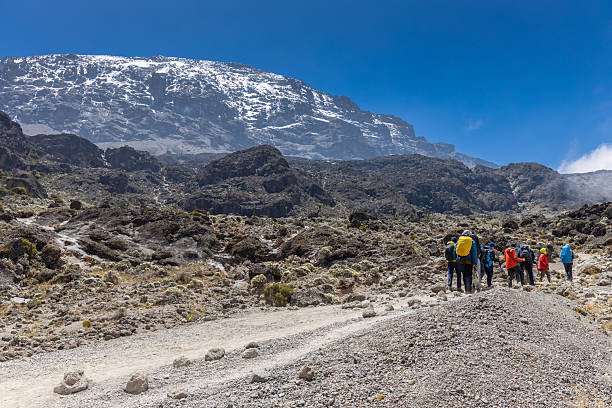
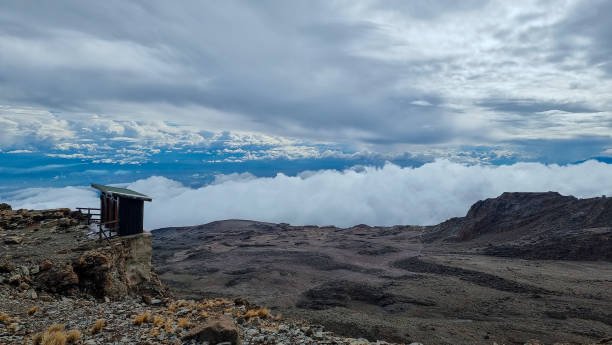
Climbers ascend to approximately 4,600 metres before descending toward Barranco.
This creates useful high-altitude exposure before sleeping lower.
It is one of the most important acclimatization days on both routes.
Lemosho Route Starting Point
Lemosho begins on the western side of Mount Kilimanjaro.
The road transfer from Moshi is therefore generally longer than the transfer to Machame Gate.
The more remote entry is part of the route's appeal because the first section can feel quieter and less developed.
Machame Route Starting Point
Machame starts from the southwestern side of Kilimanjaro.
Machame Gate is relatively convenient from Moshi and is commonly used by both private and group joining climbers.
The trail begins directly through the rainforest and climbs toward Machame Camp.
Lemosho Rainforest vs Machame Rainforest
Both routes begin through montane rainforest.
Lemosho's western forest can feel quieter during the early section, while Machame's forest trail often has more trekking traffic.
During wetter months, either approach can become muddy.
Waterproof boots and rain protection are recommended for both.
Shira Plateau on Lemosho vs Machame
Both routes reach the Shira area, but Lemosho provides a broader crossing of the plateau because it approaches from farther west.
This creates one of the strongest scenery advantages of Lemosho.
Machame reaches Shira more directly after climbing from the southwest.
Camping on Lemosho and Machame
Both Lemosho and Machame are camping routes.
Climbers sleep in tents at designated camps while the mountain team transports group equipment between locations.
There are no sleeping huts like those used on the Marangu Route.
Typical Camp Support
- Mountain sleeping tents
- Dining tent
- Tables and chairs according to package
- Mountain cook
- Porter support
- Drinking water
- Meals throughout the trek
Lemosho vs Machame for Beginners
Both routes can suit beginners who train properly before travelling.
Lemosho, particularly over eight days, is often preferable for first-time high-altitude trekkers because the itinerary is more gradual.
Seven Day Machame is also a strong beginner option.
Six Day Machame should be considered more carefully by climbers without previous altitude experience because the schedule is faster.
Lemosho vs Machame for Experienced Hikers
Experienced hikers can enjoy either route.
Those who value scenery and a longer mountain experience may prefer Lemosho.
Those who are comfortable with a slightly faster schedule may choose Machame.
Previous hiking experience does not eliminate altitude risk, so even experienced trekkers should avoid unnecessarily short itineraries.
Lemosho vs Machame for Solo Travellers
Solo travellers can join group departures on both routes.
Machame often has many scheduled group departures because of its popularity.
Lemosho group climbs are also widely available, especially seven and eight day itineraries.
Group joining can reduce costs by sharing parts of the mountain logistics among several climbers.
Lemosho vs Machame for Couples
Couples wanting a quieter and more scenic beginning may prefer Lemosho.
A private eight day Lemosho itinerary can provide a relaxed overall experience.
Machame remains excellent for couples who prefer fewer mountain days while retaining the major highlights of Kilimanjaro's southern circuit.
Lemosho vs Machame for Families
Families should generally prioritize a gradual route and sufficient mountain days.
Lemosho may therefore have an advantage when the family has enough time for eight days.
Current park requirements should always be checked when younger climbers are involved.
Which Route Is More Expensive?
Lemosho is often more expensive than Machame because the route can involve more mountain days and a longer transport arrangement to the western trailhead.
An 8 Day Lemosho climb also requires an additional day of guide, porter, food, park and camp logistics compared with shorter alternatives.
Machame can therefore appeal to budget-conscious travellers who still want a scenic camping route.
Why Lemosho Can Cost More
- Longer road transfer to the western side
- Often more trekking days
- Additional guide and porter working days
- Additional mountain meals
- Additional camping logistics
Which Route Gives Better Value?
Value depends on what you want from the climb.
If your priority is maximum scenery and a more gradual approach, paying more for Lemosho can be worthwhile.
If you want a shorter but still highly scenic climb, Machame can provide excellent value.
Choosing only by the cheapest price is not recommended because itinerary length directly affects acclimatization opportunity.
7 Day Lemosho vs 7 Day Machame
When both routes are seven days, the comparison becomes closer.
Lemosho still offers the distinctive western approach and broader Shira Plateau experience.
Machame provides a more direct beginning and may have simpler logistics.
For scenery and quieter early trekking, Lemosho has an advantage.
For simplicity and a highly established route, Machame remains very attractive.
8 Day Lemosho vs 7 Day Machame
This is one of the most useful comparisons for first-time Kilimanjaro climbers.
Eight Day Lemosho provides one additional day on the mountain and a more gradual beginning.
Seven Day Machame saves one day while still offering a strong altitude profile.
If schedule and budget allow, 8 Day Lemosho is often the stronger choice for acclimatization-focused travellers.
8 Day Lemosho vs 7 Day Machame
- Choose 8 Day Lemosho for: More acclimatization time
- Choose 8 Day Lemosho for: Longer scenic western approach
- Choose 7 Day Machame for: A shorter overall schedule
- Choose 7 Day Machame for: Strong scenery with slightly lower trip duration
7 Day Lemosho vs 6 Day Machame
Seven Day Lemosho provides an additional day and generally a more gradual overall schedule.
Six Day Machame is faster and can appeal to travellers with strict time limits.
For first-time high-altitude climbers, the additional mountain time of Lemosho is usually worth serious consideration.
Which Route Has Better Summit Day?
The summit experience is largely similar because both routes normally use Barafu Camp and climb toward Stella Point before reaching Uhuru Peak.
Therefore, the major difference is not the summit trail itself but how well acclimatized the climber is before reaching Barafu.
A longer pre-summit itinerary can therefore be valuable.
Summit Night on Lemosho and Machame
Both routes usually begin summit night from Barafu during the night or early morning.
Climbers ascend slowly toward Stella Point and continue around the crater rim toward Uhuru Peak at 5,895 metres.
The ascent is cold, long and physically demanding.
After reaching the summit, climbers descend significantly toward a lower camp.
Which Route Has Better Weather?
Once Lemosho and Machame join, they experience essentially the same upper-mountain weather.
During the first days, conditions can differ slightly because the starting sides are different.
Both routes can experience rainforest rain, strong sunshine, wind and freezing summit conditions.
Neither route should be selected on the assumption that it will remain dry.
Best Time for Lemosho and Machame
January to February and June through October are popular climbing periods for both routes.
These periods generally provide relatively drier trail conditions.
March to May and November can bring more rainfall.
Climbers still need complete waterproof equipment throughout the year.
What Gear Do You Need on Both Routes?
Gear requirements are nearly identical because the routes share the same high-altitude environment and summit conditions.
Essential Kilimanjaro Gear
- Broken-in trekking boots
- Warm sleeping bag
- Thermal base layers
- Fleece or mid layers
- Insulated jacket
- Waterproof jacket and trousers
- Warm gloves or mittens
- Warm hat or balaclava
- Headlamp
- Trekking poles
- Daypack
- Duffel bag
- Water bottles or hydration system
Can You Rent Gear for Both Routes?
Yes. Selected mountain equipment can normally be rented in Moshi before either route.
Common rental items include sleeping bags, trekking poles, duffel bags, gaiters and selected warm clothing.
A full pre-climb equipment check should be completed before departure.
Training for Lemosho vs Machame
The physical training requirements are very similar.
Both routes involve several consecutive days of trekking and a long summit day.
Hiking, cardiovascular training, hill walking, stair climbing and leg-strength exercises are useful preparation.
Practice back-to-back hiking days before travel.
Does Lemosho Require More Fitness?
Not necessarily.
Lemosho may involve more total trekking because of the longer itinerary, but the additional time can make the altitude progression more gradual.
Machame may be shorter but can feel more compressed.
Both require appropriate endurance and preparation.
Altitude Sickness on Lemosho vs Machame
Altitude sickness can occur on either route.
No itinerary eliminates the risk.
The main advantage of longer Lemosho schedules is additional acclimatization time.
Seven Day Machame also provides a relatively strong itinerary compared with its six day version.
Altitude Safety on Either Route
- Walk slowly
- Choose enough mountain days
- Drink adequately
- Eat regularly
- Attend daily health checks
- Report symptoms honestly
- Follow guide safety decisions
Guide Support on Lemosho and Machame
Both routes should be climbed with professional Kilimanjaro mountain guides and a supporting crew.
The mountain team normally includes guides, assistant guides, cooks and porters.
The exact number depends on group size and expedition logistics.
Porter Support on Both Routes
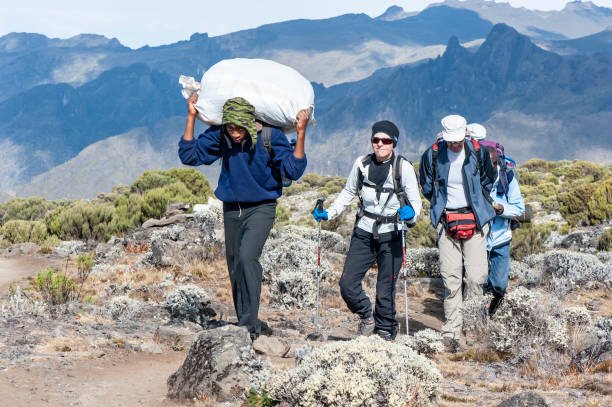
Porters carry the main expedition equipment and climbers' duffel bags between camps.
Climbers carry a smaller daypack containing water, rain gear, warm layers, snacks and personal essentials.
Longer Lemosho itineraries require additional crew working days compared with shorter Machame options.
Tipping on Lemosho vs Machame
The tipping system is generally similar on both routes.
The total gratuity depends on crew size and the number of days worked.
An eight day Lemosho climb may therefore involve a larger overall tipping budget than a six day Machame climb.
Group size also affects the amount each individual climber contributes.
Which Route Is Better for Photography?
Lemosho has a slight advantage for travellers who prioritize landscape diversity because the western approach and broad Shira Plateau add additional scenery.
Machame still provides excellent photographic opportunities throughout rainforest, Shira, Barranco and the high mountain.
Both routes share many of Kilimanjaro's most iconic viewpoints after they merge.
Which Route Is Better for Wildlife?
Wildlife sightings are never guaranteed on either route.
The lower forest sections offer opportunities to see monkeys, birds and other forest species.
Lemosho's quieter western approach may provide an attractive wilderness feeling during the first stage.
Higher elevations have fewer animals because the environment becomes increasingly harsh.
Which Route Is Better for Group Joining?
Both routes can work well for group departures.
Machame often has frequent scheduled groups because it is highly popular.
Lemosho has also become a major choice for group joining climbs, particularly seven and eight day departures.
The best option may depend on your travel dates and available departure schedule.
Which Route Is Better for a Private Climb?
Both can be organized privately.
Lemosho works particularly well for travellers wanting a quieter and more gradual private expedition.
Machame can suit private groups that want to reduce the mountain duration without giving up major southern-route highlights.
Which Route Is Better If You Have Limited Time?
Machame generally has the advantage when time is limited.
A 6 or 7 Day Machame itinerary requires fewer mountain days than an 8 Day Lemosho itinerary.
If you can dedicate seven days, however, both routes become realistic options.
Which Route Is Better If Acclimatization Is Your Priority?
Lemosho has the advantage, particularly over eight days.
The additional mountain time creates more opportunity for gradual adaptation.
If you choose Machame, the seven day itinerary is generally preferable to six days when acclimatization is a priority.
Which Route Is Better for a First Kilimanjaro Climb?
For many first-time climbers, 8 Day Lemosho is one of the strongest options available.
It provides excellent scenery, a gradual western approach and additional acclimatization time.
Seven Day Machame remains an excellent alternative if you need to save one mountain day.
Choose Lemosho If You Want
- A quieter beginning
- A longer western approach
- More Shira Plateau scenery
- More acclimatization time
- Seven or eight mountain days
- A route ideal for first-time high-altitude climbers
Choose Machame If You Want
- A slightly shorter route
- Excellent scenery
- A well-established trekking itinerary
- Frequent group departure opportunities
- Six or seven mountain days
- A balance between cost, duration and acclimatization
Can You Combine Lemosho or Machame With Safari?
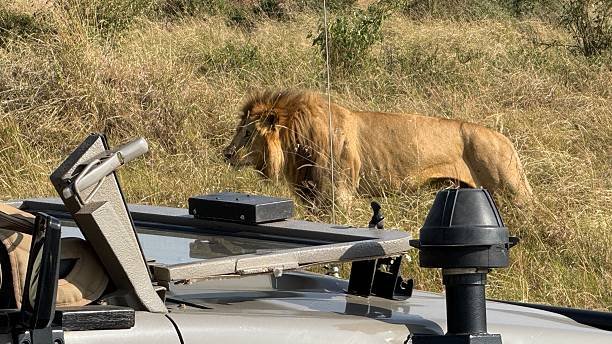
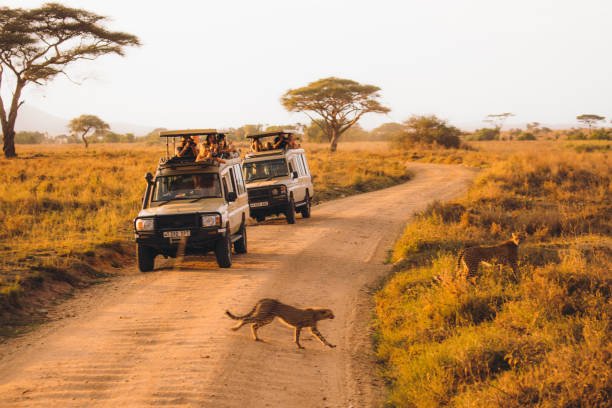
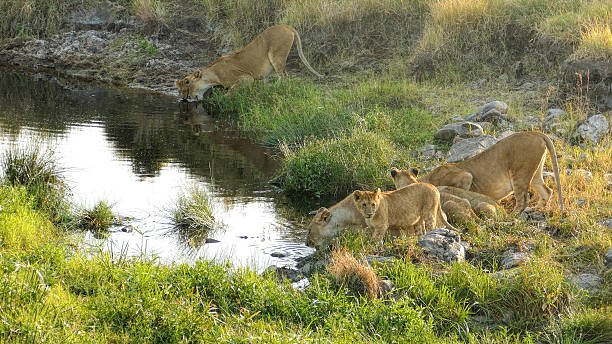
Yes. Either route can be followed by a northern Tanzania safari.
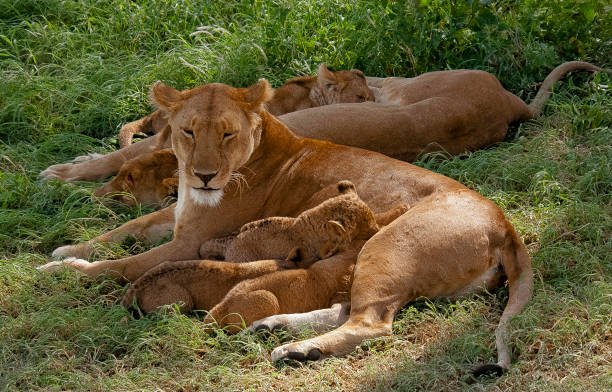
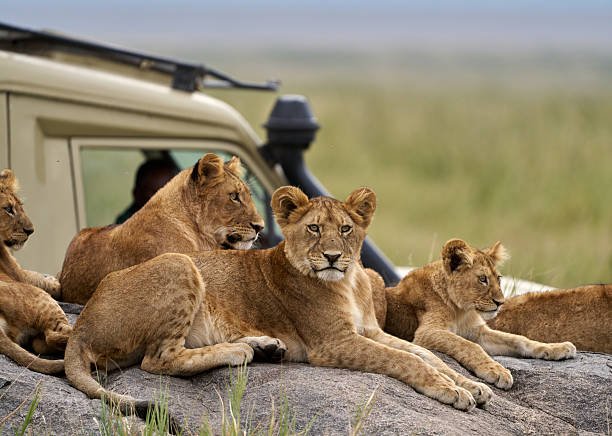
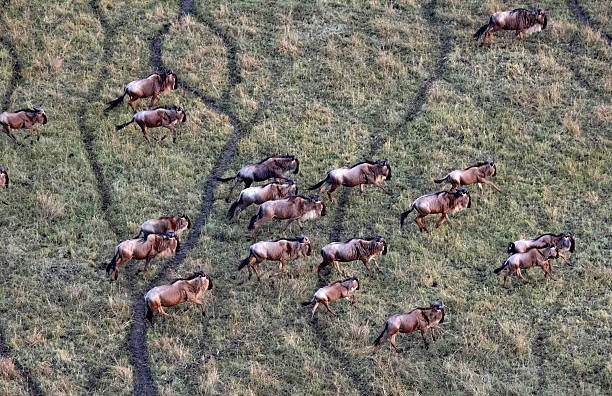
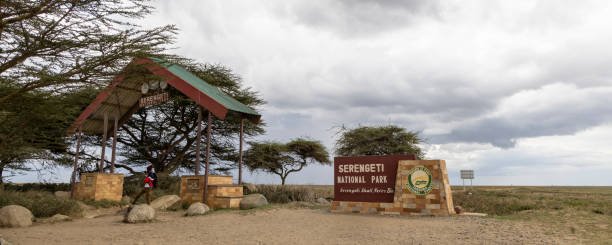
Popular destinations include Tarangire, Lake Manyara, Ngorongoro Crater and Serengeti National Park.
Many travellers prefer climbing first and completing the safari after returning from the mountain.
Lemosho or Machame Before Zanzibar
Both routes can also be combined with Zanzibar.
After returning to Moshi, travellers can continue by flight toward Zanzibar for beach relaxation.
A safari can also be inserted between Kilimanjaro and Zanzibar.
How Many Total Tanzania Days Do You Need?
A seven day mountain climb normally requires additional nights before and after the trek.
An 8 Day Lemosho itinerary therefore usually needs around ten or more total Tanzania days when arrival, briefing and post-climb accommodation are included.
A 7 Day Machame itinerary can fit into a slightly shorter overall travel schedule.
Lemosho Route Pros and Cons
Lemosho Advantages
- Excellent scenery
- Quieter western beginning
- Strong acclimatization profile
- Seven and eight day options
- Excellent first-time choice
Lemosho Disadvantages
- Usually more expensive
- Requires more time
- Longer transfer to the trailhead
- Eventually joins busier trails
Machame Route Pros and Cons
Machame Advantages
- Excellent scenery
- Six and seven day options
- Convenient access from Moshi
- Many group departure possibilities
- Strong 7-day acclimatization option
Machame Disadvantages
- Can be busier
- Six day version is more compressed
- Less of the western Shira approach
Our Recommendation: Lemosho or Machame?
For travellers with enough time and budget, **8 Day Lemosho** is generally the stronger overall recommendation because it combines a gradual approach, extensive scenery and additional acclimatization time.
If you need to reduce the mountain schedule by one day, **7 Day Machame** provides an excellent combination of scenery and acclimatization.
Seven Day Lemosho is also a strong middle ground for travellers who want the western approach without committing to eight days.
The shortest route should not automatically be chosen simply because a traveller is physically fit, because altitude adaptation does not depend only on fitness.
Frequently Asked Questions About Lemosho Route vs Machame Route
Which is better, Lemosho or Machame?
Lemosho is generally better for travellers wanting a longer, quieter and more gradual western approach, while Machame is excellent for climbers wanting a shorter and highly scenic itinerary.
Is Lemosho easier than Machame?
Lemosho can feel more gradual when climbed over eight days, but both routes remain physically demanding because they reach the same high-altitude summit.
Which route is better for acclimatization?
Eight Day Lemosho generally provides the strongest acclimatization opportunity of the common Lemosho and Machame options, while Seven Day Machame also offers a good altitude profile.
Which route is more scenic?
Both are highly scenic, but Lemosho has an advantage because its longer western approach includes more of Shira Plateau before joining Machame.
Which route is less crowded?
Lemosho is generally quieter during the early stages, although it eventually merges with busier southern routes.
Does Lemosho include Barranco Wall?
Yes. Standard Lemosho itineraries normally join the southern circuit and climb Barranco Wall before continuing toward Karanga.
Does Machame include Lava Tower?
Yes. Standard Machame itineraries normally climb toward Lava Tower before descending to Barranco Camp.
Do Lemosho and Machame use the same summit route?
They normally approach the summit from Barafu Camp toward Stella Point and then continue to Uhuru Peak.
Which route is better for beginners?
Eight Day Lemosho is an excellent beginner choice because of its additional acclimatization time, while Seven Day Machame is also suitable for properly trained beginners.
Which route is cheaper?
Machame is often less expensive because it generally involves fewer trekking days and simpler access logistics than longer Lemosho itineraries.
Is 7 Day Lemosho better than 6 Day Machame?
For many first-time high-altitude climbers, Seven Day Lemosho provides a more gradual schedule and an additional acclimatization day compared with Six Day Machame.
Is 8 Day Lemosho better than 7 Day Machame?
If acclimatization and overall scenery are the priorities and you have another day available, Eight Day Lemosho is generally the stronger choice.
Do both routes use tents?
Yes. Both Lemosho and Machame are camping routes and use mountain tents rather than sleeping huts.
Can solo travellers join either route?
Yes. Solo travellers can join scheduled group departures on both Lemosho and Machame or arrange a private climb.
What is the best time for both routes?
January to February and June through October are commonly preferred for relatively drier trekking conditions.
Can I combine either route with safari or Zanzibar?
Yes. Both routes can be followed by a Tanzania safari, Zanzibar holiday or a combined safari and beach extension.
Which should I choose for Lemosho Route vs Machame Route 2026-2027?
Choose Lemosho if you prioritize a quieter western start, more scenery and additional acclimatization time. Choose Machame if you prefer a shorter itinerary, easier access and a highly scenic route with strong seven day options.
Choose Between Lemosho and Machame 2026-2027
Choose 8 Day Lemosho for a longer western approach with excellent scenery and additional acclimatization time, or select 7 Day Machame for a slightly shorter but still highly scenic Kilimanjaro experience. Match your route to your available days, budget and altitude preparation.
Compare Kilimanjaro Routes

 Serengeti Safari