Great Serengeti Migration Safaris in Tanzania 2026-2027
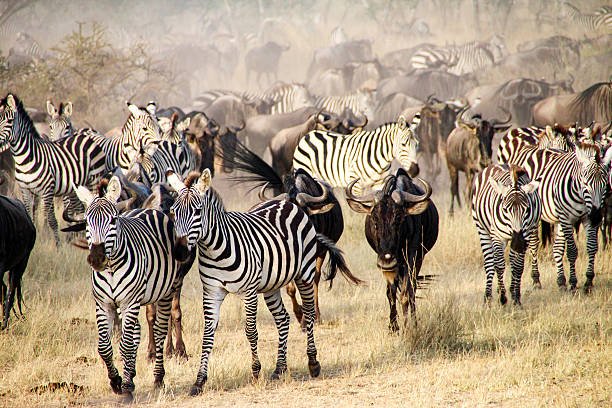
Great Serengeti Migration Safaris in Tanzania 2026-2027 are designed around the annual movement of enormous wildebeest, zebra and gazelle herds through different sections of the Serengeti ecosystem.
Tanzania National Parks describes Serengeti National Park as home to the world's last remaining large mammal migration and highlights more than 1.5 million wildebeest together with zebras and predators as part of this extraordinary wildlife spectacle.
The most important thing to understand is that the Great Migration is not located in one permanent part of Serengeti.
The herds respond to rainfall, fresh grass and water availability, which means the best safari region changes throughout the year.
Great Serengeti Migration Safari at a Glance
- December-April: Southern Serengeti and Ndutu
- January-March: Main calving period
- April-May: Herds begin moving north and west
- May-July: Western Corridor and Grumeti region
- July-October: Northern Serengeti and Mara River region
- October-November: Southward return through northern and central areas
- Best strategy: Stay close to the expected herd location
What Is the Great Serengeti Migration?
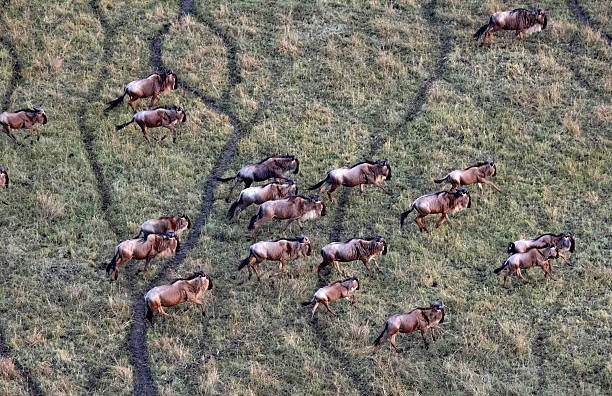
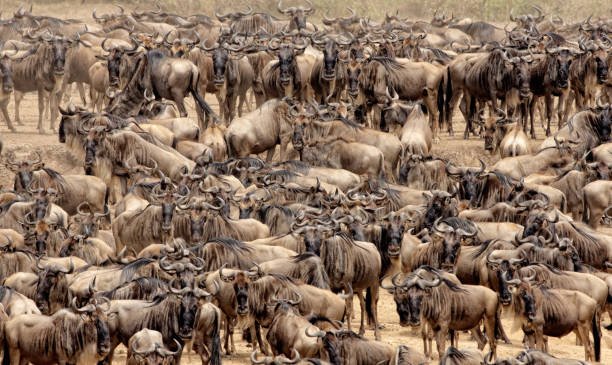
The Great Migration is a continuous annual movement of wildebeest and other grazing animals through the Serengeti-Mara ecosystem.
It is driven primarily by seasonal rainfall, fresh pasture and water rather than by a fixed calendar.
Serengeti.com describes the cycle as an approximately 800-kilometre journey in which the herds move from the southern short-grass plains toward the Western Corridor and then north before eventually returning south.
There is therefore no single beginning or end to the migration. It is an ongoing ecological cycle.
Why Tanzania Is One of the Best Places to Experience the Migration
Most of the annual migration cycle occurs within Tanzania's Serengeti ecosystem.
The southern calving grounds, Central Serengeti, Western Corridor and large parts of the northern migration route are all accessible from Tanzania.
This allows travellers to plan migration safaris during different seasons without relying on only one short annual window.
TANAPA specifically promotes both the January-February calving season and the June-October migration period as major Serengeti experiences.
How the Migration Moves Through Serengeti
Typical Great Migration Cycle
- Southern Serengeti and Ndutu
- Southeastern and Central Serengeti
- Western Corridor
- Grumeti River region
- Northern Serengeti
- Mara River area
- Southward return toward the short-grass plains
December to April: Southern Serengeti and Ndutu
The southern Serengeti and Ndutu region becomes one of the most important migration areas after seasonal rains encourage new grass growth.
Serengeti.com describes December through April as the major period when the herds occupy the southeastern plains and Ndutu area.
Wildlife density can become extraordinary as large numbers of wildebeest and zebra spread across the short-grass plains.
This is also one of the best migration periods for predator photography.
January Serengeti Migration Safari
January normally places large herd concentrations in southern Serengeti and around Ndutu.
Fresh short grass attracts grazing animals, while predators take advantage of the abundance of prey.
Travellers should normally stay around Ndutu or the southeastern ecosystem rather than basing the entire safari in Central Serengeti.
February Calving Safari in Serengeti
February is one of the most famous Great Migration months.
The southern plains become the centre of the wildebeest calving season, with large numbers of newborn animals appearing over a relatively short period.
TANAPA's 2026 tourism publication highlighted the calving season from late January through March, while Serengeti.com identifies February as the core calving period around Ndutu and southeastern Serengeti.
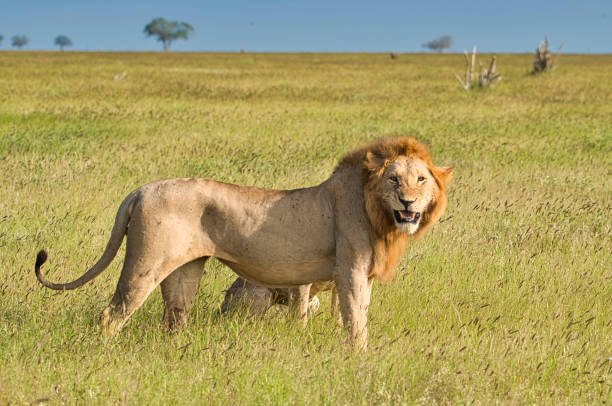
This abundance of young animals attracts lions, cheetahs, hyenas and other predators.
Why the Calving Season Is Special
Calving safaris are not only about seeing newborn wildebeest.
The ecosystem becomes extremely active because mothers, calves and predators are concentrated across the same plains.
Photographers can encounter behavioural scenes that are less common during other migration phases.
Calving Safari Highlights
- Large wildebeest concentrations
- Newborn calves
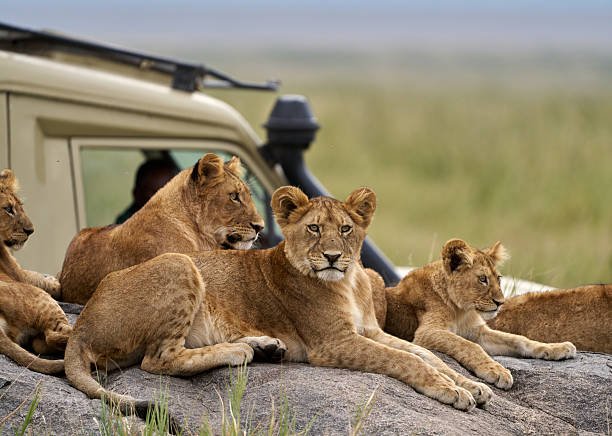
- Lion activity
- Cheetah sightings
- Spotted hyena activity
- Wide short-grass plains
- Strong photography opportunities
March Serengeti Migration Safari
March can remain very productive around southern Serengeti and Ndutu.
Calves are becoming more mobile and large herds can still dominate the plains.
Rain patterns begin to influence how widely the animals spread across the ecosystem.
This can make a private safari especially useful because the guide can adjust daily game-drive areas according to recent sightings.
April Great Migration Safari
April can mark the beginning of an important transition.
Herds may start moving away from the far southern plains as rainfall patterns change and grazing conditions develop elsewhere.
The landscape is often green, and visitor numbers can be lower than during some peak periods.
Road conditions can be slower during wetter weather, so itinerary flexibility matters.
May to July: Western Serengeti Migration
As the southern plains begin drying, migration herds move toward central and western Serengeti.
The Western Corridor follows the Grumeti River and becomes particularly important during the May-July migration period.
Large moving columns of wildebeest and zebra can stretch across huge areas of the landscape.
This phase can be particularly impressive because travellers may see the migration actively progressing rather than simply concentrated around calving grounds.
Western Corridor Safari
The Western Corridor differs visually from the southern plains.
It includes woodland, open grassland and riverine habitats around the Grumeti and Mbalageti rivers.
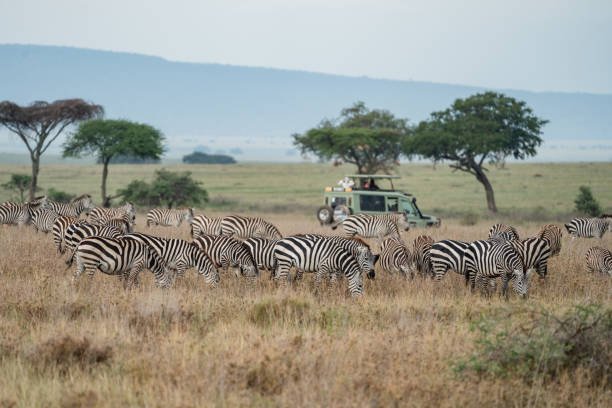
Resident wildlife remains present throughout the year, including giraffes, elephants, zebras, wildebeest, lions and cheetahs.
During migration season, these resident populations are joined by much larger migratory herds.
Grumeti River Crossings
The Grumeti River is one of the major natural obstacles encountered during the migration.
Wildebeest can gather near river sections before crossing, while large crocodiles inhabit the system.
However, Grumeti crossings remain natural events and cannot be guaranteed on a specific date.
Serengeti.com identifies May through July as the principal Western Corridor migration period.
Why Choose Western Serengeti?
- Migration herds from May through July
- Grumeti River
- Crocodile habitat
- Woodland and riverine scenery
- Resident wildlife throughout the year
- Potentially fewer vehicles than some northern crossing areas
June Great Migration Safari
June is one of the strongest months for Western Serengeti.
Large herds may approach or gather around the Grumeti ecosystem as they continue north.
Travellers planning specifically around June should consider staying in western Serengeti rather than commuting long distances from Seronera every day.
July Serengeti Migration Safari
July can be transitional.
Some herds may still be in western and northwestern Serengeti while others move farther toward the northern ecosystem.
The precise position varies from year to year.
This is a month where current migration information and flexible accommodation planning become particularly important.
July to October: Northern Serengeti Migration
Northern Serengeti becomes the major migration focus as herds move toward the Mara River.
Serengeti Mara, near the Tanzania-Kenya border, supports substantial resident wildlife and becomes especially important when migratory herds arrive during the dry season.
This is the region most closely associated with Tanzania's famous Mara River crossing safaris.
Mara River Crossing Safaris
Mara River crossings are among the most famous wildlife events connected to the Great Migration.
Huge groups of wildebeest may gather near the river before attempting to cross.
Crocodiles, strong currents and steep banks contribute to the drama.
Serengeti Mara is identified as one of the best Tanzanian areas for dry-season river-crossing opportunities.
Can You Guarantee a Mara River Crossing?
No.
A river crossing cannot be scheduled like a normal safari activity.
Herds may approach a crossing point, remain there for hours and then move away.
They may also cross suddenly with very little warning.
The strongest strategy is to spend several nights in Northern Serengeti so the guide has multiple opportunities to search for active herds.
August Serengeti Migration Safari
August is generally one of the strongest months for Northern Serengeti migration travel.
Large wildebeest concentrations may be distributed around the Mara River and northern plains.
Serengeti.com identifies July through September as a major period for Mara River activity in the Serengeti Mara region.
Travellers should book accommodation early because northern seasonal camps can become popular during this period.
September Great Migration Safari
September remains one of the stronger months for Northern Serengeti.
Herds can continue moving between different sections of the northern ecosystem and may cross the Mara River more than once.
Even when no crossing occurs, the northern plains can provide excellent general wildlife viewing.
October Great Migration Safari
October can still provide important northern migration activity.
As seasonal conditions begin changing, some herds start moving southward again.
Serengeti.com describes October and November as part of the return phase through northern plains and the Lobo area before the herds move toward the southern short-grass plains.
November Great Migration Safari
November's short rains can accelerate southward herd movement.
The migration can be more difficult to predict during this transition because fresh rainfall can quickly influence grazing choices.
Some animals may move through northern and central Serengeti while others progress faster toward southern areas.
A flexible itinerary covering more than one region can work well during this period.
Central Serengeti During the Migration
Central Serengeti remains one of the most dependable wildlife regions even when the main migration is elsewhere.
Seronera supports resident lions, leopards, cheetahs, elephants, hippos, buffaloes, giraffes and many other species.
This makes Central Serengeti particularly valuable on combination itineraries where travellers want migration viewing without sacrificing general wildlife diversity.
Should Every Migration Safari Include Central Serengeti?
Not necessarily, but it often makes sense.
Central Serengeti connects naturally with southern, western and northern regions.
It also provides a strong backup if migration herds are temporarily dispersed.
For first-time Tanzania safari travellers, combining a seasonal migration hotspot with Central Serengeti can create a more balanced experience.
Best Serengeti Migration Safari by Month
- January: Ndutu and southern Serengeti
- February: Ndutu calving season
- March: Southern plains and Ndutu
- April: Southern to central transition
- May: Central and Western Serengeti
- June: Western Corridor and Grumeti
- July: Western to Northern Serengeti transition
- August: Northern Serengeti and Mara River
- September: Northern Serengeti
- October: Northern Serengeti and Lobo
- November: Southward migration transition
- December: Return toward Ndutu and southern Serengeti
Best Serengeti Migration Safari for Calving
Choose Ndutu and the southeastern plains from approximately January through March.
February is normally the strongest target month if calving is your main priority.
Wildlife density and predator opportunities can be exceptional during this period.
Best Safari for Grumeti River Activity
Stay in the Western Corridor during the May-July migration phase.
This gives you better access to western Serengeti game drives and potential Grumeti activity without long daily transfers from Central Serengeti.
Best Safari for Mara River Crossings
Stay in Northern Serengeti near the wider Kogatende and Serengeti Mara region during the main dry-season migration period.
Allow several nights because crossings are unpredictable.
Serengeti Mara becomes particularly important from around July through September, with migration activity continuing more broadly into the northern season.
How Many Days Do You Need for a Great Migration Safari?
Five to seven safari days can provide a strong migration-focused itinerary.
Shorter trips are possible when travellers fly directly into the relevant Serengeti region.
Longer itineraries allow more flexibility if herds move unexpectedly and can also include Ngorongoro or Tarangire.
For river-crossing trips, spending several nights close to the crossing region is usually more useful than trying to cover many parks rapidly.
Example 5 Day Great Migration Safari
Example Seasonal 5 Day Safari
- Day 1: Arusha → Serengeti migration region
- Day 2: Full-day migration game drive
- Day 3: Second full-day migration game drive
- Day 4: Serengeti → Ngorongoro area
- Day 5: Ngorongoro Crater → Arusha
Example 7 Day Great Migration Safari
A seven-day itinerary allows more time within Serengeti and can reduce the need for rushed transfers.
Travellers can combine two or three nights near the migration with Central Serengeti and Ngorongoro.
During northern migration season, extra nights can significantly improve the chance of encountering interesting Mara River activity.
Drive-In vs Fly-In Migration Safari
Drive-in safaris are useful for travellers who want to combine Serengeti with Ngorongoro, Tarangire or Lake Manyara.
Fly-in safaris reduce road-transfer time and can place travellers directly inside the relevant migration region.
A fly-in itinerary can be particularly useful for Northern Serengeti because of the long driving distance from Arusha.
The best option depends on budget, time and how much of the northern circuit you want to experience.
Private Great Migration Safari
A private safari gives your travelling party exclusive use of the vehicle and guide.
This is particularly useful for migration viewing because wildlife situations can change quickly.
You can spend longer with herd movements, predator encounters or potential river crossings without needing to follow the preferences of unrelated passengers.
Group Joining Migration Safari
Group safaris can reduce per-person costs.
However, all travellers share the same vehicle and itinerary.
For migration-focused travel, confirm that the group itinerary actually stays in the correct Serengeti region for your month.
A low price is less useful if the accommodation is several hours from the herds.
Great Migration Photography Safari
Migration safaris can be outstanding for photography.
Southern Serengeti offers newborn calves and predators, Western Serengeti provides moving herds and riverine landscapes, while Northern Serengeti can offer dramatic river activity.
A private photography safari provides additional flexibility for vehicle positioning and longer stops where park rules allow.
Migration Safari Accommodation
Accommodation selection is one of the most important parts of planning.
Permanent lodges work well in major wildlife regions, while seasonal camps can position themselves close to migration hotspots during specific periods.
Booking accommodation simply because it has “Serengeti” in the name is not enough.
You should confirm which section of Serengeti the property is located in and how well that matches your travel month.
Choose Accommodation by Season
- January-March: Ndutu / Southern Serengeti
- May-July: Western or Central-Western Serengeti
- August-October: Northern Serengeti
- Transition months: Flexible multi-region itinerary
Mobile and Seasonal Tented Camps
Mobile and seasonal tented camps are especially useful for migration safaris.
Some operate in different parts of the ecosystem according to seasonal wildlife patterns.
The Western Corridor, for example, receives additional seasonal camp activity when the migration moves through between May and July.
Staying closer to the herds can reduce driving time and increase useful game-drive hours.
Budget Great Migration Safari
Budget migration safaris can use public campsites or simpler tented accommodation.
The critical point is still location.
A cheaper camp positioned close to the correct seasonal wildlife area may provide a better migration experience than an expensive lodge located many hours away.
Midrange Great Migration Safari
Midrange safaris commonly use comfortable tented camps or lodges with private rooms, ensuite facilities and full-board meals.
Seasonal migration camps are particularly popular in this category because they combine comfort with useful wildlife locations.
Luxury Great Migration Safari
Luxury migration safaris can include premium tented camps, fly-in transfers, private vehicles and enhanced dining and accommodation.
Luxury does not remove the unpredictability of wildlife.
Even the most expensive safari cannot guarantee a Mara River crossing.
How Much Does a Great Migration Safari Cost?
The total price depends on safari duration, accommodation level, season, number of travellers, park fees, transport and whether flights are included.
Peak migration months can have higher accommodation rates because well-positioned camps are in strong demand.
A private safari also becomes less expensive per person as more travellers share the fixed vehicle cost.
Request a complete quote rather than comparing only the advertised daily rate.
What Is Normally Included?
Typical Migration Safari Inclusions
- Safari 4x4 vehicle
- Professional driver-guide
- Serengeti park fees
- Accommodation
- Meals according to itinerary
- Drinking water during game drives
- Game drives
- Airport or hotel transfers where specified
- Ngorongoro fees when included in the itinerary
What Is Normally Excluded?
Common exclusions can include international flights, visas, travel insurance, tips, alcoholic drinks, optional balloon safaris, personal expenses and additional accommodation outside the itinerary.
Always check the written inclusion and exclusion list before booking.
Can You Combine Migration Safari with Ngorongoro?
Yes. Ngorongoro is one of the most natural additions to a Serengeti migration itinerary.
It provides a very different wildlife environment and can be visited before or after Serengeti depending on the route.
Southern migration safaris around Ndutu are particularly easy to combine geographically with the Ngorongoro area.
Can You Combine Migration Safari with Tarangire?
Yes. Tarangire can add elephant-rich woodland, baobab landscapes and another ecological environment to the trip.
It is particularly useful when travellers have enough safari days to avoid reducing time in the main migration area.
Can You Combine Migration Safari with Zanzibar?
Yes. A popular Tanzania itinerary combines several days in Serengeti with a beach stay in Zanzibar.
Travellers can fly from Serengeti airstrips or return toward Arusha and Kilimanjaro for onward flights depending on the itinerary.
Great Migration Safari for Families
Families can enjoy migration safaris, particularly with a private vehicle.
A private safari allows flexibility for rest breaks, meal timing and children's interests.
Parents should consider long game-drive hours when planning river-crossing focused itineraries because waiting for wildlife can require patience.
Great Migration Safari for Couples
Couples can combine migration viewing with romantic tented camps, private vehicles and scenic lodge locations.
The trip can also work well for honeymoons and anniversaries when accommodation is selected carefully.
Migration Safari for Solo Travellers
Solo travellers can book a private safari or join a scheduled departure.
Group joining can reduce cost but should still match the correct seasonal migration area.
Ask whether the departure is guaranteed and how many travellers are already confirmed.
Migration Safari for Seniors
Migration safaris generally involve wildlife viewing from a vehicle, making them suitable for many senior travellers.
Accommodation accessibility and long driving days should be considered during itinerary design.
Fly-in options can reduce road travel when needed.
Can You See the Big Five During a Migration Safari?
Yes, there are opportunities to search for the Big Five when combining Serengeti with areas such as Ngorongoro.
TANAPA lists lions, leopards, elephants, buffaloes and rhinos among Serengeti's iconic wildlife.
However, black rhinoceros and leopard sightings should never be guaranteed.
Predators During the Great Migration
The migration supports some of Africa's most famous predator-prey interactions.
Lions, cheetahs, leopards, hyenas and crocodiles all take advantage of different migration phases.
Southern calving season is particularly strong for land-based predators, while the river systems add crocodile activity during crossing periods.
Why Migration Timing Is Never Exact
Rainfall is the main reason migration dates should always be treated as approximate.
Serengeti.com specifically notes that although the annual migration cycle is reasonably predictable, exceptions occur frequently and unusual rainfall can cause animals to reverse or delay their movement.
This is why a professional migration safari should use current wildlife reports in addition to normal seasonal patterns.
Common Migration Safari Mistake: Booking the Wrong Serengeti Region
Serengeti is enormous.
Booking Central Serengeti in February and expecting to spend every day around Ndutu can create unnecessary driving.
Likewise, staying in Seronera while hoping to watch Mara River activity in August can result in very long transfers.
Stay close to the wildlife experience you are targeting.
Common Mistake: Expecting a Guaranteed Crossing
River-crossing photographs dominate Great Migration marketing, but crossings represent only one part of the migration.
Travellers may spend hours near a river and see no crossing.
A successful migration safari should also appreciate herd movement, predators, landscapes and resident wildlife.
Common Mistake: Trying to Cover Too Many Parks
A migration-focused trip needs enough time in the relevant Serengeti region.
Adding too many destinations to a short safari can reduce the chance to follow changing herd locations.
It is often better to spend multiple nights in one migration hotspot than spend most of the holiday driving between parks.
Final Great Serengeti Migration Safari Planning Checklist
- Choose exact travel dates
- Identify the expected migration region
- Book accommodation close to the herds
- Spend several nights in the key region
- Avoid guaranteed crossing promises
- Use current migration reports
- Consider a private safari for flexibility
- Check all park fees and inclusions
- Book peak-season accommodation early
- Keep the itinerary flexible
- Include resident wildlife viewing as well as migration
Frequently Asked Questions About Great Serengeti Migration Safaris in Tanzania
What is the best month for the Great Serengeti Migration?
There is no single best month. February is excellent for calving, May-July for Western Corridor movement and July-October for Northern Serengeti and possible Mara River activity.
Where is the Great Migration in February?
The main concentrations are normally around Ndutu and the southeastern short-grass plains during the calving season.
Where is the migration in June?
June commonly favors Western Serengeti and the Grumeti region.
Where is the migration in August?
Northern Serengeti is normally one of the strongest August regions, with opportunities for Mara River migration activity.
When is Serengeti calving season?
The main calving period is around January through March, with February especially important. TANAPA highlighted late January through March for the 2026 calving season.
Can I see a Mara River crossing?
Possibly, especially when staying in Northern Serengeti during the appropriate migration season, but no river crossing can be guaranteed.
Can I see a Grumeti River crossing?
It is possible during the Western Corridor migration phase, especially around May-July, but exact crossing timing remains unpredictable.
How many safari days do I need?
Five to seven days can provide a strong migration safari, while longer itineraries offer more flexibility and allow combinations with Ngorongoro or other parks.
Is a private safari better for the migration?
A private safari provides more flexibility to follow wildlife movements, stay longer at sightings and adjust daily game-drive plans.
Is Serengeti good outside migration season?
Yes. Serengeti has substantial resident wildlife throughout the year, and TANAPA lists lions, leopards, elephants, buffaloes, rhinos and more than 500 bird species among its attractions.
Can I combine Serengeti migration with Ngorongoro?
Yes. Ngorongoro is one of the most natural additions to a Serengeti migration itinerary and works especially well with southern Serengeti and Ndutu routes.
Can I combine migration safari with Zanzibar?
Yes. Many travellers combine Serengeti wildlife viewing with a Zanzibar beach stay using road and domestic flight connections.
Does the migration happen at exactly the same time every year?
No. The broad annual cycle is predictable, but rainfall can cause the herds to move earlier, later or temporarily reverse direction.
How should I plan Great Serengeti Migration Safaris in Tanzania for 2026-2027?
Start with your exact travel month, choose the Serengeti region that normally matches that part of the migration cycle, stay several nights close to the expected herd location and keep enough flexibility for rainfall-driven changes in wildlife movement.
Plan Your Great Serengeti Migration Safari 2026-2027
Follow the Great Migration through Tanzania from Ndutu calving grounds to the Western Corridor, Grumeti River and Northern Serengeti by choosing the safari region that matches your travel month and allowing enough time to respond to changing herd movements.
Plan Your Serengeti Migration Safari

 Serengeti Safari