Hadzabe and Datoga Tribe Safari 2026-2027
Hadzabe and Datoga Tribe Safari 2026-2027 is one of northern Tanzania's most distinctive cultural travel experiences.
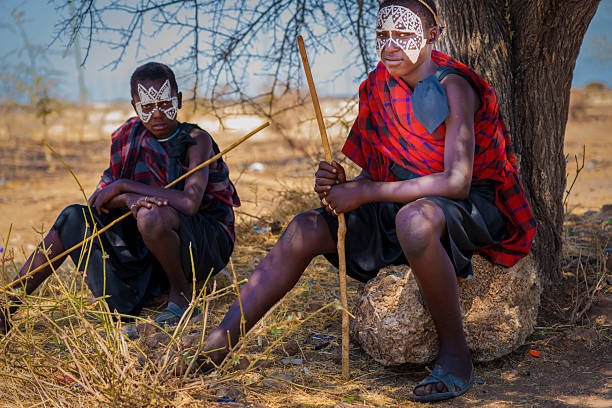
The safari usually takes place around Lake Eyasi, where travellers can meet Hadzabe hunter-gatherer communities and Datoga pastoralist and blacksmith families.
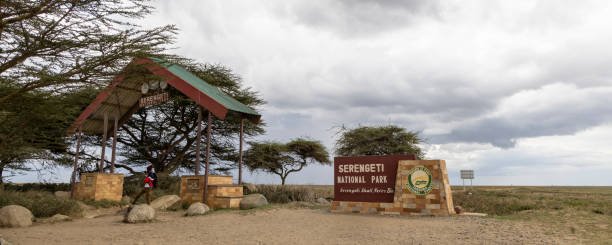
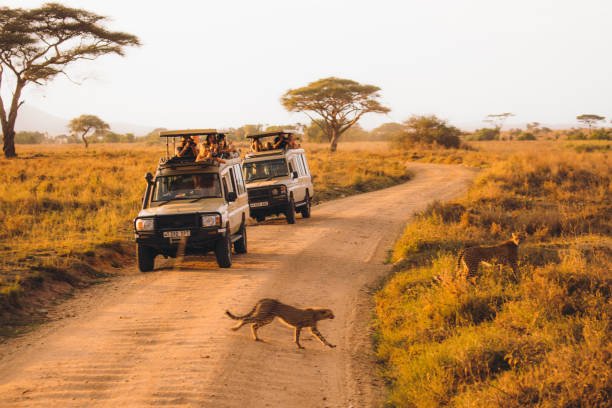
The experience can be included as a short cultural extension or as part of a wider Tanzania safari through Ngorongoro, Serengeti, Tarangire and Lake Manyara.
For travellers interested in culture, anthropology, photography and local traditions, Lake Eyasi provides a very different experience from a conventional wildlife game drive.
Hadzabe and Datoga Tribe Safari at a Glance
- Main destination: Lake Eyasi, northern Tanzania
- Communities visited: Hadzabe and Datoga
- Main experiences: Hunting traditions, gathering, blacksmithing, livestock culture and village interaction
- Typical duration: Half day, full day or 2 day extension
- Best starting points: Karatu, Ngorongoro area or Arusha
- Best combined with: Ngorongoro, Serengeti, Tarangire and Lake Manyara
- Suitable for: Couples, families, solo travellers, photographers and cultural travellers
Where Is the Hadzabe and Datoga Safari Located?
The experience is normally arranged around Lake Eyasi in northern Tanzania.
Lake Eyasi lies south of the Ngorongoro highlands and southwest of Karatu.
The area is much quieter than Tanzania's major national parks and has long been associated with Hadzabe and Datoga communities.
Because of its location, Lake Eyasi is easy to combine with Ngorongoro Crater and the wider northern safari circuit.
Who Are the Hadzabe?
The Hadzabe are one of Tanzania's best known hunter-gatherer communities.
Their traditional lifestyle has historically relied on hunting wild game, collecting honey, digging edible roots and gathering seasonal fruits and other wild foods.
Visitors should understand that Hadzabe communities are not identical and that individual families may engage with modern society to different degrees.
A cultural visit should therefore focus on learning directly from the people being visited rather than expecting every person to fit a fixed image of traditional life.
Who Are the Datoga?
The Datoga are traditionally pastoralist communities found in parts of northern and central Tanzania.
They are especially known around Lake Eyasi for livestock keeping, metalworking and distinctive cultural traditions.
Some Datoga families operate small blacksmith workshops where scrap metal can be transformed into useful tools, arrowheads, knives and decorative items.
A visit provides insight into both everyday family life and specialized craftsmanship.
Why Combine Hadzabe and Datoga in One Safari?
The two communities live in the same wider Lake Eyasi region but traditionally have very different ways of life.
The Hadzabe experience is generally centered around hunting, gathering and direct use of wild natural resources.
The Datoga visit places more emphasis on livestock culture, metalworking and household life.
Combining both visits provides a broader understanding of how different communities have adapted to the same dry northern Tanzania landscape.
Main Differences You May Learn About
- Hunting and gathering traditions
- Livestock keeping
- Traditional food sources
- Blacksmithing and metalwork
- Housing styles
- Community organization
- Use of natural resources
- Traditional clothing and craftsmanship
Hadzabe Early Morning Hunting Experience
One of the most famous parts of a Hadzabe visit is joining local hunters early in the morning.
The activity usually begins shortly after sunrise or even earlier because this is when hunters may start moving through the surrounding bush.
Visitors walk with the group while observing tracking, communication, bow use and knowledge of the landscape.
The experience is unpredictable because it follows real hunting conditions rather than a guaranteed wildlife sighting.
Is the Hadzabe Hunt Staged for Tourists?
A responsible visit should avoid forcing artificial demonstrations simply to entertain visitors.
Some aspects may be explained or demonstrated for educational purposes, but the best experiences focus on genuine daily practices and conversation with the community.
Visitors should understand that hunting success is never guaranteed.
The objective should be learning rather than expecting a particular animal encounter.
Traditional Hadzabe Bow and Arrow
The bow and arrow are central to traditional Hadzabe hunting culture.
Visitors may see hunters preparing arrows, carrying bows and demonstrating traditional shooting techniques.
A local guide can explain how different equipment is used and how hunting knowledge is passed between generations.
Guests should not handle equipment without permission.
Hadzabe Gathering Traditions
Hunting is only one part of Hadzabe subsistence traditions.
Gathering wild foods such as tubers, berries, fruits and honey has historically played an important role.
Women may have extensive knowledge of edible plants, roots and seasonal foods.
A cultural visit can therefore include much more than the widely advertised hunting experience.
Hadzabe Honey Gathering
Wild honey is an important traditional food source.
Knowledge of bee activity, tree species and the surrounding landscape can help communities locate natural hives.
Visitors may learn how honey is collected and used when this forms part of the day's actual activities.
It should not be assumed that honey gathering will occur on every visit because it depends on season and daily circumstances.
What Do the Hadzabe Eat?
Traditional Hadzabe foods can include wild meat, honey, berries, fruits and underground tubers depending on season and availability.
The exact diet changes naturally throughout the year.
Modern trade and contact with surrounding communities may also influence what individual families eat.
Visitors should avoid expecting every meal to represent an unchanged historical diet.
Hadzabe Cultural Experiences May Include
- Walking with hunters
- Traditional bow and arrow demonstration
- Tracking techniques
- Wild food gathering
- Learning about edible roots and plants
- Honey gathering traditions
- Campfire interaction
- Community conversation with translation
Datoga Blacksmith Experience
One of the highlights of a Datoga visit is watching skilled blacksmiths work with metal.
Metal pieces can be heated and shaped into tools, knives, arrowheads and other useful objects.
Traditional bellows and simple furnaces demonstrate practical techniques that have been passed through families.
Visitors can watch the process while the local guide explains how the finished products are used or traded.
How Datoga Blacksmiths Make Arrowheads
Datoga blacksmiths are well known for producing arrowheads that may be traded with Hadzabe hunters.
This creates an interesting example of exchange between neighboring communities with different economic traditions.
During a demonstration, visitors may see metal heated, hammered and shaped by hand.
The process provides insight into local craftsmanship without requiring modern industrial tools.
Datoga Livestock Culture
Cattle, goats and other livestock have traditionally been important to Datoga livelihoods.
Livestock can influence food, wealth, family life and social relationships.
Visitors may see cattle enclosures and learn about the role animals play in everyday life.
The exact activities depend on the household being visited and the season.
Datoga Traditional Homes
A village visit may include entering or viewing traditional Datoga homes.
The guide can explain how houses are constructed and how family spaces are organized.
Travellers should enter homes only when invited and should respect requests regarding photography or private household areas.
Datoga Traditional Clothing and Jewelry
Some Datoga women wear distinctive clothing and jewelry that can reflect local traditions and identity.
Visitors may also see handmade bracelets, necklaces and other decorative items.
If handicrafts are offered for sale, purchasing directly from artisans can provide direct economic benefit to the household.
Best Time to Visit Hadzabe Hunters
The best part of the day for the Hadzabe hunting experience is usually early morning.
Temperatures are cooler and hunters may already be active before the day becomes hot.
This means travellers staying near Lake Eyasi should be prepared for an early wake-up.
Trying to drive from Arusha on the same morning can result in missing the most meaningful part of the activity.
Should You Stay Overnight at Lake Eyasi?
Yes, an overnight stay is highly recommended if the Hadzabe morning experience is a main priority.
Staying close to Lake Eyasi allows travellers to wake early and reach the community before the day's heat increases.
It also reduces unnecessary driving from Karatu or more distant safari areas.
The Datoga visit can then be completed later in the morning or afternoon.
Recommended Lake Eyasi Schedule
- Previous afternoon: Arrive at Lake Eyasi and overnight
- Early morning: Meet Hadzabe community
- Morning: Walk with hunters or join daily community activities
- Late morning: Return for breakfast or continue cultural activities
- Afternoon: Visit Datoga family and blacksmiths
- Later: Return to Karatu or continue safari
Example 2 Day Hadzabe and Datoga Safari
Day 1: Arusha or Safari Destination to Lake Eyasi
Depart from Arusha, Karatu, Ngorongoro or another northern Tanzania safari destination and travel toward Lake Eyasi.
Depending on your starting location, the journey passes through farming areas, highlands and rural communities.
Arrive at the selected lodge or camp and enjoy the afternoon around Lake Eyasi.
Your guide explains the following morning's early departure and cultural visit.
Day 2: Hadzabe and Datoga Cultural Experience
Wake early and travel with the local cultural guide to meet the Hadzabe community.
Where appropriate, join hunters as they move through the bush and learn about traditional tracking, bows and arrows, wild foods and everyday life.
After the Hadzabe experience, continue to a Datoga community.
Meet local families and watch a blacksmith demonstration where metal may be transformed into arrowheads, tools or jewelry.
After the cultural visits, continue to Karatu, Ngorongoro, Serengeti, Tarangire or return toward Arusha according to the wider itinerary.
One Day Hadzabe and Datoga Safari
A one day itinerary is possible when travellers begin from Lake Eyasi or nearby Karatu.
Starting from Arusha makes the day substantially longer because of the road journey.
A typical one day experience includes an early Hadzabe visit followed by the Datoga community.
Travellers should not try to add too many unrelated activities because meaningful cultural interaction requires time.
Hadzabe and Datoga Safari from Karatu
Karatu is one of the most convenient starting points for Lake Eyasi.
Many travellers visit the area between Ngorongoro and other northern safari destinations.
An overnight Lake Eyasi extension from Karatu can be added without significantly changing the overall safari route.
Hadzabe and Datoga Safari from Arusha
Travellers can begin from Arusha, but an overnight itinerary is normally more comfortable than attempting to complete everything in one rushed day.
The road journey takes visitors through northern Tanzania toward Karatu and then south toward Lake Eyasi.
A two day arrangement creates more time for both communities and reduces pressure on the schedule.
Hadzabe and Datoga Safari from Moshi
Lake Eyasi can also be included after a Kilimanjaro climb from Moshi.
Travellers normally travel through Arusha and onward toward Karatu and Lake Eyasi.
This works particularly well when the cultural visit is combined with Ngorongoro and Serengeti.
Hadzabe and Datoga with Ngorongoro Crater
Ngorongoro is one of the easiest wildlife destinations to combine with Lake Eyasi.
Travellers can enjoy a crater safari before continuing to Lake Eyasi for the cultural experience.
Another option is to visit Lake Eyasi first and then continue toward Ngorongoro the following day.
The two experiences complement each other by combining wildlife with human culture.
Hadzabe and Datoga with Serengeti Safari
Lake Eyasi can be incorporated before or after Serengeti.
A common route travels from Arusha toward Tarangire, Lake Manyara or Ngorongoro before adding Lake Eyasi.
Travellers can then continue through Ngorongoro toward Serengeti.
This creates a diverse itinerary including wildlife, landscapes and cultural interaction.
Hadzabe and Datoga with Tarangire Safari
Tarangire National Park can be included in the same northern Tanzania itinerary.
Tarangire offers wildlife, baobab landscapes and elephant viewing, while Lake Eyasi provides a completely different cultural experience.
This combination works particularly well for travellers who want variety rather than only national park game drives.
Hadzabe and Datoga with Lake Manyara
Lake Manyara National Park and Mto wa Mbu can also be combined with Lake Eyasi.
The route provides opportunities for wildlife, village experiences, farming landscapes and cultural visits within the same region.
The exact order depends on accommodation availability and total safari duration.
Hadzabe and Datoga Safari for Photographers
Lake Eyasi offers excellent opportunities for documentary and cultural photography.
Morning light, natural landscapes, hunting activities, blacksmith work and household scenes can create powerful images.
However, travellers should always ask before taking close photographs of individuals.
A respectful relationship with the community is more important than obtaining a particular photograph.
Cultural Photography Guidelines
- Ask permission before close portraits
- Follow the local guide's instructions
- Avoid intrusive photography
- Do not interrupt real activities for repeated poses
- Respect anyone who does not want to be photographed
- Avoid photographing private household areas without permission
- Be especially careful when photographing children
Is It Ethical to Visit the Hadzabe and Datoga?
A cultural visit can provide meaningful economic support and exchange when it is organized respectfully.
Problems arise when communities are treated only as entertainment or when visitors pressure people into staged behaviour.
Responsible tours should work with recognized local guides and community contacts and ensure that agreed fees reach participating communities.
Travellers should approach the visit as guests rather than spectators.
Responsible Cultural Tourism at Lake Eyasi
Responsible travel means respecting privacy, local decision making and cultural differences.
Visitors should not distribute sweets, money or random gifts directly to children without guidance.
If travellers want to contribute something, they should ask the guide or community representatives what is actually useful.
Purchasing locally made crafts or paying agreed community fees can often provide more direct value.
Responsible Visit Guidelines
- Use knowledgeable local cultural guides
- Ask permission before photography
- Respect community boundaries
- Do not pressure people to perform
- Avoid handing money directly to children
- Support locally produced crafts
- Dress respectfully
- Listen more than you direct
- Allow real daily life to shape the visit
What Language Do the Hadzabe Speak?
The Hadzabe traditionally speak Hadza, a distinctive language known for its click consonants.
Visitors will normally need a local translator or cultural guide to communicate meaningfully.
Some community members may also speak Swahili or have varying levels of contact with other regional languages.
What Language Do the Datoga Speak?
Datoga communities speak varieties of the Datoga language.
Swahili may also be used in communication with outsiders.
A local guide helps translate questions and explanations during the visit.
What Should You Wear?
Comfortable lightweight safari clothing is suitable for Lake Eyasi.
Long trousers and closed walking shoes are particularly useful when joining Hadzabe hunters through thorny or uneven bush.
A hat and sunscreen are important because temperatures can become hot later in the day.
Visitors should also dress respectfully when entering homes or meeting families.
What to Pack for a Hadzabe and Datoga Safari
- Comfortable long trousers
- Closed walking shoes
- Lightweight shirt
- Sun hat
- Sunscreen
- Reusable water bottle
- Camera or smartphone
- Binoculars if combining with wildlife
- Small day bag
- Personal medication
- Light jacket for early morning
How Much Walking Is Involved?
The amount of walking depends on the day's Hadzabe activity.
Hunters may move through bush, rocky ground and dry vegetation while tracking or searching for food.
The route is not always a formal tourist trail.
Travellers with limited mobility should tell the operator in advance so the experience can be adjusted where possible.
Can Families Visit the Hadzabe and Datoga?
Yes, cultural visits can be suitable for families.
Children can learn about traditional hunting, food gathering, metalworking and rural life.
Parents should consider whether younger children are comfortable with discussions or demonstrations involving hunting and animal use.
Shorter visits may be more suitable for very young children.
Hadzabe and Datoga Safari for Solo Travellers
Solo travellers can arrange a private cultural visit or join an existing safari itinerary when available.
A private arrangement allows more flexibility with photography and the time spent asking questions.
Solo travellers can also combine the visit with a group wildlife safari through the northern circuit.
Hadzabe and Datoga Safari for Couples
Couples can include Lake Eyasi as part of a private Tanzania safari.
The cultural experience provides a strong contrast to wildlife viewing in Serengeti or Ngorongoro.
An overnight Lake Eyasi stay can also create a quieter break between busier national park destinations.
Private Hadzabe and Datoga Safari
A private safari provides greater flexibility in departure time, cultural interaction and the wider travel itinerary.
The local community experience itself should still follow appropriate cultural protocols rather than being controlled entirely by visitor preference.
Private travel is particularly useful for photographers and families.
Best Time to Visit Lake Eyasi
Lake Eyasi can be visited during different months of the year.
Dry conditions can make bush walking easier, while greener periods provide different landscapes and seasonal foods.
The experience does not depend on a wildlife migration, so there is no single short season in which cultural visits are possible.
Daily activities can still vary according to weather and community routines.
Hadzabe and Datoga Safari Cost 2026-2027
The price depends on the starting location, number of travellers, transportation, accommodation, local guide fees, community contributions and the number of days.
A short visit from Karatu normally costs less than a private two day safari beginning in Arusha or Moshi.
Accommodation level can also significantly change the final cost.
Travellers should request a quotation that clearly states which cultural fees and community contributions are already included.
What Is Included in a Hadzabe and Datoga Safari?
Typical Safari Inclusions
- Private safari vehicle according to package
- Professional driver-guide
- Local cultural guide
- Hadzabe community visit
- Datoga community visit
- Blacksmith demonstration
- Cultural and community fees where specified
- Accommodation on overnight itineraries
- Meals according to itinerary
- Drinking water during road transfers
Typical Exclusions
- International flights
- Tanzania visa
- Travel insurance
- Additional accommodation outside the itinerary
- Alcoholic beverages unless specified
- Personal shopping
- Optional handicraft purchases
- Guide and staff gratuities
- Activities not listed in the confirmed package
Buying Crafts from Datoga Artisans
Visitors may have opportunities to purchase jewelry, metalwork or other locally produced items.
Buying directly from artisans can provide income to the family producing the item.
Travellers should avoid aggressive bargaining over small amounts when dealing directly with local craftspeople.
The guide can help explain appropriate purchasing practices.
Can You Give Gifts to the Communities?
Random gifts should not be distributed without guidance.
Handing sweets or money directly to children can create unhealthy visitor expectations.
If travellers want to contribute, they should speak with the local guide or community representatives about useful and appropriate options.
How to Prepare for the Hadzabe Morning Hunt
Wake early and wear practical walking clothes.
Bring water, a hat and a small daypack while keeping unnecessary luggage at the lodge or vehicle.
Closed shoes are strongly recommended because the terrain can include thorny vegetation.
Follow the hunters rather than expecting them to maintain a tourist walking pace at every moment.
Frequently Asked Questions About Hadzabe and Datoga Tribe Safaris
Where can I visit the Hadzabe and Datoga tribes?
The most common tourism area for visiting Hadzabe and Datoga communities is around Lake Eyasi in northern Tanzania.
Can I go hunting with the Hadzabe?
Visitors may be able to accompany Hadzabe hunters during their morning activities when arranged through a local guide, but hunting success and the exact activity cannot be guaranteed.
What do the Hadzabe hunt with?
Traditional Hadzabe hunting is strongly associated with bows and arrows, along with extensive knowledge of animal tracks and the surrounding landscape.
What are the Datoga famous for?
The Datoga are traditionally associated with pastoralism and skilled metalworking, including production of tools, knives, jewelry and arrowheads.
How long do I need at Lake Eyasi?
One overnight stay with an early morning Hadzabe visit and later Datoga experience is a practical minimum for most travellers.
Can I visit both communities in one day?
Yes. A common itinerary visits the Hadzabe early in the morning and the Datoga later in the day.
Can I visit from Karatu?
Yes. Karatu is one of the most convenient bases for travelling to Lake Eyasi.
Can I visit Lake Eyasi from Arusha?
Yes. A two day itinerary is generally more comfortable than trying to complete the cultural experience as a very long day trip from Arusha.
Can children visit the Hadzabe and Datoga?
Yes. Families can visit, although parents should consider whether children are comfortable with traditional hunting and animal related activities.
Is photography allowed?
Photography can often be arranged, but permission should be requested before taking close portraits or photographing private household activities.
Is the experience authentic?
The quality of the experience depends on how it is organized. Responsible visits should prioritize genuine interaction, knowledgeable local guides and respect for normal community life rather than forcing staged performances.
What should I wear?
Wear comfortable long trousers, closed shoes, a lightweight shirt and sun protection, especially if joining an early morning bush walk.
Can Lake Eyasi be combined with Ngorongoro?
Yes. Ngorongoro is one of the easiest destinations to combine with Lake Eyasi because the two areas fit naturally within the same northern Tanzania safari route.
Can I combine Lake Eyasi with Serengeti?
Yes. A safari can continue from Lake Eyasi through Ngorongoro toward Serengeti, creating a combined cultural and wildlife itinerary.
How do I book a Hadzabe and Datoga Tribe Safari for 2026-2027?
Provide your preferred travel dates, number of travellers, starting point and whether you want a one day cultural visit or an overnight Lake Eyasi itinerary. The experience can then be combined with Ngorongoro, Serengeti, Tarangire or the rest of your Tanzania safari.
Plan Your Hadzabe and Datoga Tribe Safari 2026-2027
Visit Lake Eyasi for a respectful cultural experience with Hadzabe hunter-gatherer communities and Datoga pastoralists and blacksmiths. Combine early morning hunting traditions, gathering knowledge, metalworking, village interaction and northern Tanzania safari destinations in one carefully planned journey.
Plan Your Hadzabe and Datoga Safari

 Serengeti Safari