Lemosho Route Success Rate 2026-2027
Lemosho Route Success Rate 2026-2027 is an important consideration for climbers choosing between the different routes to Uhuru Peak.
Lemosho is widely selected because its longer itineraries provide more time for acclimatization than several shorter Kilimanjaro options.
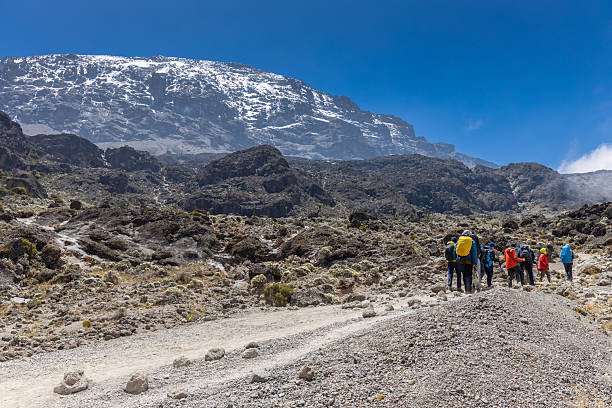
The route begins from western Kilimanjaro, crosses the Shira Plateau and later follows the southern circuit through Lava Tower, Barranco, Karanga and Barafu before the summit attempt.
Although Lemosho has strong summit potential, there is no universal official percentage that applies to every operator and every climb because itinerary length, operating standards and climber circumstances differ.
Lemosho Route Success at a Glance
- Strongest Lemosho option: 8 Day Lemosho
- Shorter option: 7 Day Lemosho
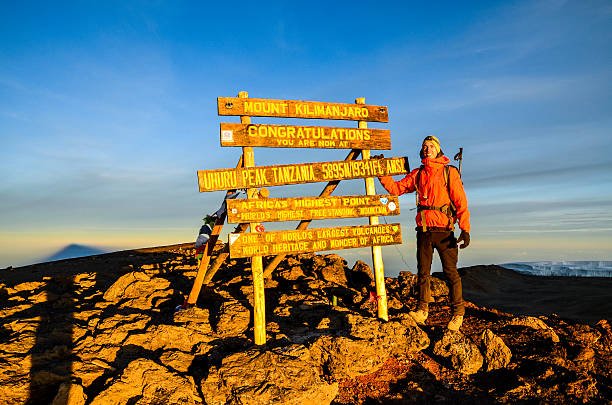
- Highest point: Uhuru Peak, 5,895 metres
- Main advantage: Gradual acclimatization profile
- Important acclimatization point: Lava Tower
- Main challenge: High altitude
- Hardest section: Summit night
- Best strategy: Choose enough days and climb slowly
What Is the Lemosho Route Success Rate?
The Lemosho Route is generally regarded as having strong summit potential, particularly when completed over eight days.
However, climbers should be cautious when comparing exact success percentages advertised online.
There is no single universally measured Lemosho success rate covering every operator, itinerary and season.
Different companies can calculate success differently, and a seven day itinerary should not automatically be compared with an eight day itinerary as though they are identical.
The more useful question is whether the itinerary provides enough acclimatization time and whether the mountain operation supports climbers professionally throughout the trek.
Why Does Lemosho Have Strong Summit Potential?
Lemosho combines several characteristics that are helpful for acclimatization.
It begins relatively gradually on the western side of Kilimanjaro and gives climbers multiple days before reaching the highest camps.
Why Lemosho Supports Acclimatization
- Longer route options
- Gradual western approach
- Several days before summit camp
- Shira Plateau acclimatization
- Higher exposure around Lava Tower
- Climb high, sleep low opportunities
- Additional recovery time on the 8 day itinerary
- Professional health monitoring throughout the trek
8 Day Lemosho Route Success Rate
The 8 Day Lemosho Route generally provides the strongest summit opportunity among the common Lemosho itineraries because it gives climbers an additional day on the mountain.
That extra time allows the altitude progression to be spread more gradually.
The body cannot be forced to acclimatize, but additional time gives it a better opportunity to adapt before summit night.
For travellers whose main priority is maximizing acclimatization rather than reducing the total trip by one day, eight day Lemosho is usually the preferred choice.
7 Day Lemosho Route Success Rate
Seven day Lemosho can also provide a strong acclimatization profile.
It includes many of the same important sections as the eight day route, including the Shira Plateau, Lava Tower, Barranco, Karanga and Barafu.
The main difference is that the overall itinerary is compressed into one fewer mountain day.
For climbers with limited travel time, seven day Lemosho remains a strong option, but those who can comfortably allow eight days may benefit from the additional acclimatization time.
7 Day vs 8 Day Lemosho Success Potential
Which Lemosho Itinerary Is Better?
- 7 Day Lemosho: Good acclimatization with a shorter overall itinerary
- 8 Day Lemosho: Additional time for altitude adaptation and recovery
- Best for limited time: 7 Day Lemosho
- Best for acclimatization priority: 8 Day Lemosho
- Summit: Both ultimately aim for Uhuru Peak at 5,895 metres
Why More Days Can Improve Summit Chances
Altitude is usually the biggest challenge on Mount Kilimanjaro.
As climbers move higher, atmospheric pressure decreases and less oxygen is available with each breath.
The body requires time to adjust to these changes.
A longer itinerary does not guarantee success, but it reduces the need to gain altitude too quickly and provides more opportunity for gradual adaptation.
Lemosho Route Acclimatization Profile
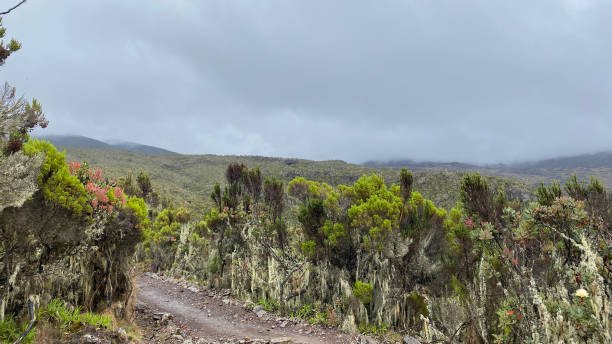
The route starts through rainforest before reaching moorland and the broad Shira Plateau.
Climbers then continue higher toward Lava Tower before descending to Barranco.
This pattern allows useful exposure to higher altitude while sleeping lower later in the day.
The trek continues through Karanga before reaching Barafu, giving climbers additional time before the final ascent.
Lava Tower and Lemosho Success
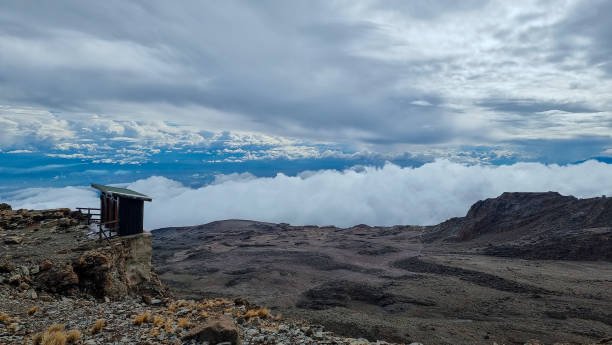
Lava Tower is one of the most important acclimatization points on the Lemosho Route.
Climbers reach approximately 4,600 metres before descending to a lower sleeping elevation around Barranco.
This exposure provides an opportunity for the body to experience higher altitude before later returning to similar elevations during the approach to summit camp.
Why Lava Tower Is Important
- Higher altitude exposure
- Climb high, sleep low opportunity
- Useful acclimatization test
- Allows guides to observe altitude response
- Helps prepare climbers for later high camps
Does Climb High, Sleep Low Improve Lemosho Success?
Climb high, sleep low is an important acclimatization principle.
Climbers reach a higher elevation during the walking day and then descend to a lower elevation for sleeping.
This helps provide controlled exposure to altitude without requiring the body to sleep at the highest point reached that day.
Lemosho naturally includes useful opportunities for this type of altitude progression.
Summit Night and Lemosho Success Rate
Even after good acclimatization, summit night remains the most difficult section of Lemosho.
Climbers normally begin from Barafu during the night and move slowly upward toward Stella Point.
From the crater rim, the route continues toward Uhuru Peak.
The combination of altitude, cold, darkness and fatigue makes careful pacing essential.
Why Some Climbers Do Not Reach Uhuru Peak
There are many reasons a climber may not complete the summit attempt, and failure to reach Uhuru Peak does not necessarily mean the person lacked fitness or determination.
Factors That Can Stop a Summit Attempt
- Poor altitude adaptation
- Worsening altitude symptoms
- Illness
- Extreme fatigue
- Inadequate preparation
- Poorly fitted equipment
- Severe weather
- Safety decisions made by the guide
Does Fitness Determine Lemosho Success?
Fitness is important but does not determine summit success by itself.
Strong legs and cardiovascular endurance make long trekking days more manageable, but highly fit climbers can still struggle with altitude.
Likewise, a person who walks more slowly but acclimatizes well may perform strongly.
The best preparation combines fitness with a gradual route and disciplined mountain pacing.
How Fit Should You Be for Lemosho?
Climbers should be comfortable walking for several hours and repeating that effort on consecutive days.
You do not need to be an elite athlete.
Training should focus on hiking endurance, leg strength and the ability to continue steadily over multiple trekking days.
Training to Improve Your Lemosho Summit Chances
Recommended Preparation
- Regular hiking
- Long weekend walks
- Hill and stair training
- Cardiovascular exercise
- Leg strength work
- Walking with a daypack
- Back to back hiking days
- Training in your actual Kilimanjaro boots
Does Walking Slowly Improve Lemosho Success?
A slow and steady walking pace is one of the most important habits on Kilimanjaro.
Walking quickly does not improve acclimatization and can waste energy that will be needed later in the expedition.
Professional guides encourage climbers to follow a controlled rhythm from the lower mountain onward.
The goal is to arrive at each camp with enough energy to eat, hydrate and recover.
Hydration and Summit Success
Maintaining hydration supports general trekking performance.
Climbers should drink regularly and carry suitable reusable bottles or a hydration system.
However, water alone cannot prevent altitude sickness.
It should be considered one part of a broader strategy involving gradual ascent, food, rest and health monitoring.
Nutrition and Lemosho Success
Eating regularly provides energy for long trekking days and recovery between camps.
Typical mountain meals can include porridge, eggs, pancakes, fruit, soup, pasta, rice, potatoes and vegetables.
Appetite can decrease as altitude increases, but climbers should continue eating where possible.
Dietary requirements should be communicated before departure so appropriate meals can be prepared.
Sleep and Recovery on Lemosho
Recovery between walking days is important, particularly as the group moves higher.
Some climbers sleep less comfortably at altitude, but a warm sleeping bag and dry sleeping clothes can improve camp comfort.
The additional time available on an eight day itinerary can also make the overall schedule feel less rushed.
Daily Health Monitoring on Lemosho
Professional guides should pay close attention to how climbers are responding to altitude throughout the trek.
Daily health checks can include conversations about symptoms together with pulse oximeter measurements.
The measurement should not be interpreted on its own because symptoms and the climber's overall condition are also important.
Health Factors Guides Monitor
- Headache
- Appetite
- Nausea
- Energy levels
- Breathing
- Walking stability
- Mental alertness
- Pulse and oxygen saturation readings
Emergency Oxygen on Lemosho
Emergency oxygen can be carried as part of the mountain safety system.
It should not be treated as a shortcut to the summit or a replacement for acclimatization.
If a climber develops serious altitude related problems, the guide may decide that descent is necessary.
Reaching the summit should never take priority over climber safety.
Guide Quality and Lemosho Success
The quality of the mountain guiding team can significantly influence the climbing experience.
Professional guides manage pacing, monitor health, coordinate the crew and make important decisions during summit night.
A good guide does not simply try to move everyone upward as quickly as possible.
The guide's responsibility is to help climbers progress safely and recognize when someone should stop or descend.
Guide to Climber Support
Larger groups require assistant guides so climbers can receive appropriate support.
This becomes particularly important on summit night when individuals may move at different speeds.
A properly staffed group allows the mountain team to provide more individualized assistance where required.
Weather and Lemosho Success Rate
Weather can influence how demanding the route feels.
Rain can make lower trails muddy, while high winds and cold conditions can increase the difficulty of summit night.
Weather cannot always be predicted perfectly, which is why suitable waterproof and cold weather equipment is essential.
Gear and Summit Success
Good equipment does not guarantee reaching Uhuru Peak, but poor equipment can create unnecessary difficulties.
Wet clothing, badly fitting boots or inadequate summit layers can increase fatigue and discomfort.
Important Lemosho Equipment
- Broken in trekking boots
- Warm thermal layers
- Insulated summit jacket
- Waterproof jacket and trousers
- Warm gloves
- Warm hat
- Sleeping bag suitable for cold conditions
- Headlamp
- Trekking poles
- Water bottles or hydration system
- Sunglasses and sunscreen
Do Trekking Poles Help?
Trekking poles can improve balance and reduce pressure on the knees.
They are especially useful during the long descent after the summit attempt.
Reducing unnecessary leg fatigue can make the overall expedition more comfortable.
Do Porters Improve the Climbing Experience?
Porters carry the main duffel bags and group equipment, allowing climbers to walk with a lighter personal daypack.
This reduces the physical burden on climbers and allows them to focus more energy on trekking and acclimatization.
The climber still carries drinking water, rain protection, personal medication and other items required during each day.
Lemosho Success Rate for Beginners
Lemosho is a strong choice for beginners because technical climbing experience is normally not required.
The eight day version is particularly suitable for first time high altitude trekkers because of its longer altitude profile.
Beginners should still train properly and understand that the summit remains physically and mentally demanding.
Lemosho Success for First Time High Altitude Climbers
Many climbers arrive without previous experience at Kilimanjaro's elevation.
A longer itinerary gives first time high altitude trekkers an opportunity to discover how their body responds gradually rather than moving too quickly toward the summit.
This is one reason eight day Lemosho is frequently recommended for first attempts.
Lemosho Success Rate for Older Climbers
Age alone does not determine whether a person can reach Uhuru Peak.
Healthy and well prepared older climbers can perform strongly when following an appropriate itinerary.
Longer routes can be attractive because they provide more time for recovery and acclimatization.
Travellers with medical concerns should obtain appropriate professional medical advice before attempting high altitude trekking.
Lemosho Success Rate for Solo Travellers
Solo travellers can achieve the same route advantages whether joining a scheduled group or booking privately.
The important factors remain itinerary length, acclimatization, guide quality, health and preparation.
Group joining Lemosho departures can also provide encouragement and a social trekking experience.
Private vs Group Lemosho Summit Success
A private climb does not automatically guarantee a higher success rate.
It can provide greater logistical flexibility and a dedicated crew arrangement, but altitude response remains individual.
Professionally operated group climbs can also provide excellent summit preparation.
The number of mountain days is generally more important than simply choosing private or group travel.
Lemosho vs Machame Success Potential
Lemosho and Machame both provide useful acclimatization opportunities and eventually share parts of Kilimanjaro's southern circuit.
Lemosho begins farther west and can be completed over eight days, giving it an advantage for travellers wanting additional mountain time.
Seven day Machame remains an excellent alternative for travellers with fewer days available.
Lemosho vs Marangu Success Potential
Marangu offers hut accommodation and a more direct trail, but shorter Marangu itineraries provide less acclimatization time than seven or eight day Lemosho.
For travellers whose main priority is gradual altitude progression, Lemosho normally provides the stronger itinerary profile.
Lemosho vs Northern Circuit Success Potential
Northern Circuit is longer than the standard Lemosho itineraries and provides extensive acclimatization time.
It can be an excellent choice for travellers who have enough days available.
Eight day Lemosho, however, offers a strong balance between acclimatization, total duration, scenery and cost.
Is Lemosho the Best Kilimanjaro Route for Summit Success?
Lemosho is one of the strongest overall choices, especially when climbed over eight days.
Whether it is the best route for a particular climber depends on available time, budget, comfort preferences and travel schedule.
Northern Circuit provides even more mountain days, while Lemosho offers an excellent middle ground between longer acclimatization and a practical overall trip duration.
Can Any Operator Guarantee Lemosho Summit Success?
No responsible operator should guarantee that every climber will reach Uhuru Peak.
Altitude response cannot be predicted with certainty.
A professional operator can provide a sensible itinerary, experienced guides, proper equipment, good food and strong safety procedures, but the final summit outcome still depends on individual circumstances and mountain conditions.
Why Advertised Success Rates Can Differ
Success percentages advertised by different operators may not be directly comparable.
One company may combine several itinerary lengths, while another may report only its eight day departures.
Some may define success as reaching Uhuru Peak, while others may calculate results using different internal methods.
Travellers should therefore ask how any published percentage was calculated rather than choosing an operator based only on one number.
Questions to Ask About a Published Success Rate
- Is the figure for 7 day or 8 day Lemosho?
- How many climbers were included?
- What period does the statistic cover?
- Does success mean Uhuru Peak specifically?
- Are private and group climbs combined?
- Is the number independently verified or operator reported?
How to Improve Your Lemosho Summit Chances
Practical Summit Success Strategy
- Choose the 8 day itinerary when time allows
- Train consistently before travel
- Walk slowly from the beginning
- Follow guide instructions
- Drink regularly
- Eat enough during the trek
- Use properly fitted trekking boots
- Carry appropriate summit clothing
- Report altitude symptoms honestly
- Rest whenever possible at camp
- Do not treat the mountain as a race
What Is Included in a Professionally Supported Lemosho Climb?
The quality of the complete mountain operation can influence climber comfort and preparation throughout the route.
- Professional Kilimanjaro guides
- Assistant guides according to group size
- Mountain cook
- Porters
- National park and camping fees
- Mountain tents
- Dining equipment according to package
- Three meals per trekking day
- Prepared drinking water
- Emergency oxygen
- Pulse oximeter monitoring
- Basic first aid equipment
- Gate transfers
- Summit certificate
How Lemosho Summit Certificates Work
After completing the trek and returning through Mweka Gate, climbers can receive a summit certificate according to the summit point reached.
Uhuru Peak at 5,895 metres is the main summit objective of the route.
The certificate provides a memorable record of completing the Kilimanjaro ascent.
Is Reaching the Summit the Only Measure of Success?
Reaching Uhuru Peak is the goal for most climbers, but safety remains more important than the summit.
A decision to descend because of worsening altitude symptoms should not be considered a failure by the guide or mountain team.
Turning around when conditions require it is part of responsible high altitude trekking.
Choosing Between 7 and 8 Day Lemosho
If your schedule and budget allow, eight days is generally the preferred option when acclimatization is the priority.
If you have limited travel time, seven day Lemosho remains a strong itinerary with useful altitude exposure.
The decision should consider the complete Tanzania itinerary rather than simply choosing the shortest route available.
Booking Lemosho Route 2026-2027
When booking, provide your preferred climbing date, number of travellers and whether you want seven or eight days.
It is also useful to share your hiking experience, previous altitude exposure and whether you prefer a private or group departure.
The complete itinerary can then be coordinated with hotel accommodation, airport transfers and optional safari or Zanzibar extensions.
Frequently Asked Questions About Lemosho Route Success Rate
Does Lemosho have a high success rate?
Lemosho generally has strong summit potential because its seven and eight day itineraries provide useful acclimatization opportunities before summit night.
What is the exact Lemosho Route success rate?
There is no single universal official percentage applying to every Lemosho climb because itinerary length, operators, group conditions and reporting methods differ.
Does 8 Day Lemosho have better summit potential than 7 days?
Generally yes. The additional mountain day provides more time for acclimatization and creates a less compressed itinerary.
Is 7 Day Lemosho still a good route?
Yes. Seven day Lemosho remains a strong option for climbers who have less time but still want the route's scenic western approach and acclimatization profile.
Why is Lemosho good for acclimatization?
The route provides several mountain days, gradual elevation gain and climb high, sleep low opportunities, particularly around Lava Tower and Barranco.
Can beginners successfully climb Lemosho?
Yes. Properly prepared beginners can climb Lemosho, and the eight day itinerary is especially attractive for first time high altitude trekkers.
Do I need technical climbing experience?
No. Standard Lemosho is a trekking route and does not normally require technical mountaineering skills.
Does fitness guarantee reaching Uhuru Peak?
No. Fitness helps with trekking endurance, but individual altitude response remains a major factor in summit success.
Does walking slowly improve summit chances?
A slow and controlled pace helps conserve energy and supports a more gradual approach to increasing altitude.
Why is Lava Tower important?
Lava Tower exposes climbers to approximately 4,600 metres before they descend to sleep lower, providing a valuable acclimatization opportunity.
Is Barranco Wall responsible for Lemosho failures?
Barranco Wall can look intimidating, but it is generally a guided scrambling section rather than the main difficulty. High altitude is usually the greater challenge.
Is emergency oxygen carried?
Professional Kilimanjaro packages can include emergency oxygen together with pulse oximeter monitoring and basic first aid equipment.
Can emergency oxygen guarantee the summit?
No. Emergency oxygen is safety equipment and should not be used to force continued ascent when a climber needs to descend.
Does weather affect Lemosho success?
Yes. Rain, strong winds, cold temperatures and poor conditions can increase the physical challenge, particularly during summit night.
Is Lemosho better than Machame for summit success?
Eight day Lemosho provides more mountain time than seven day Machame, while both routes offer useful acclimatization opportunities and strong summit preparation.
Is Northern Circuit better than Lemosho?
Northern Circuit provides more trekking days, but eight day Lemosho offers an excellent balance between acclimatization, scenic variety and total trip duration.
Should I trust advertised 95% or 98% success rates?
Treat exact advertised figures carefully unless the operator explains the itinerary, sample size, time period and method used to calculate the statistic.
What is the best way to increase my summit chances?
Choose enough mountain days, train properly, walk slowly, eat and drink consistently, use suitable gear and report altitude symptoms honestly to your guides.
How do I book Lemosho for 2026-2027?
Provide your preferred climbing dates, number of travellers and whether you prefer seven or eight days. The climb can then be organized as a private or group departure with hotel accommodation, airport transfers and optional safari or Zanzibar extensions.
Improve Your Lemosho Summit Chances 2026-2027
Choose a seven or eight day Lemosho itinerary with professional mountain guides, gradual acclimatization, daily health monitoring and enough time to prepare your body for the final ascent to Uhuru Peak.
Plan Your Lemosho Climb

 Wildlife Safari