Marangu Route Kilimanjaro Hut Accommodation
The Marangu Route Kilimanjaro Hut Accommodation is one of the defining features of the Marangu Route on Mount Kilimanjaro.
Unlike routes such as Machame and Lemosho, where climbers sleep in tents, the Marangu Route uses permanent mountain huts at the main overnight stops.
This makes the route attractive to travellers who prefer a roofed sleeping environment instead of camping, while still experiencing the physical and environmental challenges of climbing Kilimanjaro.
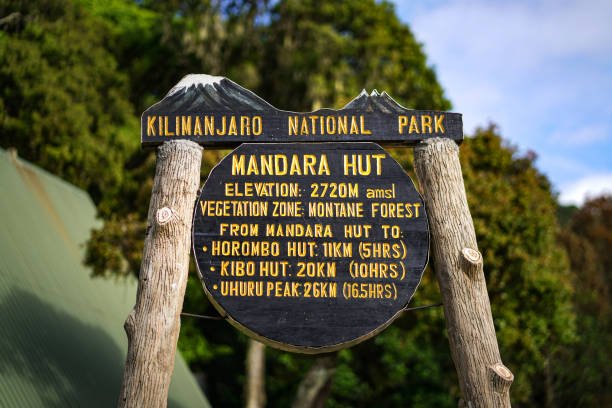
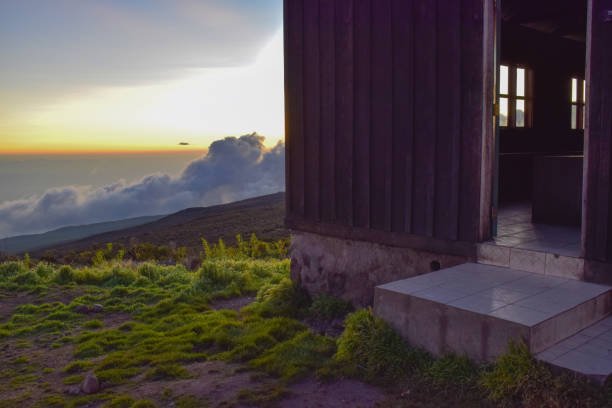
The main mountain huts are Mandara Hut, Horombo Hut and Kibo Hut. These are basic high altitude facilities designed for trekkers rather than luxury accommodation.
Climbers should therefore expect shared sleeping areas, simple facilities and basic mountain living rather than hotel style comfort.
Marangu Hut Accommodation at a Glance
- Route: Marangu Route.
- Accommodation style: Permanent mountain huts.
- Main huts: Mandara Hut, Horombo Hut and Kibo Hut.
- Sleeping arrangement: Shared dormitory style facilities.
- Sleeping bag: Required.
- Meals: Prepared by the mountain cook according to the package.
- Camping tent: Normally not required for standard Marangu hut accommodation.
- Comfort level: Basic mountain accommodation, not hotel accommodation.
What Makes Marangu Different from Other Kilimanjaro Routes?
The Marangu Route is widely known for using huts instead of sleeping tents.
Most other popular Kilimanjaro routes rely on camping, which means tents are transported and set up at each campsite.
On Marangu, climbers normally sleep in established huts at the main overnight locations.
This difference affects the overall experience, packing requirements and sleeping environment.
Marangu Hut Route vs Camping Routes
- Marangu: Sleep in permanent mountain huts.
- Machame: Sleep in tents.
- Lemosho: Sleep in tents.
- Rongai: Generally uses camping accommodation during the ascent.
- Marangu experience: More communal sleeping environment.
- Camping experience: More private tent based accommodation.
Mandara Hut Accommodation
Mandara Hut is generally the first overnight stop on a standard Marangu ascent.
The hut is located above the lower rainforest section of the route and provides climbers with their first experience of Marangu’s hut based accommodation.
Sleeping facilities are shared, and climbers should expect a practical trekking environment rather than private hotel rooms.
After arriving, climbers can organise their equipment, change into dry clothing and prepare for dinner and the evening briefing.
What to Expect at Mandara Hut
- Shared sleeping accommodation
- Basic mountain facilities
- Communal trekking atmosphere
- Dining arrangements according to the mountain operation
- A place to organise clothing and sleeping equipment
Horombo Hut Accommodation
Horombo Hut is an important overnight location on the Marangu Route and may be used more than once depending on the exact itinerary.
On longer Marangu schedules, climbers can spend an additional night in the Horombo area to allow more time before progressing higher.
The accommodation remains shared and practical, with climbers sleeping in hut facilities rather than private rooms.
Because Horombo is at a higher elevation than Mandara, nights can feel considerably colder.
Warm sleeping equipment and thermal clothing become increasingly important.
Horombo Hut Is Important Because
- It is a major overnight point on Marangu.
- Longer itineraries may spend additional time in the area.
- Climbers are already experiencing greater altitude.
- Warm sleeping equipment becomes increasingly important.
- Guides can continue monitoring climber condition before progressing higher.
Kibo Hut Accommodation
Kibo Hut is the final major overnight location before the summit attempt on a standard Marangu itinerary.
Conditions are much colder and more exposed than at the lower huts.
Climbers normally arrive, eat, organise summit equipment and rest before beginning the summit attempt.
Comfort is basic, and the priority at this stage is preparing properly for the cold and demanding high altitude ascent.
Prepare at Kibo Hut Before Summit Night
- Organise thermal base layers.
- Prepare insulating clothing.
- Keep your summit jacket accessible.
- Prepare warm gloves or mittens.
- Check your headlamp and batteries.
- Prepare water.
- Prepare personal summit snacks.
- Keep trekking poles ready.
- Follow the guide's summit briefing.
Are Marangu Huts Like Hotels?
No. The huts should not be compared with hotels, lodges or permanent tourist accommodation at lower elevations.
They are basic mountain facilities designed to provide climbers with a roofed sleeping environment during the trek.
Travellers should expect shared facilities and simple conditions.
Anyone looking for private bedrooms, hotel bathrooms, regular showers or luxury services should adjust expectations before beginning the climb.
Are the Sleeping Areas Shared?
Yes. Marangu hut accommodation is generally communal.
Climbers may sleep in shared spaces alongside other trekkers using the route.
This creates a different atmosphere from a private sleeping tent on a camping route.
Earplugs can be useful for light sleepers because mountain huts can become busy when groups have different sleeping or departure schedules.
Do You Get a Private Room?
Travellers should not plan on private hotel style rooms inside the standard Marangu huts.
The accommodation is intended to be shared.
If privacy is one of your highest priorities on Kilimanjaro, a camping route with a requested private sleeping tent may provide a more suitable arrangement.
Do You Need a Sleeping Bag in the Huts?
Yes. A proper sleeping bag remains essential even though climbers sleep inside huts.
The huts provide shelter from the open environment, but mountain nights can still become very cold, especially at higher elevations.
Your sleeping bag should therefore be suitable for cold mountain conditions rather than warm weather travel.
Travellers who do not own a suitable sleeping bag can ask about rental equipment before the climb.
Why a Warm Sleeping Bag Is Important
Quality sleep and rest become increasingly important as the climb progresses.
A sleeping bag that is not warm enough can make nights uncomfortable and reduce the quality of recovery between trekking days.
The higher mountain environment around Kibo can feel particularly cold, so sleeping equipment should be chosen with summit conditions in mind.
Sleeping Bag Rental for Marangu
Sleeping bag rental can often be arranged according to available sizes and stock.
The bag should be checked before leaving for the mountain so the traveller can confirm that it is suitable and properly packed.
Any rental requirement should preferably be communicated before the climbing date.
Do Marangu Huts Have Mattresses?
Basic sleeping surfaces or mattresses can form part of hut sleeping arrangements, but travellers should confirm the exact setup for their itinerary before departure.
A sleeping bag is still necessary and should not be replaced by the expectation that the hut itself provides warm bedding.
Do You Need to Bring Bed Sheets?
Most climbers focus on bringing a suitable sleeping bag and personal sleeping clothing rather than hotel style bedding.
A lightweight sleeping bag liner can also be useful for comfort and personal hygiene.
Are There Bathrooms at the Marangu Huts?
Basic toilet facilities are available at mountain hut areas, but climbers should expect mountain conditions rather than hotel bathrooms.
Facility type and condition can vary between locations.
Travellers should carry personal toilet paper or tissues as backup, hand sanitiser and basic personal hygiene supplies.
Are There Showers?
Climbers should not expect normal hot hotel showers during the Marangu trek.
Mountain hygiene is generally basic.
Personal wipes, hand sanitiser and clean sleeping clothing can help travellers remain comfortable during the climb.
Can You Charge a Phone in the Huts?
Climbers should not depend on normal hotel style charging facilities during the mountain trek.
Bring sufficient power banks and charging cables for your phone, camera and other small electronics.
Cold temperatures can also reduce battery performance, particularly at higher elevations.
Useful Electronics to Pack
- Power bank
- Phone charging cable
- Headlamp
- Spare headlamp batteries
- Camera batteries if required
- Waterproof storage bag for electronics
Is There WiFi in the Marangu Huts?
Climbers should not choose the Marangu Route expecting reliable internet connectivity throughout the mountain trek.
Mountain connectivity can be inconsistent, and travellers should be prepared to spend periods without reliable service.
Important communication or travel arrangements should be organised before beginning the climb whenever possible.
Meals at the Marangu Huts
Mountain meals can be prepared by the expedition cook and served according to the daily schedule.
The huts provide a more established environment for eating compared with tent based camping routes, but meals remain part of a mountain expedition rather than restaurant dining.
Maintaining good food intake is important because climbers require energy for repeated trekking days and summit night.
Vegetarian and Vegan Meals
Vegetarian meals can often be arranged when requested before the climb.
Vegan and other dietary requirements should also be communicated during booking.
Travellers with serious allergies should provide detailed information before departure so practical mountain arrangements can be discussed.
Do You Need a Private Toilet on Marangu?
Marangu already uses established mountain hut locations with basic toilet facilities.
Travellers should discuss any additional privacy requirements with the operator before booking because logistics differ from camping routes where private portable toilet systems are more commonly added.
Is Hut Accommodation Warmer Than Sleeping in a Tent?
A permanent structure provides more protection from direct wind and precipitation than sleeping in an exposed tent.
However, the huts are still located on a high mountain and can become very cold.
Climbers should therefore bring the same serious cold weather clothing and sleeping equipment required for a high altitude trek.
What Clothing Should You Wear Inside the Huts?
After trekking, climbers should change out of damp clothing whenever possible.
Keeping a dry set of thermal clothing or comfortable camp layers can improve comfort during the evening and overnight.
Useful Hut Clothing
- Dry thermal base layer
- Warm fleece
- Warm socks
- Warm hat
- Comfortable camp trousers
- Insulated jacket when needed
Should You Bring Camp Shoes?
Light camp footwear can be useful after removing trekking boots at the end of the day.
This is optional, but some climbers appreciate having lightweight shoes or sandals for short movements around the hut area.
Keep overall luggage weight in mind when deciding which comfort items to bring.
Do Porters Carry Your Main Luggage?
Climbers normally carry a personal daypack while permitted main mountain luggage is transported according to the porter arrangement.
Your daypack should therefore contain everything needed during the trekking day before you arrive at the next hut.
What to Carry in Your Daypack
- Water
- Waterproof jacket
- Warm layer
- Sunglasses
- Sun protection
- Personal snacks
- Personal medication
- Gloves and warm hat when necessary
- Phone or camera if desired
Packing for Marangu Hut Accommodation
- Broken in trekking boots
- Suitable sleeping bag
- Optional sleeping bag liner
- Thermal base layers
- Warm insulating layers
- Warm summit jacket
- Waterproof jacket and trousers
- Warm gloves
- Warm hat
- Sun hat
- Sunglasses
- Headlamp
- Trekking poles
- Water bottles or hydration equipment
- Personal toiletries
- Personal medication
- Power bank
5 Day Marangu Hut Accommodation
The five day Marangu itinerary uses the hut system throughout the ascent and descent schedule but provides a more compact mountain program.
Travellers considering five days should understand that the itinerary provides less time on the mountain than a longer Marangu schedule.
Hut accommodation remains the same basic style, but the overall trekking schedule changes.
6 Day Marangu Hut Accommodation
A six day Marangu itinerary generally adds an additional mountain day compared with the five day version.
This additional time can be used within the established Marangu itinerary to provide a more gradual schedule before moving toward Kibo and the summit attempt.
For travellers who prefer hut accommodation and additional mountain time, the six day option can be worth considering.
Marangu Hut Accommodation for Beginners
The presence of huts makes Marangu attractive to some first time trekkers who are concerned about sleeping in tents.
However, sleeping indoors does not remove the main difficulty of Kilimanjaro.
Altitude, endurance, weather and summit night remain challenging.
Beginners should train properly and choose the itinerary based on acclimatization and overall mountain preparation rather than hut accommodation alone.
Marangu Hut Accommodation for Solo Travellers
Solo travellers can join suitable Marangu group departures or organise a private climb.
The mountain hut accommodation remains communal, so joining a group does not necessarily change the basic sleeping environment.
A single hotel room can be requested before or after the mountain according to accommodation availability.
Marangu Hut Accommodation for Couples
Couples can climb together and share the same expedition, but they should not expect a private double bedroom inside the mountain huts.
Hotel accommodation before and after the trek can be arranged as double rooms according to availability.
Marangu Group Joining Accommodation
Group joining departures allow travellers to share a scheduled mountain expedition while using the same established hut system.
Solo travellers, couples and friends can join when places are available.
Sleeping spaces remain part of the communal mountain accommodation rather than private hotel rooms.
Private Marangu Climb and Hut Accommodation
A private Marangu climb gives the booking party its own guide and mountain expedition arrangement, but the route still uses the established hut accommodation.
Private expedition status should therefore not be confused with having exclusive private ownership of a mountain hut or private bedroom.
Health Monitoring at the Huts
Mountain huts provide convenient locations for guides to review climber wellbeing after each trekking stage.
Health discussions can include headaches, nausea, appetite, hydration, dizziness, sleep and walking ability.
Pulse oximeter readings may also be used where available as one part of the overall assessment.
Climbers should report symptoms honestly as altitude increases.
Altitude and Hut Accommodation
Sleeping inside a hut does not protect a climber from altitude related illness.
Altitude response depends on the body's adaptation to elevation rather than whether the traveller sleeps in a hut or tent.
Climbers should therefore maintain slow pacing, hydration, nutrition and regular communication with their guide team.
Important Altitude Principles
- Walk slowly.
- Drink regularly.
- Eat sufficiently.
- Rest whenever possible.
- Report altitude symptoms.
- Follow guide instructions.
- Descend when necessary for safety.
Emergency and Rescue Support
A professionally organised Marangu climb should have procedures for illness, injury and emergency descent.
Depending on the confirmed mountain operation, support can include first aid equipment, health monitoring, emergency oxygen, assisted descent and evacuation coordination.
Travellers should also arrange suitable travel insurance for high altitude trekking and relevant emergency situations.
Hotel Accommodation Before Marangu
A hotel night before the climb gives travellers time to recover from international travel, attend the pre climb briefing and complete an equipment check.
This is also the time to arrange any missing rental equipment before travelling to Marangu Gate.
Hotel Accommodation After Marangu
A post climb hotel night provides a very different level of comfort from the mountain huts.
After completing the trek, climbers can shower, rest and reorganise luggage before continuing to safari, Zanzibar or the airport.
Typical Marangu Package Inclusions
- Confirmed Marangu mountain itinerary
- Mountain hut accommodation
- Professional Kilimanjaro guides
- Assistant guides according to group requirements
- Mountain cook and porters
- Mountain meals according to the package
- Daily guide health monitoring
- Applicable Kilimanjaro fees when stated
- Transport to Marangu Gate
- Transfer after the climb
- Hotel accommodation when stated
- Airport transfers when stated
Frequently Asked Questions About Marangu Route Kilimanjaro Hut Accommodation
Does the Marangu Route use huts?
Yes. Marangu is known for using permanent mountain huts instead of standard camping tents for overnight accommodation.
Which huts are used on Marangu?
The main overnight locations include Mandara Hut, Horombo Hut and Kibo Hut.
Are the huts private?
No. Standard hut accommodation is generally communal rather than private hotel style accommodation.
Can couples get a private room?
Travellers should not expect private double bedrooms in the standard mountain huts. Hotel accommodation before and after the trek can be arranged privately.
Do I need a tent on Marangu?
Standard Marangu itineraries use hut accommodation, so climbers normally do not need individual sleeping tents for the route.
Do I need a sleeping bag?
Yes. Climbers still need a sleeping bag suitable for cold mountain conditions.
Can I rent a sleeping bag?
Yes. Sleeping bag rental can often be arranged according to available sizes and stock.
Are Marangu huts heated?
Climbers should not rely on hotel style heating and should bring clothing and sleeping equipment suitable for cold mountain nights.
Are there toilets at the huts?
Basic mountain toilet facilities are available at hut areas, but travellers should expect simple conditions rather than hotel bathrooms.
Are there showers?
Travellers should not expect regular hot shower facilities during the mountain trek.
Can I charge my phone?
Do not depend on normal hotel style charging facilities. Bring suitable power banks for personal electronics.
Is there reliable WiFi?
Climbers should not rely on consistent internet connectivity during the mountain trek.
Are meals served at the huts?
Mountain meals can be prepared by the expedition cook and served according to the daily trekking schedule.
Can vegetarian meals be arranged?
Yes. Vegetarian meals can often be arranged when requested before departure.
Can vegan meals be arranged?
Vegan meals can often be discussed and arranged when dietary requirements are communicated in advance.
Is Marangu good for beginners because it has huts?
Huts can make the sleeping experience more attractive to some beginners, but altitude and physical endurance remain the main challenges of Kilimanjaro.
Can solo travellers use the huts?
Yes. Solo travellers can join suitable Marangu departures and use the same communal hut accommodation.
Does a private Marangu climb give me a private hut?
No. A private climb refers to the expedition arrangement, not exclusive private ownership of the established mountain huts.
Do guides perform health checks at the huts?
Professional guides can monitor climber wellbeing and discuss altitude related symptoms during the trek.
Does sleeping in a hut prevent altitude sickness?
No. Altitude response depends on the body's adaptation to elevation and is not prevented by sleeping indoors.
Is the hut accommodation warm enough without thermal clothing?
No. Climbers should still carry proper thermal clothing, insulation and cold weather equipment for high altitude conditions.
Should I bring earplugs?
Light sleepers may find earplugs useful because hut accommodation is communal and climbers may follow different routines.
Should I bring a sleeping bag liner?
A liner is optional but can add personal comfort and help keep the inside of the sleeping bag cleaner.
Can I leave extra luggage at the hotel?
Luggage not needed on Kilimanjaro can often be stored according to the confirmed hotel or operator arrangements.
Can I add hotel accommodation before and after Marangu?
Yes. Pre climb and post climb hotel nights can be included according to the selected package.
Can airport transfers be arranged?
Yes. Airport pickup and departure transfers can be included or added according to the confirmed booking.
Can I add a safari after Marangu?
Yes. Tarangire, Lake Manyara, Ngorongoro and Serengeti can be added according to available travel days.
Can Zanzibar be added after Kilimanjaro?
Yes. Zanzibar can be added after the climb with suitable flight, transfer and accommodation arrangements.
How do I book Marangu Route Kilimanjaro Hut Accommodation?
Choose your preferred Marangu duration and travel dates, then confirm the number of climbers together with any hotel, airport transfer, sleeping bag rental, equipment rental, safari or Zanzibar requirements.
Plan Your Marangu Route with Hut Accommodation
Climb Mount Kilimanjaro on the Marangu Route with permanent mountain hut accommodation, professional guides, porter support, meals, health monitoring and optional hotel, transfer and rental equipment arrangements.
Plan Your Marangu Climb

 Kilimanjaro Climb