Stop 1: Meet Your Local Guide
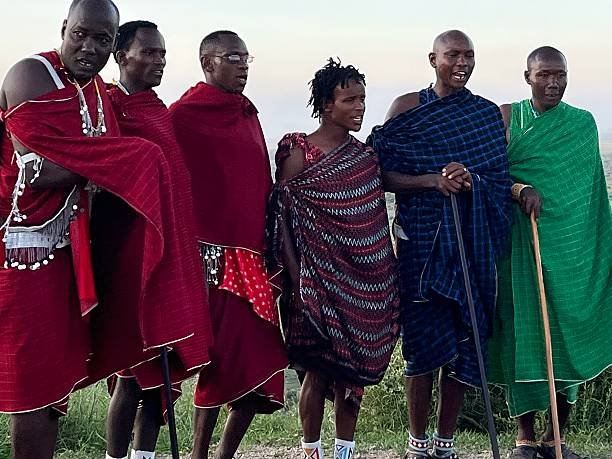
Meet your guide at your Moshi hotel or another agreed starting point.
Discuss dietary requirements, the planned market route and the dishes included in the cooking experience.

Join the Moshi Cooking and Market Tour with fresh local ingredients, traditional cooking, Chagga food culture, market walking and authentic Moshi life.
The Moshi Cooking and Market Tour combines a guided local market visit with a hands on traditional cooking experience in Moshi. Travellers can discover fresh produce, grains, spices and everyday ingredients before learning how selected Tanzanian dishes are prepared.
The experience can include market walking, ingredient explanations, seasonal fruit, vegetables, beans, maize, rice, bananas and local spices, followed by practical food preparation with a local host. Travellers can also learn about Chagga food culture and the connection between farms around Mount Kilimanjaro and Moshi’s markets.
The Moshi Cooking and Market Tour can be arranged as a half day or longer cultural experience and combined with coffee, a Chagga village, Kilimanjaro trekking or a northern Tanzania safari.
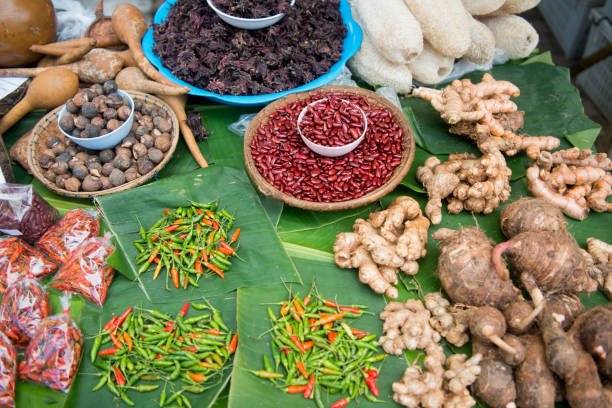
The Moshi Cooking and Market Tour offers travellers a practical introduction to local food culture by combining a guided market experience with traditional cooking.
The journey can begin in a selected Moshi market where visitors learn about fresh produce, grains, legumes, spices and other ingredients commonly used within local households.
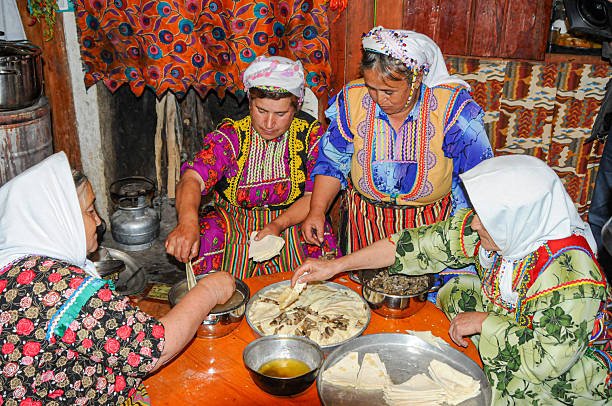
After exploring the market, the experience continues to a cooking location where a local host introduces the planned dishes and guides participants through preparation.
Travellers can help prepare ingredients, learn about local cooking methods and understand how food traditions connect with agriculture around Mount Kilimanjaro.
The tour can be arranged privately and adapted according to dietary requirements, available time and the type of cultural experience preferred.
This tour allows travellers to understand local food from the beginning of the process rather than only eating a finished meal.
Visitors can first see ingredients in the market, learn how they are selected and then use similar products during the cooking experience.
The combination creates a clear connection between shopping, agriculture, preparation and everyday food culture.
It is also an easy cultural activity to add before or after a Kilimanjaro climb or safari.
The market section provides an introduction to the ingredients used within many local meals.
Travellers can walk through selected market areas with a local guide while observing fresh produce and everyday trade.
The guide can explain unfamiliar ingredients and how they are used within households, restaurants and community cooking.
Market activity and available products vary according to the season and time of day.
Fresh produce is one of the most colourful parts of many Moshi markets.
Visitors may encounter bananas, avocados, tomatoes, onions, potatoes, leafy vegetables and seasonal fruits.
The guide can explain which products are commonly grown around Kilimanjaro and how they are used in local cooking.
The market can also introduce travellers to ingredients such as maize, beans, rice and flour.
These products can form the foundation of many everyday meals.
Your guide can explain how selected staples are combined with vegetables, sauces or other accompaniments.
Selected stalls may offer spices, herbs and cooking ingredients used to add flavour to local dishes.
The guide can explain how these ingredients are incorporated into different meals.
The exact selection depends on what is available during the market visit.
The market visit gives travellers an opportunity to understand ingredients before they become part of a finished meal.
After exploring the market, the same food themes continue during the practical cooking experience.
The cooking experience can introduce selected aspects of Chagga food culture around Mount Kilimanjaro.
Bananas, coffee, beans and vegetables are closely connected with agriculture in many Kilimanjaro communities.
The host or guide can explain how local ingredients are used and how food practices vary between households.
Bananas play an important role in many farming areas around Mount Kilimanjaro.
Different varieties can be used for eating fresh or for cooking.
Travellers can learn how bananas move from farms into Moshi markets and eventually into household kitchens.
After completing the market visit, travellers continue to the selected cooking location.
The host introduces the planned menu and explains the ingredients.
Participants can then begin preparing the meal under local guidance.
The cooking section is designed to be interactive.
Travellers can help wash, peel, cut, mix and prepare selected ingredients depending on the dishes included.
The host demonstrates the correct preparation methods and provides guidance throughout the activity.
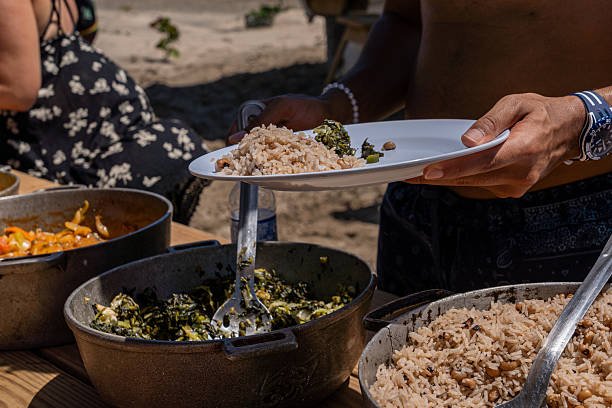
The main part of the experience involves preparing selected local dishes.
The menu can change according to ingredients, dietary requirements and the type of cultural experience arranged.
The host can explain why specific ingredients are combined and how the food is normally prepared.
The class is intended as a cultural experience rather than a professional culinary course.
Once the cooking is complete, visitors can enjoy the food they helped prepare.
The shared meal provides time to discuss food, agriculture and everyday life with the host or guide.
It is also an opportunity to taste how the ingredients seen earlier in the market come together in the final dishes.
Coffee can be added to the market and cooking tour for a broader introduction to Kilimanjaro food culture.
Travellers can learn about locally grown coffee and how it connects with Chagga farming communities.
Where included, the experience can involve roasting, grinding, brewing and tasting fresh coffee.
The market and cooking experience can be expanded by adding a coffee component.
This creates a varied cultural program involving shopping, food preparation and one of Kilimanjaro's best known agricultural products.
The itinerary can be arranged as a longer half day or full day experience depending on the locations selected.
Travellers interested specifically in Chagga food traditions can place greater emphasis on dishes and ingredients connected with Kilimanjaro communities.
The guide can explain bananas, coffee, agriculture and selected household food traditions.
A village or farm visit can create a deeper farm to market experience.
Travellers can first see coffee plants, banana gardens or other crops before continuing to Moshi market and the cooking class.
This provides a complete connection between farming, trade and food preparation.
Meet your guide at your Moshi hotel or another agreed starting point.
Discuss dietary requirements, the planned market route and the dishes included in the cooking experience.
Walk through selected market sections with your guide.
Learn about fruits, vegetables, grains, beans, spices and other ingredients used within local cooking.
Continue to the cooking location and meet your local host.
Review the ingredients and learn how each product will be used during the cooking session.
Participate in preparing selected local dishes.
Learn preparation methods, seasoning and cooking techniques with guidance from the host.
Enjoy the food prepared during the class.
Continue conversations about Chagga food traditions, Moshi markets and agriculture around Kilimanjaro.
Finish with coffee where included before returning to your hotel.
A half day program can combine a guided market walk, ingredient introduction, cooking and a shared meal.
This option provides enough time to experience both the market and kitchen without requiring a full day excursion.
A full day version can include additional activities such as a coffee experience, farm visit or Chagga village.
This provides more time to understand how local agriculture, markets and cooking are connected.
Vegetarian menus can often be arranged using beans, vegetables, grains, bananas and other plant based ingredients.
Preferences should be communicated in advance so the host can plan suitable dishes where possible.
Travellers should communicate all food allergies, intolerances and dietary restrictions before the tour.
The host can then determine which dishes and ingredients are suitable.
Alternative options depend on local availability and the selected program.
The Moshi Cooking and Market Tour can be arranged before beginning a Mount Kilimanjaro trek.
It provides a cultural introduction to Moshi while remaining relatively relaxed.
The activity should be scheduled around gear checks, trekking briefing and sufficient rest.
The cooking and market tour can also be arranged after descending from Kilimanjaro.
Travellers can explore local food at a relaxed pace before continuing to safari, Zanzibar or another destination.
The Moshi Cooking and Market Tour can be completed before or after a northern Tanzania wildlife safari.
This creates a broader itinerary combining everyday food culture with wildlife experiences.
A local guide helps visitors understand Moshi market culture, while the cooking host explains food preparation and household traditions.
In some programs, one person may fulfil both roles.
Comfortable lightweight clothing is suitable for the market and cooking experience.
Comfortable walking shoes are recommended for the market section.
Practical clothing is useful during food preparation.
The tour can be arranged privately for solo travellers, couples, families and groups.
A private program offers more flexibility with walking pace, cooking menu, dietary requirements and cultural additions.
The experience can also be coordinated with hotel schedules, Kilimanjaro preparation or safari departures.
Solo travellers can enjoy a private food experience with a local guide and host.
The program can be adapted according to interest in markets, cooking, coffee or Chagga culture.
Couples can enjoy a relaxed private market and cooking experience.
A coffee or farm extension can also be added according to available time.
The tour can provide an educational introduction to food, markets and cooking for families.
Children can participate in suitable preparation activities according to age and supervision.
Parents should supervise children carefully in busy market areas and during cooking.
The experience can be arranged throughout different periods of the year.
Fresh produce changes with the season, which means the ingredients available can vary.
Morning departures can be particularly suitable for experiencing active market areas, although the exact schedule depends on the confirmed program.
Moshi markets and cooking locations are real working environments.
Travellers should explore respectfully and follow the guidance of local hosts and guides.
The Moshi Cooking and Market Tour provides a practical introduction to local food by following ingredients from market stalls into the kitchen.
Travellers can learn about everyday shopping, Chagga food culture and Kilimanjaro agriculture before participating in the preparation of selected dishes.
The experience can be booked independently or combined with coffee, farms, villages, Kilimanjaro trekking and northern Tanzania safari programs.
It is a guided cultural experience combining a Moshi market visit with hands on preparation of selected local foods.
Yes. The program can include guided exploration of selected market areas and local ingredients.
Yes. Participants can help prepare selected ingredients and dishes under guidance from a local host.
Yes. The tour can include a shared meal featuring the food prepared during the class.
Yes. The guide or host can explain selected Chagga food traditions and their connection with farming around Kilimanjaro.
Yes. A coffee tasting or traditional preparation experience can be added according to the selected program.
Vegetarian options can often be arranged using beans, vegetables, grains, bananas and other plant based ingredients.
All allergies and dietary restrictions should be communicated before the tour so suitable options can be discussed.
The experience can be arranged as a half day program or expanded into a longer cultural day with coffee, a farm or village visit.
Yes. Solo travellers can book a private Moshi Cooking and Market Tour.
Yes. Market and cooking activities can be adapted according to children's ages and family preferences.
Yes. A village or farm visit can be added for travellers wanting a deeper food and agricultural experience.
Yes. The tour can be arranged before a Kilimanjaro trek when enough time remains for briefing, gear checks and rest.
Yes. The cooking and market experience can be arranged as a relaxed cultural activity after the climb.
Yes. The experience can be arranged before or after a northern Tanzania safari.
Yes. Market activities, cooking menu, coffee, village visits and other cultural additions can be adapted according to the confirmed program.
Explore a local Moshi market, discover fresh ingredients and prepare traditional food with a local host while learning about Chagga culture and Kilimanjaro agriculture.
Choose your preferred date, cooking duration and market, coffee, farm or village additions to create a personalised Moshi food experience.
Plan Your Cooking and Market TourAfrican Trek & Travel is a leading Tanzania tour operator in Moshi and Arusha for 2026–2027, specializing in Kilimanjaro treks, safaris, and tailor-made adventures. With deep local expertise and a strong commitment to safety and quality, we deliver unforgettable travel experiences across East Africa.
Discover popular Safaris, Serengeti Migration, Kilimanjaro Climbing & Zanzibar Beach Holidays. Plan your perfect adventure today!
 Popular
Experience the wildebeest migration across the vast Serengeti and Ngorongoro plains. Perfect for wildlife lovers and photography enthusiasts.
Book Now New
Climb Africa’s highest peak via scenic routes with expert guides and safe treks. Experience adventure with full support and accommodation included.
Book Now Popular
Relax in paradise with pristine white beaches, spice tours, and cultural charm. Ideal for families and honeymooners seeking luxury and tranquility.
Book Now




We collaborate with top tour operators to provide the best experiences for Kilimanjaro treks, safaris, and adventures.