Tanzania Tribal Culture Photography Tour 2026-2027
Tanzania Tribal Culture Photography Tour 2026-2027 is designed for travellers who want to photograph Tanzania beyond wildlife by spending meaningful time with local communities, learning about traditions and creating respectful images of people, landscapes, crafts and everyday life.
Tanzania is home to many ethnic and cultural communities, each with different languages, histories, livelihoods and traditions.
A photography-focused cultural tour can include Maasai pastoral communities, Hadzabe hunter-gatherers, Datoga blacksmiths and pastoralists, Chagga communities around Mount Kilimanjaro and other cultural experiences depending on the route.
The aim should not be to collect photographs of people as quickly as possible. The strongest cultural photography often comes from conversation, patience, permission and understanding what is happening before pressing the shutter.
Tanzania Tribal Culture Photography Tour at a Glance
- Tour style: Cultural and photography-focused travel
- Main subjects: People, traditions, landscapes, crafts and daily life
- Possible communities: Maasai, Hadzabe, Datoga and Chagga
- Best approach: Small private groups with local guides
- Photography priority: Permission and respectful interaction
- Can combine with: Safari, Kilimanjaro and Lake Eyasi
- Suitable for: Professional photographers, hobbyists and smartphone photographers
What Is a Tanzania Tribal Culture Photography Tour?
A Tanzania tribal culture photography tour combines guided cultural experiences with additional time and flexibility for photography.
Unlike a standard cultural stop, a photography-focused visit should allow time to understand the community, ask permission, wait for better light and photograph activities naturally rather than rushing through a fixed checklist.
The tour may focus on portraits, environmental photography, documentary images, traditional architecture, crafts, markets, landscapes and daily activities.
The exact experience depends on the community and what is happening on the day of the visit.
Why Tanzania Is Excellent for Cultural Photography
Tanzania offers extraordinary cultural diversity alongside dramatic landscapes.
Communities live in environments ranging from the dry Lake Eyasi basin to the green foothills of Kilimanjaro, open Maasai pastoral country and busy agricultural settlements.
This variety allows photographers to create images that show both people and the landscapes connected to their livelihoods.
A good itinerary avoids presenting all communities as if they share one single Tanzanian culture.
Maasai Cultural Photography
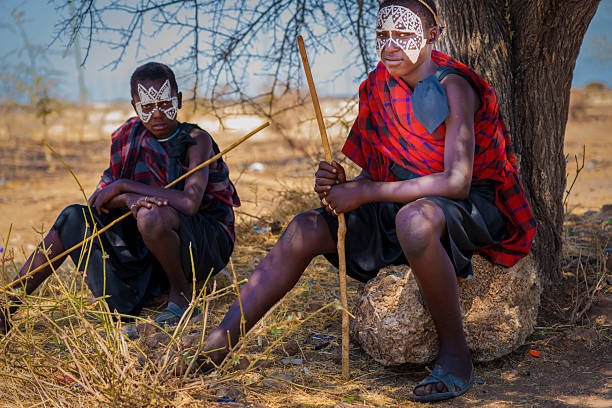
Maasai communities are among the most recognizable cultural groups in East Africa.
Photography opportunities can include traditional clothing, cattle, homesteads, landscapes, beadwork and daily pastoral activities.
However, travellers should avoid assuming that every person wearing traditional clothing automatically wants to be photographed.
A local guide should arrange introductions and explain the photography expectations before the session begins.
Possible Maasai Photography Subjects
- Environmental portraits
- Traditional beadwork
- Cattle and pastoral life
- Homestead architecture
- Family and community activities with permission
- Village landscapes
- Traditional clothing
Hadzabe Photography at Lake Eyasi
Lake Eyasi offers one of Tanzania's most distinctive cultural photography experiences.
Hadzabe communities are widely associated with hunting, gathering, wild-food knowledge and a mobile relationship with the surrounding bush environment.
A photography tour may involve an early-morning visit, walking with hunters, observing bow-and-arrow skills, documenting fire-making and photographing environmental portraits.
The experience should be approached as cultural learning rather than simply using hunting activity as dramatic photographic content.
Photographing Hadzabe Hunting
A real hunting walk can produce strong documentary images, but photographers should understand the nature of the activity before joining.
Hunting may involve actual animal tracking and killing.
Some photographers may prefer to focus instead on portraits, archery, gathering activities and camp life.
Discuss your comfort level with the guide before the visit begins.
Datoga Culture Photography
Datoga cultural visits can provide a very different visual experience from Hadzabe visits even though both may be included in the same Lake Eyasi itinerary.
Photography opportunities can include pastoral life, traditional clothing, jewellery, homestead scenes and metalworking.
Blacksmith demonstrations can be particularly interesting for photographers because fire, sparks, tools and handwork create dynamic documentary subjects.
Chagga Culture Photography Around Kilimanjaro
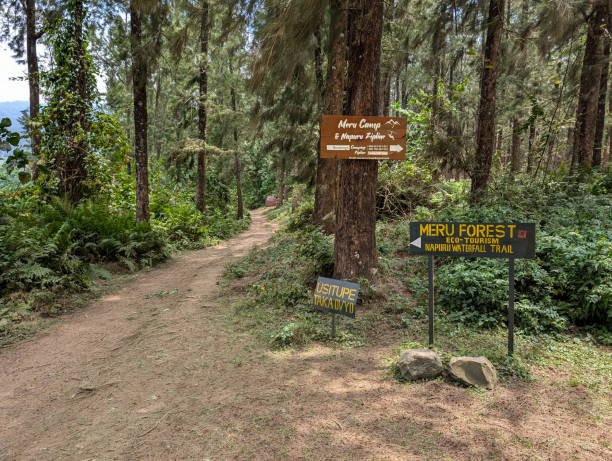
Chagga cultural experiences around Mount Kilimanjaro can include traditional homes, banana and coffee farms, waterfalls, village landscapes and local food preparation.
This environment differs significantly from the dry Lake Eyasi landscape.
Photographers can combine portraits with green agricultural scenery and views toward Kilimanjaro when weather conditions allow.
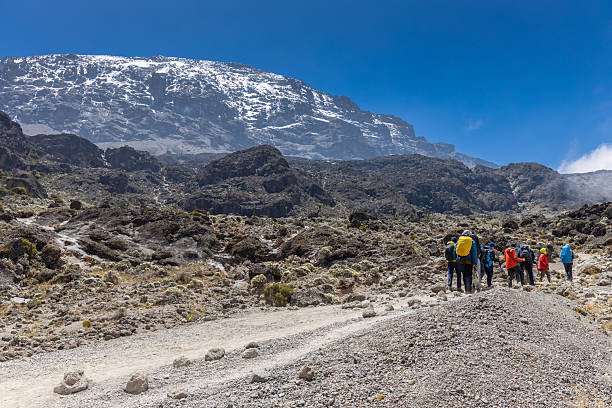
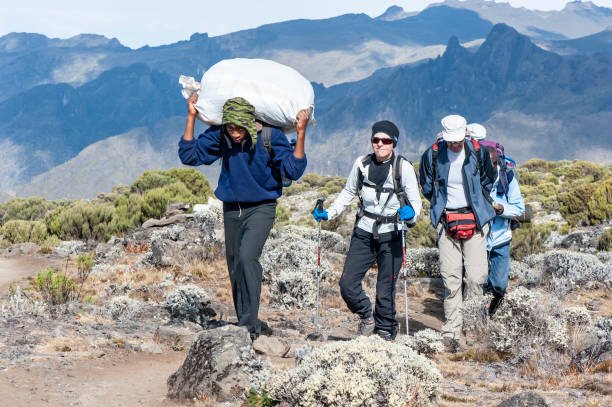
A Chagga visit can also work well before or after a Mount Kilimanjaro climb.
Best Places for Tanzania Tribal Culture Photography
- Lake Eyasi: Hadzabe and Datoga experiences
- Ngorongoro region: Maasai communities and highland landscapes
- West Kilimanjaro: Maasai pastoral landscapes
- Kilimanjaro foothills: Chagga communities
- Mto wa Mbu: Multi-cultural village and market photography
- Northern Tanzania villages: Farming, craft and community photography
Lake Eyasi Photography Experience
Lake Eyasi is particularly suitable for photographers because it combines people, dry landscapes, baobab trees and traditional activities in one region.
An overnight stay is usually preferable to arriving from far away on the same morning.
This allows photographers to begin before sunrise and make use of softer early light.
The same trip can include both Hadzabe and Datoga experiences without turning the day into a long-distance transfer.
Mto wa Mbu Cultural Photography
Mto wa Mbu provides a different style of cultural photography.
Instead of focusing on one community, the area is known for a diverse population and a mixture of agricultural, market and village activities.
Possible subjects include banana farms, local markets, food preparation, bicycles, artisans, street scenes and agricultural landscapes.
This can be particularly useful for photographers interested in everyday contemporary Tanzania rather than only traditional dress.
Environmental Portrait Photography
Environmental portraits show people within the places where they live or work.
Instead of photographing only a face, the image may include cattle, a workshop, traditional home, landscape, farm or another element connected to the subject's life.
This can provide more cultural context and often produces stronger storytelling photographs.
Close-Up Portraits
Close portraits can be powerful but require greater sensitivity.
Always obtain appropriate permission before moving close to someone's face with a camera.
A longer lens can sometimes allow a comfortable working distance, but it should never be used as an excuse to secretly photograph somebody who has not agreed.
Respectful Cultural Photography Rules
- Ask before taking close portraits
- Listen to the local guide
- Respect anyone who declines photography
- Avoid interrupting private moments
- Do not photograph children automatically
- Do not enter homes without invitation
- Avoid treating people as props
- Spend time interacting before photographing
Photography Permission in Tanzania's Communities
Permission should be built into the experience rather than treated as an inconvenience.
Your local guide can explain whether general photography has been agreed upon and when individual permission is still appropriate.
Close portraits, children, homes and private ceremonies deserve particular care.
If someone clearly indicates that they do not want to be photographed, respect the decision immediately.
Should You Pay People for Photographs?
Photography arrangements vary between communities.
In organized cultural visits, photography may already form part of the agreed community experience and community fee.
In other settings, an individual may request payment before agreeing to a portrait.
Ask the guide what system is appropriate instead of creating your own payment arrangement with every person you encounter.
Avoid Staged Photography When Possible
Some staged portraits can still be beautiful, especially when the subject actively participates in creating the image.
However, an entire cultural tour should not consist of asking people to repeatedly perform activities only for the camera.
Natural documentary moments often communicate more about everyday life.
The best photography itinerary balances portraits with observation and interaction.
Best Time of Day for Cultural Photography
Early morning and late afternoon generally provide softer light and stronger shadows than midday.
Lake Eyasi experiences are particularly suited to early starts because hunting and gathering activities may begin before the heat increases.
Late-afternoon light can work well for pastoral landscapes and environmental portraits.
However, the community's routine should come before perfect photographic light.
Golden Hour Portrait Photography
Golden-hour light can create warm skin tones and attractive environmental portraits.
When planning a private photography tour, discuss timing with the local guide in advance.
Do not keep a family or community waiting simply because you want sunset light unless the arrangement has been agreed upon.
Photography Equipment for a Tribal Culture Tour
You do not need an enormous amount of equipment.
A relatively lightweight camera system allows easier interaction and makes photographers appear less intrusive.
A standard zoom lens can cover portraits, activities and wider village scenes without constant lens changes.
Useful Photography Equipment
- Mirrorless or DSLR camera
- Standard zoom lens
- Portrait lens if preferred
- Wide-angle lens for landscapes and interiors
- Spare batteries
- Extra memory cards
- Lens cleaning cloth
- Dust protection
- Small camera bag
Best Lens for Tanzania Cultural Photography
A lens covering approximately moderate wide-angle through short telephoto focal lengths is useful because it allows quick changes between environmental portraits and closer images.
Wide-angle lenses are particularly useful when showing people within homes, landscapes or working environments.
Longer portrait focal lengths can create attractive backgrounds but should not lead to photographing people secretly from far away.
Smartphone Cultural Photography
A smartphone is completely capable of producing meaningful cultural photographs.
It can also feel less intimidating than a large professional camera.
Use portrait mode selectively and avoid excessive digital zoom.
The same permission and etiquette rules apply regardless of whether you use a phone or professional equipment.
Drone Photography During Cultural Tours
Do not assume you can launch a drone simply because the landscape looks attractive.
Drone operation is subject to aviation, location and property restrictions, and flying over people creates additional privacy and safety concerns.
A cultural tour should be planned around ground-level photography unless all necessary permissions have been confirmed in advance.
Photographing Children Responsibly
Children are often curious about visitors and cameras, but their enthusiasm does not remove the need for responsible photography.
Follow the local guide's advice and seek appropriate adult or community permission where required.
Avoid publishing images that are humiliating, overly private or likely to misrepresent the child's circumstances.
Photographing Traditional Clothing
Traditional clothing can create visually striking images, but it should be understood within cultural context.
Ask the guide about the meaning of clothing, jewellery, colours or accessories rather than viewing them only as decoration.
Knowing the story behind an image normally improves both photography and captions later.
Photographing Crafts and Artisans
Craft photography can show important skills without relying entirely on posed portraits.
Beadwork, blacksmithing, carving, cooking and agricultural work can create strong documentary sequences.
Photograph the complete process: materials, hands, tools, concentration, environment and final product.
Photographing Traditional Food
Food can provide important insight into cultural life.
Images may include preparation, cooking, ingredients and shared meals when permission is given.
Avoid rearranging food or interrupting a meal solely for a photograph unless participants are comfortable with it.
Photographing Markets
Markets can produce colourful and active images but are also places where people are working rather than performing for tourists.
A local guide can help explain when photography is appropriate and communicate with traders.
Buying something from a stall can also create a more natural interaction than arriving only to take photographs.
Landscape and Culture Together
Some of the strongest cultural images place people within Tanzania's larger landscapes.
A Maasai herder with open plains, a Hadzabe hunter beneath baobab trees or a Chagga farmer beneath Kilimanjaro can communicate far more context than a tight portrait alone.
Think about how geography shapes livelihood and use landscape deliberately within your compositions.
Photography Story Ideas
- People and landscape
- Hands and traditional skills
- Food preparation
- Morning routines
- Pastoral life
- Hunting and gathering
- Traditional and modern life together
- Craft production
- Portrait sequences
Why Private Tours Work Better for Photographers
A private vehicle and guide provide much greater control over timing.
Photographers can spend longer in one location, begin earlier, stop for landscape scenes and adjust the itinerary according to light and activity.
This flexibility is difficult on a large shared tour where every traveller has different priorities.
Small Group Photography Tours
Small groups are generally better for cultural photography than large groups.
Fewer cameras make interactions less overwhelming and create more space for conversations.
Small groups also allow photographers to position themselves without crowding around the same person.
How Much Time Should You Spend with Each Community?
More time usually creates better photographs.
A brief thirty-minute stop can produce snapshots, but it rarely creates meaningful documentary photography.
Several hours or an overnight stay can allow visitors to understand the environment and interact before concentrating heavily on photographs.
Can You Combine Tribal Photography with Safari?
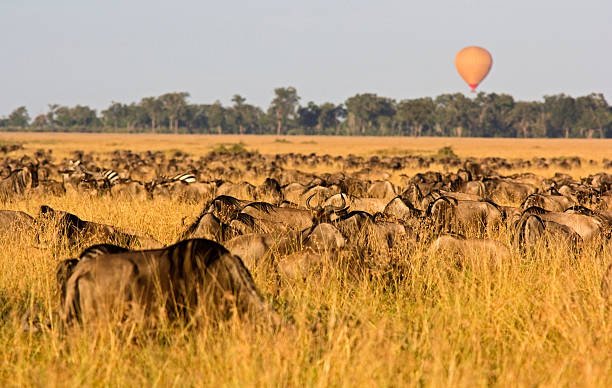
Yes. Cultural photography can be added naturally to a northern Tanzania wildlife itinerary.
Lake Eyasi fits particularly well with Ngorongoro and Lake Manyara.
Maasai experiences can be arranged around several northern circuit locations, while Chagga cultural visits work well near Kilimanjaro and Moshi.
This produces a broader photographic portfolio combining wildlife, people and landscapes.
Example 5 Day Tanzania Cultural Photography Tour
- Day 1: Arusha or Moshi arrival and photography briefing
- Day 2: Maasai cultural and environmental portrait photography
- Day 3: Travel to Lake Eyasi and sunset landscape photography
- Day 4: Hadzabe early-morning photography and Datoga cultural visit
- Day 5: Mto wa Mbu cultural photography and onward transfer
Example 7 Day Cultural and Wildlife Photography Tour
A longer seven-day itinerary can combine cultural photography with wildlife safari days.
For example, travellers can photograph Maasai and Hadzabe communities before continuing to Ngorongoro and Serengeti for wildlife photography.
This creates a balanced visual story of northern Tanzania rather than focusing entirely on one subject.
Best Time for Tanzania Cultural Photography
Cultural tours can operate throughout the year.
Dry months usually provide easier roads and predictable outdoor conditions.
Green-season travel can provide more colourful landscapes and softer environmental backgrounds.
The best time depends largely on which communities, safari parks and landscapes you want to combine.
Cultural Photography During the Dry Season
Dry conditions can make access to Lake Eyasi and rural roads easier.
Dusty landscapes can also create dramatic environmental portraits, particularly in pastoral regions.
Early and late daylight remains important because midday light can be harsh.
Cultural Photography During the Green Season
Rain transforms landscapes and can provide richer colours, dramatic skies and agricultural activity.
Road conditions can occasionally be slower, so schedules should remain flexible.
Camera rain protection is useful even when showers are short.
What to Wear on a Cultural Photography Tour
Choose practical and respectful clothing.
Lightweight long trousers and shirts work well in many locations and provide protection from sun and dust.
Closed walking shoes are useful around Lake Eyasi and rural areas.
A hat and sunscreen are important during extended outdoor photography sessions.
Cultural Photography Packing List
- Camera or smartphone
- Spare batteries
- Memory cards
- Lens cleaning kit
- Small camera bag
- Dust and rain protection
- Comfortable walking shoes
- Long trousers
- Sun hat
- Sunscreen
- Drinking water
Supporting Communities Through Photography Tourism
A responsible tour should create real economic benefit for the communities involved.
This can include guide fees, agreed cultural contributions, purchases from artisans and locally provided services.
Ask your operator how cultural visit fees are structured rather than assuming all money automatically reaches community members.
Buying Crafts During Cultural Visits
Purchasing locally made crafts can provide an additional way to support artisans.
Beadwork, jewellery and other handmade products can also carry much more meaning when you have met the people producing them.
Buy because you genuinely value the item rather than treating a purchase as payment for unrestricted photography.
Avoid Stereotyping in Your Photographs
A cultural photography tour should show people as contemporary human beings rather than presenting every community as unchanged from the distant past.
Traditional activities can exist alongside mobile phones, schools, tourism, trade and modern transport.
Including both traditional and contemporary elements can create a more accurate and interesting visual story.
Caption Your Cultural Photographs Carefully
Photography responsibility continues after the trip ends.
Avoid captions that exaggerate poverty, invent traditions or make claims you did not verify.
Record names, locations and explanations during the visit when people are comfortable sharing them.
Accurate captions give photographs greater documentary value.
Final Tanzania Tribal Culture Photography Checklist 2026-2027
- Travel with an experienced local cultural guide
- Ask before taking close portraits
- Keep photography groups small
- Allow enough time for interaction
- Use early and late light where practical
- Carry lightweight photography equipment
- Respect anyone who does not want a photograph
- Do not treat people as photographic props
- Support locally organized experiences
- Record accurate information for captions
- Balance portraits with landscapes and daily activities
Frequently Asked Questions About Tanzania Tribal Culture Photography Tours
Can I photograph tribes in Tanzania?
Photography can be part of organized cultural visits, but permission and local etiquette should always be respected, particularly for close portraits and private activities.
Which tribes are best for cultural photography in Tanzania?
Different communities provide different experiences. Popular photography-focused visits include Maasai, Hadzabe, Datoga and Chagga communities, but there is no single culture that represents Tanzania as a whole.
Where can I photograph the Hadzabe?
Hadzabe cultural visits are most commonly arranged around the Lake Eyasi region of northern Tanzania.
Can I photograph Maasai people?
Yes when photography has been agreed upon, but do not assume every Maasai person automatically wants to be photographed. Follow the local guide's instructions and ask where appropriate.
Do people expect payment for photographs?
Arrangements vary. Some organized cultural experiences include photography within an agreed community fee, while individual situations may differ. Ask your guide before offering money directly.
Can beginners join a cultural photography tour?
Yes. The experience is suitable for professional photographers, beginners and smartphone users because respectful interaction matters more than owning expensive equipment.
What lens is best for cultural photography?
A standard zoom is highly versatile because it can handle environmental portraits, wider scenes and closer details without frequent lens changes.
Can I use my smartphone?
Yes. Modern smartphones can produce excellent portraits and documentary images, and the same permission rules apply as with professional cameras.
Can I combine cultural photography with Serengeti safari?
Yes. Lake Eyasi and Ngorongoro fit naturally into northern Tanzania itineraries, making it easy to combine cultural and wildlife photography.
Can I combine cultural photography with Kilimanjaro?
Yes. Chagga experiences around Moshi and Kilimanjaro can be added before or after a mountain climb, while other cultural destinations can be included during a safari extension.
Is a private tour better for photography?
A private tour generally provides more flexibility for light, portraits, longer stops and community interaction than a large shared group.
What is the best time of day for portraits?
Early morning and late afternoon often provide softer natural light, although community routines and permission should take priority over perfect lighting.
Is cultural photography ethical?
It can be when people participate willingly, permission is respected, local communities benefit and photographers avoid exploitative or misleading images.
How should I plan a Tanzania Tribal Culture Photography Tour in 2026-2027?
Choose the communities and landscapes that interest you, use experienced local cultural guides, keep groups small, allow enough time for genuine interaction and build the itinerary around respectful photography rather than rushing through as many villages as possible.
Plan Your Tanzania Cultural Photography Tour 2026-2027
Photograph Tanzania through genuine cultural encounters with Maasai, Hadzabe, Datoga, Chagga and other communities while allowing enough time for conversation, environmental portraits, traditional activities and respectful documentary photography.
Plan Your Cultural Photography Tour

 Kilimanjaro Climb