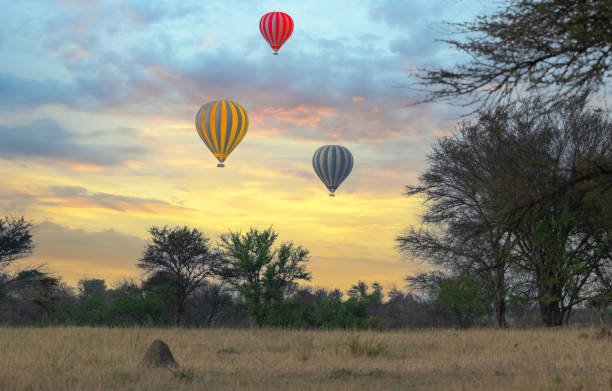
Where Is the Great Migration Now in Tanzania?
If you are planning a safari right now, the most useful answer is that the Great Migration is currently in a transitional phase rather than concentrated in one single location.
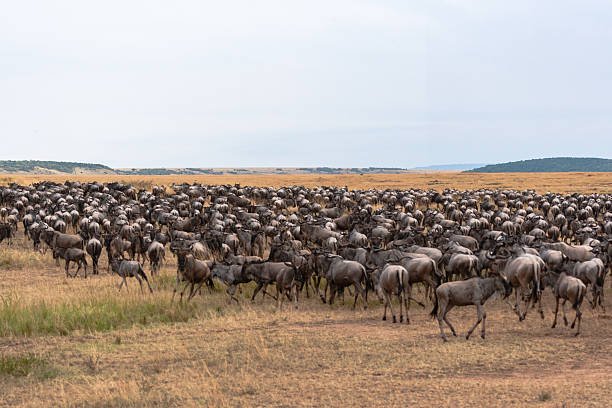
As of early October 2026, recent migration tracking reports indicate that large herds remain across the Maasai Mara and northern parts of the wider ecosystem, while returning columns are beginning to move southward into northern Serengeti around areas such as Kogatende and Lamai.
Other recent October migration guidance also describes the herds as widely scattered, with some wildebeest beginning the southbound journey while others remain in the Maasai Mara during the month.
This means that travellers visiting Tanzania now should focus on current field information rather than assuming every herd has already moved into central or southern Serengeti.
Current Great Migration Position – October 2026
- Large herds still remain around the wider Mara ecosystem
- Southward return movement has started
- Northern Serengeti remains highly relevant
- Kogatende and Lamai can become important for returning groups
- Some herds may begin moving through eastern and central Serengeti as October develops
- Exact herd positions can change quickly after rainfall
- Current guide reports should determine the final safari route
Where Are the Wildebeest Right Now?
The migration is currently spread across a broad northern zone rather than forming one single concentrated herd.
Recent early October tracking shows that substantial numbers remain in the Maasai Mara and Mara Triangle while some returning herds are moving south across the Mara River and back toward northern Serengeti.
This southbound return can continue through October as changing rainfall and grazing conditions encourage the animals to move back through Tanzania.
The exact speed of that movement depends heavily on when and where rain falls.
Best Areas to Consider Right Now
- Northern Serengeti
- Kogatende region
- Lamai area
- Lobo and eastern Serengeti as southward movement develops
- Central Serengeti as a reliable resident wildlife base
Is the Great Migration Still in Northern Serengeti?
Yes, northern Serengeti remains highly relevant during early October.
Recent tracking indicates returning columns are entering Tanzania while other herds remain farther north in the wider Mara ecosystem.
This is an important distinction because October does not usually involve all animals suddenly leaving the north at the same time.
The migration becomes increasingly scattered as different groups respond independently to grazing and rainfall.
Are Mara River Crossings Still Possible Now?
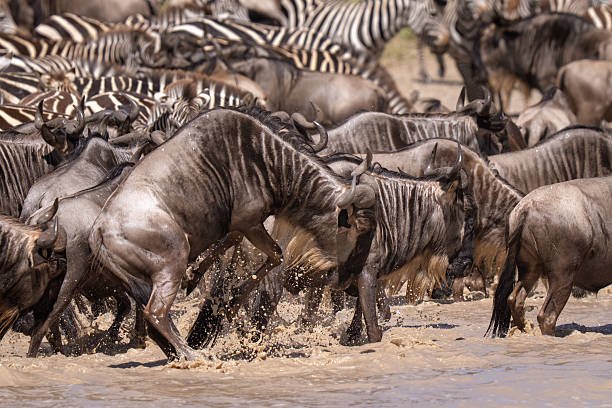
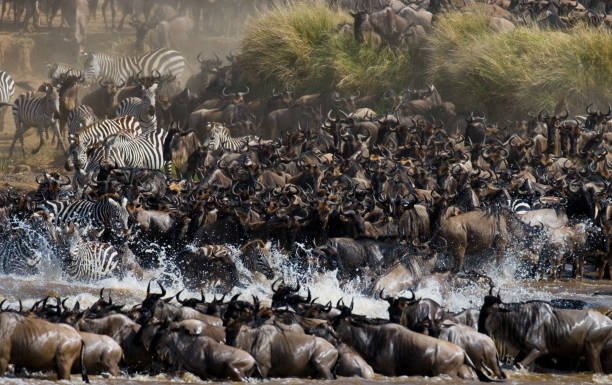
Yes, river crossing activity can still be possible while herds remain around the northern Serengeti and Maasai Mara ecosystem.
However, October is a transition period, and crossing frequency can become less predictable than during stronger peak periods.
Travellers should never book a safari expecting a guaranteed crossing because wildebeest can remain near the river for hours or days, cross elsewhere or simply move away.
The most effective strategy is to allow several nights in northern Serengeti and let an experienced guide respond to current herd positions.
Kogatende Great Migration Now
Kogatende is one of the important northern Serengeti regions during the migration season.
Recent early October reports indicate that returning herds have begun reaching northern Tanzania, making the wider Kogatende area relevant to travellers visiting at this stage.
Because herd concentrations shift quickly, accommodation near Kogatende should be combined with flexible game drives rather than assuming the animals will remain beside one crossing point.
Lamai Great Migration Now
Lamai is another important northern Serengeti migration area and can provide excellent wildlife when returning herds move through the region.
Recent tracking mentions the northern Serengeti gathering area and Lamai as part of the early October return phase.
The area is particularly attractive for travellers who want northern landscapes, large wildebeest groups and predator opportunities without depending completely on one river crossing event.
Is the Migration Moving South Now?
Yes. The southward return phase has started, although not every herd moves at the same speed or through exactly the same corridor.
Recent early October tracking reports returning columns into northern Serengeti, while month based migration guidance notes that some wildebeest begin their long southward journey during October even while others remain in the Maasai Mara.
As October progresses, fresh rainfall farther south can accelerate movement through eastern and central Serengeti.
Lobo and Eastern Serengeti Migration
Lobo and parts of eastern Serengeti can become increasingly important during the southbound return phase.
One recent 2026 migration calendar places greater emphasis on Lobo and central Seronera from mid October as the herds begin turning south from the northern ecosystem.
This is why October travellers should not automatically book every night in one far northern camp if their safari falls later in the month.
A combination of northern and central locations can provide stronger flexibility.
Central Serengeti Migration Now
Central Serengeti becomes increasingly useful as migration groups move southward through the wider ecosystem.
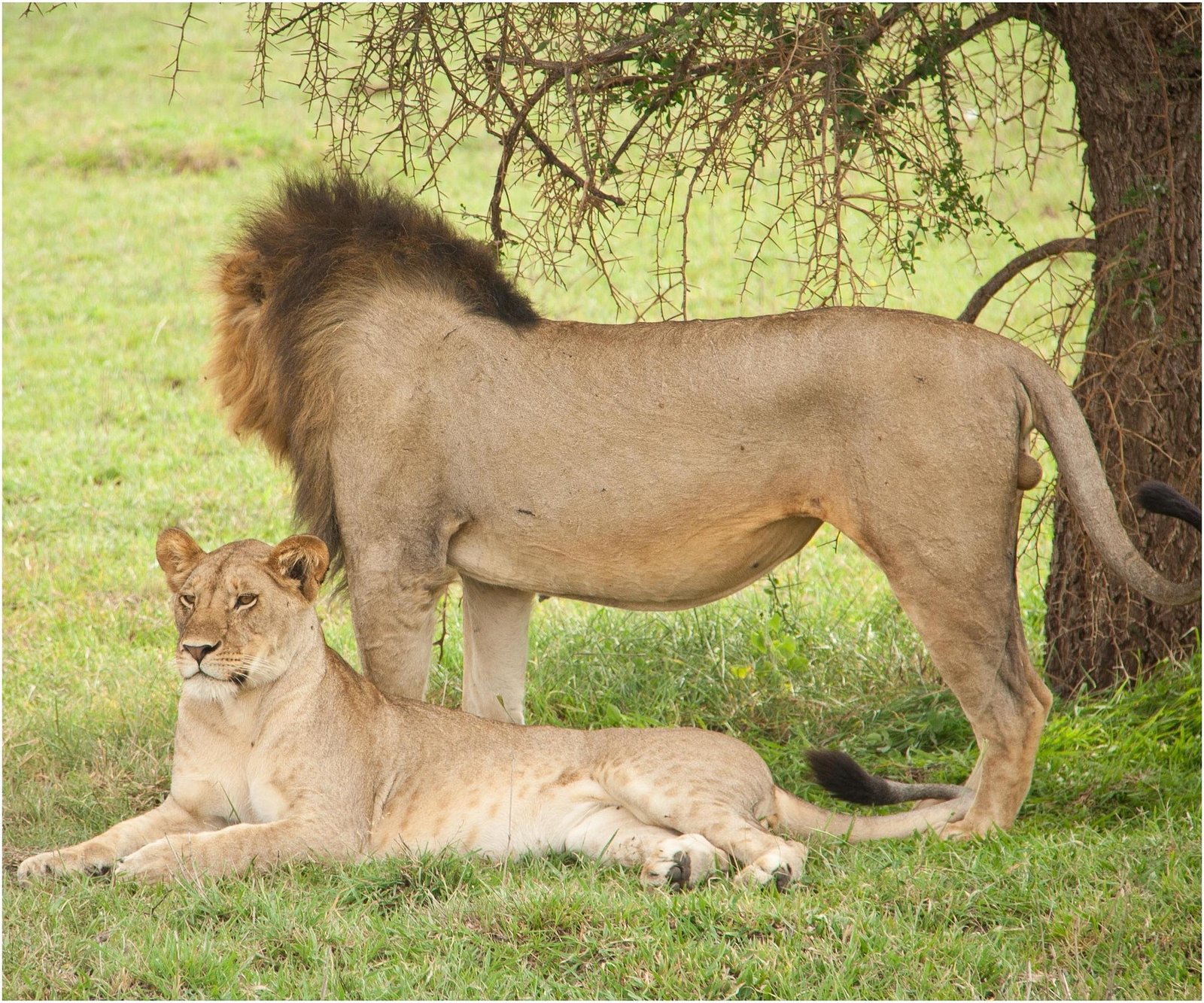
Even when the largest herds remain farther north, central Serengeti provides strong resident wildlife, including lions, leopards, cheetahs, elephants and many plains species.
This makes Seronera a useful safety net in a migration itinerary: travellers can enjoy excellent wildlife even if the wildebeest move faster or slower than expected.
Is the Great Migration in Southern Serengeti Yet?
In early October, the main migration focus is generally still much farther north.
The southern Serengeti and Ndutu become more important later as seasonal rains create fresh grass and the herds continue moving toward their early year calving grounds.
Travellers visiting right now should therefore not choose Ndutu solely because they expect the largest migration concentrations there already.
When Will the Migration Reach Southern Serengeti?
The answer depends on rainfall.
During the final months of the year, herds generally continue moving through central and southern parts of the Serengeti ecosystem as fresh grazing develops.
By the early year period, southern Serengeti and Ndutu become major migration areas and eventually support the famous calving season.
The transition should always be treated as gradual rather than one fixed arrival date.
Why Does the Great Migration Change Location?
The Great Migration is driven mainly by the search for water and nutritious grazing.
Rainfall changes the quality of grass across different parts of the ecosystem, encouraging the herds to move toward newly productive areas.
This is why migration timing is never identical every year and why exact wildlife locations cannot be predicted months in advance with complete precision.
How Quickly Can the Herds Move?
The migration can change surprisingly quickly when rainfall creates new grazing opportunities.
A location that is excellent one week can become quieter shortly afterward if large groups begin moving.
This is why travellers should prioritize recent guide reports and flexible accommodation plans where practical.
Current Great Migration vs Annual Migration Map
An annual migration map is useful for understanding the general seasonal cycle, but it should never replace current field information.
The map may show northern Serengeti for August to October, for example, while individual herds can be distributed from Kenya to Tanzania and already moving south at different speeds.
Use the seasonal map to choose the general region, then use current reports to choose the exact game drive focus.
General Great Migration Calendar
- January to March: Southern Serengeti and Ndutu
- February: Major calving season focus
- April to May: Broader central and western movement
- June: Western Serengeti and northward movement
- July to September: Northern Serengeti and Mara ecosystem
- October: Northern areas with increasing southbound movement
- November to December: Central and southern return depending on rainfall
Where Should I Stay to See the Migration Now?
For an early October 2026 safari, northern Serengeti remains a strong priority, particularly around regions that give practical access to Kogatende, Lamai and surrounding migration areas.
Travellers arriving later in October should consider combining northern Serengeti with Lobo, eastern Serengeti or central Serengeti depending on current herd reports.
This reduces the risk of being locked into a camp far from the animals after the herds begin moving south.
Private Safari for the Migration Now
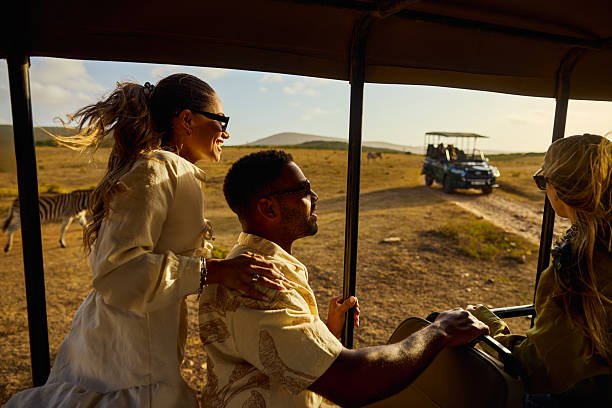
A private safari is especially useful when trying to follow the migration in real time.
The guide can change routes according to fresh reports instead of following a fixed group programme.
This can be particularly important during October because different herd groups may be separated across northern, eastern and central regions.
Group Joining Migration Safari
Group joining safaris can reduce costs, but travellers should check exactly which Serengeti region the itinerary visits.
A standard Central Serengeti group safari can provide excellent resident wildlife but may not reach the current migration concentrations if they remain in the far north.
If the Great Migration is your main objective, the route matters more than simply choosing a safari advertised as “Serengeti.”
Great Migration Photography Safari Now
October can provide excellent photography because the migration is dynamic and scattered across multiple habitats.
Travellers may photograph large herds, dust, predator activity, river landscapes and the beginning of the southward movement.
A private vehicle provides greater control over positioning and the amount of time spent at productive wildlife scenes.
Predators Around the Migration Now
Lions, cheetahs and hyenas can follow or take advantage of prey concentrations throughout the migration cycle.
Northern Serengeti provides predator opportunities even when herd groups are spread over large areas.
Central Serengeti also remains excellent for resident predators regardless of where the largest migration herds are located.
Can I See the Migration from Zanzibar Now?
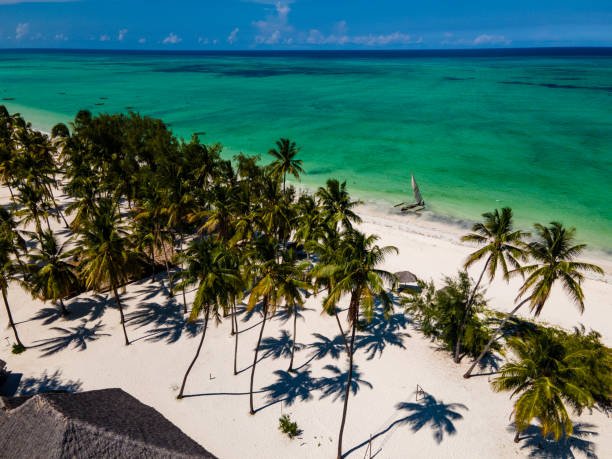
Yes. Travellers staying in Zanzibar can fly to Serengeti and join a migration focused safari.
For current October conditions, the arrival airstrip and accommodation should be chosen according to where the herds are reported rather than automatically flying into one standard location.
A fly in safari can be particularly useful when the main wildlife concentration is in northern Serengeti because it avoids very long road transfers from Arusha.
Great Migration Safari from Arusha Now
Travellers starting from Arusha can reach Serengeti by road, but northern migration focused travel requires enough days because of the distance involved.
A longer itinerary can combine Ngorongoro, Central Serengeti and northern migration areas.
Shorter trips may benefit from a domestic flight for one direction.
Great Migration Safari from Moshi Now
Moshi travellers can add the migration after Kilimanjaro or begin a dedicated wildlife safari.
For northern Serengeti, enough travel days or a flight connection can make the itinerary considerably more efficient.
As the herds move south later in the season, road based routes through Central Serengeti become increasingly practical.
3 Day Great Migration Safari Now
A three day migration safari is possible, but the travel method should match the current herd location.
If the herds are in far northern Serengeti, flying can preserve much more wildlife viewing time than driving from Arusha and back.
The itinerary should stay focused on the most relevant region rather than trying to combine too many parks.
5 Day Great Migration Safari Now
Five days provides much stronger flexibility for combining the current migration region with Central Serengeti or Ngorongoro.
Travellers can dedicate several game drives to the herds while still enjoying reliable resident wildlife.
7 Day Great Migration Safari Now
Seven days is especially strong for October because the migration is transitioning between regions.
An itinerary can include northern Serengeti, Lobo or central Serengeti according to current movement, together with Ngorongoro and another northern Tanzania park if required.
The additional time protects the safari from depending on one specific wildlife location.
Best Strategy for Seeing the Migration Now
- Use the latest herd reports before finalizing camp locations
- Keep multiple Serengeti regions available where possible
- Allow several migration focused game drives
- Do not build the safari around one guaranteed river crossing
- Use Central Serengeti for reliable resident wildlife
- Consider flying when herds are far north
What Wildlife Can I See with the Migration Now?
The wildebeest and zebra are only part of the migration experience.
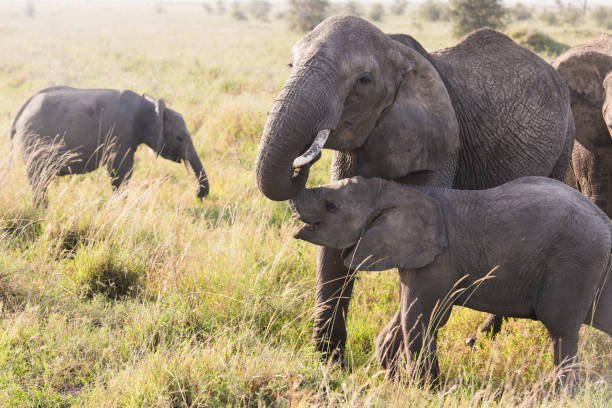
Travellers may also see lions, cheetahs, leopards, hyenas, elephants, giraffes, buffalo, hippos, gazelles and many bird species depending on the region.
This broader wildlife diversity is why a strong migration safari should still include time for general game viewing rather than only chasing the largest herd.
How Reliable Are Live Great Migration Updates?
Live migration updates are useful, but even recent sightings can become outdated quickly because the herds are constantly moving.
The best information usually combines recent field sightings, lodge reports and direct guide knowledge.
Travellers should therefore use migration trackers as planning tools rather than guarantees that animals will remain in the same coordinates several days later.
Where Will the Great Migration Go Next?
From the current early October phase, the broad seasonal expectation is continued southward movement into northern, eastern and then central parts of Serengeti as rainfall creates fresh grazing farther south.
Recent 2026 migration guidance expects this return movement to strengthen through October, although the exact path and timing remain dependent on rainfall.
By later in the year, southern Serengeti and Ndutu generally become increasingly important again.
Planning a Great Migration Safari 2026-2027
Start with the exact travel dates and then identify the current migration phase for those dates.
Next, choose accommodation close to the most relevant Serengeti region rather than simply selecting the best known lodge.
Allow several game drives, use a private vehicle when maximum flexibility is important and keep expectations realistic about specific events such as river crossings.
The strongest Great Migration safari follows the wildlife rather than forcing the wildlife to match a fixed itinerary.
Frequently Asked Questions About Where the Great Migration Is Now
Where is the Great Migration right now in Tanzania?
In early October 2026, returning herds are moving into northern Serengeti while substantial groups remain farther north across the wider Mara ecosystem.
Is Northern Serengeti still good now?
Yes. Northern Serengeti remains highly relevant during the current return phase, especially around Kogatende, Lamai and related migration areas.
Are the wildebeest moving south now?
Yes. Recent reports indicate that southward return movement has started, although some herds remain farther north.
Can I still see a Mara River crossing?
It can still be possible while herds remain around the northern ecosystem, but crossings are unpredictable and cannot be guaranteed.
Should I stay in Kogatende now?
Kogatende remains a strong option for an early October migration safari, especially when current reports continue showing herds in northern Serengeti.
Is the migration already in Central Serengeti?
Some southward movement can begin reaching broader central and eastern routes as October develops, but substantial herds may still remain farther north.
Is the migration in Ndutu now?
Early October is generally too early for Ndutu to be the primary migration focus. Southern areas become more important later as rains bring fresh grazing.
When will the herds reach Ndutu?
There is no exact date because movement depends on rainfall, but southern Serengeti and Ndutu generally become increasingly important toward the end of the year and early year calving period.
Can I fly from Zanzibar to see the migration now?
Yes. A fly in safari can be especially efficient while the migration is concentrated in northern Serengeti because it reduces long road transfers.
Is a private safari better for following the migration?
Yes. A private vehicle allows your guide to adjust routes according to current herd reports instead of following a fixed group itinerary.
How many days do I need to see the migration now?
Five to seven days gives stronger flexibility, while shorter trips can work when flights place travellers directly near the current herd area.
Can the exact migration location be guaranteed?
No. Herd positions can change quickly because migration movement responds to rainfall, grazing and water availability.
Where will the migration move next?
The broad October pattern is southward through northern and eastern areas toward central Serengeti as suitable rainfall and grazing develop farther south.
Is October a good month for the Great Migration?
Yes. October can provide an interesting transition with northern herds, possible river activity and the beginning of southward movement, although exact conditions vary each year.
How do I know where the migration will be on my travel dates?
Use your exact travel dates to select the general Serengeti region, then confirm recent herd reports closer to arrival and keep the game drive plan flexible.
How do I book a safari to where the Great Migration is now?
Provide your exact travel dates, number of travellers, starting point, safari duration and accommodation preference. The itinerary can then be matched with the latest herd location and adjusted between northern, eastern, central or southern Serengeti as seasonal movement develops.
Follow the Great Migration in Tanzania 2026-2027
Plan your safari around the latest wildebeest movement instead of a fixed route, with accommodation and game drives selected according to where the migration is actually moving during your travel dates.
Plan a Current Migration Safari


 Wildlife Safari