How Many Days to Climb Kilimanjaro 2026-2027
Most travellers should allow approximately seven to nine trekking days to climb Kilimanjaro when possible, although individual routes can take between five and nine days or more.
The exact number of days depends on the Kilimanjaro route, itinerary design, previous altitude experience and how gradually you want to reach higher elevations.
For many first time high altitude trekkers, seven or eight days offers an excellent balance because the itinerary provides more time for acclimatization than the shortest available climbs.
The 8 Day Lemosho Route is one of the most popular longer options, while 7 Day Machame is an excellent alternative for travellers with slightly less time.
Kilimanjaro Climbing Duration at a Glance
- Shortest common itinerary: 5 days
- Popular duration: 6 to 8 days
- Recommended for many climbers: 7 to 9 days
- Best balanced option: 8 Day Lemosho
- Popular seven day option: 7 Day Machame
- Longest popular route: Northern Circuit
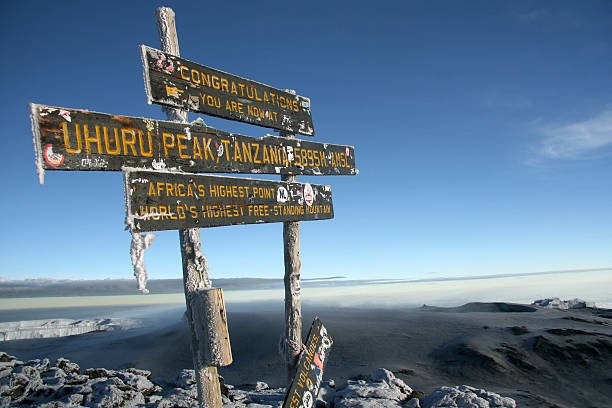
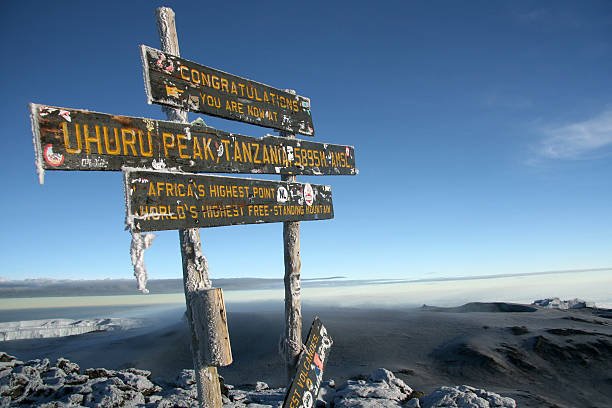
- Highest point: Uhuru Peak, 5,895 metres
- Main consideration: Acclimatization rather than speed
How Long Does It Take to Climb Kilimanjaro?
Most Kilimanjaro trekking itineraries take between five and nine days on the mountain.
Some routes can be completed more quickly, while others are intentionally longer to provide additional acclimatization time.
The number of trekking days normally includes the summit day and descent but does not always include arrival days, hotel nights or airport transfers.
A complete Kilimanjaro trip can therefore take approximately eight to twelve days when pre climb accommodation, post climb rest and international travel are included.
How Many Days Are Recommended for Kilimanjaro?
For many climbers, seven to nine trekking days is a strong recommendation.
Longer itineraries generally allow more gradual altitude exposure and additional time for the body to adapt before summit night.
Seven days can work very well on routes such as Machame and Lemosho, while eight days provides an even more gradual schedule on Lemosho.
Travellers with more time can choose the Northern Circuit, which is one of the longest standard Kilimanjaro routes.
Why More Days Can Be Better
- More time for acclimatization
- More gradual altitude progression
- Additional recovery time
- Less pressure to move quickly
- More opportunity for guides to monitor your condition
- Improved preparation before summit night
- More time to enjoy the mountain scenery
Can You Climb Kilimanjaro in 5 Days?
Yes, some Kilimanjaro routes can be completed in five days.
The most common example is the 5 Day Marangu Route.
However, five days provides a relatively fast ascent to high altitude and therefore leaves less time for gradual acclimatization.
For travellers who have enough time, extending Marangu to six days is generally a better option because it provides an additional acclimatization day.
A five day climb may appeal to travellers with strict time limitations, but it should not automatically be selected only because it is shorter or cheaper.
Is 6 Days Enough to Climb Kilimanjaro?
Six days can be enough to complete several Kilimanjaro routes.
Common six day options include Machame, Marangu and Rongai itineraries.
These climbs can work for physically prepared travellers, especially those with previous high altitude experience.
However, adding a seventh day where possible usually creates a better acclimatization profile.
For first time high altitude climbers, the additional day can make the itinerary feel more gradual.
Common 6 Day Kilimanjaro Routes
- 6 Day Machame Route
- 6 Day Marangu Route
- 6 Day Rongai Route
- Selected private route variations
Is 7 Days Enough to Climb Kilimanjaro?
Seven days is one of the most popular Kilimanjaro climbing durations.
It provides a better balance between trip length and acclimatization than many shorter schedules.
The 7 Day Machame Route is particularly popular because it includes varied scenery, Lava Tower and a gradual progression toward summit night.
Seven Day Lemosho is another excellent option for travellers who want the western approach but have one fewer day than required for the eight day version.
For many reasonably fit climbers, seven days can be an excellent Kilimanjaro itinerary.
Is 8 Days Better for Kilimanjaro?
Eight days is one of the strongest choices for many first time Kilimanjaro climbers.
The 8 Day Lemosho Route is especially popular because it combines a gradual western approach with several acclimatization opportunities.
The additional time allows climbers to move through the mountain's ecological zones without compressing the itinerary unnecessarily.
Eight days also provides more time for guides to observe how climbers are responding to altitude.
Why Choose an 8 Day Kilimanjaro Climb?
- More gradual itinerary
- Strong acclimatization opportunities
- Excellent for first time climbers
- More recovery between trekking stages
- Good balance between mountain time and total trip length
- Ideal for the longer Lemosho itinerary
Can You Climb Kilimanjaro in 9 Days?
Yes. Nine day itineraries are available and can be excellent for travellers who prioritize acclimatization and a slower mountain experience.
The Northern Circuit is commonly organized as a longer expedition and gives climbers more time before attempting the summit.
Longer schedules can also appeal to travellers who prefer a quieter and more expedition style journey.
The main disadvantages are the extra travel time and higher total cost caused by additional park, crew and mountain service days.
How Many Days Does Lemosho Route Take?
The Lemosho Route is commonly climbed in seven or eight days.
Both itineraries approach Kilimanjaro from the western side before crossing Shira Plateau and joining the southern circuit.
The eight day itinerary is usually preferred by travellers who want additional acclimatization time.
The seven day version provides many of the same scenic advantages but follows a slightly more compressed schedule.
Lemosho Route Duration
- 7 Day Lemosho: Good option for travellers with limited time.
- 8 Day Lemosho: Recommended for travellers prioritizing acclimatization.
How Many Days Does Machame Route Take?
Machame is most commonly climbed in six or seven days.
The 6 Day Machame Route follows a faster schedule and is suited to travellers who have limited time.
The 7 Day Machame Route adds more acclimatization time and is generally the stronger option when the extra day is available.
Both itineraries pass through rainforest, Shira, Lava Tower, Barranco, Karanga and Barafu before summit night.
6 Day vs 7 Day Machame Route
The main difference between six and seven day Machame is the pace of the itinerary.
The seven day version creates more time for gradual altitude adaptation before summit night.
For travellers who have never been above 4,000 metres, the additional day can be particularly valuable.
The six day itinerary remains possible, but it should be chosen with an understanding that acclimatization time is more limited.
How Many Days Does Marangu Route Take?
Marangu is normally completed in five or six days.
The route is unique because climbers sleep in mountain huts rather than camping tents.
The five day itinerary is one of the shortest standard Kilimanjaro climbs.
When possible, six day Marangu is generally preferable because the extra day provides more time for altitude adjustment.
5 Day vs 6 Day Marangu Route
Both versions use the same general Marangu trail.
The key advantage of the six day itinerary is the additional acclimatization time.
A five day climb may save time and reduce the total trip price, but it creates a faster progression toward high altitude.
Travellers should therefore compare acclimatization and comfort rather than selecting only on cost.
How Many Days Does Rongai Route Take?
Rongai is commonly completed in six or seven days.
The route approaches Kilimanjaro from the northern side near the Kenya border.
The longer seven day itinerary provides additional time for acclimatization and is generally preferable when travel schedules allow.
Rongai can appeal to climbers looking for a quieter approach before descending on the Marangu side.
How Many Days Does the Northern Circuit Take?
The Northern Circuit is one of the longest standard Kilimanjaro routes.
It is often completed over approximately eight or nine trekking days depending on the itinerary design.
The route begins on the western side and then travels around the northern slopes before the final summit approach.
Its longer duration makes it particularly attractive to travellers who want additional acclimatization opportunities.
Typical Kilimanjaro Route Durations
- Lemosho: Usually 7 to 8 days
- Machame: Usually 6 to 7 days
- Marangu: Usually 5 to 6 days
- Rongai: Usually 6 to 7 days
- Northern Circuit: Usually 8 to 9 days
Why Does Kilimanjaro Take Several Days?
The main reason Kilimanjaro takes several days is altitude rather than the total walking distance.
Climbers travel from relatively low elevation to Uhuru Peak at 5,895 metres.
The body needs time to adjust as oxygen availability decreases.
Walking slowly and spreading altitude gain across more days helps create a more gradual trekking experience.
Trying to move quickly simply because a climber is physically fit does not remove the effects of high altitude.
Kilimanjaro Days and Acclimatization
Acclimatization is one of the most important factors when deciding how many days to spend on Kilimanjaro.
Longer itineraries provide additional time for the body to respond to lower oxygen availability.
Routes such as Lemosho and Machame also include sections where climbers trek to higher elevations before sleeping lower.
Lava Tower is one of the best known examples of this type of acclimatization profile.
No number of trekking days can guarantee complete protection from altitude sickness, but a gradual itinerary can improve the overall acclimatization opportunity.
Does Fitness Mean You Need Fewer Days?
No. Being physically fit does not necessarily mean that you should choose a shorter Kilimanjaro itinerary.
Fitness can help you manage long walking days and steep sections more comfortably.
However, altitude response is not determined only by physical fitness.
Even strong runners, cyclists and experienced hikers can experience altitude related symptoms.
Fit climbers should therefore still allow appropriate acclimatization time.
How Many Days Should Beginners Choose?
First time high altitude trekkers should generally consider seven or eight days rather than the shortest possible itinerary.
The 8 Day Lemosho Route is an excellent choice for beginners because it combines good acclimatization opportunities with a gradual western approach.
Seven Day Machame is another strong option for travellers who have slightly less time.
Beginners should also prepare physically before arriving in Tanzania and avoid assuming that Kilimanjaro is easy simply because technical climbing skills are generally not required on the main trekking routes.
How Many Days Should Experienced Hikers Choose?
Experienced hikers can choose according to their schedule and previous altitude experience, but additional mountain days can still be beneficial.
Experience on long distance trails does not eliminate altitude risk.
Climbers who have previously spent time above 4,000 or 5,000 metres may understand their altitude response better, but each expedition is different.
Seven to eight days remains an attractive duration even for experienced hikers.
How Many Days Should Solo Climbers Choose?
Solo travellers can join scheduled departures or arrange private Kilimanjaro climbs.
The number of days should be determined by acclimatization needs rather than whether the traveller is alone.
Machame and Lemosho are particularly convenient because group joining departures are commonly organized on these routes.
An 8 Day Lemosho or 7 Day Machame group climb can provide a good balance for many solo travellers.
How Many Days Should Families Choose?
Families should avoid rushing the ascent and should consider a longer, more flexible itinerary.
An eight day private Lemosho climb can provide additional time for rest and acclimatization.
The age, previous trekking experience and individual health of family members should all be considered.
Current park requirements should also be confirmed when younger climbers are included.
How Many Days Are Needed for Summit Night?
Summit night itself is normally one part of the overall itinerary rather than a separate additional day.
Climbers typically leave the final high camp around midnight or during the early morning hours.
The ascent continues toward the crater rim and finally Uhuru Peak.
After reaching the summit, climbers descend to a lower camp later the same day.
This makes summit day one of the longest and most demanding days of the entire climb.
How Many Hours Do You Walk Per Day on Kilimanjaro?
Daily trekking time varies according to the route and stage of the climb.
Many normal trekking days involve approximately four to seven hours of walking.
Some sections can be shorter, while summit day can involve significantly more hours.
The pace is intentionally slow because maintaining a steady rhythm is important at altitude.
Distance alone should therefore not be used to estimate the difficulty of each day.
How Many Days Should You Spend in Tanzania for Kilimanjaro?
Your complete Tanzania trip should normally include more days than the mountain itinerary itself.
Travellers often arrive at least one day before the climb to rest, complete a briefing and check trekking equipment.
Many packages also include a hotel night after the mountain.
An eight day Kilimanjaro itinerary may therefore require around ten to eleven days in Tanzania when arrival and recovery nights are included.
Example Trip Duration for an 8 Day Climb
- Day 1: Arrive in Tanzania and transfer to hotel
- Day 2: Begin Kilimanjaro climb
- Days 2 to 9: Eight day mountain itinerary
- Day 9: Descend and return to hotel
- Day 10: Rest, depart or continue to safari
Should You Rest Before Climbing Kilimanjaro?
Arriving at least one day before the trek is generally recommended.
This gives travellers time to recover from international flights, meet the mountain team and check their equipment.
Arriving early also provides some flexibility if baggage is delayed or travel disruptions occur.
Travellers arriving after a long international journey should avoid scheduling the climb immediately after landing whenever possible.
Should You Rest After Climbing Kilimanjaro?
A recovery day after Kilimanjaro can be useful, especially before a long international flight.
Many climbers spend one night in Moshi after descending from the mountain.
Others continue directly into a Tanzania safari after resting overnight.
Zanzibar can also be added after Kilimanjaro for travellers who want several days of relaxation following the climb.
How Many Days for Kilimanjaro and Safari?
A Kilimanjaro and safari combination can range from approximately ten days to more than two weeks.
For example, an eight day climb can be combined with a three to five day northern Tanzania safari.
Popular safari destinations include Tarangire, Serengeti, Ngorongoro and Lake Manyara.
The ideal total duration depends on how many national parks you want to visit after the mountain.
Example Kilimanjaro and Safari Durations
- 7 Day climb + 3 Day safari: Approximately 12 days including hotel nights
- 8 Day climb + 3 Day safari: Approximately 13 days including hotel nights
- 8 Day climb + 5 Day safari: Approximately 15 days including hotel nights
How Many Days for Kilimanjaro and Zanzibar?
Kilimanjaro can easily be combined with Zanzibar.
An eight day climb followed by four to six days in Zanzibar can create a holiday of approximately two weeks or slightly longer when arrival and transfer days are included.
Travellers can fly from Kilimanjaro or nearby airports toward Zanzibar after completing the mountain.
A safari can also be placed between Kilimanjaro and Zanzibar for a longer Tanzania itinerary.
Is It Better to Add an Extra Day on Kilimanjaro?
In many cases, yes.
If your budget and travel schedule allow, adding another mountain day can create a more gradual itinerary.
Examples include choosing seven day Machame instead of six days, six day Marangu instead of five days or eight day Lemosho instead of seven days.
The additional day should be considered an investment in acclimatization and overall trekking comfort rather than simply an unnecessary extension.
Does More Time Guarantee Reaching Uhuru Peak?
No number of days can guarantee reaching the summit.
Altitude affects every person differently.
Longer itineraries provide additional acclimatization opportunities, but weather, illness, individual physiology, fitness and other factors can influence the climb.
Climbers should always prioritize health and follow the advice of their guides.
Safety During a Multi Day Kilimanjaro Climb
Professional mountain teams should monitor climbers throughout the expedition.
Daily health checks may include conversations about symptoms, energy levels, appetite and sleep quality.
Pulse oximeter readings can also be used as part of health monitoring.
Emergency oxygen and first aid equipment should be available as part of responsible mountain operations.
Mountain Safety Support
- Professional licensed guides
- Daily health monitoring
- Pulse oximeter checks
- Emergency oxygen
- First aid equipment
- Emergency descent planning
- Appropriate mountain crew support
What Is Included During Kilimanjaro Trekking Days?
A complete Kilimanjaro package normally includes mountain services throughout the trekking itinerary.
Typical Kilimanjaro Package Inclusions
- Professional Kilimanjaro guides
- Assistant guides according to group size
- Mountain cook and porters
- Kilimanjaro National Park fees
- Camping or hut fees
- Mountain tents on camping routes
- Dining tent, tables and chairs according to package
- Three meals per day during the trek
- Drinking water
- Emergency oxygen
- Pulse oximeter monitoring
- First aid equipment
- Transfers to and from the mountain gates
- Summit certificate after the climb
- Hotel accommodation when included
- Airport transfers when included
Typical Kilimanjaro Climb Exclusions
- International flights
- Visa expenses
- Travel insurance
- Personal trekking equipment unless specified
- Mountain crew gratuities
- Personal expenses
- Alcoholic drinks
- Optional private toilet unless included
- Additional hotel nights outside the package
- Safari or Zanzibar extensions unless specified
How to Choose the Right Number of Kilimanjaro Days
Start by checking the maximum amount of time you can realistically spend on the mountain.
Next, consider whether you have previous high altitude experience.
For most first time climbers, choosing seven or eight days provides a stronger starting point than selecting a five day itinerary.
Travellers with eight days should strongly consider Lemosho.
Those with seven days can compare Machame and Lemosho.
Travellers with more time and a preference for a longer expedition can consider the Northern Circuit.
Our Recommended Kilimanjaro Duration for 2026-2027
For many first time climbers, we recommend an eight day Lemosho itinerary because it provides an excellent combination of gradual altitude gain, acclimatization opportunities and scenic variety.
Seven Day Machame is our strong alternative for travellers who have one fewer day available.
Travellers wanting maximum acclimatization time can consider a longer Northern Circuit itinerary.
The final decision should be based on your available time, previous altitude exposure, fitness and travel budget rather than simply choosing the shortest climb.
Frequently Asked Questions About How Many Days to Climb Kilimanjaro
How many days does it take to climb Kilimanjaro?
Most Kilimanjaro climbs take between five and nine trekking days depending on the route and itinerary.
What is the best number of days for Kilimanjaro?
For many climbers, seven to nine days provides a strong balance between acclimatization and total trip duration.
Is 5 days enough for Kilimanjaro?
Five day climbs are possible, particularly on Marangu, but they provide less acclimatization time than longer itineraries.
Is 6 days enough for Kilimanjaro?
Yes, six day climbs are available, but adding a seventh day can provide more time for altitude adaptation.
Is 7 days enough for Kilimanjaro?
Yes. Seven days is a popular duration, particularly for Machame and Lemosho, and offers a good balance for many climbers.
Is 8 days better for Kilimanjaro?
Eight days can provide additional acclimatization time and is especially popular on the Lemosho Route.
How many days is Lemosho Route?
Lemosho is commonly climbed in seven or eight days, with eight days generally preferred for additional acclimatization.
How many days is Machame Route?
Machame is commonly completed in six or seven days, with seven days offering more acclimatization time.
How many days is Marangu Route?
Marangu is normally climbed in five or six days. Six days is generally preferable when time permits.
How many days is Northern Circuit?
Northern Circuit is usually completed over approximately eight or nine trekking days depending on the itinerary.
Does spending more days improve acclimatization?
Longer itineraries generally provide more time for gradual altitude adaptation, although no itinerary can guarantee freedom from altitude sickness.
How many days should beginners spend on Kilimanjaro?
Seven or eight trekking days is a strong choice for many first time high altitude climbers.
How many total days should I spend in Tanzania for Kilimanjaro?
Allow at least one arrival day before the climb and preferably one recovery night afterward, in addition to your mountain itinerary.
Can I add a safari after Kilimanjaro?
Yes. A three to five day safari can easily be added after Kilimanjaro to visit destinations such as Tarangire, Serengeti and Ngorongoro.
How do I decide how many days to climb Kilimanjaro in 2026-2027?
Choose according to your route, previous altitude experience, available time and acclimatization needs. For many travellers, comparing 8 Day Lemosho, 7 Day Machame and longer Northern Circuit itineraries is an excellent starting point.
Choose the Right Number of Kilimanjaro Days 2026-2027
Choose your Kilimanjaro itinerary based on acclimatization, route, previous altitude experience and available travel time. Compare 7 Day Machame, 7 or 8 Day Lemosho, Marangu and Northern Circuit before selecting the best duration for your climb.
Choose Your Kilimanjaro Duration

 Kilimanjaro Climb