Kilimanjaro Climb for Families
A Kilimanjaro Climb for Families can bring parents, teenagers and other family members together for one of Africa's most memorable high altitude trekking experiences.
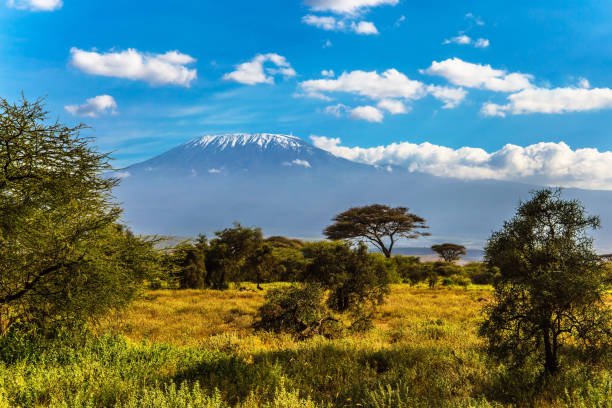
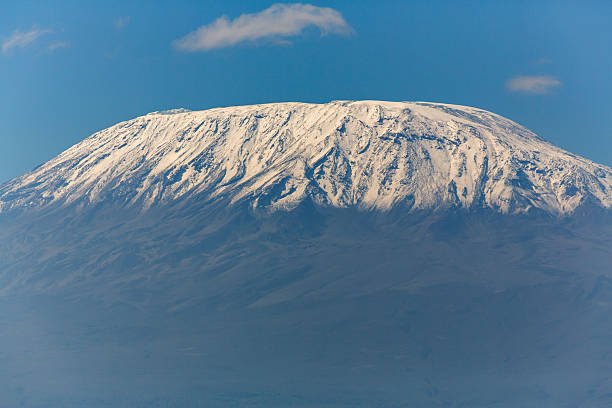
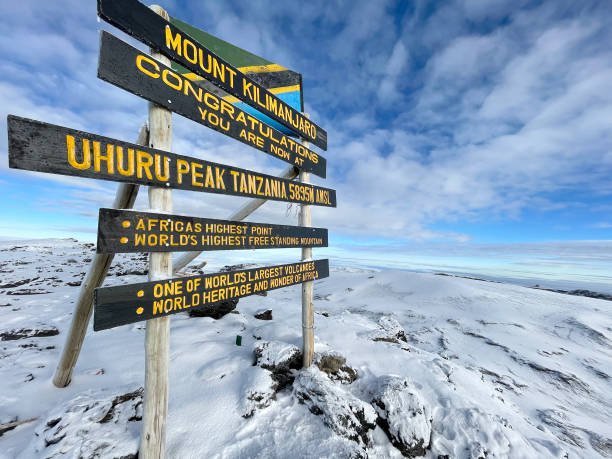
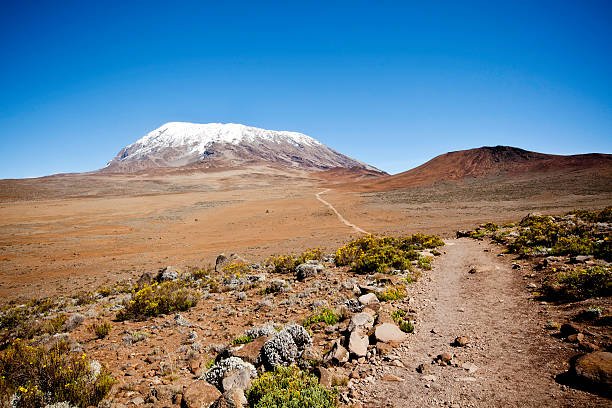
Mount Kilimanjaro reaches 5,895 metres at Uhuru Peak and should be treated as a serious mountain expedition rather than an ordinary family hike.
Families need to consider more than general fitness.
Age, maturity, communication, previous hiking experience, health, route duration, accommodation preferences and individual response to altitude all matter.
Children and teenagers should never be assumed to tolerate altitude better simply because they are younger.
Every family member needs to be able to communicate clearly when they feel unwell, tired, cold or uncomfortable.
Parents also need to accept that one family member may need to stop or descend while others remain able to continue.
A private family trek can provide additional flexibility and dedicated guide support within the confirmed itinerary.
Longer routes may provide more time for gradual acclimatization than shorter schedules.
Regardless of route, a responsible family climb focuses on safety, pacing and the overall mountain experience rather than treating the summit as the only measure of success.
Kilimanjaro Climb for Families at a Glance
- Best for: Prepared families comfortable with multi day trekking
- Main challenge: High altitude and consecutive trekking days
- Important planning factor: Confirm age related park requirements before booking
- Useful route strategy: Allow enough time for gradual acclimatization
- Guiding: Professional mountain guides and support crew
- Family pace: Slow and individually monitored
- Summit: Never guaranteed
- Priority: Safe ascent, honest communication and safe descent
Can Families Climb Kilimanjaro Together?
Families can arrange Kilimanjaro climbs together when all participants meet applicable park requirements and are appropriately prepared for high altitude trekking.
The exact suitability of a family climb depends on the ages and abilities of the participants.
A family with experienced hiking teenagers may have very different needs from a family with younger children.
The route and number of days should be selected according to the actual family rather than following a generic itinerary without discussion.
What Age Can Children Climb Kilimanjaro?
Age related park requirements can apply to Kilimanjaro climbs.
Families should confirm the current rules that apply to their planned travel date before making nonrefundable bookings.
Age alone should not be treated as proof that a child is ready for the mountain.
Maturity, communication ability, hiking experience, fitness and the family's willingness to turn around when necessary are also important.
Parents should seek appropriate professional medical guidance for younger climbers where relevant.
Confirm Age Requirements before Booking
Do not rely on an old blog post or assume a rule is unchanged. Confirm the applicable park requirements for the actual climbing date, especially when travelling with children or teenagers.
Is Kilimanjaro Suitable for Teenagers?
Prepared teenagers may be suitable for Kilimanjaro when they meet the applicable requirements and understand the nature of the challenge.
Teenagers should be able to walk for several hours on consecutive days, follow guide instructions and communicate clearly about symptoms.
They should also understand that summit night can be cold, slow and mentally demanding.
Parents should avoid placing pressure on a teenager to continue simply because the rest of the family is still climbing.
Can Younger Children Climb Kilimanjaro?
Planning becomes more sensitive with younger children.
In addition to applicable age rules, families need to consider whether the child can reliably describe headache, nausea, dizziness, unusual fatigue or other changes.
Younger climbers may also have more difficulty separating ordinary tiredness from symptoms that require attention.
This is one reason professional medical advice and careful operator planning are important.
Why Communication Matters for Family Climbs
High altitude decisions depend partly on what the climber reports.
A family member who hides symptoms because they do not want to disappoint the group can create unnecessary risk.
Parents should encourage honest communication before the climb begins.
Children and teenagers should know that telling the guide they feel unwell is responsible, not a failure.
How Fit Should a Family Be?
Family members do not need elite athletic fitness.
They should have enough endurance to walk for several hours on consecutive days.
Leg strength is also useful for sustained uphill and downhill trekking.
Training should be appropriate to each person's age and starting fitness.
The slowest or least experienced family member should be considered when planning the overall pace and route.
Train Together before Kilimanjaro
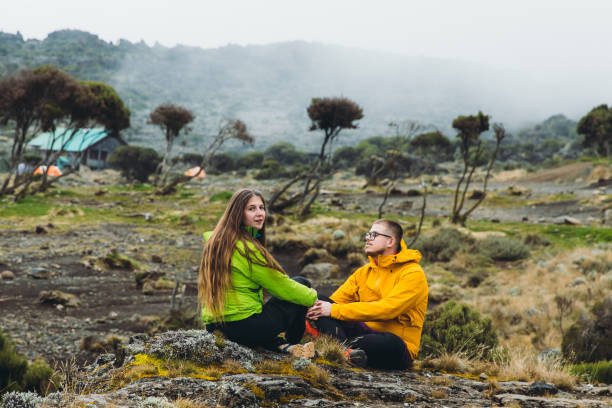
Family training hikes can be extremely useful.
They show how family members respond to several hours on the trail and whether different walking speeds create practical problems.
Training together also allows everyone to practice using boots, trekking poles and daypacks.
Longer weekend hikes can provide a realistic opportunity to assess patience, energy and communication.
Family Kilimanjaro Training
Useful Family Preparation
- Regular walking
- Weekend hiking
- Hill walking
- Stair or incline training where hills are unavailable
- Age appropriate leg strength work
- Training with trekking boots
- Practice using daypacks
- Practice using trekking poles
- Occasional consecutive walking days
- Downhill walking practice
How Long Should Families Train?
Training duration depends on each family member's starting fitness.
Many climbers use several weeks or months of preparation before a Kilimanjaro expedition.
A family that already hikes regularly may need less basic conditioning than a family beginning from a low activity level.
Training should increase gradually rather than becoming extremely difficult at the beginning.
Best Kilimanjaro Route for Families
There is no single route that is ideal for every family.
Route selection should consider the number of days, altitude profile, sleeping arrangements, terrain and family preferences.
Longer itineraries may provide more time for gradual acclimatization.
Families should compare the actual day by day route rather than choosing only by route name.
Lemosho Route for Families
Lemosho is commonly operated over longer schedules and may be considered by families looking for more mountain days before the summit attempt.
It uses camping accommodation.
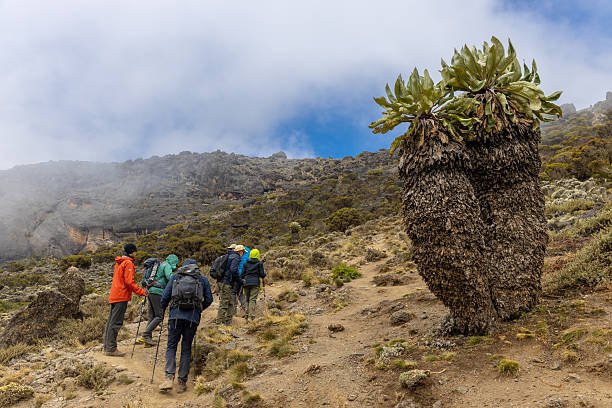
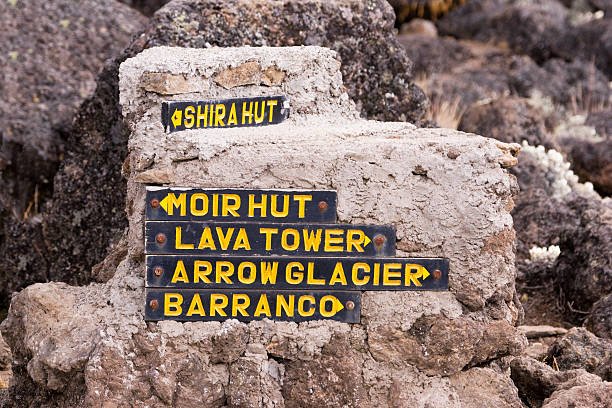
The route crosses varied landscapes and may include a climb high, sleep lower section through Lava Tower and Barranco.
Families should be comfortable with tent accommodation and multiple trekking days.
Machame Route for Families
Machame is another camping route.
Six and seven day schedules may be available.
The seven day itinerary normally provides a less compressed schedule than the six day version.
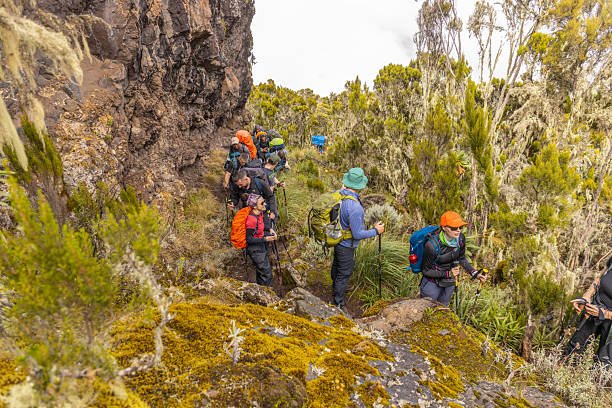
The route may include Barranco Wall, which is generally treated as a nontechnical scrambling section on standard trekking itineraries.
Families should discuss whether every member is comfortable with this style of terrain.
Marangu Route for Families
Marangu uses mountain huts at the main overnight points.
This may appeal to families who prefer not to sleep in tents.
The six day version normally includes an additional acclimatization day around Horombo Hut compared with the compressed five day schedule.
Families considering Marangu should look at the altitude profile as well as the convenience of hut accommodation.
Rongai Route for Families
Rongai approaches from the northern side and uses camping during the ascent.
Longer schedules may provide additional acclimatization time.
The descent normally uses the Marangu side.
As with every route, actual suitability depends on the specific family.
Northern Circuit for Families
The Northern Circuit provides a longer journey around Kilimanjaro.
Additional days can provide more time at progressively higher elevations.
The tradeoff is that the family needs enough endurance for a longer overall trek.
It can be appropriate for families who value a longer schedule and are comfortable with multiple camping nights.
Longer Routes and Family Acclimatization
A longer itinerary does not guarantee that every family member will acclimatize well.
It does, however, provide more time for altitude adjustment than a highly compressed schedule.
For family groups, this additional time may be an important part of route planning.
More Days Do Not Guarantee the Summit
A longer itinerary may provide better acclimatization opportunities, but altitude response remains individual. No responsible family climbing plan should guarantee Uhuru Peak.
Private Kilimanjaro Climb for Families
A private climb is often practical for families because the guide and crew arrangement is dedicated to the confirmed group.
This can provide more privacy and flexibility within the approved mountain itinerary.
Walking pace can be managed around the family's needs.
However, private status does not mean altitude safety rules can be ignored or that the itinerary can always be changed freely at high elevation.
Group Joining Kilimanjaro for Families
Families may also join a scheduled group departure where suitable.
This can reduce per person costs because guides and logistics are shared with other climbers.
Families should consider whether the group environment is appropriate for younger participants and whether the route schedule matches their needs.
A private climb may offer greater control over the social environment and pace.
Guide Support for Family Climbs
Guide support is especially important when family members have different walking abilities.
A family climb should have an appropriate guide arrangement according to the number of climbers and applicable mountain requirements.
Assistant guides can help if the group naturally separates according to pace or if one family member needs additional attention.
What If One Family Member Needs to Descend?
Families should discuss this possibility before beginning the trek.
One person may develop altitude symptoms while the others remain well.
Where staffing and conditions allow, part of the guide team may accompany the affected climber lower while the rest of the family follows the appropriate plan.
The exact response depends on the route, location, crew and nature of the problem.
Parents Should Not Make Altitude Decisions Alone
Parents naturally know their children well, but high altitude decisions should involve the professional mountain guide.
A child saying they are tired may require interpretation within the wider context of altitude, appetite, headache, nausea and walking coordination.
Families should work with the guide rather than trying to make every decision privately.
Altitude on Kilimanjaro
Uhuru Peak stands at 5,895 metres.
As elevation increases, oxygen availability decreases.
The body needs time to adjust.
This process is called acclimatization.
Children, teenagers and adults can all experience altitude related symptoms.
Altitude Symptoms Families Should Understand
Possible symptoms may include headache, nausea, reduced appetite, dizziness, sleep disturbance and unusual fatigue.
Every family member should understand that these symptoms should be reported.
Parents should not encourage a child or teenager to hide symptoms to avoid disappointing the family.
Symptoms to Report to the Guide
- Headache
- Nausea
- Dizziness
- Reduced appetite
- Unusual fatigue
- Difficulty sleeping
- Unusual balance or coordination problems
- Any significant worsening in condition
Daily Family Health Monitoring
Health checks may be carried out according to the confirmed mountain program.
Guides may ask about headache, appetite, nausea, sleep, hydration and general condition.
A pulse oximeter may also be used as one part of the assessment where included.
No single reading should replace consideration of actual symptoms and guide judgment.
Emergency Oxygen and Family Safety
Emergency oxygen may be carried according to the confirmed safety arrangements.
Families should understand that oxygen is an emergency resource rather than a guarantee that an unwell climber can continue higher.
If descent is necessary, the summit attempt should be abandoned.
Summit Night with Children or Teenagers
Summit night is usually the hardest part of the climb.
It normally begins late at night or in the early hours according to route and guide planning.
Conditions can be very cold.
Climbers walk slowly for several hours at extreme altitude before descending again.
Families should discuss summit expectations carefully before the trek.
Do Not Pressure Children to Summit
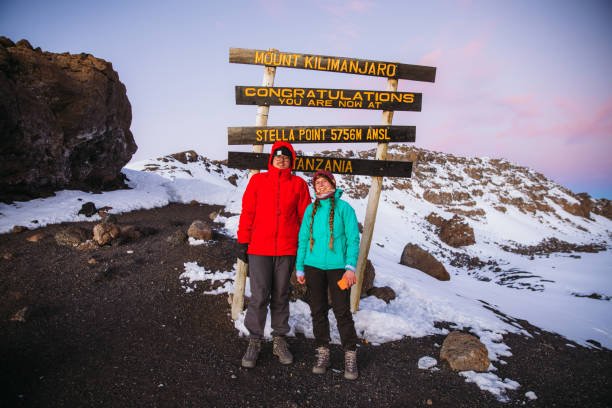
A family summit photo can be emotionally important, but it should never become more important than a child's wellbeing.
A child or teenager may decide they do not want to continue.
The guide may also decide that continuing is inappropriate.
Parents should support responsible turning around rather than creating pressure.
The Family Goal Is a Safe Mountain Experience
Uhuru Peak can be an objective, but the more important goal is for each family member to climb within safe limits and return from the mountain in good condition.
Mental Preparation for Family Climbs
Young climbers may find the repetitive nature of summit night mentally challenging.
Long days, cold mornings and simple mountain routines can feel very different from ordinary family travel.
Training hikes provide an opportunity to discuss patience and realistic expectations.
Parents can help by framing the climb as a shared experience rather than a competition.
Family Trekking Equipment
Every family member needs correctly fitting equipment.
Children should not simply use oversized adult clothing if it creates poor insulation or uncomfortable movement.
Boots, socks, gloves and warm layers should fit properly.
The complete packing list should be reviewed before travel.
Important Family Kilimanjaro Gear
- Properly fitted trekking boots
- Trekking socks
- Base layers
- Warm insulation layers
- Waterproof jacket and trousers
- Warm summit jacket
- Warm gloves
- Warm hat
- Sun hat
- Sunglasses
- Suitable sleeping bag
- Daypack
- Headlamp and spare batteries
- Water containers
- Personal medication
- Trekking poles where appropriate
Children's Boots for Kilimanjaro
Boots should be tested during training.
They should provide appropriate fit and support without creating pressure points.
Young climbers can outgrow footwear relatively quickly, so fit should be checked again close to departure.
Do not assume boots used months earlier still fit correctly.
Family Clothing Layers
Layering allows each person to adjust clothing as conditions change.
Lower mountain days may feel warm while summit conditions can be extremely cold.
Parents should help younger climbers learn how to add or remove layers before the expedition.
Daypacks for Children and Teenagers
Each climber normally carries a daypack with personal essentials.
The load should be appropriate to the person's size and strength.
The main porter duffel is carried separately within the applicable baggage allowance.
Children should practice walking with their planned daypack before travelling.
What Goes in a Family Daypack?
The daypack may contain water, waterproof clothing, a warm layer, snacks, medication, sun protection and personal items needed while walking.
Parents can help younger climbers stay organized, but essential items should remain accessible.
Porter Support for Families
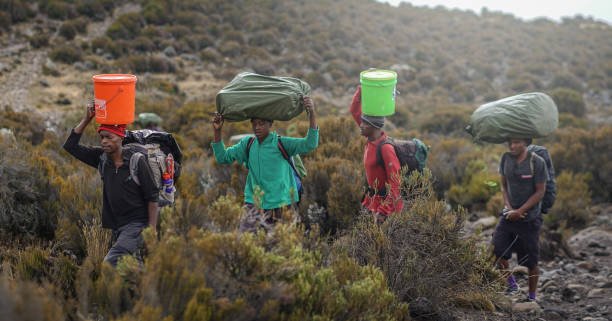
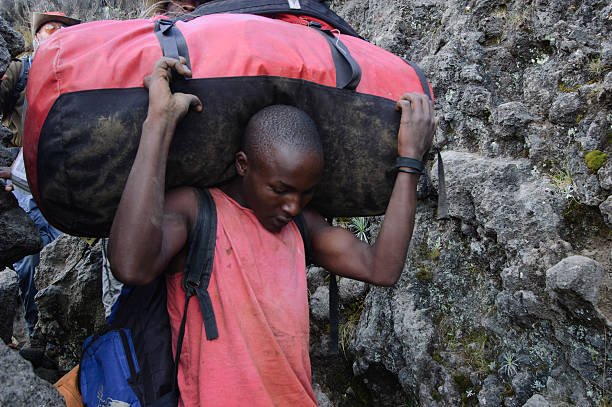
Porters transport the main mountain equipment and personal duffels according to applicable limits.
Families often have more total luggage than solo travellers, so careful packing is important.
Do not use children's extra clothing as a reason to exceed the permitted duffel allowance without discussing logistics in advance.
Camping with a Family
Lemosho, Machame and Rongai normally use camping during the ascent.
Families should understand tent arrangements before booking.
Parents may prefer family members to use separate or shared tents according to age, privacy and the confirmed package.
Single occupancy or specific tent arrangements should be requested before the climb.
Marangu Huts for Families
Marangu uses huts rather than standard camping tents.
This can simplify some sleeping logistics for families, but hut arrangements should still be confirmed before booking.
The presence of huts does not reduce the altitude challenge.
Family Meals on Kilimanjaro
Mountain meals are provided according to the confirmed trekking program.
Families should declare vegetarian requirements, allergies and other dietary needs before departure.
Parents may also want to bring familiar personal snacks that children or teenagers are comfortable eating during long hiking days.
Appetite can decrease at altitude, so familiar foods may be useful.
Hydration for Family Climbers
Every climber should have practical access to drinking water during the day.
Parents should encourage regular hydration while avoiding the idea that excessive water can prevent altitude illness.
Water arrangements should follow the guide's advice and actual mountain conditions.
Family Accommodation before and after the Climb
Pre and post trek hotels may be included according to the confirmed package.
Families should confirm room arrangements before booking.
Options may include family rooms, twin rooms, doubles or other combinations depending on the hotel.
Do not assume a particular room configuration without confirmation.
Airport Transfers for Families
Airport pickup and drop off may be included according to the final package.
Provide complete flight details before travel.
Families arriving on different flights should confirm whether separate transfers are included or charged differently.
Luggage Storage during the Trek
Families may arrive with safari, city or beach clothing that is not needed on Kilimanjaro.
Extra luggage may be stored at the hotel or another arranged location according to the program.
This allows the family to take only mountain equipment onto the trek.
Travel Insurance for Family Kilimanjaro Climbs
Each family member should have suitable insurance for the planned high altitude trekking activity.
Parents should check altitude limits, medical treatment and evacuation coverage carefully.
Do not assume a standard family travel insurance policy automatically covers climbing to Kilimanjaro elevations.
Medical Preparation before a Family Climb
Families with children, teenagers or travellers with relevant medical concerns should seek appropriate professional medical guidance before the trip.
Any regular medication should be prepared in sufficient quantity for the expedition and reasonable travel delays.
Medication requirements should be discussed privately with the relevant professionals rather than relying only on general trekking advice.
Emergency Planning for Families
Parents should understand what happens if one family member becomes unwell.
Ask how descent support is organized, what first aid equipment is carried and how emergency communication is managed according to the confirmed program.
Knowing the plan in advance reduces confusion if a problem occurs.
Family Tipping on Kilimanjaro
Tips for guides, cooks and porters are normally separate from the trekking package unless stated otherwise.
The amount depends on route duration, family size and crew structure.
Families should ask for a recommended tipping budget before travelling.
The final gratuity should recognize the wider mountain team rather than only the lead guide.
Can Families Combine Kilimanjaro with a Safari?
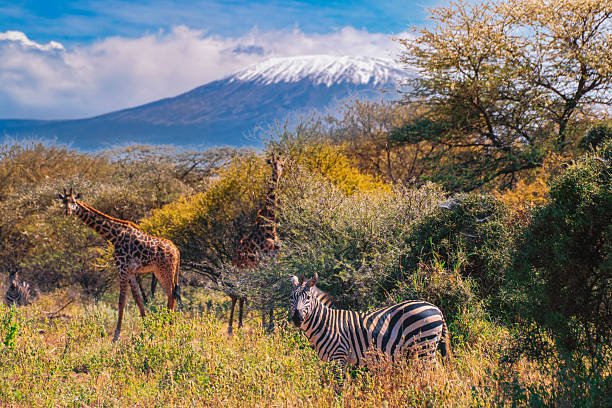
Yes, a safari can be added before or after the mountain climb according to the family travel plan.
Many families prefer a safari after Kilimanjaro because it provides a less physically demanding experience following the trek.
The exact destinations and number of days should be confirmed separately.
Can Families Add Zanzibar after Kilimanjaro?
A Zanzibar beach extension can also be arranged after the climb.
This can provide additional recovery time after the mountain.
Flights, accommodation and island activities should be confirmed according to the final package.
Kilimanjaro Family Climb Price
The price depends on route, trek duration, family size, crew requirements, private or group joining arrangements and confirmed inclusions.
Hotel rooms, airport transfers, equipment rental and special sleeping arrangements can also affect the cost.
No fixed price should be assumed without reviewing the specific family itinerary.
What Affects the Family Climb Cost?
- Chosen Kilimanjaro route
- Number of mountain days
- Number of family members
- Guide and crew requirements
- Private or group joining arrangement
- Camping or hut accommodation
- Hotel room configuration
- Airport transfers
- Equipment rental
- Additional safari or Zanzibar extensions
What Is Normally Included?
- Confirmed Kilimanjaro route and itinerary
- Applicable mountain park arrangements
- Professional mountain guides
- Assistant guides according to group requirements
- Cook and porters according to the confirmed crew structure
- Mountain accommodation according to the route
- Mountain meals according to the program
- Drinking water arrangements during the trek
- Transport to and from the mountain gate where included
- First aid and mountain safety arrangements according to the confirmed program
- Applicable rescue related arrangements where stated in the quotation
Possible Exclusions
- International flights
- Tanzania visa
- Travel insurance
- Crew tips
- Personal trekking equipment
- Equipment rental unless specified
- Pre and post trek hotels unless specified
- Airport transfers unless specified
- Optional activities and extensions
- Personal expenses
Family Kilimanjaro Booking Checklist
Confirm before Booking
- Confirm current age related park requirements
- Choose a suitable route and number of days
- Review acclimatization opportunities
- Confirm private or group joining arrangements
- Confirm guide and crew support
- Discuss what happens if one family member descends
- Review the full family packing list
- Check children's equipment sizes close to departure
- Confirm tent or hut arrangements
- Confirm hotel room arrangements
- Declare allergies and dietary requirements
- Confirm airport transfers
- Arrange appropriate travel insurance for each family member
- Complete appropriate training
- Accept that summit success is not guaranteed
Frequently Asked Questions
Can families climb Kilimanjaro together?
Yes, families may arrange Kilimanjaro climbs when participants meet applicable requirements and the itinerary is suitable for their fitness, ages and trekking experience.
What is the minimum age for Kilimanjaro?
Age related park requirements can apply and should be confirmed for the actual travel date before booking. Families should also consider maturity, fitness and ability to communicate altitude symptoms.
Can teenagers climb Kilimanjaro?
Prepared teenagers who meet applicable requirements may attempt Kilimanjaro, but fitness, maturity, acclimatization and honest communication remain important.
Is Kilimanjaro safe for children?
Kilimanjaro is a high altitude mountain with real risks. Suitability depends on age requirements, health, maturity, preparation, route selection and professional guiding. Appropriate medical guidance should be considered for younger climbers.
Which Kilimanjaro route is best for families?
There is no single route for every family. Longer Lemosho, Machame, Marangu, Rongai or Northern Circuit schedules may provide more acclimatization time than compressed itineraries.
Is Lemosho suitable for families?
Lemosho may suit prepared families who are comfortable with camping and want a longer itinerary with multiple acclimatization opportunities.
Is Marangu good for families?
Marangu uses huts and may appeal to families who prefer not to camp. The six day itinerary normally provides more acclimatization time than the compressed five day version.
Should families choose a private Kilimanjaro climb?
A private climb can provide dedicated guide arrangements and a more private group environment, which may be useful for families. Suitability depends on budget and personal preference.
Can a family join a group departure?
Yes, where a suitable scheduled departure is available, although families should consider whether the route, pace and group environment match their needs.
How fit should children or teenagers be?
They should be appropriately prepared for several hours of walking on consecutive days and have enough fitness for sustained uphill and downhill trekking.
Should families train together?
Yes. Family training hikes help identify differences in pace, footwear problems, endurance and communication before the actual climb.
Do children get altitude sickness?
Younger climbers can experience altitude related symptoms. Parents should never assume children are protected from altitude because of age.
What symptoms should a family report?
Report headache, nausea, dizziness, unusual fatigue, appetite loss, sleep problems, coordination changes or any significant deterioration in condition.
What if one child or parent cannot continue?
The guide team will assess the situation. An affected family member may need to descend while others continue where staffing, conditions and the mountain safety plan allow.
Do we all have to summit together?
No. Individual health and altitude response take priority over keeping the family together at the summit. Different decisions may be required for different family members.
Is Uhuru Peak guaranteed for a family climb?
No. Altitude, health, acclimatization, weather, fatigue and other factors mean summit success cannot be guaranteed for adults or younger climbers.
Will children carry their own daypacks?
Climbers normally carry personal daypacks, but the load should be suitable for each person's size and strength. Main duffels are handled according to the porter arrangement and baggage limit.
Can we rent children's equipment?
Some equipment may be available for rental, but sizes and availability should be confirmed before travel. Correct fit is particularly important for younger climbers.
Can vegetarian meals be arranged?
Vegetarian and other dietary requirements may be accommodated when declared in advance and confirmed with the mountain team.
Can our family add a safari after Kilimanjaro?
Yes. A safari extension can be arranged according to the family's dates, preferred parks, accommodation level and confirmed travel plan.
Can we add Zanzibar after the climb?
Yes. Zanzibar may be added as a post climb beach extension according to the final flight and accommodation arrangements.
Do family climbers need travel insurance?
Each traveller should have insurance suitable for the planned high altitude trekking activity and review medical and evacuation coverage carefully.
What is the most important advice for a family climbing Kilimanjaro?
Choose an appropriate route, train together, confirm age and safety requirements, communicate symptoms honestly and agree before the climb that no family member will be pressured to continue when stopping or descending is the safer decision.
Plan a Kilimanjaro Adventure for Your Family
Choose a route and schedule that suit your family's ages, fitness and trekking experience, then climb with professional guides who can manage pace, altitude monitoring and individual safety throughout the expedition.
Plan Your Family Kilimanjaro Climb

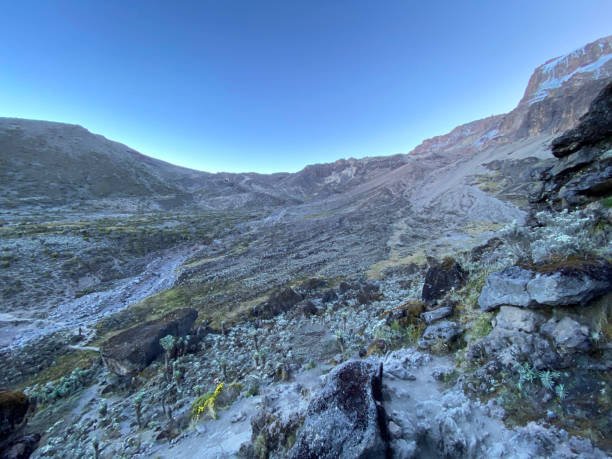 Kilimanjaro Climb