Kilimanjaro Solo Traveler Climb
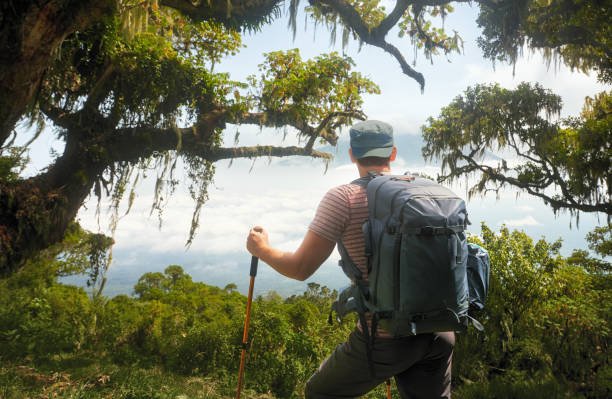
A Kilimanjaro Solo Traveler Climb is a practical option for travellers who want to climb Mount Kilimanjaro without bringing their own friend, partner or organised group from home.
Travelling solo does not mean climbing Mount Kilimanjaro alone.
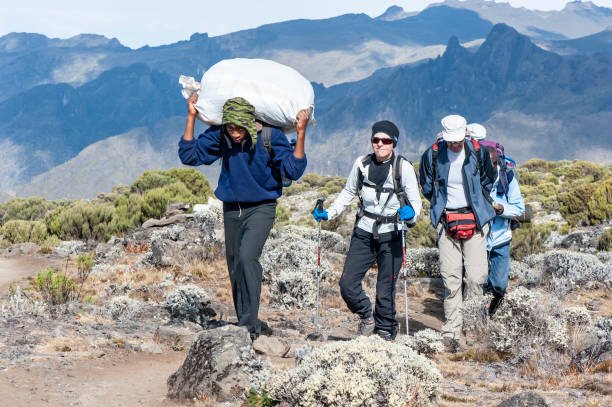
Independent climbing without a licensed mountain team is not the normal way Kilimanjaro trekking operates. Solo travellers climb with professional guides and a supporting mountain crew.
You can normally choose between joining a scheduled group departure or arranging a private climb specifically for one traveller.
Group joining departures can provide companionship and allow expedition costs to be shared among several climbers.
A private solo trek provides your own guide team and can offer more flexibility in the pre trek briefing, daily pacing and some logistical arrangements.
Regardless of whether you choose private or group joining, every standard Kilimanjaro itinerary involves high altitude, several consecutive trekking days and a demanding summit attempt.
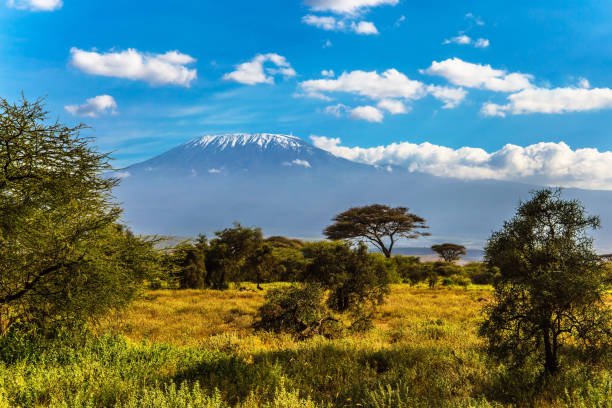
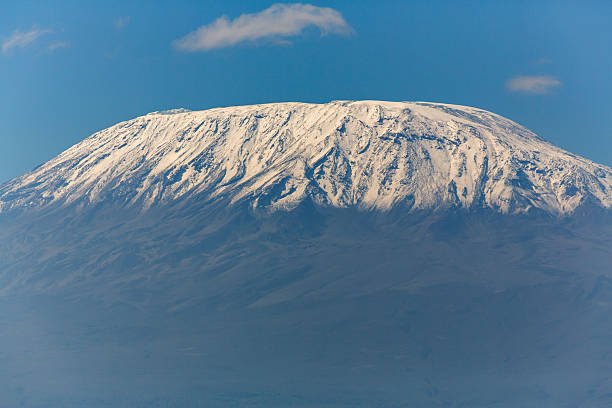
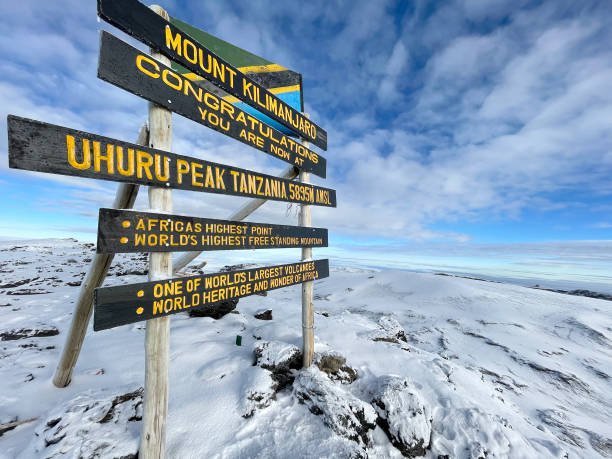
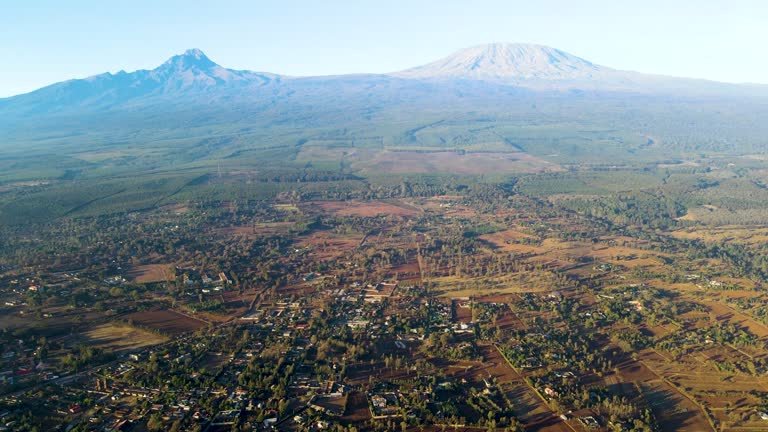
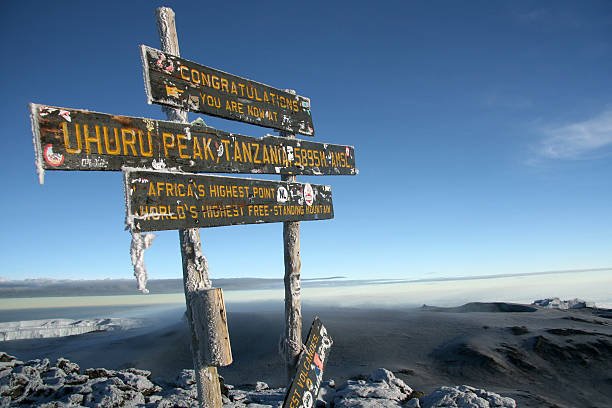
Uhuru Peak stands at 5,895 metres above sea level. Altitude affects every climber differently, and summit success can never be guaranteed.
Kilimanjaro Solo Traveler Climb at a Glance
- Suitable for: Independent travellers arriving alone in Tanzania.
- Main options: Group joining or private solo climb.
- Popular routes: Machame, Lemosho, Rongai, Marangu and Northern Circuit.
- Highest point: Uhuru Peak at 5,895 metres.
- Technical experience: Normally not required on standard trekking routes.
- Accommodation: Camping on most routes and huts on Marangu.
- Single tent: Can often be arranged depending on the confirmed package.
- Altitude: A major challenge regardless of fitness.
- Summit success: Cannot be guaranteed.
Can You Climb Kilimanjaro as a Solo Traveler?
Yes.
Many people travel to Tanzania individually and join other climbers only when the Kilimanjaro expedition begins.
You do not need to find your own trekking companion before booking.
A solo traveller can reserve a place on an existing group departure or request a private expedition.
The important distinction is that travelling alone does not normally mean walking on the mountain without professional guides and support staff.
Two Main Solo Climbing Options
- Group Joining: Join other travellers on a scheduled Kilimanjaro departure.
- Private Solo Climb: Trek with a dedicated mountain crew organised for you.
Kilimanjaro Group Joining for Solo Travelers
Group joining is one of the most practical choices for a Kilimanjaro Solo Traveler Climb.
You reserve one place on a scheduled departure and meet the other climbers shortly before the mountain trek begins.
Group members may arrive from different countries and may have different levels of previous hiking experience.
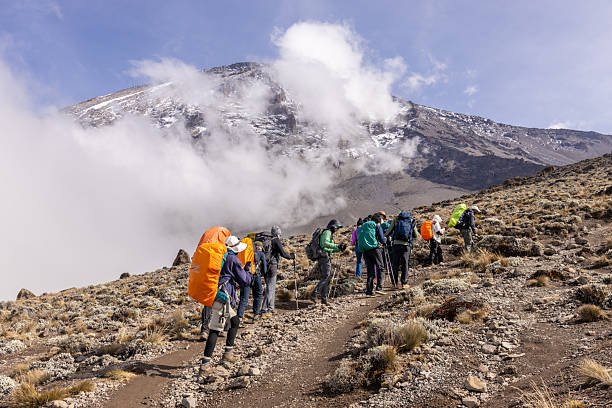
The group normally shares the expedition structure, guides, cook, mountain crew and camp logistics.
Why Solo Travelers Choose Group Joining
- Opportunity to meet other climbers
- Shared expedition costs
- Scheduled departure dates
- Shared mountain experience
- Professional guide support
- No need to organise your own travel companion
Private Kilimanjaro Solo Traveler Climb
A private solo trek is organised specifically for one climber.
You still have professional guides, a cook and the required porter team, but there are no unrelated clients within your trekking party.
This can suit travellers who value privacy or whose travel dates do not match a group departure.
A private climb may also provide more flexibility in pacing within the limits of the planned route and safe mountain operations.
Private Solo Climb Advantages
- Dedicated mountain team
- No need to match another climber's departure date
- More personal guide attention
- Your own group pace within safe mountain planning
- Greater privacy at camp
- Simpler personal logistics
Group Joining Versus Private Solo Climb
| Feature |
Group Joining |
Private Solo |
| Other climbers |
Yes |
No unrelated clients |
| Departure date |
Fixed or scheduled |
Can often be selected individually |
| Cost sharing |
Shared among group |
One traveller covers expedition structure |
| Social experience |
Strong group element |
More private |
| Guide attention |
Shared |
Dedicated to the private trek |
Which Kilimanjaro Route Can a Solo Traveler Choose?
Solo travellers can generally choose the same Kilimanjaro routes available to couples and groups.
The decision should depend on route length, altitude profile, scenery, accommodation style and your overall Tanzania schedule.
Common Route Options
- Machame Route
- Lemosho Route
- Rongai Route
- Marangu Route
- Northern Circuit
Solo Traveler on the Machame Route
Machame is a camping route approaching the mountain from the southwest.
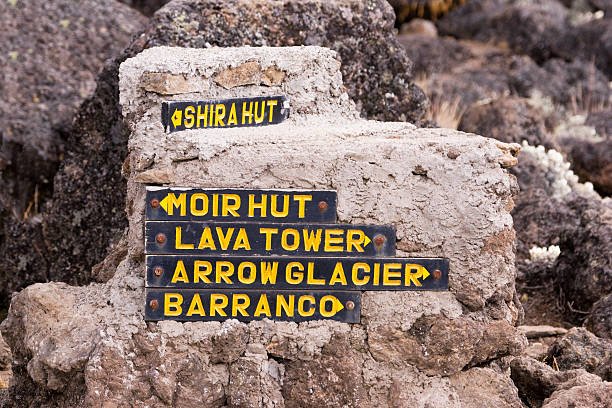
Standard itineraries pass through rainforest, Shira Plateau, Lava Tower, Barranco, Karanga and Barafu before the summit attempt.
Seven day Machame includes a separate Karanga overnight and provides more time than the six day itinerary before summit night.
This can be a practical group joining option because Machame departures are commonly organised for mixed groups of travellers.
Solo Traveler on the Lemosho Route
Lemosho begins on the western side of Mount Kilimanjaro and usually provides a longer approach before joining the southern circuit.
Seven and eight day itineraries are common.
Longer Lemosho itineraries provide additional time for acclimatization while still requiring strong walking endurance and a demanding summit attempt.
A solo traveller can join a scheduled Lemosho group or request a private trek.
Solo Traveler on the Rongai Route
Rongai approaches Kilimanjaro from the north.
The route normally passes through Simba, Second Cave or Kikelewa, Mawenzi area and Kibo before the final summit attempt.
It can be organised privately or through a scheduled departure when available.
Solo Traveler on the Marangu Route
Marangu is different from most major Kilimanjaro routes because accommodation is in mountain huts rather than tents.
A solo traveller may therefore choose Marangu when hut accommodation is an important preference.
However, huts do not make altitude less significant.
The route still reaches the same 5,895 metre Uhuru Peak.
Solo Traveler on the Northern Circuit
Northern Circuit itineraries spend more days on the mountain and traverse quieter northern sections before approaching the summit.
The longer schedule provides additional acclimatization time but also means more total trekking days.
Solo travellers should compare available group departures with the cost of arranging a private Northern Circuit trek.
Sample Seven Day Machame Itinerary for a Solo Traveler
The following example shows how a solo traveller might join a seven day Machame departure.
DAY
01
Machame Gate to Machame Camp
Transfer to Machame Gate, complete park procedures and begin trekking through rainforest toward Machame Camp.
- Starting altitude: Approximately 1,800 metres.
- Sleeping altitude: Approximately 2,835 metres.
- Distance: Approximately 11 km.
- Walking time: Approximately 5 to 7 hours.
Accommodation
Camping at Machame Camp.
Meals
Lunch and dinner according to the confirmed package.
DAY
02
Machame Camp to Shira Camp
Leave the forest and continue through heath and moorland toward the Shira Plateau.
- Starting altitude: Approximately 2,835 metres.
- Sleeping altitude: Approximately 3,850 metres.
- Distance: Approximately 5 km.
- Walking time: Approximately 4 to 6 hours.
Accommodation
Camping at Shira Camp.
Meals
Breakfast, lunch and dinner.
DAY
03
Shira to Lava Tower to Barranco
Climb toward Lava Tower at approximately 4,600 metres before descending to Barranco at approximately 3,900 metres.
- Distance: Approximately 10 km.
- Walking time: Approximately 6 to 8 hours.
- High point: Approximately 4,600 metres.
- Sleeping altitude: Approximately 3,900 metres.
The climb high and sleep lower profile can support acclimatization, although altitude affects each climber differently.
Accommodation
Camping at Barranco Camp.
Meals
Breakfast, lunch and dinner.
DAY
04
Barranco to Karanga
Climb Barranco Wall and continue through high altitude terrain toward Karanga Camp.
- Distance: Approximately 5 km.
- Walking time: Approximately 4 to 5 hours.
- Sleeping altitude: Approximately 4,035 metres.
The Barranco Wall includes steep trekking and scrambling but does not normally require technical climbing equipment.
Accommodation
Camping at Karanga Camp.
Meals
Breakfast, lunch and dinner.
Continue toward Barafu Camp at approximately 4,673 metres and prepare equipment for summit night.
- Distance: Approximately 4 km.
- Walking time: Approximately 3 to 4 hours.
- Sleeping altitude: Approximately 4,673 metres.
Accommodation
Camping at Barafu Camp.
Meals
Breakfast, lunch and early dinner.
DAY
06
Barafu to Uhuru Peak to Mweka
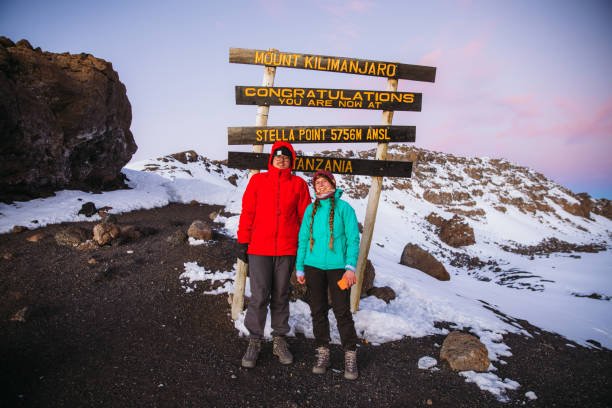
Begin the summit ascent late at night or around midnight and climb slowly toward Stella Point and Uhuru Peak.
- Barafu: Approximately 4,673 metres.
- Stella Point: Approximately 5,756 metres.
- Uhuru Peak: 5,895 metres.
- Sleeping altitude after descent: Approximately 3,100 metres.
- Total trekking time: Approximately 12 to 16 hours for many climbers.
Only climbers who remain in suitable condition should continue toward the summit. Guide safety decisions take priority over reaching Uhuru Peak.
Accommodation
Camping at Mweka Camp.
Meals
Meals according to the summit day schedule.
DAY
07
Mweka Camp to Mweka Gate
Descend through the forest to Mweka Gate, complete final mountain procedures and transfer back to Moshi or another agreed location.
- Walking time: Approximately 3 to 4 hours.
- Terrain: Forest trail.
- Finish: Mweka Gate.
Accommodation
Hotel according to your confirmed package.
Transfer
Mweka Gate to Moshi or agreed destination.
Will a Solo Traveler Have a Single Tent?
A single tent can often be arranged for solo travellers on camping routes.
Whether it is automatically included or involves an additional charge depends on the confirmed package and group departure conditions.
Ask about tent occupancy before booking if personal sleeping space is important to you.
Single Room Before and After the Trek
Hotel arrangements should also be confirmed separately.
A solo traveller may receive a single room or may need to pay a single room supplement depending on the accommodation package.
Do not assume that single mountain tent arrangements automatically mean a single hotel room is included.
Is a Solo Kilimanjaro Climb Safe?
Solo travel itself does not automatically make Kilimanjaro unsafe.
The important factor is that the climb is organised with a professional mountain team and appropriate emergency procedures.
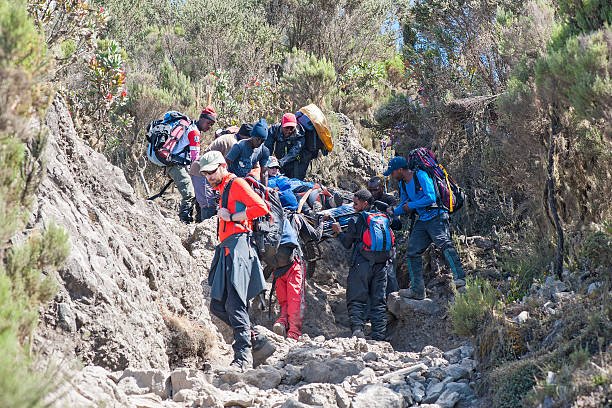
A private solo climber still has guide support, while a solo group joining traveller climbs with the group's mountain team.
Solo Climber Safety Priorities
- Licensed professional guides
- Daily health monitoring
- Slow altitude progression
- Clear rescue procedures
- Emergency oxygen where carried by the operator
- Appropriate guide to climber ratios
- High altitude travel insurance
- Honest symptom reporting
Altitude Sickness for Solo Climbers
A solo traveller faces the same altitude challenge as everyone else.
Being independent, physically fit or experienced does not make someone immune to altitude sickness.
Possible early symptoms include headache, nausea, reduced appetite, dizziness, unusual tiredness and disturbed sleep.
Symptoms should be reported immediately rather than hidden because you are concerned about slowing the group.
Confusion, severe loss of coordination or breathlessness at rest require urgent guide attention.
What Happens if a Solo Traveler Must Descend?
Emergency descent procedures depend on whether the traveller is part of a group or on a private trek.
On a group departure, guide numbers are planned so that an individual climber can potentially receive support while the remaining group continues when circumstances allow.
In some situations, the wider itinerary may also need to change.
A private solo traveller already has a dedicated expedition team, so the trek can be adapted entirely around the climber's safety needs.
Travel Insurance for a Solo Kilimanjaro Climber
Travel insurance is especially important when travelling internationally on your own.
Confirm that your policy covers trekking to the maximum planned Kilimanjaro altitude and emergency evacuation.
Check Your Insurance For
- Trekking altitude up to the planned maximum elevation
- Emergency medical treatment
- Ground evacuation
- Helicopter evacuation where covered and operationally possible
- Hospital treatment
- Trip interruption
- Relevant exclusions
Airport Pickup for Solo Travelers
Solo travellers can arrange airport pickup in the same way as couples or groups.
Provide your arrival flight number, landing time and airport details before travelling.
If airport transfers are included in your package, confirm where the driver will meet you.
Arriving Before Your Kilimanjaro Climb
Arriving before the trekking start date gives time for rest, luggage organisation, equipment checks and the mountain briefing.
A solo traveller should avoid planning an unnecessarily tight connection between an international arrival and the mountain departure.
Kilimanjaro Pre Trek Briefing for Solo Travelers
The briefing is particularly useful when you are travelling independently because it confirms your mountain arrangements before departure.
Briefing Topics Can Include
- Route and daily schedule
- Weather expectations
- Equipment check
- Luggage limits
- Daypack preparation
- Meals and dietary needs
- Altitude monitoring
- Summit night preparation
- Emergency procedures
- Tipping guidance
Equipment Rental for Solo Travelers
You do not need to own every piece of mountain equipment before travelling.
Selected items can often be rented according to availability.
Common Rental Items May Include
- Sleeping bag
- Trekking poles
- Gaiters
- Duffel bag
- Selected warm clothing
- Other trekking equipment according to availability
Footwear should ideally be tested before the climb rather than rented at the last minute unless necessary.
What Does a Solo Traveler Carry?
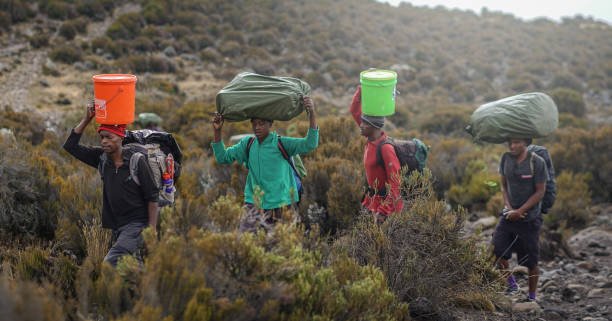
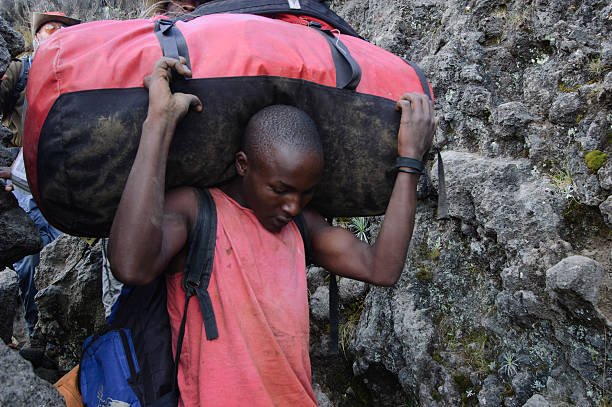
Porters normally carry approved expedition equipment and your allocated main duffel.
You carry a personal daypack containing the items needed while walking.
- Drinking water
- Waterproof clothing
- Warm layer
- Snacks
- Sun protection
- Personal medication
- Camera or phone
- Other items required before reaching camp
Fitness for a Kilimanjaro Solo Traveler Climb
Solo travellers need the same physical preparation as other climbers.
The mountain requires several consecutive walking days, hill climbing, long descents and a demanding summit attempt.
Useful Training
- Long distance walking
- Hill hiking
- Stair climbing
- Leg strengthening
- Core exercises
- Downhill hiking
- Back to back walking days
- Training with your daypack
- Training in your hiking boots
Does a Solo Traveler Need to Be More Experienced?
No.
A person travelling alone does not automatically need more climbing experience than someone travelling with friends.
First time high altitude trekkers can book solo.
The key considerations remain route choice, preparation, professional guide support and realistic expectations.
Can a Beginner Book a Solo Kilimanjaro Climb?
Yes.
Many first time trekkers travel to Kilimanjaro independently.
Beginners should allow enough time for fitness preparation and should understand the effects of altitude before travelling.
A longer itinerary can provide more acclimatization time than a compressed route.
How Group Pace Works for Solo Travelers
A joining group contains people who naturally walk at different speeds.
Kilimanjaro is not a race, and guides normally encourage a slow pace.
When the guide team is appropriately staffed, climbers can sometimes be separated safely according to pace.
No solo traveller should feel pressured to walk too quickly simply to remain beside another client.
What if You Are the Slowest Person in the Group?
Walking slowly is not automatically a problem on Kilimanjaro.
In fact, a slow sustainable pace is commonly encouraged at high altitude.
Communicate with the guides rather than trying to match a pace that makes you unnecessarily exhausted.
What if You Are Faster Than the Group?
A fast trekker should still follow the guide's pacing instructions.
Walking faster does not improve acclimatization and can increase unnecessary physical strain.
The objective is safe progression, not reaching each camp first.
Summit Night as a Solo Traveler
Summit night can feel especially significant when you arrived in Tanzania without companions, but by this stage you will already know your guides and, on a joining trek, the other climbers.
The summit attempt normally begins late at night or around midnight depending on route and guide planning.
For many climbers the total summit ascent and descent can involve approximately 12 to 16 hours of trekking.
Guide decisions are based on safety and individual condition rather than whether you travelled alone or as part of a pre existing group.
Kilimanjaro Solo Traveler Climb Cost Factors
The price of a Kilimanjaro Solo Traveler Climb depends heavily on whether you join an existing departure or arrange a private trek.
No single cost applies to every solo traveller.
Main Solo Climb Cost Factors
- Route selected
- Number of trekking days
- Private or group joining departure
- Number of climbers sharing expedition costs
- Mountain crew requirements
- Single tent arrangements
- Single hotel room arrangements
- Airport transfers
- Hotel nights before and after the trek
- Equipment rental
- Optional portable toilet
- Safari or Zanzibar extensions
Why Private Solo Climbs Usually Cost More
A private solo trek still requires professional mountain staff.
There is only one client available to cover the expedition structure, whereas a group departure shares many costs among several travellers.
This is why group joining is often attractive to solo travellers who want to control their total budget.
Kilimanjaro Tipping for Solo Travelers
Crew gratuities should also be included in your travel budget.
A solo traveller joining a group can normally share the overall crew gratuity with the other climbers.
A private solo climber may have a higher personal tipping responsibility because there are no other clients sharing the crew tip.
Ask for the expected mountain crew and current tipping guidance before departure.
Can Solo Travelers Store Extra Luggage?
Yes, extra travel luggage can often be stored at the hotel or another agreed secure location while you are on the mountain.
This is useful if you are carrying safari clothing, beach clothing, a large suitcase or items not required for the trek.
Only pack necessary mountain equipment into your trekking luggage.
Combining a Solo Kilimanjaro Climb With Safari
A solo traveller can continue directly from Kilimanjaro into a northern Tanzania safari.
The safari can be private or group joining according to available departures and your budget.
Possible Safari Extensions
- Tarangire National Park
- Ngorongoro Crater
- Serengeti National Park
- Lake Manyara National Park
- Lake Eyasi cultural experiences
Wildlife remains free roaming and individual sightings cannot be guaranteed.
Solo Kilimanjaro and Zanzibar
Zanzibar can be added after the mountain for travellers who want a beach and cultural extension.
A solo traveller can fly from northern Tanzania to Zanzibar and stay in Stone Town, Nungwi, Kendwa, Matemwe or another selected area.
Flights, accommodation and transfers can be arranged separately or included in a broader package.
Solo Kilimanjaro, Safari and Zanzibar Package
A longer Tanzania itinerary can combine all three experiences.
A common structure is:
Example Solo Tanzania Journey
- Arrival in northern Tanzania
- Kilimanjaro briefing and equipment check
- Six, seven or eight day Kilimanjaro climb
- Recovery night
- Northern Tanzania safari
- Flight to Zanzibar
- Beach stay
- International departure
Can Female Solo Travelers Climb Kilimanjaro?
Yes.
Women travel independently to Tanzania and join Kilimanjaro expeditions in the same way as other solo travellers.
The practical planning considerations remain professional guiding, airport transfers, accommodation, route choice, emergency procedures and confirmed trekking logistics.
If a single tent or private hotel room is preferred, confirm those arrangements before booking.
Can Older Solo Travelers Climb Kilimanjaro?
Age alone does not determine whether someone is ready for Kilimanjaro.
Walking endurance, recovery, mobility, preparation and individual health are more useful considerations.
Travellers with medical concerns or uncertainty about strenuous high altitude trekking should seek appropriate individual medical advice before departure.
Can a Solo Traveler Do a Day Summit?
Summit departure timing should be agreed with the guide team and depends on route, itinerary, conditions and the climber's health.
Some climbers prefer a later departure than the standard midnight schedule.
Any alternative should still respect safe altitude management, camp logistics and the long descent after the summit attempt.
Meals for Solo Travelers
Solo travellers receive the same mountain meal planning as other climbers according to the confirmed package.
Typical meals can include porridge, eggs, toast, pancakes, fruit, soups, rice, pasta, potatoes, vegetables, stews and snacks.
Vegetarian and other dietary requirements should be communicated before the trek.
Typical Kilimanjaro Solo Traveler Climb Inclusions
- Professional licensed mountain guides
- Assistant guides according to group requirements
- Cook and porter crew
- Applicable mountain park and rescue fees according to the confirmed package
- Mountain camping equipment on camping routes
- Meals during the trek
- Drinking water arrangements during the trek
- Gate transfers according to the confirmed itinerary
- Health monitoring and mountain safety equipment according to operator procedures
Typical Exclusions
- International flights
- Tanzania visa
- Travel insurance
- Personal trekking equipment unless stated
- Equipment rental unless stated
- Crew gratuities
- Additional hotel nights unless stated
- Safari unless stated
- Zanzibar unless stated
- Personal expenses
What to Pack for a Solo Kilimanjaro Climb
- Waterproof hiking boots
- Trekking socks
- Thermal base layers
- Fleece or mid layer
- Insulated jacket
- Waterproof jacket and trousers
- Warm gloves
- Warm hat
- Sun hat
- Sunglasses
- Headlamp and spare batteries
- Trekking poles
- Daypack
- Suitable sleeping bag on camping routes
- Water bottles or hydration system
- Personal medication
- Sun protection
Important Information About Kilimanjaro Solo Traveler Climb
A Kilimanjaro Solo Traveler Climb does not require you to arrive with your own trekking companion.
Solo travellers can join scheduled Kilimanjaro group departures.
A private solo trek can also be arranged.
Travelling solo does not mean climbing the mountain without guides.
Professional guide support remains essential.
Group joining can provide companionship and shared expedition costs.
A private solo trek normally costs more because expedition costs are not divided among several clients.
Solo travellers can choose Machame, Lemosho, Rongai, Marangu or Northern Circuit according to available itineraries.
Machame, Lemosho, Rongai and Northern Circuit generally use camping accommodation.
Marangu uses huts.
A single mountain tent can often be arranged according to the confirmed package.
A single hotel room should be confirmed separately.
Group departure dates may be fixed.
Private solo departures can offer greater date flexibility.
Solo travellers normally carry their own daypack.
Porters carry approved group equipment and allocated trekking luggage.
Luggage limits must be respected.
Equipment rental can be arranged according to availability.
Arriving before the trek provides time for briefing and equipment checks.
Altitude affects solo travellers in the same way it affects other climbers.
Fitness does not prevent altitude sickness.
Longer routes generally provide more acclimatization time.
No route guarantees successful acclimatization.
Uhuru Peak stands at 5,895 metres.
Summit day can involve approximately 12 to 16 hours of trekking for many climbers depending on route and pace.
Guide health and safety decisions take priority over reaching the summit.
A solo traveller should report symptoms honestly rather than worrying about delaying other group members.
Travel insurance should cover the maximum planned trekking altitude and emergency evacuation.
Helicopter evacuation cannot be guaranteed because weather, location and operational conditions affect availability.
Group joining travellers may sometimes descend individually with guide support while the rest of the group continues when staffing and conditions allow.
A private solo itinerary can be adapted entirely around the individual climber if descent becomes necessary.
Crew tipping should be budgeted before departure.
Solo private travellers may have a higher per person tipping responsibility than group joining travellers.
Airport transfers can be arranged for one traveller.
Safari and Zanzibar extensions can be added after the climb.
Solo travellers can also book cultural experiences before or after the mountain.
Summit success cannot be guaranteed.
Why Choose a Kilimanjaro Solo Traveler Climb?
A Kilimanjaro Solo Traveler Climb allows you to pursue Mount Kilimanjaro without waiting for friends or family members to have the same schedule, budget or trekking ambitions.
Group joining makes it possible to meet other travellers after arriving in Tanzania, while a private trek allows the mountain experience to remain more personal.
Either option can be combined with airport transfers, hotel accommodation, equipment rental, safari and Zanzibar depending on your wider itinerary.
The most important decisions are choosing a suitable route duration, arriving physically prepared and climbing with a professional team that takes altitude and emergency planning seriously.
Frequently Asked Questions About Kilimanjaro Solo Traveler Climb
Can I climb Kilimanjaro as a solo traveler?
Yes. You can join a scheduled group departure or organise a private solo Kilimanjaro trek.
Will I actually climb alone?
No. A solo traveller still climbs with professional guides and a mountain support crew.
Do I need to find my own trekking partner?
No. Group joining departures allow you to reserve one place and meet the other climbers in Tanzania.
Is group joining suitable for solo travelers?
Yes. It can provide companionship and allows expedition costs to be shared among several climbers.
Can I book a completely private climb?
Yes. A private trek can be organised specifically for one traveller with a dedicated mountain crew.
Is a private solo climb more expensive?
Usually yes because there are no other climbers sharing the expedition's guide, cook, porter and logistical costs.
Will I have my own tent?
A single tent can often be arranged on camping routes, but confirm whether it is included in your package.
Will I have my own hotel room?
Single room arrangements depend on the hotel package and should be confirmed before booking.
Which route can a solo traveller choose?
Machame, Lemosho, Rongai, Marangu and Northern Circuit can all be considered depending on departure availability and your preferences.
Is Machame suitable for solo travellers?
Yes. A solo traveller can join a Machame departure or arrange a private Machame trek.
Is Lemosho suitable for a solo traveller?
Yes. Seven and eight day Lemosho itineraries can work well for solo travellers through either group joining or private arrangements.
Can a solo traveler choose Marangu?
Yes. Marangu can be chosen when hut accommodation is preferred.
Do I need previous climbing experience?
Technical climbing experience is normally not required on standard Kilimanjaro trekking routes.
Can a beginner travel solo for Kilimanjaro?
Yes. Many first time high altitude trekkers travel independently, but proper training and route planning are important.
Is solo Kilimanjaro safe?
A professionally organised solo trek includes guides, crew support and emergency procedures. High altitude risks remain regardless of whether you travel alone or with companions.
What if I get altitude sickness?
Tell your guide immediately. Your condition can be assessed and descent arranged when continuing higher would be unsafe.
Will the whole group have to descend if I become sick?
Not necessarily. Depending on guide numbers and the situation, one climber may descend with support while the remaining group continues safely.
Do solo travellers need travel insurance?
High altitude travel insurance covering the planned trekking elevation and emergency evacuation is strongly important.
Can airport pickup be arranged for one person?
Yes. Airport transfers can be arranged for solo travellers according to the confirmed package.
How early should I arrive before the climb?
Arriving before the trekking start provides time for rest, briefing, equipment checks and any necessary rental arrangements.
Can I rent equipment as a solo traveller?
Yes. Items such as sleeping bags, trekking poles, gaiters and duffels may be available for rent according to local availability.
Can my extra suitcase stay at the hotel?
Extra luggage can often be stored while you are trekking, subject to the hotel's or operator's storage arrangements.
Will porters carry my luggage?
Porters carry approved allocated trek luggage while you normally carry your personal daypack.
Can a vegetarian solo traveller climb?
Yes. Dietary requirements should be provided before the trek so meal planning can be arranged appropriately.
What happens if I am slower than everyone else?
Communicate with the guides. Kilimanjaro is normally climbed slowly, and appropriately staffed guide teams can manage differences in pace when safe.
What if I am faster than the group?
Follow guide pacing rather than rushing. Faster walking does not improve acclimatization.
Can I have a private toilet?
A private portable toilet can often be added to camping routes when requested and confirmed in advance.
How does tipping work for a solo traveller?
A group joining traveller normally shares the overall crew gratuity with the group, while a private solo climber should calculate tipping from the dedicated crew structure.
Can female solo travellers climb Kilimanjaro?
Yes. Female solo travellers can join scheduled groups or organise private climbs with the same mountain planning and support considerations.
Can older solo travellers climb?
Age alone does not determine readiness. Fitness, mobility, recovery and individual health are more practical considerations.
Can I add a safari after Kilimanjaro?
Yes. Solo travellers can add private or group joining safaris to Tarangire, Ngorongoro, Serengeti, Lake Manyara or other selected areas.
Can I go to Zanzibar after my climb?
Yes. Zanzibar can be added after Kilimanjaro or after a safari extension.
Is summit success guaranteed on a private solo trek?
No. Private guiding provides personal support, but altitude, health, weather and individual acclimatization still affect summit success.
Does joining a group guarantee the summit?
No. Summit success cannot be guaranteed on any standard Kilimanjaro arrangement.
How do I choose between private and group joining?
Consider your budget, preferred dates, privacy, social preferences and whether you want a dedicated expedition or are comfortable joining other travellers.
Can I book at the last minute?
Last minute bookings may be possible when permits, crew, accommodation and group spaces remain available, but earlier planning provides more route and departure choices.
What information should I provide when booking?
Provide your preferred dates, route, number of trekking days, flight details, trekking experience, equipment requirements, dietary needs and whether you prefer a private or group joining climb.
How do I book a Kilimanjaro Solo Traveler Climb?
Choose your preferred route and dates, decide between group joining and private trekking, confirm accommodation and transfers, complete your equipment planning and arrange suitable high altitude travel insurance before departure.
Request Your Kilimanjaro Solo Traveler Climb
Travel to Tanzania independently and choose a Kilimanjaro group joining departure or private solo trek with professional guides, mountain crew, route planning and optional safari or Zanzibar extensions.
Book Your Solo Kilimanjaro Climb